Chasing the Red Horse: A Traveler’s Journey from Sacred Peaks to the Abundance of Pen Cai
January 2, 2026 |J.C. Yue

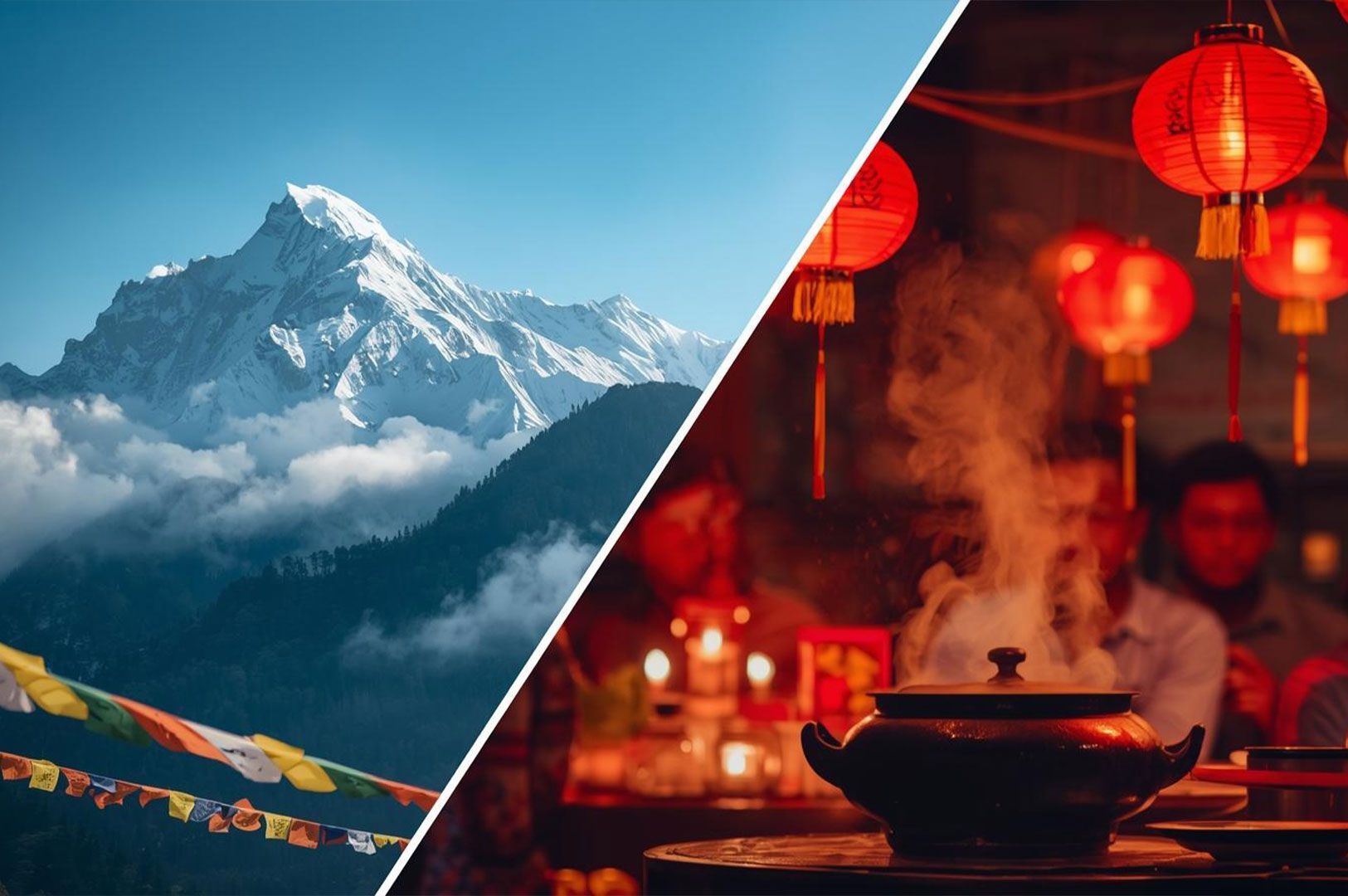
For most of the year, my life is a whirlwind of logistics, time zones, and adapting to foreign cultures. But there is one time when my Singaporean roots pull me firmly back home, no matter where I am in the world: Chinese New Year. This year, the Year of the Horse, felt particularly poignant. I found myself in the sacred mountains of Bhutan, a kingdom where the "Wind Horse" represents well-being and good fortune, just as my family back home was preparing for our own celebrations.
This juxtaposition—the quiet, spiritual pursuit of fortune on a sacred peak versus the boisterous, abundant celebration in a modern city—got me thinking about the different ways we chase prosperity. My journey took me from the serene heights of the Himalayas back to the familiar, joyful chaos of a Singaporean Chinese New Year, a transition from spiritual contemplation to the rich, layered symbolism of a Pen Cai feast.
As a traveling assistant, my job is to create seamless experiences.
But Chinese New Year is the one time my focus shifts to my own family traditions. Yet, even in this personal space, the lines blur. My boss, intrigued by the festivities, often joins, and my role evolves into that of a cultural translator. This year, I found myself managing a CNY delivery for our small, impromptu gathering, explaining the significance of each dish in our CNY takeaway menu, and reflecting on how tradition adapts to
our modern, transient lives.
The Wind Horse of Bhutan: Fortune as a Spiritual Quest

Our journey began in Bhutan, a nation that famously measures its success not in GDP, but in Gross National Happiness. Here, the concept of the horse is deeply spiritual. The Lung Ta, or Wind Horse, is a mythical creature that combines the speed of the wind and the strength of the horse to carry prayers from earth to the heavens.
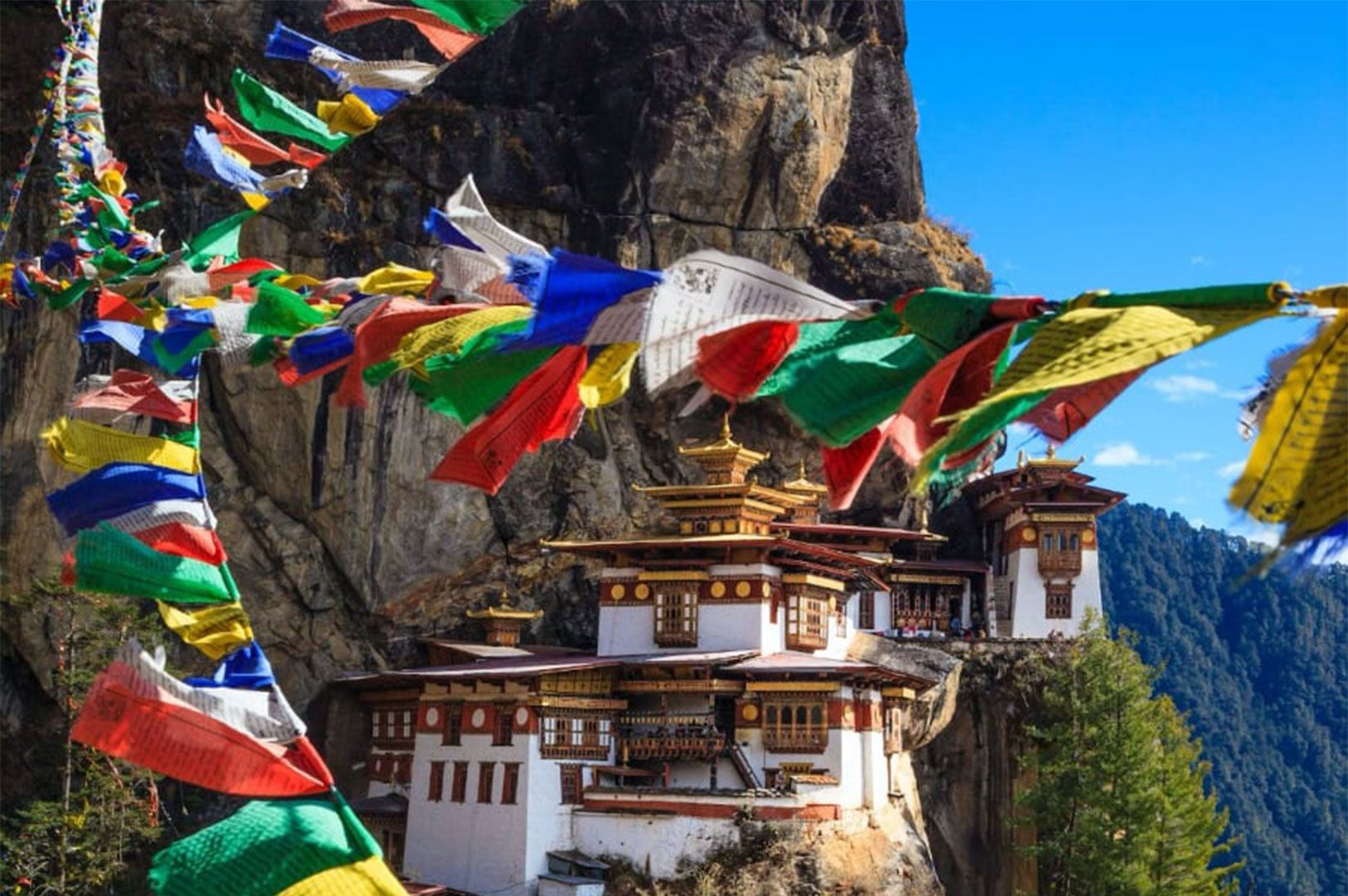
- Prayer Flags as Messengers: You see them everywhere, strings of colorful prayer flags snapping in the mountain wind. Each flag is printed with a horse at its center. The belief is that as the wind blows through the flags, it carries the blessings and goodwill depicted on them to all beings. This idea of fortune as something to be spread, not just accumulated, was a powerful start to the year.
- The Tiger's Nest Monastery: The ultimate expression of this belief is the trek to Paro Taktsang, the Tiger's Nest Monastery. Clinging to a sheer cliff face, reaching it is a physical and spiritual pilgrimage. As we made the ascent, I felt a world away from the material preparations for Chinese New Year. Here, prosperity was about inner peace, good health, and a clear mind.
This experience provided a stark, beautiful contrast to the definition of fortune I grew up with, one that is deeply tied to family, community, and, most deliciously, food.
Returning Home: The Abundance of a Singaporean Chinese New Year

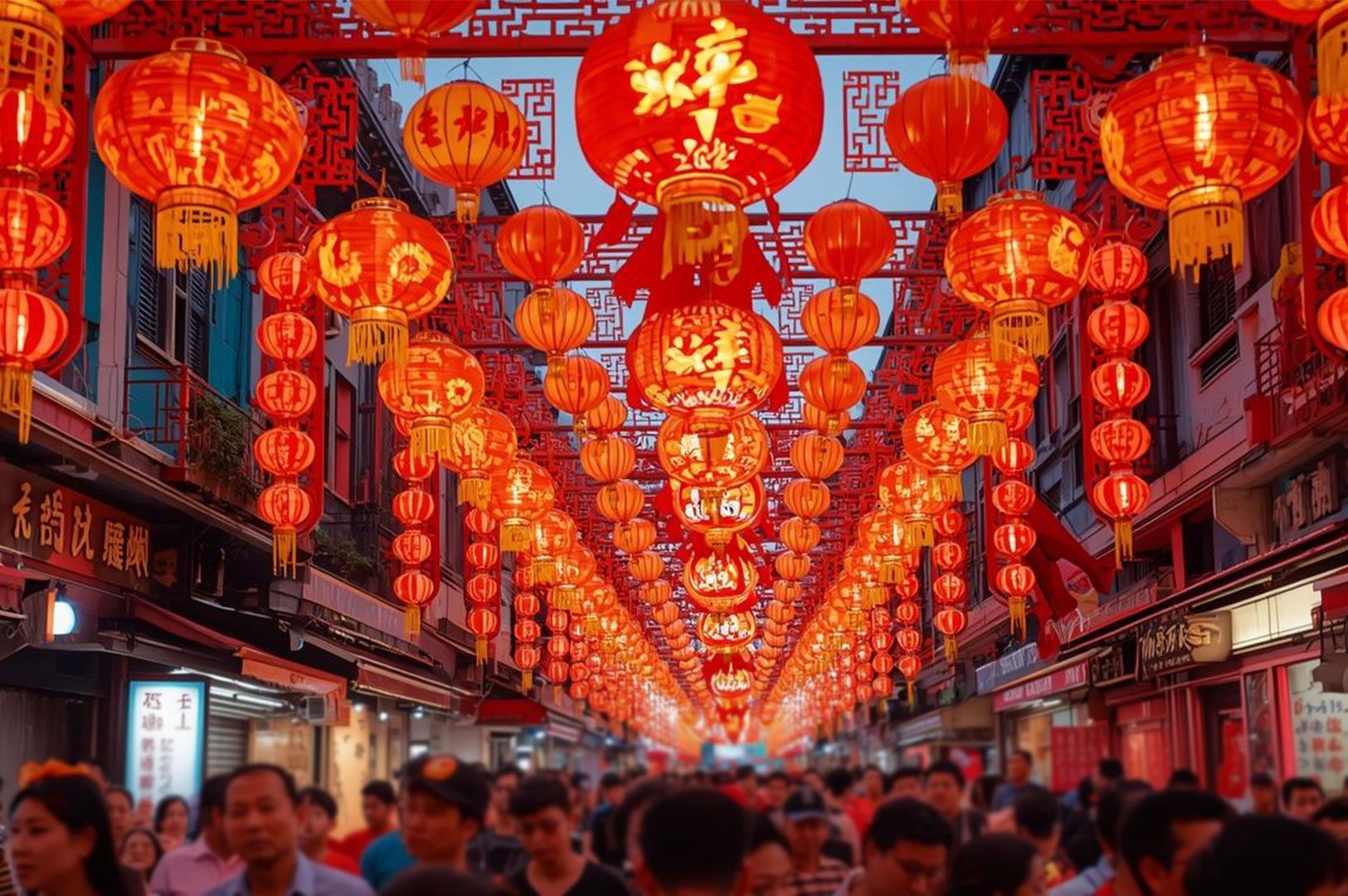
Landing back in Singapore just before the New Year was a sensory jolt. The quiet prayer flags were replaced by a riot of red and gold decorations. The crisp mountain air gave way to the humid, expectant buzz of a city about to celebrate. The focus shifted from the ethereal to the tangible, and nowhere is this more apparent than on the dining table.
The Symbolism on a Plate
Chinese New Year is a feast of homonyms and symbols. Every dish served carries a specific meaning and a wish for the year ahead.
- Fish (Yú) represents surplus and abundance.
- Dumplings (Jiǎozi) are shaped like ancient Chinese gold ingots.
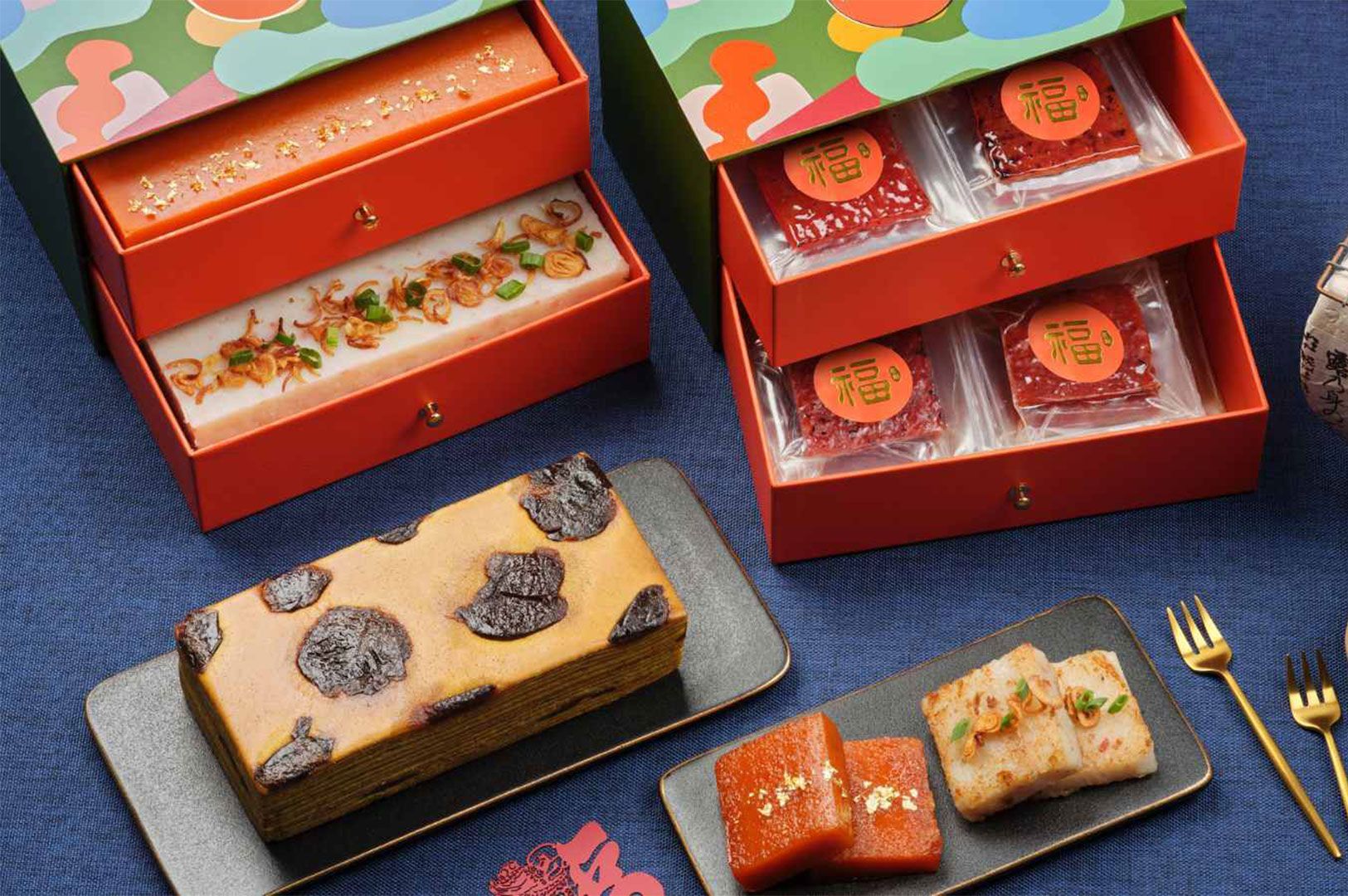
- Nian Gao (a sticky rice cake) symbolizes progress and rising higher in the coming year.
Understanding this culinary language is key to understanding the culture. It is a way of eating your wishes, a delicious and deeply felt form of prayer.
The Centerpiece: Pen Cai (Poon Choi)
The star of our modern reunion dinner is often the Pen Cai, or "basin dish." This is a magnificent, one-pot treasure trove of luxury ingredients, layered and braised in a rich, savory sauce. Its history is rooted in the walled villages of Hong Kong, where it was served in large communal basins. Today, it has become a symbol of opulent celebration in Singapore.
Each ingredient in the Pen Cai has a meaning:
- Abalone (Bàoyú) signifies "assurance" of good fortune.
- Sea Cucumber (Hǎishēn) sounds like "good heart."
- Dried Oysters (Háo Shì) sound like "good things" or "good business."
- Fat Choy (a black moss) sounds like "prosperity."
A Pen Cai is a magnificent culinary expression of family reunion and prosperity, a stacked treasure pot of good wishes.
The Modern Reunion Dinner: A Personal Anecdote

In my family, the reunion dinner was traditionally a massive affair, with my grandmother and aunts spending days preparing. But as our lives have become busier and more global, our traditions have adapted. This year, with my late return and my boss in tow, a home-cooked feast was out of the question.
My task was to recreate that sense of abundance and tradition with the convenience of modern life. This led me down the rabbit hole of Singapore’s burgeoning CNY scene.
Curating the Perfect CNY Takeaway Menu
I spent a full day researching the best CNY takeaway menu options from Singapore’s top Chinese restaurants. It wasn’t just about finding good food; it was about curating a meal that told the right story. I chose a classic Pen Cai from a heritage restaurant, a modern Yu Sheng (prosperity salad) from a contemporary one, and a few nostalgic dishes from a smaller, family-run kitchen.
On the eve of Chinese New Year, our small apartment was filled with the aromas of a traditional feast, all delivered in a marvel of logistical precision. As I explained the meaning of each dish to my boss, I realized that this modern approach didn't diminish the tradition; it simply made it accessible. We were still participating in the same ritual of hope and togetherness, just in a way that fit our 21st-century lives. This blend of old and new is a hallmark of modern Singapore, a story you can see reflected on the official Visit Singapore portal.
Chasing the Red Horse: Two Paths to Fortune
Looking back, my journey from Bhutan's peaks to a Singaporean dining table was a journey between two interpretations of the same desire: the pursuit of a fortunate life.
- The Bhutanese "Red Horse" was the Lung Ta, a spiritual messenger carrying wishes for universal well-being. The path to fortune was through inner work, merit, and a connection to the natural world.
- The Singaporean "Red Horse" was a symbol of energy, success, and celebration, manifested in the vibrant red envelopes (hongbao), the lively festivities, and the communal joy of a shared feast. The path to fortune was through family, community, and the tangible expression of abundance.
Neither path is superior. They are simply different cultural lenses through which to view the same fundamental human hope for a good and prosperous year.
For the Traveler: Experiencing Chinese New Year

If you find yourself in a city celebrating Chinese New Year, it can be an overwhelming but exhilarating experience. Here are a few tips from a seasoned navigator:
- Book Everything in Advance: Restaurants, transport, and hotels get booked up months ahead.
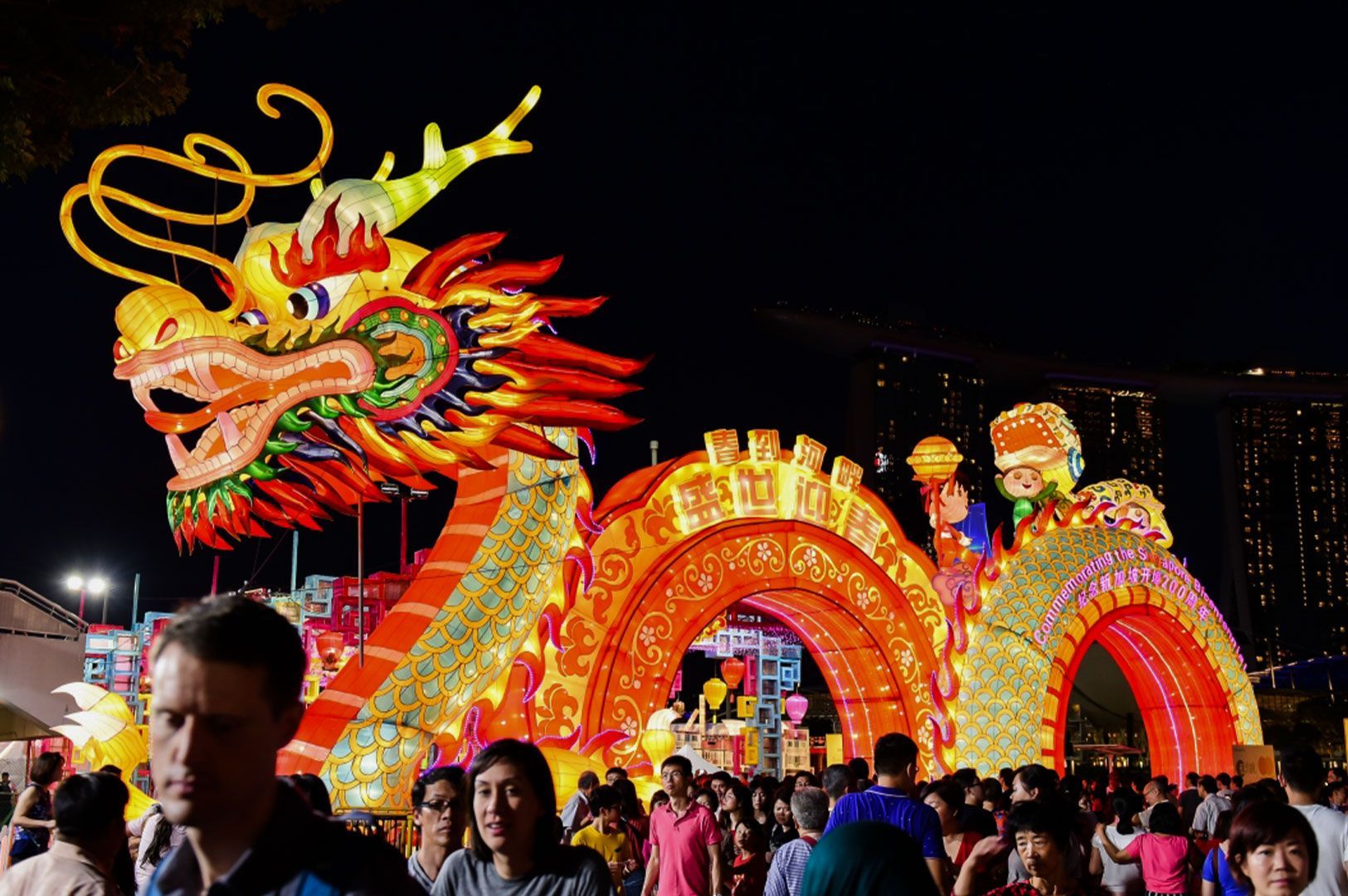
- Embrace the Crowds: Public celebrations, like the River Hongbao in Singapore or the temple fairs in Beijing, are crowded but offer an incredible spectacle of lanterns, music, and dragon dances.
- Learn the Greetings: A simple "Gong Xi Fa Cai" (Mandarin) or "Gong Hey Fat Choy" (Cantonese) will be met with warm smiles.
- Try the Food: Don't miss out on the seasonal snacks and dishes. Look for pineapple tarts, bak kwa (barbecued pork), and, of course, a slice of Nian Gao.
Conclusion: Fortune Found in the Feast
My journey chasing the Red Horse taught me that prosperity is not a single destination. It is a feeling that can be found in the quiet solitude of a mountain monastery and in the loud, joyful chaos of a family dinner. It is in the silent prayer whispered into the wind and in the savory, layered depths of a Pen Cai shared with loved ones.
As a traveler, I am privileged to witness these different paths to happiness. And as a Singaporean, I am grateful for the traditions that ground me, reminding me that the greatest abundance is a full table surrounded by the people you care about. Even if that table was set with a little help from a very good CNY delivery service.
If you want to read more about the best ways to celebrate the Year of the Horse or find the perfect feast for your reunion,
click here.