Hawker Heaven and High Tables: Navating Singapore's Dual Dining Identity
December 9, 2025 |J.C. Yue

As a Singaporean who spends most of her life on the road, coming home is a sensory overload in the best possible way. The familiar wave of humidity, the scent of jasmine, and, most importantly, the siren song of food. When my boss, who travels with me, asks what I miss most about Singapore, my answer is always the same: the ability to have a Michelin-starred meal one night and a world-class, five-dollar bowl of noodles the next. This is the heart of Singapore's dual dining identity—a city where humble hawker stalls and high-end temples of gastronomy coexist and thrive, often just streets away from each other.
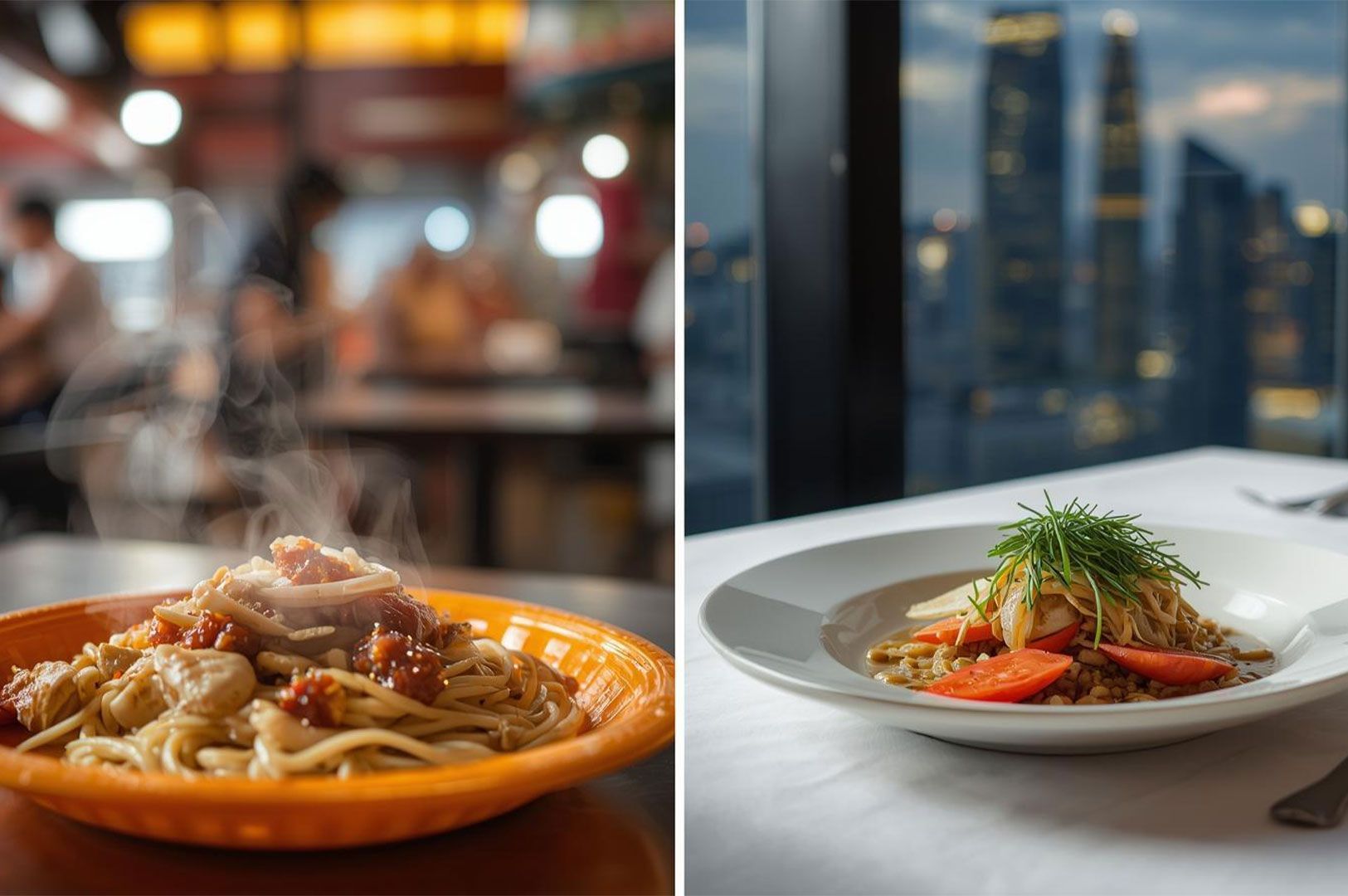
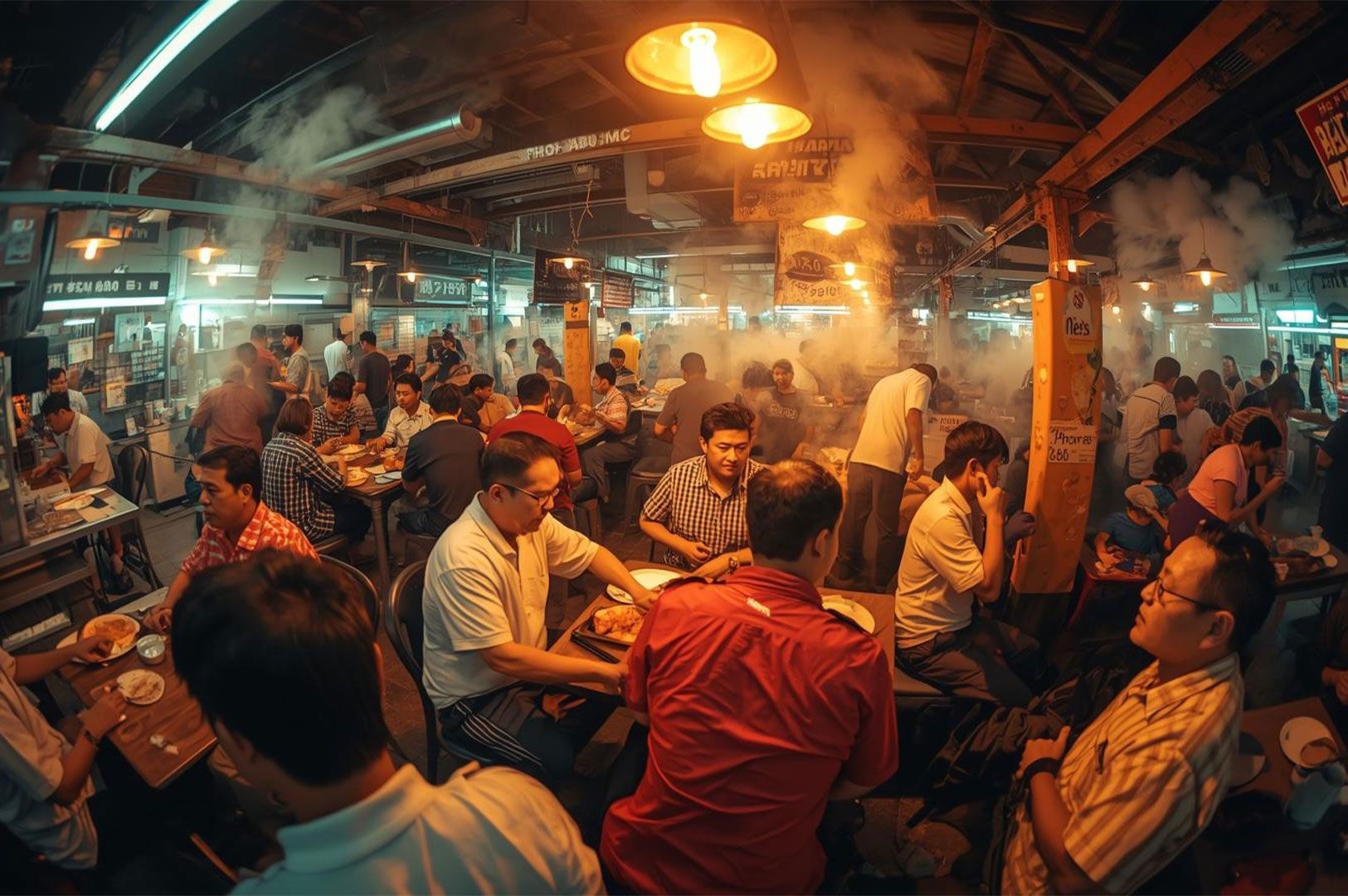
Navigating this culinary landscape is a thrilling experience. One moment, you’re in a sleek, air-conditioned restaurant with a panoramic view of the skyline; the next, you’re sitting on a plastic stool in a bustling, open-air food centre, surrounded by the sizzle and steam of a dozen different kitchens. For a visitor, and even for me when I arrange my boss’s itinerary, understanding this duality is the key to unlocking the true soul of Singaporean cuisine.
This isn't just about choosing between cheap and expensive. It’s about understanding the culture, etiquette, and unique joys of two parallel universes: the hawker heaven that feeds the nation's heart and the high tables that satisfy its global ambitions. This is an insider's guide to navigating both with confidence.
The Soul of the City: Understanding Hawker Culture

To understand Singapore, you must first understand its hawker centres. These bustling food courts are the community dining rooms of our nation. In 2020, Singapore's hawker culture was added to the UNESCO Representative List of the Intangible Cultural Heritage of Humanity, a testament to its importance in our daily lives.
What is a Hawker Centre?
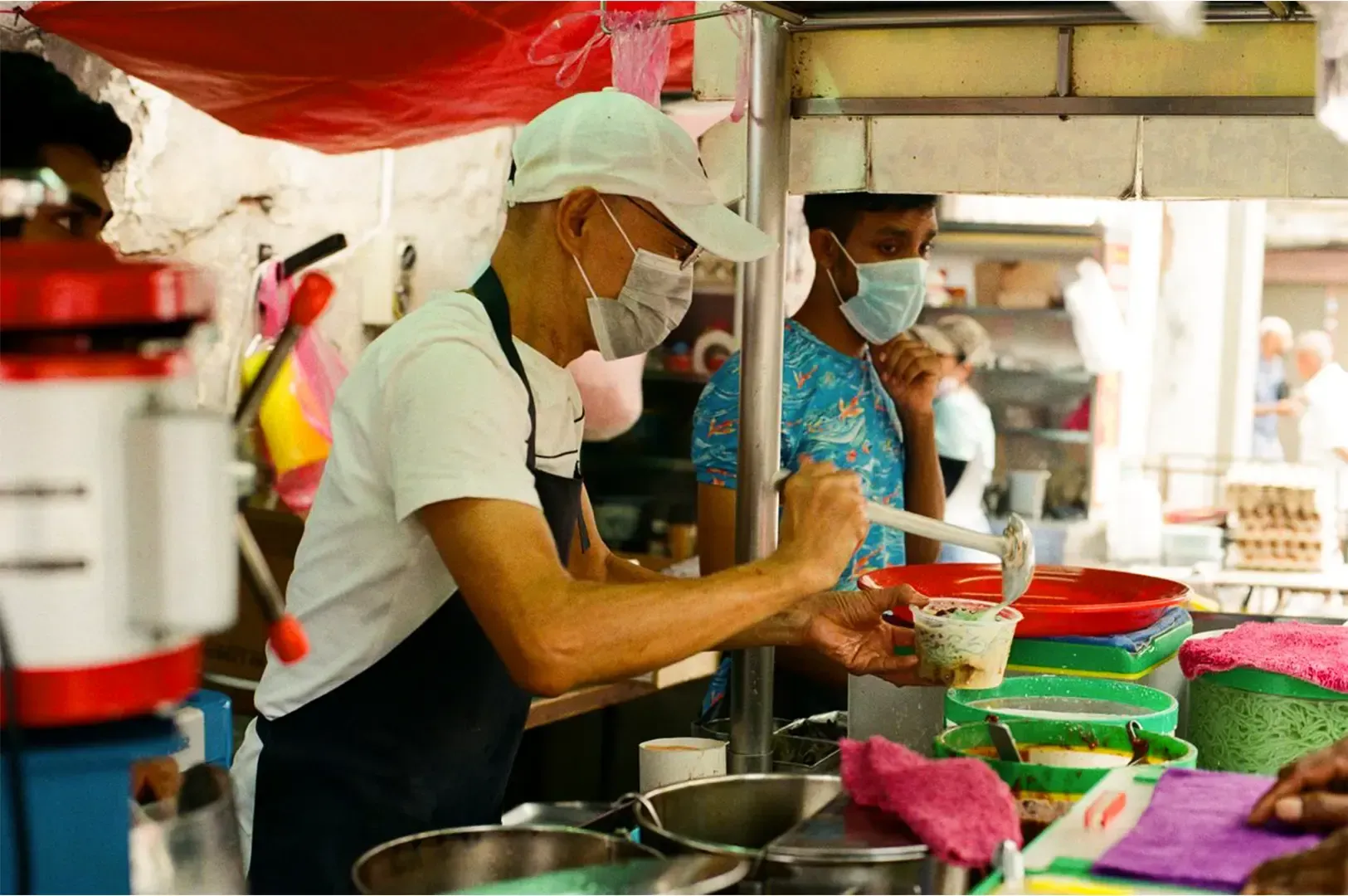
A hawker centre is essentially a collection of small, family-run stalls, each specializing in a specific dish or set of dishes. They are places where people from all walks of life—from construction workers to CEOs—come together to eat. The food is delicious, affordable, and represents the incredible diversity of Singapore's multicultural heritage: Chinese, Malay, Indian, Peranakan, and more.
The Unwritten Rules of Hawker Heaven
For a first-timer, a hawker centre can be an intimidating sensory assault. Here’s a quick guide to navigating it like a local.
1. "Chope" Your Seat
The first thing you do is reserve a table. This is done by placing a small, inexpensive item on it, a practice known as "choping." A packet of tissues is the classic tool, but an umbrella or a name card will also work. It’s a system built on trust and a fundamental part of the experience.
2. Survey and Strategize
Don't just order from the first stall you see. Take a walk around. Look for the longest queues—that's usually a sign of a stall with a great reputation. Many famous stalls are also plastered with newspaper clippings and awards.
3. Know Your Lingo
Ordering is usually fast and efficient. It helps to know what you want. A little "kopitiam" (coffee shop) lingo can also be fun. For example, asking for a "Kopi C Siew Dai" will get you coffee with evaporated milk and less sugar. The official Visit Singapore tourism website has great guides on these local nuances.
4. The Self-Service System
Most stalls are self-service. You order, pay, and wait for your food. After your meal, it's now mandatory to clear your tray and return it to a designated station. This keeps the tables clean for the next diners.
A Personal Anecdote: The Billion-Dollar Deal and the Bak Chor Mee

My boss, a true food lover, understands the magic of hawker culture. A few years ago, he was in the final stages of a very tense negotiation with a European conglomerate. After a full day of formal meetings, both sides were exhausted and at an impasse. That evening, instead of arranging another stuffy dinner at a fine-dining restaurant, my boss suggested something radical.
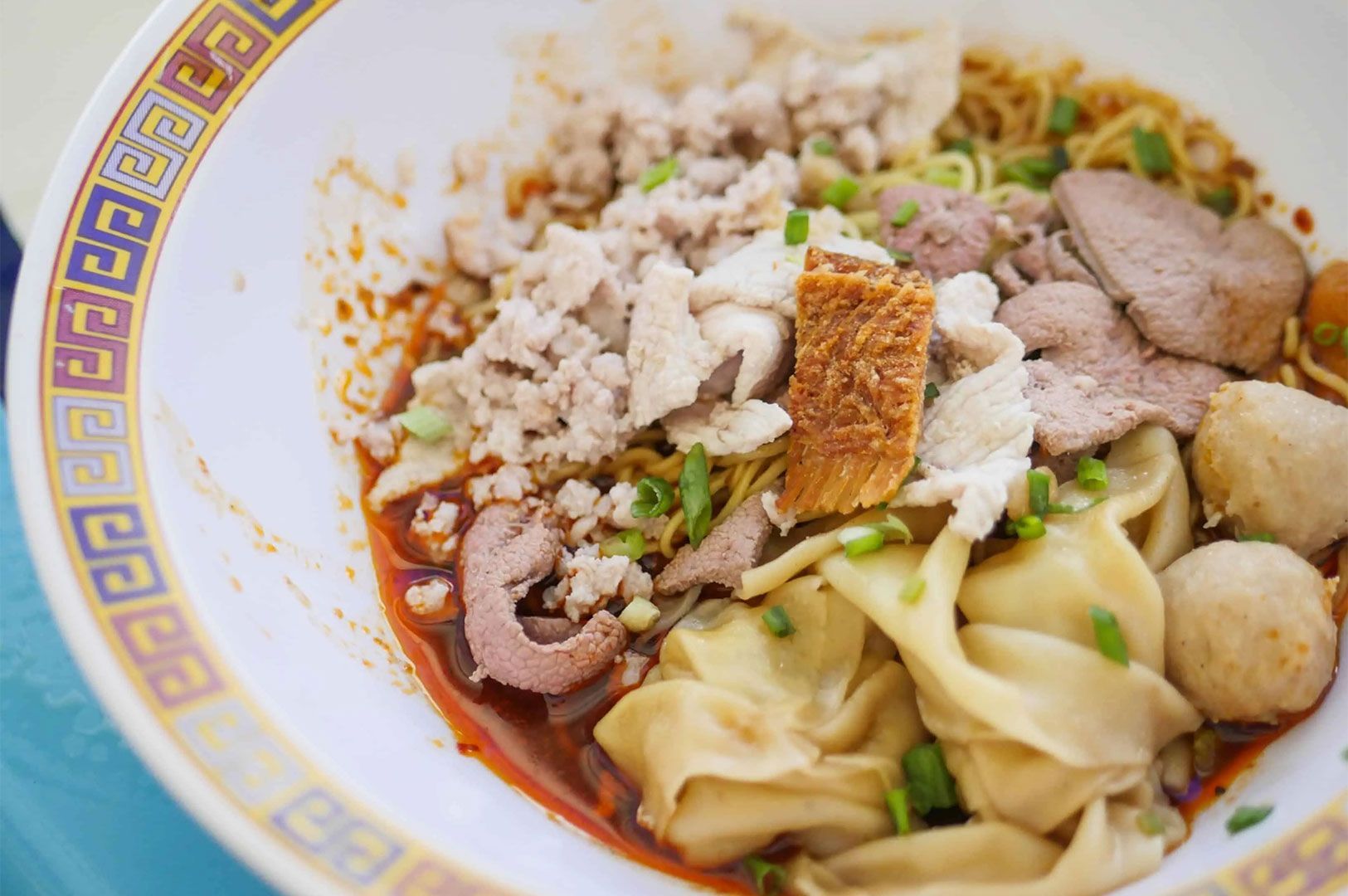
He invited the CEO of the other company to a hawker centre. I remember the look of surprise on the gentleman's face when we pulled up to a noisy, open-air market instead of a grand hotel. I had pre-ordered from a famous stall selling Bak Chor Mee (minced meat noodles). We sat on plastic stools, and my boss explained the different ingredients and how to add the vinegar and chili.
For the first ten minutes, they ate in silence. Then, the other CEO, his tie loosened, looked up and said, "This is incredible." The shared, informal experience completely changed the dynamic between them. They started talking, not as corporate adversaries, but as two people enjoying a meal. The next day, the deal was signed. The hawker centre had provided the human connection that the boardroom could not.
The Other Side of the Coin: Singapore's Fine-Dining Scene

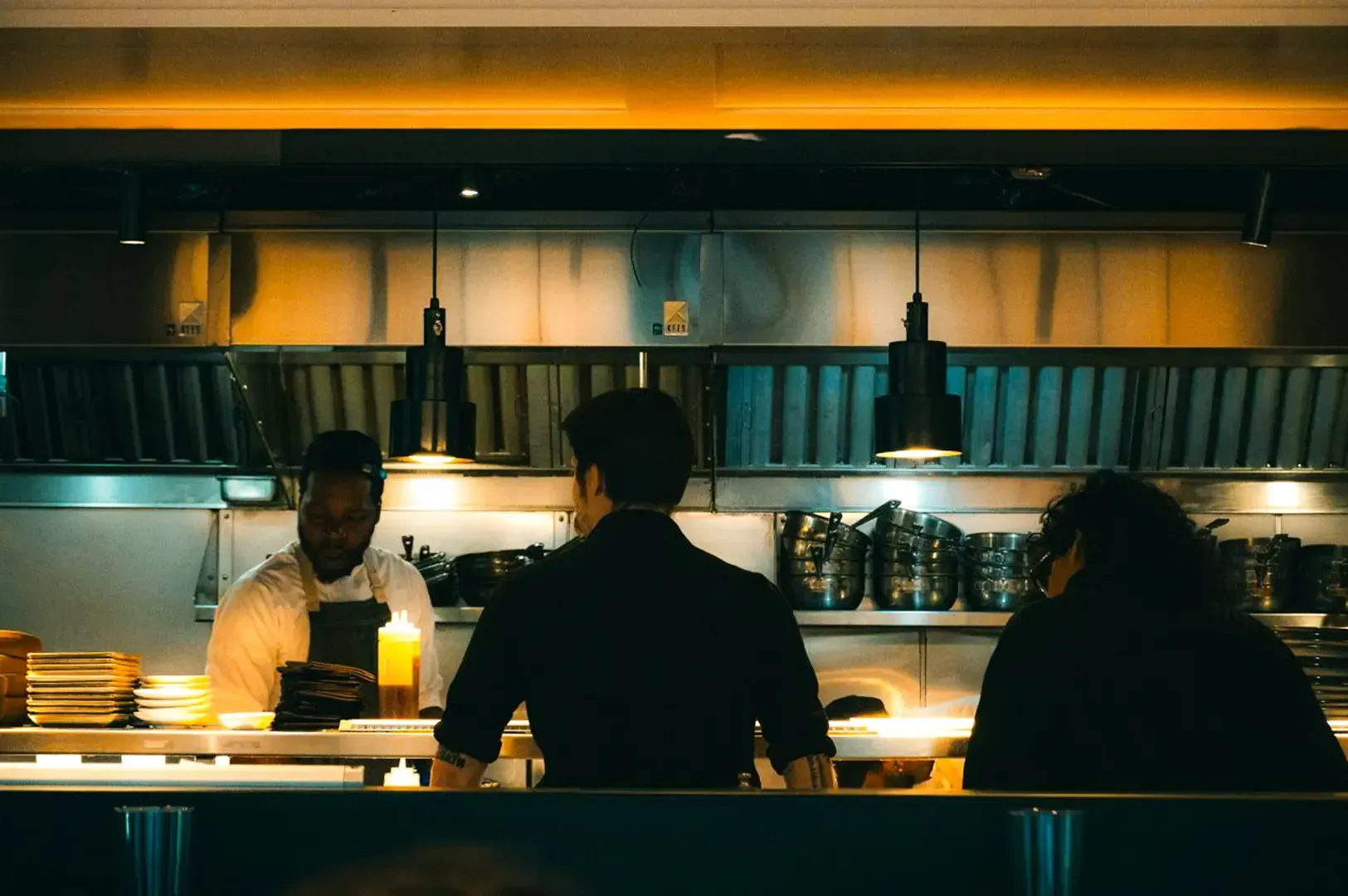
While hawker centres are our soul, Singapore's fine-dining scene is a testament to our status as a global hub. The city is a playground for international celebrity chefs and homegrown talent, boasting a staggering number of Michelin-starred restaurants.
A City of Culinary Ambition
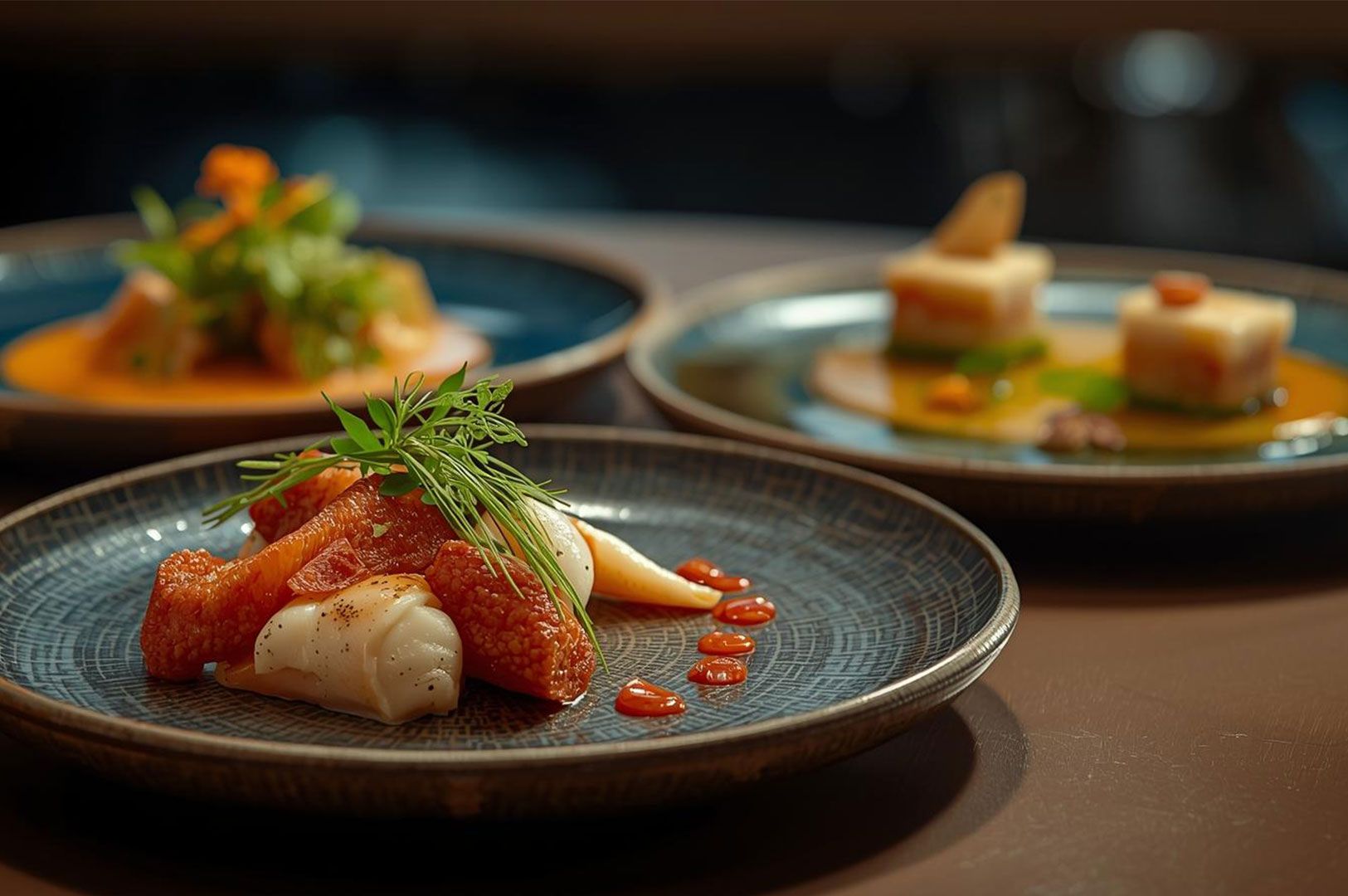
From the innovative French cuisine at Odette (a regular on Asia's 50 Best Restaurants list) to the modern Singaporean (Mod-Sin) creations at Labyrinth, the fine-dining landscape is diverse and world-class. These restaurants are not just about food; they are about an experience. They offer impeccable service, stunning design, and a level of culinary artistry that is breathtaking.
My Role: The Architect of the Perfect Evening

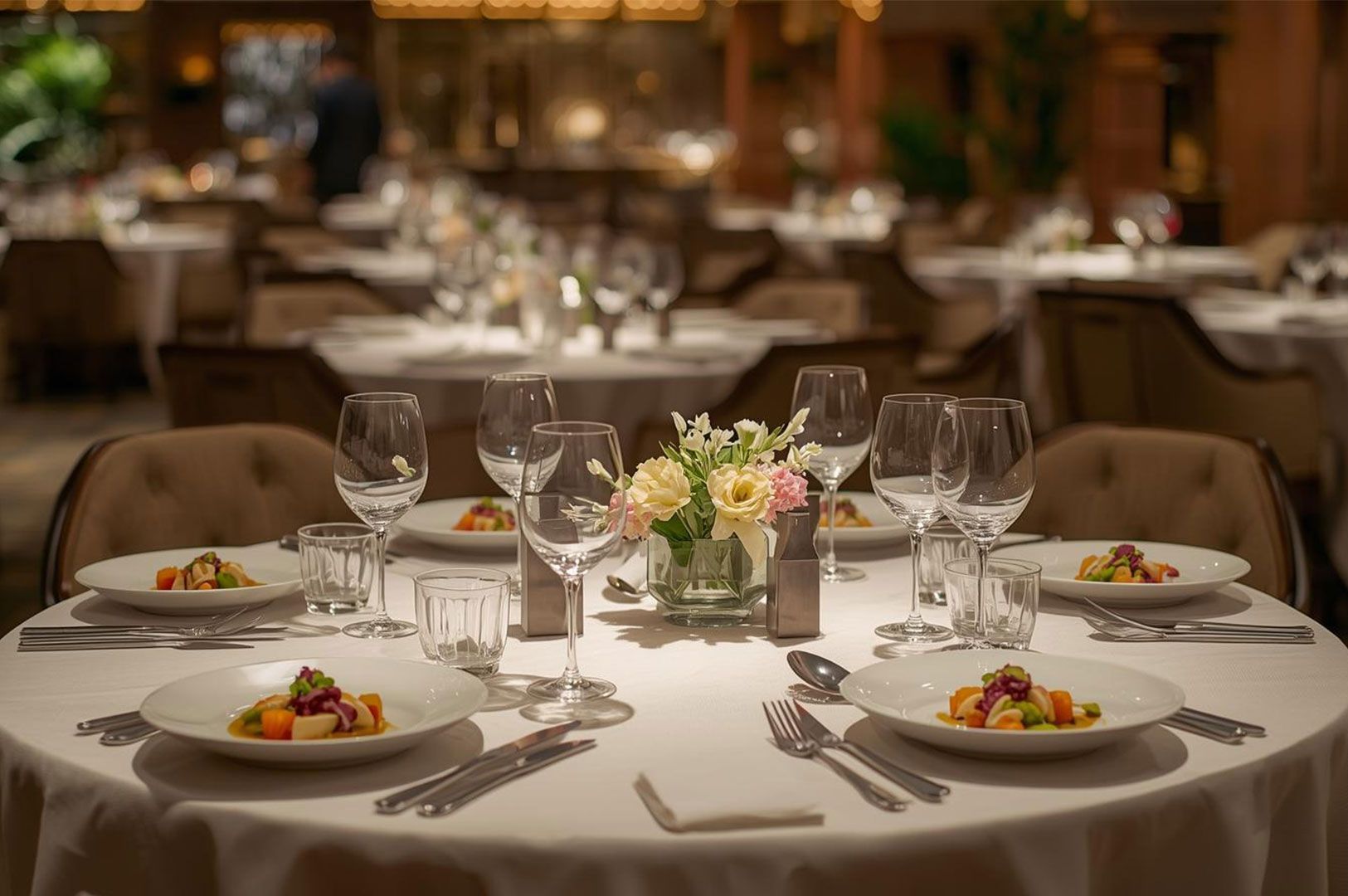
Arranging a dinner at one of these establishments for my boss requires a different skill set. It's about precision and perfection.
- Securing the Reservation: Booking a table at top-tier restaurants can require weeks, sometimes months, of advance planning. I have a calendar dedicated to tracking reservation opening dates.
- The Right Table: The table itself matters. A quiet corner for a discreet business dinner, a table with a view for a celebratory meal—I always make a specific request.
- Communicating Preferences: I work with the restaurant's sommelier and maître d' beforehand to communicate my boss's preferences, from his favorite wine to any dietary restrictions. The goal is to make the evening feel effortless for him and his guests. This level of service is a hallmark of the luxury hospitality industry, a standard taught at institutions like the EHL Hospitality Business School.
Modern Singaporean (Mod-Sin): A Cuisine Comes of Age
One of the most exciting developments in our fine-dining scene is the rise of
Mod-Sin cuisine. Chefs are taking the flavors we grew up with—the tastes of the hawker centre—and reinterpreting them with modern techniques. They are elevating our local food, proving that a dish like Chili Crab or Laksa has a place at the high table. It's a culinary movement that fills me with national pride and is a great way to introduce visitors to the complexity of our flavors in a refined setting.
Navigating the Two Worlds: An Itinerary for the Culinary Explorer

The best way to experience Singapore's dining identity is to embrace both worlds. Here is a sample of how I might structure a culinary day for a guest.
Morning: A Traditional Breakfast
Start the day with a classic Singaporean breakfast of Kaya Toast, soft-boiled eggs, and Kopi at a traditional coffee shop like Ya Kun Kaya Toast or Killiney Kopitiam. It’s a ritual beloved by all Singaporeans.
Lunch: Hawker Centre Immersion
For lunch, dive into one of the legendary hawker centres.
- Maxwell Food Centre: Try the Tian Tian Hainanese Chicken Rice, a stall that famously beat Gordon Ramsay in a cook-off.
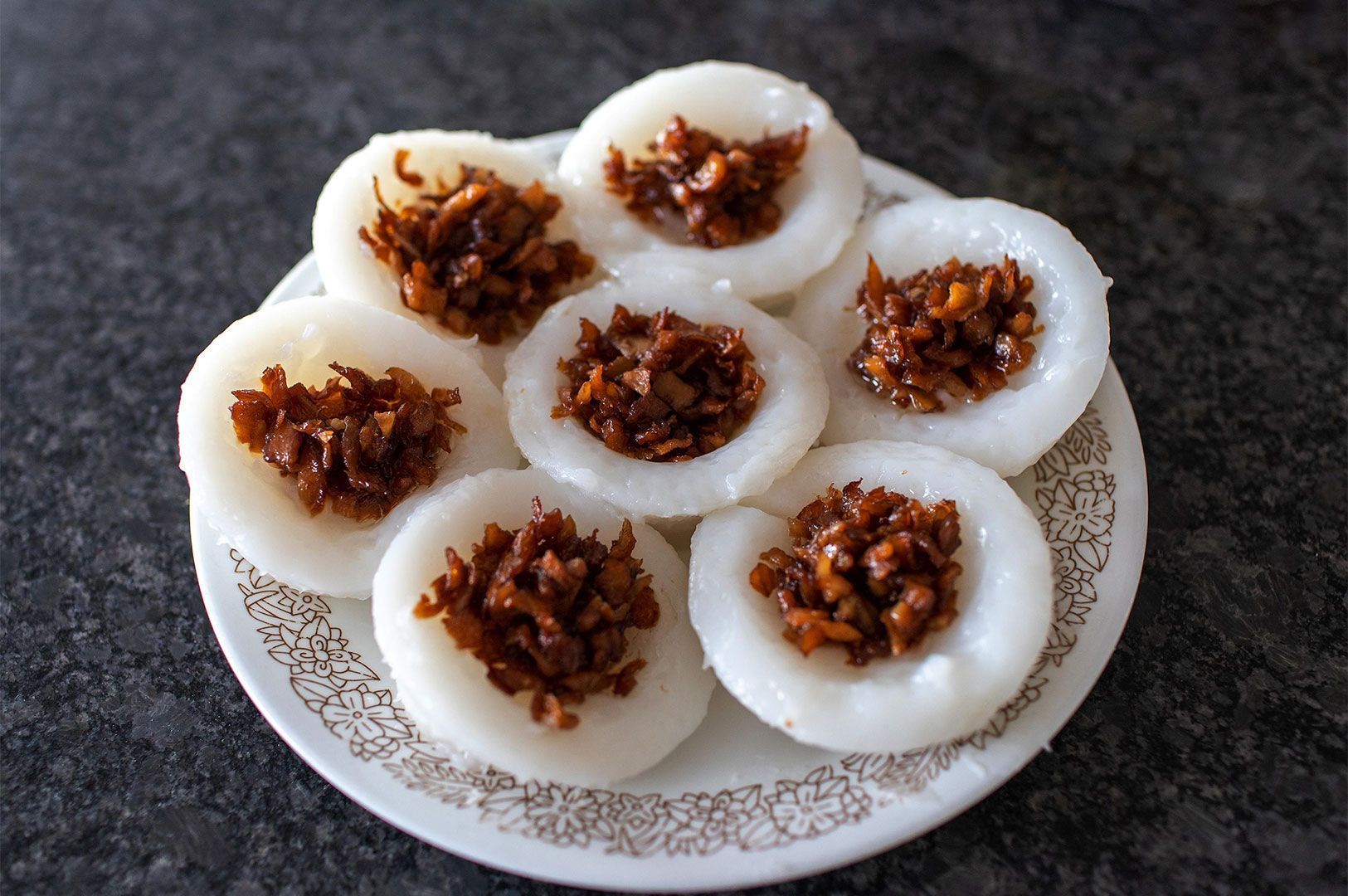
- Tiong Bahru Market: Home to incredible chwee kueh (steamed rice cakes) and lor mee (a thick gravy-based noodle dish). The National Heritage Board of Singapore has great guides on the history of these areas.
Evening: A Seat at the High Table
For dinner, book a table at a restaurant that showcases Singapore's culinary ambition. Choose a place like
Labyrinth to see how a local chef re-imagines our heritage, or
Odette for a taste of world-class European cuisine in a stunning setting. The
Michelin Guide Singapore is an excellent resource for this.
A City That Honours Both Past and Future
Singapore's dual dining identity is a perfect reflection of the nation itself. It is a city that fiercely protects its heritage while relentlessly pursuing the future. The hawker centre is our shared past and present, a place that keeps us grounded in our multicultural roots. The fine-dining restaurant is our future, a symbol of our global outlook and our ambition to be the best.
To truly know Singapore is to appreciate both. It's to understand that the same dedication to flavor and quality can be found in a five-dollar plate of char kway teow and a five-hundred-dollar tasting menu. As a Singaporean, I am incredibly proud of this duality. And as a host to the world, there is nothing I enjoy more than sharing both sides of our delicious story. For more perspectives on lifestyle and exclusivity, explore
Villa Secrets: What the Glossy Magazines Don’t Show You About Amalfi Coast Living and
The Secret Handshake: Navigating London’s Most Exclusive Members’ Clubs.