
The Neighbor's Kitchen: Home Restaurants and Private Dining Experiences
December 1, 2025 |J.C. Yue

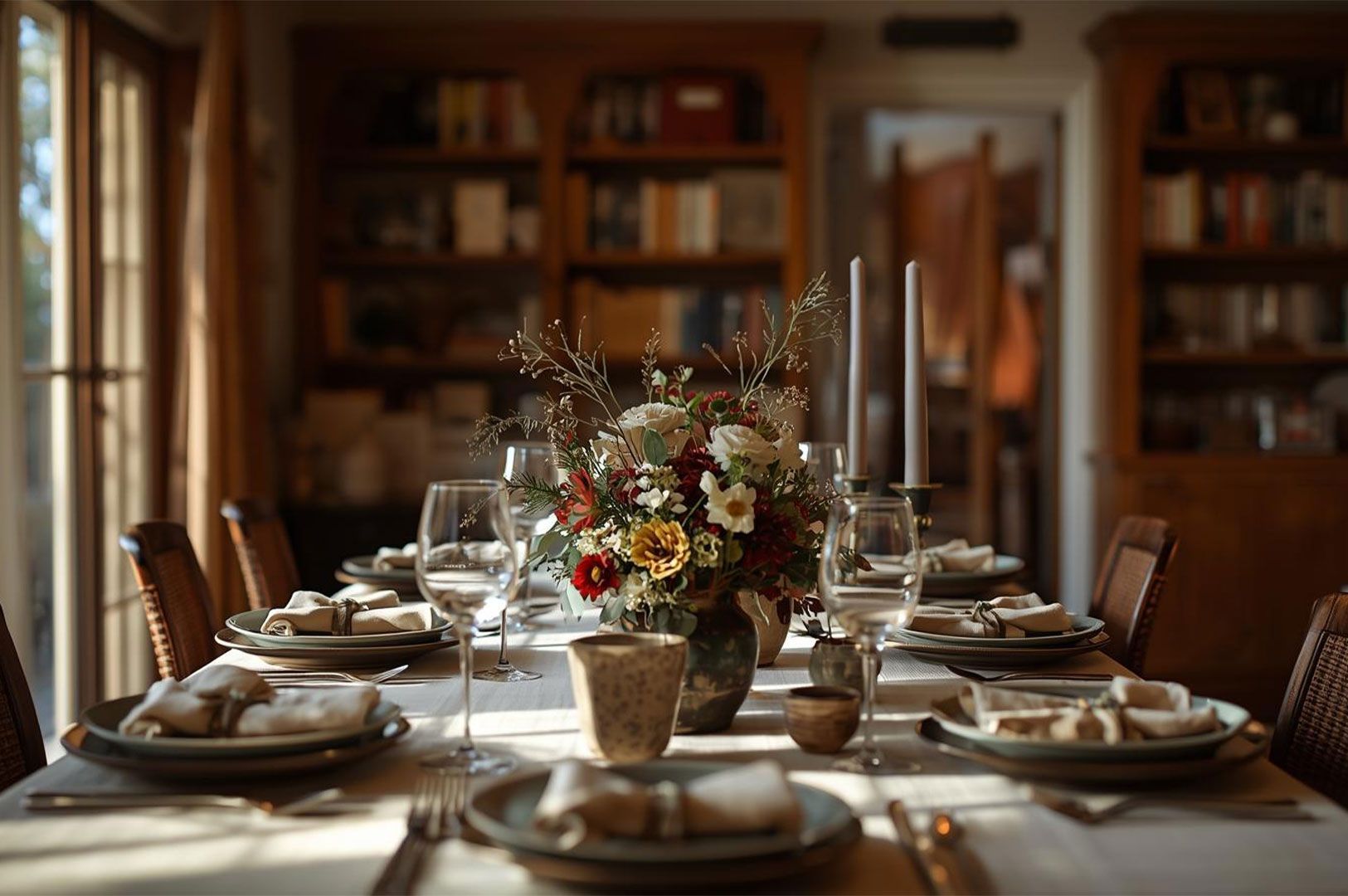
Some of the most extraordinary meals I've ever arranged have not been in Michelin-starred establishments with long waiting lists. They have been in a stranger's home, at a table set for only a few guests, with the host cooking just for us. This is the world of home restaurants and private dining, a burgeoning movement that offers one of the most authentic and intimate culinary experiences a traveler can find.
For my boss, who values privacy and unique experiences above all, these private supper clubs are the ultimate luxury. They offer a chance to bypass the public restaurant scene entirely and connect with a place through its food on the most personal level imaginable. As the one responsible for finding and vetting these hidden gems, I’ve discovered a subculture of passionate home cooks, former professional chefs, and culinary artisans who are opening their doors to share their heritage one plate at a time.
This isn’t about finding a private chef to cook in your residence. This is about stepping into someone else’s world. It’s about eating in your neighbor’s kitchen—even if that neighbor is halfway across the globe. This is a guide to the magic of in-home dining experiences and how to find them.
What Are Home Restaurants and Supper Clubs?

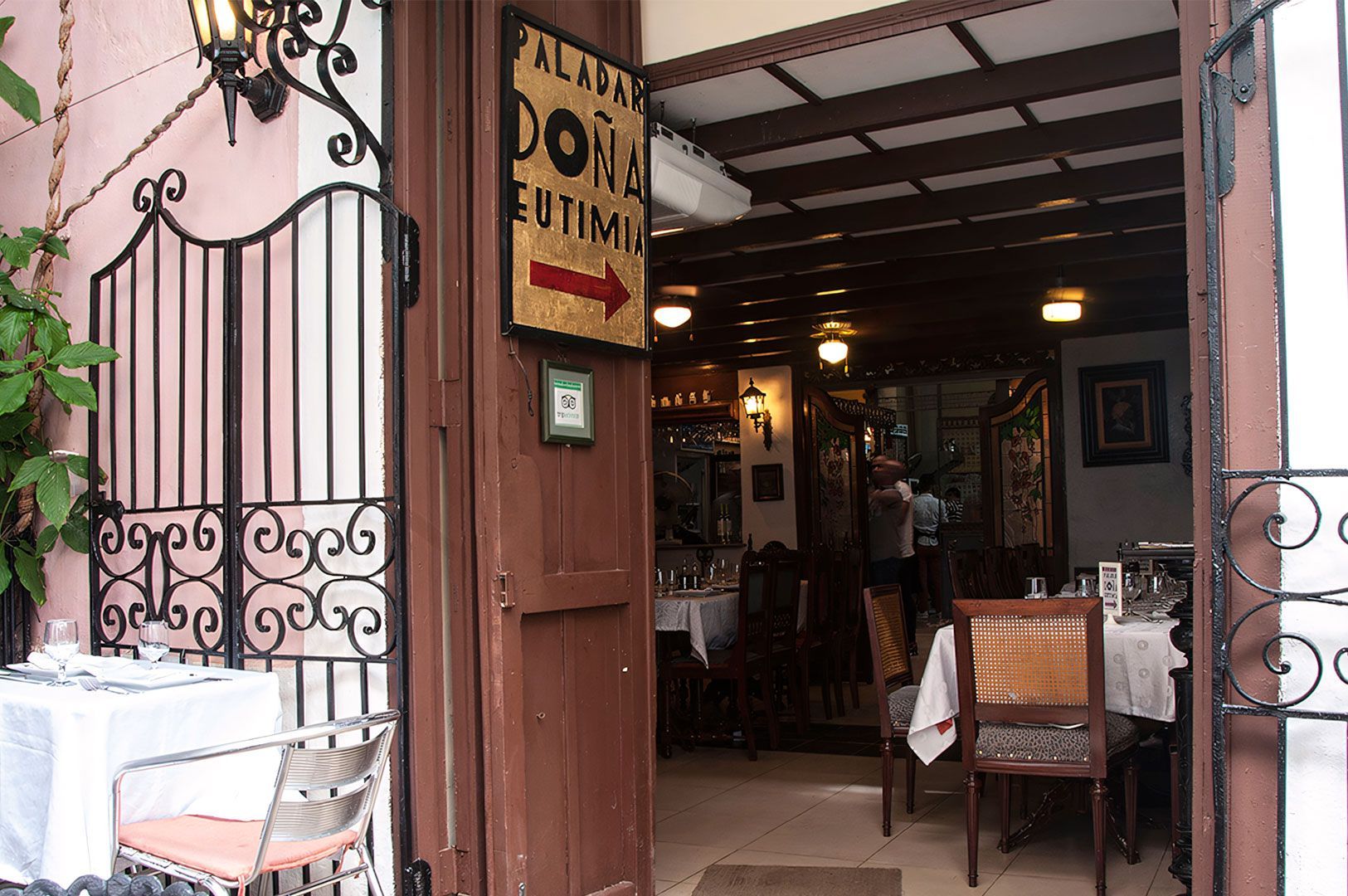
Before diving in, it’s important to understand the concept. A home restaurant, also known as a supper club or a paladar in Cuba, is a dining establishment run out of a private residence. It’s not a new idea—these have existed for centuries in various forms around the world—but modern technology and a growing desire for authentic travel have caused a global resurgence.
The Appeal: Why Choose a Stranger's Kitchen?
- Authenticity: This is the closest you can get to tasting real home cooking. The recipes are often family heirlooms passed down through generations.
- Intimacy: The settings are small and personal. You’re not just a customer; you are a guest. This allows for genuine interaction with the host and other diners.
- Exclusivity: These experiences are often hard to find and cater to only a few people at a time, making them feel incredibly special.
- Storytelling: Every dish comes with a story—about the host's grandmother, a trip to a local market, or the history of a particular ingredient.
This movement is a key part of the modern sharing economy. It’s a return to a more communal and personal way of dining.
A Personal Story: A Sicilian Feast in a Palermo Palazzo

One of my most memorable experiences was in Palermo, Sicily. My boss wanted an authentic Sicilian meal away from the tourist traps. Through a local contact, I found a woman known as "The Duchess," a genuine aristocrat who hosted dinners in her magnificent, slightly faded palazzo.
The Experience: More Than Just a Meal
Getting there involved navigating a maze of narrow streets and entering through a massive, unmarked wooden door. Inside, we were greeted by The Duchess herself, an elegant woman in her seventies. The dining room was filled with ancestral portraits and antique furniture. There were only eight other guests, a mix of travelers and locals in the know.
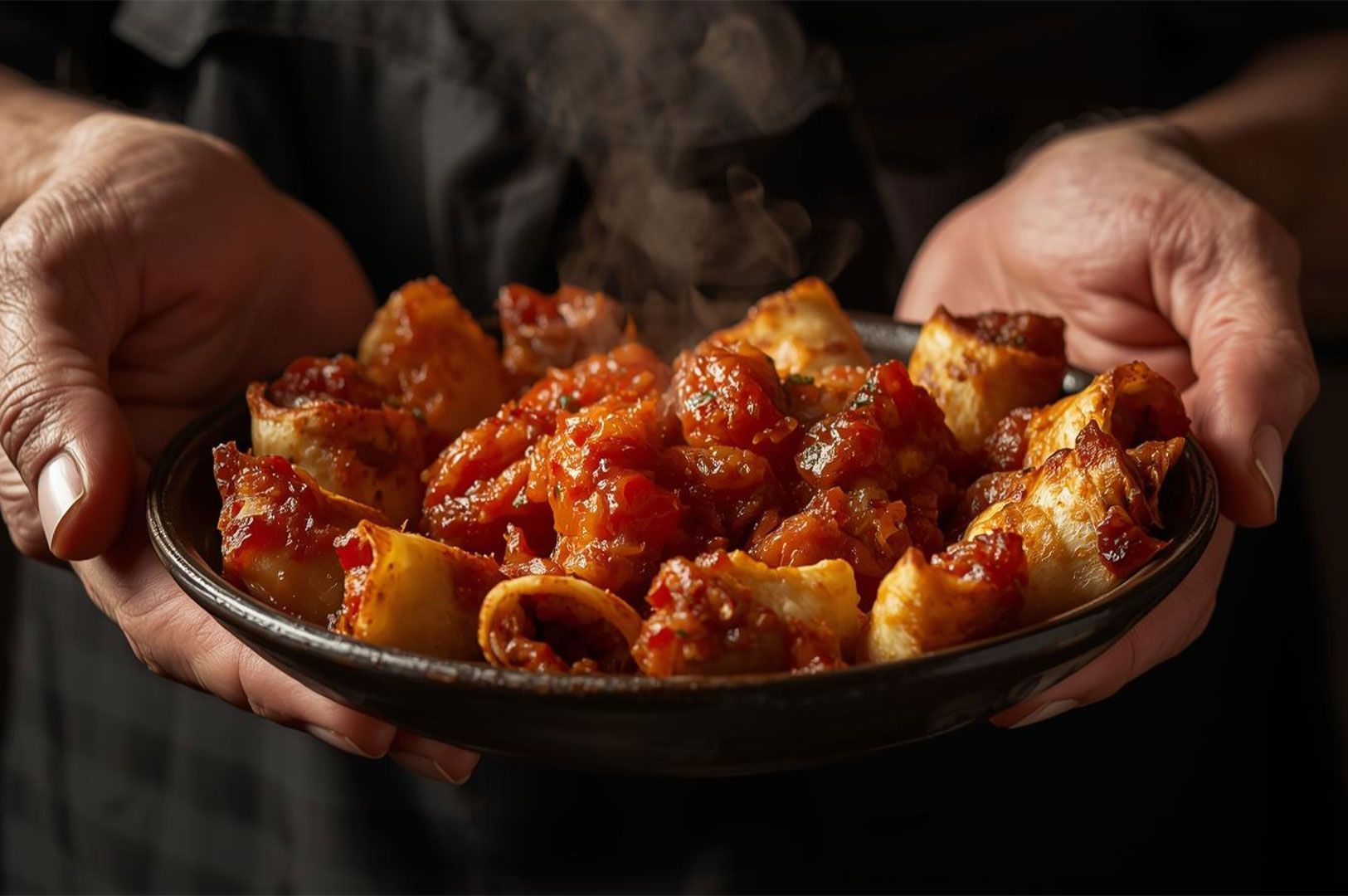
The Duchess didn't just cook; she held court. As she served each course of the traditional Sicilian meal—caponata, pasta con le sarde, involtini—she told us stories about her family and the history of Palermo. The food was rustic, soulful, and unlike anything we could have found in a restaurant. It felt less like a dinner and more like being invited to a family gathering. This type of immersive cultural experience is something the official Italian tourism board encourages travelers to seek.
The Unseen Work
My role was to ensure everything was perfect. This meant vetting the host beforehand, confirming dietary requirements discreetly, and handling the payment so my boss wasn't bothered with logistics. It also meant ensuring our transport was seamless and safe. It’s the behind-the-scenes work that makes these unique experiences feel effortless for the guest.
How to Find These Hidden Culinary Gems

Finding reputable home restaurants requires more research than booking a table at a well-known establishment. Here are the platforms and strategies I use.
Specialized Platforms for Social Dining
In recent years, several online platforms have emerged to connect home cooks with diners. They provide a level of security and a review system that is crucial when vetting options.
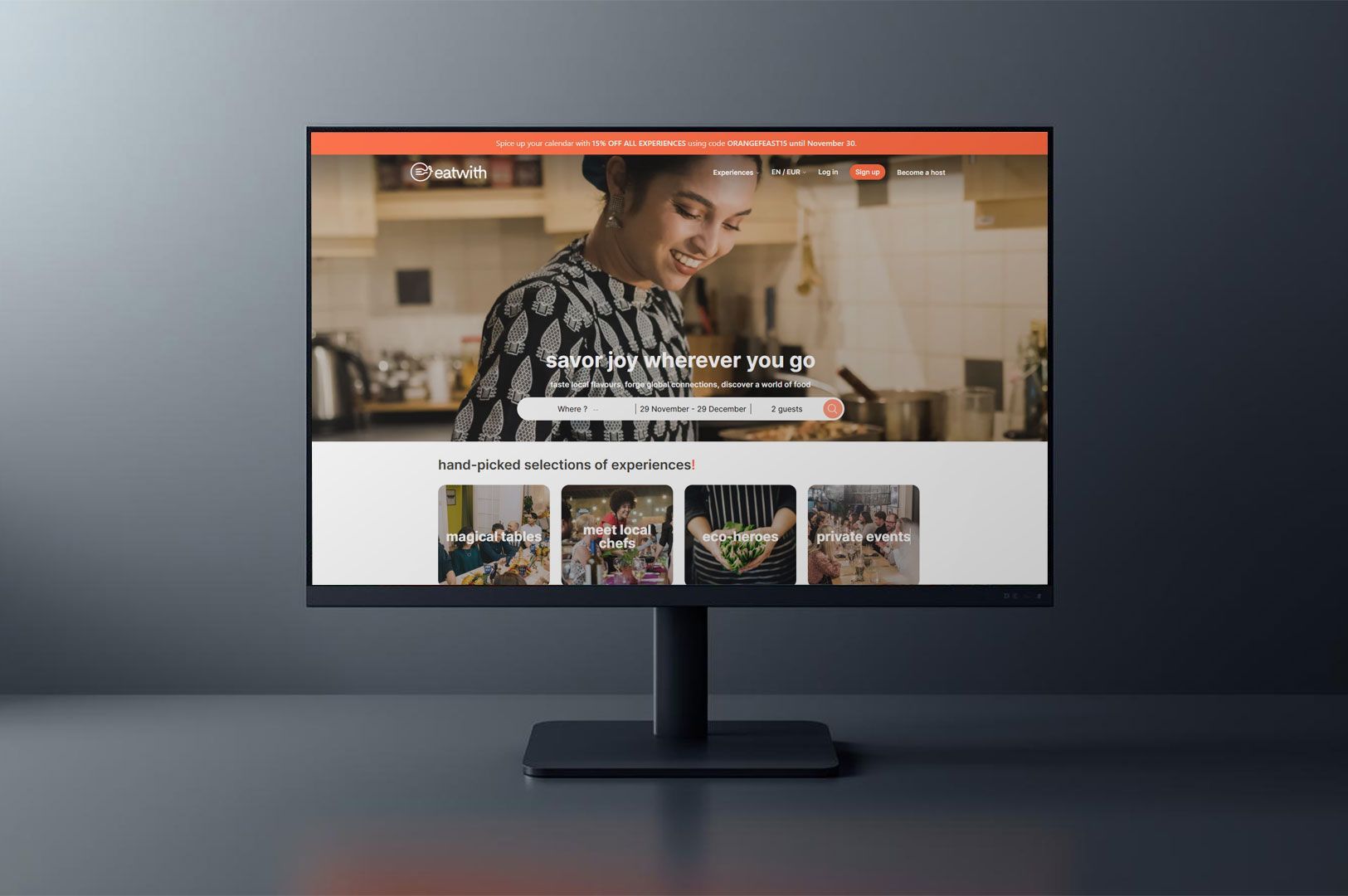
- Eatwith: This is one of the largest and most well-known platforms, offering everything from cooking classes to dinners in over 130 countries.
- BonAppetour: Similar to Eatwith, this platform focuses on connecting travelers with local hosts for authentic dining experiences.
- Traveling Spoon: This service has a strong focus on high-quality, private experiences like market tours followed by a cooking class and meal in the host's home.
These platforms are the modern-day word-of-mouth, a digital evolution of how these underground dining clubs have always operated.
The Analog Approach: Local Contacts
While platforms are great, the most exclusive opportunities often come from human connections.
- High-End Hotel Concierges: A great concierge at a hotel like The Ritz in Paris or The Gritti Palace in Venice will have a "black book" of contacts that includes private dining options. They are a treasure trove of local knowledge. The quality of a concierge is a key metric for top hotel ratings like the Forbes Travel Guide.
- Local Tour Guides: A good private guide is deeply embedded in the local culture. I always ask them for recommendations.
- Expat Communities: Online forums and social media groups for expatriates in a particular city can be a great source for finding supper clubs and home cooks.
What to Expect: A Guide for the First-Timer

If you’re new to the world of home restaurants, here are a few things to keep in mind.
It's a Home, Not a Restaurant
Remember that you are a guest in someone's home. Be respectful of their space and their rules. The service won't be the same as in a commercial restaurant, and that's part of the charm. It will be more personal and less formal.
Be Open and Sociable
These experiences are designed to be social. Be prepared to make conversation with your host and the other guests. This is an opportunity to meet interesting people from around the world. If you prefer a completely private experience, many hosts offer that option for a higher price.
The Menu is Usually Fixed
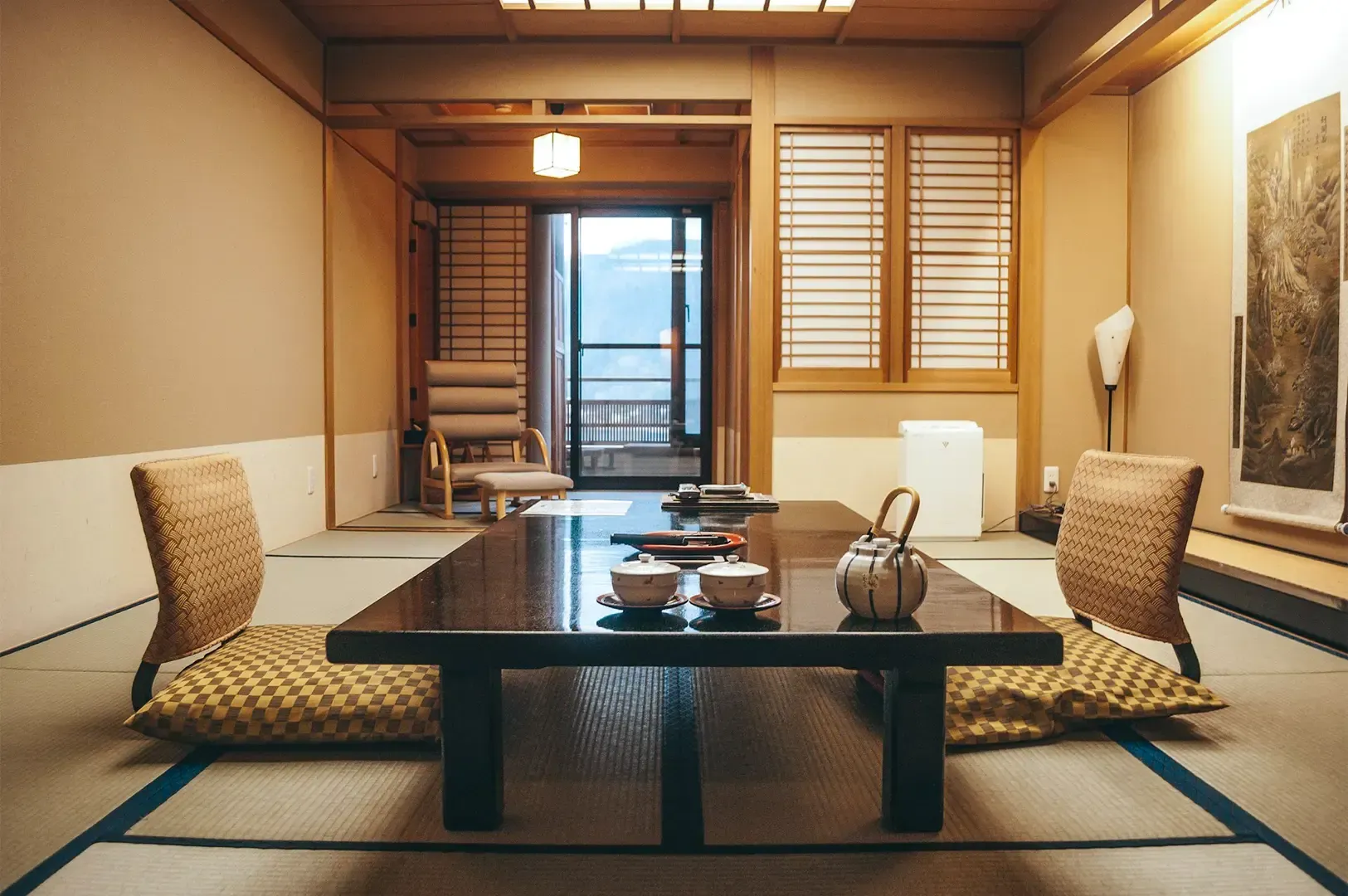
In most cases, the menu is set by the host, often showcasing their specialty or seasonal market finds. You should communicate any serious allergies or dietary restrictions well in advance, but don't expect a long list of choices. The point is to put yourself in the hands of the cook and trust their expertise. This is common in many food-centric cultures, from the omakase tradition in Japan (as detailed by the
Go Tokyo guide) to the table d'hôte in France.
Home Dining Around the World: A Few Examples

The character of home dining varies greatly by culture, reflecting the local traditions of hospitality.
The Paladares of Cuba
In Cuba, paladares (a term taken from a Brazilian soap opera) began as small, family-run restaurants in private homes. They were a response to government restrictions on private enterprise. Today, they are a cornerstone of the Cuban culinary scene, offering some of the most authentic food on the island. The official Cuba tourism website has more information on this unique part of their culture.
The Private Kitchens of Hong Kong
In a city obsessed with food and short on space, private kitchens (sīfáng cài) have become incredibly popular. They are often located in residential apartment buildings and can be notoriously difficult to book. They offer a level of culinary creativity and intimacy that is a welcome escape from the city's hectic pace.
Singapore's Home-Based Dining Scene
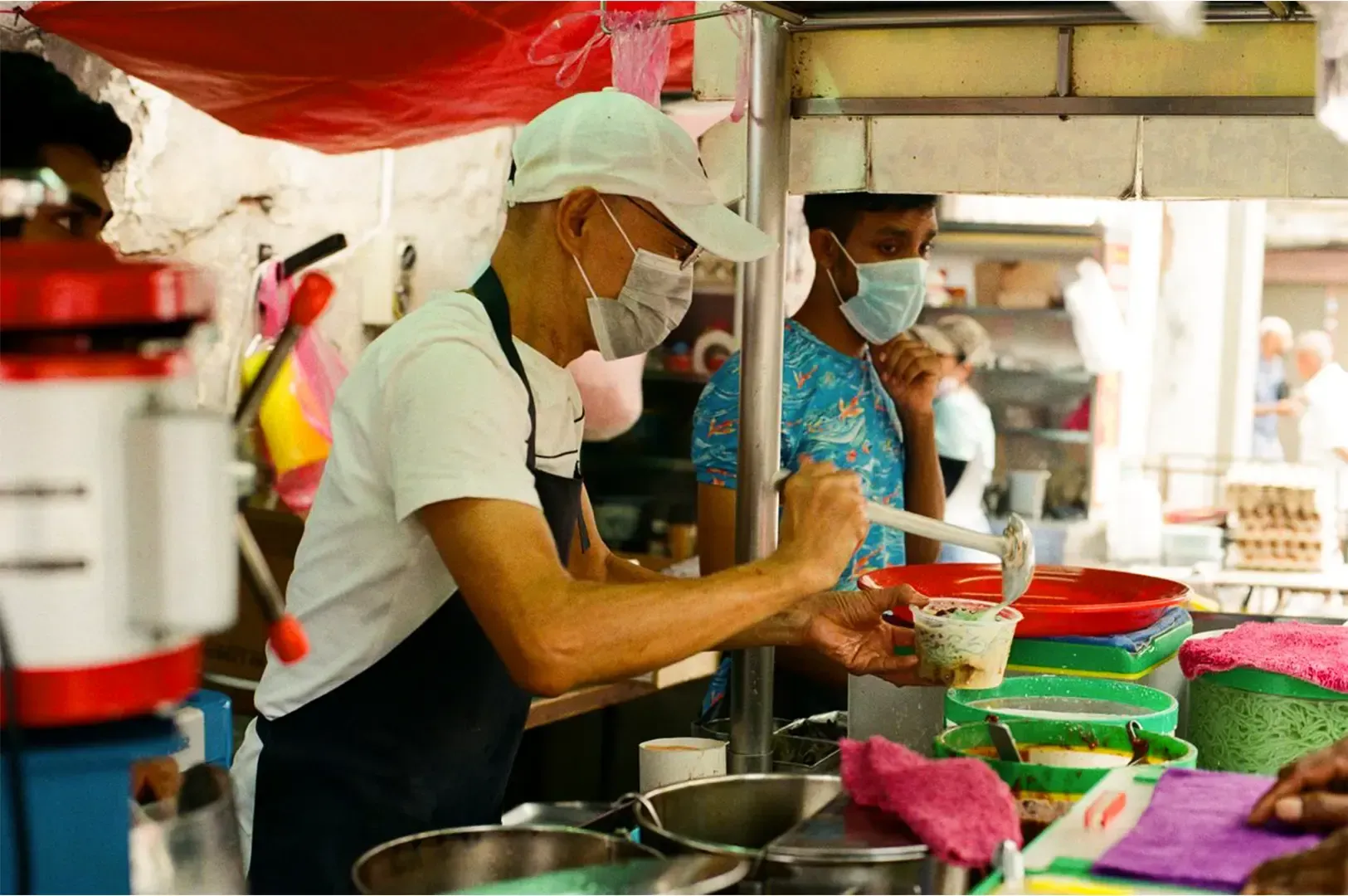
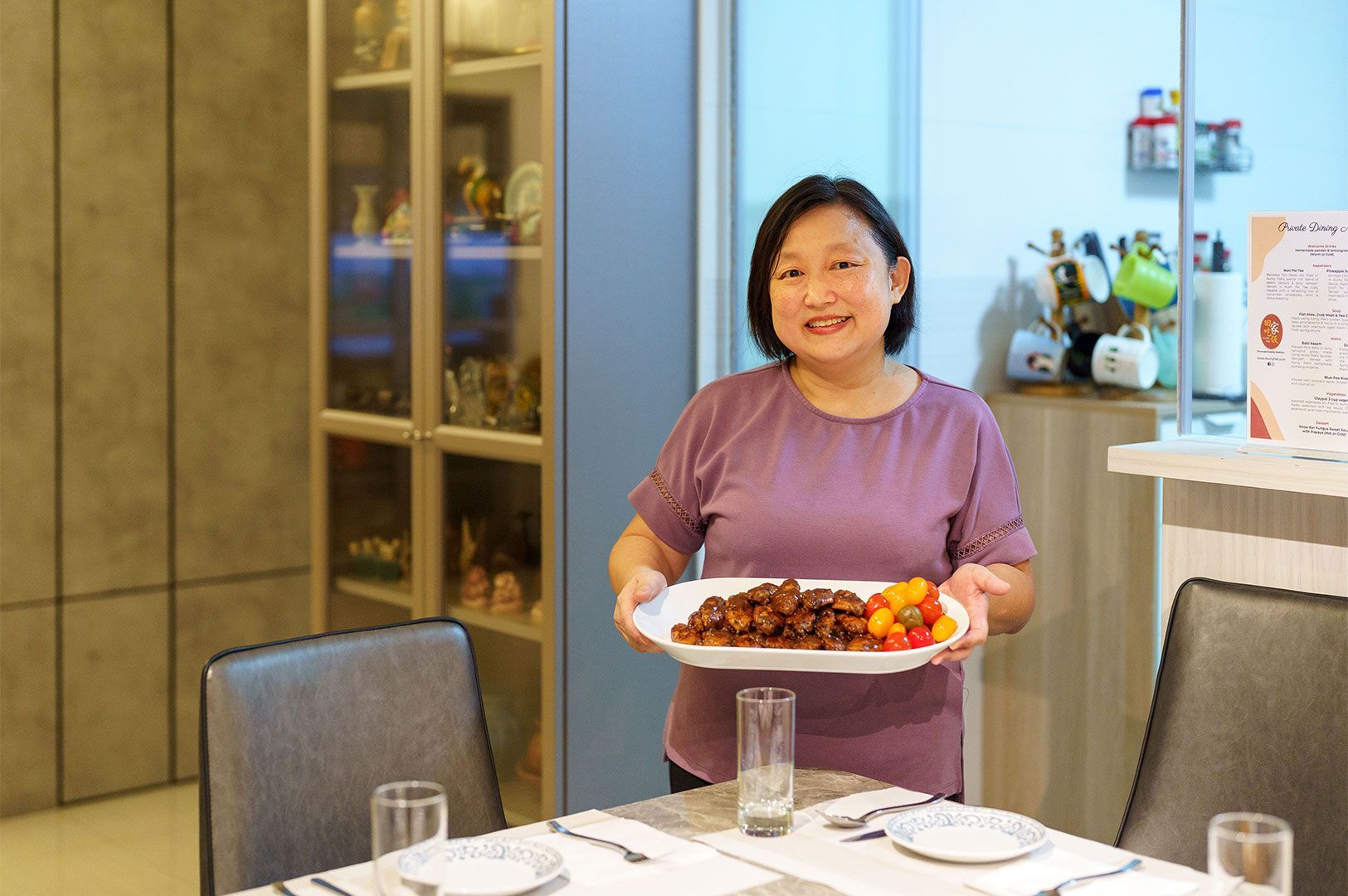
As a Singaporean, I'm proud of our own burgeoning private dining scene. With our rich food heritage, many passionate home cooks are now opening their doors to share treasured family recipes for dishes like Peranakan curries or complex seafood feasts. It's a beautiful evolution of our nation's love affair with food, a step beyond the hawker centres celebrated by the
Singapore Tourism Board.
The Ultimate Authentic Souvenir
In a world of globalized brands and predictable travel experiences, the home restaurant is a powerful antidote. It’s a chance to step off the beaten path and engage with a place on a deeply human level. You are not just consuming a meal; you are participating in a culture.
The food is, of course, central to the experience. But the true value lies in the stories, the connection, and the feeling of being welcomed into a home. It’s the memory of a shared laugh with a stranger, the taste of a grandmother’s recipe, and the glimpse into a life different from your own. This is the ultimate authentic souvenir—a memory that you carry with you long after the taste has faded. Continue exploring these themes through
Midnight Diplomacy: How Late-Night Meals Solve International Crises and
Finding Home in Transit: Creating Stability in Constant Movement.