




The Relationship Equation: Nurturing Connections from a Distance
January 19, 2026 |J.C. Yue

My life is measured in time zones. I have celebrated my birthday on a flight over the Pacific, sent good-night texts that arrive with someone's morning coffee, and missed more family dinners than I can count. As a personal assistant who spends up to 300 days a year on the road, my address is a constant variable. The one constant in my life is distance. Distance from my family, my friends, and my partner.
This lifestyle, with its undeniable glamour and privilege, comes at a cost. The currency is connection. Nurturing connections from a distance is not just a challenge; it is the single most important skill I have had to learn to sustain this life without losing the relationships that anchor me. It is a delicate and deliberate equation of technology, intention, and sacrifice.
Over a decade of living out of a suitcase, I have learned that long-distance relationships—be they romantic, familial, or platonic—are not about grand gestures. They are about the
consistent, quiet, and often unglamorous work of showing up, even when you are thousands of miles away. This is my personal guide to solving the relationship equation from afar.
The Myth of "Quality Time": Redefining Connection

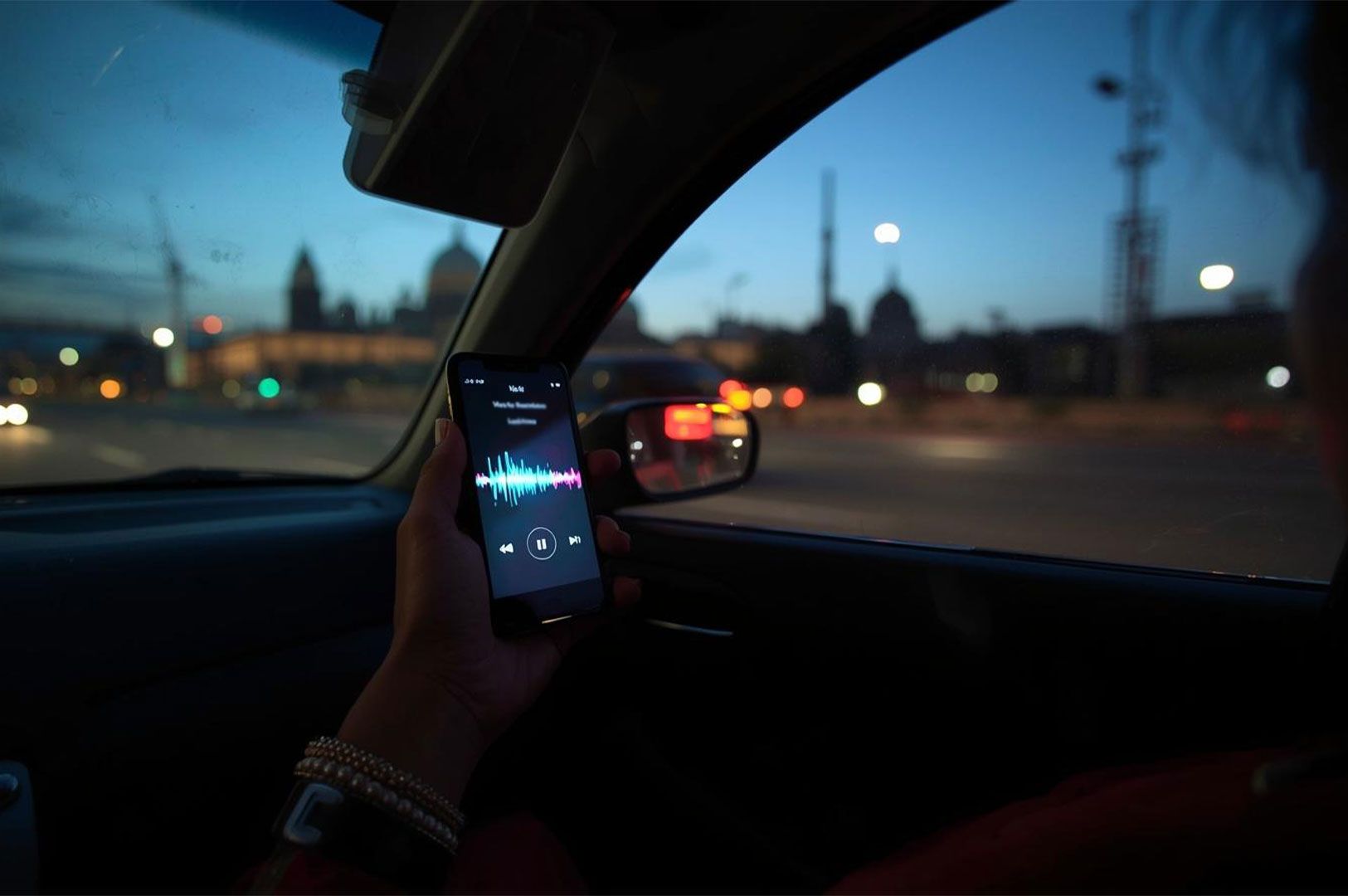
We are often told that when it comes to relationships, it’s about quality over quantity. When you live across time zones, you rarely have the luxury of either. The idea of a two-hour, deep-and-meaningful video call is often a fantasy. The reality is a stolen 10-minute chat in the back of a car or a series of voice notes exchanged between meetings.
I had to unlearn the idea that a connection only "counts" if it's a long, scheduled event. The key to maintaining long-distance relationships is to embrace asynchronous communication and find quality in the small, everyday moments.
The Power of the Voice Note
Voice notes have become my love language. They are more intimate than a text but less demanding than a call. A 60-second voice note sent while walking to get coffee can convey more emotion and connection than a dozen texts. It allows my loved ones to hear my voice, my energy, and the sounds of the city I'm in. It’s a small, personal window into my world.
Shared Mundanity
It’s easy to focus on the highlights—the fancy dinners, the beautiful views. But real intimacy is built on shared mundanity. I make it a point to share the boring stuff. I send photos of my sad-looking hotel gym or complain about the terrible Wi-Fi. It’s these small, everyday details that make the other person feel like they are part of your life, not just an audience for your travel highlights.
Intentionality is Everything: The Art of Showing Up

When you are physically absent, your presence must be intentional. You cannot rely on bumping into people or casual hangouts. Every point of contact requires a conscious effort.
Know Their Schedule, Not Just Yours
One of the most important things I do is keep track of my loved ones' schedules. I know when my sister has a big presentation at work or when my best friend has a doctor's appointment. Sending a simple "Good luck today!" or "Thinking of you" text shows that even though I am not there, their life is still top of mind for me. It says, "I see you."
A Personal Anecdote: The Digital Dinner Party
My group of friends from university has a standing monthly dinner date. For years, I simply missed them. The time difference and my work schedule made it impossible to join. The FOMO (fear of missing out) was intense.
One year, I decided to change my approach. I couldn't be there, but I could participate. I now order a meal delivery for one of my friends for each dinner, with a note. I ask them to send me photos, and I follow their group chat. It’s not the same as being there, but it is an act of participation. It’s a way of saying, "I am still part of this, and I am celebrating with you in spirit." This small act has made a huge difference in feeling connected to my social circle.
Technology: Your Ally and Your Enemy

Technology is the lifeline of any long-distance relationship. Video calls, messaging apps, and social media allow us to bridge vast physical distances. But technology can also create a false sense of connection and be a source of frustration.
Choosing the Right Medium
- Video Calls for Milestones: I reserve video calls for important moments—birthdays, holidays, or when someone needs to see a friendly face.
- Phone Calls for Nuance: When a difficult or nuanced conversation is needed, I always opt for a voice call. Texting is terrible for tone and can lead to misunderstandings.
- Messaging for the Day-to-Day: Apps like WhatsApp or Telegram are perfect for the constant, low-level chatter that keeps you in each other's orbits.
The Asynchronous Movie Date
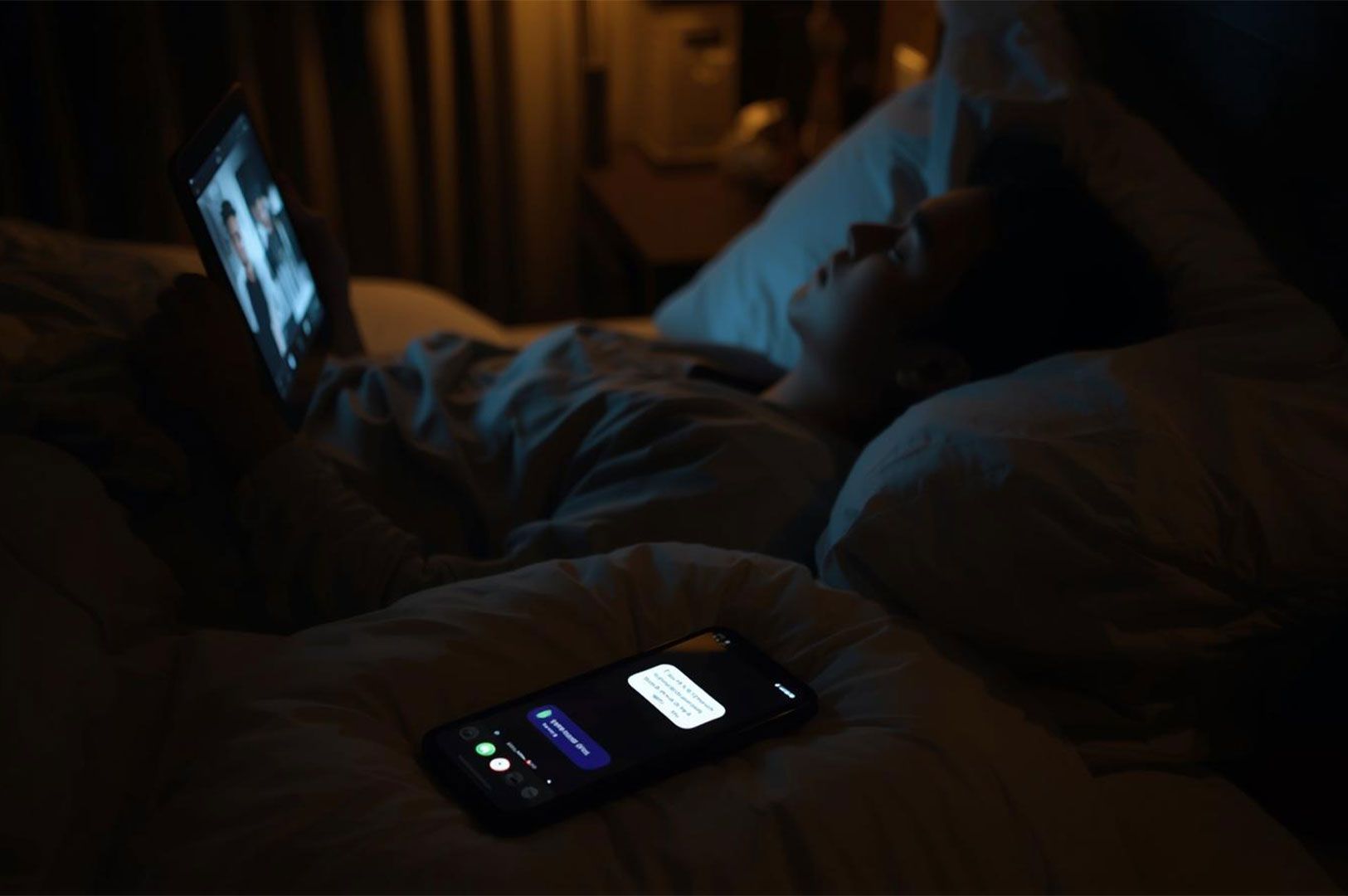
One of my favorite digital rituals is the asynchronous movie date. My partner and I will pick a movie, press play at the same time in our respective time zones, and text each other our reactions. It creates a shared experience, a pocket of time where we are doing the same thing, together but apart.
The Physical Anchor: Bridging the Digital Divide

No amount of digital connection can replace the physical. Tangible objects and planned visits are the anchors that hold a long-distance relationship steady.
The Unexpected Gift
I love sending small, unexpected gifts from my travels. Not expensive souvenirs, but things that show I was thinking of someone. A bag of unique coffee beans for my dad, a beautiful scarf for my mom, a local comic book for my nephew. These small physical objects become tangible reminders of your connection.
Plan the Next Visit—Always
The hardest part of saying goodbye is not knowing when you will see each other again. My partner and I have one simple rule:
before one visit ends, we always have the next one booked. It may be months away, but having a date on the calendar provides a concrete goal. It turns the indefinite separation into a finite countdown. This psychological shift from "if" to "when" is critical for managing the emotional toll of distance. Reputable resources on psychology, like those from
Psychology Today, often emphasize the importance of future-oriented thinking in maintaining relationship satisfaction.
Navigating the Challenges: It's Not Always Easy
It would be dishonest to pretend this is easy. There are significant challenges that require patience and understanding from both sides.
- The Time Zone Fatigue: There are weeks when the time difference feels like an insurmountable wall. It requires compromise. Sometimes I have to wake up at 5:00 AM for a call; other times, my partner has to stay up late.
- The "Out of Sight, Out of Mind" Fear: It’s a natural human fear. The only way to combat it is through consistent, reliable communication.
- The Re-entry Problem: One of the strangest challenges is the awkwardness of reuniting after a long time apart. You have both lived separate lives, and it can take a few days to find your rhythm again. Being patient with this re-entry period is crucial.
The Relationship with Yourself: The Most Important Equation

Perhaps the most overlooked aspect of nurturing connections from a distance is the relationship you have with yourself. This lifestyle can be incredibly lonely. If you are not comfortable in your own company, the weight of the distance will crush you.
- Build a Local Micro-Community: Wherever I am, I try to establish a small routine. I find a local coffee shop, a gym, or a park I like to walk in. These small points of familiarity and fleeting social interactions can make a new city feel less alien.
- Pursue Your Own Hobbies: I pack my travel watercolor set and a language-learning app. Having my own hobbies gives me a sense of purpose outside of my work and my long-distance connections.
Conclusion: An Act of Deliberate Love
Nurturing connections from a distance is an ongoing, dynamic process. It is a constant negotiation of time, energy, and emotion. It requires a level of intentionality that is not demanded of relationships that benefit from physical proximity.
This life of travel has taught me that love and connection are not passive states; they are active verbs. They are choices you make every day. You choose to send the voice note, you choose to schedule the call, you choose to book the flight.
It is a difficult equation to solve, and the variables are always changing.
But the effort is the answer. Every small act of reaching out across the distance is a testament to the strength of the bond. And in the end, it is the deliberate, consistent, and heartfelt effort to show up, even from thousands of miles away, that keeps the connections not just alive, but thriving.