


From Heritage to Contemporary: Navigating the Unique Challenges of Historic Private Residences
February 3, 2026 |J.C. Yue

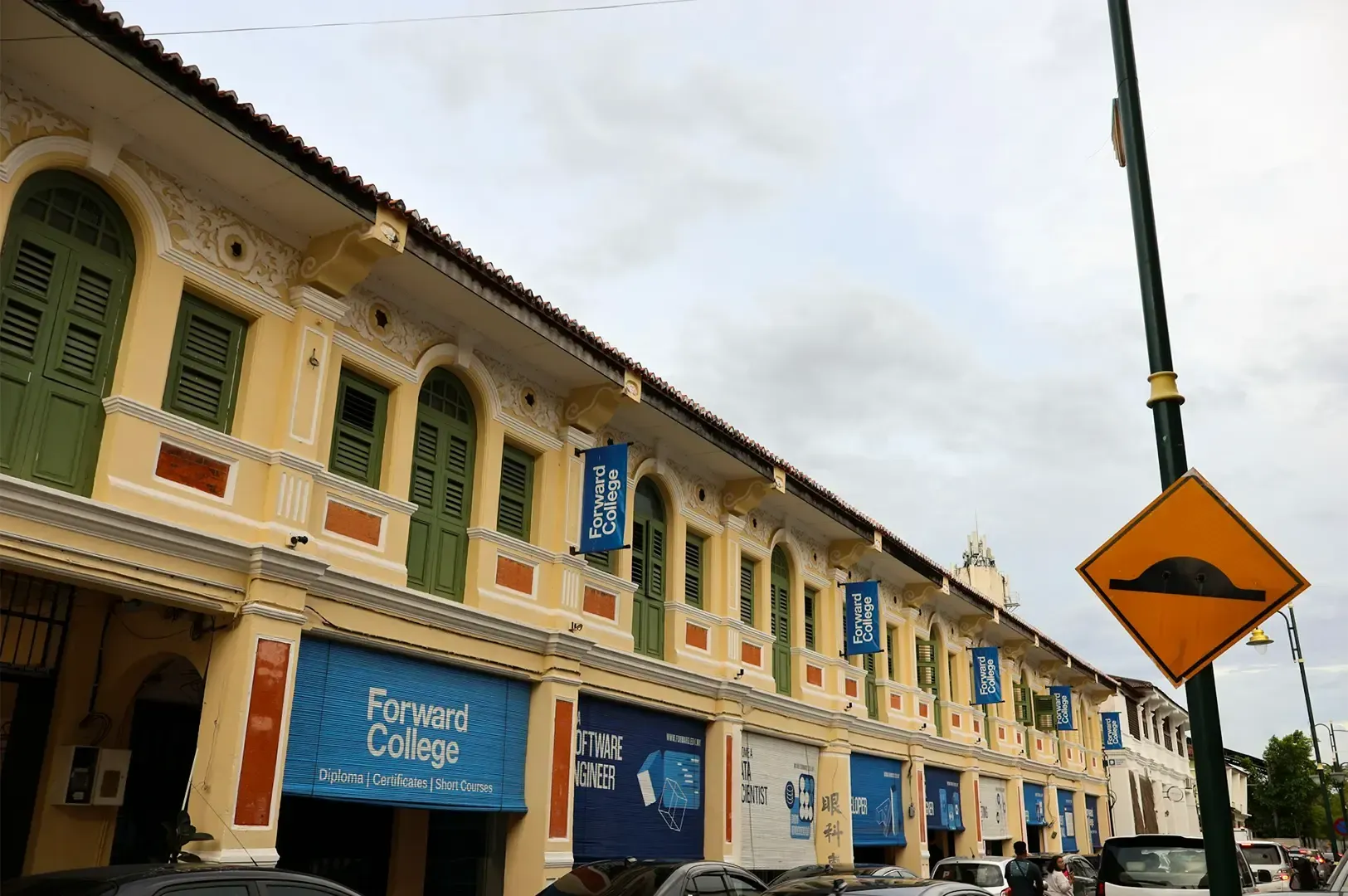
There is a unique romance to staying in a historic private residence. Whether it’s a grand Georgian townhouse in London, a centuries-old palazzo on a Venetian canal, or a beautifully preserved shophouse in Singapore, these properties offer a sense of place that no modern hotel can replicate. You are not just a guest; you are a temporary custodian of a piece of history. The walls have stories, the floors have character, and the very air feels thick with the past.
As a personal assistant, my work often involves trading the predictable comfort of five-star hotels for the unique allure of these historic private residences. My boss has a deep appreciation for architecture and history, which means I've spent a significant amount of time managing the logistics of living in homes that were built long before the invention of Wi-Fi or air conditioning.
While the experience is undeniably magical, making a heritage property function as a contemporary luxury accommodation presents a host of
unique challenges. Behind the charming facade of antique furniture and original features lies a world of quirky plumbing, delicate infrastructure, and a constant negotiation between preservation and modern comfort. This is the candid, behind-the-scenes reality of life in a living museum.
The Allure of Authenticity: Why Choose Historic Over Modern?
Before diving into the challenges, it’s important to understand the appeal. Why choose a drafty old house over a sleek, new penthouse?
A Connection to Place
A historic home offers an immersive cultural experience. You live, for a short time, as a local might have centuries ago. The architecture, the layout, and the materials all tell a story about the city you are in. It's the difference between observing a culture from a hotel room and living inside a piece of it.
Unparalleled Privacy and Space
Unlike a hotel, a private residence offers true seclusion. There are no other guests, no shared elevators, and no public lobbies. This level of exclusive privacy is the ultimate luxury for many high-profile individuals. You can host private dinners, conduct confidential meetings, and relax without an audience.
The "Wow" Factor
Let's be honest: staying in a beautifully restored historic property is incredibly impressive. It’s a statement. These homes are often architectural masterpieces, filled with priceless art and antiques. They provide a backdrop for a truly unforgettable stay, a fact that rental platforms specializing in unique stays, like onefinestay or Plum Guide, have built their businesses on.
The Preservation Paradox: Modern Comforts vs. Historic Integrity

The biggest challenge of managing a stay in a heritage property is what I call the "preservation paradox." How do you enjoy modern comforts without compromising the soul of the building?
The Wi-Fi Struggle is Real
The number one issue, without fail, is connectivity. Thick stone walls, multiple floors, and building regulations that prohibit drilling for new cables make achieving consistent, high-speed Wi-Fi a nightmare. I’ve spent countless hours working with local IT specialists to install discreet signal boosters and temporary mesh networks to ensure my boss can conduct his video calls without interruption. Reliable internet in historic homes is never a given.
The Climate Control Conundrum
Many historic buildings, particularly in Europe, were built to stay cool in summer and retain heat in winter—but they were not designed for modern, centralized air conditioning.
- Listed Building Restrictions: In many cities, heritage buildings are "listed," meaning there are strict rules about what can be altered. Installing a modern HVAC system is often impossible. You can learn more about these regulations from preservation bodies like Historic England.
- The "Portable Unit" Solution: The solution is often a series of noisy, inefficient portable air conditioning units, with bulky vents that have to be routed through windows. It’s a clumsy but necessary compromise.
A Personal Anecdote: The Tuscan Power Outage

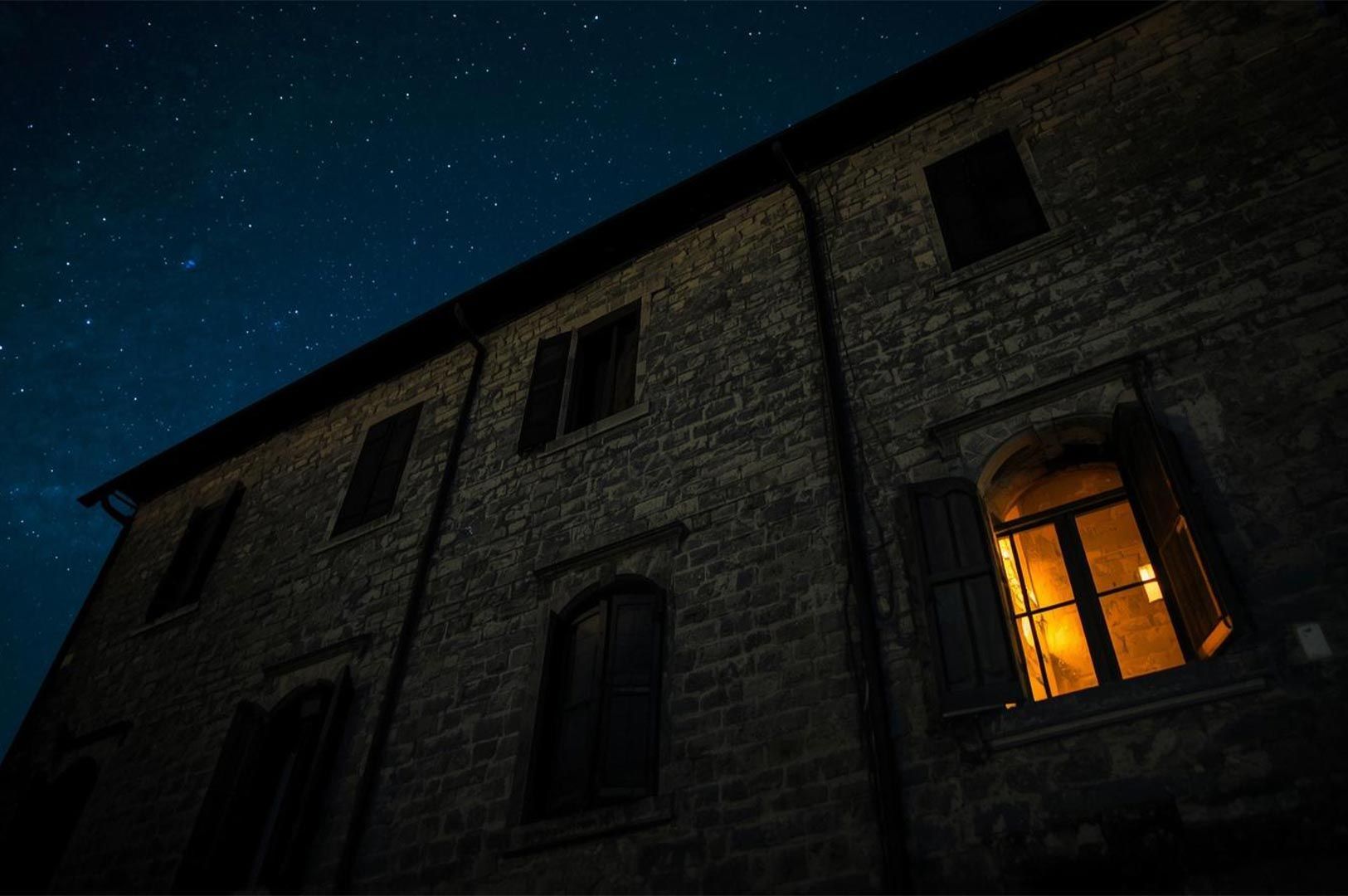
We were staying in a magnificent 16th-century villa in the Tuscan countryside. It was a scorching July. On the first night, my boss, his family, and I all turned on our portable AC units at the same time. The result? We overloaded the ancient electrical system, plunging the entire villa into darkness. It took a local electrician two hours to restore power. It was a stark lesson in the
fragility of historic infrastructure. From then on, I had to create a "power usage schedule" to avoid another blackout.
Navigating the Quirks: Living with the Ghosts of the Past
Historic homes are full of charming eccentricities that can quickly become logistical headaches.
- Plumbing with Personality: The water pressure might be temperamental. The hot water might take ten minutes to arrive. The sound of a flushing toilet can echo through the entire house. Understanding the plumbing's personality is key.
- The Key Master: Forget key cards. You will often be handed a collection of heavy, ornate, and sometimes ancient brass keys. Knowing which skeleton key opens which creaky door is a crucial first-day task.
- Uneven Floors and Low Doorways: I always have to remind my boss, who is quite tall, to watch his head. The charmingly uneven original floorboards can also be a tripping hazard.
The Service Gap: The Absence of a Concierge

When you leave a hotel, you leave behind the built-in support system: the concierge, the 24-hour room service, and the maintenance staff. In a private residence, you—or in my case, I—become the support system.
Becoming the Human Concierge
My phone becomes the front desk. I am the one who books the restaurants, arranges the cars, and sources the theater tickets. This requires building a local network of contacts from scratch, a challenge in every new city.
Sourcing a Support Team
For longer stays, I have to assemble a team to replicate the services of a luxury hotel.
- The Daily Housekeeper: Finding a reliable, discreet housekeeper is my top priority.
- The Private Chef: Sourcing a chef who can work in a potentially challenging, non-commercial kitchen is an art form.
- The Local Fixer: I always find a local "fixer"—a property manager or on-call handyman—who can deal with the inevitable issues, like a leaky faucet or a malfunctioning appliance.
Entertaining in a Historic Setting: High Stakes, High Rewards

Hosting an event in a historic residence is a high-stakes affair. The potential for a truly magical evening is immense, but so is the potential for disaster.
Protecting the Property
My primary concern is protecting the home itself.
- Catering Vetting: I have to vet the catering company rigorously. Do they have experience working in historic venues? Do they understand the need to protect antique wood floors and delicate furniture?
- The "No Red Wine" Rule: In rooms with priceless rugs or light-colored upholstery, I often have to implement a strict "white wine and champagne only" rule. It might seem extreme, but a single spilled glass of red wine could cause thousands of dollars in damage.
- Guest Management: I have to act as a gentle but firm guardian of the space, discreetly steering guests away from roped-off areas or fragile antiques.
The Joy of Discovery

Despite the challenges, the rewards are immense. These homes are filled with hidden treasures.
- Secret Gardens: A door at the back of a London townhouse might open onto a surprisingly lush, quiet garden—a private oasis in the middle of the city.
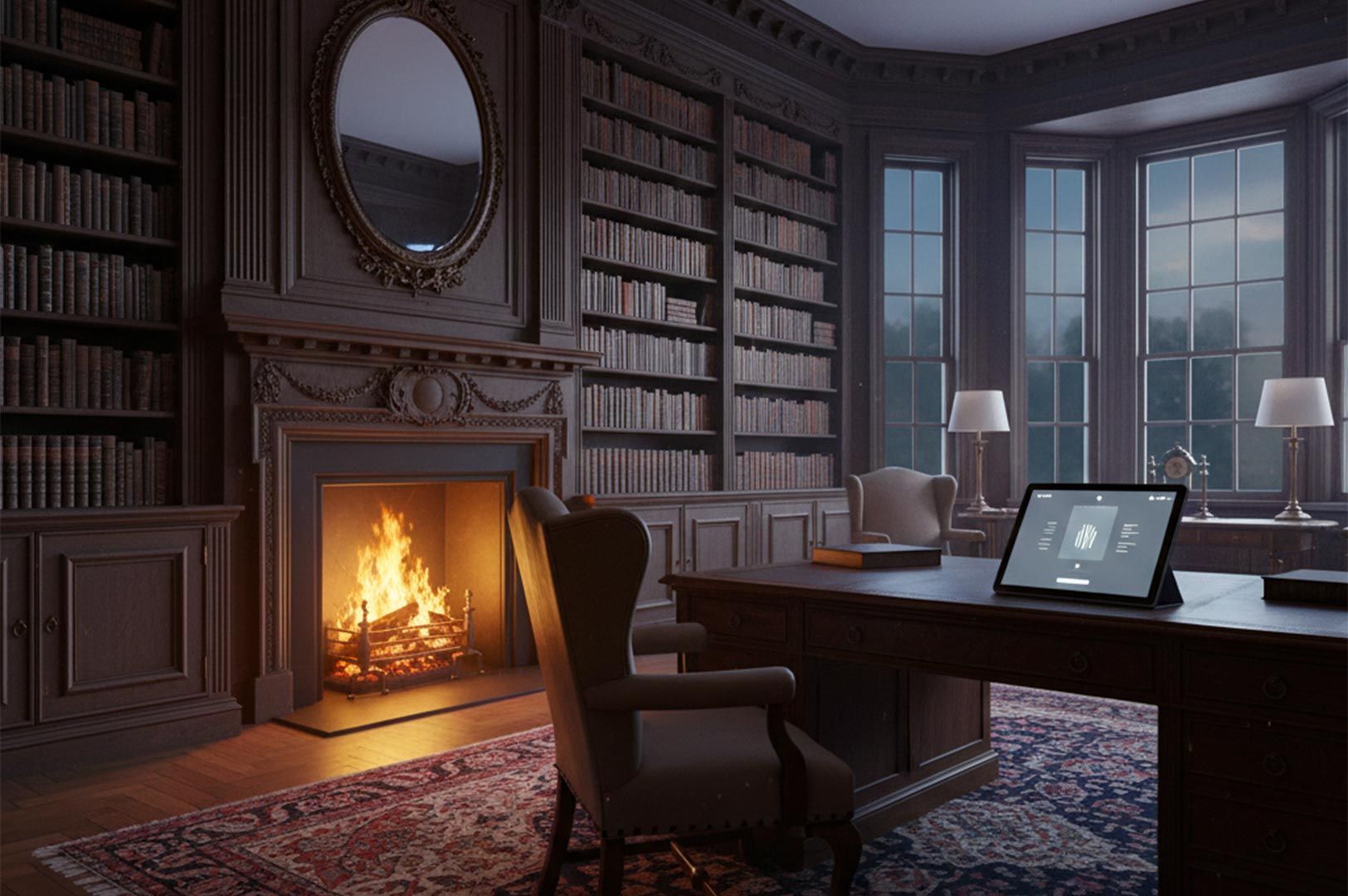
- Hidden Libraries: I’ve discovered rooms lined with centuries-old books, offering a quiet place for my boss to read and unwind.
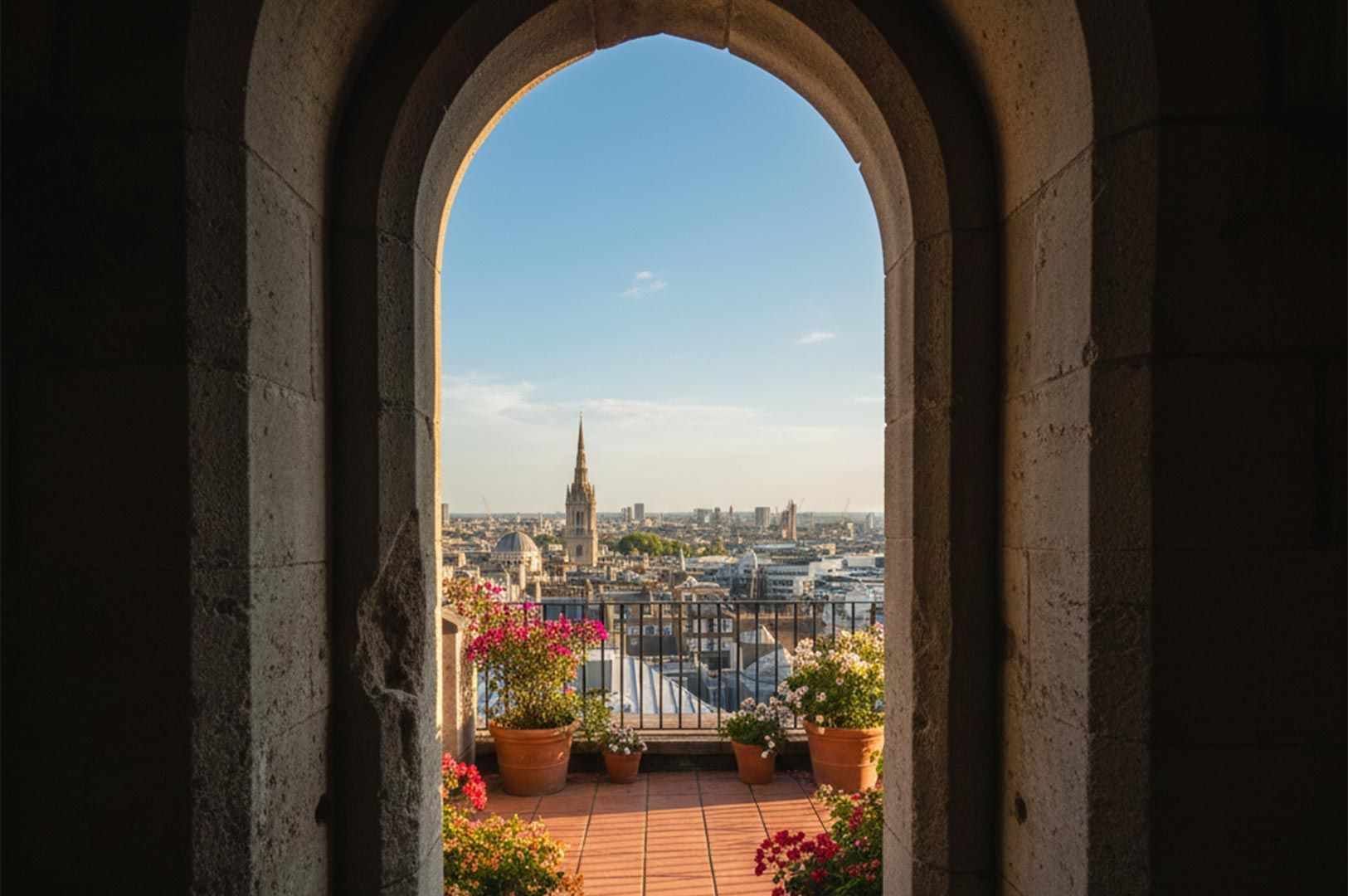
- Rooftop Terraces: A narrow, winding staircase might lead to a rooftop terrace with breathtaking, private views of the city skyline.
Discovering these
secret spaces is part of the adventure, adding a layer of magic to the stay. It’s a privilege to be a temporary resident in a place with such a rich past.
The Ultimate Luxury is a Story
In a world of standardized luxury, historic private residences offer something increasingly rare: a unique and unrepeatable experience. They are not perfect. They can be quirky, demanding, and inconvenient. But their imperfections are part of their soul.
Navigating the challenges of these properties requires patience, creativity, and a deep appreciation for the past. It means accepting that you might have to trade perfect water pressure for the privilege of sleeping in a room that has hosted generations of fascinating people. As a PA, my job is to bridge the gap—to smooth over the inconveniences so that my boss can fully immerse himself in the story of the house.
For the traveler who values character over convenience and story over standardization, there is no greater luxury than temporarily calling one of these magnificent properties home. It’s a chance to live within the pages of a history book, even if it means having to jiggle the handle on the toilet.