

The Luxury of Discomfort: Embracing Uncertainty as Life's Greatest Teacher
January 12, 2026 |J.C. Yue

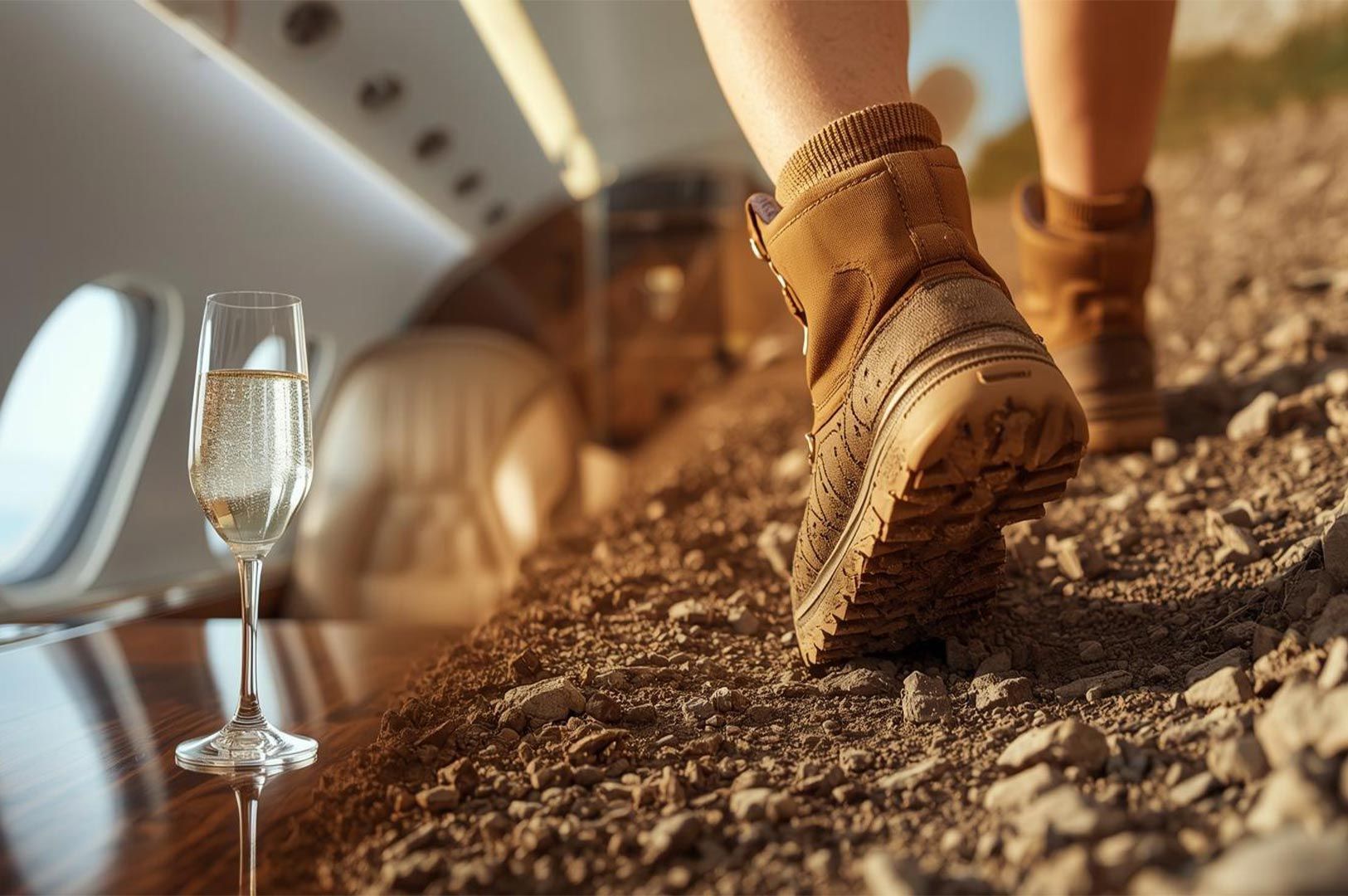
In my line of work, "discomfort" is a dirty word. As a personal assistant to a high-net-worth individual, my entire professional existence is dedicated to the eradication of friction. I spend my days (and many of my nights) smoothing out the edges of reality, ensuring that the temperature is always 21 degrees, the champagne is always chilled, and the car is always waiting. We pay premiums for seamless luxury travel experiences—for the guarantee that the unknown will remain politely at a distance.
Yet, after a decade of circling the globe, hopping from penthouse suites to private villas, I have come to a startling conclusion. While we pay for comfort, it is often the moments of discomfort—the unplanned, the gritty, and the uncertain—that provide the most value. In a life curated to perfection, embracing uncertainty becomes a rare and transformative privilege. This is what I call the "luxury of discomfort."
It sounds counter-intuitive. Why would anyone spending five figures a night want anything less than perfection? But true growth, both for the traveler and the human spirit, rarely happens in the backseat of a climate-controlled limousine. It happens when the tire blows out on a dirt road in the middle of nowhere.
The Illusion of the Frictionless Itinerary

We live in an era where we believe we can optimize everything. My boss’s calendar is a masterpiece of logistics, a testament to human control over time and space. But travel, by its very nature, is an act of surrender.
When Money Cannot Buy Certainty
I remember standing on a tarmac in Teterboro, watching a blizzard roll in. We were on a private jet, the ultimate symbol of travel freedom. But the pilot simply shook his head. No amount of money could stop the snow. We were grounded. For the first time in weeks, my boss was not in control. He had to sit in a generic waiting room, drinking lukewarm coffee from a paper cup.
At first, there was frustration. But then, something shifted. Deprived of his schedule and his staff’s ability to "fix it," he started talking to the other stranded passengers—pilots, mechanics, other assistants. For three hours, he was just a person waiting out a storm. That pause, forced upon him by the unpredictability of nature, was more restorative than the week-long spa retreat we were flying to.
The Psychology of the Comfort Zone
Psychologists often talk about the "hedonic treadmill"—the idea that we quickly adapt to new levels of luxury, requiring ever more to feel satisfied. When perfection becomes the baseline, it ceases to be enjoyable; it just becomes expected. Discomfort breaks this cycle. It resets our baseline. A simple meal tastes better after a long, confusing hike. A soft bed feels heavenly after a night spent on an uncomfortable airport bench.
Learning Resilience Through Travel Mishaps

One of the most valuable assets in both business and life is resilience. While my job is to act as a buffer, sometimes the world hits too hard for me to block.
The Midnight Crisis in Marrakech
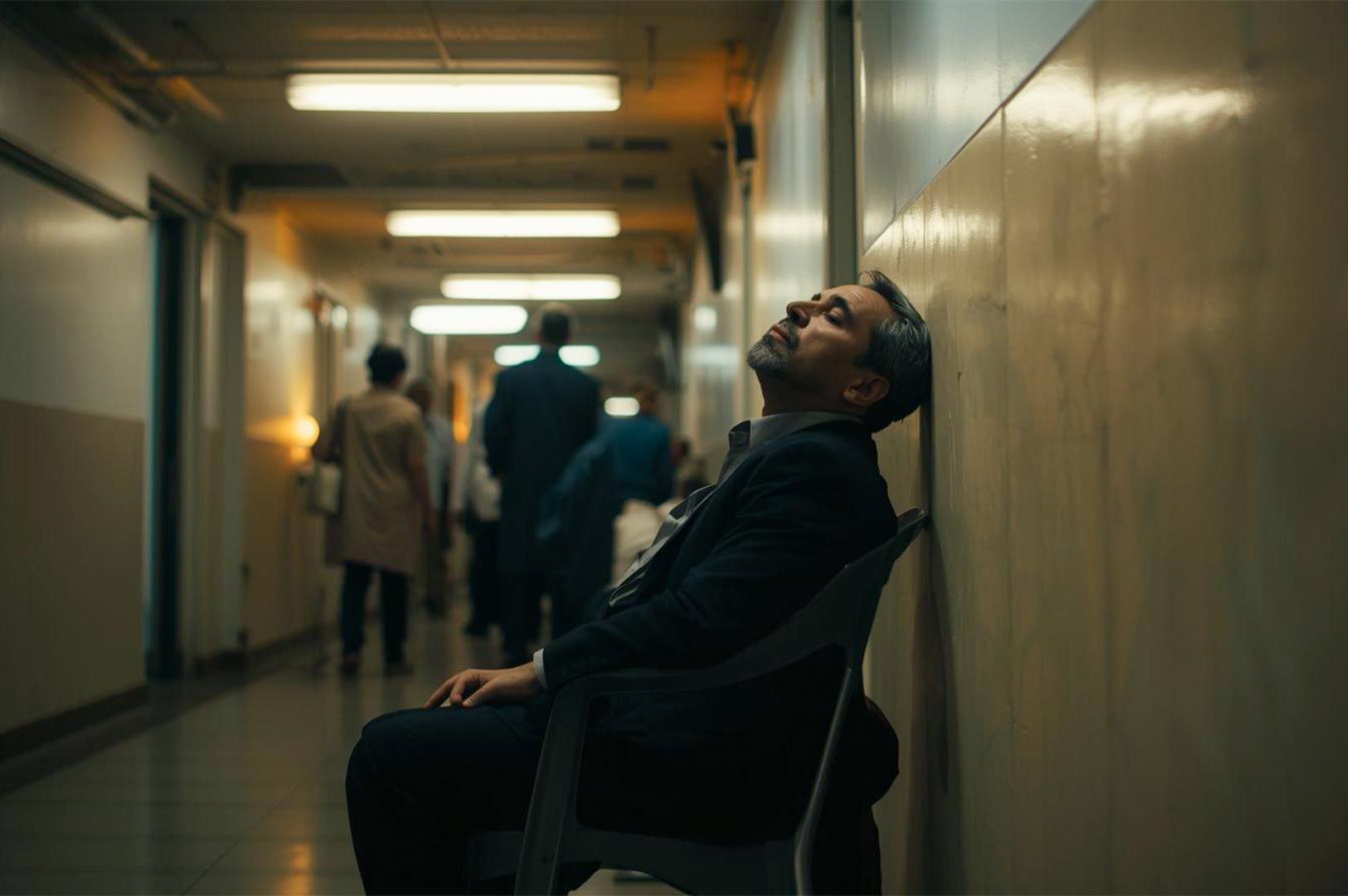
We were in Morocco, staying at a palatial riad. It was the definition of luxury accommodation. However, a sudden, severe allergic reaction (to a spice, we think) sent my boss to a local clinic at 2:00 AM. It wasn't the pristine private hospital he was used to. It was chaotic, loud, and communicated entirely in French and Arabic.
Finding Calm in Chaos
I watched my employer, a master of the boardroom, have to surrender his agency to a tired doctor who didn't care about his net worth. He had to trust. He had to wait. He had to be patient. In that sterile, flickering light, stripped of his entourage and his influence, he found a core of strength he rarely had to use. He later told me that the experience was terrifying but grounding. It reminded him of his own fragility. Navigating travel medical emergencies teaches us that at our core, we are all just biological organisms trying to survive.
The Humility of Getting Lost
In our hyper-connected world, getting lost is almost a choice. We have Google Maps, translators, and guides. But sometimes, technology fails, or we simply take a wrong turn.
Stepping Off the Red Carpet
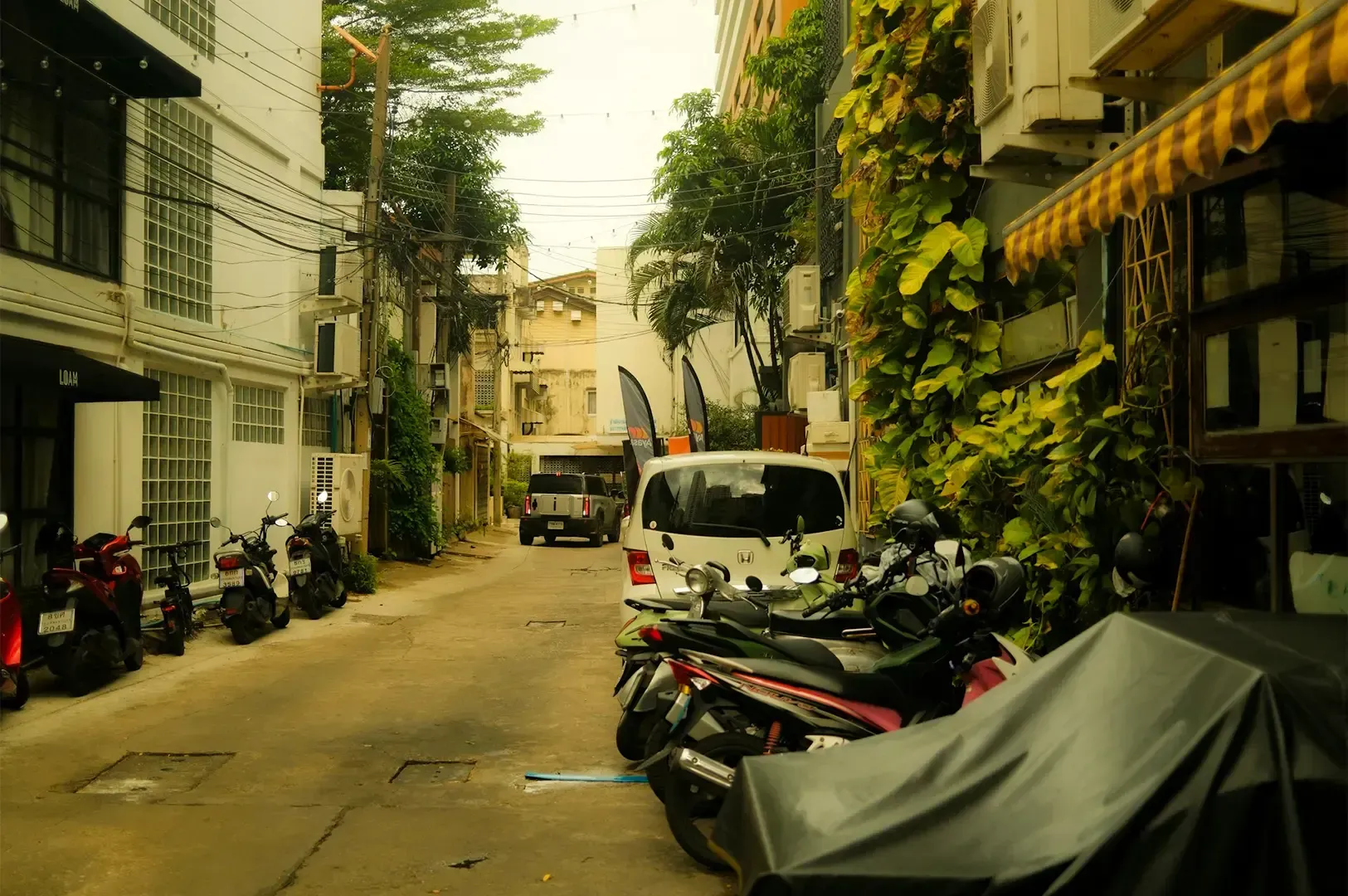
True discovery often lies just beyond the edge of the itinerary. I once accompanied my boss to Tokyo. He had a free afternoon and, against my instincts, decided to walk without a map or a guide. We ended up in a maze of backstreets in a neighborhood far from the Ginza lights. We couldn't read the signs. We couldn't ask for directions.
The Joy of "Type 2 Fun"
There is a concept in outdoor adventure circles known as "Type 2 Fun"—experiences that are miserable or difficult in the moment but retrospectively rewarding. Getting lost in Tokyo was stressful. We were hungry, tired, and confused. But when we finally stumbled into a tiny, smoke-filled yakitori bar where the owner welcomed us with wild gestures and incredible food, the relief and joy were palpable. The memory of that meal remains one of his favorites, precisely because we had to struggle to find it.
Cultural Friction: The Teacher of Empathy

Luxury travel often insulates us from the local culture. We move from the hotel to the private car to the high-end restaurant. We observe the destination through glass. Embracing uncertainty means rolling down the window.
Breaking the Language Barrier
Discomfort arises when we cannot communicate. It forces us to use sign language, to smile, to be humble. It strips away the arrogance that often accompanies wealth. When you cannot order dinner without miming a chicken, you learn not to take yourself too seriously.
Understanding Different Perspectives
Traveling as a PA, I see how cultural misunderstandings can lead to frustration. But if we lean into that discomfort, instead of demanding the world adapt to us, we learn empathy. We learn that our way is not the only way. This is a vital lesson for global citizens. The Harvard Business Review frequently discusses how cultural intelligence is a key leadership trait, often honed through international exposure.
The Role of the Assistant: Observing the Elite Under Pressure
My perspective is unique because I am both a participant and an observer. I am in the luxury bubble, but I am not of it.
Watching the Facade Crack
I have seen billionaires throw tantrums over slow Wi-Fi, and I have seen them handle genuine crises with grace. The difference is almost always their relationship with discomfort. Those who fear it are fragile. Those who welcome it—or at least tolerate it—are antifragile. They get stronger when things go wrong.
Curating Controlled Chaos
Ironically, as I’ve grown in this role, I’ve started to subtly introduce micro-doses of discomfort into my boss’s life. I might suggest a hike that is slightly too long, or a local market visit that is loud and crowded. I do this because I see how alive he becomes when the safety rails are lowered.
Practical Ways to Invite Discomfort into Luxury Travel

You don't have to fire your assistant or toss your passport to learn these lessons. You can choose to step out of the gilded cage.
1. The "Unplanned Day" Rule
On every trip, leave one day completely blank. No reservations, no drivers, no guides. Just walk out the front door and see what happens. Spontaneous travel allows serendipity to enter the chat.
2. Public Transport Challenge
Even if you can afford a chauffeur, take the subway in London, the metro in Paris, or the MRT here in Singapore. It connects you to the rhythm of the city and its people. It is crowded, sometimes hot, and often confusing—and it is real.
3. Eat Where the Locals Eat
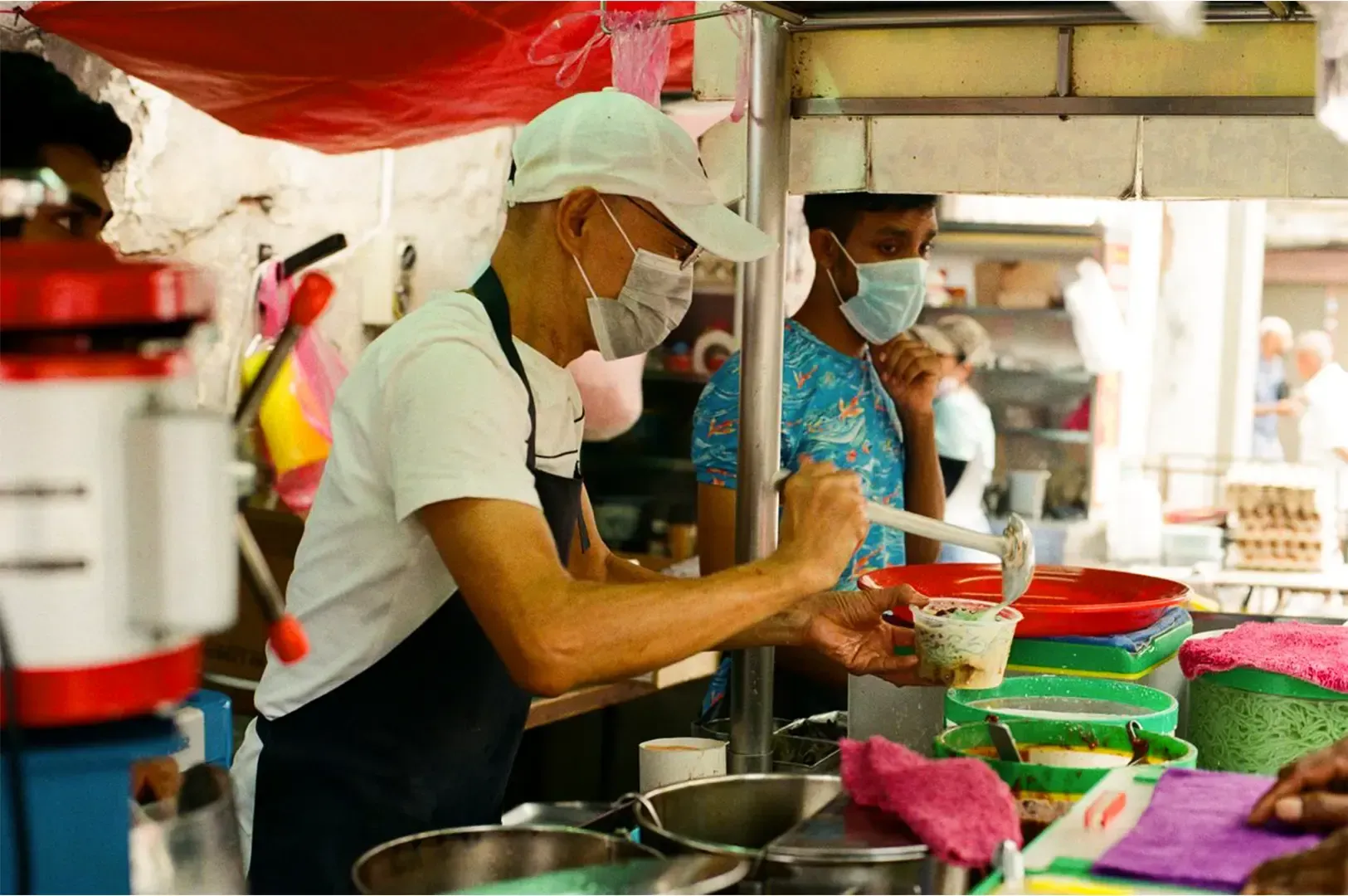
Skip the Michelin stars for one night. Go to the place with the plastic chairs and the long line. If you feel out of place, good. That feeling is
personal growth happening in real-time.
Resilience as the Ultimate Souvenir
We often travel to acquire things—photos, souvenirs, status. But the most durable souvenir is the change that happens inside us.
The Stories We Tell
When my boss recounts his travels at dinner parties, he never talks about the perfectly executed transfer or the high-thread-count sheets. He talks about the time the boat broke down in the Amazon, or the time we got caught in a monsoon in Bali. He talks about the moments of struggle. Why? Because those are the moments he actually lived.
Reframing Anxiety as Excitement
Biologically, anxiety and excitement are very similar. By reframing the discomfort of the unknown as the thrill of adventure, we transform our travel experiences. This cognitive shift is supported by research found in publications like
Psychology Today.
Authenticity Requires Vulnerability
You cannot have an authentic experience if you are armored in luxury. To connect with a place, you have to be vulnerable to it. You have to let it touch you, confuse you, and maybe even upset you.
The Singaporean Perspective
Coming from Singapore, a nation obsessed with efficiency and safety, I have a deep appreciation for order. But my travels have taught me that
chaos has its own beauty. While I will always ensure my boss’s safety, I have stopped trying to ensure his absolute comfort at all times.
Conclusion: The Privilege of Choice

Ultimately, the "luxury of discomfort" is exactly that—a luxury. It is a privilege to choose uncertainty when you have a safety net. But it is a choice worth making.
If you are a luxury traveler, I challenge you to look at the friction in your next trip not as a failure of service, but as an opportunity for engagement. When the flight is delayed, or the rain ruins the beach day, or the menu is indecipherable—lean in.
Embrace the uncertainty. Let the world disrupt your plans. It is in those unscripted, uncomfortable gaps that life actually happens. As your assistant, I will still be there to pick up the pieces, but I might just wait a moment before I do, just to let you see what you are made of.
Further Reading and Resources
- Stoicism and Travel: Learn how ancient philosophy views discomfort at The Stanford Encyclopedia of Philosophy.
- Sustainable Tourism: Understanding how local engagement benefits communities at UN Tourism.
- Travel Health Safety: Be prepared before you embrace the chaos at the
CDC Travelers' Health page.
The Cultural Impact: Why This Matters
Why go to all this trouble? Why navigate dumpsters and graffiti when you could just go to a hotel bar? Because the laneways are where the soul of Melbourne lives.
Authenticity in an Age of Genericism
In a globalized world where every luxury mall looks the same, Melbourne’s laneways offer something genuinely unique. They are messy, human, and creative. They force you to engage with the city on its own terms. This authentic urban experience is increasingly rare and valuable.
The Innovation Incubator
Because rents in these awkward spaces were historically cheaper, they became incubators for young chefs, designers, and artists. The laneways allowed them to take risks that they couldn't afford on the main streets. This spirit of innovation is what keeps
Melbourne's cultural scene so dynamic. You can see this creativity celebrated by bodies like the
Creative Victoria government agency.
My Role: The Translator of Chaos
For a PA, Melbourne is a test of research and intuition. It’s not about booking the most expensive place; it’s about finding the right place.
- Vetting: I visit these places in advance. Is the "gritty" entrance charming or just dirty? Is the music too loud for a business conversation?
- Access: I build relationships with the maitre d's of these small venues. A personal text can secure a table in a 20-seat restaurant that is officially "booked out."
- Context: I provide context for my boss. "This graffiti was done by a famous local artist," or "This bar used to be a police station." Stories add value to the experience.
Getting Lost to Find Yourself
The beauty of Melbourne’s laneways is that they are designed to be explored. The map is just a suggestion. The true joy comes from the accidental discoveries—the tiny bookshop you didn't know existed, the smell of roasting coffee drifting from a vent, the sound of a saxophone echoing off brick walls.
Navigating Melbourne's micro-streets is about surrendering to the chaos. It’s about trusting that down that dark, unpromising alley lies something wonderful. For the luxury traveler, it’s a reminder that exclusivity isn't always about velvet ropes; sometimes, it’s just about knowing which door to push. So put on your comfortable shoes, leave the limousine behind, and step into the shadows. The real Melbourne is waiting.