
Street Food Symphonies: Beyond the Instagram-Famous Stalls
January 27, 2026 |J.C. Yue

There is a certain genre of travel photo that has become ubiquitous: the perfectly framed shot of a photogenic street food dish, held up against a colorfully blurred background. It’s a snapshot that screams "authentic," a carefully curated moment designed for maximum social media impact. While these Instagram-famous street food stalls have their place, they often represent only the most superficial layer of a city's culinary soul. The true heart of a destination's street food culture, I've learned, beats in much quieter, less picturesque corners.
As a personal assistant, I've had the privilege of dining at some of the world's most exclusive restaurants. But for my boss, a man with a surprisingly adventurous palate, the ultimate food adventure is often found not in a white-tablecloth dining room, but hunched over a plastic stool on a busy sidewalk. My job is to find the best, most authentic street food a city has to offer. This means going beyond the 'Top 10' lists and influencer recommendations to uncover the stalls that locals have cherished for generations.
This is a guide to navigating the vibrant, chaotic, and utterly delicious world of
authentic street food. It’s about learning to read the subtle cues that separate the tourist traps from the true treasures and understanding that the most memorable meals are often the least glamorous.
The Allure of the Kerbside Kitchen

Why does street food hold such a powerful allure, even for those accustomed to fine dining? The answer lies in its raw, unfiltered honesty.
A Direct Connection to Culture
Street food is the most direct and accessible expression of a city's culture. It’s the food of the people, cooked without pretension. The recipes are often passed down through generations, each dish a small piece of culinary history.
The Theater of Cooking
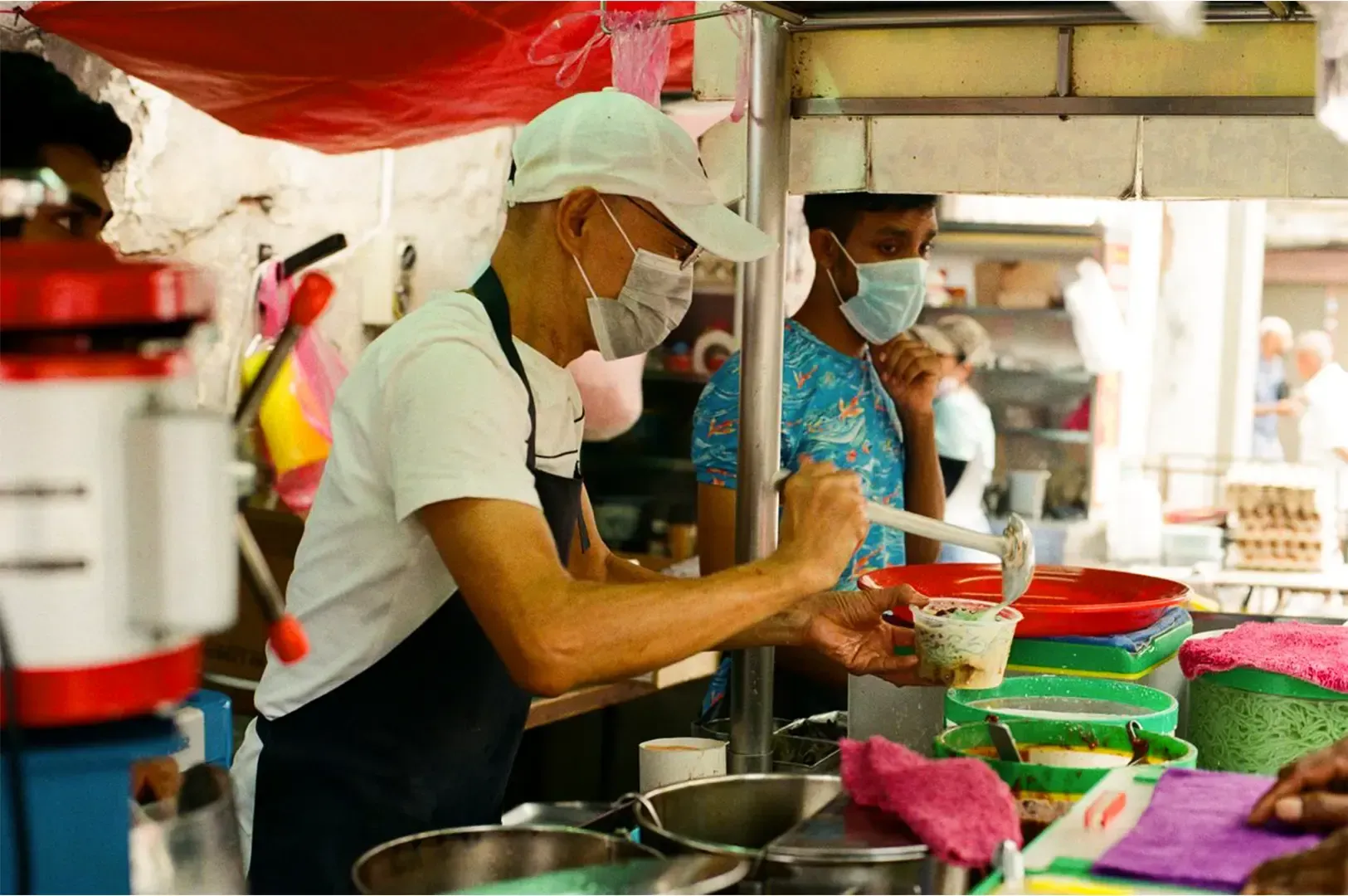
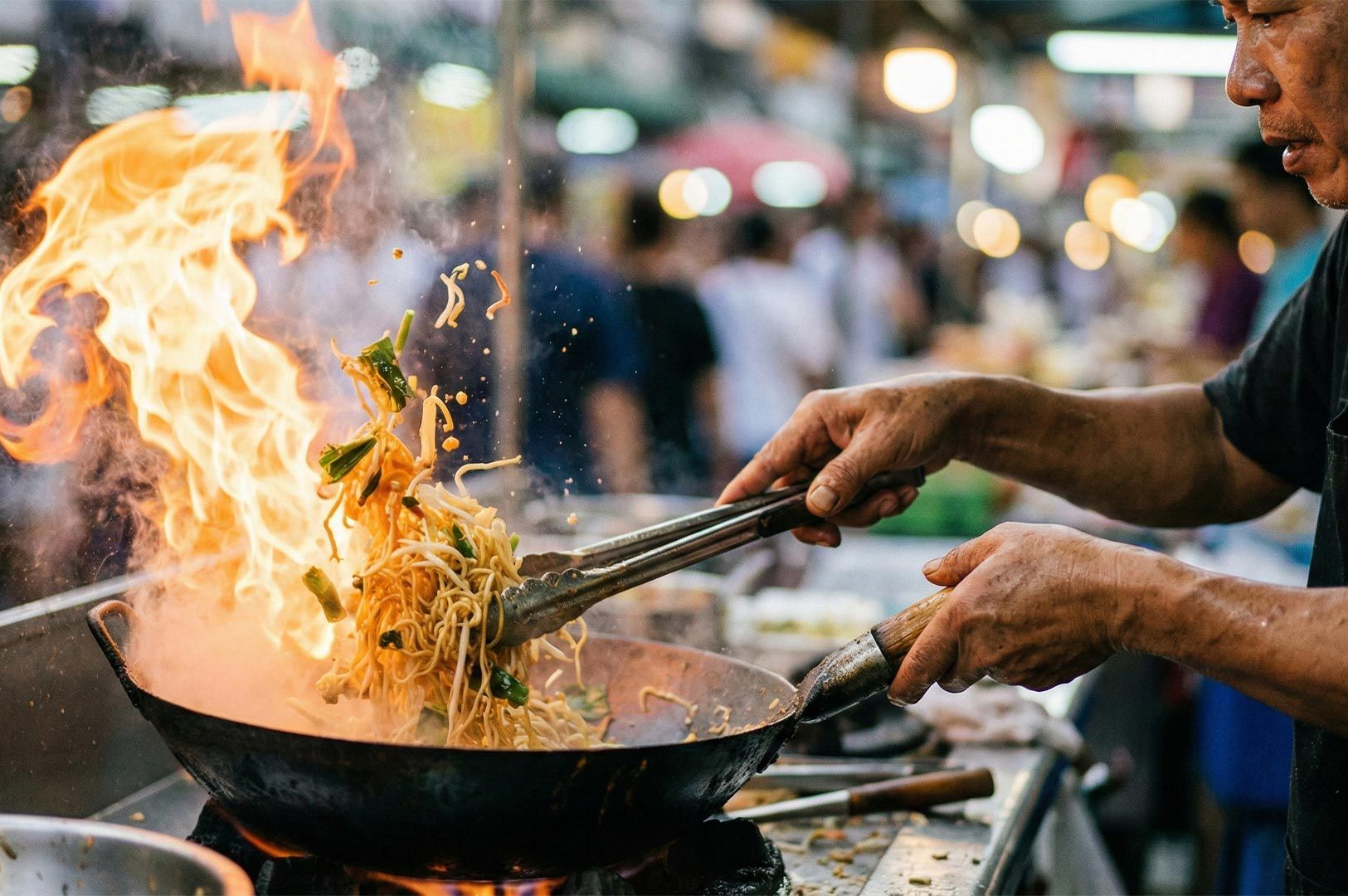
At a street food stall, there is no barrier between the chef and the diner. You can watch the entire process unfold before your eyes: the sizzle of the wok, the rhythmic chop of the knife, the skillful flick of the wrist that sends noodles flying. This culinary theater is an integral part of the experience, a multi-sensory performance that a restaurant kitchen can rarely replicate.
Decoding the Street: How to Find the Real Gems

The challenge is separating the authentic from the ersatz. The most popular stall is not always the best; it’s often just the one with the best marketing or the most convenient location. I use a specific set of criteria to hunt for the real deal.
Rule #1: Follow the Locals, Not the Tourists
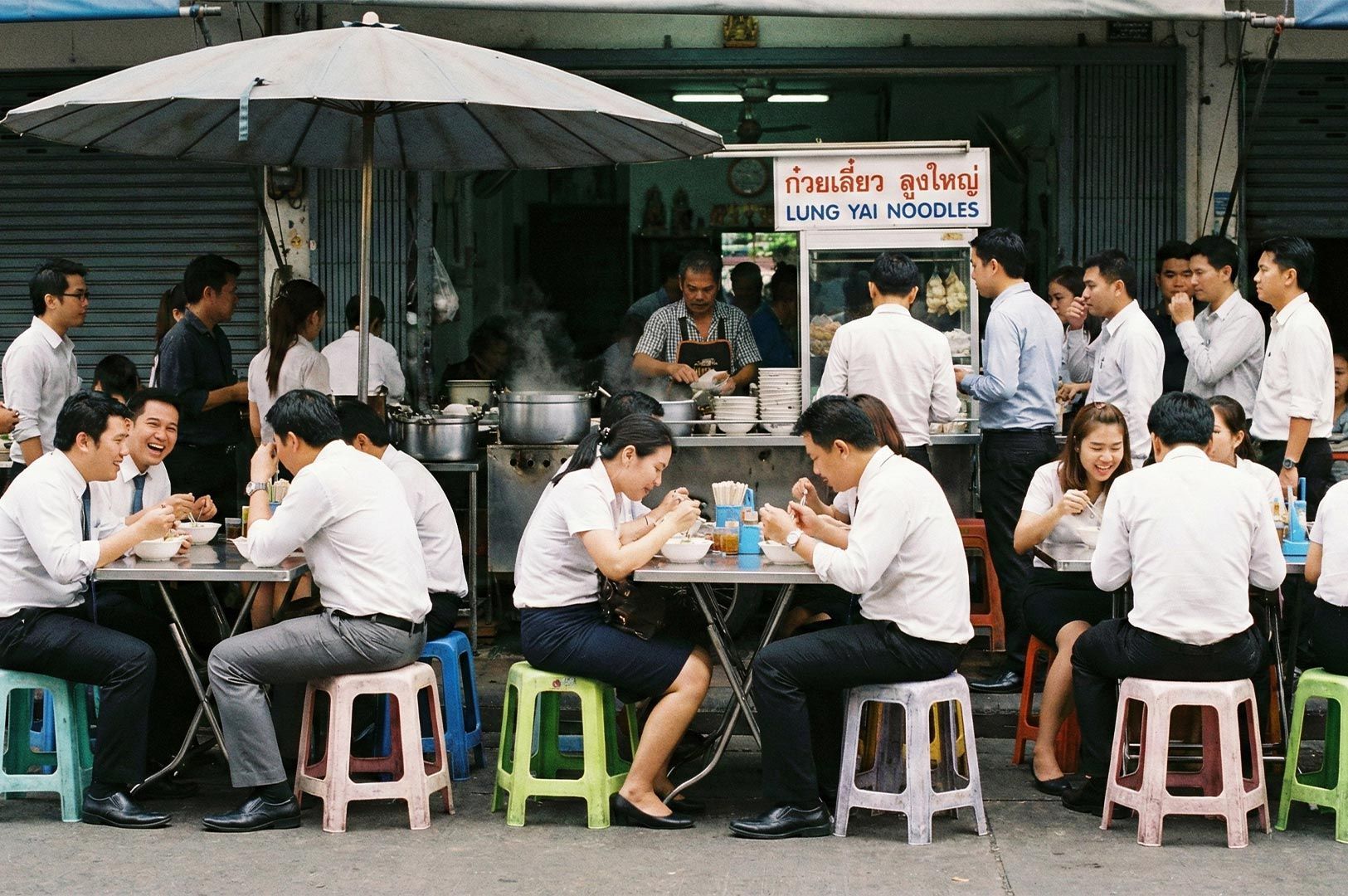
This is the golden rule. Look for the stall that is swarmed by office workers on their lunch break, or by families grabbing a quick dinner. If the clientele is primarily locals, you are in the right place. A queue of people who could eat there any day is the best possible endorsement.
Rule #2: The Specialist Reigns Supreme
The best street food vendors are often hyper-specialized. They make one dish, and they have perfected it over decades. A stall that sells dozens of different items is a red flag. Look for the vendor who only sells banh mi, or the one whose entire operation is dedicated to a single type of noodle soup. This level of specialization speaks to a deep mastery of their craft.
Rule #3: Look for the "Well-Seasoned" Wok
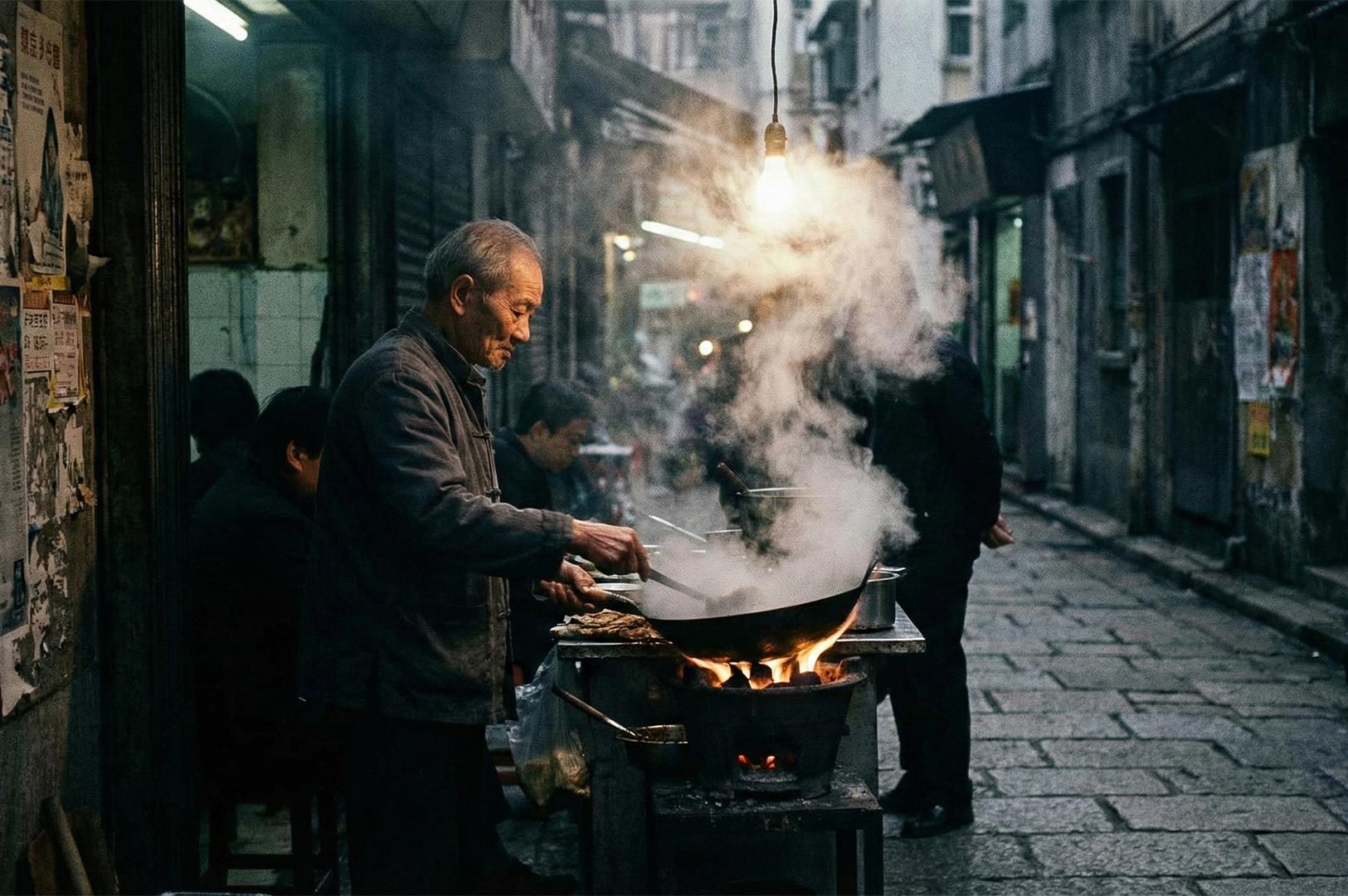
A pristine, shiny new cart can sometimes be a sign of a new, inexperienced vendor. The best stalls often have equipment that looks like it has seen decades of service. A wok that is blackened with age or a grill that is seasoned from thousands of previous meals has a story to tell. This is the physical manifestation of experience.
A Personal Anecdote: The Char Kway Teow Quest in Penang

On a trip to Penang, my boss became obsessed with finding the perfect plate of char kway teow. The stalls recommended by the hotel concierge were good, but they felt a bit polished. I spent an afternoon on a reconnaissance mission, armed with a new strategy. I ignored the main tourist drags and started asking local shopkeepers and my driver, "Where do you go for the best char kway teow?"
The consensus led me down a small, unmarked alley to a stall run by an elderly man who cooked over a charcoal fire. There was no sign in English. He had a small, steady stream of local customers. I brought my boss there later that evening. We ate on wobbly plastic stools, the air thick with the smoky aroma of the charcoal. The noodles were sublime—infused with that elusive wok hei (the "breath of the wok"). It was a simple, profound, and utterly
authentic culinary experience, far more memorable than any fine-dining meal of the trip. The passion for food in places like Penang is something celebrated by local guides like
Penang Foodie.
Navigating Street Food Safely

For many luxury travelers, the biggest hesitation is hygiene. While a degree of caution is wise, a few simple rules can help you enjoy street food without worry.
The "High Turnover" Litmus Test
A busy stall is a safe stall. A constant stream of customers means the ingredients are not sitting around for long. High turnover is your best friend.
Watch the Preparation
Take a moment to observe the vendor. Do they handle money and food with the same hands? Is their cooking surface clean? Are raw and cooked ingredients kept separate? The vast majority of street food vendors are professionals who take pride in their cleanliness.
The "Boiling Hot" Rule
When in doubt, stick to foods that are cooked to order at a high temperature right in front of you. A bubbling vat of soup or a stir-fry from a searingly hot wok is generally a safe bet. The
World Health Organization (WHO) offers general guidelines on food safety that can be applied here.
The Symphony of Flavors: Iconic Street Food Cities

While great street food can be found worldwide, a few cities stand out as major concert halls for these culinary symphonies.
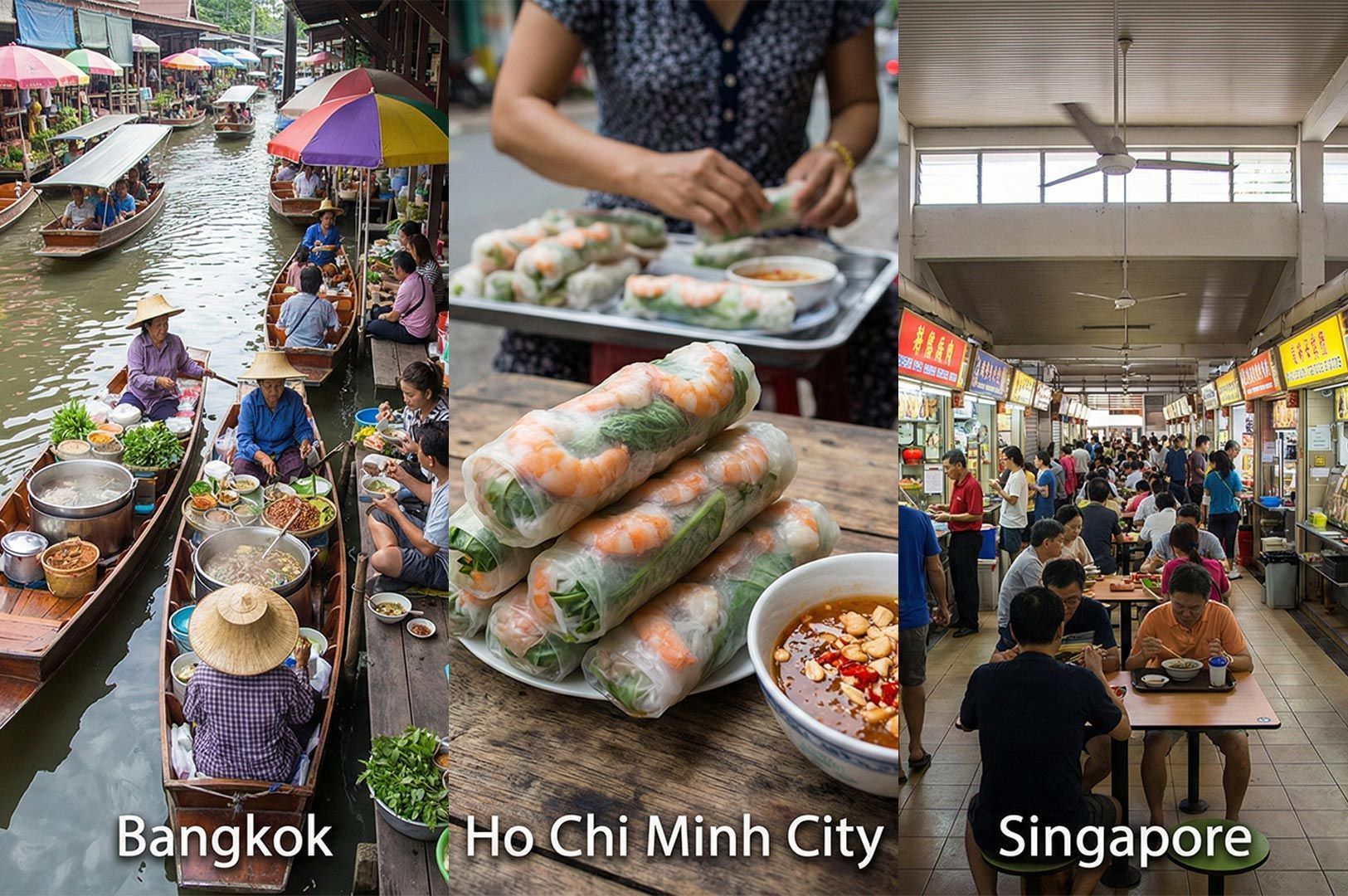
Bangkok, Thailand
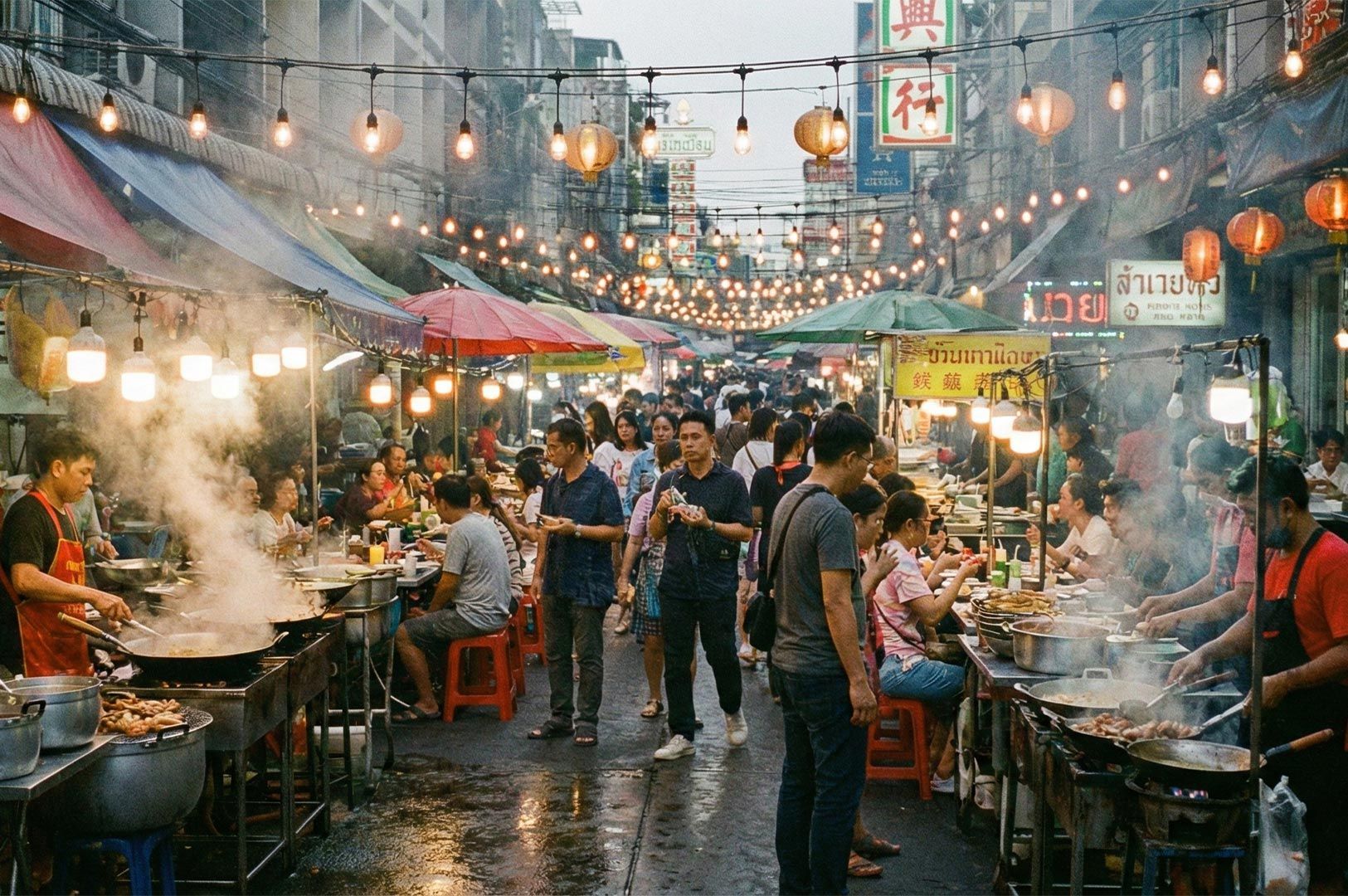
The undisputed king of street food. From the boat noodles of Victory Monument to the world-famous Jay Fai's crab omelette in the Old Town, Bangkok is a city that runs on street-side meals. Local guides and tourism boards like the Tourism Authority of Thailand can provide a starting point.
Ho Chi Minh City, Vietnam
A paradise for food lovers. Every street corner seems to offer another delight, from the fresh, herb-packed goi cuon (summer rolls) to the rich, savory broth of a perfect bowl of pho. The best way to explore is simply to wander and follow your nose.
Singapore
As a Singaporean, I am biased, but our hawker centres are a unique and wonderful evolution of street food culture. They offer the variety and authenticity of street food in a clean, organized, and government-regulated environment. Places like Maxwell Food Centre and Lau Pa Sat are national institutions. This unique culture is something the
Singapore Tourism Board is incredibly proud of.
The Role of the Assistant: Culinary Reconnaissance
My job is not just to book Michelin-starred restaurants, but to be a trusted food scout.
- Pre-Trip Research: I go beyond travel blogs. I look for local food forums, articles by respected food journalists, and videos by serious food documentarians. Anthony Bourdain's work, for example, remains a masterclass in how to find authentic food.
- On-the-Ground Intelligence: The first thing I do in a new city is build a rapport with the hotel staff—not just the concierge, but the bellhops, the drivers, the housekeepers. I ask them where they eat on their day off. Their recommendations are pure gold.
- The "Taste Test": If I'm unsure about a stall, I will often go myself first to vet it before bringing my boss. I assess the food, the cleanliness, and the general vibe to ensure it meets his standards.
Beyond the Food: The Human Connection
What makes street food truly special is the human element. It’s the brief conversation with the vendor, the shared smile with a fellow diner, and the feeling of participating in the daily life of a city.
In a world of
curated luxury experiences, the raw, unscripted nature of a street food meal can be a powerful antidote. It’s a moment of genuine connection in a life that can often feel disconnected. You are not a tourist being served; you are a customer participating in a local ritual.
The Ultimate Measure of Taste
The world's great street food stalls are just as important to a city's culinary identity as its most celebrated restaurants. They are living museums, preserving flavors and techniques that might otherwise be lost. They offer a taste of a place that is honest, vibrant, and deeply rooted in community.
For the adventurous luxury traveler, learning to navigate this world is an essential skill. It requires a willingness to step away from the familiar, to trust your instincts, and to embrace a little bit of chaos. So the next time you travel, look past the shiny, Instagram-famous cart. Follow the line of locals down the narrow alley. Pull up a plastic stool. The symphony is about to begin, and you have the best seat in the house.