The Laneway Code: Navigating Melbourne's Hidden Network of Micro-Streets and Secret Spaces
January 12, 2026 |J.C. Yue

Melbourne is a city that rewards the curious. While Sydney flaunts its harbor and glittery opera house, Melbourne plays hard to get. Its true charm isn't found on the wide boulevards of the CBD (Central Business District), but in the labyrinthine veins that run behind them. As a personal assistant who has organized itineraries in cities from Tokyo to Turin, I can tell you that Melbourne's laneways present a unique challenge and an even greater reward. They are a chaotic, creative, and confusing mess of micro-streets where world-class coffee sits next to dumpster bins, and Michelin-star ambition hides behind graffiti-covered doors.
My boss, a man who usually prefers the predictability of a hotel lobby bar, was initially skeptical. "Why are we walking down an alley that smells like spray paint?" he asked during our first trip. But by the end of the week, he was the one leading the charge, hunting for a hidden jazz bar he’d overheard two locals discussing. Decoding this urban puzzle is what I call "The Laneway Code." It’s about understanding that in Melbourne, the best things are rarely signposted.
This is your insider’s guide to navigating
Melbourne's hidden network, a realm where luxury is defined not by marble floors, but by exclusivity, creativity, and the sheer thrill of discovery.
The Anatomy of a Laneway: More Than Just an Alley
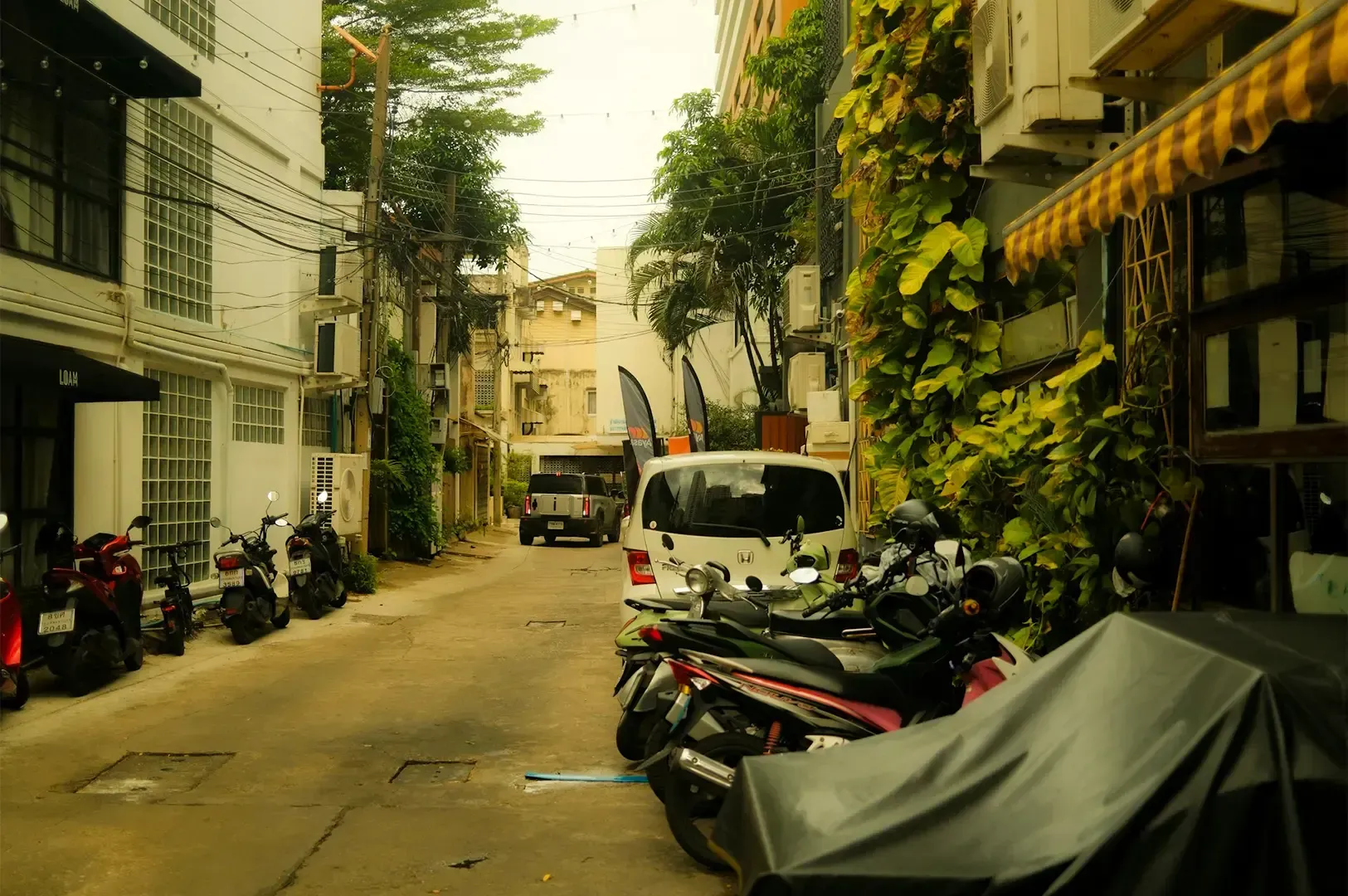
To the uninitiated, a laneway looks like a service alley. And historically, that’s exactly what they were—access points for horse and carts to deliver goods to the rear of buildings. But since the 1990s, a deliberate urban planning strategy transformed these neglected spaces into the cultural arteries of the city.
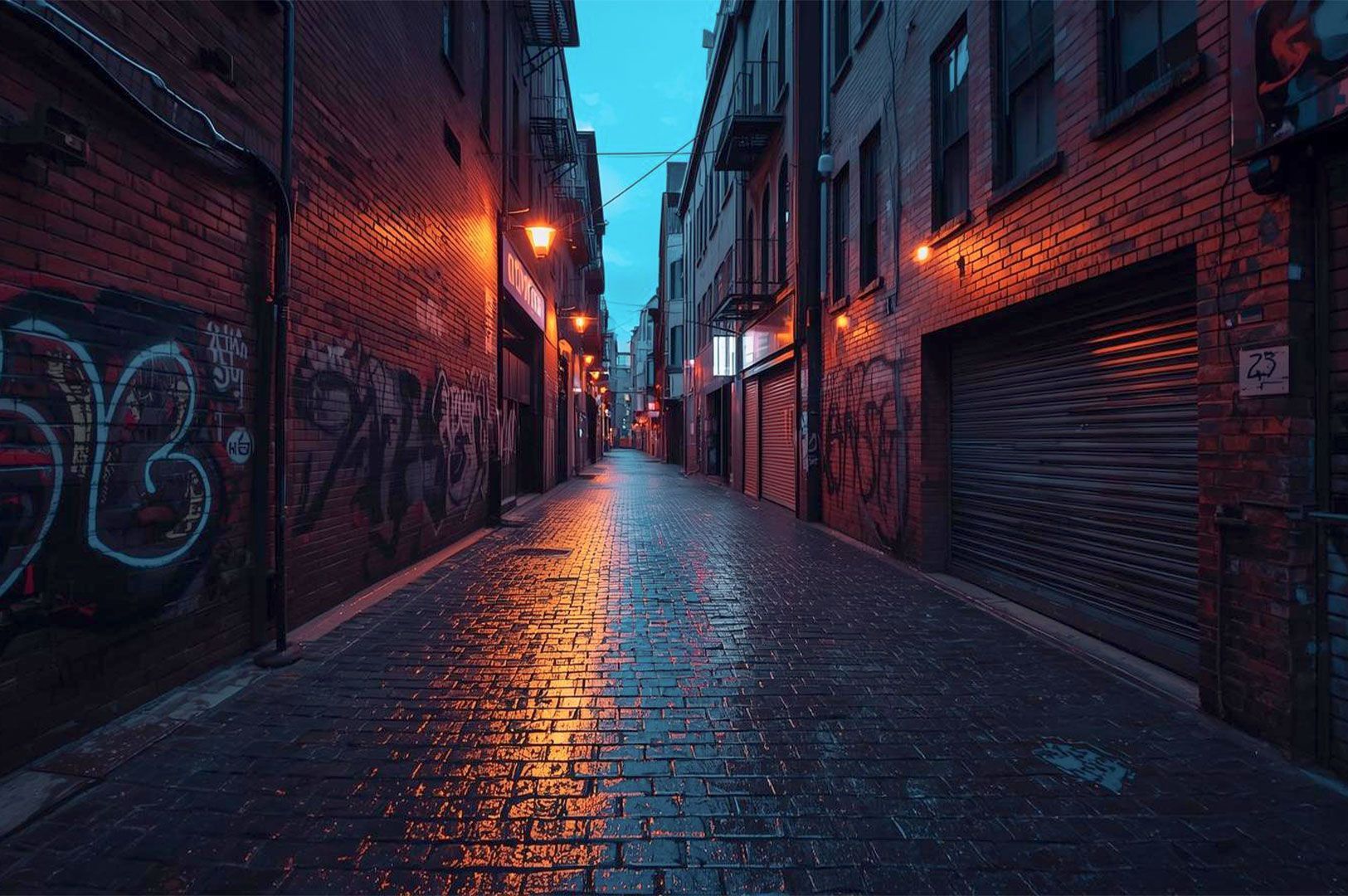
The Visual Chaos of Street Art
The first thing that hits you is the art. It’s everywhere. Hosier Lane is the most famous, a constantly evolving gallery of stencils, paste-ups, and murals. But for a more curated experience, I steer my boss towards AC/DC Lane or Duckboard Place. The art here is gritty, political, and vibrant. It serves as a visual signal: if there is art on the walls, there is likely something interesting behind the doors.
The "Blink and You'll Miss It" Entrance
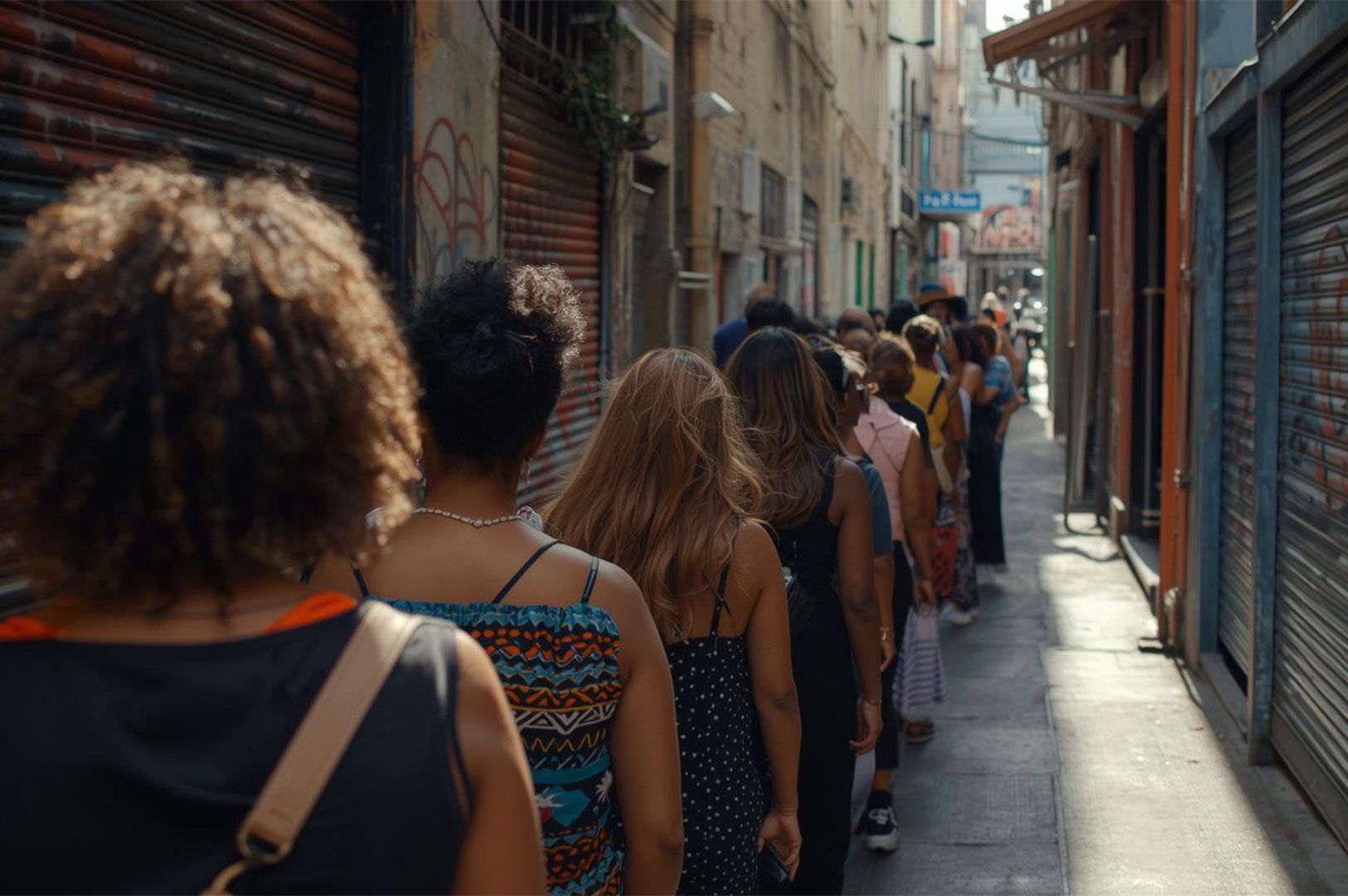
Luxury in the laneways doesn't announce itself. There are no doormen in top hats. Instead, you look for subtle cues: a small brass plaque, a solitary lightbulb above an unmarked door, or a queue forming next to a pile of crates. Learning to spot these hidden entrances is the first rule of the code.
Coffee Culture: The Fuel of the Micro-Streets

If there is a religion in Melbourne, it is coffee. And the temples of this religion are tucked away in the tightest corners of the city.
Finding the Perfect Flat White
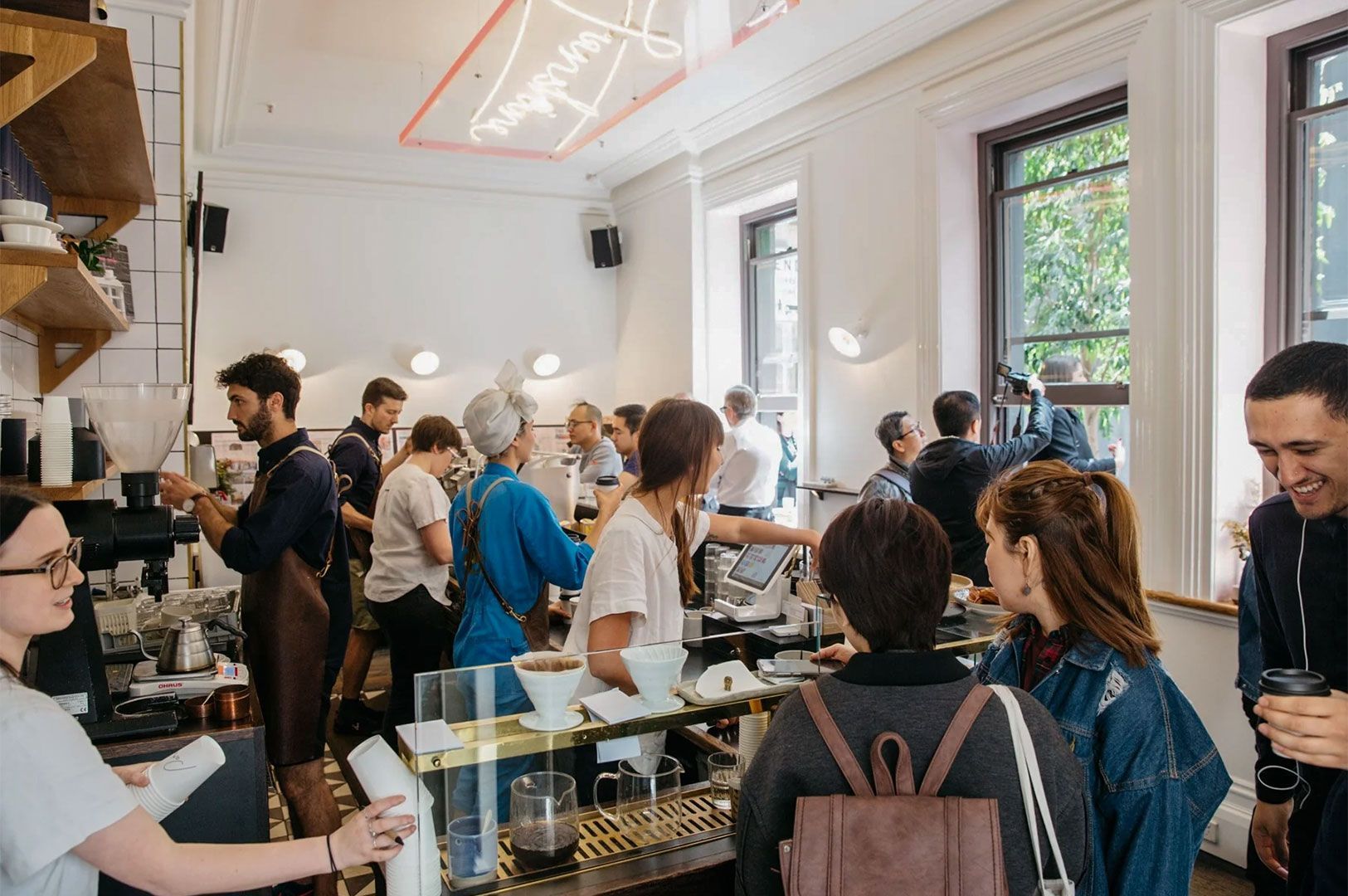
A "flat white" isn't just a latte with less foam; it's a cultural artifact. The best ones are found in spaces barely big enough to turn around in. Places like Patricia Coffee Brewers on the corner of Little Bourke and Little William streets have no seats, just a standing bar and a line of suits waiting for their caffeine fix.
A Personal Anecdote: The Standing Room Only Meeting
On a recent trip, my boss had a gap between meetings. Instead of a stuffy boardroom, I took him to a tiny espresso bar in Centre Place. We stood at a crate turned into a table, drinking single-origin pour-overs while the city rushed past us. He ended up chatting with a local architect standing next to him, leading to a valuable business introduction. The informal, egalitarian nature of laneway coffee culture breaks down barriers that formal settings often reinforce.
The "Hidden" Cafes vs. Tourist Traps
Not every laneway cafe is gold. Degraves Street is picturesque and undeniably European in feel, but it can be crowded with tourists. For a more authentic experience, you need to go deeper. Look for cafes in Manchester Lane or Rankins Lane. These spots cater to locals who know their beans. The Visit Victoria official tourism site offers great maps to get you started, but your nose is often the best guide.
Dining in the Shadows: Culinary Gems off the Grid

The dining scene in Melbourne’s laneways ranges from quick bites to high-end gastronomy, often located in basements or rooftops accessed via dingy elevators.
The High-End Basement Experience
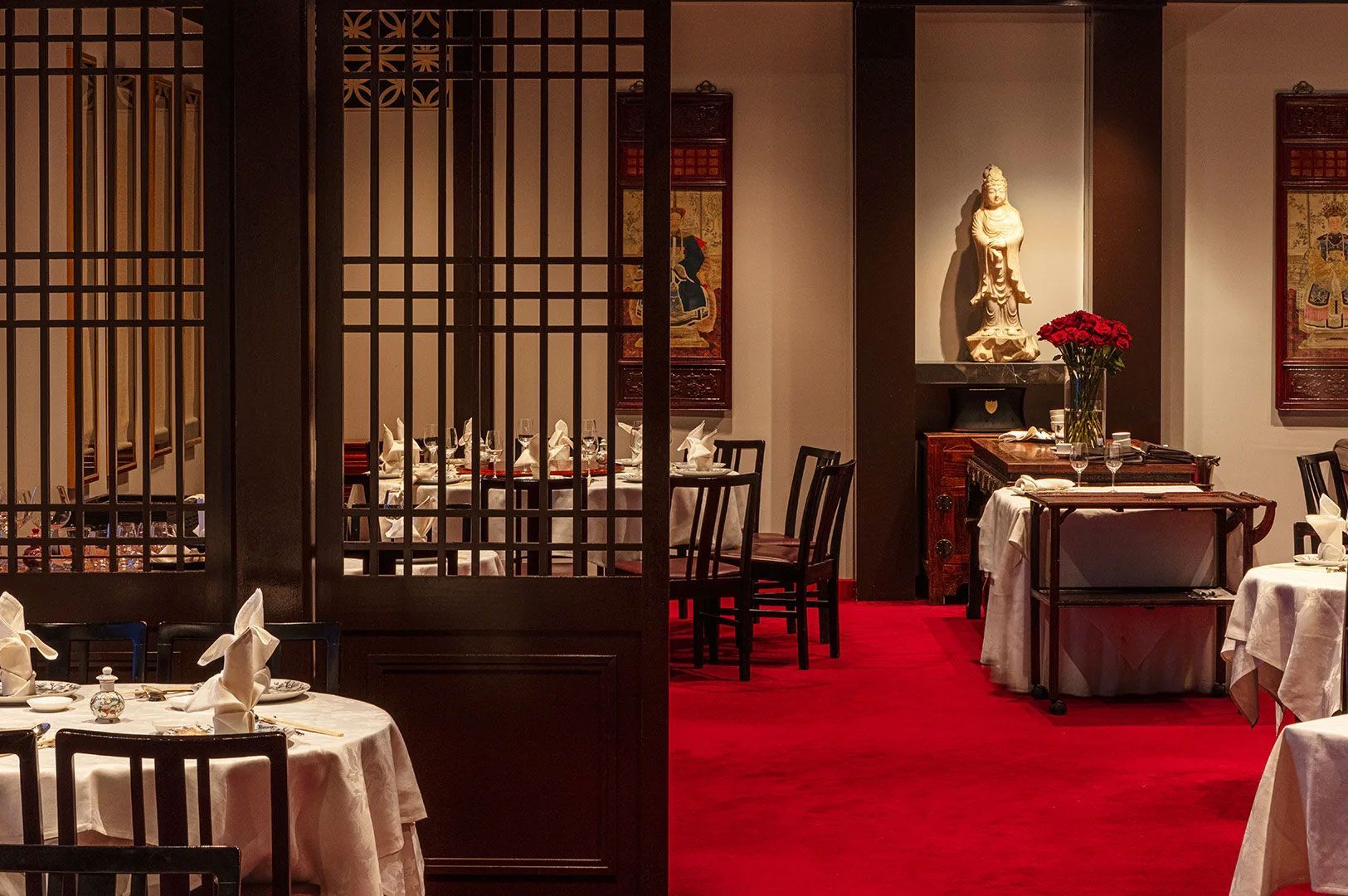
Some of the city’s most sophisticated cooking happens underground. Flower Drum, located off Market Lane, is a legendary Cantonese institution that requires navigating a nondescript entrance. Once inside, the service is impeccable—old-school, attentive, and precise. It’s a stark contrast to the rough exterior of the lane.
Rooftop Bars: Drinking in the Clouds
When space is tight on the ground, Melbourne goes up. Rooftop bars are a staple of laneway life.
- Siglo: Sitting above a famous wine bar on Spring Street, this terrace offers views of Parliament House and serves cigars and fine wines. It’s the perfect spot for a post-meeting wind-down.
- Goldilocks: Accessed via a hidden elevator in a noodle shop in the Capitol Arcade, this bar feels like a secret garden in the sky.
Finding these spots requires confidence. You have to be willing to push open a heavy fire door or walk down a corridor that looks like it leads nowhere.
The Retail Hunt: Boutiques and Basements

Shopping in Melbourne isn't just about the big department stores on Bourke Street. The real treasures are the independent designers and concept stores hiding in the laneways and arcades.
The Royal Arcade and Block Arcade
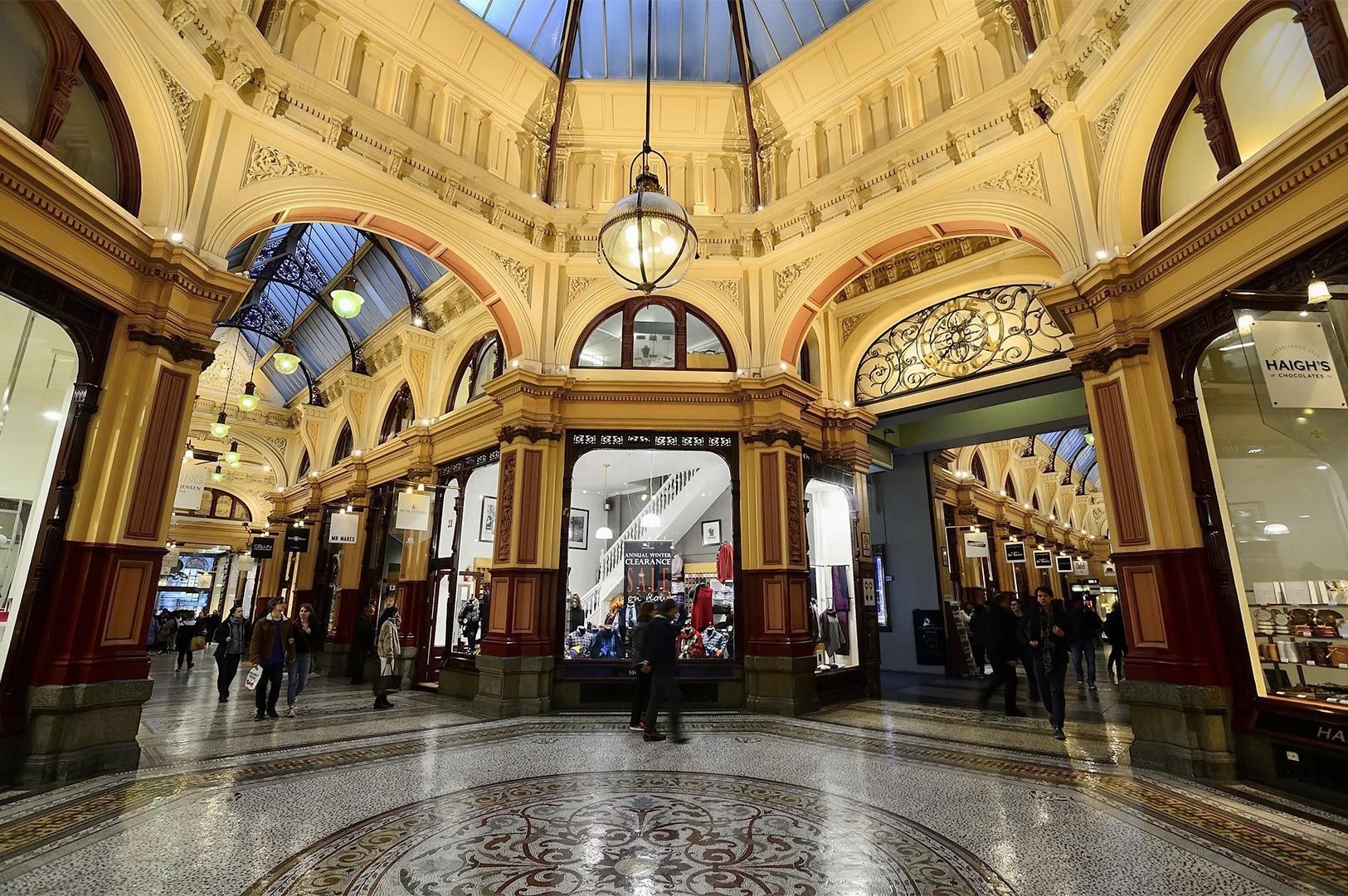
These 19th-century arcades are the aristocratic cousins of the gritty laneways. With their mosaic floors and glass ceilings, they house heritage brands and bespoke tailors. The Block Arcade is particularly stunning, a slice of Milan in Melbourne. It’s home to Haigh's Chocolates, an Australian icon. I always stock up on their dark chocolate frogs for my boss to take home as gifts.
Underground Concept Stores
For something edgier, you have to go subterranean. beneath the streets, you’ll find concept stores selling avant-garde fashion, rare sneakers, and local design. Campbell Arcade, an underpass connecting the station to the street, is a subterranean hub of creativity, housing record stores and zine shops. It’s a reminder that Melbourne’s retail scene rewards those who dig deep.
Logistics: Managing a VIP in a Pedestrian Maze
Navigating these spaces with a VIP client presents unique logistical headaches. A limousine cannot drive down a 2-meter wide alley.
The Drop-Off Strategy
I have learned to master the "strategic drop-off." I study the maps to find the nearest drivable cross-street to our destination. I prep the driver: "Drop us at the corner of Flinders Lane and Russell, we'll walk the last 50 meters." This avoids the embarrassment of a large car getting stuck in a narrow lane, a common rookie mistake.
Footwear Matters
This sounds trivial, but it’s crucial. Melbourne’s bluestone cobbles are charming but treacherous for stilettos or slippery dress shoes. I always advise my boss (and his guests) to wear appropriate footwear or to have a backup pair in the car. Navigating cobblestoned laneways requires a sure foot.
The Secret Codes: How to Read the City

There is a language to the laneways, a set of symbols that locals read instinctively.
The "Queue Code"
In Melbourne, a queue in a laneway is never for a club; it’s usually for food. If you see people lining up outside a door with no sign at 11 AM, join it. It’s likely the best croissant or ramen in the city. Lune Croissanterie (though now in a larger warehouse) started this way, with lines around the block.
The "Poster Code"
Look at the bill posters paste-up on the walls. They aren't just advertising; they are a cultural calendar. They tell you which underground bands are playing, which gallery is hosting a pop-up, and where the next warehouse party is. Reading the walls is an essential part of
urban exploration.
A Night Out: A Curated Laneway Itinerary

To truly understand the flow of a laneway evening, you need to stitch these elements together. Here is a sample itinerary I recently put together for my boss and a client.
6:00 PM: Aperitivo at City Wine Shop
Start on Spring Street. While technically on the edge of the grid, it sets the mood. Sit outside, watch the trams go by, and enjoy a glass of local Victorian Pinot Noir.
7:30 PM: Dinner at MoVida
Walk down Hosier Lane, soaking in the street art, before turning into MoVida. This tapas bar kickstarted the laneway dining revolution. It’s loud, energetic, and the food is spectacular. Booking is essential, often weeks in advance. Reviews from trusted sources like the Good Food Guide confirm its legendary status.
9:30 PM: Jazz at Bird’s Basement
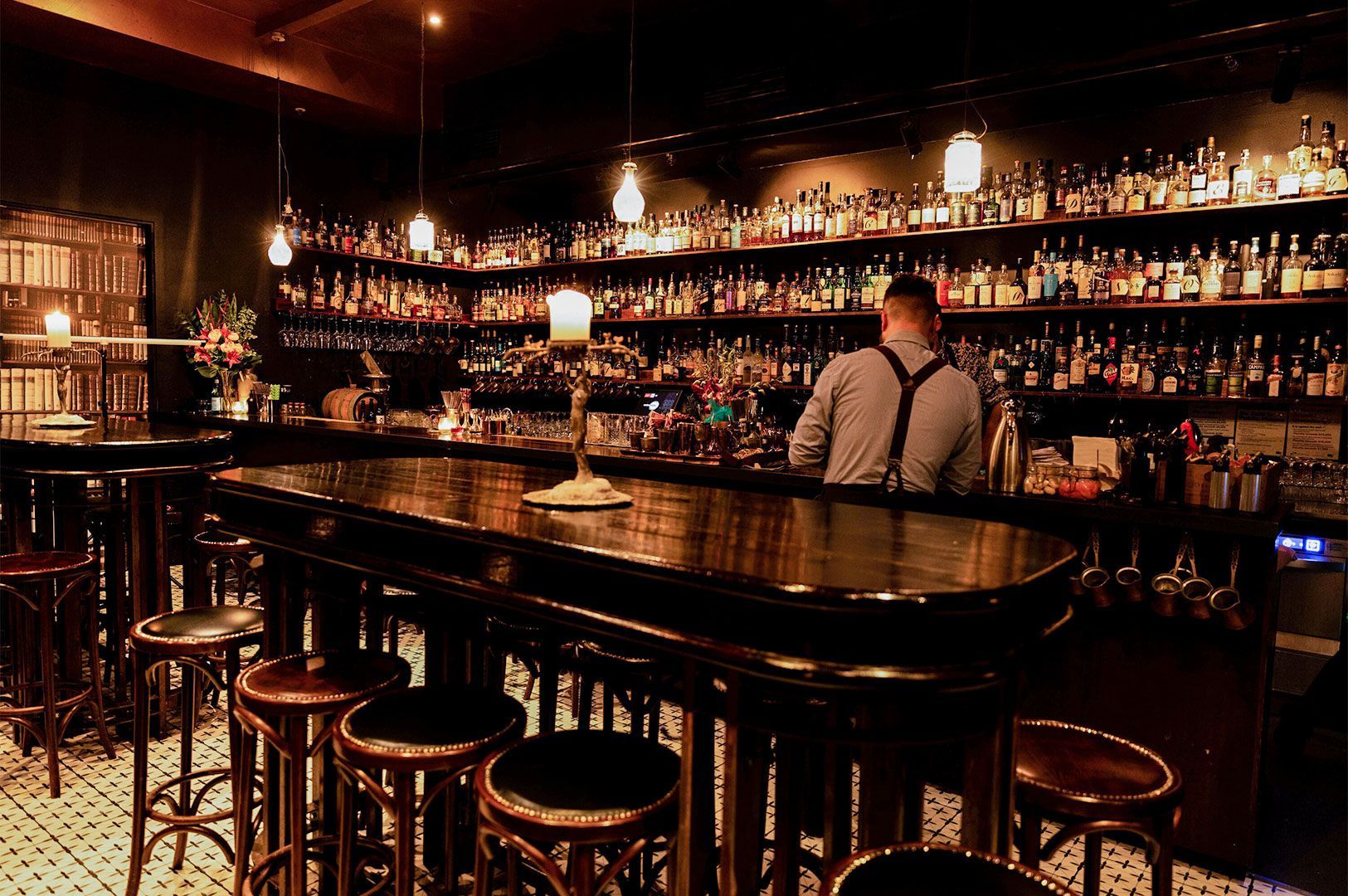
Or, for a more hidden vibe, find Eau De Vie. Hidden behind a nondescript door in Malthouse Lane, this speakeasy feels like 1920s prohibition America. The staff are experts in cocktails and whisky. It’s dark, intimate, and perfect for confidential conversations.
11:00 PM: Late Night at Supper Club
End the night back on Spring Street, but go upstairs to the
Melbourne Supper Club. Open late, it’s where the city’s chefs and sommeliers go after their shifts.
The Cultural Impact: Why This Matters
Why go to all this trouble? Why navigate dumpsters and graffiti when you could just go to a hotel bar? Because the laneways are where the soul of Melbourne lives.
Authenticity in an Age of Genericism
In a globalized world where every luxury mall looks the same, Melbourne’s laneways offer something genuinely unique. They are messy, human, and creative. They force you to engage with the city on its own terms. This authentic urban experience is increasingly rare and valuable.
The Innovation Incubator
Because rents in these awkward spaces were historically cheaper, they became incubators for young chefs, designers, and artists. The laneways allowed them to take risks that they couldn't afford on the main streets. This spirit of innovation is what keeps
Melbourne's cultural scene so dynamic. You can see this creativity celebrated by bodies like the
Creative Victoria government agency.
My Role: The Translator of Chaos
For a PA, Melbourne is a test of research and intuition. It’s not about booking the most expensive place; it’s about finding the right place.
- Vetting: I visit these places in advance. Is the "gritty" entrance charming or just dirty? Is the music too loud for a business conversation?
- Access: I build relationships with the maitre d's of these small venues. A personal text can secure a table in a 20-seat restaurant that is officially "booked out."
- Context: I provide context for my boss. "This graffiti was done by a famous local artist," or "This bar used to be a police station." Stories add value to the experience.
Getting Lost to Find Yourself
The beauty of Melbourne’s laneways is that they are designed to be explored. The map is just a suggestion. The true joy comes from the accidental discoveries—the tiny bookshop you didn't know existed, the smell of roasting coffee drifting from a vent, the sound of a saxophone echoing off brick walls.
Navigating Melbourne's micro-streets is about surrendering to the chaos. It’s about trusting that down that dark, unpromising alley lies something wonderful. For the luxury traveler, it’s a reminder that exclusivity isn't always about velvet ropes; sometimes, it’s just about knowing which door to push. So put on your comfortable shoes, leave the limousine behind, and step into the shadows. The real Melbourne is waiting.