The Improvised Feast: Creating Memorable Meals from Hotel Room Constraints
January 26, 2026 |J.C. Yue

My job involves securing reservations at restaurants with months-long waiting lists and arranging private dinners catered by Michelin-starred chefs. My boss and I have dined at some of the most celebrated culinary temples in the world. Yet, some of the most memorable meals of my nomadic life have not taken place in opulent dining rooms, but in the quiet confines of a hotel suite, long after the city has gone to sleep.
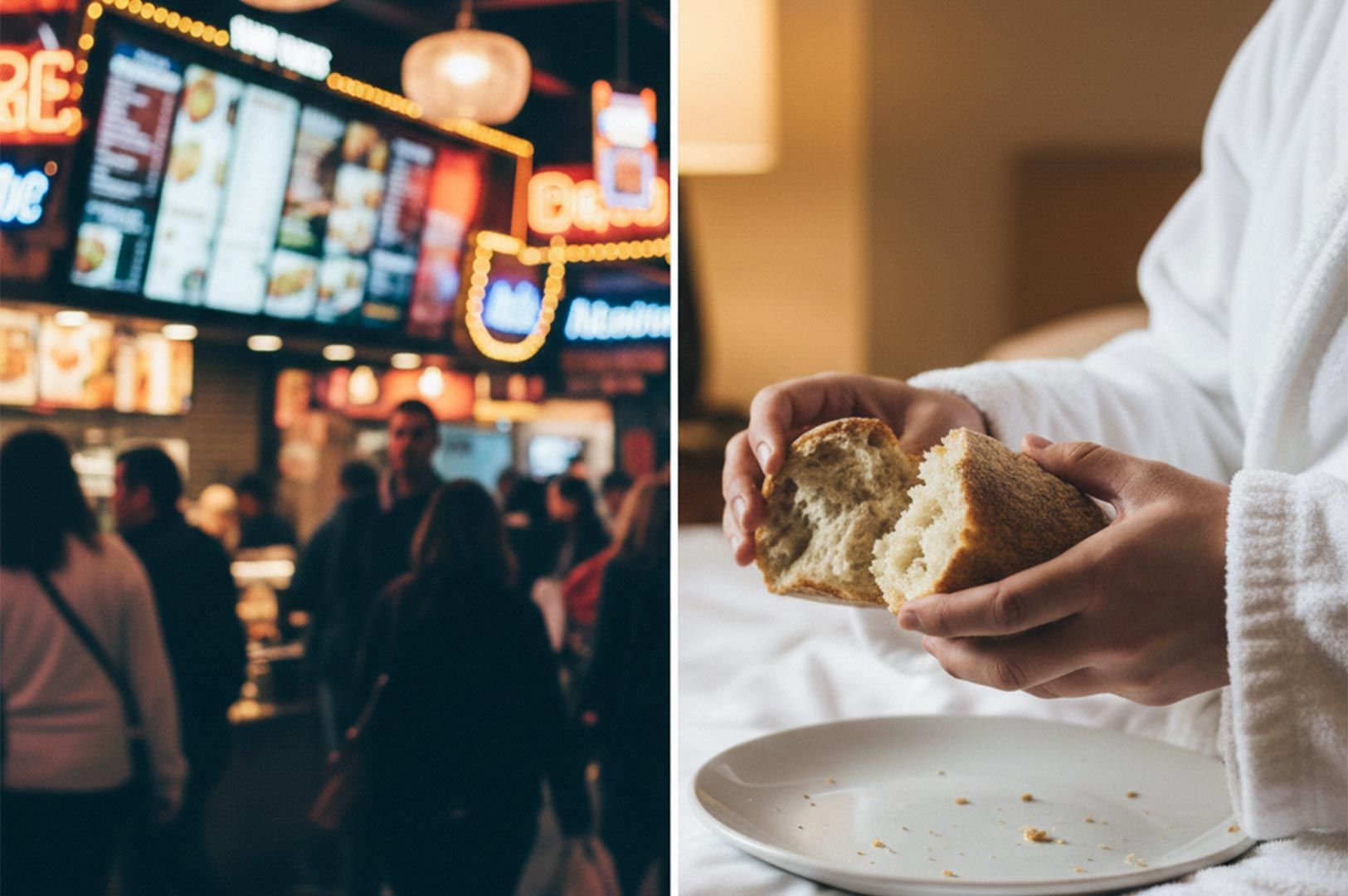
These are the improvised feasts, the meals born from necessity, creativity, and the unique constraints of a hotel room. They are the unofficial, un-Instagrammed part of luxury travel. They happen when jet lag has rendered a 9:00 PM reservation impossible, or when a day of back-to-back meetings leaves you craving simple comfort over elaborate cuisine. Over the years, I’ve become an expert at the art of hotel room dining, transforming a minibar and a room service menu into a surprisingly satisfying experience.
This isn’t about reheating leftovers in a microwave. It’s about a mindset. It’s about using the available tools and a little ingenuity to create a moment of genuine comfort and pleasure amidst the structured perfection of high-end travel. This is my guide to mastering the improvised feast.
Why Eat In? The Unexpected Appeal of a Hotel Room Meal

The choice to eat in a hotel room isn't always about saving money or convenience; for a frequent traveler, it's often a strategic act of self-preservation.
Combating Decision Fatigue
After a day spent making dozens of high-stakes decisions, the thought of deciphering a complex menu and making small talk can be exhausting. A simple meal in the privacy of your room eliminates another round of choices, offering a rare moment of mental quiet. This concept of decision fatigue is a real psychological phenomenon that affects everyone from world leaders to frequent flyers.
The Antidote to "Experience" Overload
Constant travel can lead to a form of experience overload. Sometimes you don't want another "unforgettable culinary journey." You just want a simple, delicious meal that feels nourishing and familiar. An improvised hotel meal provides a comforting counterpoint to a schedule packed with sensory stimulation.
Creating a Moment of Normalcy
Living on the road means you miss out on the small, domestic rituals that ground a person. Assembling a simple platter of cheese and bread in a hotel room can feel like a profound act of homemaking. It’s a way to reclaim a small piece of normalcy in an extraordinary life.
The Foundation: A Well-Stocked "Go-Bag" Pantry

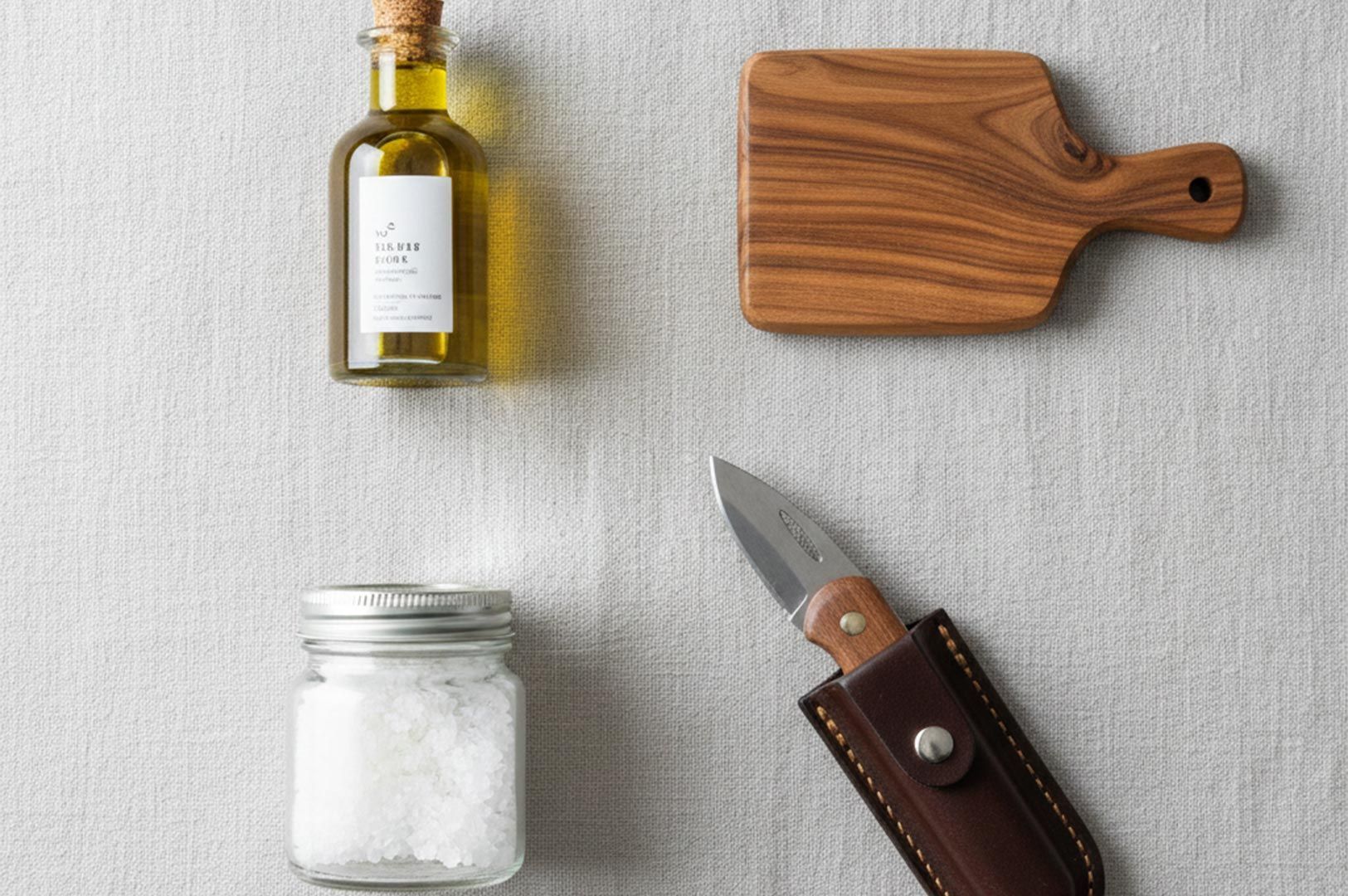
The key to a successful improvised feast is preparation. I carry a small, curated pantry of non-perishable items in my luggage. This kit elevates any meal from basic to gourmet.
My Essential Traveling Pantry:
- High-Quality Sea Salt and a Peppercorn Grinder: The salt and pepper packets from room service are fine, but a sprinkle of flaky Maldon salt or freshly cracked Tellicherry pepper makes everything better.
- A Small Bottle of Excellent Olive Oil: A drizzle of good olive oil can transform a simple piece of bread, a bland salad, or a piece of grilled chicken from room service.
- A Tube of Harissa or Tomato Paste: A concentrated burst of flavor that can be added to soups or spread on toast.
- Miniature Condiments: I collect small jars of Dijon mustard, high-quality mayonnaise, and interesting chutneys.
- A Small, Sharp Knife and a Compact Cutting Board: A proper knife is essential. I recommend a small paring knife with a protective sheath. This simple tool is far superior to the dull butter knife from the room service tray.
- Herbal Tea Bags: A calming cup of peppermint or chamomile tea is the perfect end to a long day.
The Local Market: Your Off-Grid Larder

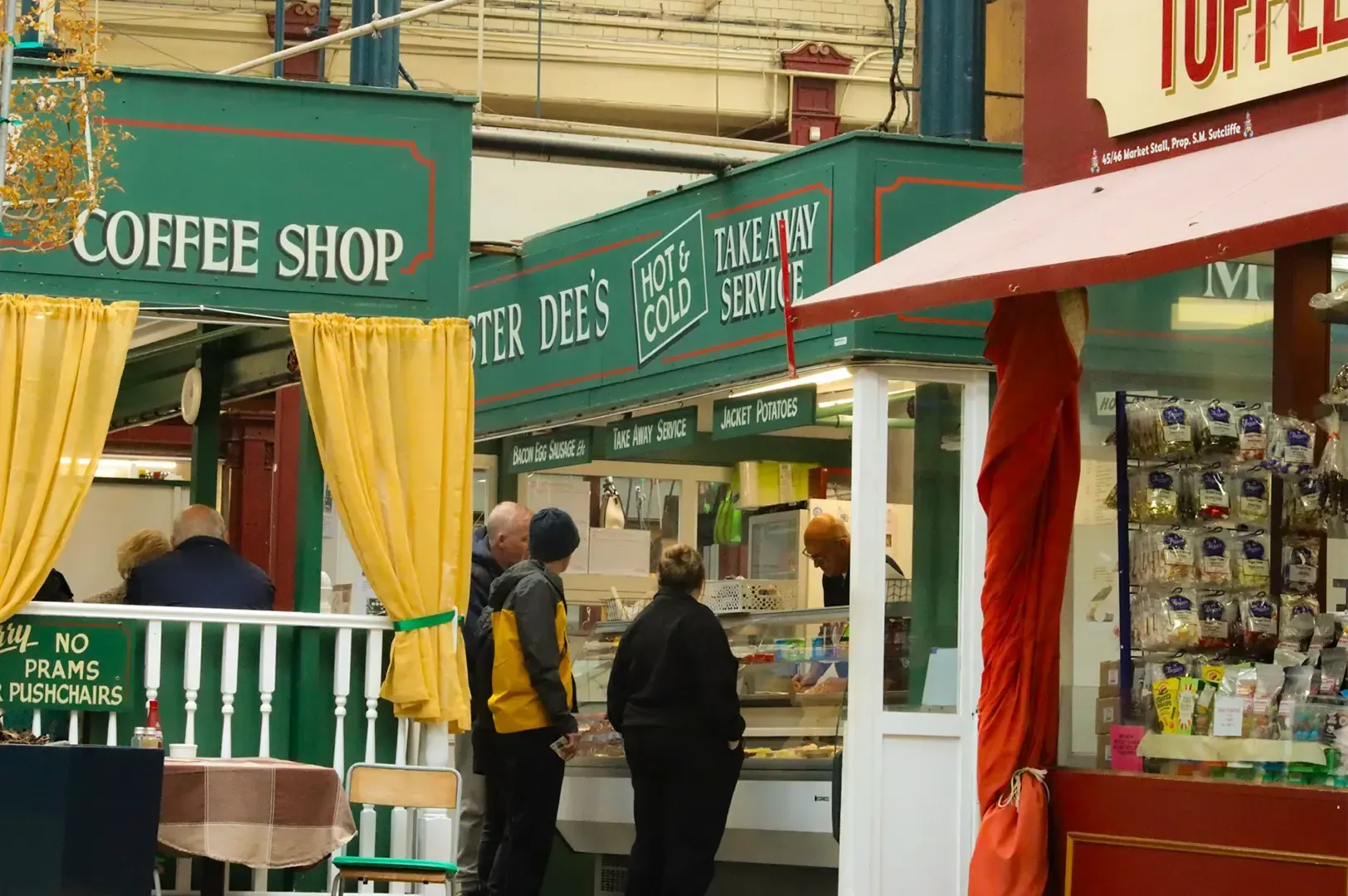
Before we even check into a hotel, I try to locate the nearest high-quality local market or grocery store. This is the source for all the fresh ingredients that form the basis of the best hotel room meals. This is also where you can find some of the most authentic flavors of a destination, an experience often promoted by local tourism boards like Italy's ENIT or Spain's official tourism site.
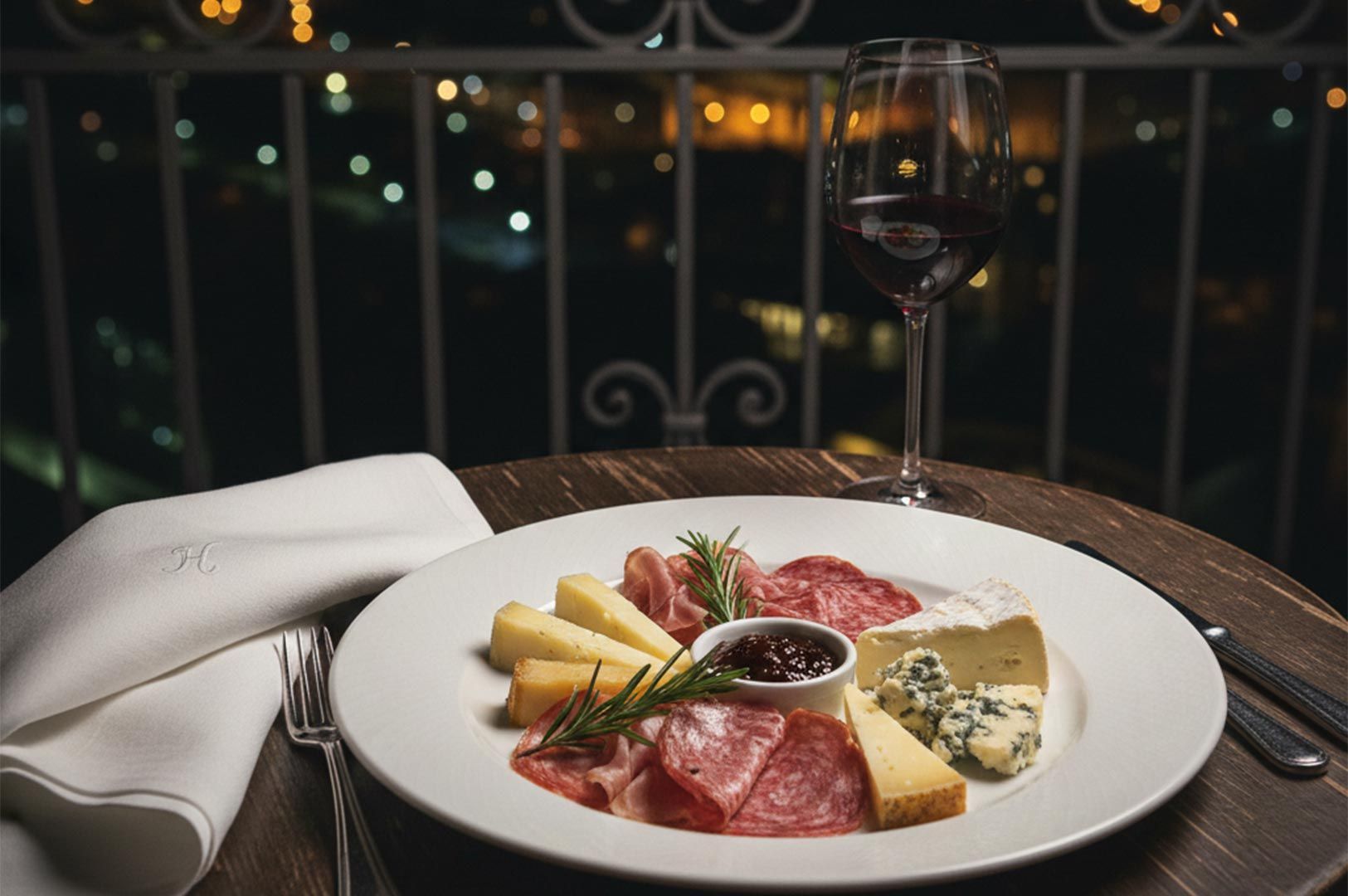
The Ultimate Cheese and Charcuterie Board
This is the classic, foolproof improvised feast.
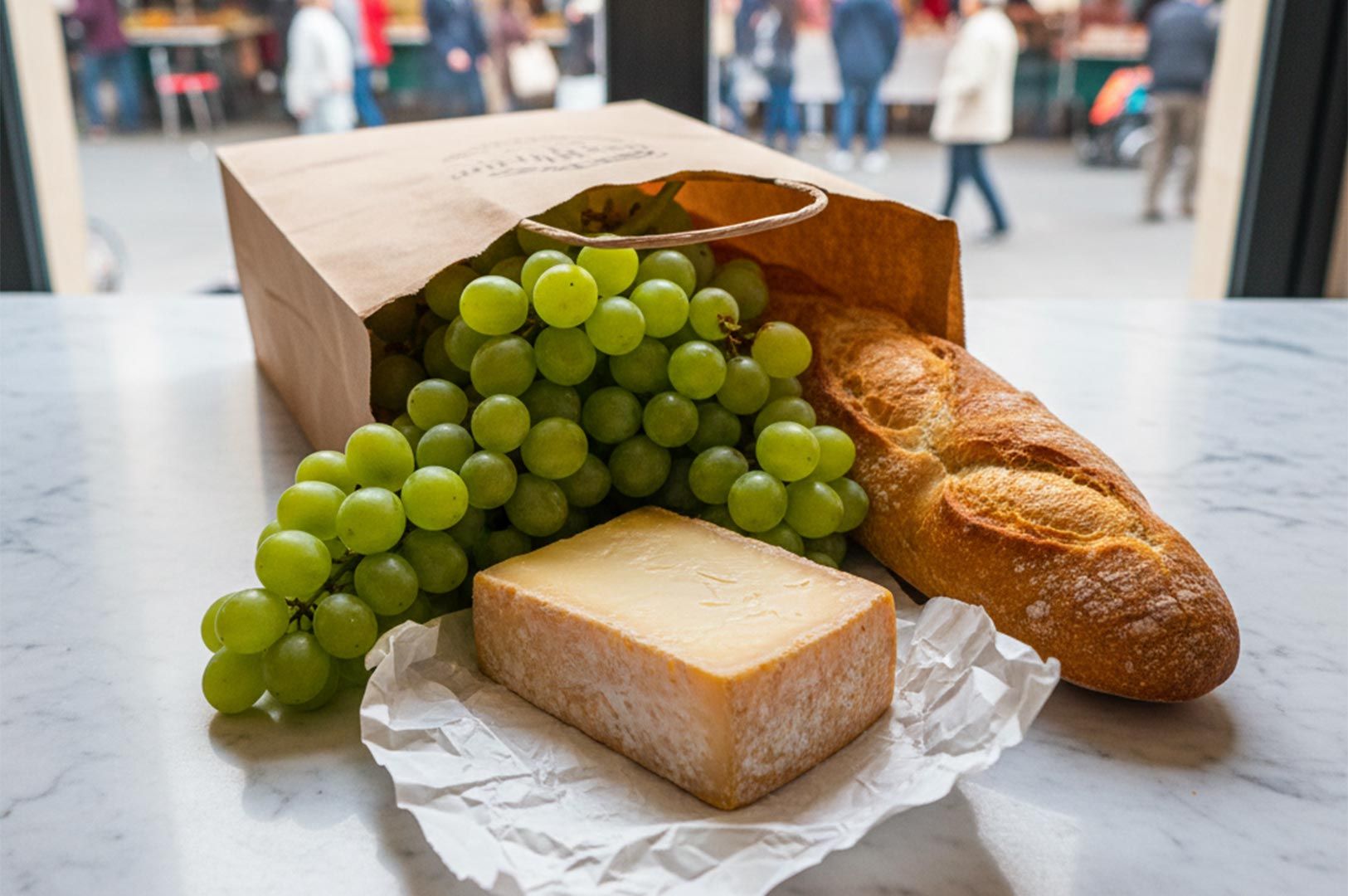
- The Cheeses: I select three different cheeses: a hard cheese (like an aged Parmesan or Manchego), a soft cheese (like a creamy Brie or a fresh goat cheese), and something interesting (like a local blue cheese).
- The Meats: A few slices of high-quality prosciutto, salami, or jamón.
- The Accompaniments: A handful of olives, some fresh figs or grapes, a small jar of honey or quince paste, and a handful of nuts.
- The Bread: A fresh, crusty baguette or sourdough loaf.
Assembled on a platter (or a clean cutting board), this becomes a sophisticated, satisfying meal that requires zero cooking.
A Personal Anecdote: The Parisian Picnic
I once found myself in Paris with my boss, who was feeling overwhelmed and jet-lagged. The thought of a formal French dinner was too much. I left him to rest and walked to a nearby fromagerie, a boulangerie, and a small fruit stand. I returned to our suite at the Four Seasons George V with a perfectly ripe Camembert, a warm baguette, some beautiful strawberries, and a bottle of Sancerre from the hotel’s minibar. We sat on the balcony overlooking the city, eating with our hands. He later told me it was the best meal he’d had all week because it was simple, authentic, and on his own terms.
Hacking the Room Service Menu

Room service can be a lifesaver, but the menu is often limited and expensive. The trick is to think of the room service menu not as a list of fixed dishes, but as a list of available ingredients.
Deconstructing the Club Sandwich
The club sandwich is a room service staple, and its components are a goldmine.
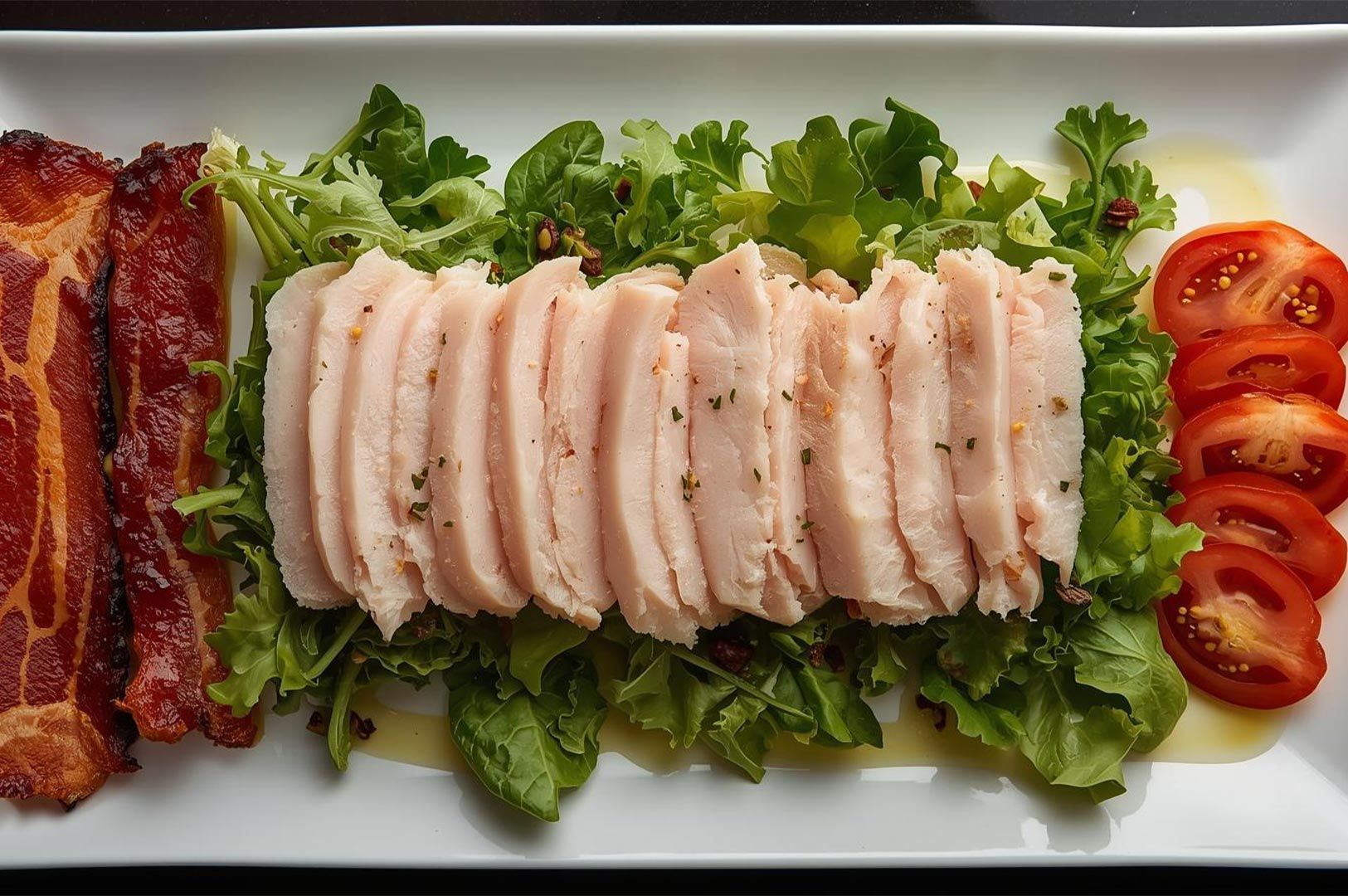
- Order a club sandwich, but ask for it "deconstructed." You now have sliced roasted turkey, bacon, lettuce, tomato, and bread.
- Combine the turkey and lettuce with a simple vinaigrette (olive oil from your pantry, a lemon wedge from the bar) for a light salad.
- Use the toast points to eat with cheese from your market run.
Simple, Creative Requests
Most hotel kitchens are willing to accommodate simple requests if you ask politely.
- "Could I get a simple plate of steamed asparagus with a lemon wedge?"
- "Is it possible to have a bowl of plain pasta with a side of your best olive oil and some parmesan cheese?"
- "May I just have a plate of sliced avocado and tomato?"
These simple, clean dishes can be a welcome respite from heavy restaurant food and are often healthier and less expensive.
Using the Room's Amenities Creatively

Your hotel room has more culinary tools than you might think.
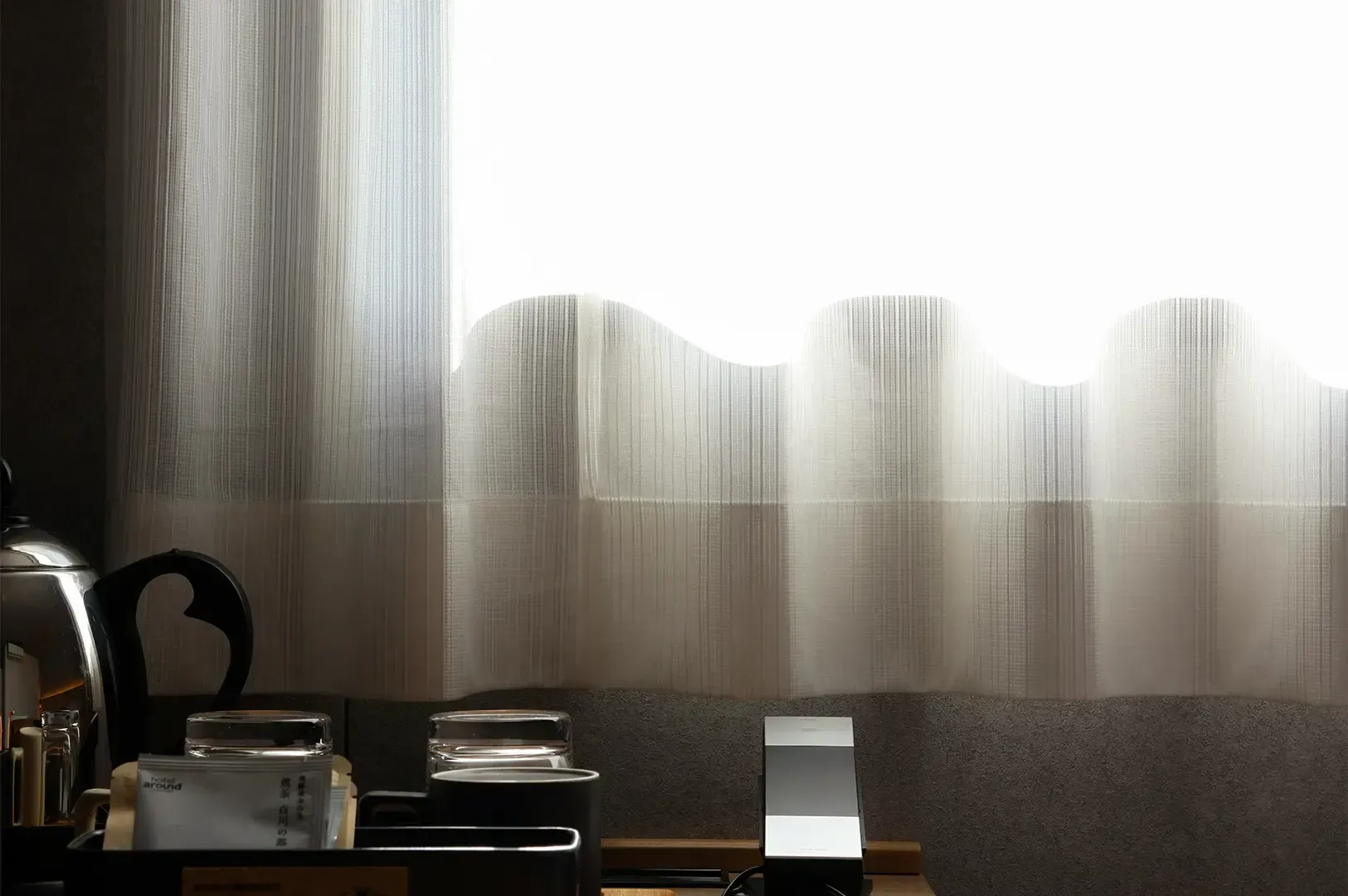
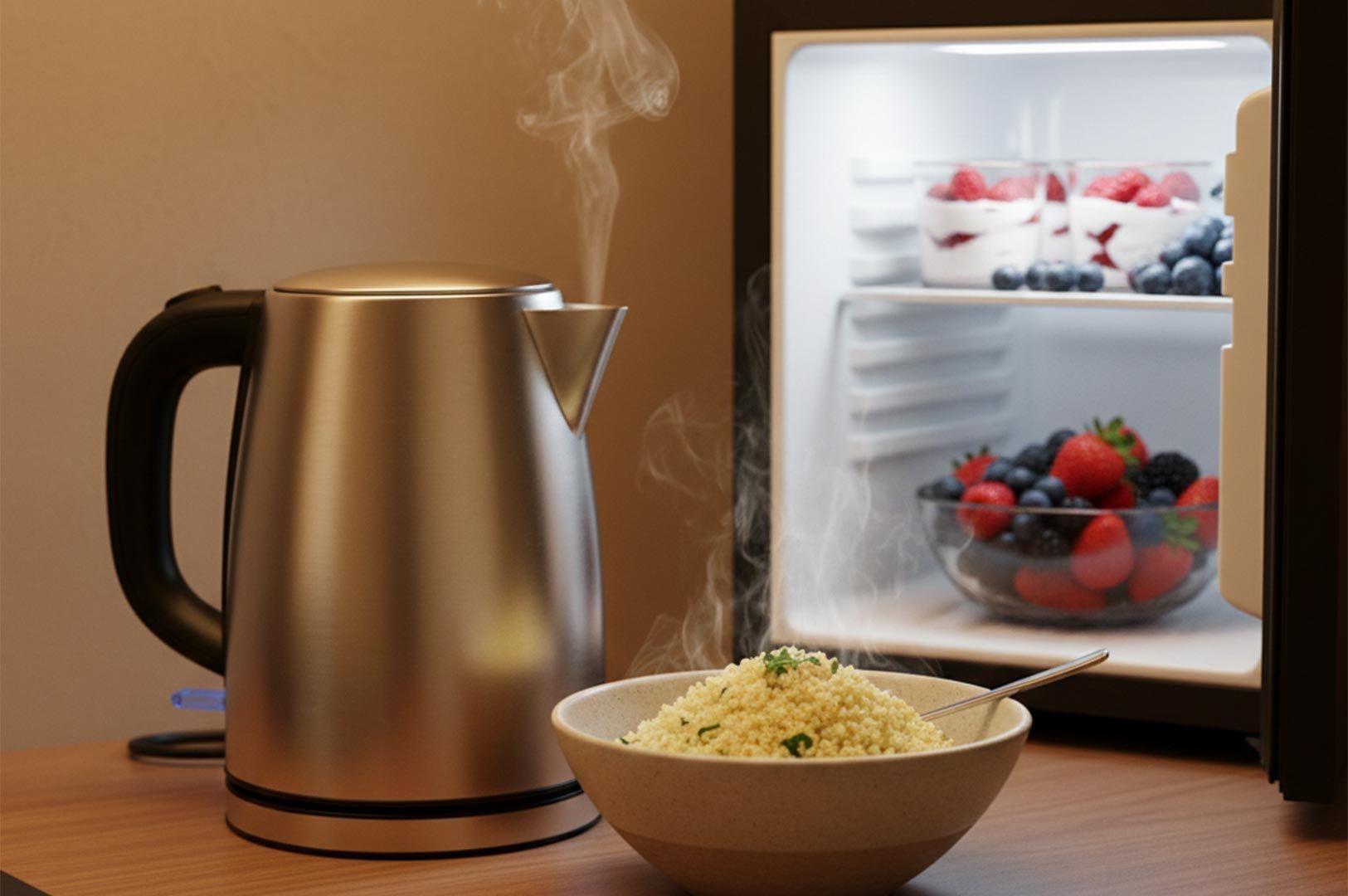
- The Kettle/Coffee Maker: Primarily for hot water, which can be used for instant oatmeal, couscous, or a simple broth (just add a stock cube).
- The Minibar Fridge: Use it to chill not just drinks, but also your market finds like cheese and yogurt.
- The Iron: In a true pinch, I have heard of people using a hotel iron (wrapped in foil) to make a grilled cheese sandwich. I can't say I officially recommend this, but it speaks to the spirit of
culinary improvisation! This kind of creative problem-solving is a hallmark of seasoned travelers.
The Art of Plating and Presentation
Just because you are eating in a hotel room doesn't mean it has to feel sad. A little effort in presentation can elevate the experience significantly.
- Use Real Plates and Glasses: Ask housekeeping for a couple of extra plates, wine glasses, and cloth napkins. Ditch the paper and plastic.
- Create Ambiance: Dim the lights, put on some quiet music, and, if you have a balcony, open the doors.
- Keep it Tidy: Clear away the clutter. Set up your "dining table" on a clean desk or coffee table.
Taking five minutes to set a proper scene transforms a functional act of eating into a restorative dining experience.
Pairing Your Feast: The Minibar and Beyond
A good drink is essential to any feast.
- Scour the Minibar: While expensive, the minibar is your friend in a pinch. A split of champagne or a good craft beer can be the perfect pairing.
- The Local Bottle Shop: A quick trip to a local wine shop is always a good idea. You can find a great local wine for a fraction of the hotel's price, and the staff can offer excellent recommendations. This is a great way to explore a region's viticulture, a topic covered by experts in publications like
Wine Spectator.
The Ultimate Comfort Food is Control

The improvised feast is more than just a meal; it’s an assertion of personal preference in a life that is often dictated by others' schedules. It’s about creating a small bubble of comfort and control, a moment of quiet indulgence on your own terms.
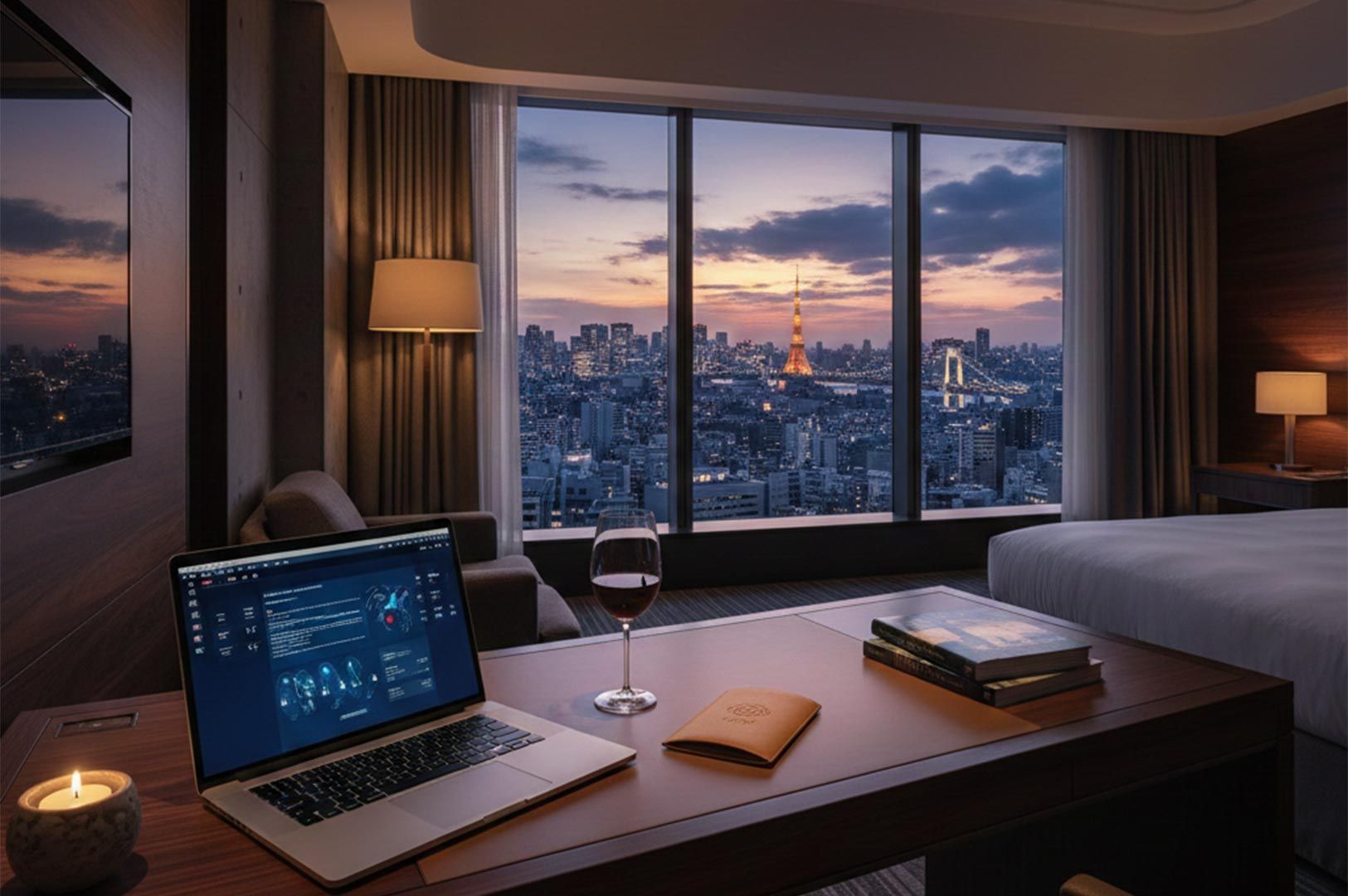
In the world of luxury travel, where every moment can be scheduled and curated, the simple, unplanned act of assembling a meal from local ingredients in the privacy of your own room can feel like the most luxurious experience of all. It’s a reminder that deliciousness is not always found in complexity, and that sometimes, the most memorable dining table is a hotel desk with a view of a foreign city.
So next time you travel, pack a small knife and some good salt. Visit a local market. And give yourself permission to skip the reservation. You might just find that the best meal of your trip is the one you create yourself.