Finding Home in Transit: Creating Stability in Constant Movement

November 24, 2025 |J.C. Yue

Silhouette of a person sitting on a bed, looking out large hotel windows at a sprawling, illuminated city skyline at twilight or night.

The concept of "home" is one of our most fundamental human needs. It’s a place of safety, comfort, and belonging. But what happens when your life is defined by constant movement? What if your address is a rotating list of luxury hotels and private residences, your neighborhood changes with the seasons, and your community is scattered across a dozen time zones? After more than a decade of living this reality as a personal assistant, I've learned that you must redefine "home" entirely. You have to learn the art of finding home in transit.


This isn't about decorating a hotel room or pretending a temporary apartment is a permanent fixture. It's a much deeper, more personal process. It's about creating stability in constant movement, building an internal sense of place that you can carry with you, no matter where you are in the world. It’s a skill born from necessity, a way to stay grounded when your life feels like it's perpetually in the air.


For the frequent traveler, the business nomad, or anyone living a life in motion, the lack of a traditional home can lead to a profound sense of rootlessness. This is my personal guide to building a portable sanctuary, a set of practices and mindsets that have helped me cultivate a sense of home, even when I'm thousands of miles from where I started.

The Illusion of the "Perfect" Nomadic Life

Handsome man driving a luxury car at night, viewed from the side, with the brightly blurred lights of a metropolitan skyline reflected on the glass.

The images we see of a global lifestyle are intoxicating: glamorous cities, seamless travel, and endless adventure. What is rarely shown is the psychological toll of being unmoored. The constant adaptation, the lack of routine, and the emotional distance from loved ones can create a low-grade, persistent stress.


Why We Crave Stability

Humans are creatures of habit. Routines and familiar environments provide a sense of safety and predictability, which allows our nervous systems to relax. According to Maslow's hierarchy of needs, safety is a foundational requirement for psychological health, right after our physiological needs. When you are constantly in a new environment, your brain is on high alert, processing new sights, sounds, and social cues. This state of heightened awareness is exhausting and can slowly erode your sense of well-being.


The Challenge of a Blank Canvas

Each new hotel suite or residence is a blank canvas. While this might sound exciting, it can also be incredibly draining. You have to learn the layout, figure out the technology, and establish a new short-term routine, over and over again. This constant need to "set up" a new life every few weeks prevents you from ever truly settling. This is the core challenge for anyone seeking stability as a frequent traveler.

Building Your Portable Sanctuary: The Four Pillars of Stability

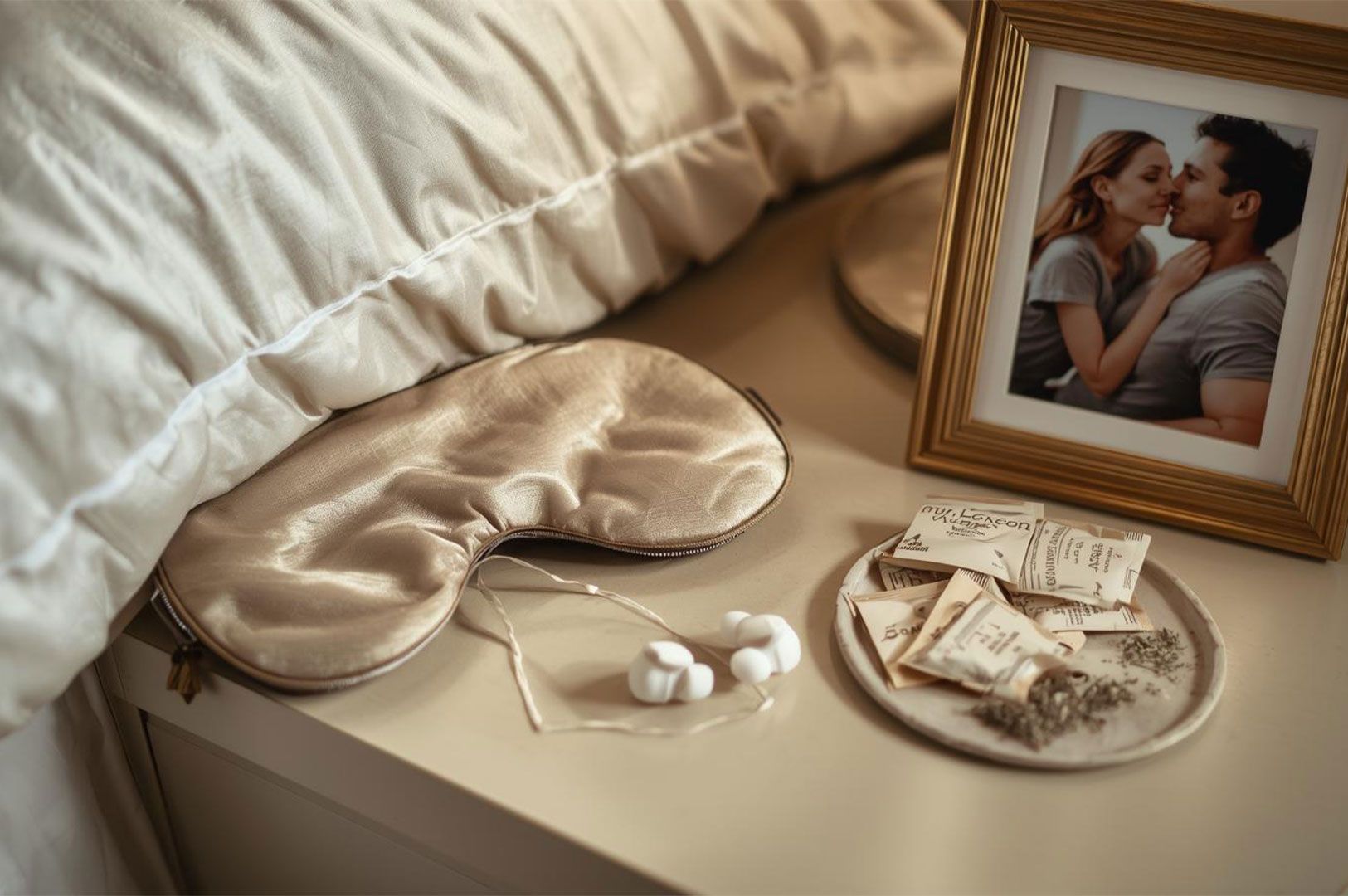
Close-up of a cozy nightstand featuring a satin sleep mask, wireless earbuds, sleep aid packets, and a framed photo of a couple kissing, next to a bed.

To counteract this constant flux, I have developed four pillars of stability. These are the practices I use to build a sense of home wherever I go. They are my nomad's guide to finding home.


1. The Pillar of Ritual: Your Personal Anchor

When your external world is unpredictable, your internal world needs structure. Consistent, personal rituals are the most powerful anchor you can have.

The Non-Negotiable Morning Moment

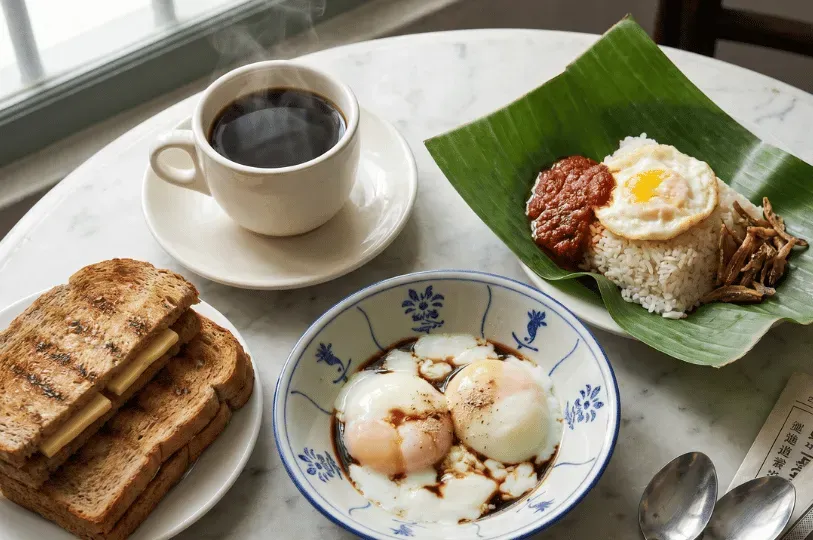
My most important ritual is the first 15 minutes of my day. Before I check a single email or look at my schedule, I make a cup of my favorite Singaporean tea, which I carry with me everywhere. I sit by a window and just watch the city I’m in come to life. Whether the view is of the Amalfi Coast or the Tokyo skyline, the ritual itself is the constant. This simple act of mindful morning routine tells my brain, "You are safe. The day can begin." It’s a moment of stillness before the chaos, a practice that is highly recommended by wellness experts for managing stress.

The Evening Wind-Down

Just as important as the morning ritual is the evening one. I create a clear boundary between my "work" day and my "rest" time. This often involves a "closing ceremony." I organize my notes for the next day, put my work phone on silent, and then change my environment. I might dim the lights, put on some calming music, or read a few pages of a physical book. This signals to my body and mind that the day is over, which is crucial for sleep, especially when dealing with jet lag.


2. The Pillar of Sensory Familiarity: Hacking Your Environment

Our sense of smell and touch are deeply linked to memory and emotion. You can use this to your advantage to make any sterile hotel room feel more like home.

Curating a "Scent Signature"

I have a specific scented candle and pillow spray that I use exclusively when I travel. The scent is something calm and familiar. As soon as I check into a new room, I light the candle (if permitted) or use the spray. This immediately changes the anonymous scent of a hotel room into my scent. It’s a powerful psychological trick that creates an instant sense of familiarity.

The "Go-Bag" of Comforts

I have a small pouch in my carry-on that I call my "home kit." It contains:

  • A silk pillowcase
  • A high-quality eye mask and earplugs
  • A small, framed photo of my family
  • My favorite herbal tea bags
    Unpacking this small kit is the first thing I do. It takes less than five minutes, but it transforms a generic space into a personal sanctuary. This practice of
    personalizing your space is a small but powerful act of claiming it as your own.


3. The Pillar of Grounding Activities: Connecting to Your Body and Place

A life in transit can feel very cerebral and disconnected. Grounding activities that connect you to your physical body and your immediate environment are essential.

The Daily Walk of Discovery

As soon as I have a break in my schedule, I go for a walk without a destination. I leave my phone in the room and just wander through the neighborhood. This does two things: it connects me to my new location on a human scale, and it gets me out of my head and into my body. Whether I'm exploring the quiet canals of Venice or the bustling streets of Hong Kong, the physical act of walking is a constant. Many city tourism boards, like NYC & Company, offer excellent walking tour guides that can provide a starting point.

Finding a Local "Third Place"

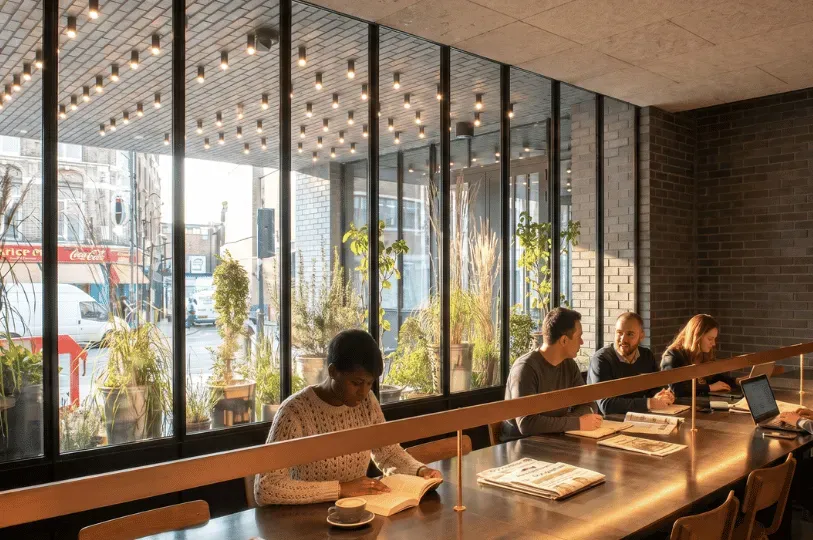
Sociologist Ray Oldenburg wrote about the importance of "third places"—community hubs outside of home and work. In every city, I try to find one. It might be a bookstore in London, a cafe in Paris, or a park bench in Central Park. I visit it regularly. Becoming a familiar face, even for a short time, creates a micro-connection to the community.


4. The Pillar of Consistent Connection: Nurturing Your Roots

The biggest danger of a nomadic life is drifting away from the people who know you best. Maintaining long-distance relationships requires deliberate and consistent effort.

The Unbreakable Video Call

I schedule weekly video calls with my family and closest friends. I treat these appointments with the same importance as a meeting with my boss. They are immovable. Seeing their faces and sharing the small, mundane details of our lives is a vital lifeline. It’s a reminder of who I am outside of my professional role. The importance of social connection for mental health is a major focus of global organizations like the World Health Organization.

The Power of a Postcard

In an age of instant digital communication, the analog act of sending a postcard is incredibly powerful. It forces me to pause, reflect on my current location, and send a physical piece of my journey back home. It's a small tradition that keeps me connected in a tangible way. It’s a simple joy that travel guides, like the one for Italy from the Italian National Tourist Board, often evoke.

A Personal Story: Finding Home in a Tokyo Typhoon

Dramatic view of a dense, rainy city from a high-rise building, with raindrops streaming down the large window and a dark, stormy sky above the skyline.

I once found myself stranded in a suite at the Park Hyatt Tokyo during a powerful typhoon. Flights were grounded, the city was shut down, and I was completely alone. In the past, this scenario would have filled me with anxiety. But on this occasion, I had my pillars. I performed my morning ritual, watching the storm from the famous floor-to-ceiling windows. I had my "home kit" unpacked. I did a bodyweight workout in the room. I had a long, scheduled call with my sister. Instead of feeling trapped, I felt surprisingly calm and secure. I had successfully built my own shelter from the storm, both literally and metaphorically. That was the moment I truly understood that home is a state of being, not a location.

Home is the Story You Carry With You

Living a life of constant movement requires a radical re-imagining of home. It’s not about finding a perfect place, but about cultivating a perfect sense of inner peace. It's about building a framework of rituals, comforts, and connections that you can assemble anywhere in the world.


My home is not made of bricks and mortar. It is made of the scent of my favorite tea, the sound of my mother's voice, the feel of my running shoes on a new pavement, and the quiet confidence that I have the tools to create my own stability, no matter the chaos around me. For anyone who finds themselves in transit, know that home isn't something you lose when you travel. It's something you learn to carry within you. Continue exploring these themes through Burnout on the Road: Recognizing and Recovering from Travel Fatigue and Between Worlds: Finding Identity When You Belong Everywhere and Nowhere.

Share this article

Recent Posts

Panoramic view of the colorful houses and architecture of an Amalfi Coast town, with a lemon branch
By J.C. Yue December 8, 2025
An insider's guide to Amalfi Coast villa living. Discover the secrets, logistical challenges, and real luxury behind the postcard-perfect facade.
Close-up of two business professionals in dark suits shaking hands to confirm a deal, symbolizing ag
By J.C. Yue December 2, 2025
An insider's guide to navigating the rules and etiquette of London's most exclusive members' clubs, from a traveling personal assistant's perspective.
Elegant, sunlit dining table set with plates, wine glasses, and a floral centerpiece, with blurred,
By J.C. Yue December 1, 2025
Discover the world of private dining and home restaurants. An insider's guide to finding authentic culinary experiences and supper clubs on your travels.
A couple's hands reaching for plates of pasta on a dark table, with a dramatic night view of a city
By J.C. Yue November 25, 2025
An insider's look at gastrodiplomacy and how sharing late-night meals can solve high-stakes business and international crises.
Close-up of a young Muslim woman in a black hijab sleeping by an airplane window.
By J.C. Yue November 17, 2025
A guide to recognizing the signs of travel burnout and practical strategies for recovering from travel fatigue, from a professional frequent traveler.
Conceptual image showing a person looking out of an airplane window above the clouds, with a double
By J.C. Yue November 17, 2025
A traveling PA's reflection on finding identity and a sense of self when a nomadic life means you belong everywhere and nowhere at the same time.
An opulent hotel suite living room featuring dark wood paneling, a patterned oriental rug, an elabor
By J.C. Yue November 11, 2025
An insider's look at the most requested suites in iconic hotels, from The Savoy to The Plaza. Discover the stories behind these famous hotel rooms
A cobblestone street lined with classic Parisian buildings, leading toward the Eiffel Tower visible
By J.C. Yue November 10, 2025
Discover how to integrate into local life and find neighborhood secrets while staying in private residences. Your guide to authentic, immersive travel.
A dark, moody, and romantic fine dining table setting with white tablecloths, crystal wine glasses,
By J.C. Yue November 4, 2025
An insider's look at dining at iconic restaurants before they close. Discover the stories behind the last suppers at elBulli, Noma, and more.
A portrait of a smiling chef in a white uniform seated at a dark wooden table, holding a spoon over
By J.C. Yue November 3, 2025
An insider's guide to where chefs eat after hours in London, NYC, Tokyo, and Singapore. Discover the best late-night eats and local food gems.
Show More