Between Worlds: Finding Identity When You Belong Everywhere and Nowhere
November 17, 2025 |J.C. Yue

There's a question I dread more than "Do you have the presentation?" or "Did you confirm the flight?" It’s a simple question, usually asked by a friendly stranger at a hotel bar or a curious customs agent: "Where is home?" For over a decade, my answer has been a clumsy combination of a shrug and a list of recent cities. "Well, I'm from Singapore, but I'm based in London this month, though I just came from Tokyo..." The truth is, I don't have a simple answer. My life is spent in a state of perpetual transit, a constant oscillation between cultures and time zones. I'm a professional nomad, and with that comes a peculiar identity crisis: the feeling that you belong everywhere and nowhere at the same time.
This isn't a complaint. I am acutely aware of the immense privilege that allows for this life. But it is a confession. The glossy images of luxury travel don't show the subtle erosion of self that can happen when you are unmoored. They don't capture the ache of existing between worlds, of being a cultural chameleon who fits in everywhere but doesn't truly belong anywhere. This is a story about the search for identity when your roots are in the sky and your only permanent address is a seat number.
This exploration of a nomadic identity isn't unique to me. It's a reality for a growing number of global professionals, diplomats, and creatives. It's the challenge of forging a sense of self when the traditional pillars of identity—a stable community, a physical home, a predictable routine—are constantly changing.
The Condition of the Cultural Chameleon

A life in motion demands adaptability. You learn to read social cues instantly, to switch between languages and cultural norms with ease. You become a cultural chameleon, changing your colors to blend into your surroundings.
The Art of Blending In
In Tokyo, I learn to bow at the correct depth and to present a business card with two hands. In Italy, I embrace the relaxed chaos of a family-style meal. In London, I master the art of the polite, understated queue. This ability to adapt is a survival skill. It makes my job possible and my travels smoother. It allows me to navigate complex social and professional landscapes without causing friction.
The Cost of Constant Adaptation
But there is a cost to being a chameleon. When you are always blending in, you can start to forget your own original color. You can lose touch with the person you are when you're not adapting. This can lead to a feeling of
rootlessness and identity diffusion. Your personality becomes a composite of the places you've been, but the core can feel hollow. You know how to act in a dozen different cultures, but you're no longer sure how you are supposed to act. This phenomenon is often discussed in studies of
third culture kids (TCKs).
Moments of Dislocation: When the Cracks Appear

The feeling of being "between worlds" isn't a constant state. It's a series of small, jarring moments that remind you of your outsider status.
The "Welcome Home" That Isn't
I have a distinct memory of landing at Singapore's Changi Airport after being away for six months. The familiar scent of the humid air and the frangipani flowers in the terminal should have felt like a homecoming. Instead, it felt like visiting a beautifully curated museum of my past life. My friends' lives had moved on, new buildings had sprung up, and I felt like a tourist in my own hometown. The Singapore Tourism Board does a brilliant job of showcasing the city's dynamism, but for a returning nomad, that very dynamism can feel alienating.
The Language Barrier of the Heart
I am fluent in English and Mandarin, and proficient in several other languages. I can order a meal or negotiate a contract with ease. But sometimes, I find myself unable to grasp the subtle, slang-filled inside jokes of a local team. In those moments, I am reminded that fluency is not the same as belonging. There is a language of shared experience and cultural shorthand that you can only learn by staying put.
The Holiday Paradox
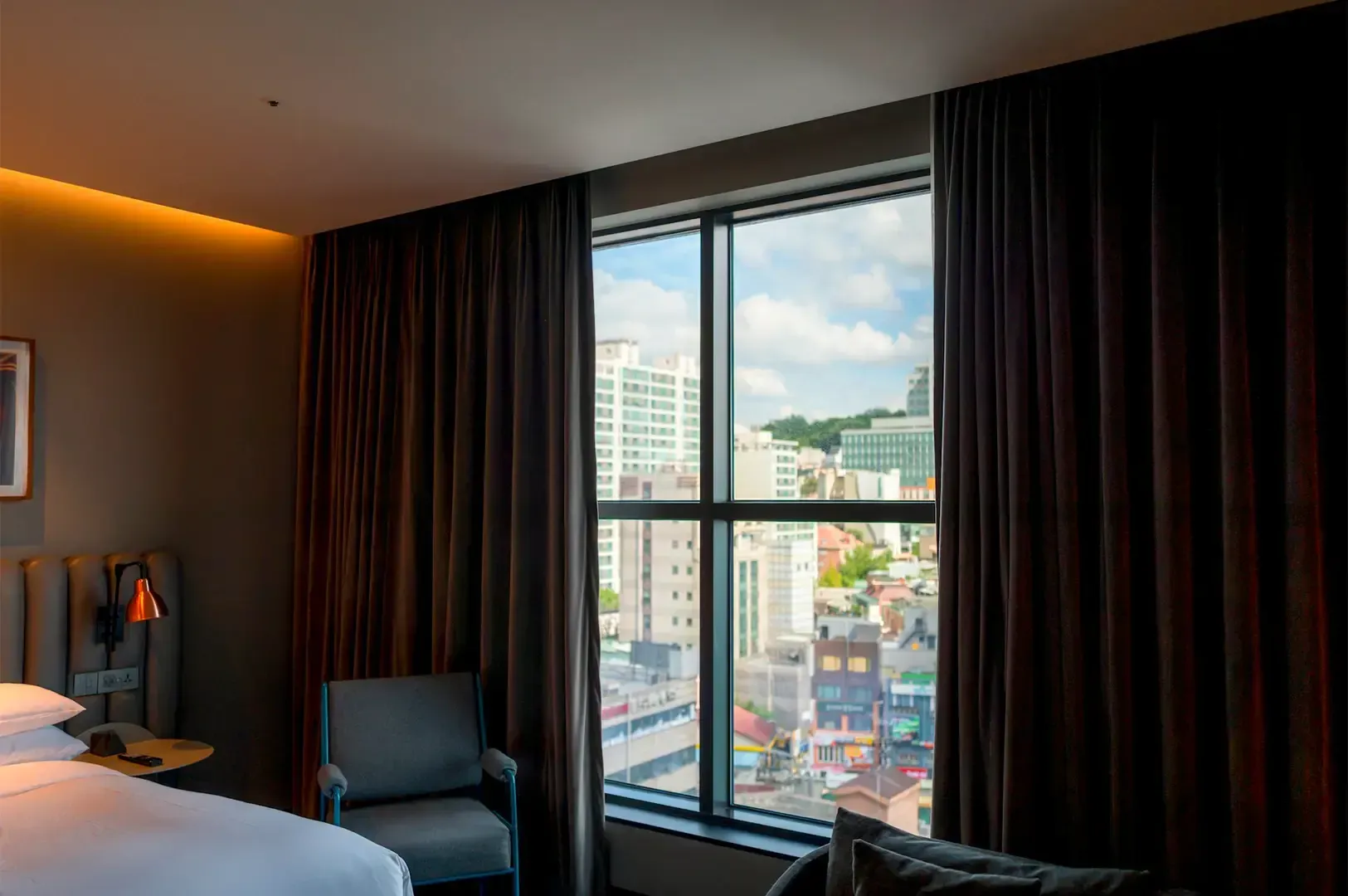
Holidays are often the most difficult. Whether it's Christmas in a sterile hotel room or Chinese New Year watching fireworks alone from a penthouse balcony, the festive spirit of a place can amplify your sense of isolation. These are times that are built around family, tradition, and community—the very things a nomadic life makes it difficult to maintain. Witnessing these celebrations from the outside is a powerful reminder of your lack of community.
Forging an Identity on the Move: My Anchors

Over the years, I've learned that you cannot fight the feeling of rootlessness. You must learn to build a different kind of foundation, one that is portable and internal. I've developed a set of personal anchors that help me maintain a consistent sense of self, no matter the city.
1. The Anchor of Personal Rituals
When your external environment is always changing, your internal environment needs to be stable. My personal rituals are non-negotiable.
The Morning Anchor
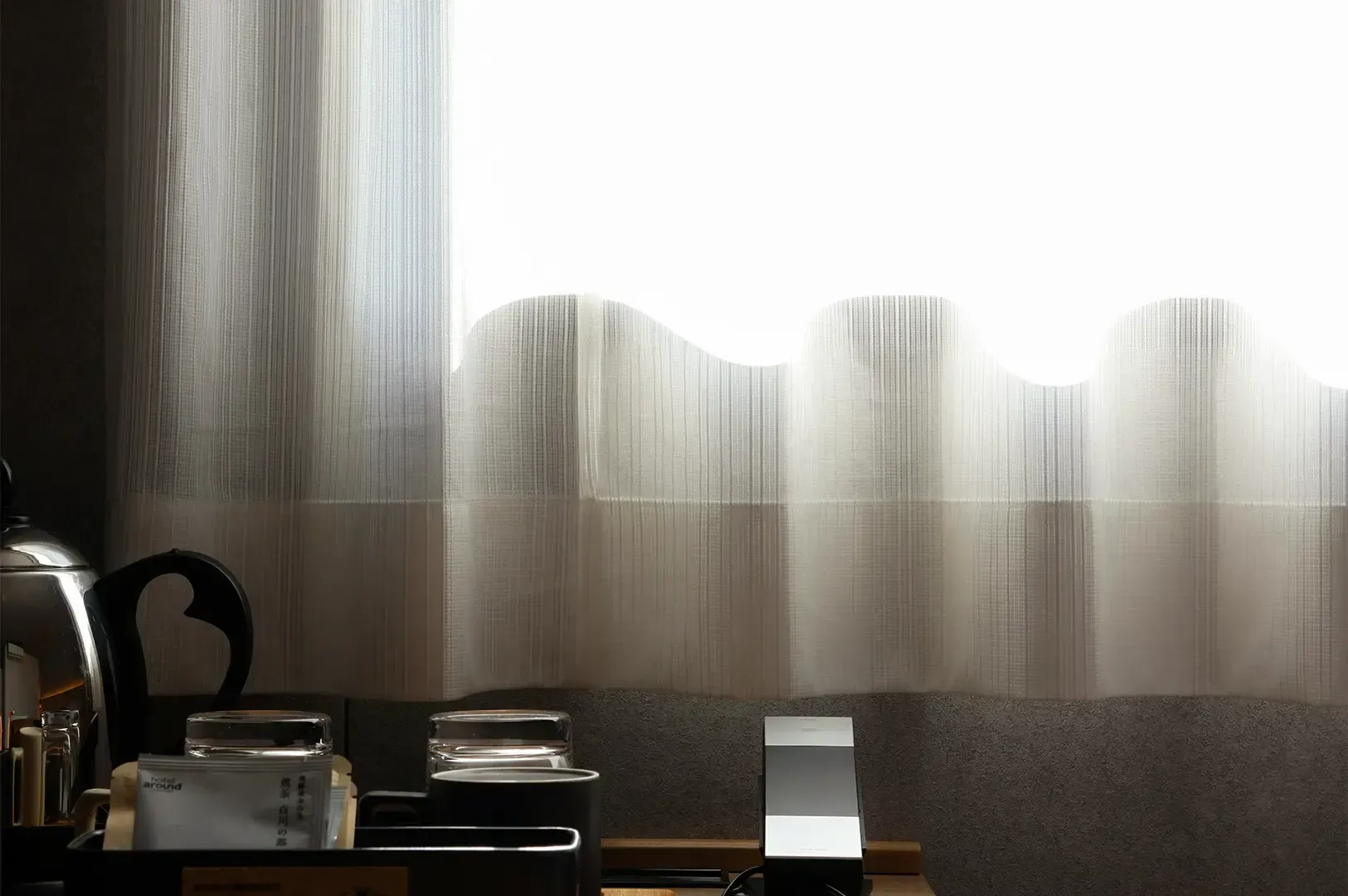
No matter where I am, my first 15 minutes of the day are mine. I make a cup of tea—I carry my favorite Singaporean brand with me—and I sit by a window. I don't look at my phone. I just watch the city wake up. This small, consistent act is a thread that connects my yesterday in London to my today in New York. It’s a moment that belongs only to me, not my job or my location. This practice of mindfulness is known to have significant mental health benefits, as documented by organizations like the American Psychological Association.
2. The Anchor of a Portable "Home"
I cannot have a physical home, so I have created a portable one. I carry a small collection of items that instantly make any hotel room feel like my own space. This includes:
- A small, framed photo of my family.
- A familiar-scented candle (the scent is always the same).
- A silk pillowcase.
- My favorite tea.
These small sensory comforts create a bubble of familiarity in an unfamiliar place. It's a way of claiming a corner of the world as my own, if only for a night.
3. The Anchor of Connection
Technology is a double-edged sword for nomads. It can tether you to work 24/7, but it is also a lifeline. Maintaining connections is crucial for mental health.
Scheduled "Face Time"
I schedule video calls with my family and closest friends as if they were business meetings. I put them in my calendar and I do not move them. Seeing their faces and hearing their voices is a vital reminder of the people who know me not as "The Traveling Assistant," but just as me. This is a strategy recommended by many experts on remote work and mental health.
The Global Network
One of the unexpected gifts of this life is the global network of friends I've built. The hotel manager in Paris, the driver in Dubai, the concierge in Tokyo—many have become genuine friends. Having a friendly face to share a coffee with in different cities creates a different kind of community—a scattered, global one, but a community nonetheless. This sense of global citizenship is an increasingly studied phenomenon.
4. The Anchor of a Consistent Passion
Having a passion that you can pursue anywhere is a powerful way to ground yourself. For me, that passion is running. I can lace up my running shoes and explore a new city in a way that feels both adventurous and familiar. Whether I'm running along the Seine in Paris (a route you can find on guides from the Paris Tourism Office) or through the Imperial Palace gardens in Tokyo (a spot recommended by Go Tokyo), the physical act of running is the same. It connects me to my body and provides a sense of accomplishment that is independent of my job.

Finding a Home Within

I may never have a simple answer to the question, "Where is home?" I have learned to be okay with that. My identity is not tied to a single patch of soil. It is a mosaic, created from pieces of every city I've known, every culture I've touched, and every person I've met. It is a modern, fluid identity.
I've learned that "home" is not a place you find on a map. It is a state you cultivate within yourself. It is in the familiar comfort of a personal ritual, the warmth of a friend's voice over the phone, and the steady rhythm of your own two feet on a new pavement. To belong everywhere and nowhere is a strange and challenging existence, but it also offers a unique perspective: the understanding that we are all, in our own way, just passing through. And the most important journey is the one we take to find a comfortable place within our own skin.