Midnight Diplomacy: How Late-Night Meals Solve International Crises
November 25, 2025 |J.C. Yue

Some of the most critical negotiations I have ever witnessed have not occurred in a sterile boardroom or a formal summit. They have unfolded after midnight, over plates of room-service pasta or in the quiet corner of a nearly empty restaurant. This is the world of midnight diplomacy, a subtle, powerful force where the simple act of sharing a meal can diffuse tension, foster trust, and solve crises that seemed insurmountable just hours before.
As a personal assistant, my life is governed by schedules and logistics. But I’ve learned that the most important work often happens in the unstructured hours, long after the official agenda has ended. I’ve had a front-row seat to the fascinating power of gastrodiplomacy, where food becomes a tool for communication and connection. These late-night meals are not about indulging in fine dining; they are about creating a neutral space where guards can be lowered and real conversations can begin.
This is a look behind the curtain of high-stakes travel, exploring how the universal language of food can succeed where formal talks fail. It’s about the very human need for connection and how a shared meal can become the unlikely catalyst for an international breakthrough.
The Psychology of Breaking Bread Together

There is a profound psychological reason why sharing a meal is so effective. It’s a practice as old as humanity itself, deeply ingrained in our social DNA. When you share food with someone, you are engaging in a primal act of trust.
Lowering Defenses and Building Rapport
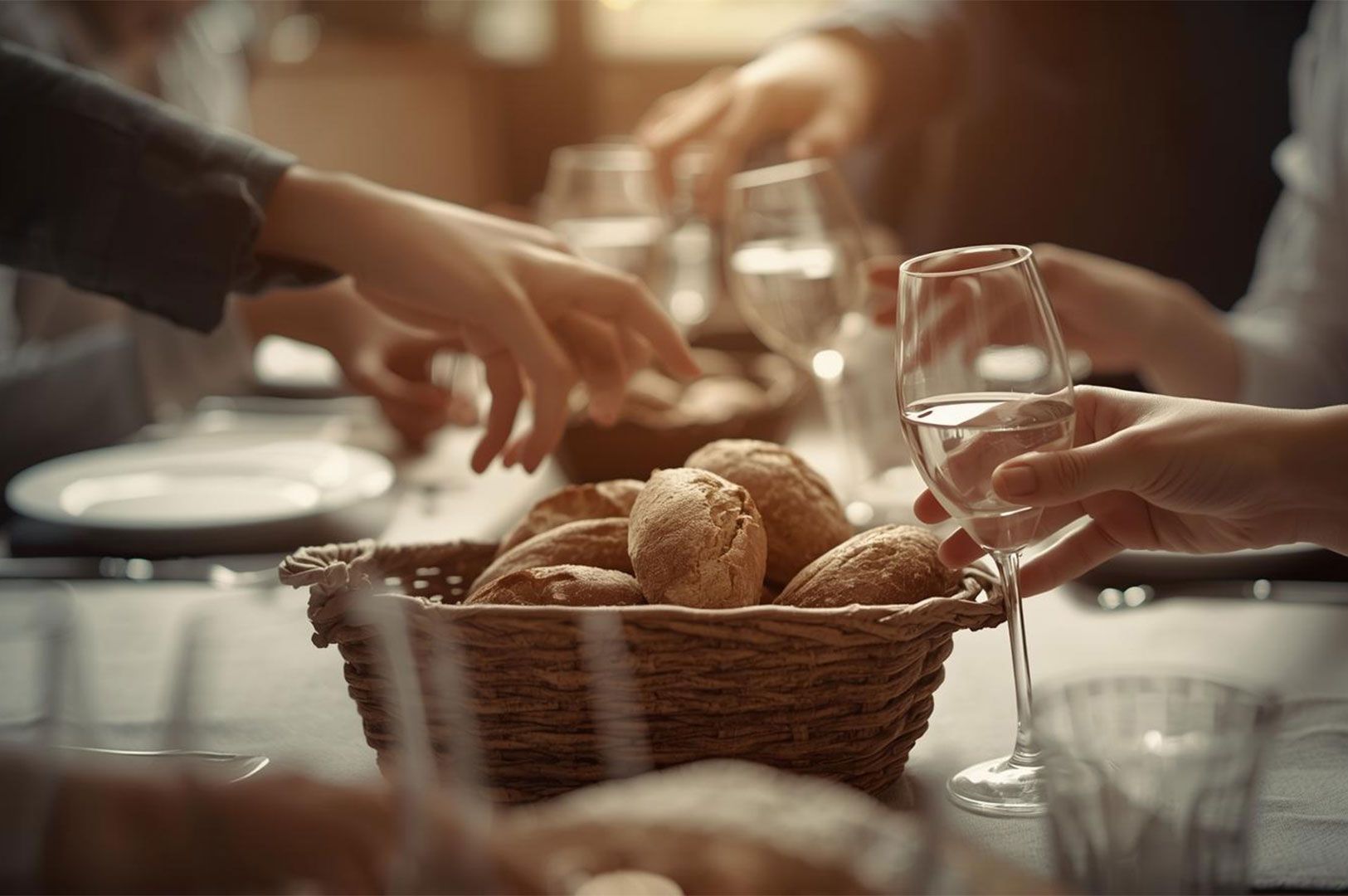
A formal negotiation table is inherently adversarial. People are seated opposite each other, representing their respective "sides." But when you move that conversation to a dinner table, the dynamic shifts. The act of passing a bread basket or pouring a glass of wine creates small, shared moments of cooperation. It changes the posture from confrontational to communal. This concept, often referred to as commensality (the practice of eating together), is a powerful social lubricant.
The Great Equalizer
Food is a great equalizer. No matter how powerful or important you are, everyone gets hungry. A late-night meal, often stripped of the pomp and circumstance of a state dinner, brings people back to a fundamental, human level. It’s hard to maintain a rigid, unyielding position when you are sharing a simple, comforting plate of food. As noted by scholars and diplomats alike, this form of "soft power" can be incredibly effective in international relations.
A Personal Anecdote: The Deal That Was Saved by a Club Sandwich

I recall a particularly tense negotiation in Geneva. My boss was involved in a complex international business deal that had reached a complete stalemate after three days of grueling meetings. Tempers were frayed, and both sides had retreated to their respective hotels, ready to call it quits. The deal was dead in the water.
The 1 AM Phone Call
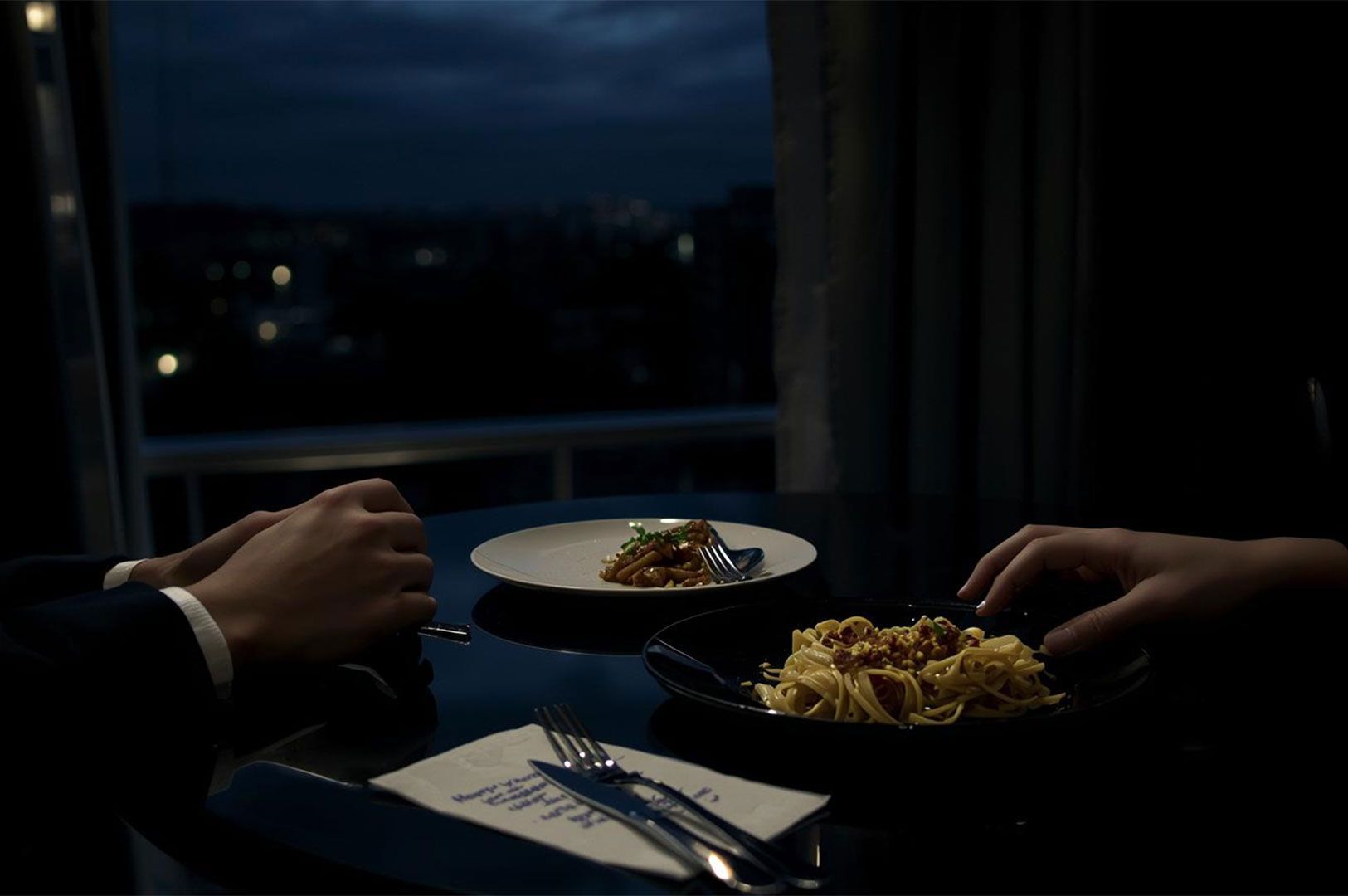
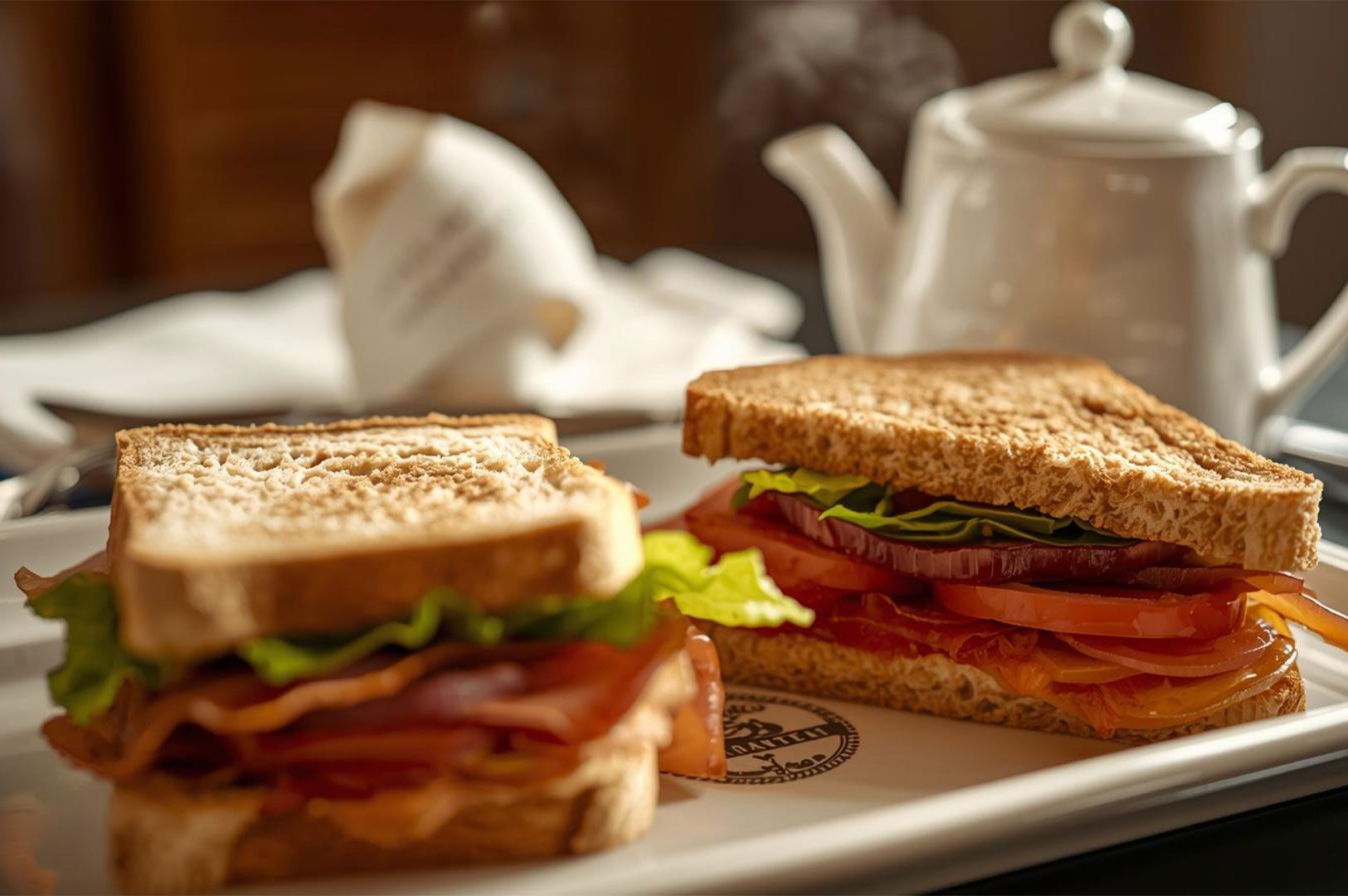
Around 1 AM, my boss called me. He instructed me to order two club sandwiches and a pot of coffee to his suite. Then he gave me a second instruction: call his counterpart in the other hotel and invite him over, making it clear it was "off the record." There was to be no talk of the deal, just a late-night snack.
A Shift in Atmosphere
I remember the atmosphere when the other gentleman arrived. It was stiff and awkward. I served the food and then made myself scarce, organizing files in the adjoining room. For the first twenty minutes, I heard nothing but the clinking of cutlery. Then, slowly, I started to hear quiet conversation. They weren't talking about the deal. They were talking about their children, about a shared love for a particular brand of Swiss watch, about the exhaustion of travel.
The Breakthrough
An hour later, my boss called me back into the room. The mood had completely changed. They were relaxed, even laughing. They had finished the sandwiches and were sketching out a new framework for the deal on a hotel napkin. By 3 AM, the "impossible" crisis was solved. The humble club sandwich had saved a multi-million-dollar deal. That night, I learned that sometimes the most effective negotiation tactic is to stop negotiating.
The Elements of Successful Midnight Diplomacy

Not all late-night meals are created equal. For food to work its diplomatic magic, the setting and the offering must be just right.
The Importance of Simplicity and Comfort
After a day of high-pressure talks, the last thing anyone wants is a complicated, multi-course tasting menu. The most effective late-night meals are about comfort food.
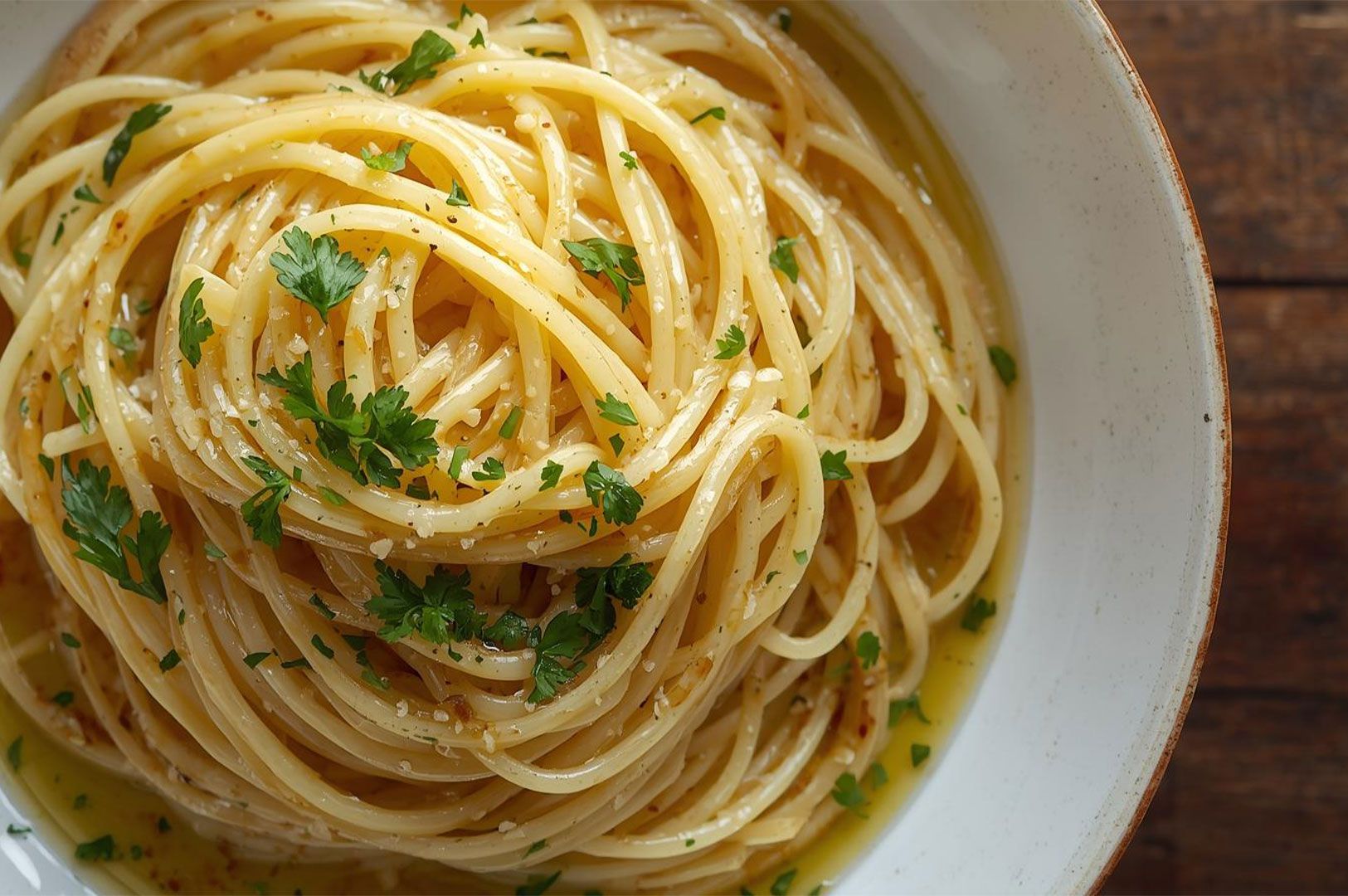
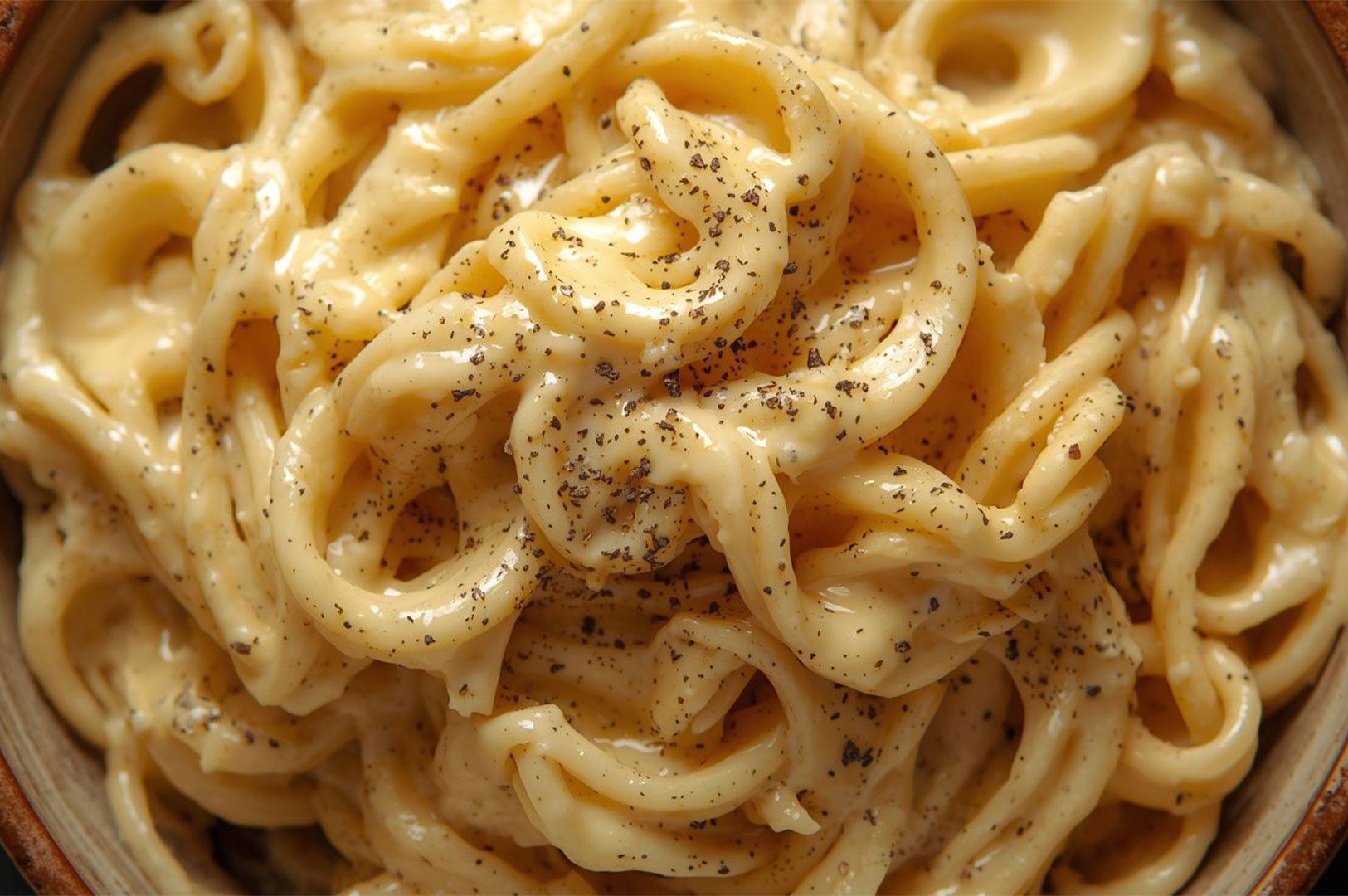
- Pasta Aglio e Olio: Simple, satisfying, and universally loved.
- A Perfect Omelette: Quick, nourishing, and elegant in its simplicity.
- A High-Quality Burger or Club Sandwich: A reliable classic that signals informality.
These dishes are nourishing and require no intellectual effort to eat. They provide comfort, which in turn fosters a sense of safety and openness. This approach is something top hotel chefs, like those at properties celebrated by the Forbes Travel Guide, understand implicitly when designing late-night room service menus.
The Power of a Neutral, Private Space
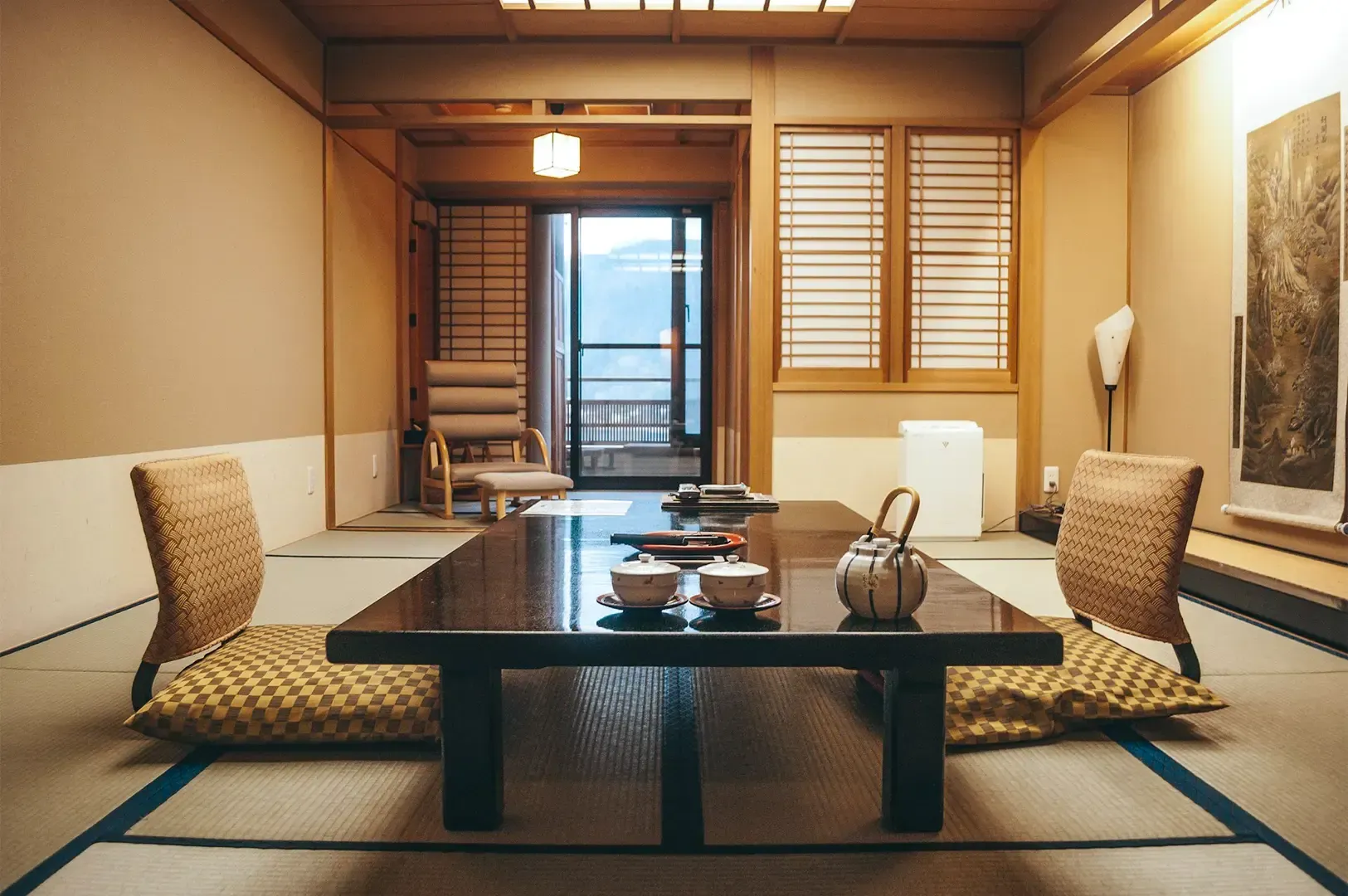
These meals almost never happen in a crowded public restaurant. The ideal venue is a private suite or a secluded residence. This privacy is paramount. It allows for a level of candor and vulnerability that is impossible in a public setting where appearances must be maintained. The goal is to create a sanctuary where participants can speak freely, away from the watchful eyes of their staff or the press.
Gastrodiplomacy in Action Around the World

This concept is not just anecdotal; it's a recognized soft power strategy used by governments and business leaders worldwide.
Thailand's "Global Thai" Program
The Thai government famously launched a gastrodiplomacy program to increase the number of Thai restaurants around the globe. The idea was that the popularity of its cuisine—think delicious Pad Thai or Green Curry—would build cultural understanding and create a positive image for the country. It’s a national strategy built on the power of food to win hearts and minds.
The Kimchi Diplomacy of South Korea
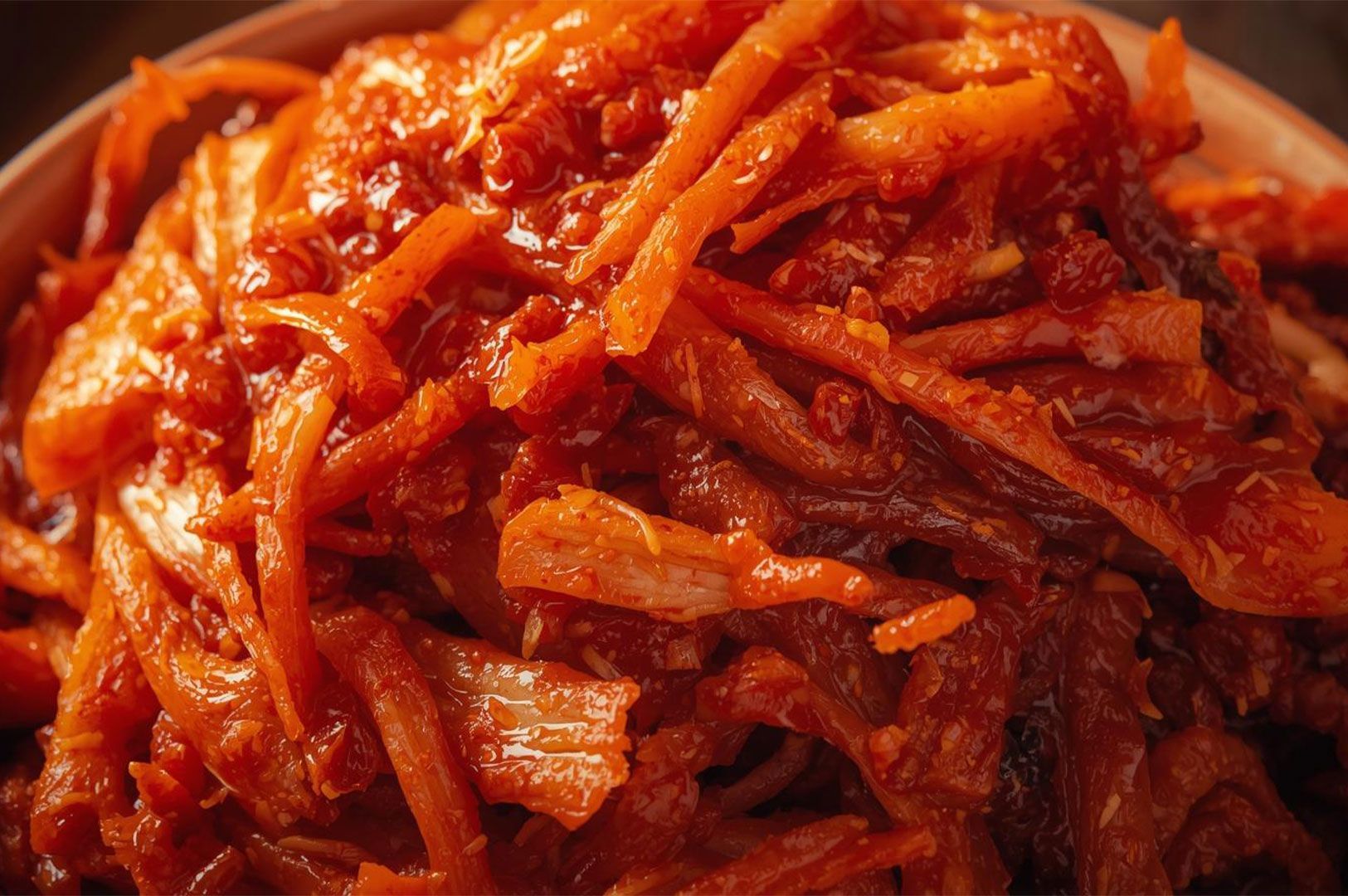
Similarly, South Korea has invested heavily in promoting its cuisine, particularly kimchi, on the world stage. By sharing its food culture, it aims to build stronger diplomatic and economic ties. This is a core part of the cultural outreach promoted by the
Korea Tourism Organization. These national programs are large-scale versions of what happens in a hotel suite at midnight.
My Role: The Facilitator of Diplomacy

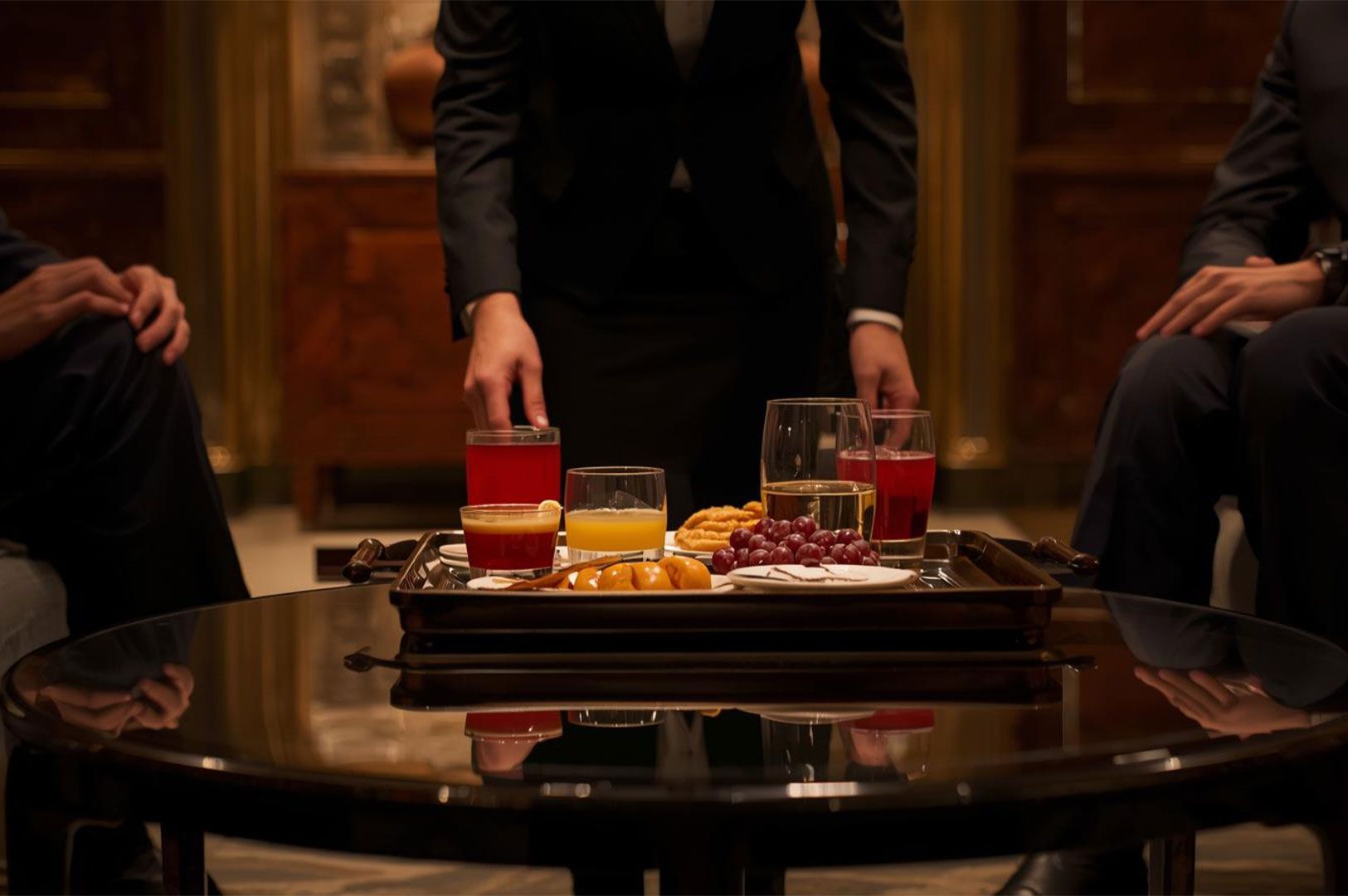
As a personal assistant, my role in these situations is to be an invisible facilitator. I am the one who ensures the food is right, the setting is discreet, and the service is seamless.
The Art of the Perfect Room Service Order
I’ve learned to anticipate the needs of a late-night meeting. I always order more than is needed and ensure there are options. I communicate with the hotel kitchen to make sure the food is fresh and of high quality, even at odd hours. This level of service is a hallmark of the world's best hotels, from The Peninsula in Hong Kong to The Ritz in Paris, a city whose hospitality is celebrated by the Paris Tourism Office.
Reading the Room
My most important skill is knowing when to be present and when to disappear. I need to be available to pour a drink or clear a plate, but I must also fade into the background to allow for private conversation. It's a delicate dance of presence and invisibility.
Lessons from the Late-Night Table

After years of witnessing these moments, I’ve learned a few key lessons about human connection and negotiation.
1. Connection Before Content
You cannot have a successful negotiation if there is no human connection. The content of the deal is irrelevant if there is no foundation of mutual respect. A shared meal builds that foundation.
2. Vulnerability is a Strength
In a high-stakes environment, admitting you are tired or hungry is a small act of vulnerability. This can be disarming and can encourage the other party to lower their own defenses, paving the way for a more honest exchange.
3. Culture is Communicated Through Cuisine
Sharing a local dish can be a gesture of respect for a host country's culture. I've seen my boss order traditional Japanese ochazuke in Tokyo or a simple cacio e pepe in Rome for a late-night meeting. This simple act honors the local culture and can subtly build goodwill.
The Unspoken Language of a Shared Meal
The world of international business and diplomacy can seem cold and calculating. But at the end of the day, it is run by human beings. And human beings need to eat. They need comfort, connection, and moments of respite from the pressure.
Midnight diplomacy is a powerful reminder that some of the most complex problems can be solved through the simplest of means. It’s about recognizing that before we are representatives of companies or countries, we are people. And often, the best way to connect with a person is to share a meal with them. The next time you hear about a major deal being struck or a crisis being averted, remember that the breakthrough may not have happened at the negotiating table, but hours later, over a simple, shared plate of food. Continue exploring these themes through
Finding Home in Transit: Creating Stability in Constant Movement and
Burnout on the Road: Recognizing and Recovering from Travel Fatigue.