

When Dinner Becomes Theater: The Rise of Experiential Fine Dining
December 15, 2025 |J.C. Yue

A fine dining meal used to be a predictable affair: crisp white tablecloths, hushed tones, and a procession of beautifully crafted dishes. The focus was solely on the food. But in recent years, a new movement has taken hold in the upper echelons of the culinary world. Dinner is no longer just about what’s on the plate; it’s about the entire experience. We’ve entered the era of experiential fine dining, where a meal becomes a multi-sensory performance, a journey, and a form of theater.
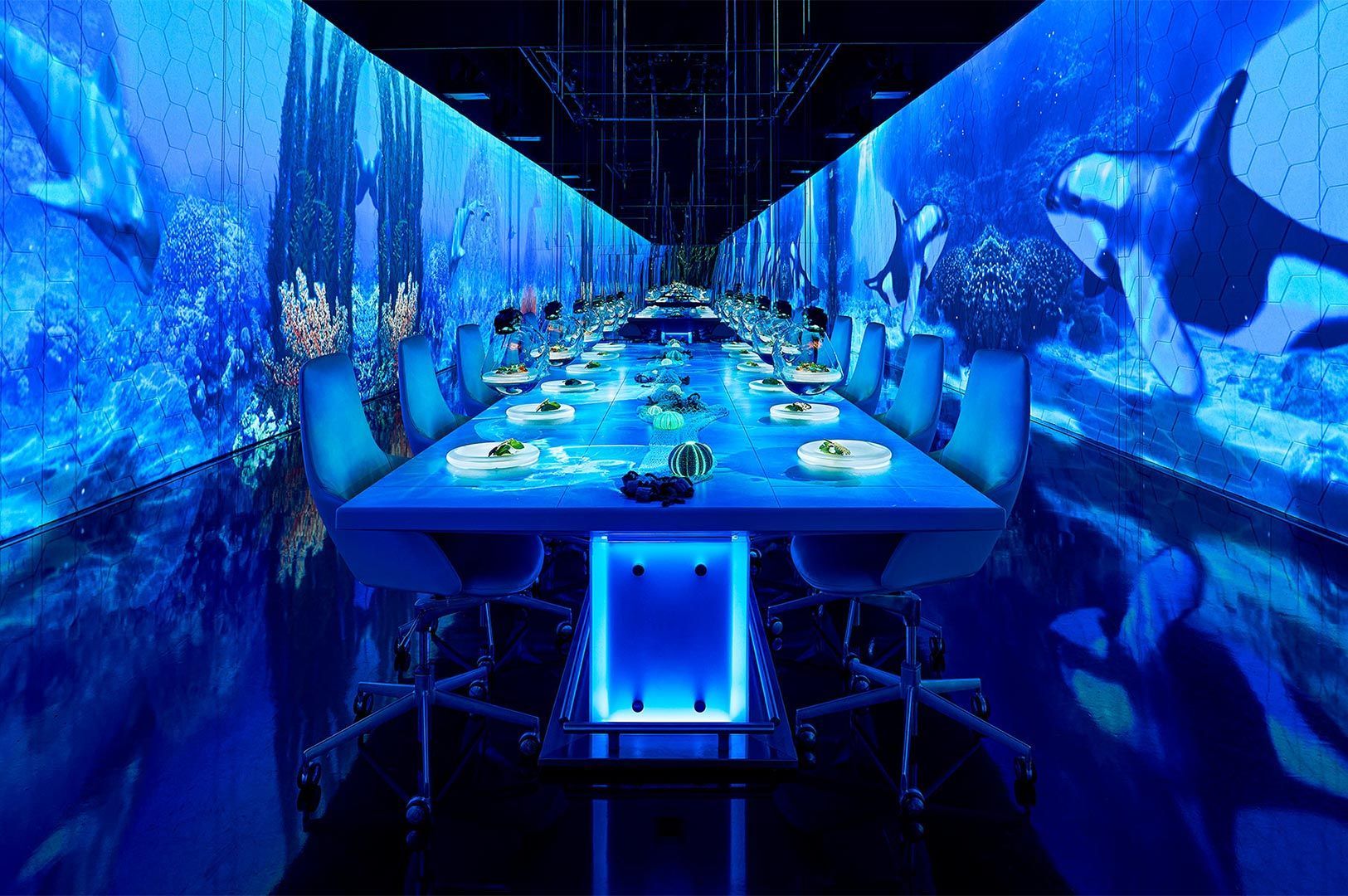
My boss has always sought out the unique and the extraordinary, which means I've spent years securing reservations at these avant-garde establishments. These are not just restaurants; they are destinations. They are places like Sublimotion in Ibiza, where virtual reality goggles transport you to different worlds between courses, or Alchemist in Copenhagen, which unfolds over 50 "impressions" in different rooms. This is immersive dining, and it's pushing the boundaries of what a restaurant can be.
From my perspective as a personal assistant, arranging these experiences is a complex logistical dance. It requires a deep understanding of the concept, the chef's vision, and the guest's expectations. This is a look into the fascinating world where dinner becomes theater, exploring what drives this trend and what it's truly like to have a seat at the show.
What is Experiential Fine Dining?
Experiential dining goes beyond simply serving good food. It aims to engage all the senses and create a memorable, narrative-driven event. Chefs are becoming creative directors, using storytelling, technology, and art to craft a holistic experience.
Key Elements of Immersive Dining
- Storytelling: The meal follows a narrative arc, with each dish representing a chapter in a story. This could be a story about the chef's childhood, the history of a region, or a philosophical concept.
- Multi-Sensory Engagement: Chefs use lighting, soundscapes, scents, and textures to create a fully immersive atmosphere. A dish meant to evoke the sea might be accompanied by the sound of crashing waves and a salty mist.
- Interactive Components: Diners are not just passive observers; they are often invited to participate, whether by foraging for an ingredient in a tabletop garden or solving a puzzle to unlock the next course.
- The Element of Surprise: The experience is often shrouded in mystery. Menus might be hidden, and the evening is full of unexpected twists and turns, making it a genuine culinary adventure.
This trend is an evolution of molecular gastronomy, a field that first introduced a scientific and theatrical approach to cooking.
A Personal Anecdote: Dinner as a Dream at Alchemist, Copenhagen

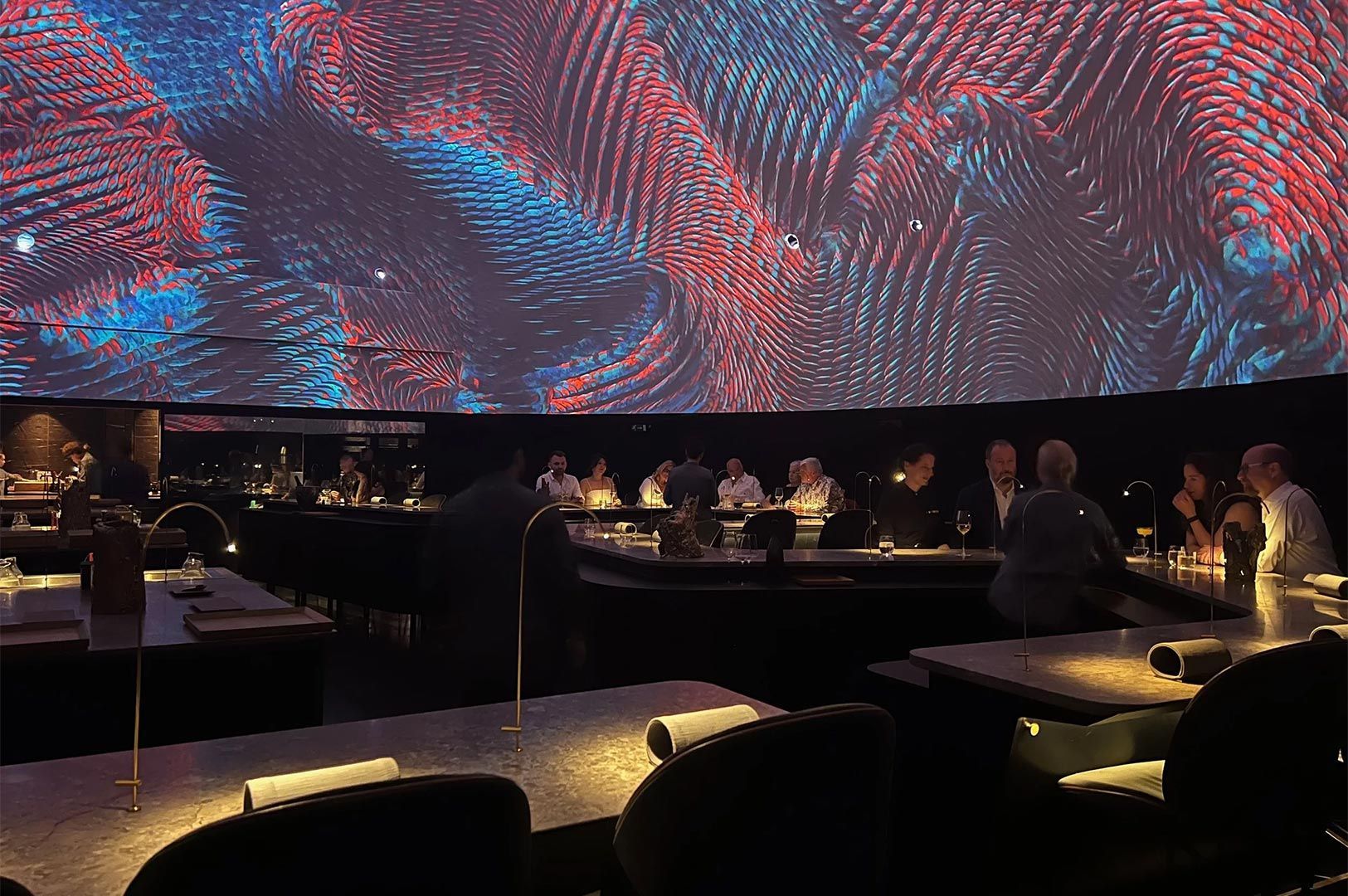
One of the most profound dining experiences I ever arranged was at Alchemist in Copenhagen. Getting a reservation is notoriously difficult, a challenge I relish. The restaurant describes its cuisine as "Holistic Cuisine," and the evening is a journey through different spaces under a massive planetarium dome.
The Experience: More Than 50 "Impressions"
The evening began not at a table, but in a lounge area with a series of small, thought-provoking bites. One dish, called "The Perfect Omelette," was served inside a perfect eggshell but was actually a delicate mango and passionfruit creation. From there, we were led into the main dining room, a cavernous space with a domed ceiling projecting ever-changing scenes—a swirling galaxy, a forest canopy, a swarm of jellyfish.
Each of the 50 "impressions" was a miniature work of art tied to a social or environmental theme. A dish highlighting food waste was served on a plate designed to look like a crushed plastic bottle. Another, focused on the ethics of foie gras, was accompanied by a live performance. It was challenging, beautiful, and at times, uncomfortable. This is the kind of boundary-pushing experience that has put Copenhagen on the map as a global food destination, as celebrated by the official Visit Copenhagen tourism board.
My Behind-the-Scenes Role
For my boss, it was a four-hour immersive journey. For me, it was the culmination of months of planning. My work involved not just securing the booking but also preparing a pre-experience briefing for my boss. I researched the chef's philosophy and the themes of the menu so he would have the context to fully appreciate the experience. This preparation is key for high-concept dining.
Pioneers of the Experiential Dining Movement
While the trend is now global, a few visionary chefs and restaurants paved the way.
elBulli, Spain: The Original Innovator
No discussion of experiential dining is complete without mentioning Ferran Adrià's legendary elBulli. Though it closed in 2011, its influence is immeasurable. Adrià deconstructed food and played with expectations, turning a meal into an intellectual and sensory puzzle. He wasn't just a chef; he was an artist.
The Fat Duck, UK: A Trip Down the Rabbit Hole
Heston Blumenthal's The Fat Duck is another icon. His "Sound of the Sea" dish, where diners listen to crashing waves on an iPod while eating seafood, was a groundbreaking use of multi-sensory techniques. His entire menu is designed to evoke nostalgia and play with the connection between scent, sound, and memory. The innovation of British chefs like Blumenthal is a highlight of the UK's culinary scene, a story told by the Michelin Guide Great Britain.
Ultraviolet, Shanghai: A Secret Single Table
Paul Pairet's Ultraviolet in Shanghai takes exclusivity to the extreme. It has only one table of ten seats, located in a secret, purpose-built bunker. Each of the 20 courses is a "psycho-taste" experience, with custom lighting, sounds, scents, and projections designed to enhance the perception of flavor. It is, by all accounts, the ultimate expression of theatrical dining.
Why is This Happening Now?

Several factors are driving the rise of experiential dining.
- The Experience Economy: In an age where people increasingly value experiences over possessions, a memorable meal that tells a story is the ultimate luxury purchase. This concept is a major focus for market analysts at firms like McKinsey & Company.
- The "Instagram Effect": These visually stunning and unique experiences are incredibly shareable on social media. They create a buzz and a sense of "you had to be there" that is invaluable marketing.
- A Desire for Connection: In a disconnected digital world, a shared, immersive experience can create a powerful sense of connection between diners and with the chef's vision.
The Practicalities: What to Know Before You Go
These experiences are not your typical dinner out. Here are a few things to keep in mind.
The Booking Process is Intense
Reservations often open on a specific day for a period several months out and sell out in minutes. It's like trying to get tickets to a rock concert. Many now use a ticketing system where you pre-pay for the entire meal. This is where a well-connected assistant or concierge can be invaluable.
Surrender Control
You must be willing to put yourself entirely in the hands of the chef. The menu is set, and the experience is tightly choreographed. There is no room for picky eaters or significant modifications. It's about trusting the artist to take you on a journey.
It's a Major Time Commitment
An experiential dinner is not a quick meal. Expect to be there for a minimum of three to four hours. It is the entire evening's entertainment, so you must plan accordingly. This is a point I always clarify with my boss, ensuring his schedule is completely clear. This level of detailed planning is a core tenet of professional event management, a field with standards outlined by organizations like the Professional Convention Management Association (PCMA).
It's Not Just About the Food
If you are a traditionalist who believes a restaurant should be judged solely on the taste of the food, this may not be for you. The food is, of course, exceptional, but it is just one component of a larger artistic expression. A willingness to engage with the concept is essential. Educational resources like the
Culinary Institute of America's publications often discuss the evolution of the dining experience.
The Future of Fine Dining?
Is experiential dining the future of all fine dining? Probably not. There will always be a place for the classic restaurant that focuses purely on exquisite food and wine. But this movement represents a thrilling evolution, a new frontier in the art of hospitality.
These experiences are a powerful reminder that food is more than just sustenance; it is culture, it is emotion, and it is a medium for storytelling. For the adventurous diner, it offers a chance to be surprised, challenged, and transported. When dinner becomes theater, it ceases to be just a meal and becomes a memory that lasts a lifetime. And in the world of luxury travel, a unique and lasting memory is the most valuable commodity of all—an idea explored further in Hawker Heaven and High Tables: Navigating Singapore’s Dual Dining Identity.