Beyond the Golden Pavilion: Accessing Kyoto's Most Exclusive Private Ryokans
December 23, 2025 |J.C. Yue

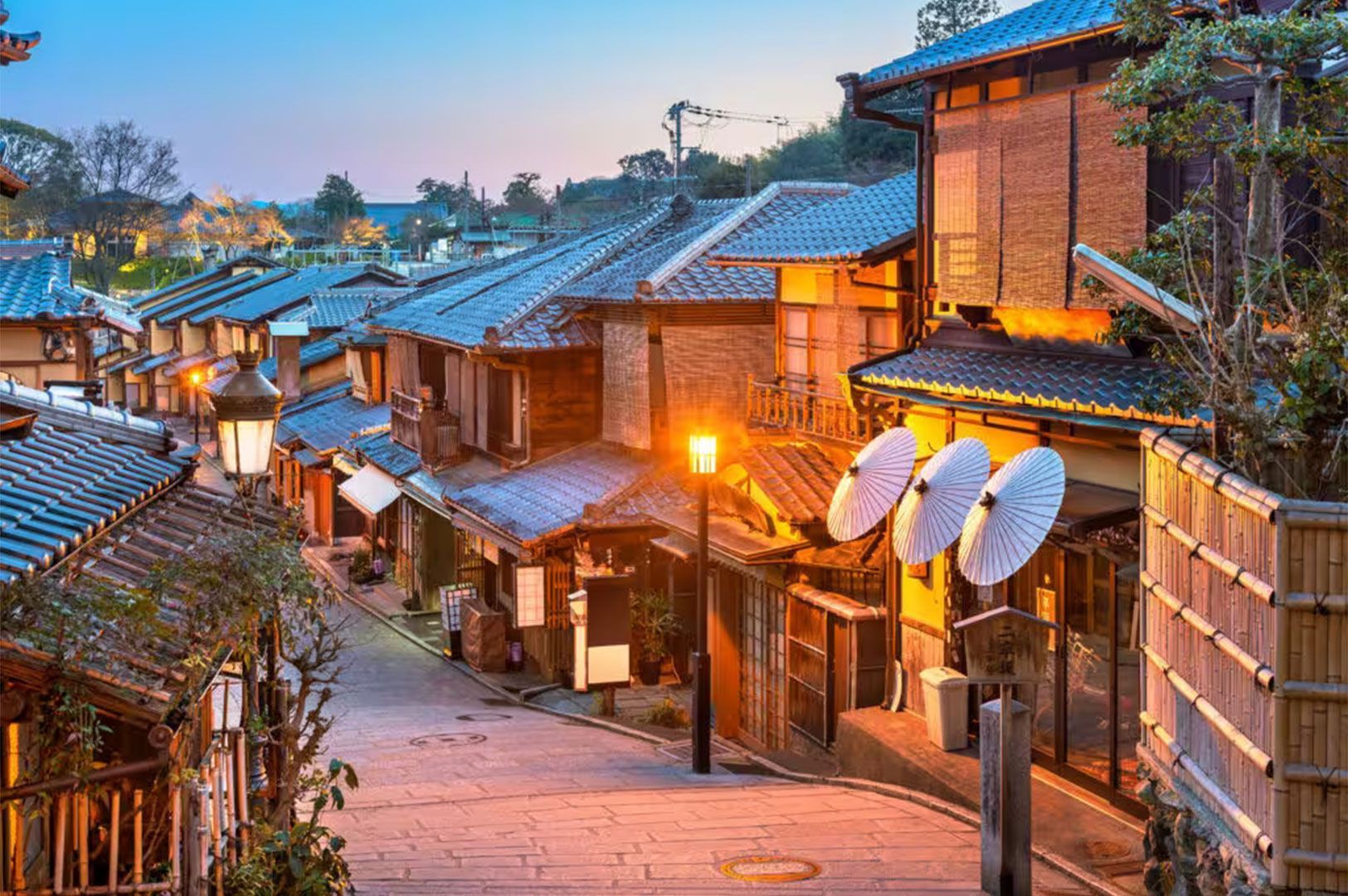
Kyoto is a city that whispers its secrets. While thousands flock to its famous temples and landmarks like the Golden Pavilion, the deepest, most authentic experiences are found behind discreet wooden doors, down quiet, lantern-lit alleys. This is the world of Kyoto's exclusive private ryokans, traditional inns that offer not just a place to sleep, but a profound immersion into the art of Japanese hospitality, or omotenashi.
For my boss, a stay at one of these establishments is the only way to experience Kyoto. He seeks the tranquility, privacy, and impeccable service that these legendary ryokans provide. However, gaining access is an art form in itself. Many of the most revered inns operate on an introduction-only basis, their doors closed to the general public. As a personal assistant, my work involves navigating this intricate web of tradition and relationships to secure a reservation. It’s a process that requires patience, respect, and an understanding of cultural nuances.
This is not a list of ryokans you can book online. This is a look into the rarefied world of
invitation-only Japanese inns, explaining why they are so exclusive and sharing insights on how one might, with the right approach, be granted entry. It's a journey beyond the tourist trail into the very heart of Japanese luxury.
What Makes a Ryokan "Exclusive"?
The concept of luxury in a traditional Kyoto ryokan is different from that of a five-star Western hotel. It is not about opulent lobbies or rooftop pools. It is about a deep, quiet, and personalized form of service.
The Philosophy of Omotenashi
The foundation of the ryokan experience is omotenashi, a philosophy of selfless hospitality that anticipates a guest's needs before they are expressed. This is brought to life by the okami (the female manager, usually the owner's wife) and the nakai-san (the personal attendant assigned to your room). They are not just staff; they are your hosts, dedicated to making your stay perfect.
The "Ichigen-san Okotowari" Tradition
Many of the most famous ryokans, particularly in the historic Gion district, operate on a policy of "ichigen-san okotowari," which translates to "first-time customers refused." This is not an act of snobbery; it is a tradition rooted in the desire to maintain a trusted relationship with guests. These inns are often small, historic family businesses. They prioritize loyalty and mutual respect, preferring to welcome guests who have been vouched for by an existing patron. It is a system built entirely on trust and reputation.
The Unbookable Ryokans: Tawaraya and Hiiragiya

At the pinnacle of Kyoto's ryokan hierarchy are two legendary inns, located directly across from each other: Tawaraya and Hiiragiya. They are arguably the most famous and exclusive ryokans in all of Japan.
Tawaraya: The Benchmark for Perfection
For over 300 years, Tawaraya has been the standard by which all other ryokans are judged. It is a haven of serene beauty, with each of its 18 rooms offering a unique design and a view of a private garden. The level of detail is astonishing, from the seasonal flowers chosen daily by the okami to the custom-made soap that is milled to the family's secret recipe. It has hosted royalty, heads of state, and countless cultural icons.
Hiiragiya: A Legacy of Literary Grace
Hiiragiya, with its own nearly 200-year history, offers a slightly different but equally exquisite experience. It has long been favored by Japan's literary elite, including the Nobel laureate Yasunari Kawabata. The atmosphere is one of understated elegance and literary grace.
These inns are not just accommodations; they are living cultural institutions. They represent the apex of traditional Japanese hospitality.
Cracking the Code: How to Access Exclusive Ryokans
So, how does one get into a place that refuses first-time guests? There is no simple trick. It requires leveraging the right channels and demonstrating a genuine respect for their traditions.
1. The Power of the Concierge
The single most effective tool for a foreign visitor is the concierge at a top-tier international hotel. The chief concierges at hotels like the Ritz-Carlton Kyoto or the Park Hyatt Kyoto have spent years building relationships with the okami of these exclusive ryokans. A request from them is not treated as a cold call; it is a personal recommendation from a trusted colleague. They are vouching for you. This is a key service that distinguishes the best hotels, a standard noted by organizations like the Les Clefs d'Or, the international association of hotel concierges.
2. High-End, Japan-Specialist Travel Agencies
Boutique travel agencies that specialize in luxury Japanese travel often have long-standing relationships with these inns. They have a proven track record of sending respectful, appreciative clients. Booking through such an agent means you arrive with their seal of approval. Companies like InsideJapan Tours or Walk Japan are known for their deep local connections.
A Personal Anecdote: The Art of the Request
I once had to secure a room at Tawaraya for my boss with only a few months' notice, which is nearly impossible. I didn't just email the concierge at our partner hotel. I crafted a detailed letter explaining why my boss wanted to stay there. I mentioned his deep appreciation for Japanese aesthetics, his interest in garden design, and his understanding of kaiseki dining. I was not just making a booking; I was making a case. The concierge used this information in his personal call to the ryokan's okami. We secured the reservation. The lesson was clear: demonstrating genuine interest and respect is paramount. The official Kyoto City Official Travel Guide can provide context on the city's cultural importance.
What to Expect: The Ryokan Experience

A stay in a top-tier ryokan is a choreographed experience, a journey for the senses.
The Arrival and Welcome
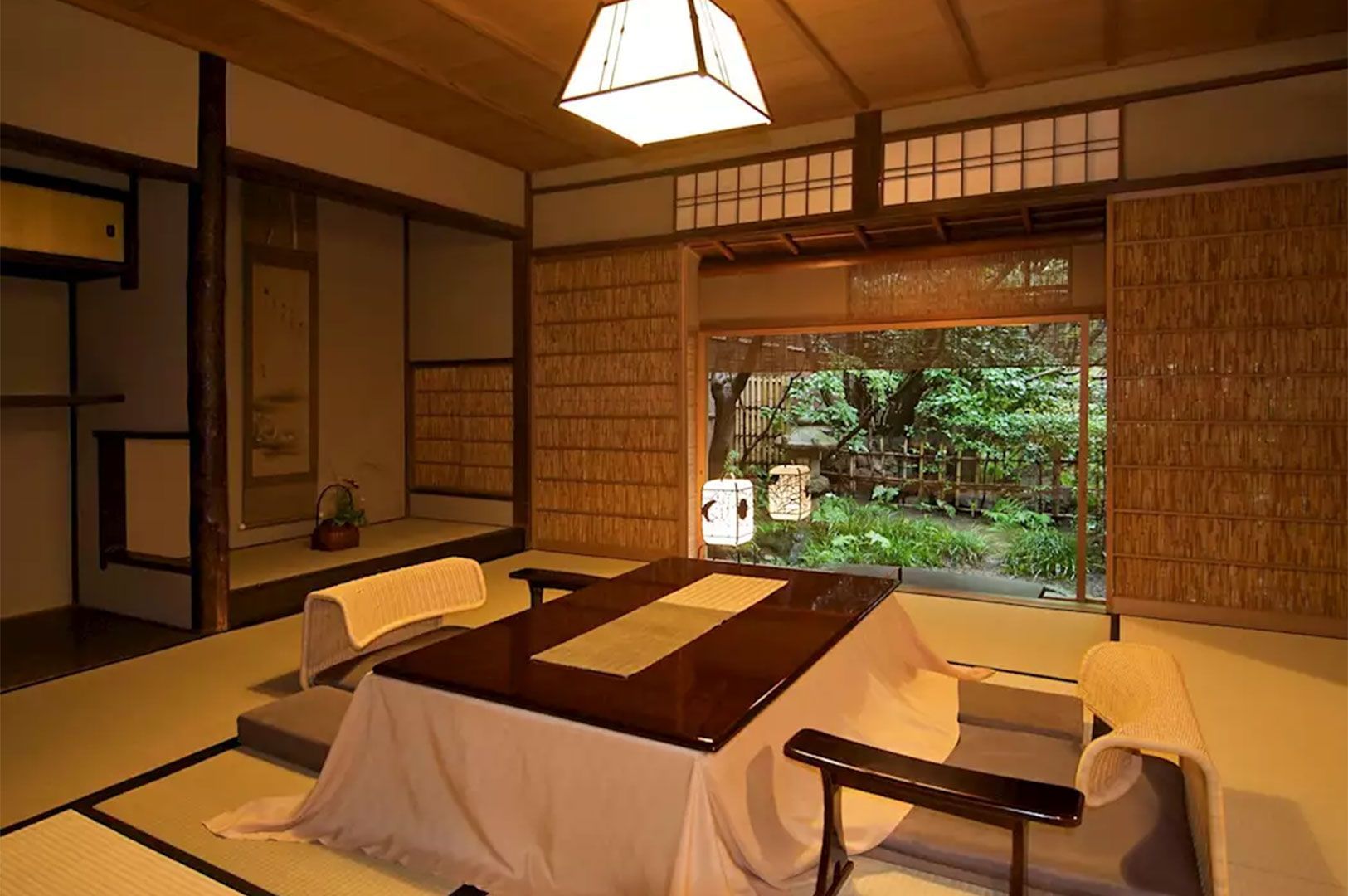
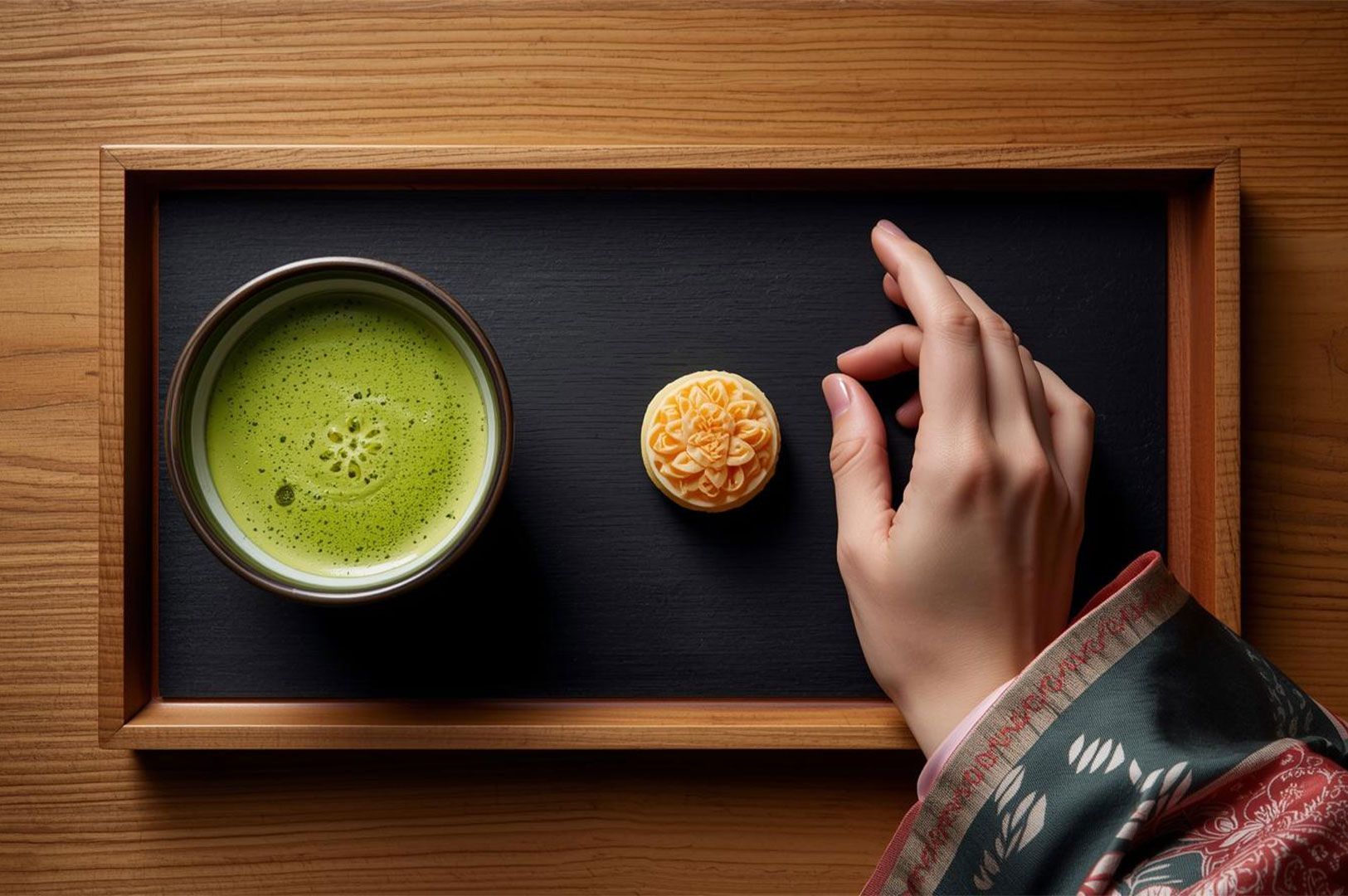
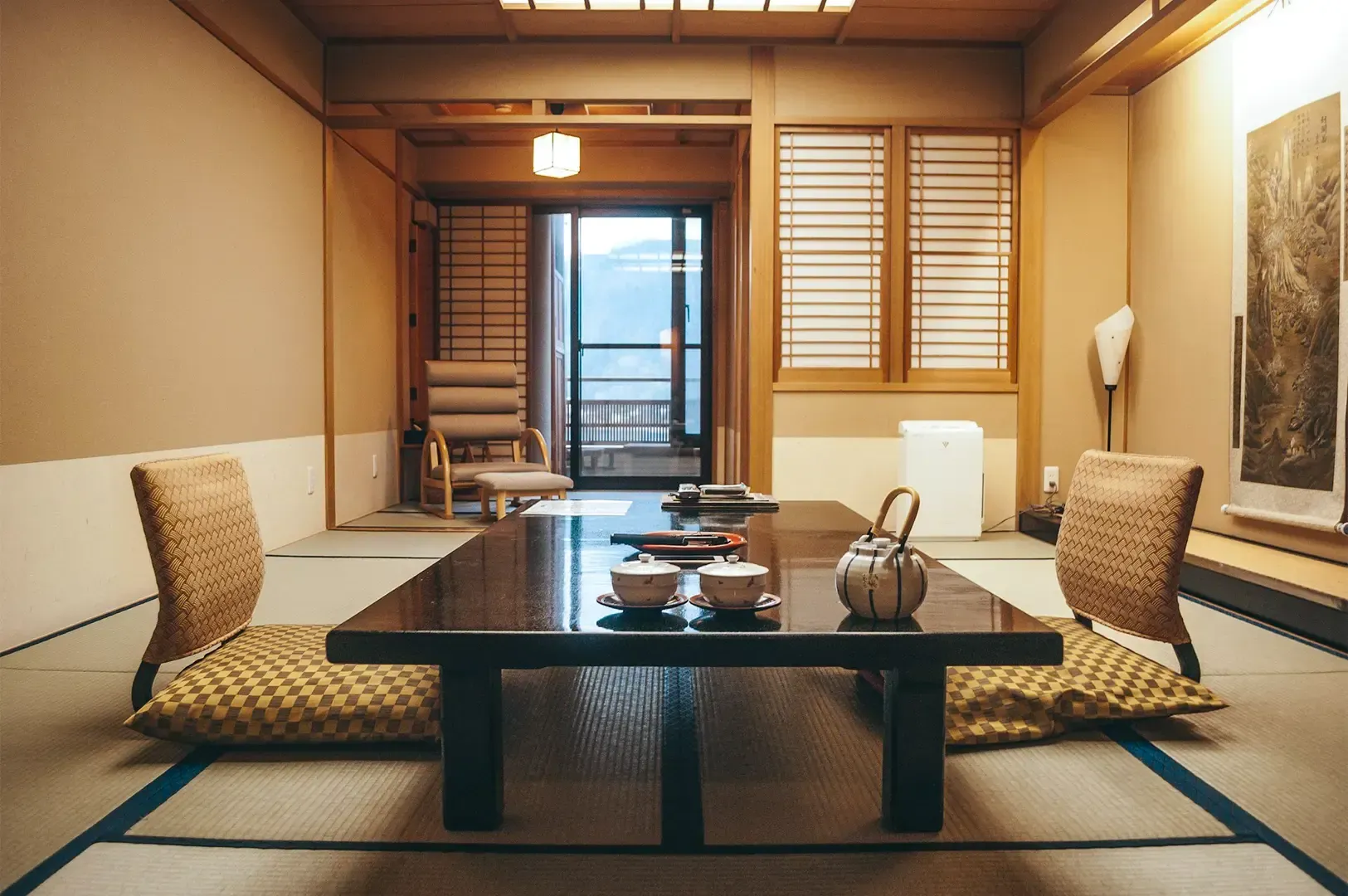
Upon arrival, you are greeted at the entrance by the okami and nakai-san. You remove your shoes and are led to your room, which is a tranquil space of tatami mats, sliding paper screens, and a low table. Here, you are served welcome tea and a seasonal sweet.
The Role of the Nakai-san
Your nakai-san is your personal host. She will serve your meals in your room, prepare your futon bedding in the evening, and be your guide to the ryokan's customs. The service is incredibly attentive yet discreet.
The Kaiseki Dinner
Dinner is a highlight of the stay. It is a multi-course kaiseki meal, a traditional art form that balances taste, texture, and appearance. Each dish is a miniature work of art, crafted from the freshest seasonal ingredients. The meal is served in the privacy of your room. You can learn more about this culinary tradition from sources like the Michelin Guide, which has a deep respect for Japanese cuisine.
The Onsen (Hot Spring Bath)
Most luxury ryokans have beautiful bathing facilities, sometimes fed by natural hot springs (onsen). The ritual of bathing is a key part of the experience, a time for quiet relaxation. Many rooms also feature a private wooden or stone tub.
Understanding Ryokan Etiquette
To be a good guest, one must understand and respect the local customs.
- Shoes: Never wear outdoor shoes on the tatami mats. You will be given indoor slippers.
- Yukata: You will be provided with a yukata, a cotton robe. It is perfectly acceptable to wear this throughout the ryokan, including to the public bath.
- Bathing: Before entering the communal bath, you must wash thoroughly at the shower stations provided.
- Noise: Ryokans are sanctuaries of peace. Speak in quiet tones and be mindful of other guests.
Adhering to this etiquette is a sign of respect, a core value in Japanese culture. The
Japan National Tourism Organization also provides excellent guides on cultural etiquette.
A Journey into the Heart of Hospitality
Securing a stay at one of Kyoto's most exclusive private ryokans is a challenge, but it is one that offers an unparalleled reward. It is more than a luxury stay; it is a cultural education. It is a chance to experience a form of hospitality that has been perfected over centuries, an art form that is both deeply traditional and profoundly human.
The quiet rustle of a silk kimono, the subtle scent of tatami and incense, the beauty of a single flower in an alcove—these are the details that stay with you. It is a world away from the busy streets and crowded temples, a glimpse into a hidden, more graceful Kyoto. For the traveler who seeks not just to see Japan but to understand it, there is no more authentic or memorable experience—an appreciation for nuance that also resonates in The Unseen Logistics: How Private Residences Prepare for VIP Arrivals and The Overlooked Amenities That Define True Luxury Accommodations.