

The Overlooked Amenities That Define True Luxury Accommodations
December 22, 2025 |J.C. Yue

When you book a five-star hotel or a high-end private villa, you expect certain things: a stunning view, luxurious linens, and impeccable service. These are the headline acts, the features that dominate the brochures and websites. But after a decade spent living in the world’s finest accommodations, I’ve learned that the true measure of luxury isn't found in the infinity pool or the Michelin-starred restaurant. It lies in the details—the small, thoughtful, and often overlooked amenities that anticipate your needs before you even realize you have them.
These are the elements that transform a beautiful room into a sanctuary and a great stay into a flawless one. For a frequent traveler like my boss, whose time is his most valuable asset, these seemingly minor details make all the difference. They are the silent signifiers of true luxury accommodations, separating the merely expensive from the genuinely exceptional.
This is my insider's guide to the subtle but crucial amenities that I look for when vetting a property. They may not be on the main features list, but they are the details that define a world-class experience.
Beyond the Basics: What is a Truly "Luxury" Amenity?
In today's market, words like "luxury" are overused. A fancy coffee machine or a designer-brand soap is now standard, not exceptional. True luxury amenities are not about brand names; they are about thoughtfulness, functionality, and personalization. They are solutions to the small frictions of travel.
The Philosophy of Anticipatory Service
The best hotels and property managers operate on a principle of anticipatory service. They have deeply considered the guest's journey and experience, identifying potential pain points and proactively addressing them. It’s the difference between reacting to a request and making the request unnecessary in the first place. These amenities are the physical manifestation of that philosophy. This concept is a core tenet of the hospitality industry, a standard that world-class institutions like the Forbes Travel Guide use to rate properties.
The Power and Placement of Outlets

It may sound mundane, but in our hyper-connected world, the availability and placement of power outlets is one of the most critical—and frequently bungled—details in a hotel room.
The Bedside Battle for Power
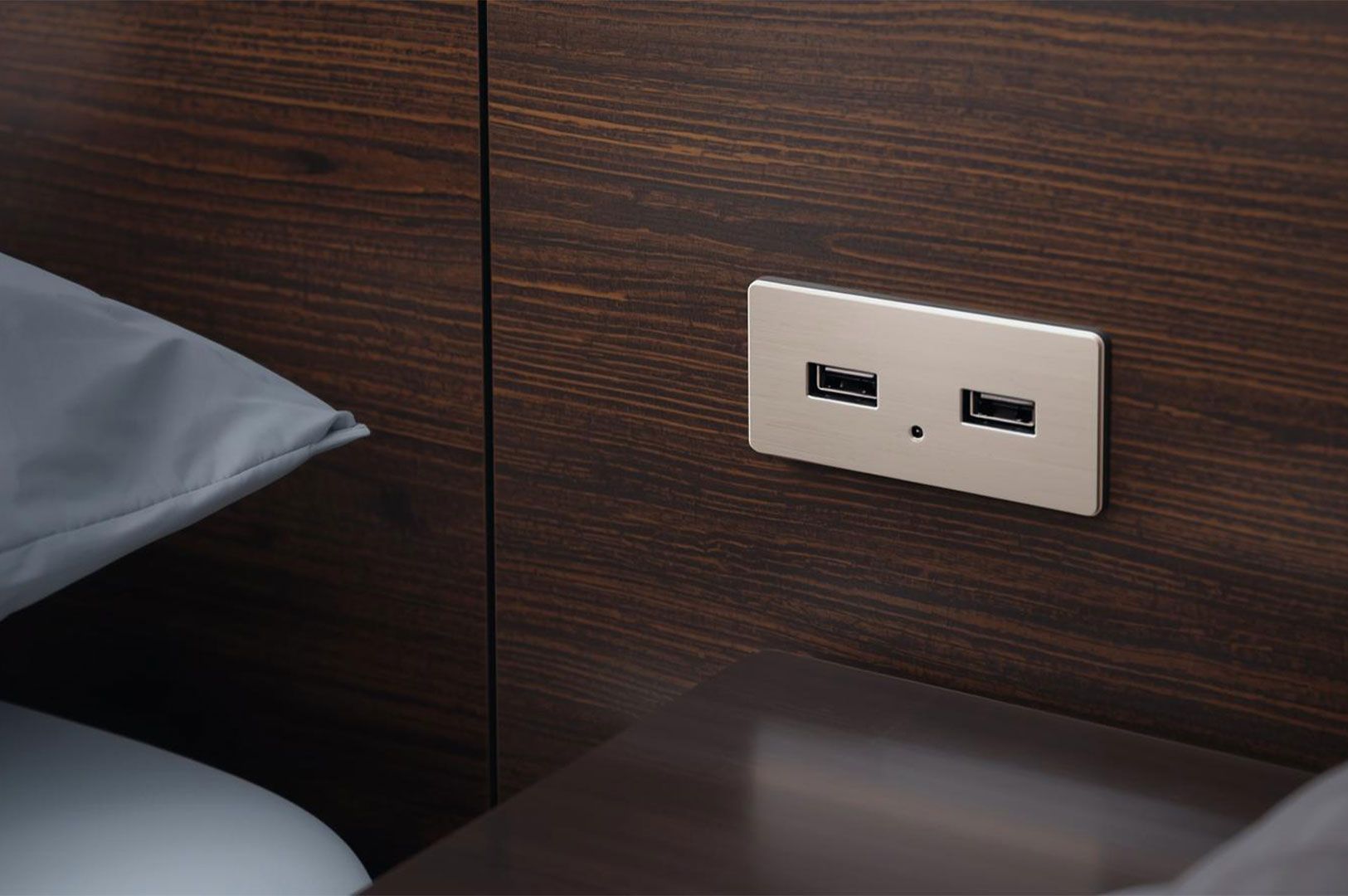
There is nothing more frustrating than arriving in a beautiful suite, only to find there are no available outlets near the bed. A truly thoughtful property has multiple outlets and USB ports integrated into both sides of the headboard. It’s a simple detail that shows they understand their guests need to charge their phones, watches, and other devices overnight while keeping them within reach.
The International Traveler's Best Friend: Universal Outlets
Another game-changer is the presence of built-in universal power outlets. It means I don't have to rummage through my luggage for the right adapter the moment I arrive. My boss can immediately plug in his laptop and get to work. It’s a small touch that says, "We welcome international guests, and we’ve prepared for you." The importance of these different plug types is a classic traveler's challenge, detailed on resources like the International Electrotechnical Commission's website.
Lighting that Actually Works for Living

Hotel room lighting is notoriously bad. It's often a confusing array of switches that result in a room that is either dark and moody or lit like a surgical theater, with nothing in between.
The Magic of Master and Scene Controls
The pinnacle of hotel lighting is a single, intuitive master switch by the door that turns everything off. Even better are bedside controls with pre-set "scenes": 'Read,' 'Relax,' 'Morning.' This intuitive lighting design means you aren't fumbling with a dozen different switches to create the right ambiance.
The Guiding Light: The Nightlight
A subtle, motion-activated nightlight under the bed or along the baseboard in the bathroom is a mark of genius. It provides just enough light for a middle-of-the-night trip to the bathroom without a blinding overhead glare that wakes you (and your partner) up completely. It’s a perfect example of an anticipatory amenity.
The Unsung Hero: The Luggage Rack

I have a particular fondness for a well-designed luggage area. It’s a small thing that has a huge impact on the comfort and organization of a room.
The Sadness of the Single, Flimsy Rack
Most hotels provide one small, rickety luggage rack. For a couple or a long-stay traveler, this is completely inadequate. It results in a second suitcase living on the floor, creating a trip hazard and a constant state of clutter.
The Gold Standard: A Built-in Luggage Bench
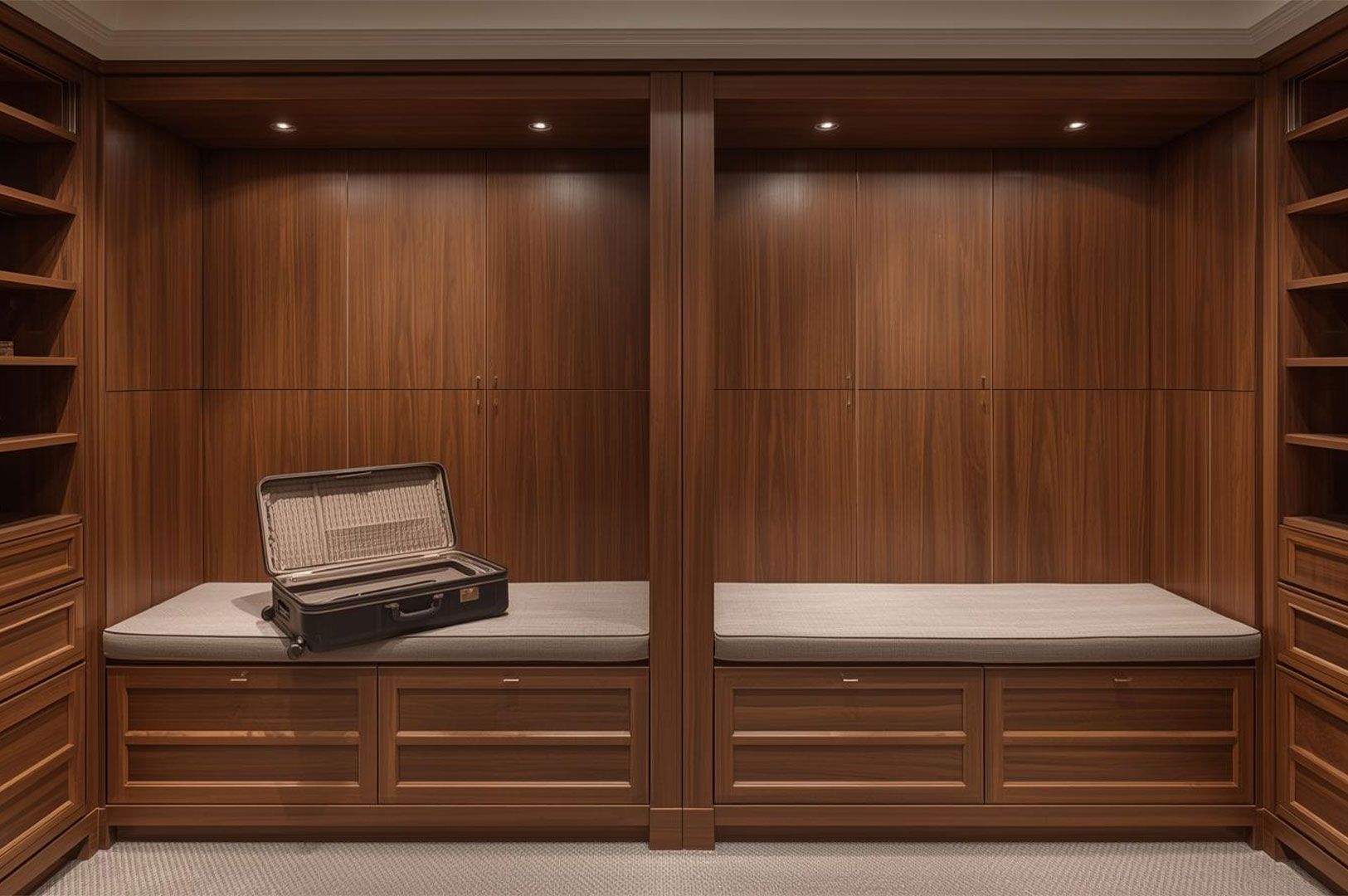
The best properties design a dedicated, built-in luggage bench or a closet with a large, sturdy luggage platform. The absolute gold standard is
providing two of them. It’s a clear signal that the hotel understands the reality of modern travel. When I see two luggage racks in a room, I know I’m in a place that takes hospitality seriously.
The Bathroom: A Sanctuary of Functionality

A luxurious bathroom is about more than just a deep soaking tub or a rainfall shower. It’s about superior functionality.
Counter Space: The Final Frontier
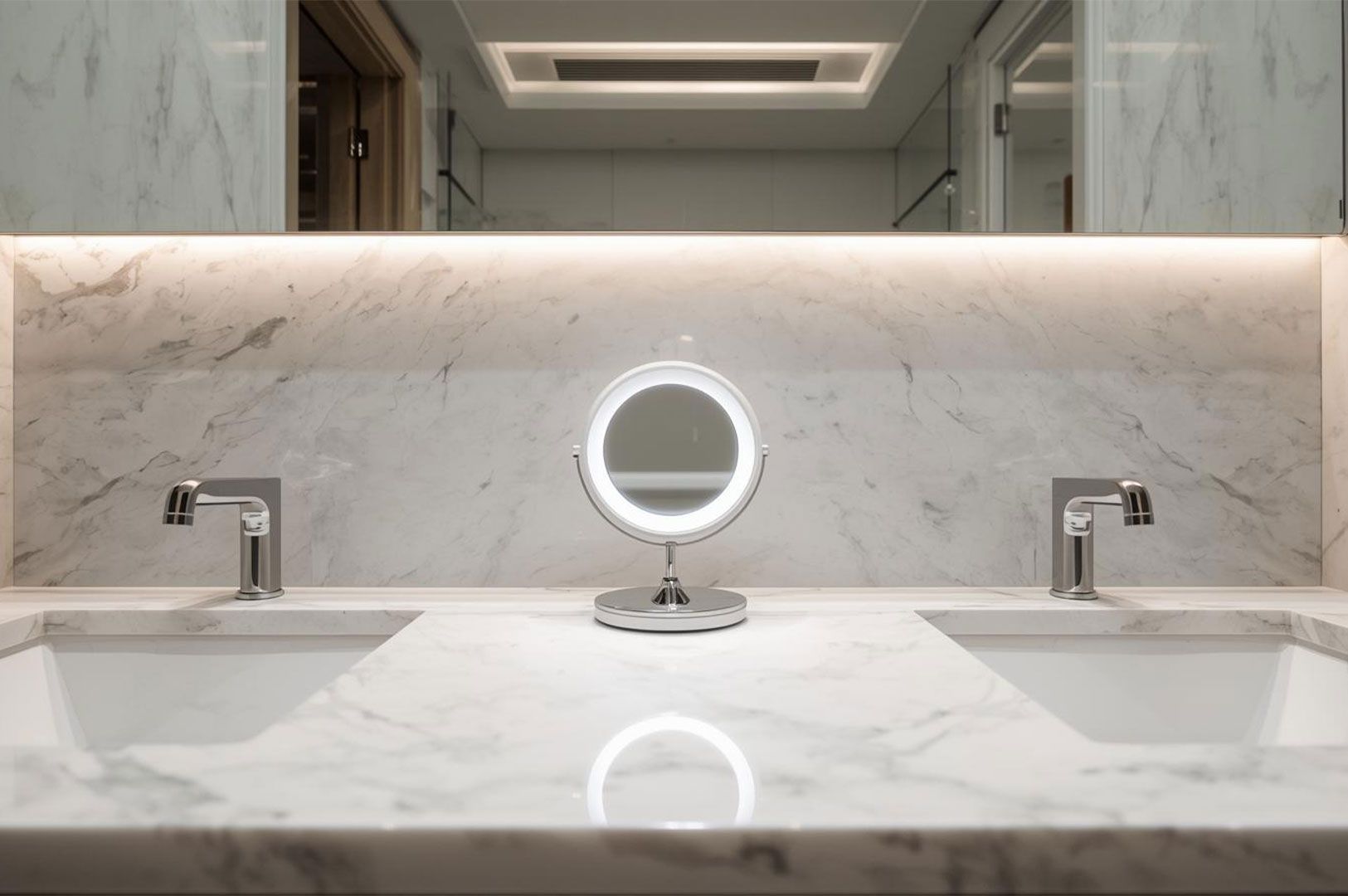
A common failure in even the most expensive hotels is a lack of bathroom counter space. A single pedestal sink with nowhere to put your toiletries is a design crime. True luxury is having ample, usable counter space, preferably a double vanity, so that two people can comfortably get ready.
A Magnifying Mirror with Proper Lighting
A high-quality, well-lit magnifying mirror is an essential tool for shaving or applying makeup. Too often, they are unlit or placed at an awkward height. A good one is a small detail that is deeply appreciated by guests.
The Quiet Power of a Silent Fan
A loud, rattling bathroom fan can ruin a peaceful atmosphere. A high-quality, whisper-quiet ventilation system is a mark of superior design and a true, if invisible, luxury amenity. This attention to acoustics is a feature of high-end construction, as noted by experts in architecture and design, a field covered by publications like
Architectural Digest.
Thoughtful In-Room Refreshments

The minibar is evolving from a sad collection of overpriced nuts into a thoughtful, curated offering.
Complimentary, High-Quality Basics
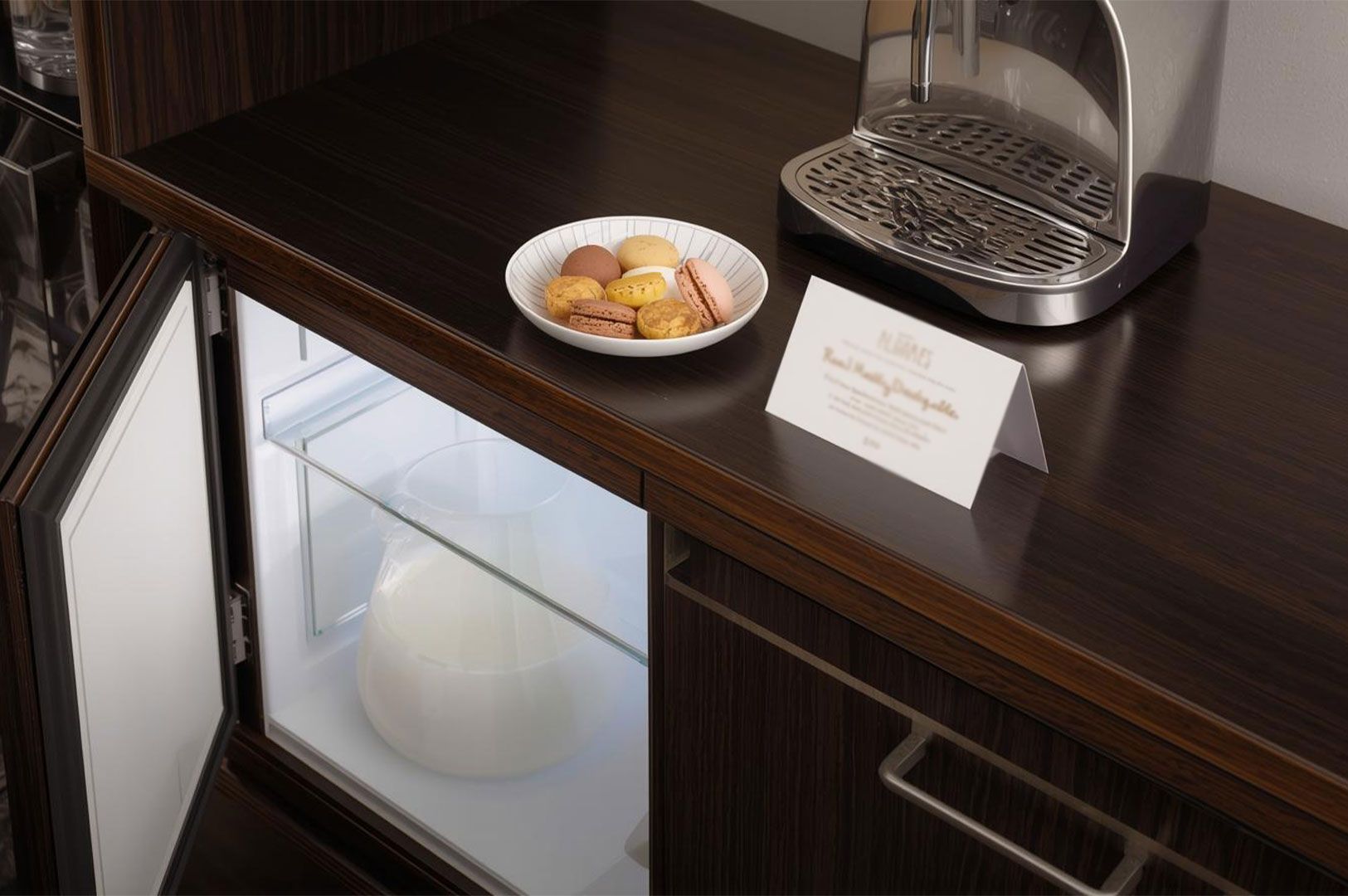
The best hotels now offer complimentary, high-quality basics. This always includes bottled water, but increasingly extends to a top-tier coffee machine (like a Nespresso) with a generous supply of pods and fresh milk in the fridge—not those dreadful little UHT packets. This simple gesture of hospitality makes a guest feel cared for rather than nickel-and-dimed. This trend is noted by hospitality industry analysts at firms like Skift.
A Touch of Local Flavor
A truly exceptional property goes one step further by including a complimentary local treat. A bowl of fresh local fruit on the Amalfi Coast, a box of artisanal macarons in Paris, or a small bottle of sake in Tokyo. It's a way of welcoming a guest and introducing them to the destination's culture. This is a practice embraced by tourism boards from the Italian National Tourist Board to Go Tokyo.
A Personal Anecdote: The Blackout Blind Breakthrough
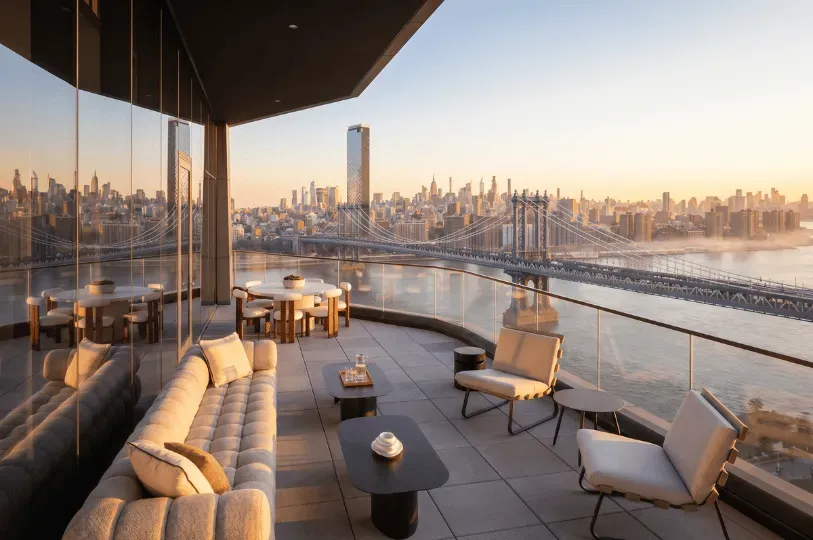
I once checked my boss into a stunning penthouse suite in New York City. The floor-to-ceiling windows offered a breathtaking view of the skyline. However, my boss is a very light-sensitive sleeper, and I noticed a small sliver of light coming from the edge of the automated blackout blinds. It was minor, but I knew it would bother him.
I mentioned this in passing to the hotel manager during my pre-arrival check. When we returned to the room after dinner, I saw that the hotel's engineering team had discreetly installed a custom-fitted, temporary velcro strip along the edge of the window frame, creating a perfect seal. There was no fuss, no elaborate apology—just a swift, silent, and effective solution. That proactive problem-solving was more impressive than any grand gesture. That is true luxury.
Luxury is the Absence of Friction
The world's most luxurious accommodations are not defined by their gold taps or marble lobbies. They are defined by a deep, empathetic understanding of the traveler's needs. True luxury is the absence of friction. It's the quiet confidence that everything will work, that your needs will be met, and that you can relax and focus on the purpose of your trip.
The next time you check into a hotel, look beyond the obvious. Notice the placement of the power outlets, the quality of the lighting, and the number of luggage racks. These are the overlooked amenities, the silent storytellers that reveal the true level of thought and care that has gone into your stay. They are the details that, for a professional traveler, are the greatest luxury of all—an attention to nuance also explored in The Unseen Logistics: How Private Residences Prepare for VIP Arrivals and When Dinner Becomes Theater: The Rise of Experiential Fine Dining.