The Jetlag Chronicles: Managing Your Body Clock Across Time Zones

May 4, 2026 |J.C. Yue

There is a stark difference between sitting in a plush airplane seat and actually arriving at your destination ready to function. As a personal assistant who has spent the last decade orchestrating the lives of an ultra-high-net-worth employer across more than forty global destinations, my reality is measured in crossing meridians. We might close a deal over a late dinner in Tokyo on Tuesday, only to navigate a breakfast meeting in London by Thursday morning.

Behind the glossy facade of private aviation and five-star penthouse suites lies an unforgiving biological reality. Your body does not care how much the flight cost; it cares that the sun is suddenly rising when it should be setting. This guide explores the unglamorous but essential art of managing your body clock, offering an authentic look into how the world’s most frequent flyers survive the relentless demands of constant global mobility.


The Hidden Reality of Constant Global Mobility

Most travelers view jet lag as a minor inconvenience, an excuse to order room service at 3:00 AM and watch movies. For my employer and me, it is a formidable professional obstacle.


Why Managing Jetlag is a Professional Necessity

When millions of dollars or critical international relationships are on the line, you cannot afford cognitive fog. The ability to step off a plane and immediately perform at an elite level requires strict discipline. Over the years, I have transformed from someone who suffered through exhausting transatlantic fatigue into someone who actively engineers optimal travel recovery.


We do not just wing it. We treat our circadian rhythms with the same meticulous attention we apply to our investment portfolios. Understanding the science behind this is crucial, and reading materials from esteemed medical organizations, like the Mayo Clinic guide to jet lag, offer excellent foundational knowledge on why our bodies rebel against rapid timezone changes.


Pre-Flight Preparation: Shifting Your Internal Clock

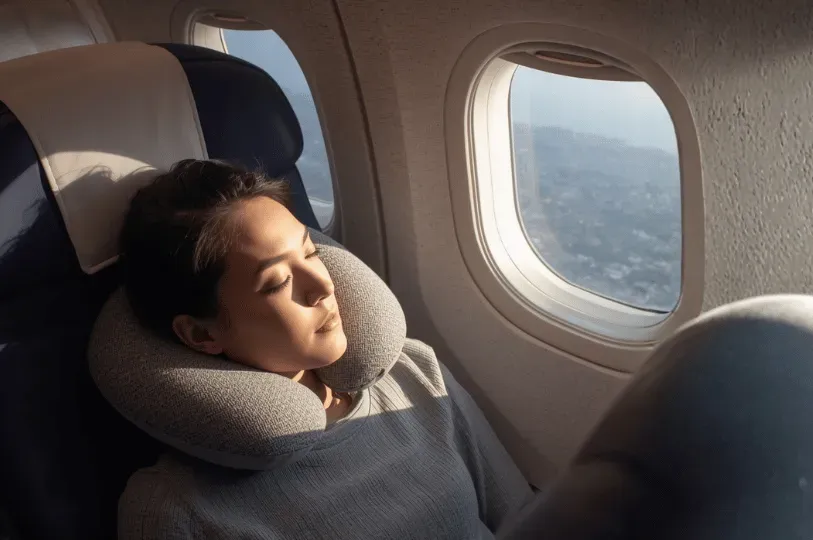
A woman sleeping peacefully in an airplane window seat using a grey U-shaped neck pillow. Soft sunlight from the window illuminates her face, highlighting a strategy for resting during long-haul flights.

The process of overcoming severe jet lag does not begin when the plane takes off. It begins at least three days before departure.


The Art of Light Exposure Before Departure

Light is the primary cue that tells our brains when to sleep and when to wake. When we are preparing to fly east—which is notoriously harder on the body than flying west—I systematically adjust our schedules. We wake up an hour earlier each day and immediately open the blinds to flood the room with morning light.


Adapting Circadian Rhythms Naturally

We also shift our meal times to align closer to our destination. If we are heading from Singapore to New York, eating a heavy steak dinner at 8:00 PM local time confuses the digestive system, which is closely linked to our sleep cycles.


The Executive Travel Mindset

My employer initially resisted these pre-flight adjustments. However, after landing in Manhattan for a crucial board meeting completely refreshed, the value became undeniable. We now utilize apps that calculate exact light exposure schedules. You can explore the fascinating mechanics of our internal clocks via the Sleep Foundation's research on circadian rhythms.

In-Flight Strategies for Luxury Travelers

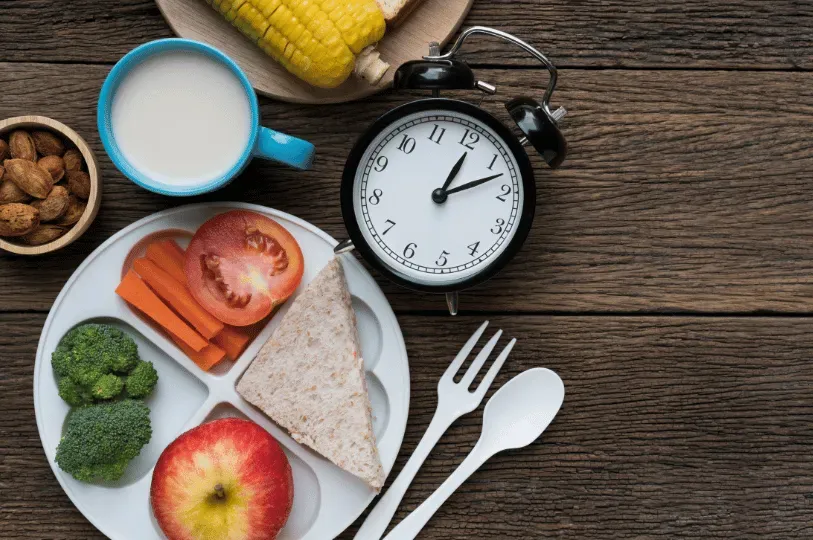
A top-down view of a healthy meal plate with a sandwich, broccoli, carrots, and an apple next to an analog alarm clock set to 1:10. This visual emphasizes the importance of timing meals to manage circadian rhythms.

Aviation technology has advanced incredibly, but spending fourteen hours in a pressurized aluminum tube still takes a massive toll on the human body.


Hydration and High-Altitude Nutrition

The air inside an aircraft cabin is drier than most deserts. Dehydration mimics and exacerbates the symptoms of travel fatigue. When we fly, I maintain a strict protocol: no alcohol and zero caffeine for the first half of the journey.

We rely heavily on water and electrolyte supplements. Furthermore, the dining experience at 40,000 feet, even when prepared by a private chef, should be approached with caution. Digesting heavy, sodium-rich meals at altitude requires massive energy, drawing blood away from the brain and making it harder to sleep. We stick to light proteins and steamed vegetables.


When to Sleep on a Long-Haul Flight

The moment we step onto the aircraft, our watches immediately change to the destination time. This psychological shift is vital for long-haul flight recovery.

If it is daytime at our destination, we force ourselves to stay awake, utilizing the aircraft’s bright LED lighting to suppress melatonin production. If it is nighttime where we are heading, we prioritize sleep immediately, even if it means skipping the elaborate multi-course meal service.


The Cabin Environment Factor

We control our immediate environment ruthlessly. I always pack a high-grade silk eye mask and custom-molded noise-canceling earplugs. Blocking out the ambient noise of the engines and the intermittent galley lights is essential for achieving deep, restorative REM sleep in the air.


Creating a Micro-Climate

I also manage the temperature of our seating area. Airplanes often fluctuate between freezing and stifling. Layering breathable fabrics like cashmere and merino wool allows us to regulate our body heat without constantly adjusting the overhead vents. For those interested in how commercial airlines are attempting to improve the passenger environment, checking out the International Air Transport Association (IATA) provides great industry insight.


Arrival Tactics: Beating the First 24 Hours

The most critical window for managing your body clock is the first twenty-four hours after you land. What you do during this period dictates your energy levels for the rest of the trip.


Grounding and Strategic Sunlight

Upon landing, the absolute worst thing you can do is retreat into a dark hotel room. We always aim to arrive during daylight hours. After clearing customs and settling into our luxury hotel suite, I immediately schedule an outdoor activity.

We take a brisk thirty-minute walk, regardless of how exhausted we feel. Exposure to natural sunlight is the fastest way to reset your biological clock. In places like London, where winter sunlight is scarce, this becomes even more vital.


Why Napping is Often a Trap

The urge to lie down "just for an hour" is incredibly strong after a long flight. I constantly have to manage my employer’s schedule to prevent this. A one-hour nap inevitably turns into a four-hour deep sleep, completely destroying any progress we made in shifting our travel sleep schedule.

If we absolutely must rest to survive an evening event, I enforce a strict twenty-minute power nap rule. This prevents the brain from entering deep sleep cycles, ensuring we wake up without that terrible, groggy feeling.


The Role of the Hotel Environment

When selecting accommodations, I prioritize properties that understand the needs of the global business traveler. The concierge team must be capable of supporting our erratic schedules.


Curating the Perfect Sleep Sanctuary

When it is finally time to sleep at our destination, the hotel room must be pitch black. I routinely ask housekeeping to tape down the blinking lights on the television and smoke detectors. The temperature is set precisely to 65 degrees Fahrenheit (18 degrees Celsius), which research indicates is the optimal environment for deep sleep. To understand how luxury properties are adapting to wellness needs, you can review hospitality trends on the Forbes Travel Guide.

Supplements, Routines, and Travel Longevity

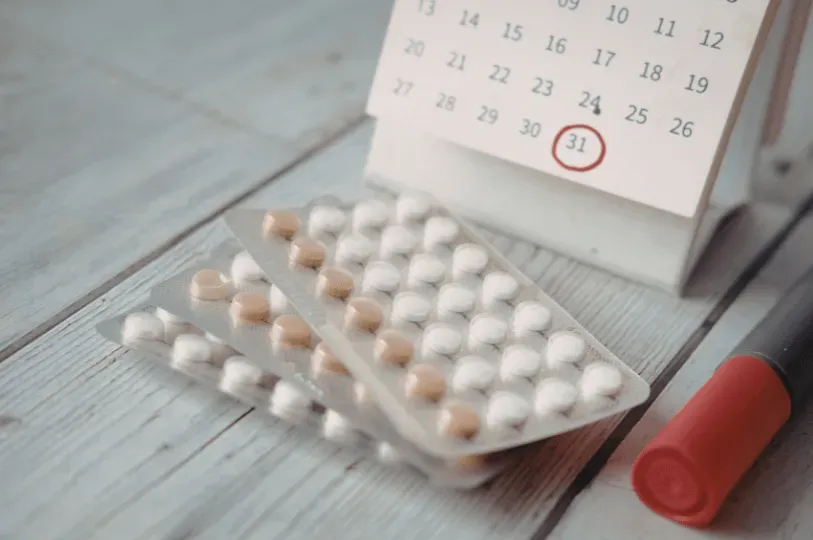
 A close-up of two blister packs of white and tan pills resting on a wooden surface. This suggests the scheduled use of supplements or medication for managing sleep cycles.

While I prefer natural methods, sustaining this lifestyle sometimes requires a bit of chemical assistance.


Melatonin and Natural Sleep Aids

We use melatonin strategically, not as a sleeping pill, but as a biological signal to tell the brain it is time to wind down. Taking a tiny dose roughly two hours before our new target bedtime helps smooth the transition.

We also rely heavily on magnesium supplements to relax muscle tension accumulated from long hours of sitting. Incorporating a hot bath into the evening routine drops the core body temperature slightly when you step out, which naturally mimics the body’s preparation for sleep.


Maintaining Exercise Routines Abroad

Exercise is a highly underutilized tool for combating jet lag symptoms. Even if we arrive at a destination at 6:00 AM after a red-eye flight, we hit the hotel gym.

It does not need to be a grueling workout. Twenty minutes of light cardio or stretching gets the blood flowing, releases endorphins, and signals to the body that a new day has officially started. Maintaining this routine across forty countries has been the cornerstone of our travel longevity.


The Reality of Burnout

No amount of first-class luxury can fully protect you from the physical toll of living out of a suitcase. As a traveling personal assistant, I have experienced the profound loneliness of waking up in a beautiful Paris apartment at 3:00 AM, unable to sleep, while everyone I know back in Singapore is having lunch.

It requires immense mental fortitude. You have to learn to be comfortable in the quiet, disjointed hours of the night. Sometimes, luxury travel experiences just mean having a beautifully appointed kitchen to make a cup of chamomile tea while you wait for the rest of the city to wake up.


Cultural Approaches to Rest and Recovery

Traveling globally allows you to observe how different cultures approach rest. Understanding these local rhythms actually helps us adapt faster.


Adapting to the Local Pace

When we land in Spain or Italy, we immediately adopt the local schedule, which often involves later dinners and a more relaxed afternoon pace. In Tokyo, the culture of early, quiet mornings dictates our routine.

By surrendering to the rhythm of the city rather than fighting it, the psychological burden of the timezone shift feels much lighter. For travelers wanting to understand destination-specific cultural norms, the World Tourism Organization (UNWTO) offers fascinating insights into global travel behaviors.


The Silent Service of High-End Hospitality

The best hotels anticipate your jet lag. When staying at elite properties in Asia, the staff will often notice if you are awake at unusual hours. They quietly offer a subtle, unscheduled tea service or ensure the morning newspapers are delivered to your door earlier than usual.

This invisible, intuitive service is the hallmark of high-end hospitality. It transforms the isolation of jet lag into a moment of quiet, cared-for reflection. For a deeper look into personalized luxury, explore the remarkable private butler experiences around the world.

Dietary Adjustments for Timezone Shifts

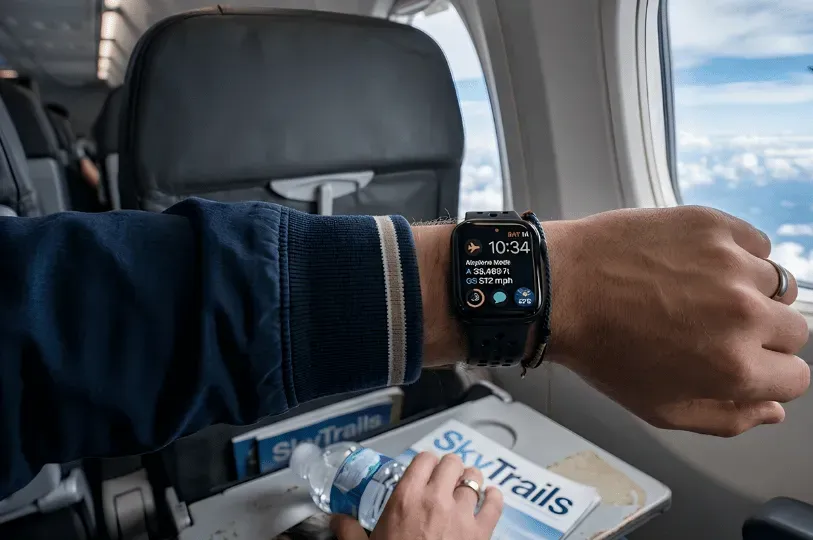
A passenger's arm wearing a smartwatch that displays

Food is a powerful zeitgeber—an environmental cue that synchronizes our biological rhythms.


Fasting as a Jetlag Hack

One of our most effective strategies for managing time zones involves a strategic fasting protocol. We often stop eating roughly fourteen hours before our target breakfast time at the new destination.

When you finally break the fast in the new time zone, it sends a massive signal to your internal clock that a new day has begun. It is demanding, but the clarity it provides upon landing is remarkable.


Selecting the Right Foods Upon Arrival

When we do eat, we prioritize protein in the mornings to promote wakefulness and complex carbohydrates in the evening to induce sleepiness. Exploring the local culinary scene is one of the greatest joys of travel, but during those first forty-eight hours, we eat purely for function and recovery. You can read more about the intersection of diet and travel health through resources provided by the World Health Organization (WHO).

Conclusion: Mastering the Jetlag Chronicles

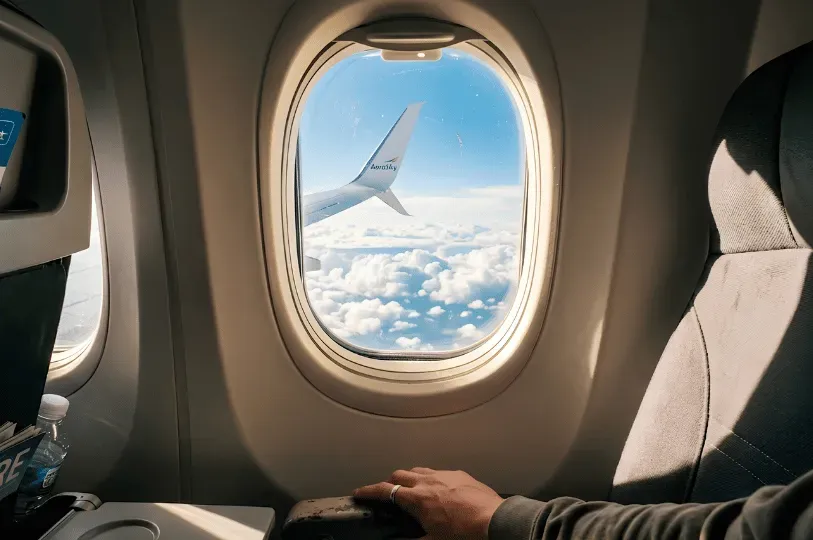
A view through an airplane window showing the wing of the plane and a thick layer of white clouds under a bright blue sky. The sunlight streaming into the cabin illustrates the exposure to natural light while traveling.

The glamorous veneer of international travel heavily relies on perfectly curated Instagram photos of champagne in departure lounges. What you do not see is the discipline required to maintain that lifestyle without burning out completely.

Mastering the jetlag chronicles is an ongoing experiment. It requires you to listen closely to your body and respect its limitations. As a global assistant, my greatest advice is to stop viewing the timezone shift as an enemy to be fought, and instead treat it as a puzzle to be solved.

By controlling your light exposure, hydrating obsessively, and adapting quickly to your destination’s rhythms, you can transform the grueling process of crossing time zones into a manageable, almost seamless transition. True luxury is not just about where you sleep; it is about having the energy and presence of mind to fully experience the world once you wake up.

Share this article

Recent Posts

A dedicated chef in a dark blue uniform expertly searing scallops in a flaming pan within a bustling
By J.C. Yue May 5, 2026
Discover the midnight chef's secret menu. A global personal assistant reveals the truth about restaurant kitchens after hours and exclusive luxury dining.
A woman dressed as a maiko in a vibrant red floral kimono sits serenely before an elegant kaiseki me
By J.C. Yue April 28, 2026
Discover the hidden philosophy of Kaiseki in Kyoto. An insider's guide to high-end Japanese dining, traditional ryotei reservations, and exclusive luxury travel.
Patrons enjoy drinks inside a sophisticated Melbourne hidden bar featuring a striking, undulating wo
By J.C. Yue April 27, 2026
Explore Melbourne's secret bar scene and hidden speakeasy culture. Discover luxury underground bars, exclusive cocktail lounges, and discreet private access.
A uniformed hotel bellhop pushes a classic brass luggage cart loaded with bags through a luxurious,
By J.C. Yue April 21, 2026
Discover the art of the hotel upgrade with insights from a global travel assistant. Learn the secret strategies to secure luxury travel experiences and premium suites.
Modern white building with lush rooftop garden and balcony plants under a partly cloudy sky, conveyi
By J.C. Yue April 20, 2026
Discover the complex reality of managing household teams in private residences globally. An insider's look at domestic staff and luxury travel experiences.
Aerial view of Dubai at sunset, showcasing the Burj Khalifa surrounded by modern skyscrapers and int
By J.C. Yue April 14, 2026
Discover Dubai's hidden luxury experiences with a private assistant. Explore exclusive desert safaris, underground dining, and off-the-beaten-path travel secrets.
Scenic coastal view with turquoise water, rugged cliffs, and small sandy beach fringed by palm trees
By J.C. Yue April 13, 2026
An insider's guide to Bali's authentic healing traditions. Discover hidden sanctuaries, real Balian healers, and spiritual rituals beyond the wellness spas.
Nighttime city street in Bangkok featuring illuminated skyscrapers, bright digital billboards, and moving traffic.
By J.C. Yue April 7, 2026
An insider's perspective to navigating Bangkok's hidden and exclusive rooftop experiences. Discover the best sky bars beyond the tourist traps for a truly unique view.
Elegant room with ornate wooden panels featuring gold accents and intricate carvings.
By J.C. Yue April 6, 2026
An insider's guide to navigating Penang's exclusive heritage hotels. Discover the hidden gems of Georgetown and find the perfect stay for your trip.
The golden Kinkaku-ji temple sits beside a reflective pond, surrounded by lush green trees under a cloudy sky.
By J.C. Yue March 31, 2026
An insider's guide to finding Kyoto's hidden temple gardens and private contemplation spaces. Discover the art of stillness away from the tourist crowds.
Show More