The Art of the Hotel Upgrade: Insights from Someone Who's Seen It All
April 21, 2026 |J.C. Yue
Stepping up to the reception desk of a five-star property often feels like a negotiation where only one side knows the rules. As a personal assistant who has managed global travel for an ultra-high-net-worth employer across 40 different countries, I have spent a decade learning those exact rules. I have secured penthouses, orchestrated early check-ins, and transformed standard bookings into magnificent luxury travel experiences.
Most travelers believe that securing a better room is purely a matter of luck or simply having the right credit card. However, this is a misconpception. Upgrades are rarely random. They are calculated decisions made by hospitality professionals balancing inventory, revenue, and guest relations.
Mastering the art of the hotel upgrade requires a deep understanding of human psychology, strategic timing, and hospitality operations. This guide will take you behind the curtain, revealing the exact strategies I use to secure unadvertised room enhancements in some of the most exclusive properties worldwide.
Discover the ultimate in luxury travel by exploring private butler experiences around the globe with this insightful guide.
Demystifying the Luxury Hotel Upgrade
Before you can successfully request a better room, you must understand the environment you are navigating. A hotel is a complex ecosystem focused heavily on yield management.
Why Hotels Actually Grant Room Enhancements
Hospitality managers do not hand out complimentary suites simply because a guest asks nicely. They grant an exclusive hotel upgrade when it serves the operational goals of the property.
The Hidden Economics of Empty Suites
A hotel would much rather upgrade a polite, low-maintenance guest to a premium suite than let it sit empty. Upgrading a standard room booking frees up entry-level inventory. This is crucial because entry-level rooms are much easier to sell to last-minute walk-in guests. Understanding this basic principle of yield management gives you a significant advantage. The Cornell University School of Hotel Administration frequently highlights inventory optimization as the backbone of modern hospitality.
Preparation Before Arrival: The Assistant's Playbook
The most effective work happens long before the chauffeur pulls up to the hotel entrance. Spontaneous desk requests rarely yield the best results.
Establishing Meaningful Pre-Arrival Communication
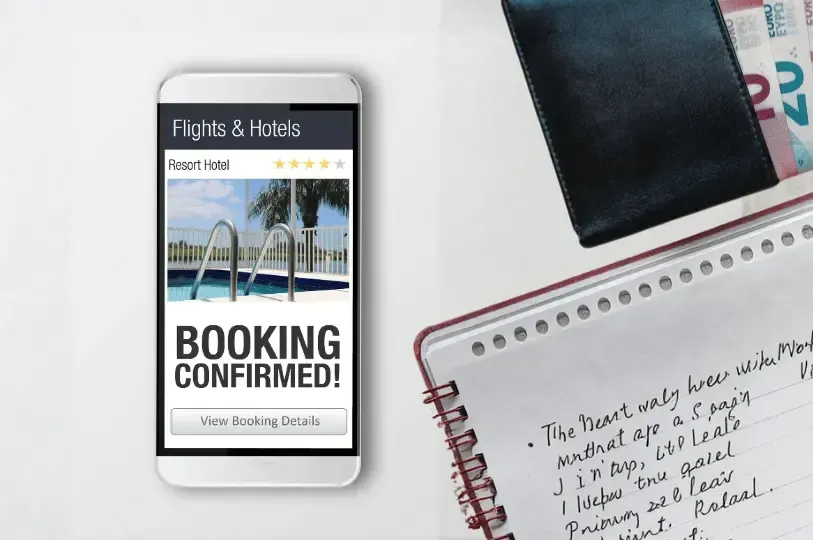
I never let my employer arrive at a property unannounced. About a week before check-in, I establish contact with the management team. This is a critical step in securing a luxury hotel upgrade.
The Power of the Introductory Email
I reach out directly to the Director of Rooms or the Guest Relations Manager. The goal is to open a dialogue, introduce the guest, and subtly plant the seed for a potential upgrade.
Crafting the Perfect Message
The tone of this communication must be polite, professional, and entirely devoid of entitlement. I mention the purpose of the trip and ask a few genuine questions about the property. By doing this, I transform my employer from a faceless reservation number into a highly anticipated VIP guest. Establishing this human connection is vital, a practice deeply rooted in the history of the hospitality industry.
Loyalty Programs and Strategic Booking Methods

While human connection is essential, the technical mechanics of your reservation still carry massive weight. How you book matters just as much as who you know.
Leveraging Elite Luxury Travel Advisors
Direct bookings are fine, but utilizing preferred partner programs is vastly superior. Programs like Virtuoso or specific luxury hotel networks carry immense power.
Moving Beyond Basic Tier Status
Many travelers rely solely on their standard hotel loyalty tier. However, booking through a specialized travel advisor often places you higher on the complimentary hotel upgrade priority list than someone with mid-tier status. These advisors hold massive financial sway with the properties. If you want to understand how these global networks operate, the Global Business Travel Association offers extensive data on preferred partner influence.
The Arrival: Orchestrating the Perfect Check-In
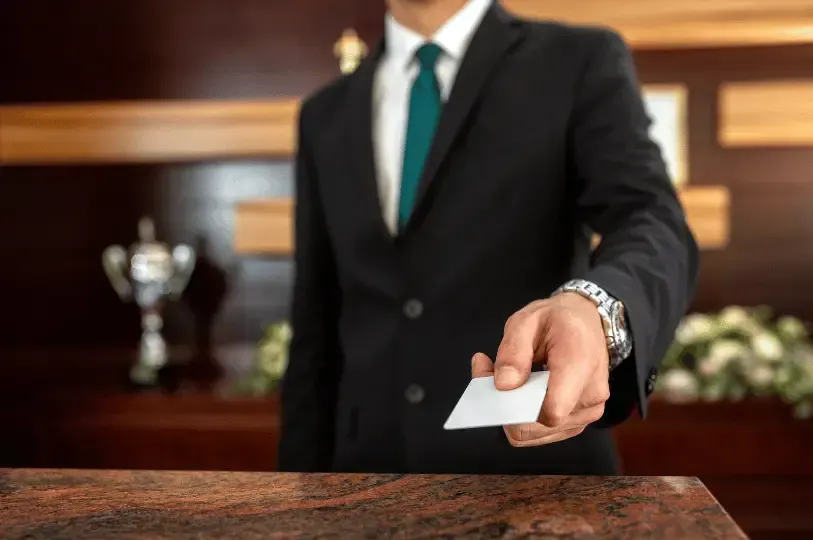
The physical check-in is your final opportunity to secure a better room. How you present yourself in those first three minutes dictates everything.
Timing Your Arrival for Maximum Success
Arriving at exactly 3:00 PM alongside thirty other frustrated travelers is a terrible strategy. The front desk staff are overwhelmed, and their only goal is processing the queue as fast as possible.
Avoiding the Hospitality Rush Hour
If you want a
meaningful room upgrade, you must arrive when the staff actually has the time to evaluate their inventory. I often aim for a mid-morning arrival if the hotel has processed their early check-outs, or a late evening arrival when the final no-shows are being tallied.
The Human Element of Hospitality

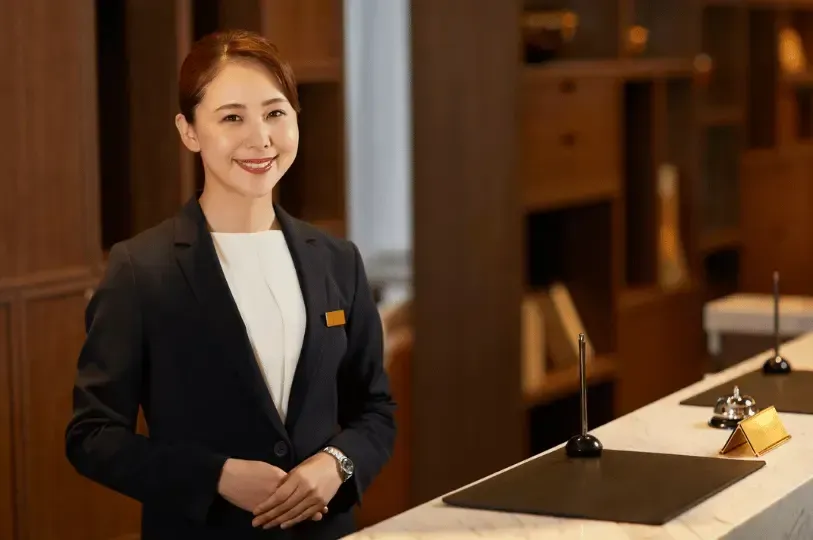
The agent standing across from you has the power to drastically alter your stay. Treat them as an equal professional. Use their name, make genuine eye contact, and acknowledge their effort. A warm, composed demeanor is incredibly rare in luxury hospitality, and agents will frequently reward pleasant guests with a premium suite upgrade simply because they enjoyed the interaction.
Behind the Scenes: A Personal Anecdote from Tokyo
To illustrate these principles, I often recall a highly stressful situation we encountered during a business trip to Japan.
Navigating Last-Minute Schedule Changes
We were scheduled to arrive in Tokyo for a crucial summit. My employer's meetings shifted, forcing us to arrive two days earlier than planned. The city was operating at near-maximum capacity due to a major cultural festival.
Turning a Booking Crisis into a Presidential Suite
I immediately called my contact at the property. Instead of demanding a room, I explained our predicament calmly and asked for their guidance. Because I had spent years building a respectful relationship with this specific front desk manager, he went out of his way to help.
He managed to shuffle several internal reservations, moving a non-essential internal booking to accommodate us. Not only did we secure a room, but he provided a spectacular room enhancement, placing us in a panoramic corner suite. This outcome was purely the result of relationship building. You can read more about the meticulous nature of Japanese hospitality, known as Omotenashi, through the Japan National Tourism Organization.
Common Mistakes to Avoid When Seeking Upgrades
Just as there are proven strategies for success, there are guaranteed ways to ensure you remain in your standard room overlooking the parking lot.
The Entitlement Fallacy
The absolute fastest way to ruin your chances is to walk up to the desk and loudly demand an upgrade because of your loyalty status.
Why Aggressive Demands Fail
Hotel staff are trained to handle difficult guests, but they rarely reward them. If you make a scene, the agent will adhere strictly to the rules of your booking code. They will smile, apologize profusely, and politely inform you that the hotel is fully committed. True global travel professionals know that quiet confidence always outperforms loud demands. Organizations like the American Hotel & Lodging Association emphasize de-escalation training for this exact reason.
Ignoring the Value of Discretion
If you are fortunate enough to receive a substantial hotel upgrade, accept it quietly. Do not boast about it in the lobby or loudly thank the agent in front of other guests who are paying full price for standard rooms. Discretion is the hallmark of sophisticated travel.
Understanding the Limits of the System
It is also important to maintain realistic expectations. You cannot hack a sold-out hotel.
Recognizing High Occupancy Periods
If you are traveling to Monaco during the Grand Prix or Venice during the film festival, your chances of a spontaneous suite upgrade are virtually zero. The inventory simply does not exist.
Managing Employer Expectations
Part of my job is managing my boss's expectations. I research the local event calendar meticulously. If I know the city is heavily booked, I secure the exact room category we need at the time of booking. Relying on an upgrade during a peak period is a recipe for disaster. The
Forbes Travel Guide regularly highlights the importance of booking your minimum acceptable room category to avoid disappointment.

The Ultimate Currency: Tipping and Gratitude

Money certainly plays a role in the hospitality industry, but it must be handled with extreme tact.
The Art of the Discreet Gratuity
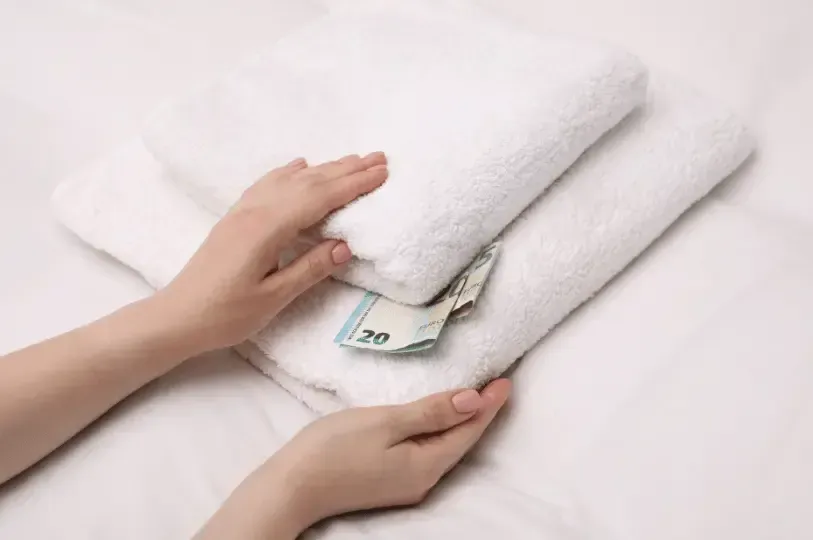
Slipping a folded bill across the counter while asking for an upgrade is a dated, awkward tactic that often offends modern hospitality professionals.
Genuine Appreciation Goes Further
Instead of attempting to bribe an agent for a
luxury room upgrade, tip generously for excellent service after it has been provided. If the concierge secures an impossible reservation, reward them. If the housekeeping team fulfills a complex request perfectly, leave a gracious note and a gratuity. This builds long-term goodwill. The next time you visit that property, the staff will remember you as a generous, appreciative guest, making future upgrades almost automatic.
The Shift in Modern Hospitality Priorities

The industry is changing rapidly. Hotels are relying more on algorithms and automated revenue management systems to dictate room assignments.
Balancing Technology and Human Insight
While the computers suggest who should be upgraded based on lifetime spend, the final decision usually rests with a human being. The front desk manager can always override the system.
Maintaining the Personal Touch
This is why maintaining personal relationships is more critical now than ever before. In an increasingly automated world, human connection stands out. A sophisticated traveler understands that the
secret to hotel upgrades is reminding the staff that they are dealing with a person, not just a reservation number. For insights into how luxury properties balance tech and personal service, the
Michelin Guide for Hotels offers fascinating editorial perspectives.
Conclusion: Cultivating Relationships Over Transactions

Securing a phenomenal room is rarely about outsmarting the system. It is about understanding the people who operate the system.
When you approach the art of the hotel upgrade as an opportunity to build a mutually beneficial relationship rather than a transactional negotiation, your success rate will skyrocket. Be polite, communicate early, utilize preferred booking channels, and always treat the staff with absolute respect.
As a professional assistant, my greatest asset is not my employer's limitless budget. My greatest asset is my network of hospitality professionals who are willing to go above and beyond because I have always treated them fairly. Master this nuanced approach, and you will find that the heaviest, most exclusive doors in the travel world will open for you with surprising ease.