
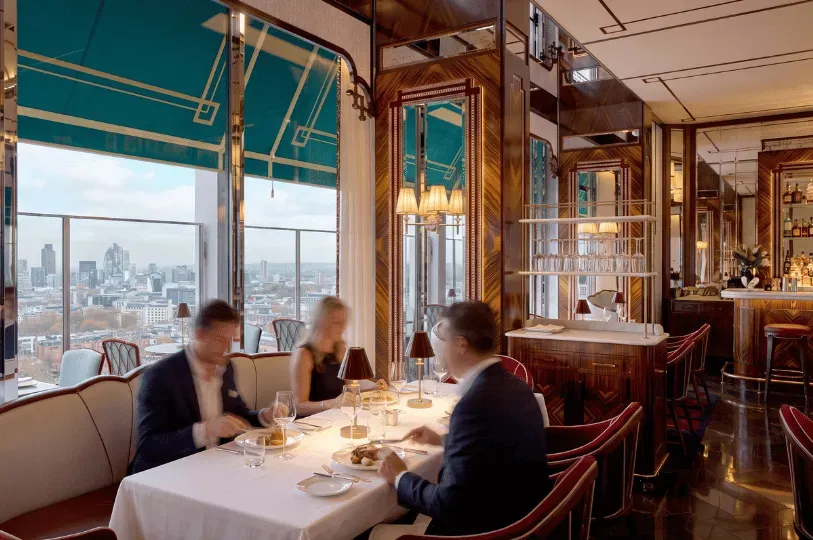
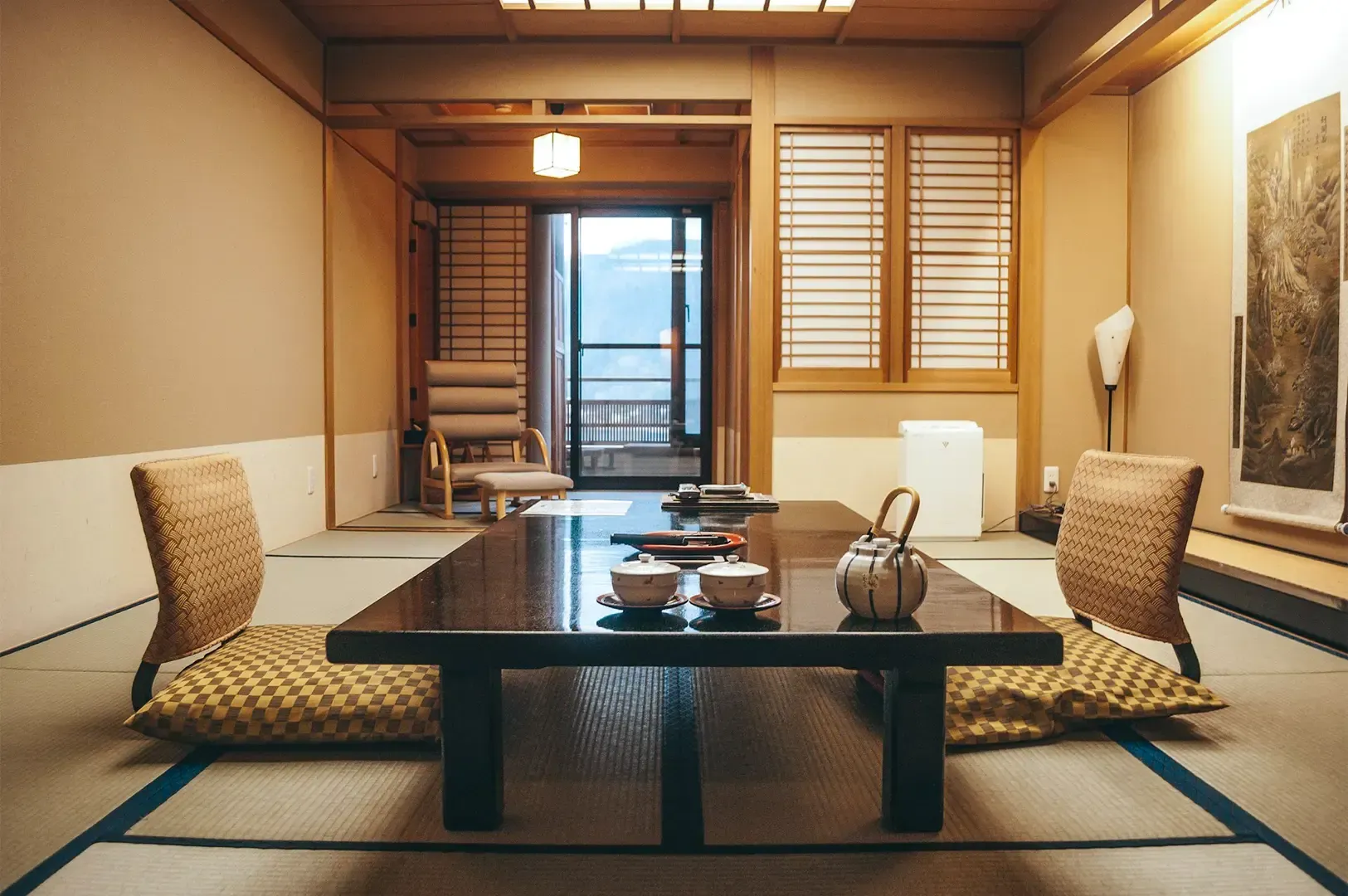
The Table That Knows Your Name: Why Repeat Dining Matters More Than Novelty
July 27, 2026 |J.C. Yue
The first time we walked into a small trattoria in Rome, we were strangers. By the fourth visit, the owner set down a plate of cacio e pepe before my employer had removed his jacket. No menu. No question. Just a nod, and the faint smell of pepper hitting hot pasta water.
That plate taught me something I've spent a decade confirming across more than forty destinations. Repeat dining — returning to the same table again and again — offers something novelty never can.
As a personal assistant who books, coordinates, and quietly observes hundreds of meals a year, I've learned that the best evenings aren't the flashy new openings. They're the rooms that remember you.
This post is for anyone who loves food as more than fuel. If you chase the next hot table but leave feeling oddly empty, this is why. And it's what to do instead.
What Repeat Dining Really Means

Repeat dining isn't loyalty for a discount card. It's the slow building of a relationship between a guest and a kitchen.
You return. The room learns your rhythm. You learn theirs. Over time, the meal stops being a transaction and becomes a conversation — one that unfolds across months, sometimes years.
Beyond the Novelty Trap
Novelty is loud. A new opening promises a luxury dining experience you've never had, and for one night, it delivers. But newness fades fast.
I've watched my employer sit in a celebrated debut restaurant, phone flashing, and feel nothing by dessert. The room didn't know him. He didn't know it. Everyone performed. No one connected.
Why the Familiar Table Wins
The familiar table asks nothing of you. You don't decode the menu or manage first impressions. You simply arrive.
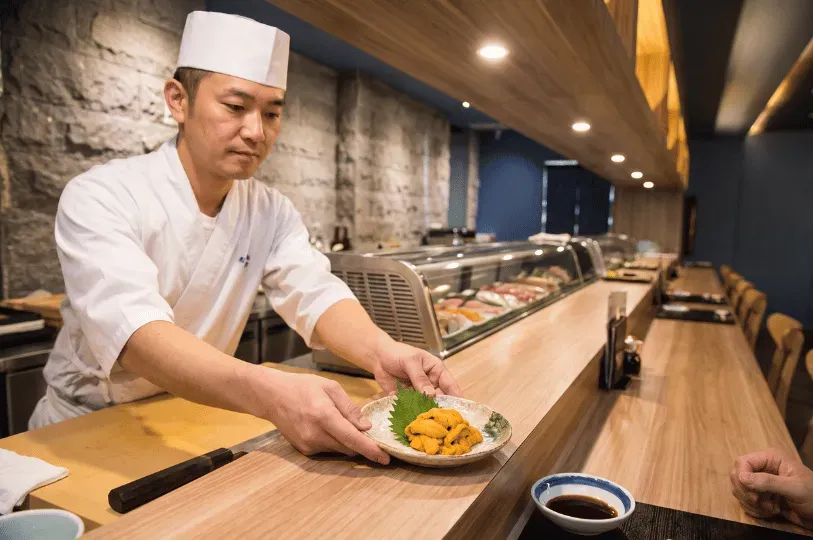
That ease is the whole point. True luxury lies not in excess, but in being known — a principle I first understood watching an omakase chef in Singapore quietly adjust a regular's course without being asked.
The Quiet Power of Being a Regular
There's a specific feeling when a maître d' greets you by name. It isn't vanity. It's belonging.
Becoming one of the
restaurant regulars changes what the kitchen is willing to offer you.
How Kitchens Treat Familiar Faces

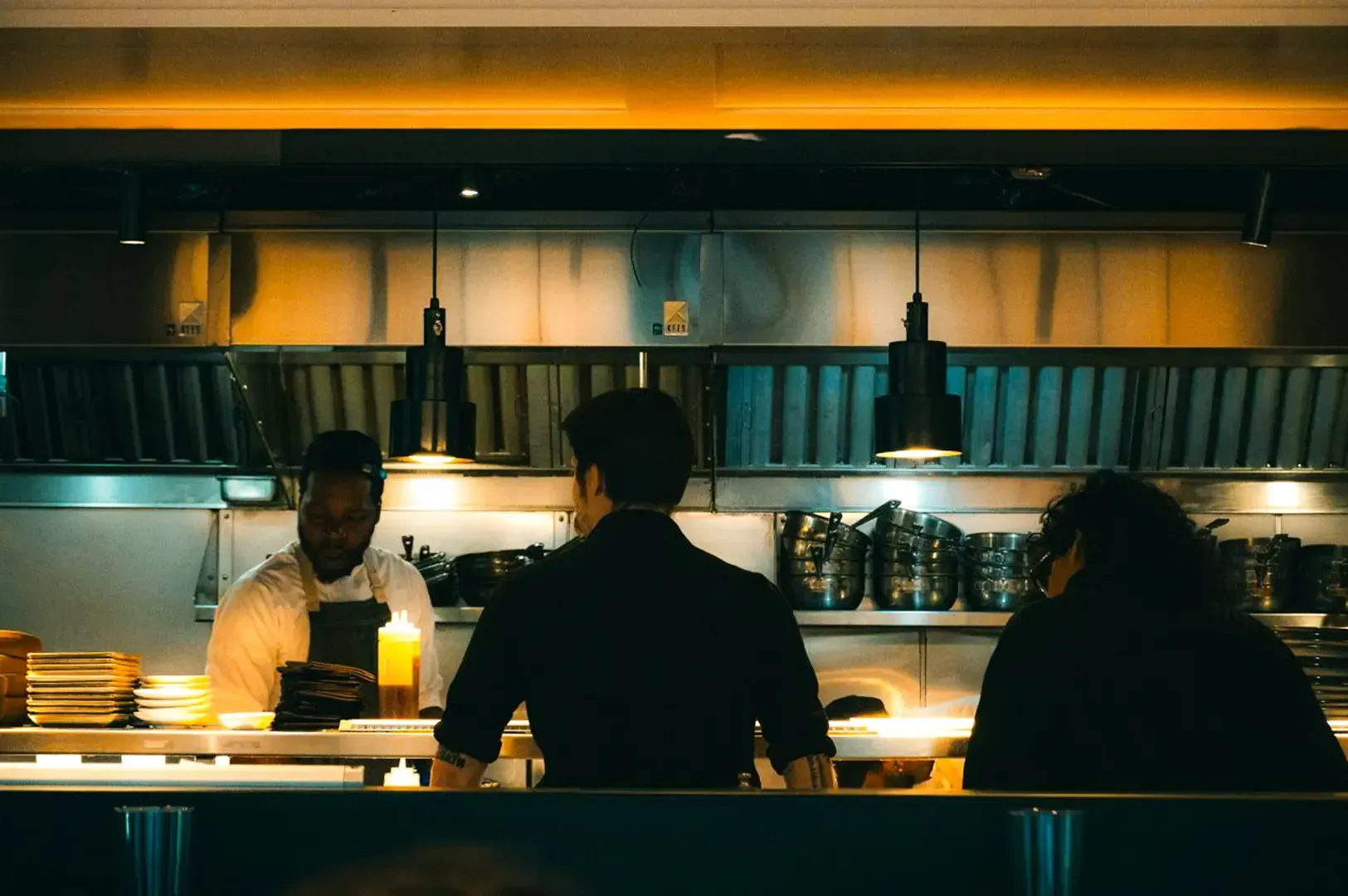
Regulars get the honest specials — the ones never written down. The chef sends out the experiment, the off-menu cut, the thing they're proud of.
I've seen a head chef in Kyoto leave his station to explain a single piece of fish to a guest he'd served for years. That guest wasn't paying more. He'd simply earned trust.
The Trust You Can't Fake
Fine dining loyalty runs both ways. The guest trusts the kitchen. The kitchen trusts the guest.
That mutual trust is why regulars taste dishes before anyone else. You can't buy this. You can only build it, one return at a time.
Fine Dining Loyalty From a Service Perspective
Here's the behind-the-scenes truth most diners never see. My job gets easier the more we return.
The Reservation Advantage
Securing a table at a booked-out room is hard. Securing it as a known guest is a phone call.
When a general manager recognizes my name, the impossible becomes routine. That access is the hidden reward of fine dining loyalty — doors open because a relationship already exists. It's the same principle behind securing hard-to-get bookings, where relationships beat luck every time.
The Personalization Payoff
By the third or fourth visit, I no longer send detailed dossiers about dietary needs. The kitchen already knows.
The allergy is logged. The seating preference is understood. The pacing is instinctive. This is what a mature luxury dining experience feels like — invisible, effortless, and deeply personal.
Best Restaurants for Repeat Visits Around the World
Not every restaurant rewards return. The
best restaurants for repeat visits share a quiet quality: they build memory into service.
Tokyo: Where Regulars Are Sacred

In Japan, the relationship between guest and chef is close to sacred. At a small Tokyo counter, being a regular means the chef plans your meal around the season and your history.
The concept of shun — ingredients at their peak — becomes personal. They remember what moved you last spring, and they build on it.
Rome and the Roman Trattoria

In Rome, the neighborhood trattoria runs on recognition. The same tables. The same families. The same waiter for thirty years.
Return three times and you stop being a tourist. You become someone who eats here.
Singapore: My Hometown Tables

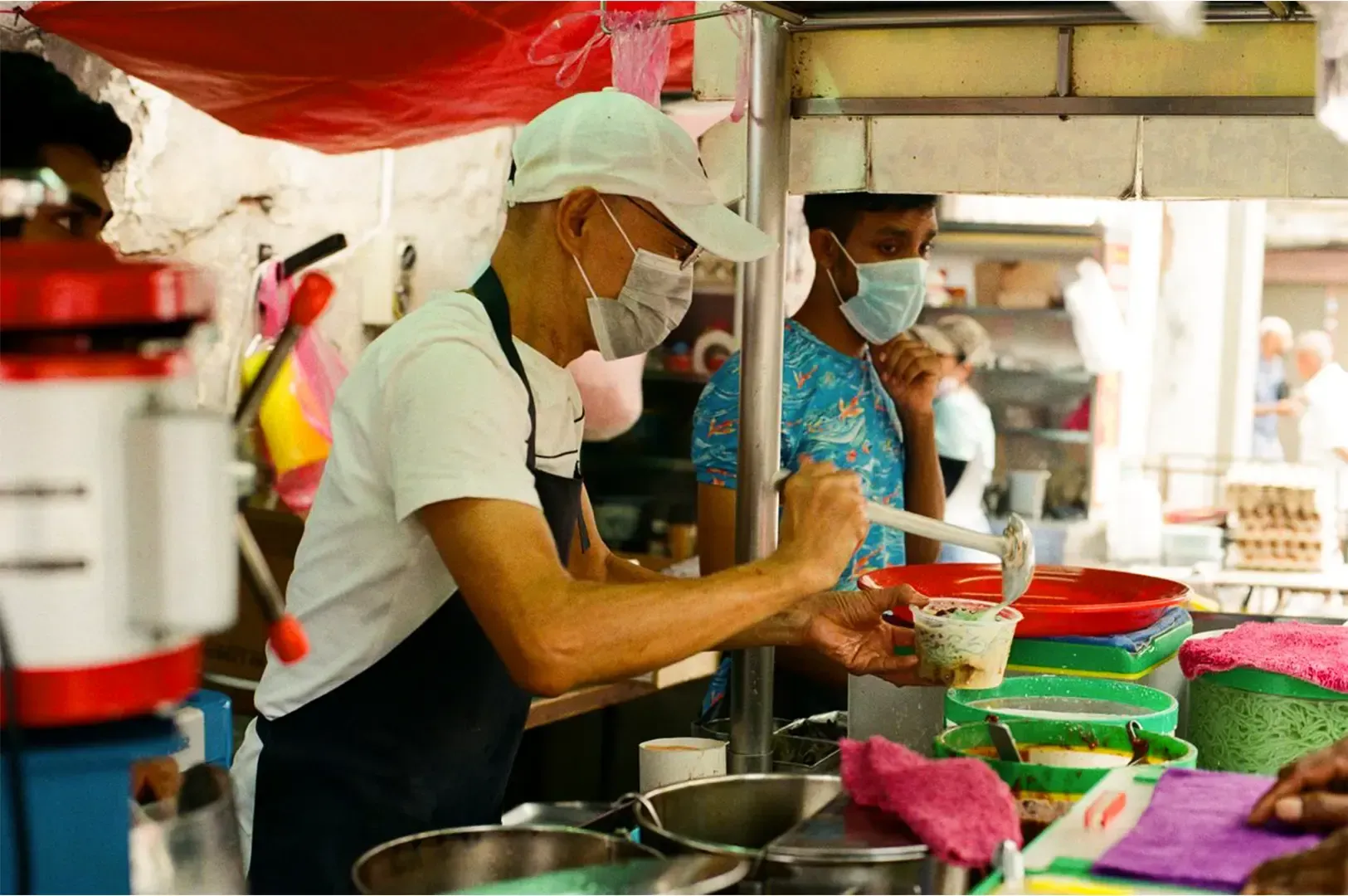
Back home in Singapore, repeat dining lives everywhere — from hawker stalls to hushed omakase counters.
The auntie who remembers your chili preference. The sushi chef who saves the last of the uni because he knows you're coming. This is
fine dining loyalty stripped of pretense, warm and unspoken.
London and the Members' Room

In London, the members' club and the regular's booth work the same way. Consistency is the currency.
The staff turnover is low by design. They remember you because they've been there long enough to.
How to Become a Regular Worth Remembering
You don't need forty destinations of practice. Becoming one of the cherished restaurant regulars is simpler than it looks.
Return Before You're Recognized
Most people give up after one visit. The magic starts on the third or fourth.
Pick one place you genuinely love. Go back before anyone knows your face. Recognition is earned through repetition, not charm.
Treat the Staff as People
The fastest path to a warm welcome is basic respect. Learn a name. Say thank you. Notice the person, not just the plate.
I've watched countless guests demand attention and receive service. The ones who offer attention receive something better — genuine care.
Communicate, Then Trust
Share your preferences once, clearly. Then let the kitchen do its work.
The strongest luxury dining experience comes from surrender — the same spirit as omakase, where you place yourself in the chef's hands. Trust is the ingredient no restaurant can plate for you.
The Emotional Weight of a Table That Knows You
There's a cost to my kind of life. When you move through a new city every week, most rooms feel like thresholds — beautiful, forgettable, gone by morning.
The tables that know our names are the ones that stay with me.
A Sense of Home in Motion
A familiar restaurant becomes an anchor. In a decade of constant travel, those tables are the closest thing to home I've found on the road.
That Roman trattoria. The Kyoto counter. A quiet corner in Singapore. They remember us, and in remembering, they hold a piece of who we were each time we sat down.
What Novelty Can Never Give
Novelty gives you a story for one night. Repeat dining gives you a relationship for years.
The meal that changes you is rarely the newest one — it's the one that welcomes you back. That's the difference between eating somewhere and belonging somewhere.
The Case for Returning
Chasing new tables is exciting, but exhausting. You're always a stranger, always starting over, always performing.
Repeat dining offers the opposite: ease, trust, recognition, and the quiet joy of being known. It's the richest form of hospitality I've witnessed anywhere in the world.
So here's my advice, drawn from a decade of watching this unfold. Pick one restaurant you love. Go back. Keep going back. Let them learn your name — and let yourself be changed by the welcome that follows.
The best table isn't the one everyone's talking about this week. It's the one that sets down your dish before you ask.
Ready to secure a seat at the tables worth returning to? Learn the insider approach in our guide on
securing impossible reservations at exclusive restaurants.