
Penang Beyond the Heritage Streets: The Quiet Evolution of a Cultural Capital
September 22, 2026 |J.C. Yue
The first time I arrived in Penang for work, I expected the postcard.
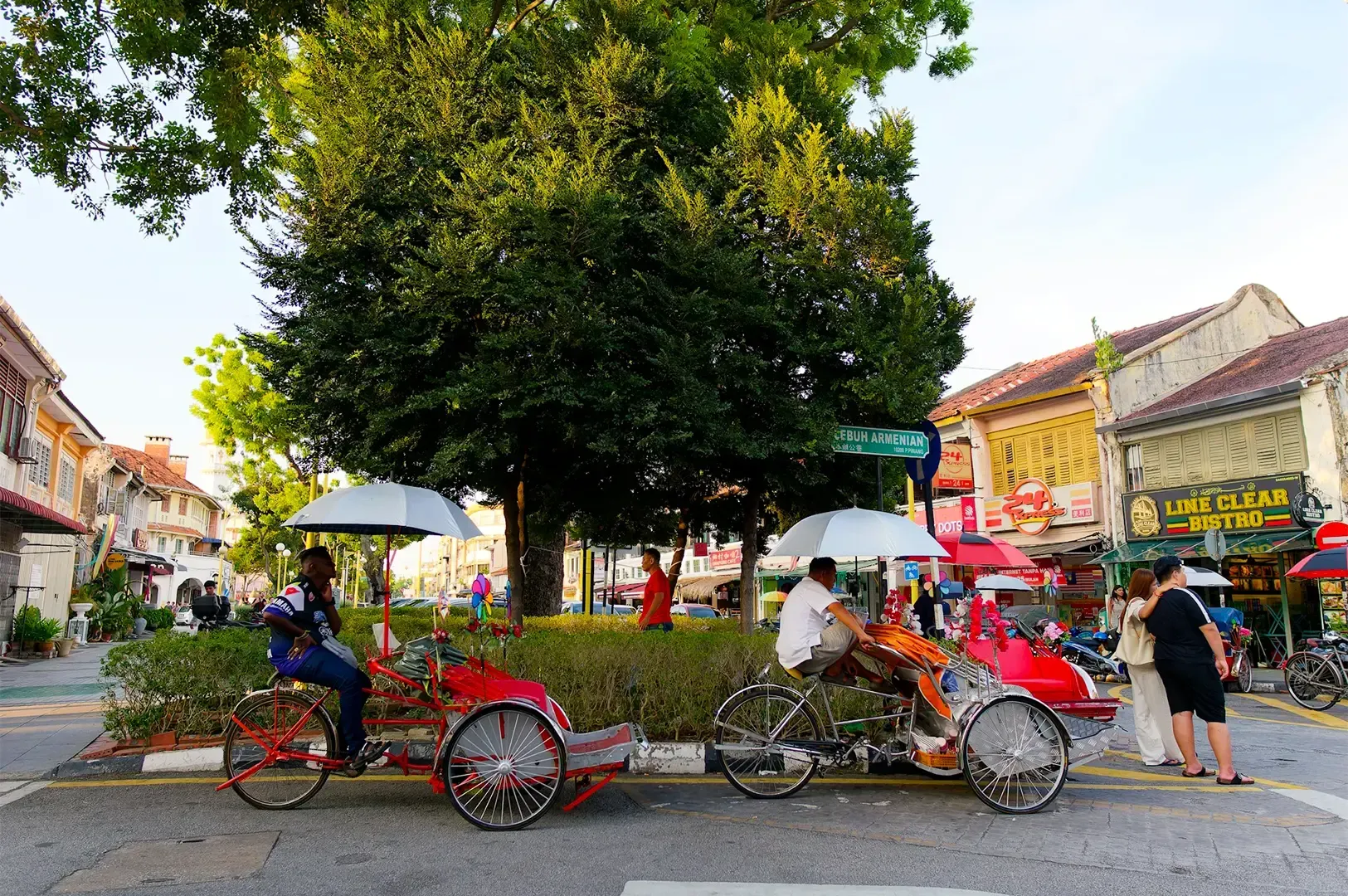
Peeling shophouse walls. The clatter of a wok somewhere down a lane. Trishaws waiting in the heat. And Penang gave me all of that, generously. But it was my fourth or fifth visit — years apart, accompanying my employer between meetings and long lunches — when I noticed something else.
The island had been changing while I wasn't looking. Quietly. Without announcement.
That's the version of
Penang travel I want to write about. Not the one on the brochures. The one you only see when you keep coming back.
The Island That Refuses to Freeze in Time

Most heritage cities do one of two things. They calcify into a museum, or they bulldoze the past for glass towers. George Town Penang has done neither.
It holds its history close while letting new life grow through the cracks. Literally, sometimes — I once watched moss and a young cafe share the same crumbling wall on Armenian Street.
A UNESCO Title That Started Something
When the historic core earned its UNESCO World Heritage listing, most people assumed it meant preservation. Freeze the shophouses. Protect the clan jetties. Keep everything exactly as it was.
What actually happened was more interesting. The recognition drew people back — artists, cooks, small hoteliers — who saw the old bones and wanted to build something honest inside them.
The Shophouse Reborn
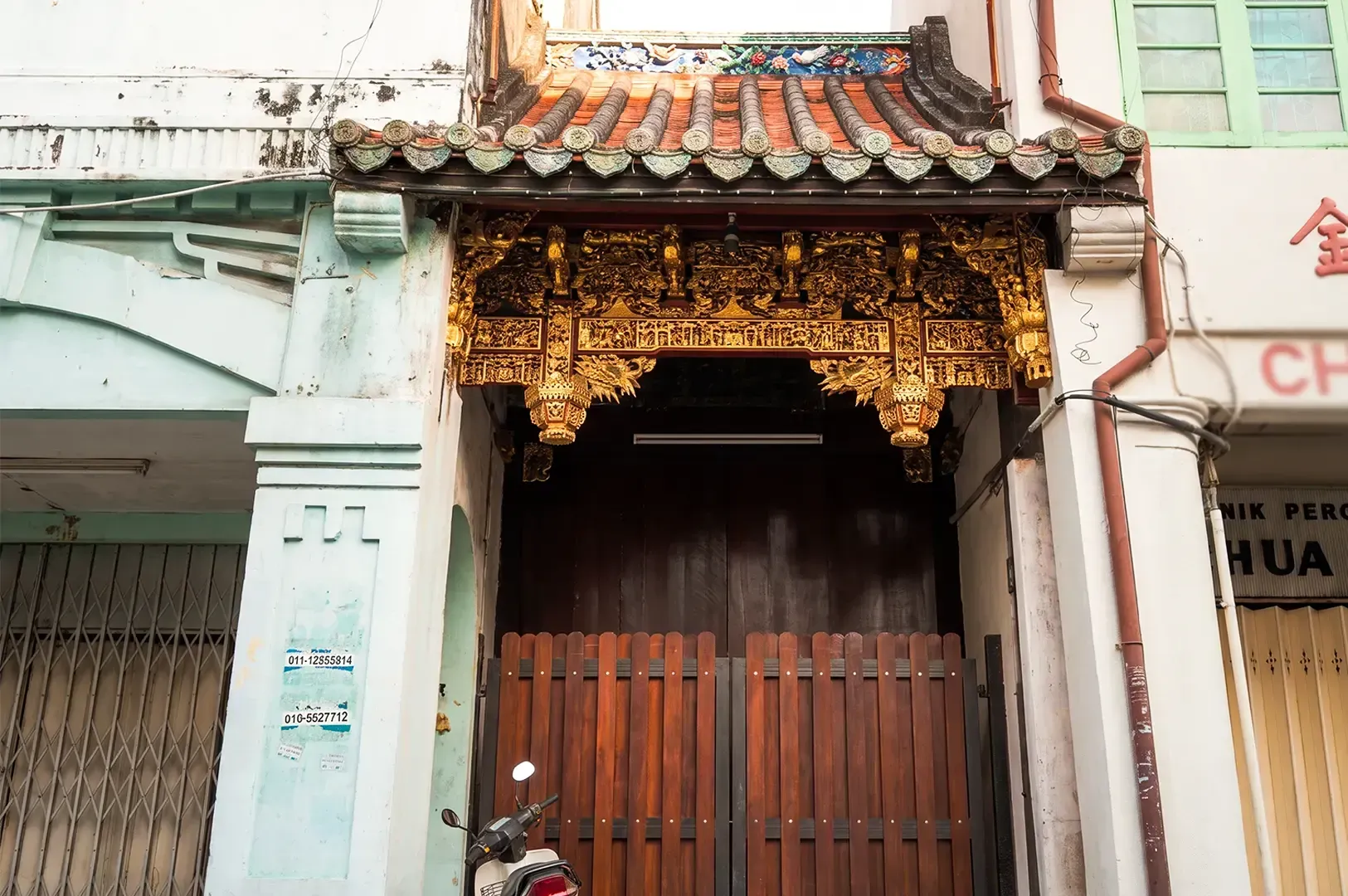
The shophouse is Penang's quiet hero. Narrow at the front, deep and cool inside, with air wells that pull the heat upward.
I've watched these same buildings become bookshops, coffee roasters, and design studios. The structure stays. The soul shifts. That's the
quiet evolution I keep returning to.
Penang Food Culture: Still the Real Reason to Come

Let me be honest. No matter how the island changes, Penang food culture remains the gravitational centre. Everything else orbits the eating.
But even this is evolving in ways worth noticing.
The Hawker Table Still Wins
I've eaten in some remarkable rooms across forty-odd destinations. Tasting menus that took four hours. Service so precise it felt choreographed.
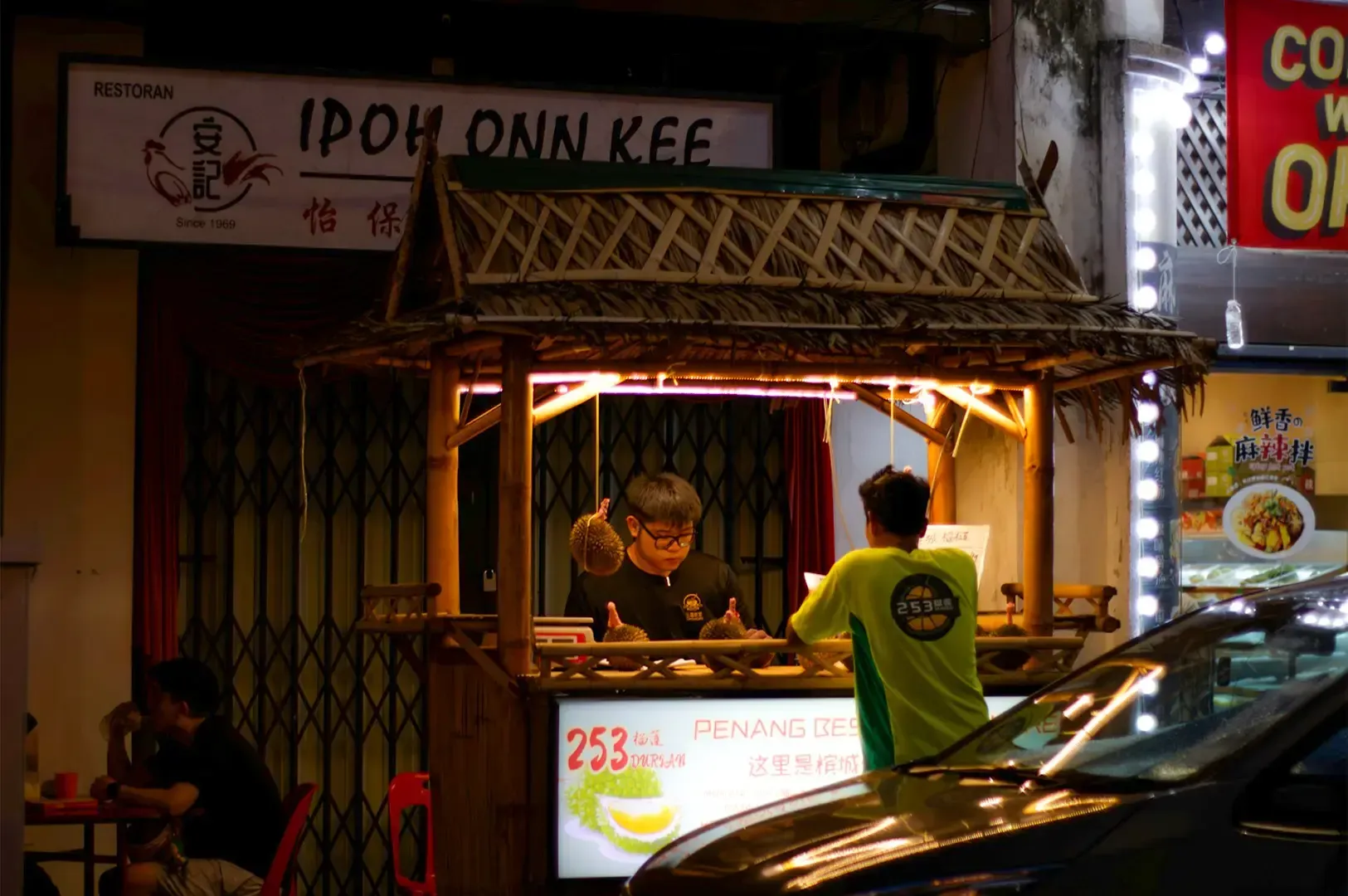
And still, some of my most vivid food memories are a plastic stool on Lebuh Kimberley, a bowl of char kway teow slick with wok smoke, the uncle not looking up once as he cooked.
He didn't need to. The plate said everything.
Assam Laksa and the Weight of Memory
There's a stall my employer insists on every single trip. Same corner. Same assam laksa, sour and sharp and cloudy with fish.
We don't talk much while eating it. We just sit, sweat lightly in the heat, and let the tamarind do its work. Some dishes aren't for conversation. They're for remembering.
The New Guard in the Old Kitchens
Here's where the change shows. A younger generation of cooks has started returning to Penang — some trained abroad — and they're not replacing the old food. They're honouring it.
You'll find kitchens serving
Nyonya heritage recipes with the same care their grandmothers used, just plated a little differently, sourced a little more thoughtfully. The
Malaysia tourism board points visitors toward the classics, but the real discoveries happen when a local leans over and says, try this instead.
Where Luxury Travel Penang Quietly Grew Up

For years, if you wanted comfort in Penang, you went to the beach strip in Batu Ferringhi and that was that. The big resorts. The buffet lines.
That's no longer the whole story.
Boutique Stays Inside History
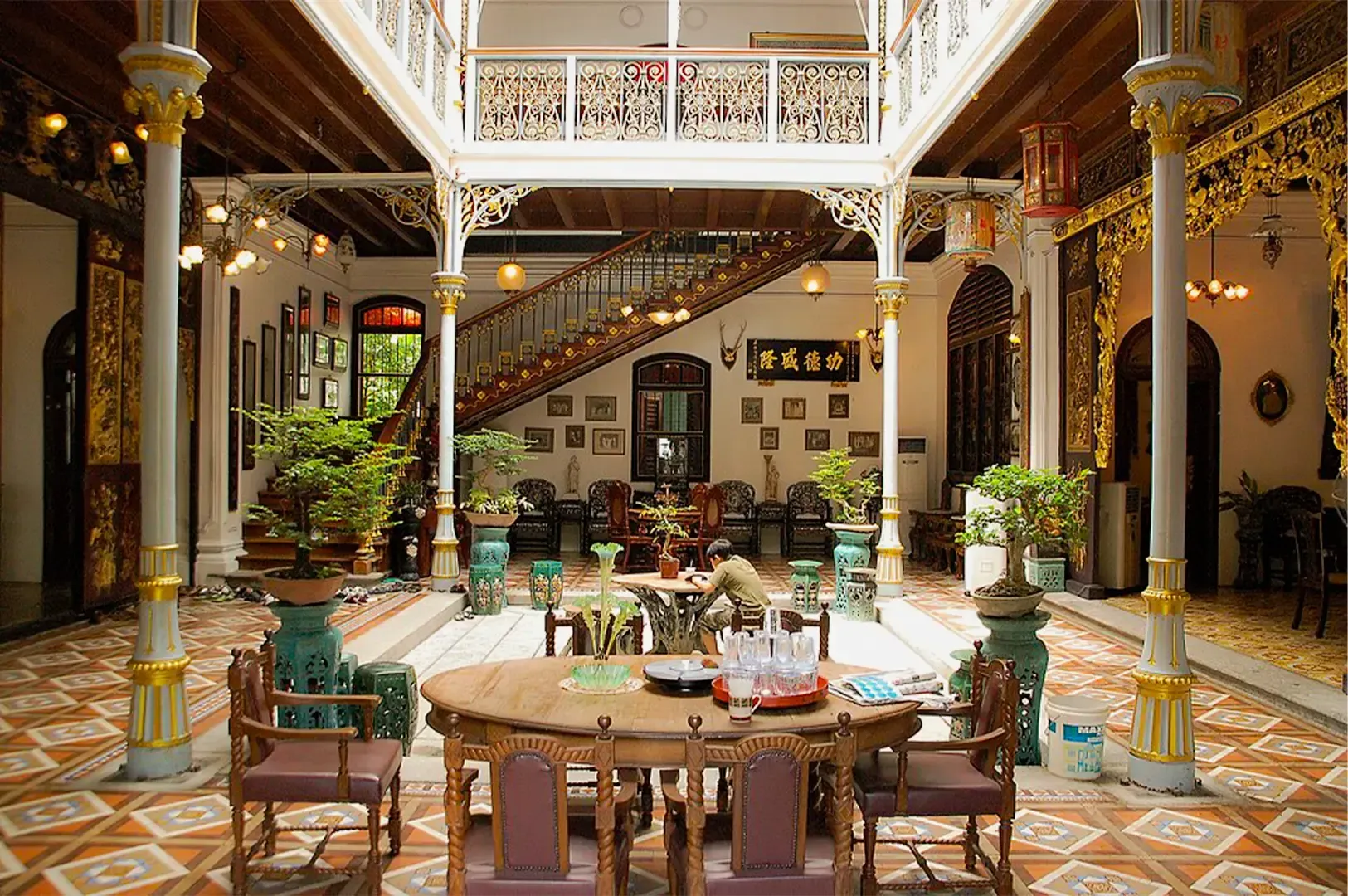
The most interesting luxury travel Penang experiences now happen inside the heritage core itself. Restored mansions turned into small hotels. Eight rooms, maybe ten. A courtyard where breakfast is quiet and the coffee is serious.
I've checked my employer into a few of these. What strikes me isn't the thread count. It's the sense of staying inside the story rather than looking at it from a resort balcony.
The Service Difference Nobody Advertises
Working in the background, I notice service before anyone else does. And Penang has a particular kind — unhurried, genuinely warm, never rehearsed.
The woman at the front desk who remembered my employer's tea preference from a year earlier. The way nobody rushes you. It isn't polished in the international-hotel sense. It's better than that. It's real.
Luxury That Doesn't Shout
The version of comfort emerging here is understated. It respects the neighbourhood instead of towering over it. No marble lobby the size of an airport. Just a beautifully kept old house and someone who actually cares whether you slept well.
Penang Hidden Gems the Second-Time Visitor Finds

Everyone finds the murals on their first trip. The famous Kids on Bicycle wall. The queue for it.
The real Penang hidden gems reveal themselves slower.
The Lanes Behind the Lanes
Turn off the main heritage streets and the noise drops away. I've wandered into quiet courtyards where an old man was drying herbs, a temple almost empty in the afternoon light, a coffee shop with no sign at all.
These aren't secrets, exactly. They're just easy to miss when you're moving too fast.
Morning Belongs to the Locals
If you want to understand a place, be awake when it wakes. I've learned this the hard way across every city I've worked in.
In George Town Penang, the early hours belong to the market runs, the first kopi being pulled, the shutters going up one by one. Come before nine and you see the island being itself, before the visitors arrive to watch.
Beyond the Island Core
Most people never leave the heritage zone. But drive out toward Balik Pulau and the pace changes entirely — durian orchards, rice fields, a version of Penang that feels like the island exhaling.
It's a short trip. Almost nobody makes it. That's rather the point.
What Constant Travel Taught Me About Places Like This
After a decade of living out of suitcases, I've grown suspicious of places that try too hard to impress.
Penang doesn't.
The Gift of Being Unpolished
There's a comfort in a city that isn't performing for you. The cracked tiles. The tangle of overhead wires. The stray cat asleep on a stack of newspapers.
I've stayed in flawless hotels that left no mark on me at all. Penang leaves a mark precisely because it's imperfect, lived-in, honest.
Slowing Down in a Fast Job
My work is rarely still. There's always the next flight, the next arrangement, the next thing to prepare. Penang is one of the few places where I've been allowed to slow down — even briefly.
Something about the heat, the food, the way afternoons stretch. It gives you permission to just sit.
Practical Notes for Your Own Penang Travel
Enough reflection. Here's what actually helps, from someone who plans these trips for a living.
When to Go
Aim for the drier months between December and April. The heat is constant year-round, so pace yourself and eat where the locals eat — the queue is the review.
Getting Around
The heritage core is best on foot. For anything further, ride-hailing works well and costs little. Skip the rental car unless you're heading out to the orchards.
How Long to Stay
Give it at least three nights. One for the obvious sights, one for the food, and one for wandering with no plan at all. That third day is usually where the island opens up.
A Small Piece of Advice
Talk to people. The stall owner, the hotel staff, the man selling nutmeg juice. Penang shares its best secrets in conversation, not on any map.
The Cultural Capital It's Quietly Becoming

Penang was always a food destination. What it's growing into is something fuller — a place where heritage, craft, and quiet comfort meet without one crowding out the others.
It hasn't sold its soul to do it. And after watching so many cities trade character for gloss, I find that genuinely rare.
The heritage streets are only the beginning. The real Penang is what's happening just beyond them — softly, without asking for applause.
If you're weighing where else to go in Malaysia, it's worth reading how the island compares to its mainland neighbour in our piece on the
Kuala Lumpur and Penang luxury contrast — two very different ideas of what comfort can mean.