

The Unwritten Etiquette of Sharing a Chef's Table With Strangers

September 28, 2026 |J.C. Yue

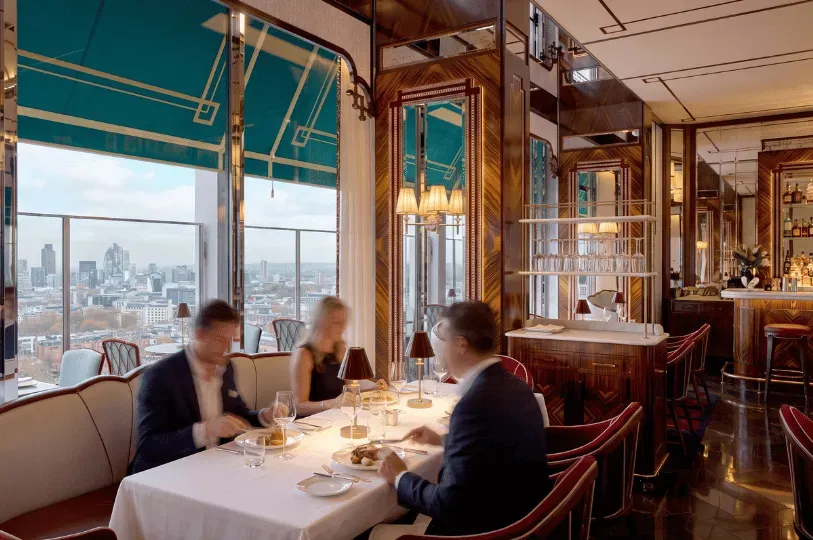
Diners captured in slight motion blur enjoying a meal at a white-tablecloth booth in a bright, Art Deco-inspired restaurant with polished wood paneling and large windows overlooking a city skyline.

The first time I sat at a chef's table, I didn't know where to put my hands.

Eight of us, shoulder to shoulder, facing a kitchen that hummed like a small engine. I was there for work — my employer had a seat, and one had opened up beside them. Nobody spoke for the first few minutes. We just watched the chef sear something in a pan, the fat catching light, the smell filling the narrow space. I thought about how, in a world of open kitchens and casual counter service, the chef's table still felt like something rare.

Why a Chef's Table Feels Different From Any Other Meal

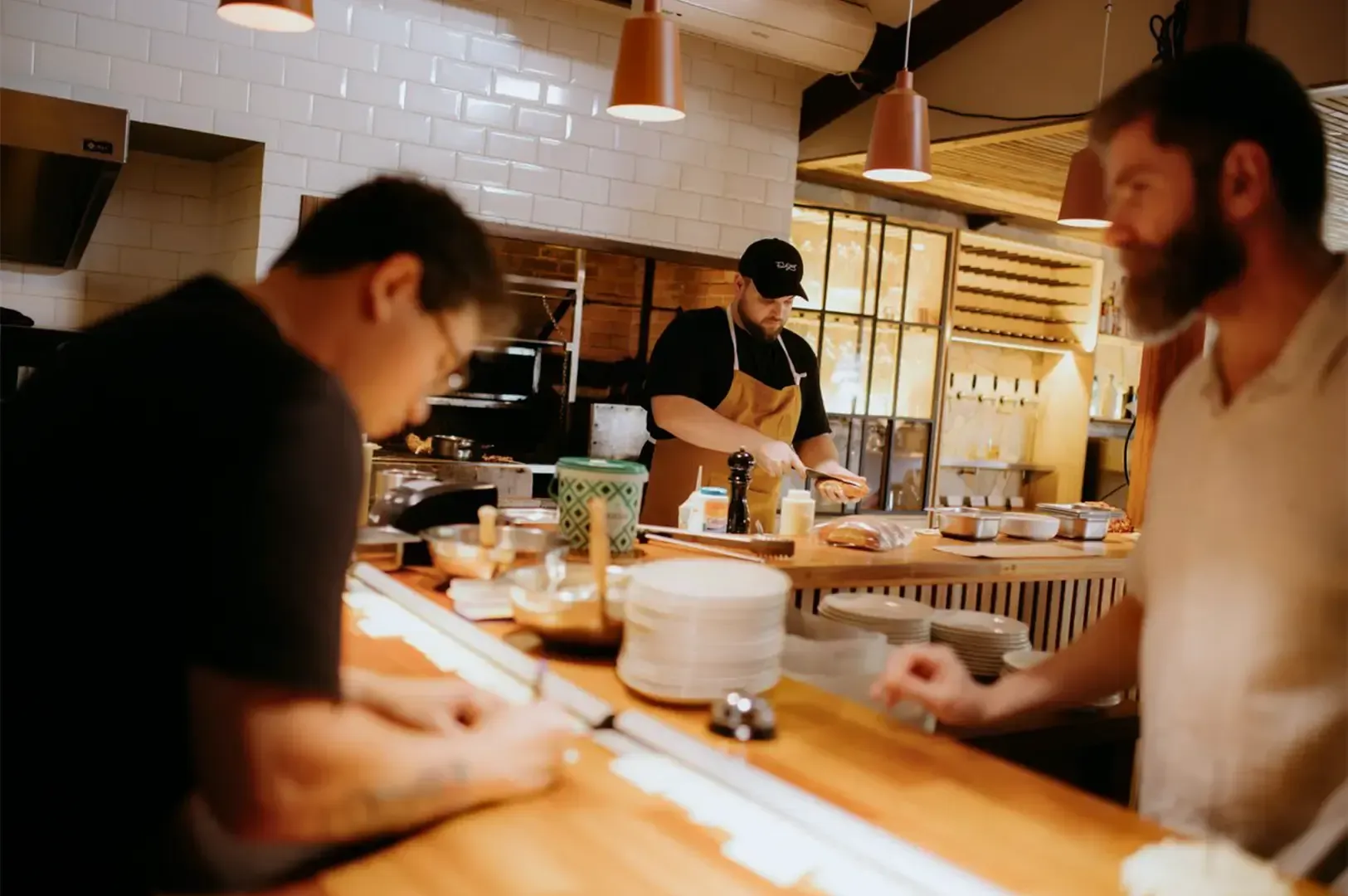
Two people conversing by a chef’s counter as the chef is focused at the background preparing a dish.

A regular restaurant table is yours. You claim it, you talk freely, you forget the room.

A chef's table offers no such privacy. You are seated inches from people you've never met, watching the same hands work, breathing the same steam. It is closer to theatre than dinner — except the audience is also part of the show.

Over a decade of arranging these evenings across more than forty destinations, I've watched this intimate dining experience unfold in Tokyo, London, Melbourne, and small towns whose names I've half-forgotten. The food changes. The unspoken code rarely does.


The Line Between Guest and Neighbour

Here's the strange part. You are a guest of the kitchen, but a neighbour to the strangers beside you.

That double role is where most of the awkwardness lives. Lean too far into one, and the evening tips. The best nights I've seen happen when everyone quietly holds both at once.


Arriving Well: The Etiquette Starts Before You Sit

Good fine dining etiquette begins outside the door.

Arrive on time — genuinely on time. A chef's table often runs to a single, shared clock. When one seat is empty, the whole counter waits, and the room notices. I've watched a late arrival mumble apologies while seven strangers pretended to study their napkins.


Dress for the Room, Not for the Photo

You don't need to overdress. But you're sitting close enough that strong cologne becomes everyone's problem, and a delicate course can be drowned by it.

I once sat beside a man whose scent competed with a plate of raw scallop. The scallop lost. So did the rest of us.

Keep it clean, keep it quiet. Let the food carry the fragrance.


The Phone Question Nobody Agrees On

This is the modern fault line of every chef's table etiquette conversation.

Some guests photograph each course. Some chefs love it. Others visibly deflate when a phone goes up before a fork does.

My rule, learned by watching: one quick photo, then put it away. The dish was made to be eaten at its peak, not documented into cold. If you're unsure, a simple "Do you mind if I take a picture?" to the chef does more goodwill than any silent snap.


When the Kitchen Is Watching You Back

Remember that a chef's table is a two-way window. The chef sees your face when you taste. That reaction — a small nod, a widening of the eyes — is part of the exchange.

Bury your face in a screen and you've quietly refused the gift. I've seen chefs cook noticeably warmer for the guest who simply looked up.

Talking to Strangers Without Ruining the Meal

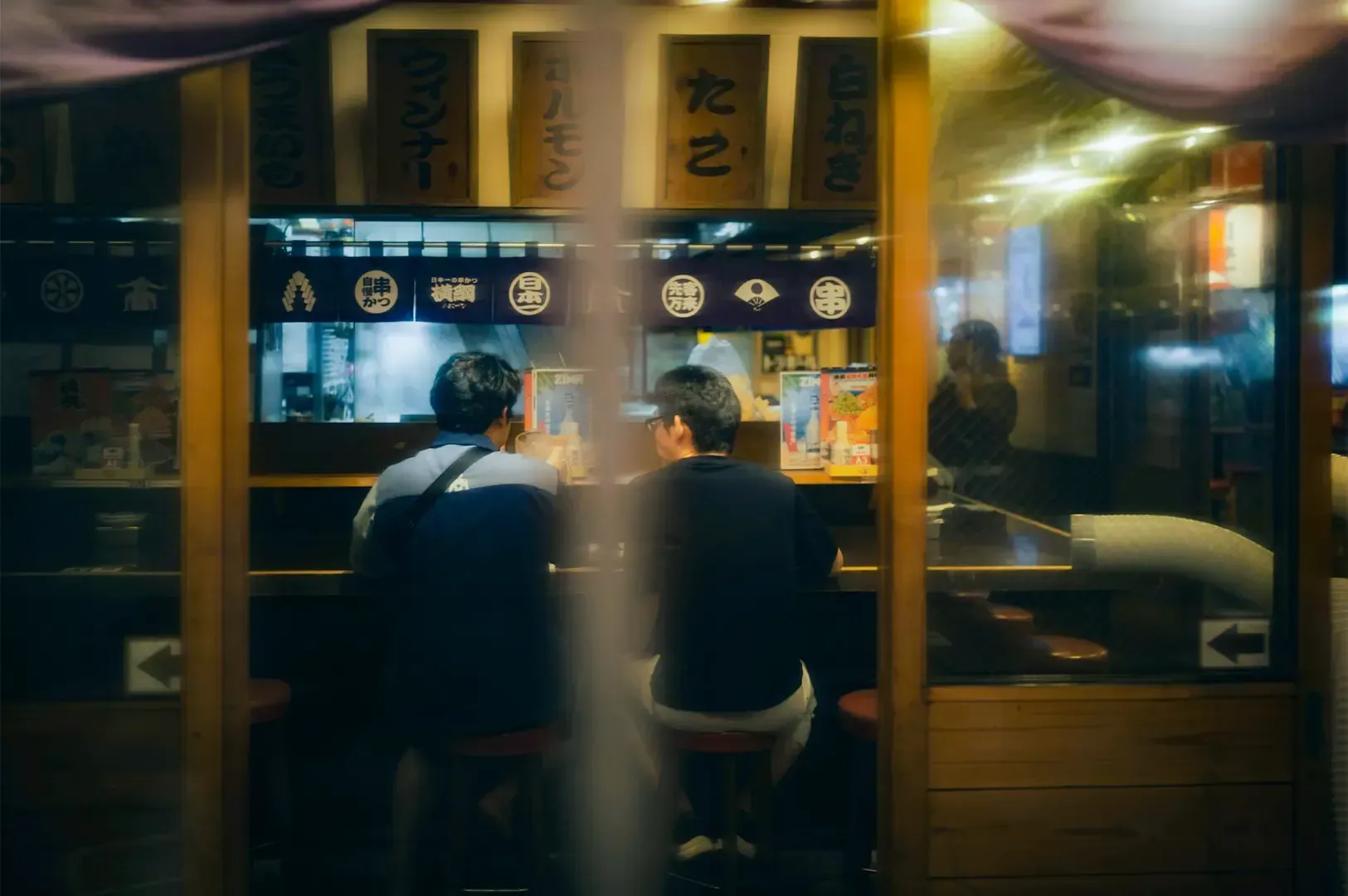
Two people side by side each other casually talking by an Asian style counter.

The great tension of sharing a chef's table is conversation. Say nothing and it feels cold. Say too much and you've hijacked the evening.

Start small. A shared glance at a dramatic plating. A quiet "Have you eaten here before?" Most strangers meet you halfway.


Reading the Table's Temperature

Some counters turn into one long, joyful conversation. Others stay hushed and reverent. Neither is wrong.

The skill is reading which room you're in. I've learned to take my cue from the group — if the table wants to talk, join it; if it wants stillness, honour that. Forcing chatter onto a quiet counter is its own small rudeness.


Topics That Travel Well

Food, place, the dish in front of you — these always land. The origin of an ingredient, a market you both loved, a city you've each passed through.


Topics Best Left at Home

Politics. Money. Loud opinions on the last restaurant you disliked. A chef's table is not the room for a debate, and the chef can hear every word.

Respecting the Chef's Pace

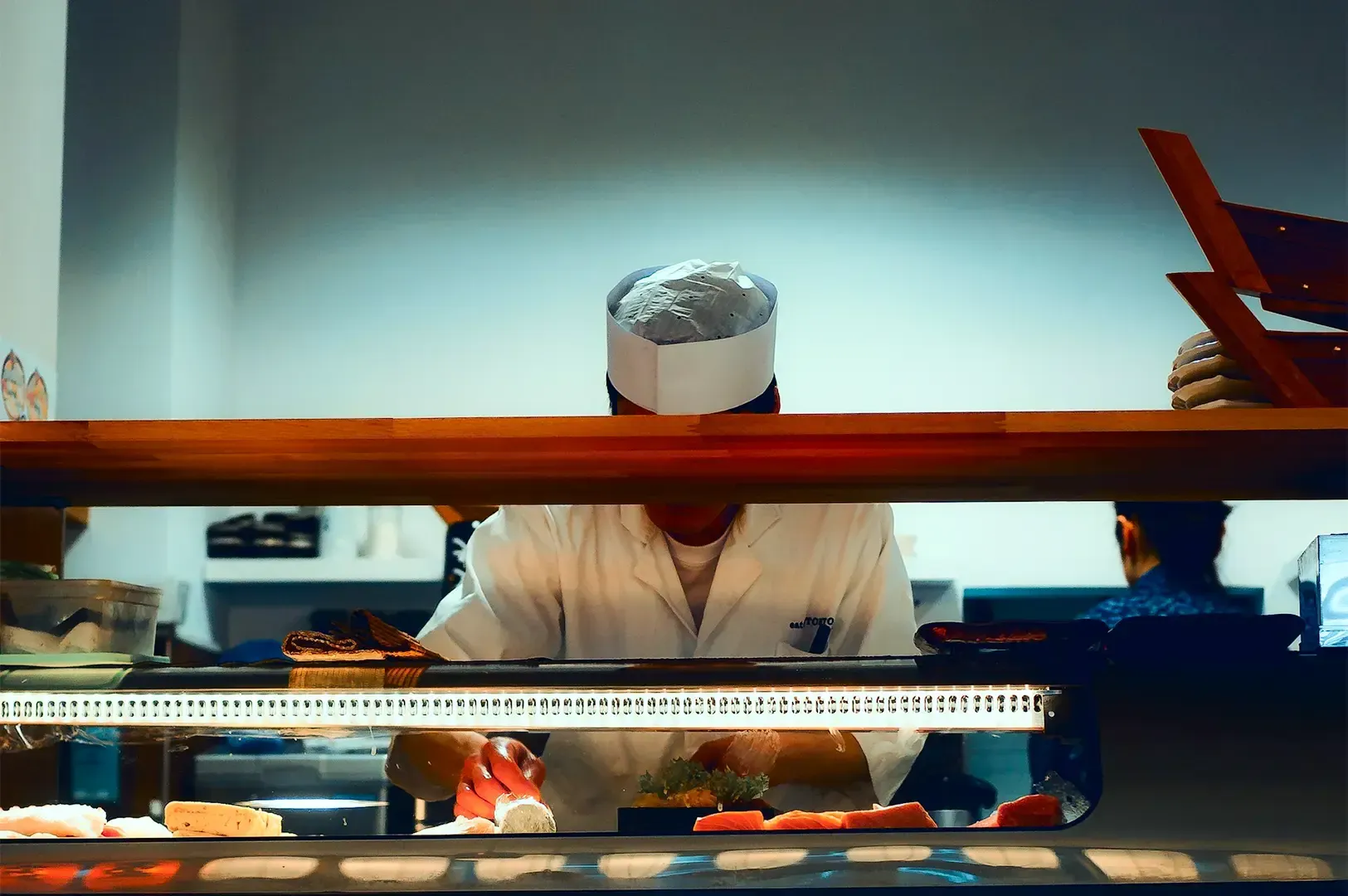
A chef behind a counter working with fresh ingredients displayed in front.

The rhythm of the meal belongs to the kitchen, not the clock in your head.

Don't rush the courses. Don't ask what's next as though checking a train timetable. Part of this intimate dining experience is surrender — letting someone else decide the shape of your evening.


The Art of the Genuine Question

Chefs light up at curiosity, but not interrogation. Ask why they paired two things, not how much it all cost.

I've watched a single thoughtful question turn a chef from focused to generous — suddenly explaining a technique, offering an extra taste. The guidance from the Michelin Guide on approaching these counters echoes what I've seen for years: sincere interest is the best table manner there is.


Dietary Needs: Speak Early, Speak Once

Nothing tests a shared counter like a surprise restriction announced mid-service.

Tell them when you book. A chef's table is often a set menu, built days ahead. A last-minute allergy can throw the whole synchronised kitchen off its rhythm — and the strangers beside you feel the ripple.


The Grace of Not Making It a Performance

State your need plainly, then let it go. The table doesn't need the full history of your intolerance. Quiet clarity is its own form of fine dining etiquette.


Handling the Awkward Moments

They happen. A dropped fork. A course you don't enjoy. A neighbour who won't stop talking.

Stay gracious. If a dish isn't for you, you don't need to announce it — a quiet, unfinished plate says enough without wounding the cook watching from three feet away.


When You Simply Don't Like Something

Taste is personal. I've sat beside guests who adored a dish I found difficult, and the reverse.

If asked directly, be honest but kind. "Not quite my flavour, but I can see the skill in it" keeps both your integrity and the room's warmth intact.

The Etiquette of Luxury Dining Abroad

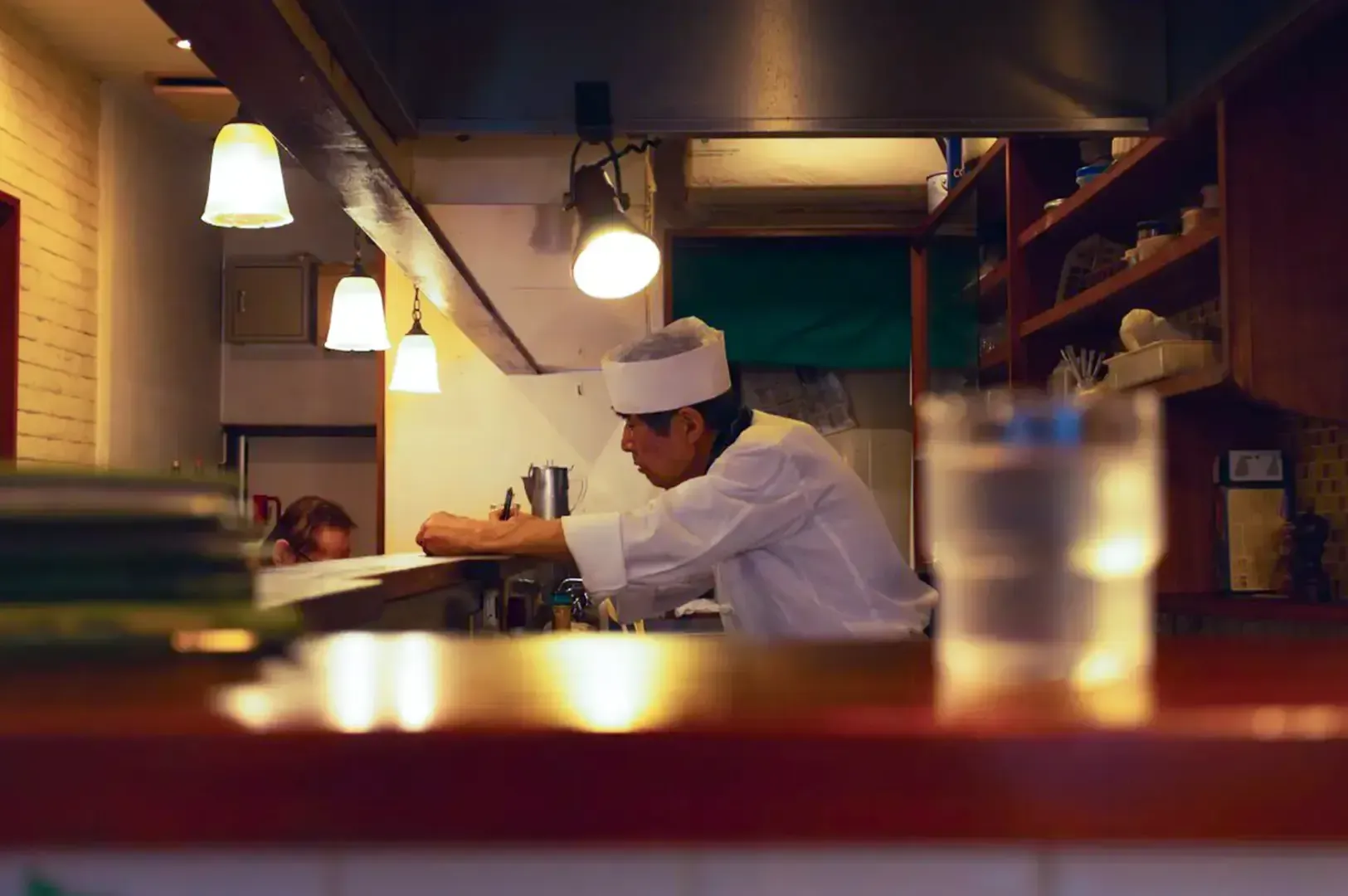
A lone chef in white uniform writing by his counter lit by warm yellow lights hanging above.

Every country bends these rules a little. Luxury dining abroad rewards the traveller who notices.

In Japan, a chef's table can be near-silent, reverent, almost sacred — you thank the chef simply, without fuss. In Italy, the same counter might overflow with talk and second helpings. In London, somewhere between the two.


Small Cultural Signals Worth Learning

A few words in the local language. Knowing whether to tip or not — in Japan, don't; in the States, generously. Understanding when a slurp is a compliment and when it isn't.

None of this requires fluency. It requires attention. A little cultural reading before you travel, through resources like Lonely Planet's etiquette guides, spares you and your neighbours a great deal of quiet embarrassment.


The Universal Language Underneath

Strip away the local variations and one thing holds everywhere: gratitude and presence. A chef who feels seen, a stranger who feels welcomed — those never go out of style, in any city.


Saying Thank You the Right Way

At the end, the meal deserves a proper close.

Thank the chef directly if the setting allows. Not a performance — a look in the eye and a few honest words. "That mackerel course stayed with me" means far more than "Everything was amazing."


The Small Gesture That Lingers

The guests I remember most weren't the loudest or the best-dressed. They were the ones who, on leaving, said something specific and true to the kitchen — and a quiet goodnight to the strangers they'd shared the last two hours with.

That's the heart of sharing a chef's table. For one evening, a handful of people who'll never meet again eat the same food, guess the same rules, and — if it goes well — leave a little warmer than they arrived.

What the Chef's Table Really Teaches You

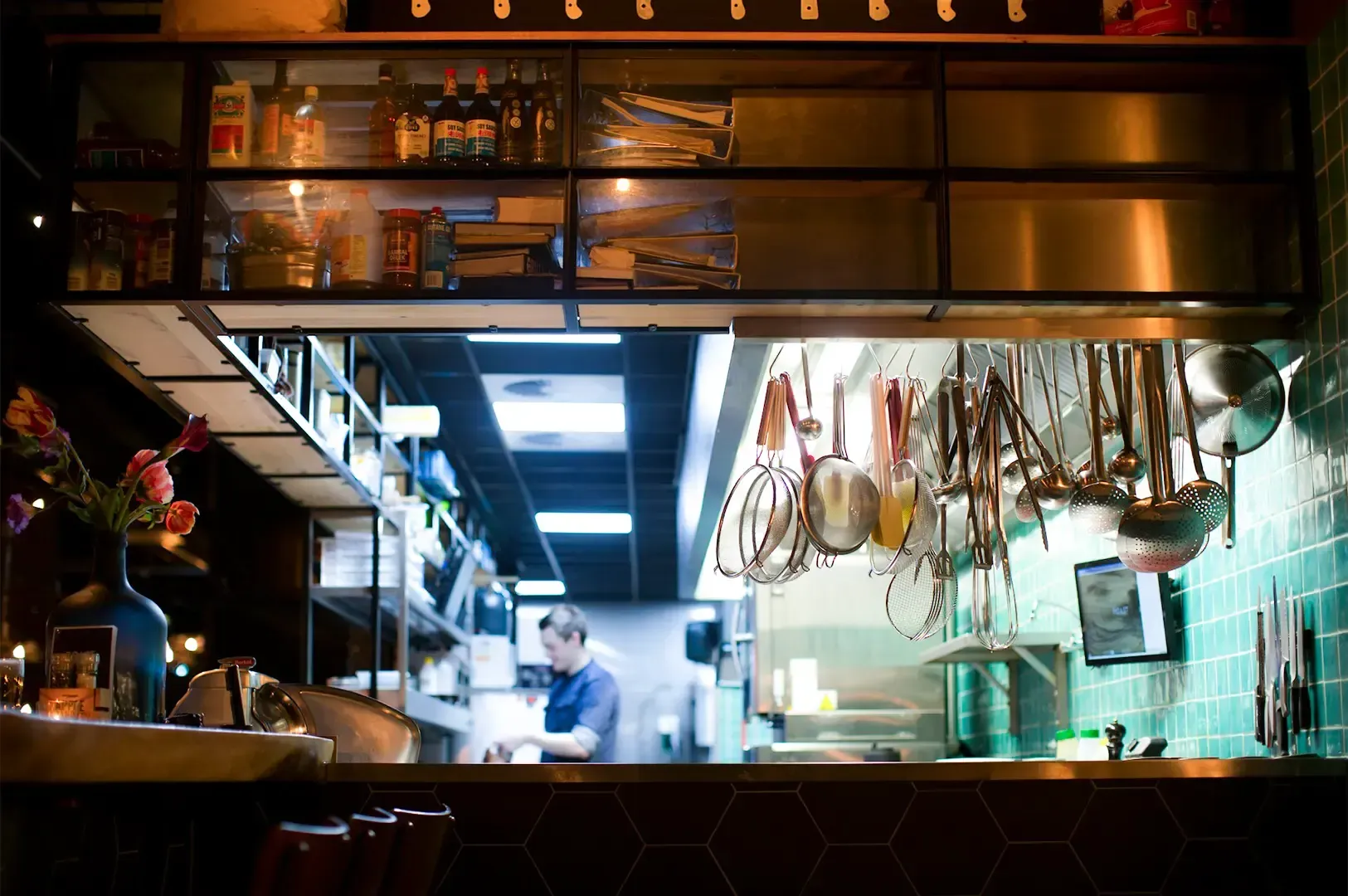
A wide angle view of a dim and warmly lit counter with bottles placed on shelves above and a chef working behind.

I've arranged hundreds of these seats. I still learn something at each one.

A chef's table isn't really about the food, though the food is often extraordinary. It's about the willingness to be close — to a stranger's elbow, to a cook's concentration, to the small vulnerability of tasting something new in full view of others.

Master the chef's table etiquette and you master something larger. How to share space gracefully. How to be present. How to let an evening belong to everyone at the counter, not just yourself.

The woman beside me, all those years ago, never did find out whether to clap. We didn't. We just caught the chef's eye, nodded, and ate.

Somehow, that said everything.

For a deeper look at navigating these shared counters with confidence, read our full guide to chef's table etiquette and sharing with strangers.

Share this article

Recent Posts

A hotel room with a modern Japanese style interior.
By J.C. Yue • October 12, 2026
How luxury properties create true rest — a personal assistant on luxury sleep abroad, hotel rest experiences, and the amenities that help you sleep well.

A woman laying on a white bed on her phone with the covers slightly ruffled up, bright sunlight shin
By J.C. Yue • October 8, 2026
When every hour is accounted for, and the days blur into cities you can barely name — what does it feel like to lose your own time without noticing?

A hawker vendor preparing a meal in a container with his ingredients layed out in front.
By J.C. Yue • October 6, 2026
The local table test reveals if a restaurant truly belongs to its community — honest dining signs from 40+ destinations, from Penang to Positano and home.

A calm, peaceful residential street in Bangkok lined with buildings on either side with park vehicle
By J.C. Yue • October 5, 2026
Explore Bangkok residential neighborhoods and local districts off the beaten path — hidden neighborhoods and authentic travel through the city's quiet second side.

Two people having a conversation over cups of coffee in white mugs.
By J.C. Yue • October 1, 2026
Some souvenirs collect dust. The ones worth keeping are the conversations you never planned to have — and couldn't leave behind if you tried.

Tea cups and kettle setup placed near a window with white curtains.
By J.C. Yue • September 30, 2026
When home is never one place, rituals become the anchor. A reflection on the small, quiet habits, tea, a notebook, familiar coffee, that hold you steady across forty cities and counting.

A cozy hotel room interior with parted red curtains revealing a city view outside.
By J.C. Yue • September 29, 2026
Why the hotel floor experience shapes your luxury hotel stay. A personal assistant's luxury travel tips on choosing the best floor in a hotel.

A group of people in front of a coffee shop glass display choosing from the selection, a red stall e
By J.C. Yue • September 24, 2026
Forty cities. Forty sets of choices. A quiet reflection on how the smallest decisions can be the ones that cost you the most.

George Town heritage shophouses in Penang, Malaysia lined up in a busy street.
By J.C. Yue • September 22, 2026
Explore Penang travel beyond George Town's heritage streets — Penang food culture, hidden gems, and the quiet rise of luxury travel Penang.

A front door with intricate carved designs and stone brick wall on either side with greenery growing
By J.C. Yue • September 21, 2026
Discover how staying in private residences abroad — not hotels — creates a deeper sense of home, local immersion, and belonging on every trip.

Show More