

The Local Table Test: How to Tell If a Restaurant Truly Belongs to Its Community

October 6, 2026 |J.C. Yue

There was a plastic stool, a cracked table, and a fan clacking somewhere behind me.

I'd been in Penang barely two hours when I ducked into a shophouse to escape the heat. No sign I could read. No menu I understood. Just an uncle stirring a pot that had clearly been stirred for decades. He handed me a bowl of char kway teow without a word, only a small nod, as if to say: sit, eat, you'll understand soon enough.

I did understand. Not the language. The belonging.

That bowl taught me something I've spent forty-odd destinations refining — a quiet way of knowing whether a restaurant truly belongs to the people around it, or whether it's just performing for whoever walks through the door.

I call it the local table test. And once you learn to feel for it, you stop eating like a visitor.


Why the Best Meals Aren't the Loudest Ones

We've been taught to chase the wrong signals.

The award. The queue snaking around the block for a photograph. The must-visit listing that a thousand people saved but only a few actually loved. My work has taken me into some of the finest dining rooms in the world, and I've watched people leave them impressed but oddly empty.

The meals that stay with me are almost never the loud ones. They're the ones where the food was made for the neighborhood first, and for me only by accident.

A restaurant that belongs to its community carries a different weight. You can feel it before you taste anything. The room isn't trying to convince you of anything — it already knows who it feeds.

The Local Table Test, Explained

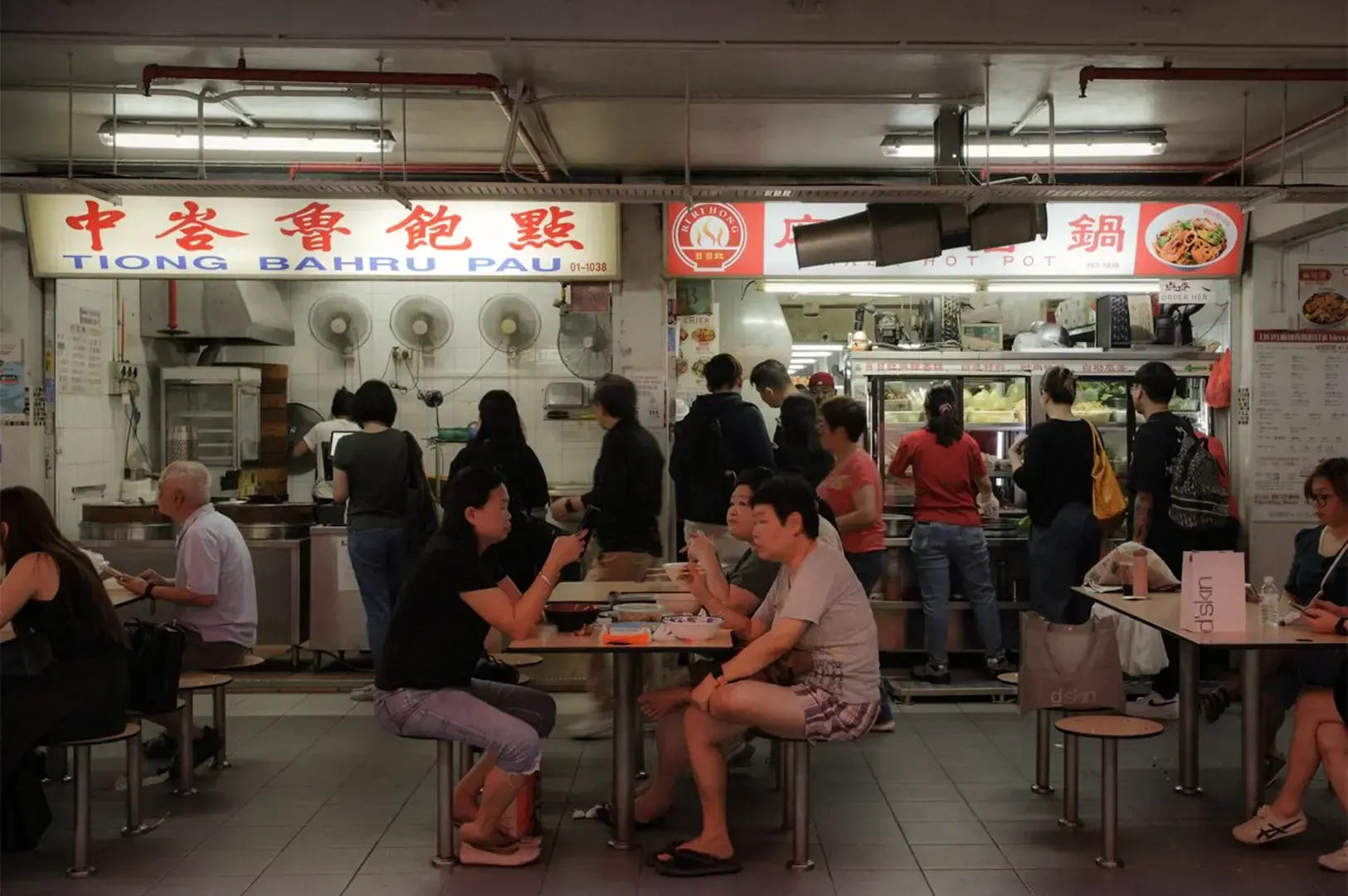
Two hawker stalls side by side each other with customers dining and ordering in front.

So how do you tell?

Over the years I've noticed the signs come in clusters. No single one is proof. But together, they tell you whether you've found a place that lives in its street, or one that simply rents space there.

Here's what I look for.

Who Is Actually Sitting Down to Eat

Look at the tables before you look at the food.

Are there regulars — people the staff greet by memory rather than by menu? Is there a mix of ages, a grandmother beside a teenager, a table of workers on lunch break? A restaurant that belongs to its community feeds that community. Not just the tourists who found it online that morning.

In Tokyo, I once followed a salaryman into a six-seat counter near his office. Everyone there had clearly eaten that same lunch a hundred times. Nobody photographed anything. That's the room you want to be in.

What the Menu Doesn't Say

A telling sign is what a place refuses to explain.

Menus written only in the local language. Dishes with no translation, no allergen icons, no soft persuasion for outsiders. It can feel intimidating. It's actually a good sign. The food wasn't designed to be marketed to you — it was designed to be eaten by people who already know it.

When a menu bends over backwards to charm a visitor, I get quietly suspicious. Real neighborhood cooking assumes you'll figure it out.

The Rhythm of the Room

Every rooted restaurant has a rhythm.

The uncle who knows the third table wants extra chili without asking. The way the kitchen slows at 3pm and breathes. The cracked soy sauce bottle that's been refilled for years because replacing it never occurred to anyone.

That rhythm can't be staged. You feel it the way you feel a house that's genuinely lived in versus one styled for viewing.

Reading the Signs Beyond the Plate

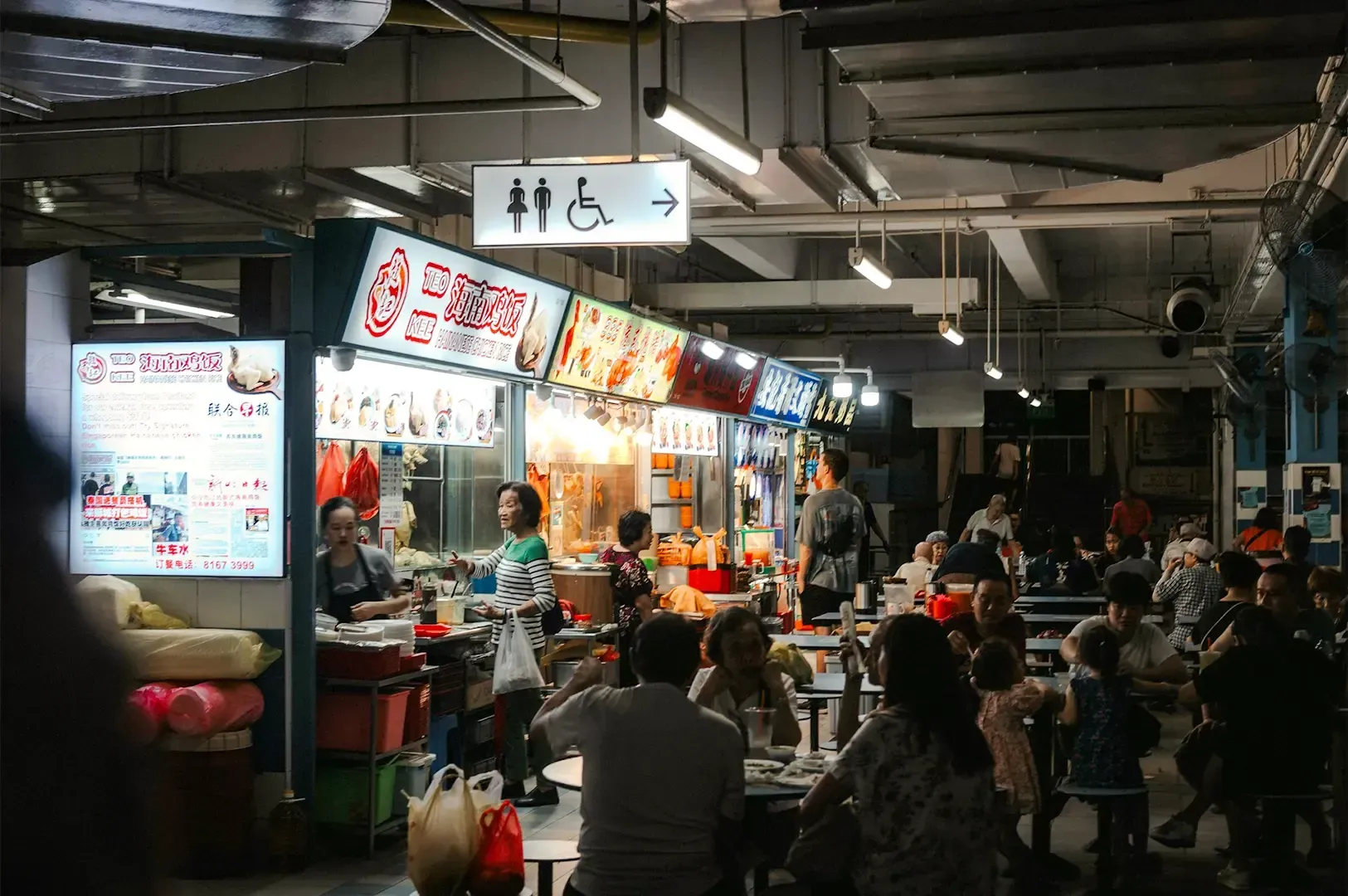
A cozy and dimly lit hawker place with stalls lined on the left with white and yellow lights reflecting off dining customers at the side.

The food matters, of course. But belonging shows up everywhere else too.

Longevity Over Hype

Ask how long a place has been open.

A stall that's fed the same street for thirty years has survived something no marketing budget can buy — the honest judgment of people who eat there every day. Singapore's own hawker culture, now recognized by UNESCO, is built on exactly this kind of endurance. The good stalls don't trend. They simply remain.

Longevity is the community voting with its stomach, year after year.

Price That Fits the Neighborhood

A meal that belongs to its community is priced for that community.

When a bowl of noodles costs what a local worker can comfortably pay on a Tuesday, you know who the kitchen is really cooking for. When the price quietly climbs to match the visitors, something has usually shifted — the room has started looking outward instead of down at its own street.

I'm not against fine dining. I've spent years around it. But there's a specific honesty in a plate priced for the people who live nearby.

The Staff Aren't Performing

Watch how the people who work there move.

In restaurants built for outsiders, service can feel like theater — polished, rehearsed, a little too eager. In a place that belongs, the staff behave like family. Sometimes brusque. Sometimes tender. Rarely performing.

The uncle in Penang never smiled at me. He didn't need to. His food was the warmth, and everything else was just noise he'd chosen not to make.

What This Looks Like Around the World

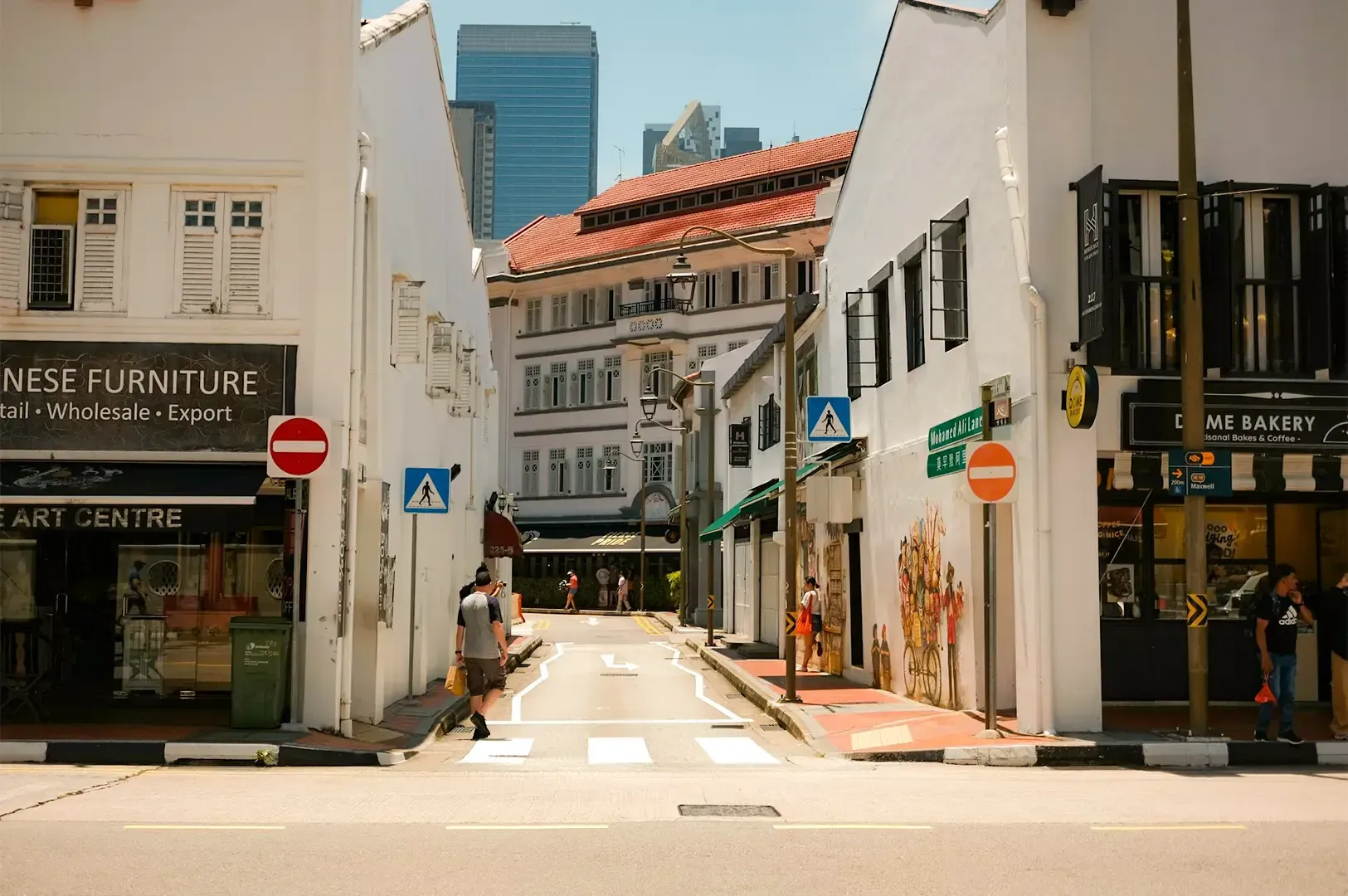
A street between two white buildings with a person walking along the left side.

The test travels well. The signs stay the same even as the flavors change.

A Trattoria in Positano

On the Amalfi Coast, I once slipped away from the postcard restaurants along the water and climbed a few streets up.

I found a trattoria with four tables and a handwritten menu that changed with whatever the morning had brought. The nonna in the kitchen cooked one pasta that day. That was the choice: yes or no. The locals said yes. So did I.

It tasted like it had been made for someone's family, because essentially it had been.

A Noodle Shop in Bangkok

In Bangkok, the same lesson repeated in a lane off the main road.

A woman had made one bowl of boat noodles her whole life. No English. No card machine. A short queue of people who clearly ate there weekly. The broth was dark and complicated in a way that only comes from years of the same pot.

I've had elaborate tasting menus I've forgotten. That bowl, I remember.

A Kopitiam Back Home

And then there's home.

At a Singapore kopitiam, I can watch the whole test play out over one cup of kopi going slowly cold. The auntie who knows the regulars. The uncle reading his paper at the same table he's used for years. The soy-slick plate of hor fun, smoky and unhurried.

Nobody's chasing anything here. That's exactly why it works.

How to Find These Tables When You Travel

You don't stumble onto rooted restaurants by accident as often as you'd like. But you can improve your odds.

Walk One Street Past the Crowd

The obvious dining strips perform for whoever arrives. Belonging usually lives one turn away.

Cross the canal. Climb the hill. Take the exit nobody photographs. Lonely Planet and the Michelin Guide can point you toward the landmarks — but the local table is often just beyond where the map stops trying.

Ask the People Who Live There

Not the concierge working from a printed list. The taxi driver. The shopkeeper. The person cleaning the hotel corridor at dawn.

I've built a habit of asking one question: Where do you eat? The answer is rarely on any website. It's the address they scribble on a receipt, half-embarrassed it isn't fancier.

Go When the Locals Go

Show up when the neighborhood shows up.

Breakfast on a weekday. The quiet lull mid-afternoon. Dinner at the hour the working crowd files in. You'll see the community in its natural rhythm — and you'll taste the food the way it was meant to be served, not the version tuned for a tour bus..

The Quiet Reward of Getting It Right

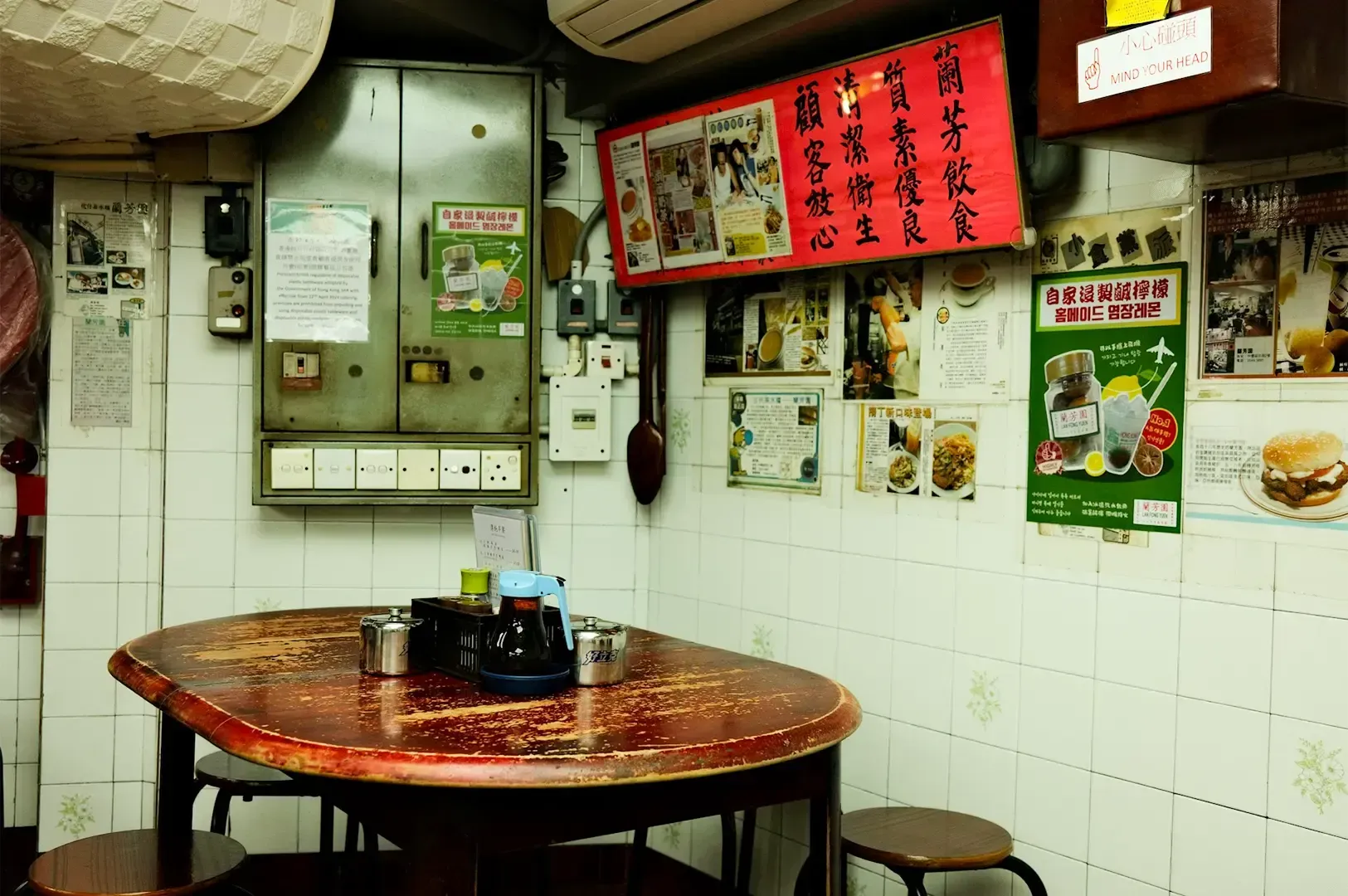
An empty wooden dining table with posters and menu items graphics displayed on the right against a white tile wall.

The strange thing about the local table test is what it does to you, not just what it finds.

You start eating with more attention. You stop needing the meal to prove itself with décor or accolades. You learn to sit at a cracked table with a plastic spoon and understand that you've been let into something ordinary and sacred at once — a place that belongs, sharing itself with you for one meal.

The uncle in Penang has probably forgotten me. I've never forgotten him.

That bowl wasn't the best char kway teow anyone could rank. It was better than that. It belonged somewhere, and for the length of one meal, so did I.

That's the whole test, really. Not whether the food is impressive.

Whether it's home to someone — and generous enough to make room for you.

If this resonated, you may also enjoy Neighborhood Dining Secrets: Singapore, where the quiet tables closest to home reveal what the guidebooks so often miss.

Share this article

Recent Posts

A hotel room with a modern Japanese style interior.
By J.C. Yue • October 12, 2026
How luxury properties create true rest — a personal assistant on luxury sleep abroad, hotel rest experiences, and the amenities that help you sleep well.

A woman laying on a white bed on her phone with the covers slightly ruffled up, bright sunlight shin
By J.C. Yue • October 8, 2026
When every hour is accounted for, and the days blur into cities you can barely name — what does it feel like to lose your own time without noticing?

A calm, peaceful residential street in Bangkok lined with buildings on either side with park vehicle
By J.C. Yue • October 5, 2026
Explore Bangkok residential neighborhoods and local districts off the beaten path — hidden neighborhoods and authentic travel through the city's quiet second side.

Two people having a conversation over cups of coffee in white mugs.
By J.C. Yue • October 1, 2026
Some souvenirs collect dust. The ones worth keeping are the conversations you never planned to have — and couldn't leave behind if you tried.

Tea cups and kettle setup placed near a window with white curtains.
By J.C. Yue • September 30, 2026
When home is never one place, rituals become the anchor. A reflection on the small, quiet habits, tea, a notebook, familiar coffee, that hold you steady across forty cities and counting.

A cozy hotel room interior with parted red curtains revealing a city view outside.
By J.C. Yue • September 29, 2026
Why the hotel floor experience shapes your luxury hotel stay. A personal assistant's luxury travel tips on choosing the best floor in a hotel.

A dimly lit chef’s table with two customers waiting as the chef prepares a meal behind the counter.
By J.C. Yue • September 28, 2026
Master chef's table etiquette when sharing an intimate dining experience with strangers — a personal assistant's guide to fine dining etiquette abroad.

A group of people in front of a coffee shop glass display choosing from the selection, a red stall e
By J.C. Yue • September 24, 2026
Forty cities. Forty sets of choices. A quiet reflection on how the smallest decisions can be the ones that cost you the most.

George Town heritage shophouses in Penang, Malaysia lined up in a busy street.
By J.C. Yue • September 22, 2026
Explore Penang travel beyond George Town's heritage streets — Penang food culture, hidden gems, and the quiet rise of luxury travel Penang.
A front door with intricate carved designs and stone brick wall on either side with greenery growing
By J.C. Yue • September 21, 2026
Discover how staying in private residences abroad — not hotels — creates a deeper sense of home, local immersion, and belonging on every trip.

Show More