

The Forgotten Floor: Why Hotel Location Within a Building Changes the Experience
September 29, 2026 |J.C. Yue
The lift doors opened on the fourth floor, and I already knew we'd have a problem.
Not the room. The room was fine — same bedding, same marble, same folded towels as any other in the building. The problem was what sat directly below the window: the loading bay, where trucks reversed and beeped from five in the morning.
My employer never saw the trucks. But he heard them. And after a decade of arranging stays across more than forty destinations, I've learned that the hotel floor experience is the quietest thing nobody tells you about — and one of the few things that can quietly ruin an otherwise perfect luxury hotel stay.
This is what I've noticed from the corridors most guests never think about.
Why the Floor Matters More Than the Star Rating
You can book the same suite category on two different floors of the same hotel and have two entirely different stays.
Same price. Same photos online. Same promise. But the air is different. The light lands differently. The sound is different.
Most travellers pick a hotel by brand, then a room by size. Almost nobody asks the one question that shapes the whole visit: which floor, and facing which way?
The Illusion of the Identical Room
Hotels sell rooms as if they're interchangeable. A "Deluxe King" is a "Deluxe King," wherever it sits.
But a room on the second floor over a busy street is not the same as one on the eighteenth over a quiet courtyard. The furniture matches. The feeling doesn't.
I've walked into "identical" rooms that felt like two different hotels.
The Low Floors Nobody Requests

Let's start where the trouble usually lives.
Low floors are the ones guests quietly dread and hotels quietly fill first. There are reasons for both.
Street Noise and the Five A.M. Truck
On the lower levels, the city comes to you whether you invite it or not. Traffic. Delivery vans. The metal shutter of a shop rolling up at dawn.
I once had to move my employer twice in a single night in a European capital — first for a bar below, then for the bin collection that followed it. By the third room, higher up, the silence was almost startling.
If you're weighing the best floor in a hotel, the noise floor is where I always start.
The Kitchen, the Bins, and the Loading Bay
Below certain rooms sit the parts of a hotel it doesn't photograph — the kitchen vents, the service lifts, the loading bay.
You won't see them on the booking page. You'll smell the extractor fan at dinner service, or hear the crates at dawn. When I inspect a room, I glance out the window before I glance at the bed.
The High Floors and Their Hidden Trade-Offs

The instinct is simple: go high. Higher is quieter, grander, further from the street.
Mostly true. But not always the clean win people imagine.
The View You Pay For
Height buys you a view, and sometimes the view is worth every cent — a harbour, a skyline, a city softening into dusk.
I've watched my employer stand silent at a window on a fortieth floor, the whole meeting stress of the day draining out of him. Some views do that. That's a real part of the luxury hotel stay, and worth paying up for when the outlook is genuine.
When Height Means Waiting
Here's what the brochures skip. High floors mean lifts — and at breakfast rush or checkout, those lifts fill.
I've stood watching three full cars pass on the thirty-eighth floor while a car waited downstairs. When time is tight, a mid-level floor can serve you better than a lofty one.
Height is not the same as convenience.
The Club Floor Question

Somewhere near the top of many hotels sits the club or executive floor — a hotel within the hotel.
It's one of the more useful upgrades in the building, and one of the most misunderstood.
What You're Actually Paying For
A club floor usually means a private lounge, quieter corridors, a dedicated desk, and food throughout the day. For a working trip, the value is real — a place to take a call, a breakfast without the crowd.
I've checked guests into club floors purely for the lounge, never mind the room. When you travel for work, that calm becomes the point.
When It's Simply Not Worth It
But if you're out exploring from morning to midnight, you'll barely see the lounge you paid for.
The best
luxury travel tips aren't about buying the most. They're about buying what you'll actually use. A club floor for a sightseeing holiday is often money left on the tray.
Corner, Middle, or End of the Corridor?

The floor is only half the story. Where your room sits along it matters just as much.
This is the layer of hotel room selection that separates a good night from a broken one.
The Corner Room Advantage
Corner rooms tend to be larger, with windows on two sides and one fewer neighbour. Better light. More air. More quiet.
They're my first request almost everywhere. If a hotel offers a corner at no extra charge, take it before someone else does.
Rooms Beside the Lift and Ice Machine
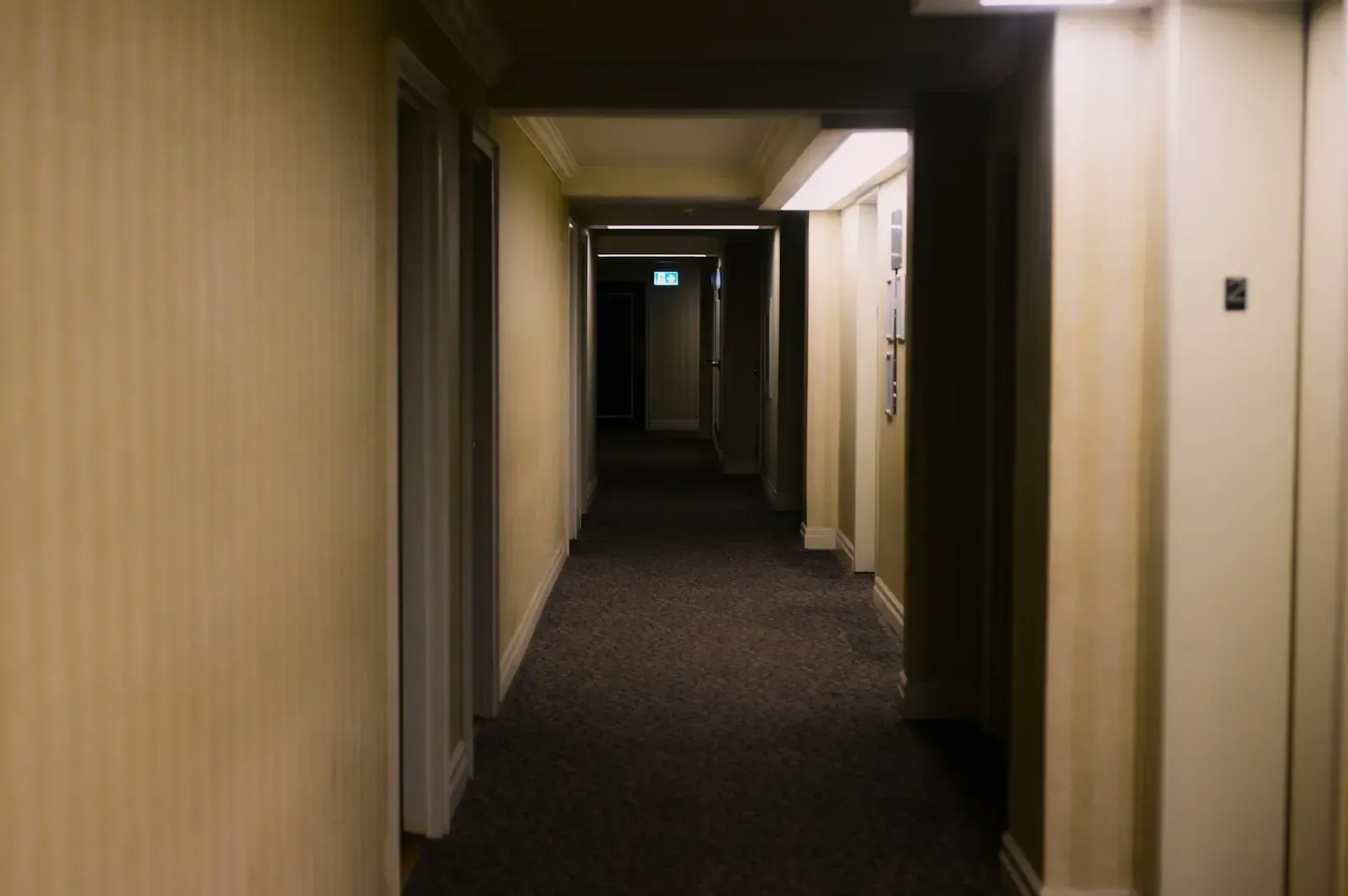
The rooms nobody should book sit next to the lift shaft, the ice machine, or the service door.
You'll hear the mechanical hum, the late-night ice run, the door that never closes softly. I keep a mental map of these dead zones in the hotels we return to — and I ask for anything but them.
A Small Trick That Always Helps
When booking, ask to be away from the lift and away from the service areas. It costs nothing, and staff almost always try to honour it.
That one sentence has saved more of my employer's sleep than any pillow menu.
What Changes by Destination
The rules bend depending on where in the world you are.
A high floor in one city is a gift; in another, it's a gamble.
Cities Where High Is Right
In dense, vertical cities — the kind where the skyline is the attraction — height earns its keep. The view is the experience, and the noise below is relentless.
Places like New York or Hong Kong reward going up. Resources like Condé Nast Traveler are useful for sensing which cities are built to be seen from above.
Places Where Low and Local Wins
In a low-rise heritage town, though, a high floor can cut you off from the very charm you came for — the street life, the morning market, the sound of a place waking up.
Sometimes the second floor over a quiet lane beats the top floor over nothing.
How I Actually Choose a Floor
After enough trips, this became a quiet checklist I run without thinking.
Here's the short version, from someone who does this for a living.
- Ask what's below the room — kitchen, bar, loading bay, or blessedly nothing
- Request away from the lift and service areas, every time
- Choose a corner when one's offered, for the light and the quiet
- Match height to purpose — view for leisure, mid-level for a packed schedule
- Read the city first — go high where the skyline sings, stay low where the street does
None of this appears on a booking page. All of it changes how the stay feels.
The One Call That Changes Everything
The single most useful thing you can do is phone the hotel directly before arrival.
Not the app. Not the booking site. A real call, asking a real person which floors are quietest and which rooms they'd choose themselves. Front desk teams know their building's dead zones better than any website — and they'll often tell you if you simply ask.
The Floor Is the Frame

An evening in a beautifully located room does something a booking category can't capture.
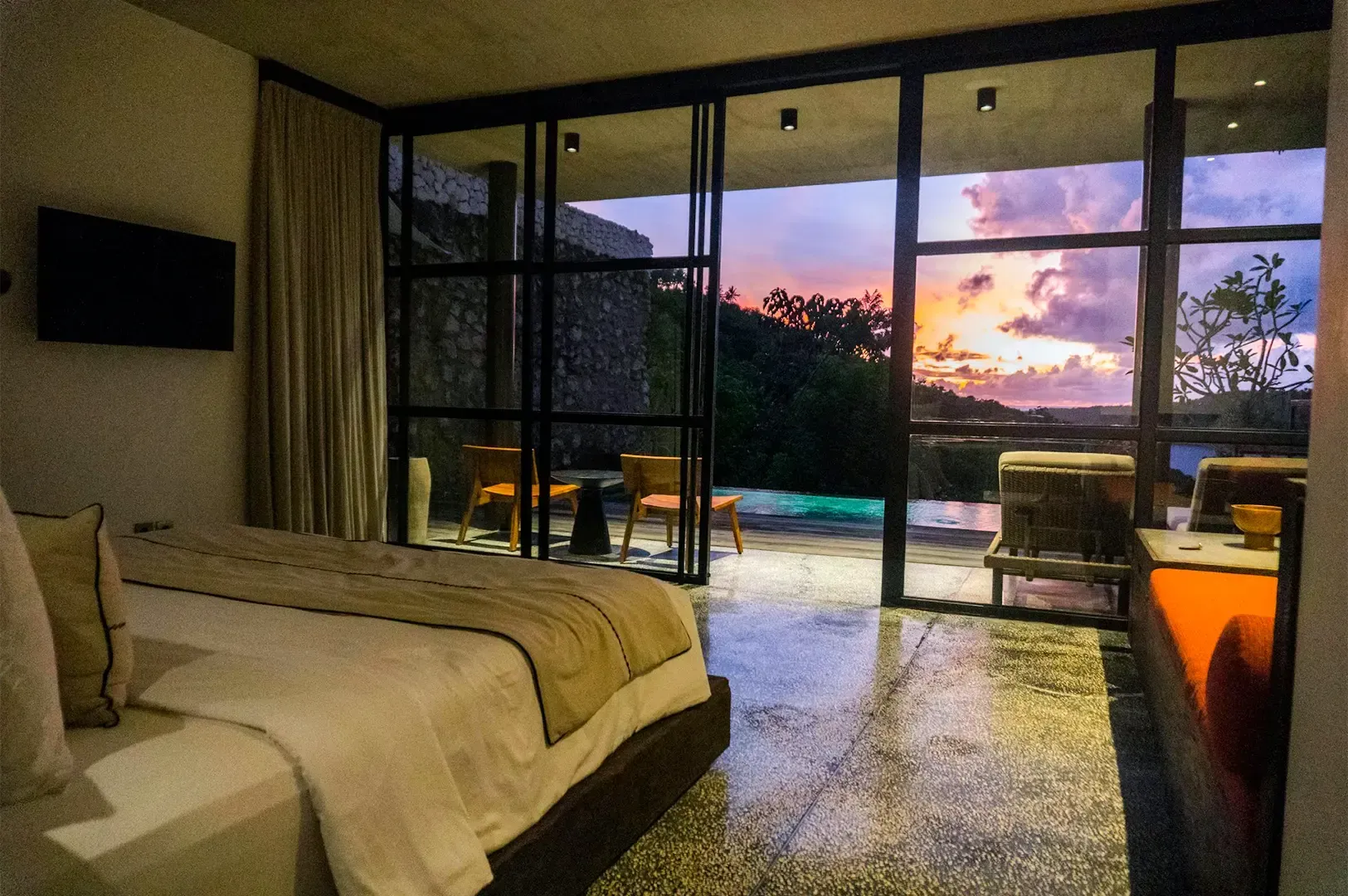
The light comes in slow and gold. The city hums far enough below to feel like company, not chaos. You sleep, properly, and wake without a truck reversing beneath you.
That's the difference the hotel floor experience makes — not louder luxury, just a better-placed one.
The room is the picture. The floor is the frame around it. And the frame, it turns out, is the part most people forget to choose.
Next time you book, don't stop at the room. Ask where it sits in the building — and let the answer shape the whole stay.
For more on what truly makes a room work, read our piece on
why hotel room layout matters more than square footage.