Beyond Marina Bay: Exploring Neighborhood Dining Secrets in Singapore
May 12, 2026 |J.C. Yue
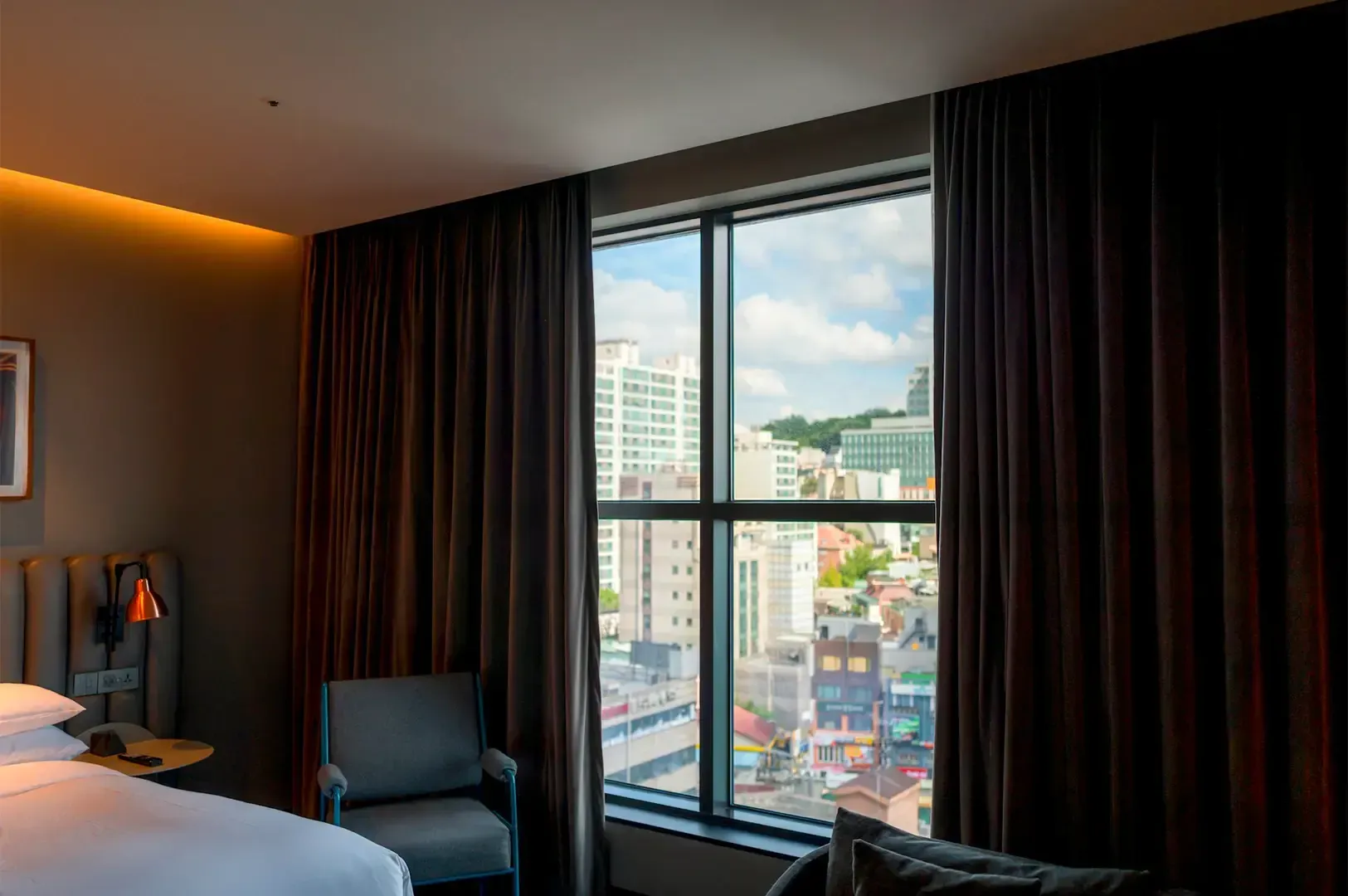
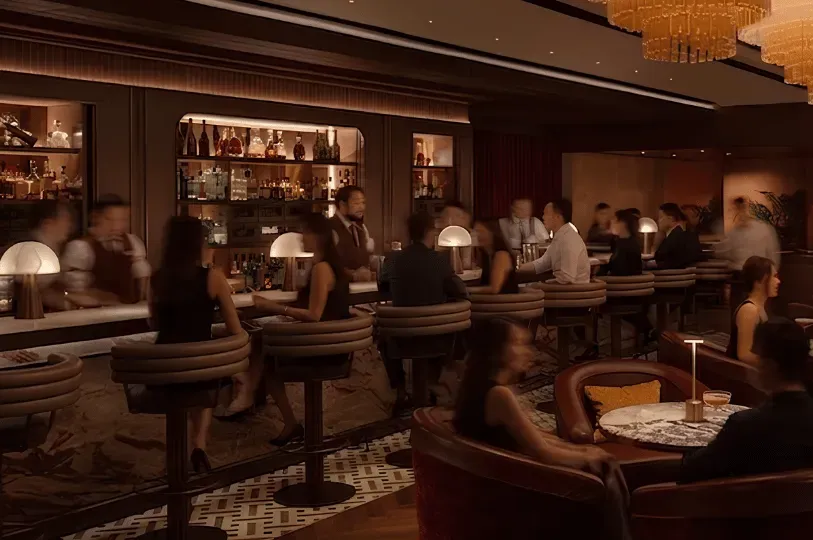
When I coordinate travel for my employer, our Singapore itineraries almost always feature the same glowing landmarks. We book the penthouse suites overlooking the financial district, arrange private viewings at the botanical gardens, and secure tables at restaurants where the waiting list stretches for months.
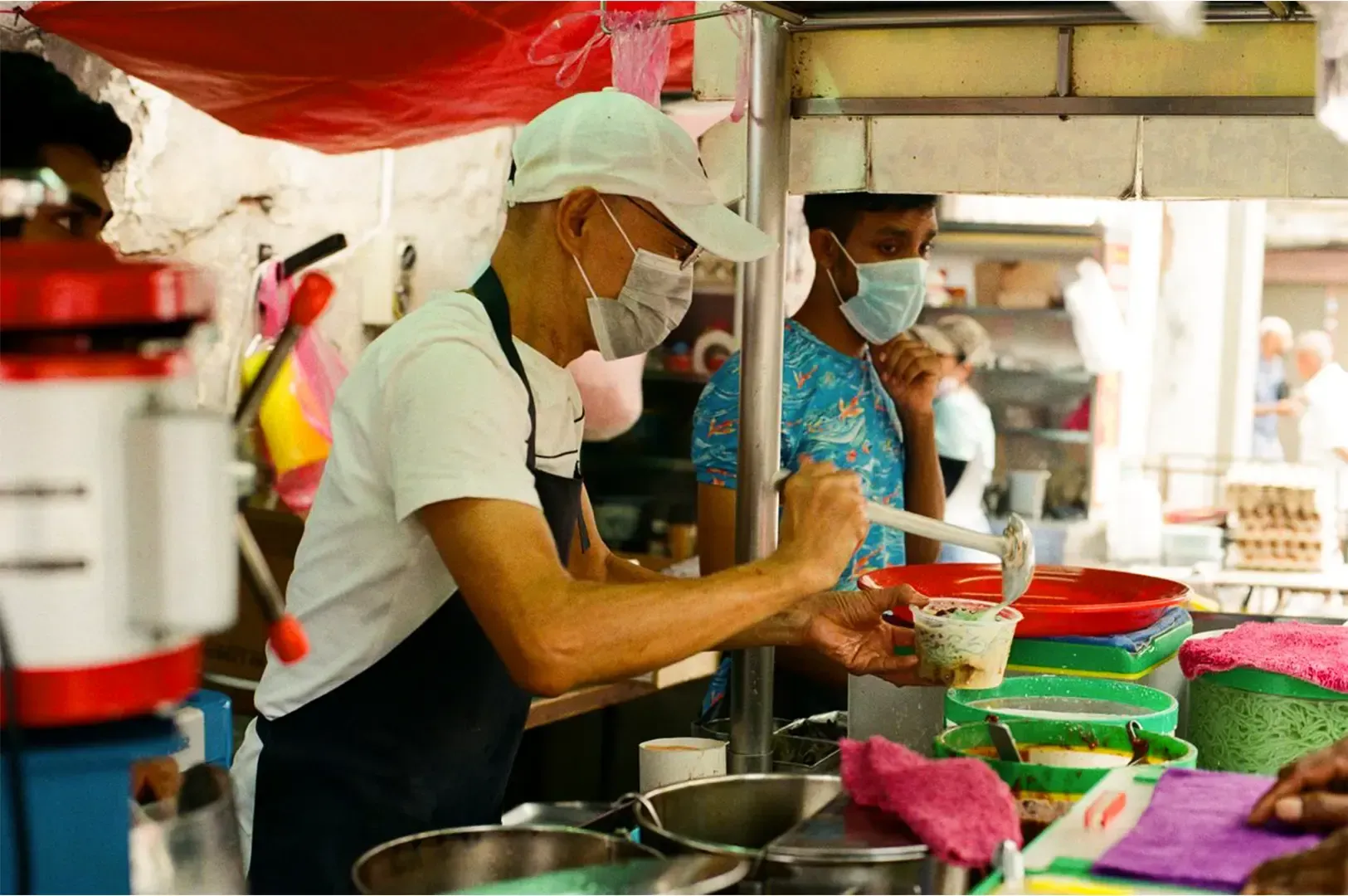
Yet, as a Singaporean, I know that the glossy restaurants clustered around the bay only tell a fraction of our culinary story. The real soul of our island does not live under crystal chandeliers. It lives in the humid, bustling heartlands where generations of hawkers perfect a single dish over decades.
After dropping my employer off at a glittering gala, I often trade my tailored blazer for a simple t-shirt to eat where the locals eat. This guide uncovers the neighborhood dining secrets Singapore fiercely protects. We will venture past the famous tourist spots to explore the authentic, deeply rooted food culture that defines our everyday lives.
The Dual Nature of Singapore’s Culinary Landscape
Managing high-end itineraries requires a deep understanding of what constitutes true exclusivity. Often, foreign visitors mistake expensive price tags for authentic cultural experiences.
Leaving the Marina Bay Bubble
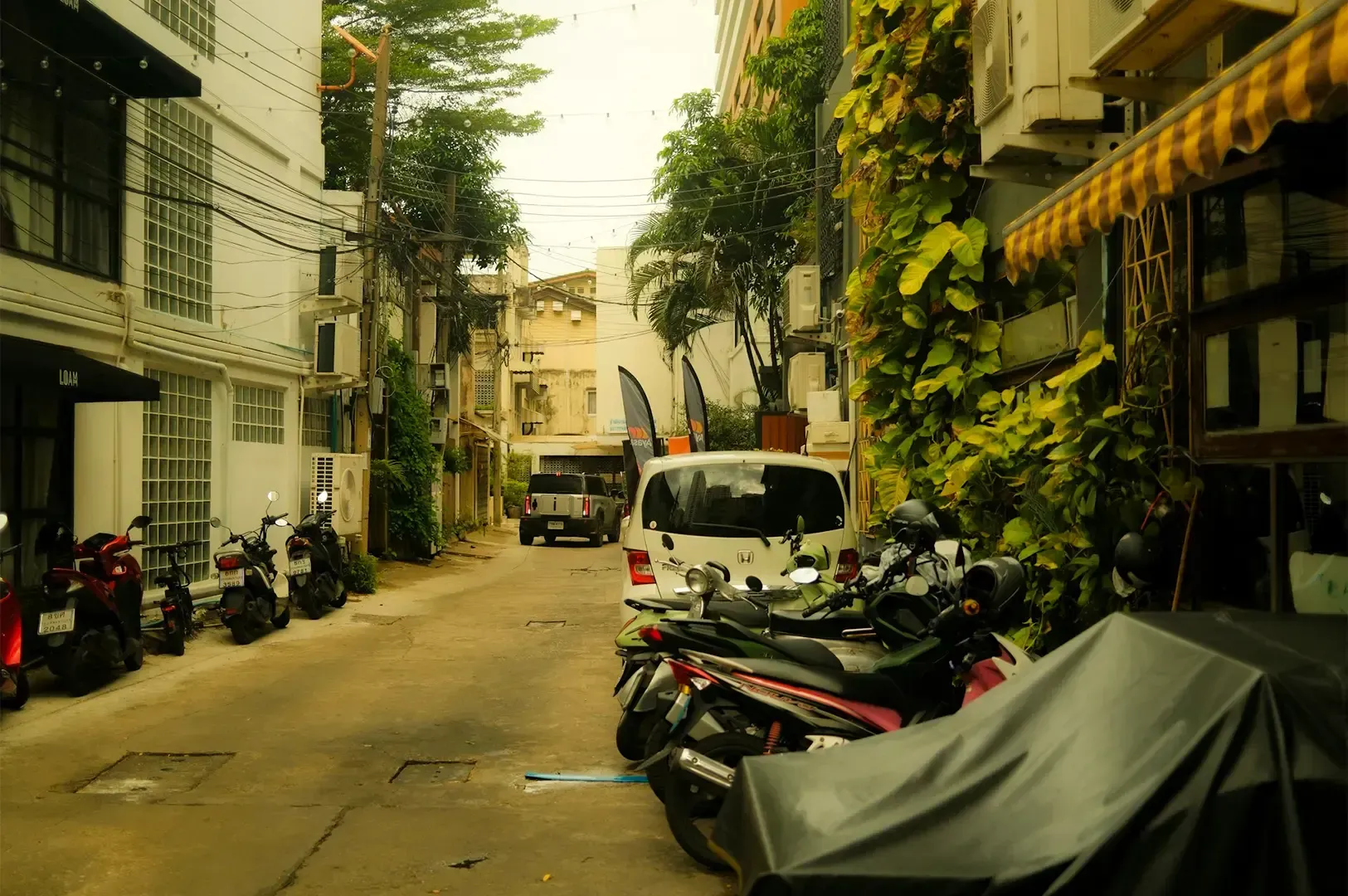
Do not get me wrong; the Michelin-starred establishments in our luxury hotels are spectacular. But authentic Singapore food requires leaving the central business district behind. It requires venturing into the public housing estates and heritage neighborhoods where the air smells of roasted shrimp paste and wok breath.
To understand the foundation of our local food scene, you can look at the
National Heritage Board's guide to Hawker Culture. It beautifully explains why these bustling centers are the true great equalizers of our society. You will find taxi drivers sharing tables with CEOs, all waiting patiently for the same plate of noodles.
East Coast Enclaves: Katong and Joo Chiat

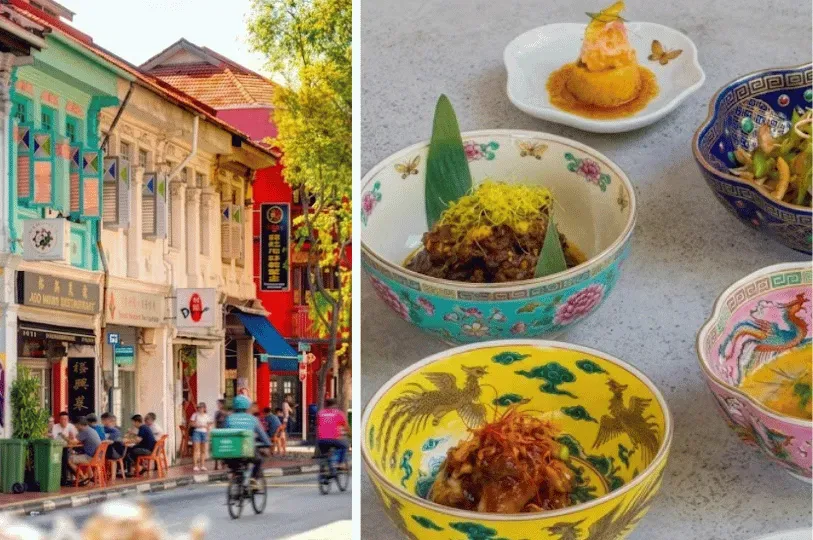
If you drive fifteen minutes east of the city center, the towering glass skyscrapers give way to colorful, low-rise shophouses. This area is the beating heart of our Peranakan community.
Discovering Peranakan Heritage Cuisine
Peranakan, or Nyonya, food is an intricate fusion of Chinese ingredients and Southeast Asian spices. It is labor-intensive, complex, and incredibly flavorful. When high-net-worth clients ask me for a local food scene Singapore experience, I always point them toward Joo Chiat.
Instead of white tablecloths, you find worn wooden tables and the intense aroma of lemongrass and galangal. For travelers who want to dive deeper into this fascinating subculture, the Wikipedia page on Peranakan offers excellent historical context.
The Art of the Perfect Laksa
You cannot visit Katong without trying its namesake laksa. Unlike the versions you find overseas, authentic Katong laksa features noodles cut into short pieces. You eat it solely with a spoon. The broth is a thick, sandy mixture of coconut milk, dried shrimp, and fiery chili.
When I brought a visiting French chef here on his day off, he was stunned by the depth of the broth. He spent an hour trying to deconstruct the flavor profile. That is the magic of
Joo Chiat dining; it offers a complexity that rivals any fine dining kitchen in Paris.
Tiong Bahru: Where Heritage Meets Modernity

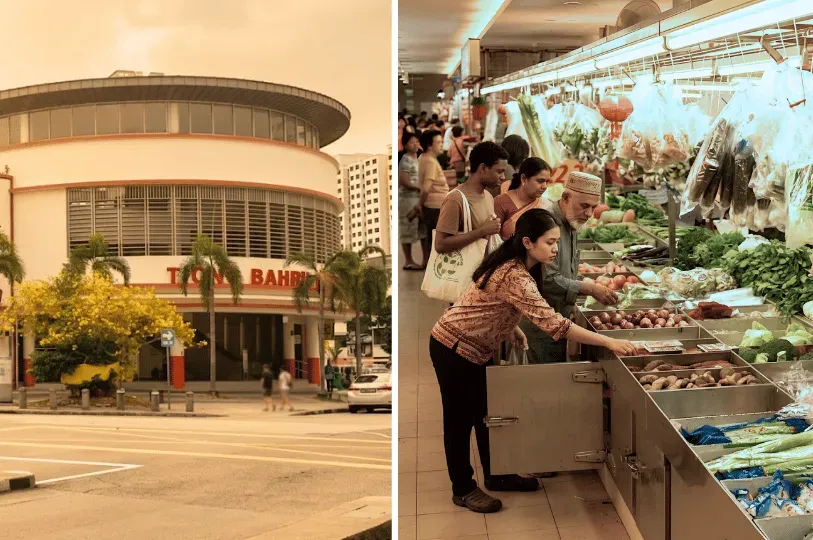
Closer to the city, Tiong Bahru offers a completely different atmosphere. It is one of our oldest housing estates, characterized by its beautiful Art Deco architecture.
The Morning Wet Market Ritual
While tourists flock to the modern cafes that have recently taken over the neighborhood, the older generation still gathers at the Tiong Bahru Market. The ground floor is a traditional wet market selling fresh produce, while the second floor houses a massive food center.
To truly experience Tiong Bahru food, you must arrive before 8:00 AM. This is when the market is most alive. You will see aunties haggling over fresh fish and uncles debating politics over strong, dark coffee.
Deciphering the Chwee Kueh Experience
One of the greatest hidden hawker centers secrets here is the chwee kueh stall. Chwee kueh translates to "water rice cake." They are steamed, bowl-shaped rice cakes topped with a deeply savory, oily mixture of preserved radish.
Managing Expectations for Foreign Palates
I often warn my foreign colleagues that our local breakfast is rarely sweet. We favor strong, savory, and sometimes heavy dishes to start the day. When introducing a client to chwee kueh, I explain that the texture is soft and gelatinous. Embracing these unfamiliar textures is a crucial part of understanding Singaporean culinary culture.
To learn more about the specific vendors operating in these historic markets, the Michelin Guide Bib Gourmand Singapore provides a surprisingly accurate list of reliable street food stalls.
Late-Night Secrets in Serangoon

In my profession, working hours are wildly unpredictable. When a delayed flight lands at 1:00 AM, my employer heads straight to their suite. I, however, head straight to Serangoon.
The Supper Culture of the Heartlands
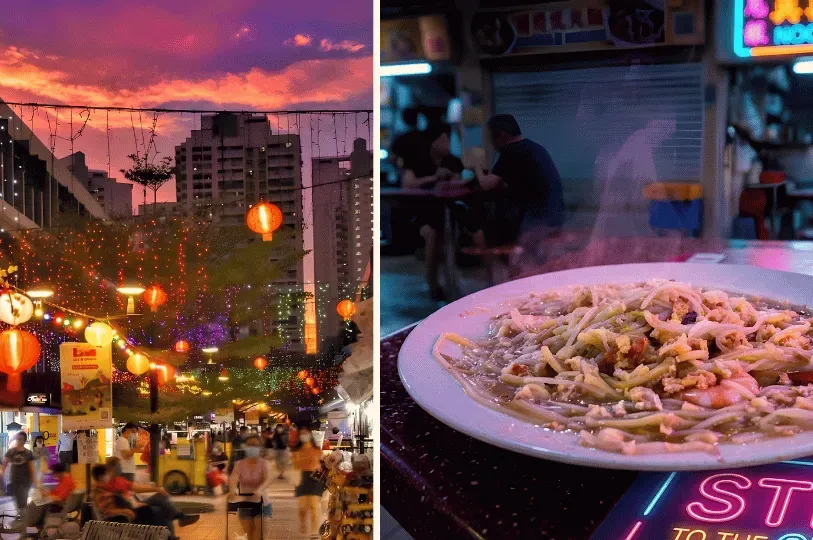
Singaporeans take supper very seriously. We have entire districts dedicated to feeding people long after midnight. Serangoon and the neighboring Kovan area harbor some of the most fiercely guarded late-night local eats.
Finding Comfort in Simplicity
After coordinating logistics across three different time zones, I crave the simplicity of a steaming bowl of bak chor mee (minced meat noodles). The best stalls operate out of brightly lit, noisy coffee shops that never seem to close.
The vendor tosses springy noodles with black vinegar, chili, and crispy pork lard. It is aggressive, sharp, and deeply comforting. These midnight meals provide a grounding contrast to the luxury travel Singapore lifestyle I manage during the day.
The Unspoken Rules of Hawker Centers
Navigating these neighborhood spots requires learning a specific set of unwritten rules. If you break them, you will instantly mark yourself as a tourist.
Mastering the Tissue Paper "Chope"
The most important rule is the "chope" system. If you see a packet of tissue paper resting on an empty table, that table is occupied. Someone has claimed it while they go to order their food.
Never move the tissue paper. It is a system built entirely on mutual trust and unspoken social contracts. For a humorous but highly accurate explanation of this local quirk, you can read the
Visit Singapore guide to local etiquette.
Northern Comforts: Toa Payoh's Enduring Legacy

Toa Payoh is a sprawling, mature residential town that rarely makes it onto a standard tourist map. This isolation is exactly why the food here remains so authentic.
Exploring the Pioneer Housing Estates
When my international friends ask me to show them the "real" Singapore, I bypass the sleek shopping belts and take the train up north. The hawker centers here have been feeding the same families for three generations.
The Mastery of Hokkien Mee
You will find stalls specializing in Hokkien mee—a glorious, messy plate of yellow noodles and thick bee hoon simmered in a rich prawn and pork bone stock. The secret lies in the wok hei, which translates to the "breath of the wok." It is a complex, smoky flavor achieved only by stir-frying ingredients over extreme, roaring heat.
The chefs here are artisans. They stand over massive iron woks for ten hours a day, executing the exact same wrist movements to perfect their craft. You can read about the intensive labor behind Asian street food traditions through resources from the
Culinary Institute of America, which frequently studies these ancient techniques.
The True Meaning of Luxury Travel in Singapore

People often define luxury by the thread count of their hotel sheets or the vintage of the champagne waiting in their room. My decade spent working as a global assistant has fundamentally altered my definition.
Accessing the Inaccessible
True luxury is access. It is the ability to bypass the curated tourist experiences and slip quietly into the authentic rhythm of a foreign city.
When you sit on a plastic stool in a humid alleyway, sweating over a bowl of spicy noodles while an old radio plays Chinese opera in the background, you are experiencing the city exactly as we do. You are participating in a guarded culinary tradition that we hold incredibly dear.
Bridging the Gap Between Worlds
I constantly bridge the gap between two vastly different worlds. I ensure my employer has a flawless, insulated experience while simultaneously sneaking away to reconnect with my roots.
The next time you visit our island, I urge you to look beyond the infinity pools. Take a local taxi to a neighborhood you cannot pronounce. Order a dish you have never seen before.
The
neighborhood dining secrets Singapore offers are not just meals; they are stories of migration, survival, and immense cultural pride. By stepping out of the Marina Bay bubble, you will discover that our most precious treasures cost less than five dollars and are served on a simple plastic plate. That is the beauty of the
dual identity of Singapore's culinary scene.