Seasonal Rituals: Understanding Tokyo's Luxury Through the Japanese Calendar
May 11, 2026 |J.C. Yue
Stepping onto the tarmac at Haneda Airport feels different depending on the month you arrive. As a personal assistant managing the intense global travel schedules of an ultra-high-net-worth employer, I have touched down in the Japanese capital during every conceivable weather condition. What fascinates me most about this city is not the neon skyline or the flawless infrastructure. It is the absolute devotion to the passage of time.
In many global financial hubs, luxury is a static concept. A five-star suite in New York or London largely offers the same core experience in January as it does in July. However, Tokyo's luxury travel scene operates on an entirely different philosophy. Here, true exclusivity is directly tied to the ancient rhythms of nature.
Understanding these seasonal rituals in Tokyo is the ultimate key to unlocking the city's highest echelon of hospitality. This guide explores how the traditional calendar shapes the most refined luxury travel experiences, offering a behind-the-scenes look at how we orchestrate seamless itineraries throughout the shifting year.
The Japanese Calendar and High-End Travel
To master scheduling in this city, you must first unlearn the Western concept of four distinct seasons. The traditional approach is far more granular, dictating everything from floral arrangements in hotel lobbies to the ingredients on a Michelin-starred menu.
Why Micro-Seasons Matter in Hospitality
Japan historically observes 72 micro-seasons, known as kō. Each season lasts roughly five days, perfectly describing subtle environmental shifts like "frogs start singing" or "chrysanthemums bloom." For a fascinating deep dive into this ancient timekeeping method, the Nippon website on the 72 seasons provides incredible historical context.
This hyper-awareness of time forms the foundation of elite Japanese hospitality. When we book a penthouse suite for my employer, the welcome amenities change weekly to reflect the exact micro-season. This level of anticipation and environmental harmony is what separates a good hotel from a legendary one.
Adapting the Executive Schedule
As a global assistant, my logistical planning revolves entirely around this calendar. You cannot force a summer itinerary into a winter trip. Understanding these Japanese seasonal customs allows me to guide my employer's expectations and secure the most culturally relevant, exclusive experiences available.
Spring: The Ephemeral Beauty of Sakura

No season is more internationally famous than spring. However, experiencing the cherry blossoms through a lens of true luxury requires massive foresight and strategic maneuvering.
Beyond the Crowded Public Parks
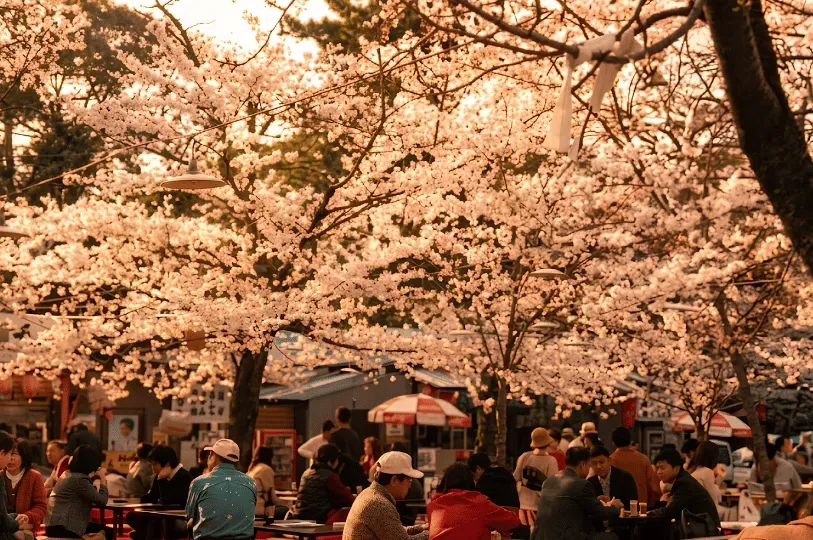
Millions of tourists flood the city to see the sakura bloom. For a high-net-worth individual requiring absolute privacy, wandering through a packed Ueno Park is completely out of the question. My job is to find the quiet, unseen corners where the spring seasonal rituals can be enjoyed without the crowds.
Securing Private Cherry Blossom Views
Months in advance, I leverage my network of local concierges to book private dining rooms that overlook ancient, blooming trees. One of our most successful exclusive Tokyo experiences involved chartering a traditional yakatabune (a low-slung wooden boat).
The PA's Secret to Spring Logistics
We cruised quietly down the Meguro River late at night, long after the tourist crowds had dispersed. The boat featured a private chef preparing a multi-course meal, allowing my employer and their guests to view the illuminated blossoms in total seclusion. If you want to understand the cultural significance of these blossoms, the Japan National Tourism Organization (JNTO) guide to spring offers great foundational knowledge.
Managing Unpredictable Timelines
The hardest part of spring planning is the unpredictability of nature. The blossoms only last a week. If our meetings shift by three days, we might miss the peak bloom entirely. I always build buffer days into the itinerary and maintain backup reservations at higher elevations where the trees bloom slightly later.
Summer: Humidity, Matsuri, and Cooling Rituals

Summer in the capital is notoriously hot and humid. Navigating this climate gracefully is a true test of a personal assistant's logistical skills.
Surviving the Tokyo Heat in Style
When the humidity peaks, the concept of luxury shifts toward relief and cooling rituals. The best Tokyo luxury hotels adapt their environments instantly. They swap heavy bedding for crisp, breathable linens and introduce visual elements of water and ice to create a psychological sense of cooling.
The Culinary Shift to Summer Menus
The dining scene also transforms. I redirect my employer's dinner reservations away from heavy, simmering hot pots toward restaurants specializing in ayu (sweetfish) and cold somen noodles. The visual presentation becomes sparse and refreshing. You can frequently see these seasonal culinary shifts highlighted in the Michelin Guide for Tokyo.
Coordinating Private Festival Access
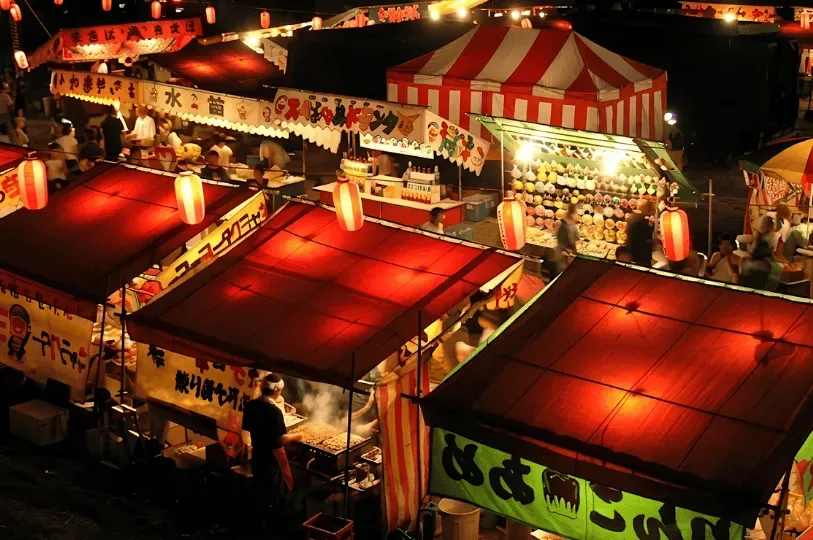
Summer is also the season of matsuri (festivals) and spectacular fireworks (hanabi). While the street-level experience is chaotic, the luxury travel approach involves watching the sky light up from a chartered helicopter or a highly restricted rooftop lounge.
The Value of Discreet Transportation
During these sweltering months, minimizing my employer's time on the pavement is critical. I coordinate closely with our private drivers to ensure the vehicle is precisely climate-controlled and waiting directly outside the building doors. We stock the car with chilled, scented towels—a small
hospitality detail that makes a massive difference between high-stakes meetings.
Winter: Stillness and Renewal

Winter strips away the visual noise of the city. The skies turn a piercing, clear blue, and the hospitality landscape becomes incredibly focused on warmth and internal reflection.
The New Year Oshogatsu Traditions
The most critical period of the winter calendar is Oshogatsu, the New Year celebration. For a global assistant, this is the most challenging time to manage Tokyo travel logistics.
Navigating Holiday Closures
Unlike Western holidays where hospitality venues often capitalize on the festive rush, Japan effectively shuts down for the first few days of January. Family takes precedence. Securing a table at a top-tier restaurant during this window is nearly impossible unless you have a deep, longstanding relationship with the chef.
Strategic Winter Planning
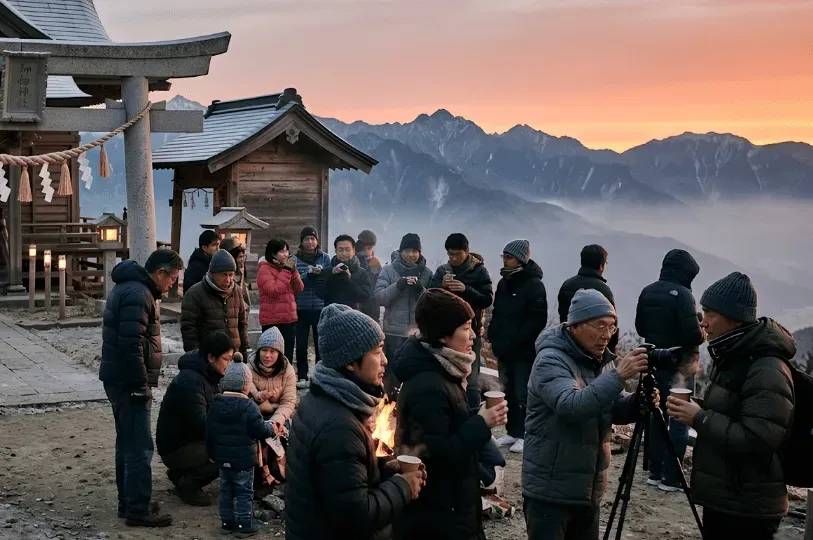
If my employer must travel during this period, I rely heavily on the infrastructure of ultra-luxury hotels. These properties become self-contained sanctuaries. They offer special osechi ryori (traditional New Year foods) and arrange private viewings of the first sunrise of the year. To understand the complex logistics of navigating these holiday closures, the Tokyo Metropolitan Government tourism portal offers great practical insights for visitors.
Warmth Through Omotenashi
The winter months perfectly highlight the concept of omotenashi, or wholehearted hospitality. It is the heated seat of the car waiting in the freezing wind. It is the carefully warmed ceramic cup of roasted green tea placed on the desk right as my employer finishes a grueling conference call. The luxury service standards during winter are designed to provide profound comfort against the biting cold.
The intersection of Business and Seasonal Etiquette
For those traveling for business, acknowledging the calendar is not just a polite gesture; it is a vital negotiation tool.
Gifting in Tune with the Seasons
My responsibilities often include sourcing corporate gifts for local partners. In Japan, handing a client a standard, generic luxury pen shows a lack of effort.
Instead, I source gifts that reflect the exact moment in the year. A beautifully wrapped box of rare, seasonal white strawberries in winter, or premium early-harvest green tea in the spring, communicates deep respect. It shows that you understand their culture and respect their seasonal traditions. The Forbes Travel Guide frequently notes how this cultural fluency has become the defining metric of modern luxury.
Dressing for the Calendar
Even wardrobe choices must align with the season, regardless of the actual temperature. Wearing a tie with a subtle autumn motif in late November is a quiet nod to the environment that local executives will instantly recognize and appreciate.
Conclusion: Embracing the Flow of Time

Managing complex global itineraries often feels like a constant battle against the clock. We are always trying to compress time, move faster, and squeeze one more meeting into the day.
Working in this city forces you to adopt a different rhythm. You cannot rush the cherry blossoms, and you cannot delay the autumn leaves. The greatest lesson I have learned in coordinating luxury travel experiences here is the power of surrender.
When you align your itinerary with the traditional calendar, the friction of travel disappears. The city opens up to you. For the discerning traveler looking to move beyond standard luxury, understanding the
seasonal rituals in Tokyo is an absolute necessity. It transforms a simple business trip into a profoundly grounded, culturally immersive journey. By paying attention to the subtle shifts in the wind and the changing ingredients on your plate, you connect with the deepest, most authentic layers of Japanese hospitality.