Kaiseki in the Ancient Capital: The Philosophy Behind Kyoto's Most Refined Cuisine
April 28, 2026 |J.C. Yue
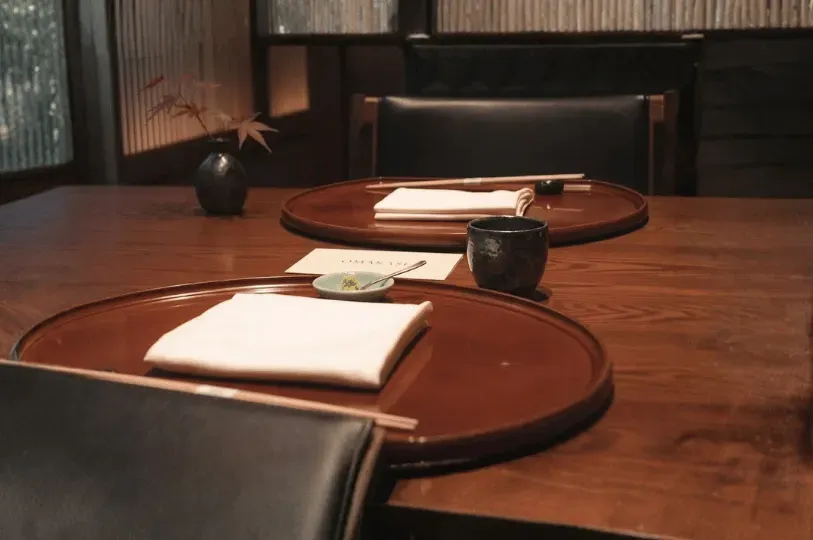
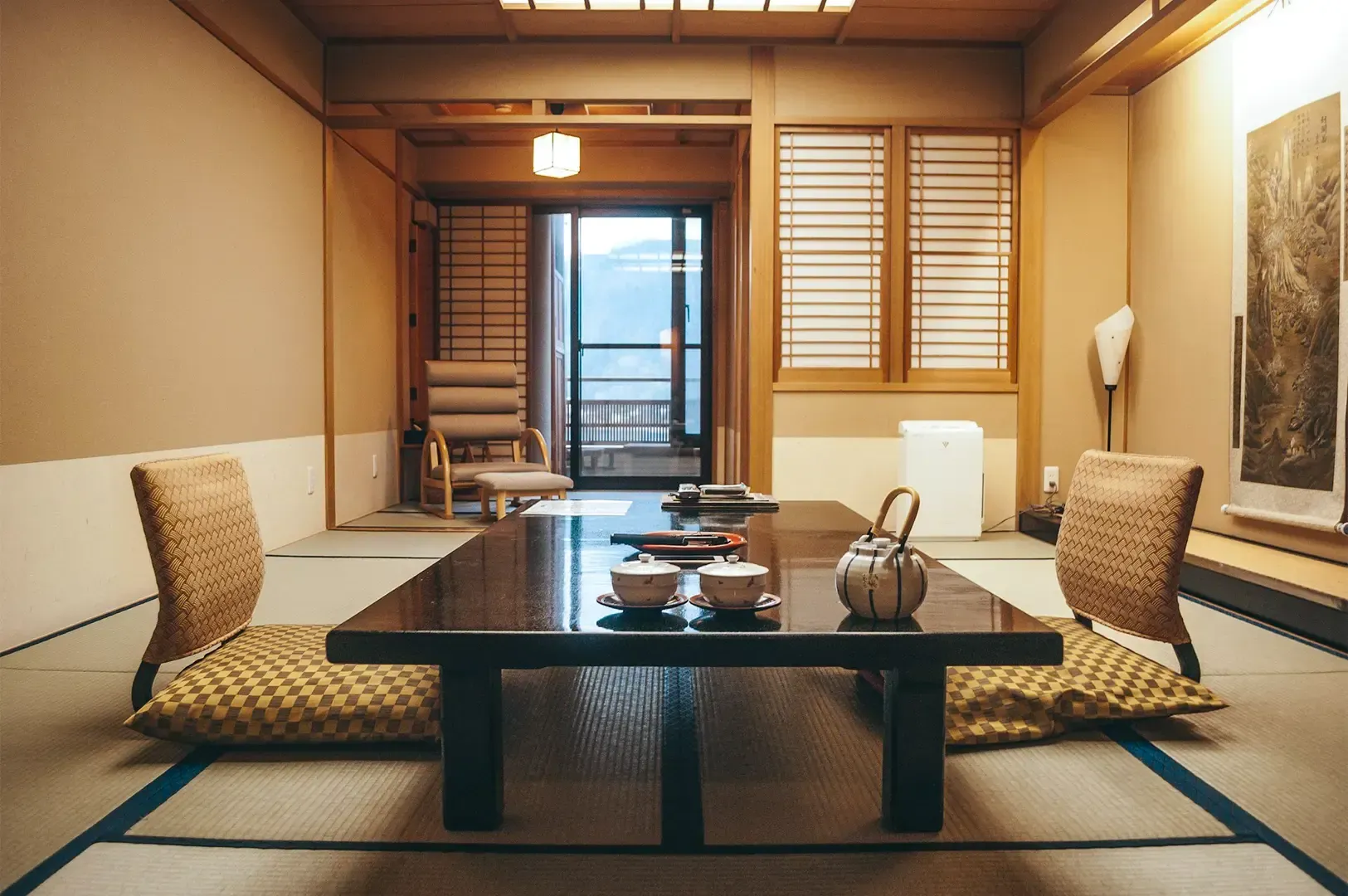
The wooden floorboards of a centuries-old machiya creak softly under the attentive steps of a kimono-clad hostess. Outside, the narrow streets of Gion are quiet, wrapped in the cool evening air. As a personal assistant managing the travel schedules of ultra-high-net-worth individuals, I have organized dinners in glass-walled skyscrapers and private yachts across forty countries. Yet, organizing a traditional dining experience here requires an entirely different level of precision.
When my employer travels to Japan, securing a seat at a top-tier restaurant is always the highest priority. However, we do not just book a table to eat. We book it to understand Kyoto's most refined cuisine.
This culinary tradition is not merely a sequence of dishes. It is a profound reflection of time, nature, and discipline. This guide explores the intricate philosophy behind traditional Kyoto kaiseki. We will uncover the hidden rules of reservation, the deep respect for seasonality, and the quiet luxury of Japan's ancient dining culture.
Understanding Traditional Kyoto Kaiseki
To truly appreciate this dining style, you must look past the exquisite plating and understand its deeply rooted history.
The Origins of Japanese Haute Cuisine
The concept did not begin in grand palace kitchens. Instead, it evolved from the austere traditions of Zen Buddhism. Originally, the term referred to a simple meal served during the traditional tea ceremony.
From Tea Ceremonies to Fine Dining
Over the centuries, this modest practice transformed. It absorbed the elegant banquet styles of the imperial court and the robust dining habits of samurai families. Today, authentic kaiseki dining represents the absolute pinnacle of Japanese gastronomy.
The Role of the Ryotei
The most exclusive meals take place inside a ryotei, a highly traditional, fiercely private Japanese restaurant. These establishments often do not accept new customers without a formal introduction. They are the guardians of Kyoto culinary arts, preserving methods passed down through generations of master chefs.
Quiet Exclusivity
Unlike flashy Western fine dining, a ryotei values absolute discretion. There are no neon signs or crowded waiting areas. As an assistant, I appreciate this deeply. My clients require privacy, and these exclusive Kyoto restaurants offer an impenetrable sanctuary from the outside world.
For those seeking a harmonious blend of privacy and tradition beyond dining, Kyoto's exclusive private ryokans offer an equally enchanting experience. To explore more about these hidden retreats, visit
Kyoto Exclusive Private Ryokans.
The Seasonal Philosophy of Kaiseki Dining

In Western kitchens, chefs often force ingredients to fit a specific menu year-round. In Japan, nature dictates the menu completely.
Embracing Shun: The Peak of Seasonality
The foundational concept of this culinary style is shun. This refers to the exact moment an ingredient reaches its absolute peak of flavor. A master chef will only serve bamboo shoots when they are perfectly tender, or snow crab when the winter waters are coldest.
Micro-Seasons in Kyoto Culinary Arts
Japan recognizes 72 distinct micro-seasons throughout the year. The menus shift not just every month, but every few days. When we visit in early April, the dishes heavily feature cherry blossom motifs and delicate spring vegetables. If we return in late October, the focus shifts to earthy mushrooms and rich, fatty fish.
Visualizing the Passing of Time
This devotion to time extends to the plating. You might find a single maple leaf resting on a ceramic bowl, intentionally slightly browned at the edges. This reminds the diner that autumn is fading into winter. For a deeper look at how the region celebrates seasonal shifts, the
Kyoto City Official Travel Guide
provides beautiful insights.
Behind the Shoji Screens: A PA’s Perspective

People often ask me how to secure a table at a legendary establishment. The truth is, money alone will not open these heavy wooden doors.
Securing Exclusive Restaurant Reservations
Many top-tier venues operate on an "ichigensan okotowari" policy, meaning they refuse first-time customers without a trusted referral. Booking a luxury dining experience requires vast networks of local contacts.
The Power of Concierge Relationships
I spend months cultivating relationships with the chief concierges at elite properties. I communicate our exact dates, dietary restrictions, and my employer's specific preferences long before our flight lands. If you want to understand the stringent standards these restaurants maintain, reviewing the Michelin Guide Kyoto reveals just how competitive the landscape truly is.
Navigating Last-Minute Changes
Flexibility is a luxury we rarely have. When my employer suddenly reschedules a meeting, moving a fine dining reservation is notoriously difficult. These kitchens prepare ingredients for an exact number of guests days in advance. Canceling late is a massive breach of trust and can permanently damage your relationship with the chef.
The Anatomy of a Kaiseki Meal

Sitting down for this experience is similar to watching a carefully choreographed theatrical performance. Every movement has a purpose.
Sakizuke to Mizumono: The Journey of Courses
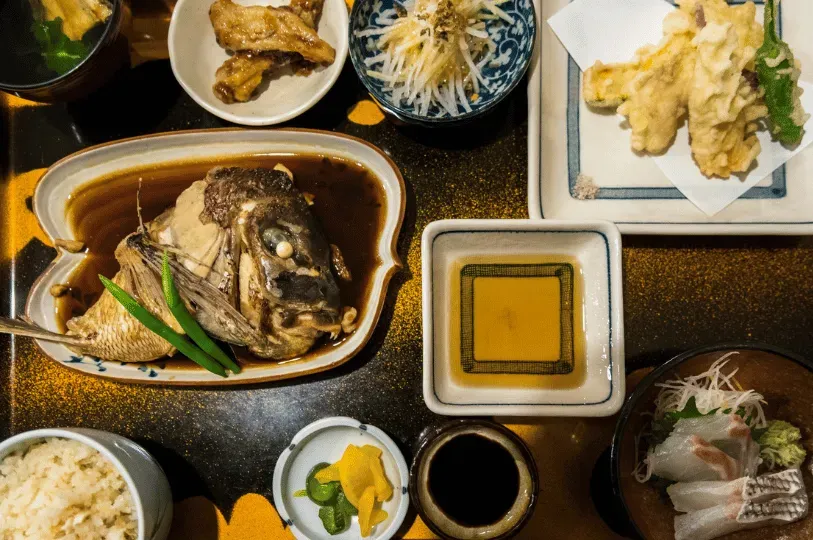
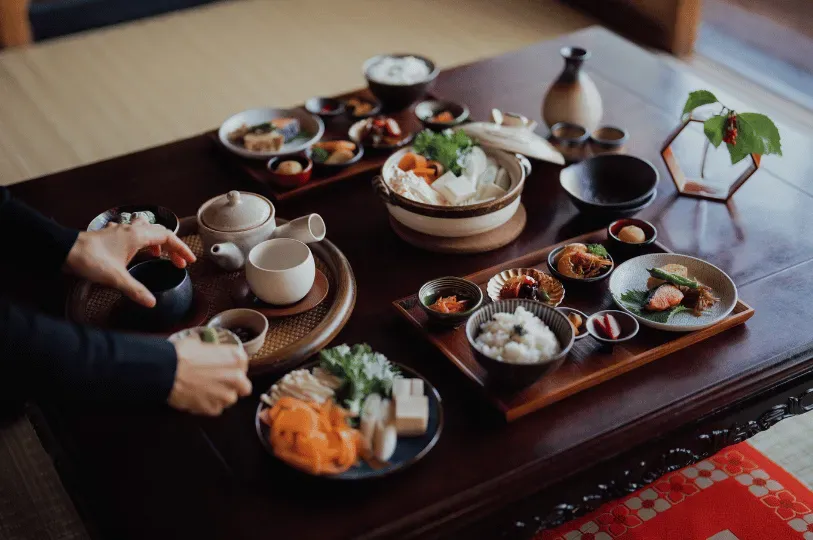
A standard meal consists of multiple small, sequential courses. It begins with the sakizuke, an appetizer designed to awaken the palate. It moves through a progression of sashimi, simmered dishes, and grilled items.
Balancing Taste, Texture, and Appearance
The chef balances five colors, five tastes, and five cooking methods in every single meal. A clear soup (suimono) cleanses the palate, preparing you for the richness of the grilled fish (yakimono). The progression is flawless, designed to leave you satisfied but never uncomfortably full.
Visual Artistry in Japanese Gastronomy
The visual presentation is just as vital as the flavor. Chefs select antique ceramic bowls and hand-carved lacquerware to complement the food. A cold summer dish might arrive in a hollowed-out block of ice to convey a sense of cooling relief. Institutions like the Japanese Culinary Academy heavily emphasize this artistic presentation in their curriculum.
The Comfort of the Rice Course
The savory portion of the meal always concludes with rice, miso soup, and pickles. This shokuji course grounds the extravagant experience, bringing the diner back to the humble foundations of the Japanese diet. Finally, a seasonal dessert (mizumono) offers a light, refreshing finish.
Etiquette and Expectations for Foreign Travelers
Experiencing high-end Japanese dining requires guests to follow an unspoken code of conduct. Minor missteps can disrupt the delicate harmony of the room.
Navigating High-End Japanese Dining
The most common mistake foreign travelers make involves fragrance. I always brief my clients to avoid wearing heavy perfumes or colognes. The aroma of the food, especially the delicate dashi broth, is highly subtle. Strong artificial scents completely destroy the sensory experience for everyone in the room.
Dress Codes and Discreet Behavior
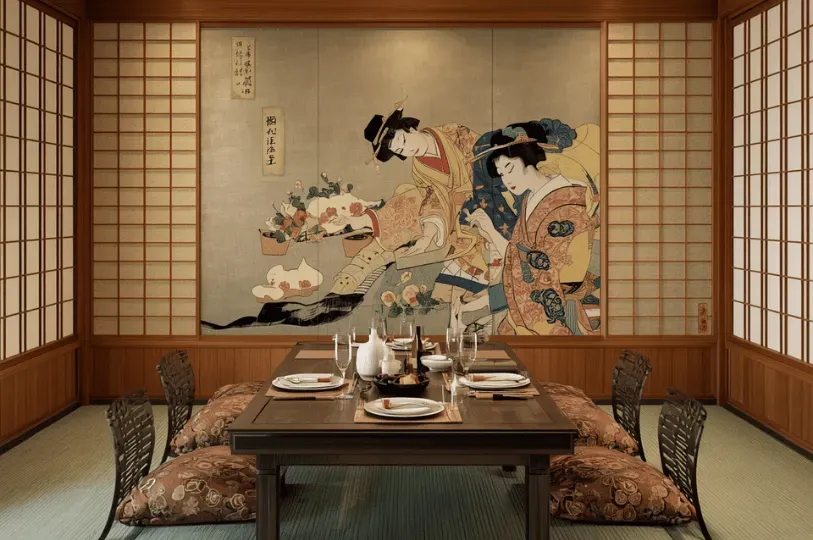
While you do not need to wear a kimono, conservative and elegant dress is expected. Because you will likely sit on a tatami mat, wearing clean, high-quality socks is absolutely mandatory. Bare feet are considered highly disrespectful.
Respecting the Chef's Vision
Never ask for soy sauce or extra salt unless it is explicitly offered. The chef has already seasoned the dish to perfection. Altering it implies that their deeply honed craft is somehow lacking. For travelers wanting to study these cultural norms further, the
Japan National Tourism Organization (JNTO) provides excellent resources on dining etiquette.
The True Luxury of Kyoto's Dining Scene

After managing hundreds of high-stakes trips, my definition of luxury has shifted. It is no longer about gold leaf or truffles flown in from halfway across the world.
Omotenashi: The Spirit of Japanese Hospitality
The true luxury of this ancient capital is omotenashi. This translates roughly to wholehearted hospitality. It is the ability of the staff to anticipate your needs before you even realize you have them.
Anticipation Over Reaction
When my employer drops a napkin, a replacement appears before we can ask. The temperature of the tea is adjusted based on how quickly we drank the previous cup. This invisible, seamless service is the hallmark of luxury travel Japan. The host does not serve you to earn a tip; tipping is actually deeply frowned upon. They serve you out of a genuine sense of professional pride and cultural duty.
Emotional Resonance in Dining
I once watched a seasoned CEO, a man who negotiates billion-dollar acquisitions daily, sit in absolute silence after tasting a simple bowl of simmered daikon. The purity of the flavor completely disarmed him. That is the true power of
Kaiseki cuisine. It forces you to slow down, to be present, and to respect the massive effort placed before you. Academic insights into this unique service culture can be found through platforms exploring Omotenashi and Japanese hospitality in global business contexts.
Conclusion: A Philosophy Beyond the Plate

Experiencing the pinnacle of gastronomy in Japan is a privilege that extends far beyond a full stomach. It is a profound lesson in mindfulness and discipline.
The chefs in these hidden kitchens dedicate their entire lives to mastering a single craft. They teach us that true perfection requires patience, an obsessive attention to detail, and a deep respect for the natural world.
As a global assistant, I navigate chaos daily. Yet, the two hours spent inside a quiet, traditional dining room provide a rare, anchoring stillness. For the discerning traveler looking to move beyond standard luxury, embracing the quiet philosophy of Japan's most refined cuisine is an absolute necessity. It is not just the best meal you will have on your trip. If you pay close enough attention, it might just change the way you look at the world.