The Art of Stillness: Kyoto's Hidden Temple Gardens and Private Contemplation Spaces
March 31, 2026 |J.C. Yue

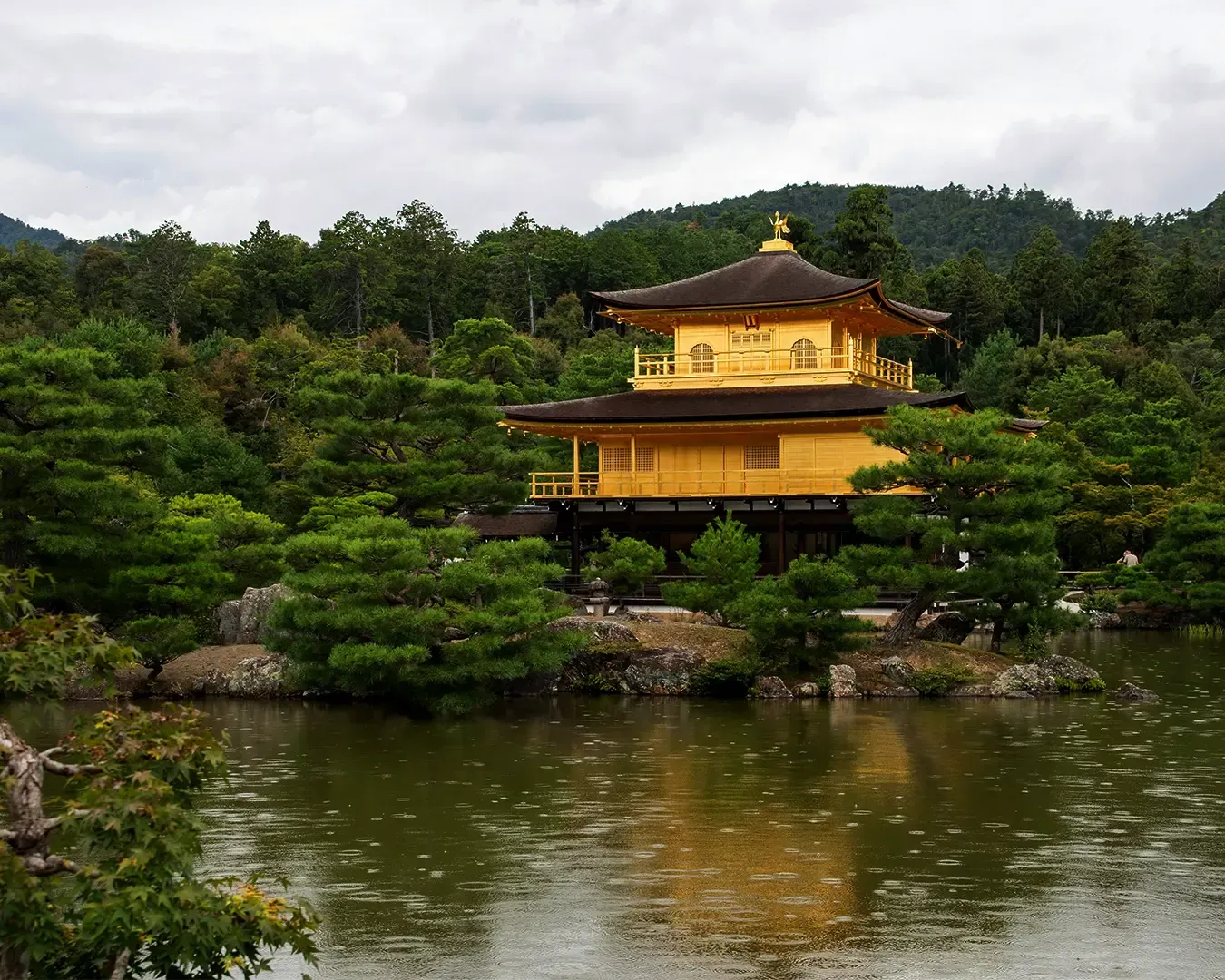
Kyoto is a city of overwhelming beauty. As a personal assistant who has accompanied my boss to this ancient capital many times, I have navigated the crowds at Kinkaku-ji (the Golden Pavilion) and fought for a clear photo in the Arashiyama Bamboo Grove. These are magnificent sights, but they are often consumed amidst a flurry of tourists, selfie sticks, and shuffling feet. After a few days of this, my boss will inevitably turn to me and say, "Find me somewhere quiet. Find me some stillness."
This request has led me on a personal quest to discover a different side of the city: the world of Kyoto's hidden temple gardens and private contemplation spaces. This is a Kyoto that exists beyond the main tourist trails, in small, overlooked temples and gardens where the only sounds are the rustle of leaves and the gentle trickle of water. It is a world where the ultimate luxury is not opulence, but silence.
This is an insider's guide to finding that silence. It’s about understanding the philosophy behind these sacred spaces, learning how to access them, and appreciating the profound
art of stillness that lies at the heart of Japanese culture.
Understanding the Japanese Garden: More Than Just Plants
Before you can find these hidden spaces, you must understand what you are looking for. A Japanese garden is not simply a collection of beautiful plants. It is a microcosm of the universe, a philosophical statement, and a carefully composed work of art designed to evoke a sense of peace and tranquility.
- A Living Painting: Every element is intentional—the placement of each rock, the curve of each branch, the path of the water. The garden is designed to be viewed from specific points, like a series of living paintings.
- Borrowed Scenery (Shakkei): Many gardens incorporate distant landscapes, like mountains or forests, into their design. This technique, called shakkei, makes the garden feel boundless and connects it to the wider natural world.
- The Beauty of Impermanence: These gardens celebrate the changing seasons and the transient nature of life, a concept known as mono no aware. The fleeting beauty of the cherry blossoms in spring or the vibrant colors of the maple leaves in autumn are central to the experience.
Beyond the "Big Five": Where to Find True Quiet

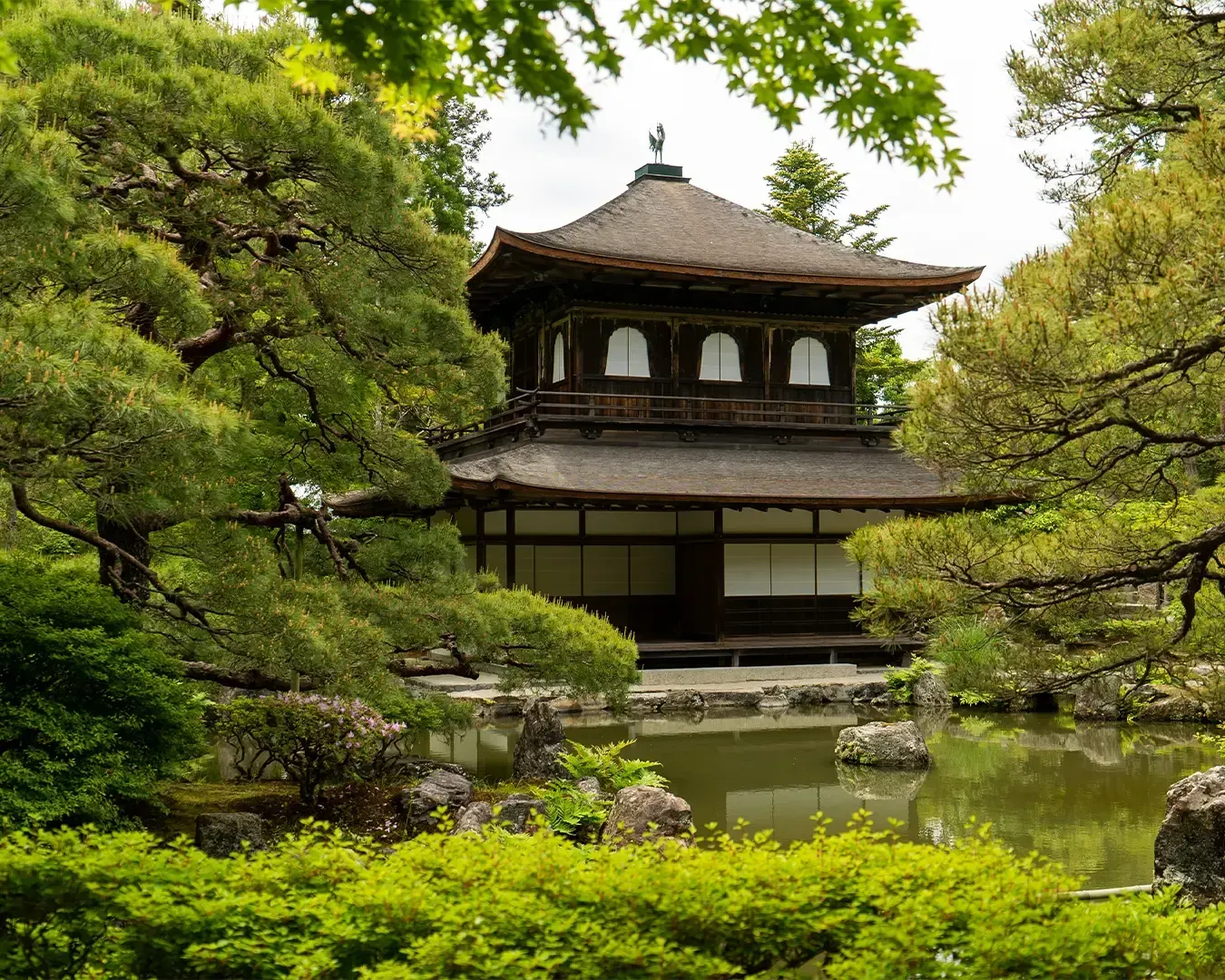
Most tourists flock to Kyoto's most famous temples: Kinkaku-ji, Ginkaku-ji, Kiyomizu-dera, Fushimi Inari, and the Arashiyama Bamboo Grove. While these are essential sites, they are often not places for quiet contemplation. The real magic lies in the city's smaller, lesser-known temples.
The Sub-Temples: A World Within a World
Many of Kyoto's larger temple complexes, like Daitoku-ji or Nanzen-ji, are composed of numerous smaller sub-temples (tatchu). While the main temple might be crowded, many of these sub-temples are quiet sanctuaries, each with its own exquisite garden, often hidden behind a simple wall. Access may sometimes be limited, but those that are open offer a profound sense of discovery.
A Personal Anecdote: The Garden of Solitude at Daitoku-ji
On one trip, my boss was feeling particularly drained by a series of intense meetings. I had done my research and took him to the Daitoku-ji temple complex. We bypassed the main halls and went straight to Koto-in, a small sub-temple famous for its maple trees.
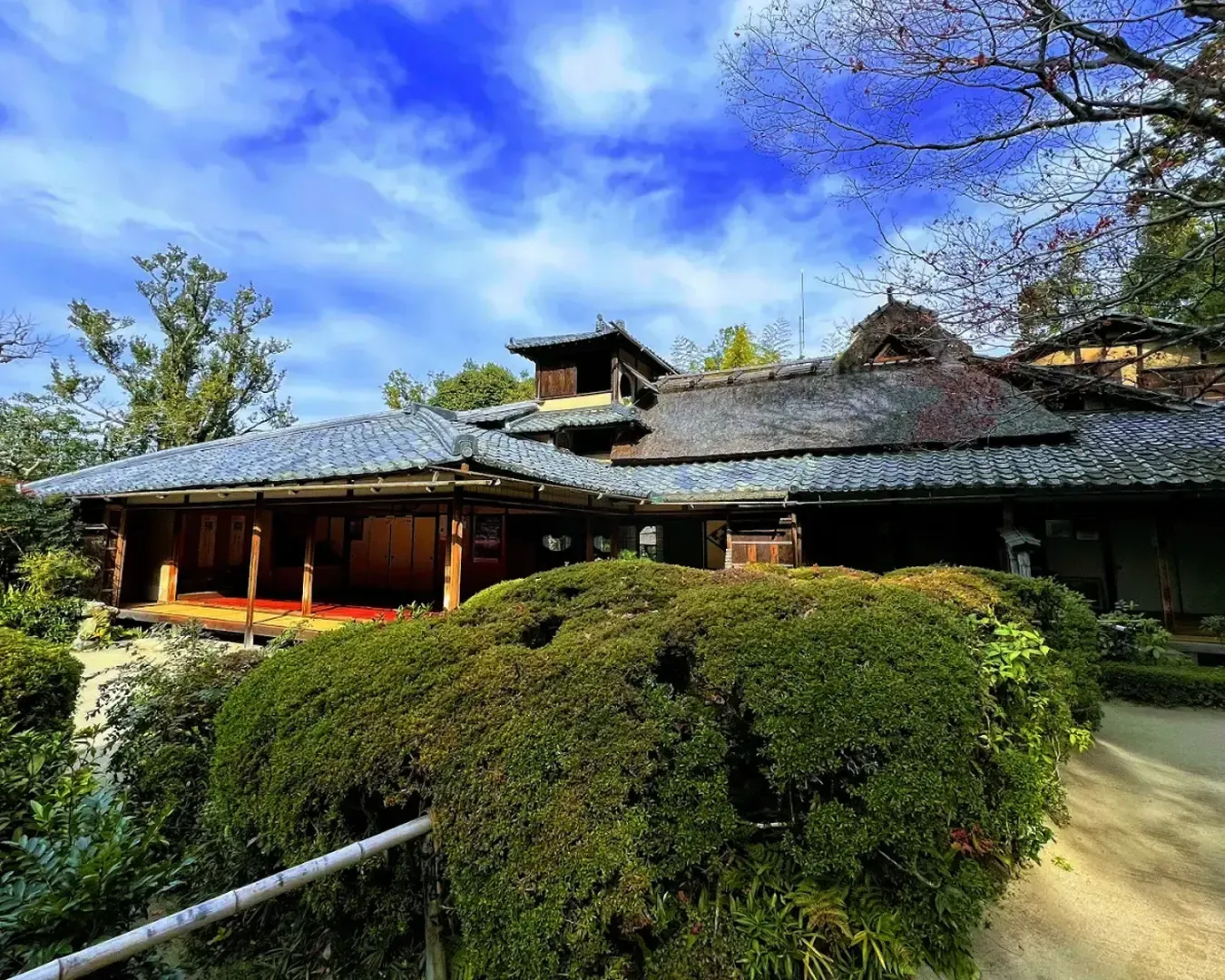
We stepped through the gate and the noise of the city vanished. We were the only two visitors. We sat on the polished wooden veranda, looking out at a simple, elegant moss garden leading to a small bamboo forest. For almost an hour, we just sat in silence, watching the light filter through the leaves. It was a powerful moment of shared stillness. My boss later told me that one hour did more to restore his energy than a week's vacation. It was a lesson in how
private contemplation spaces can be the most effective form of rest.
Accessing the Inaccessible: Private Viewings and Special Openings

For the ultimate experience in tranquility, it is possible to arrange for private viewings of temples and gardens outside of public hours. This is the highest level of access and requires careful planning.
The Power of the Luxury Ryokan
The concierges at Kyoto’s top-tier ryokans (traditional inns), such as Tawaraya or Hiiragiya, are the gatekeepers to this world. These establishments have deep, multigenerational relationships with the local temples. A request from a trusted ryokan's head concierge can open doors that would otherwise be firmly closed.
- Early Morning Access: A common arrangement is to visit a temple garden before it opens to the public, usually around 7:00 AM. To experience a place like the famous Ryoan-ji rock garden completely alone is a truly spiritual experience.
- Evening Illuminations: During spring and autumn, many temples have special evening illuminations. While these can be crowded, it is sometimes possible to arrange a private viewing just before or after the public session.
Building Relationships
My role as a PA involves more than just making requests. I cultivate relationships with these concierges. I ensure we express our gratitude, both verbally and often with a small gift. This ensures that the next time I call, I am not just a client, but a respected partner. This is a core part of navigating the nuanced world of
Japanese hospitality, or omotenashi.
A Curated List of Kyoto's Quiet Corners

While the true joy is in discovery, here are a few of my favorite lesser-known spots that offer a respite from the crowds. This is not an exhaustive list, but a starting point for your own journey into Kyoto's quiet gardens.
Honen-in Temple: The Philosopher's Path Retreat
Tucked away near the northern end of the Philosopher's Path, Honen-in is often overlooked. You enter by passing between two mounds of raked white sand, a symbolic act of purification. The moss-covered garden is lush, intimate, and incredibly peaceful.
Shisen-do Temple: The Poet's Hermitage
This was once the mountain retreat of a 17th-century poet and scholar. The garden is a masterpiece of shakkei, with the hills of Higashiyama perfectly framed by the temple's pillars. The sound of a shishi-odoshi (a bamboo water fountain) periodically striking a rock is the only thing that breaks the silence.
Gio-ji Temple: The Moss-Covered Jewel
Located in the Arashiyama district but far from the bamboo grove crowds, Gio-ji is a tiny temple known for its thick, emerald-green moss garden. It feels like stepping into a fairy tale. The light filtering through the maple trees and illuminating the moss is ethereal. It is a powerful lesson in finding beauty in the small and humble. The official
Kyoto Travel guide provides great resources for finding these and other off-the-beaten-path locations.
The Art of Contemplation: How to Visit a Temple Garden

Visiting these gardens is not a passive activity. To truly experience them, you need to engage with them in a certain way.
- Put Your Phone Away: The most important rule. You cannot find stillness while scrolling through your phone.
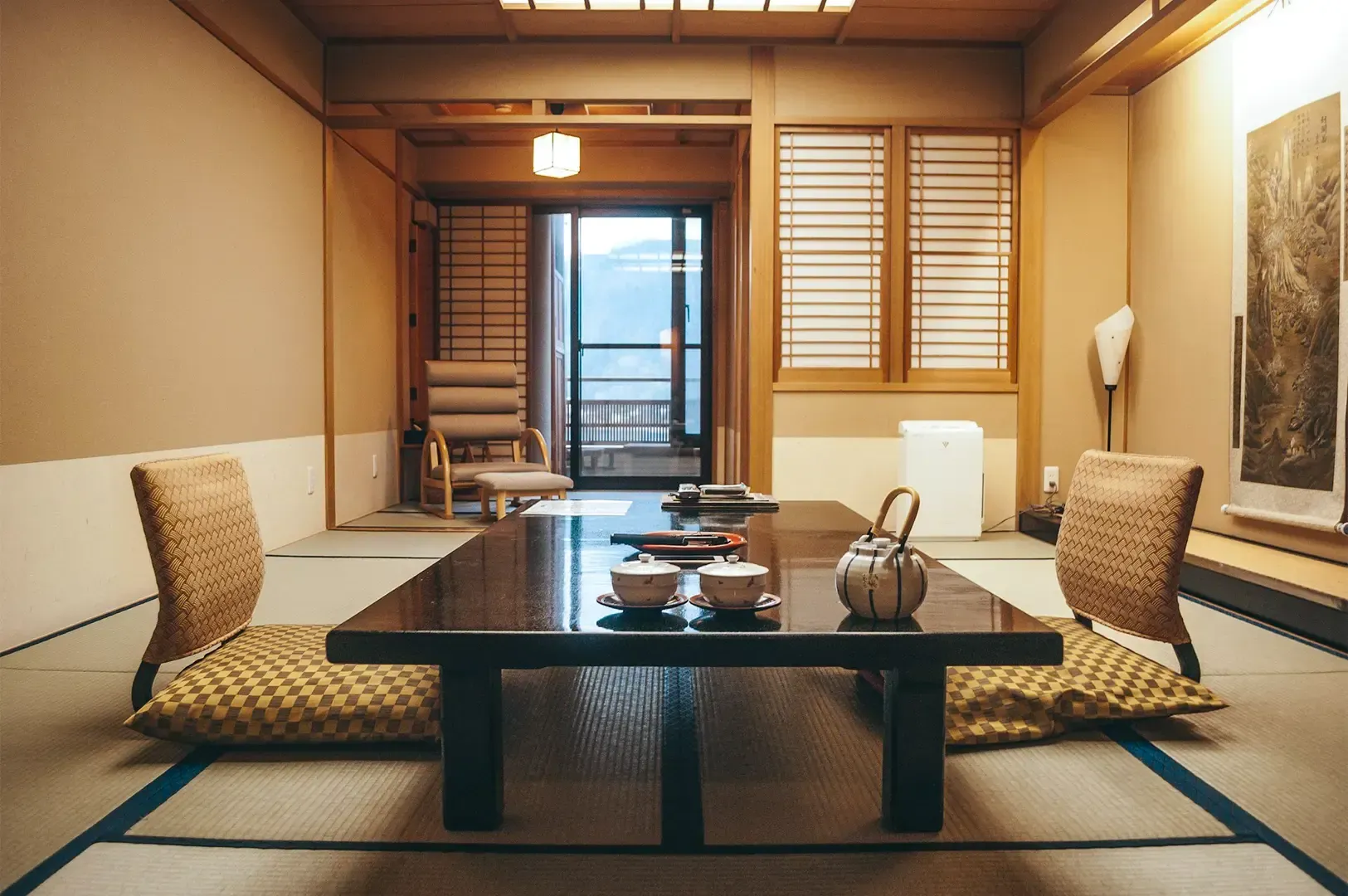
- Sit and Stay: Don't just walk through the garden. Find a spot on the veranda, sit on the tatami mats, and just be. Let your eyes wander. Notice the details—the texture of the moss, the shape of the rocks, the play of light and shadow.
- Listen to the Silence: Pay attention to the subtle sounds of the garden. The wind in the trees, the buzz of an insect, the distant temple bell. The silence is not empty; it is full of life.
- Respect the Space: These are active places of worship. Be quiet, be respectful, and follow the rules. Remember that you are a guest in a sacred space.
Conclusion: The Ultimate Luxury of Inner Peace
In a life of constant motion, deadlines, and digital noise, the experience of pure, uninterrupted stillness has become the ultimate luxury. Kyoto's hidden temple gardens offer a powerful antidote to the frenzy of modern life. They teach us to slow down, to observe, and to find beauty in simplicity.
The journey to find these spaces is as rewarding as the destination itself. It requires you to step off the well-trodden path, to seek out local knowledge, and to approach the city with a sense of curiosity and respect.
The next time you are in Kyoto, I encourage you to look beyond the famous landmarks. Seek out a small, quiet temple, find a seat on its wooden porch, and just sit. Let the meticulously crafted beauty of the garden wash over you. In that quiet moment, you may find that the most profound and memorable travel experience is not something you see, but something you feel: a deep and restorative sense of peace.