The Midnight Chef's Secret Menu: What Happens in Restaurant Kitchens After Hours
May 5, 2026 |J.C. Yue
When the last guest departs a Michelin-starred dining room, the heavy velvet curtains close, and the "Closed" sign turns outward. To the average diner, the night is over. But as a global personal assistant managing the intricate lives of ultra-high-net-worth individuals, I know that the real culinary magic is just beginning.
While coordinating logistics for my employer, I spend an inordinate amount of time hovering near the service doors of the world's most exclusive establishments. I have learned that the formal tasting menus are just the overture. The true masterpiece is the midnight chef's secret menu, served long after the paying customers have gone home.
This guide pulls back the stainless-steel doors to reveal what actually happens in restaurant kitchens after hours. We will explore the deeply guarded traditions of post-service dining, offering an authentic look at the fine dining secrets most travelers never get to experience.
Discover the untold stories of late-night meals.
The Illusion of the Final Order
Managing high-end itineraries requires an understanding of how hospitality truly functions. The perfectly plated nine-course meal my employer enjoys in the main dining room is a highly choreographed performance.
Stepping Behind the Velvet Rope
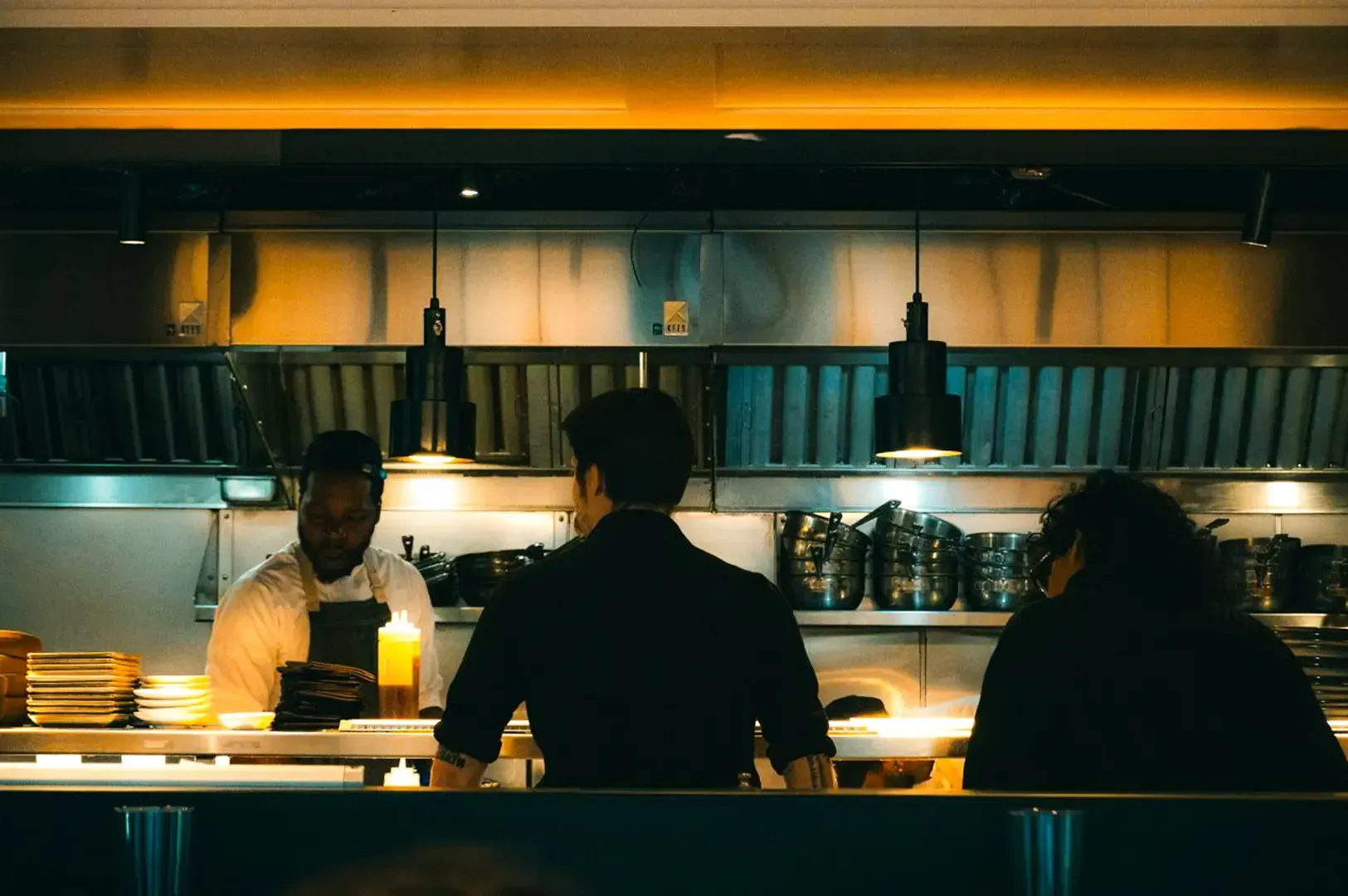
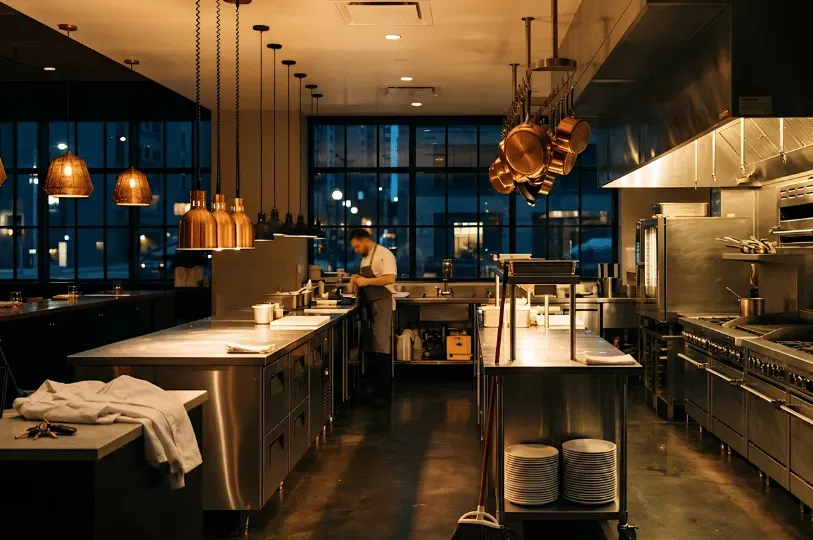
Once the final ticket is cleared, the atmosphere in the kitchen undergoes a massive shift. The intense, high-pressure silence of service breaks. The chefs, who have been operating like a military unit for the past eight hours, finally exhale.
To understand this rigid structure, looking at the history of the Brigade de cuisine is incredibly illuminating. It explains why the release of pressure at midnight is so palpable. The formal hierarchy softens, and the focus shifts from feeding clients to feeding themselves.
Unveiling the Midnight Chef's Secret Menu

You will not find these dishes printed on heavy cardstock or paired with sommelier-selected wines. The after-hours culinary moments are entirely improvised, driven by what is left in the walk-in fridge and what the staff actually craves.
Why the Best Meals Happen Off the Clock
After cooking rich, complex, and heavy food all night, chefs rarely want to eat it. They crave simplicity, spice, and aggressive flavor.
The Global Personal Assistant's Perspective
I often find myself sitting on an overturned milk crate near the dishwashing station at 1:00 AM, waiting for my employer to finish a late meeting. In these quiet moments, a sous-chef will often slide a small bowl across the metal prep table toward me.
These meals represent the ultimate luxury travel experiences because they are not for sale. You cannot buy your way into this specific dining moment; you must be invited.
The Culinary Underworld of Luxury Travel Experiences
The contrast between the front of the house and the back of the house is startling. While the dining room smells of expensive perfume and truffles, the kitchen smells of bleach, hot metal, and whatever comfort food is currently sizzling in the pan.
The Post-Service Kitchen Dynamic
The family meal, or "staff meal," typically happens before service. But the midnight meal is different. It is smaller, more intimate, and usually cooked by the most senior staff members as a way to wind down.
Trading Foie Gras for Comfort Food
I have watched chefs in Parisian institutions push aside expensive caviar to make heavily buttered grilled cheese sandwiches using leftover brioche. The culinary focus shifts from visual perfection to pure, unadulterated comfort. If you want to explore the culture of chef comfort food, the James Beard Foundation frequently highlights these deeply personal culinary traditions.
The Tokyo Ramen Revelation
One of my most vivid behind-the-scenes dining memories occurred in Tokyo. My employer had rented out a tiny, highly acclaimed sushi counter for the evening. After the dinner concluded and my employer returned to the hotel, I stayed behind to settle the massive bill.
Noodles Over Michelin Stars
The master chef, who had just spent hours meticulously crafting perfect nigiri, pulled out a cheap portable stove. He proceeded to boil instant ramen noodles, tossing in scraps of premium tuna and a handful of local scallions. We ate standing up, drinking cold beer. It was the best bowl of noodles I have ever tasted in my life. You can learn more about the deep cultural respect for these late-night meals through the
Tokyo Tourism official guide.
Securing Exclusive Restaurant Access

People frequently ask me how they can access these hidden moments. The truth is, it requires a complete shift in how you interact with hospitality staff.
The Currency of Respect in Fine Dining
In the world of exclusive restaurant access, money only gets you a table. Respect gets you a relationship.
When managing my employer's presence in these spaces, I am intensely polite to every single person I encounter, from the executive chef to the porter. I learn their names. I ask about their shift. This level of human decency is surprisingly rare in elite circles.
Building Relationships with Culinary Teams
Because I treat the kitchen staff as essential partners rather than invisible servants, they occasionally let me into their world. They share their midnight chef's secret menu with me because I see them as human beings first.
Institutions that train the world's best chefs, like the Culinary Institute of America, often emphasize that true hospitality is a two-way street based on mutual respect.
Navigating After-Hours Culinary Moments
If you ever find yourself invited into a kitchen after hours, you must follow the unspoken rules.
The Etiquette of the Back of House
Never take photographs without explicit permission. Do not ask for complicated substitutions. Eat what is handed to you, and express genuine gratitude. This is their sanctuary, and you are a guest in their home. The
Michelin Guide provides incredible insight into the extreme pressure these teams face, making their downtime even more sacred.
The Truth About Behind-the-Scenes Dining

The reality of these late-night meals shatters the glossy illusions sold by lifestyle magazines.
The Reality Check for Luxury Travel Enthusiasts
There is no elegant plating. There are no polished silver forks. You are usually eating out of a plastic deli container with a mismatched spoon, surrounded by the deafening hum of commercial refrigerators.
Yet, the flavor is undeniably superior. Why? Because the chef is cooking solely for themselves and their exhausted peers. The food is seasoned with relief, camaraderie, and the distinct joy of a long, difficult job finally completed.
Finding Authenticity in the Chaos
My job involves coordinating perfect, flawless experiences for my employer. I ensure the private jet is fueled, the penthouse is at the exact right temperature, and the bespoke suits are pressed.
But my own luxury dining experiences are found in these messy, chaotic, deeply human moments. When a pastry chef hands me a slightly misshapen tart that cannot be served to the public, or a line cook shares a plate of fiercely spicy tacos at 2:00 AM, I am experiencing the authentic heartbeat of the city.
The Global Network of Late-Night Cooks
This phenomenon is not limited to one city or culture. I have experienced it in London, New York, Singapore, and Milan. The universal language of hospitality workers is late-night comfort food. For those tracking global dining trends, resources like The World's 50 Best Restaurants offer a glimpse into the caliber of kitchens where these hidden meals take place.
The Physical Toll of the Kitchen

It is impossible to discuss restaurant kitchens after hours without acknowledging the intense physical reality of the industry.
Exhaustion and Exhilaration
By the time the secret menu is served, most of the staff have been on their feet for twelve to fourteen hours. Their hands are burned, their backs ache, and their uniforms are stained.
The midnight meal is a brief restorative window before they have to wake up and do it all over again. Sharing this food is a profound act of vulnerability. They are allowing you to see them when the armor is off.
The Contrast of Two Worlds
I constantly bridge the gap between two vastly different realities. I sit in million-dollar dining rooms taking notes, and then I stand in damp alleyways sharing a cigarette and a plate of fried rice with the dishwasher.
This contrast keeps me grounded. It reminds me that behind every massive luxury machine is a team of hardworking individuals who just want a hot, comforting meal at the end of the day. To read more about the human stories behind the food industry,
Fine Dining Lovers is an excellent editorial resource.
Conclusion: Embracing the Real Fine Dining Secrets

Managing life on the road for a demanding employer means you rarely control your own schedule. My meals are often squeezed into fifteen-minute windows between phone calls and flight confirmations.
But when I am granted access to the midnight chef's secret menu, time stops. The noise of the city fades away, replaced by the clatter of pans and the quiet laughter of a kitchen crew winding down.
These
after-hours culinary moments are the ultimate insider secret. They strip away the pretension of fine dining, leaving only the pure, essential joy of people feeding people. The next time you dine at a world-class establishment, remember that the best dish in the building is likely being cooked long after you have paid your bill, served in a deli cup, and eaten standing up.