Beyond the Wellness Cliché: Authentic Healing Traditions in Bali's Hidden Sanctuaries
April 13, 2026 |J.C. Yue

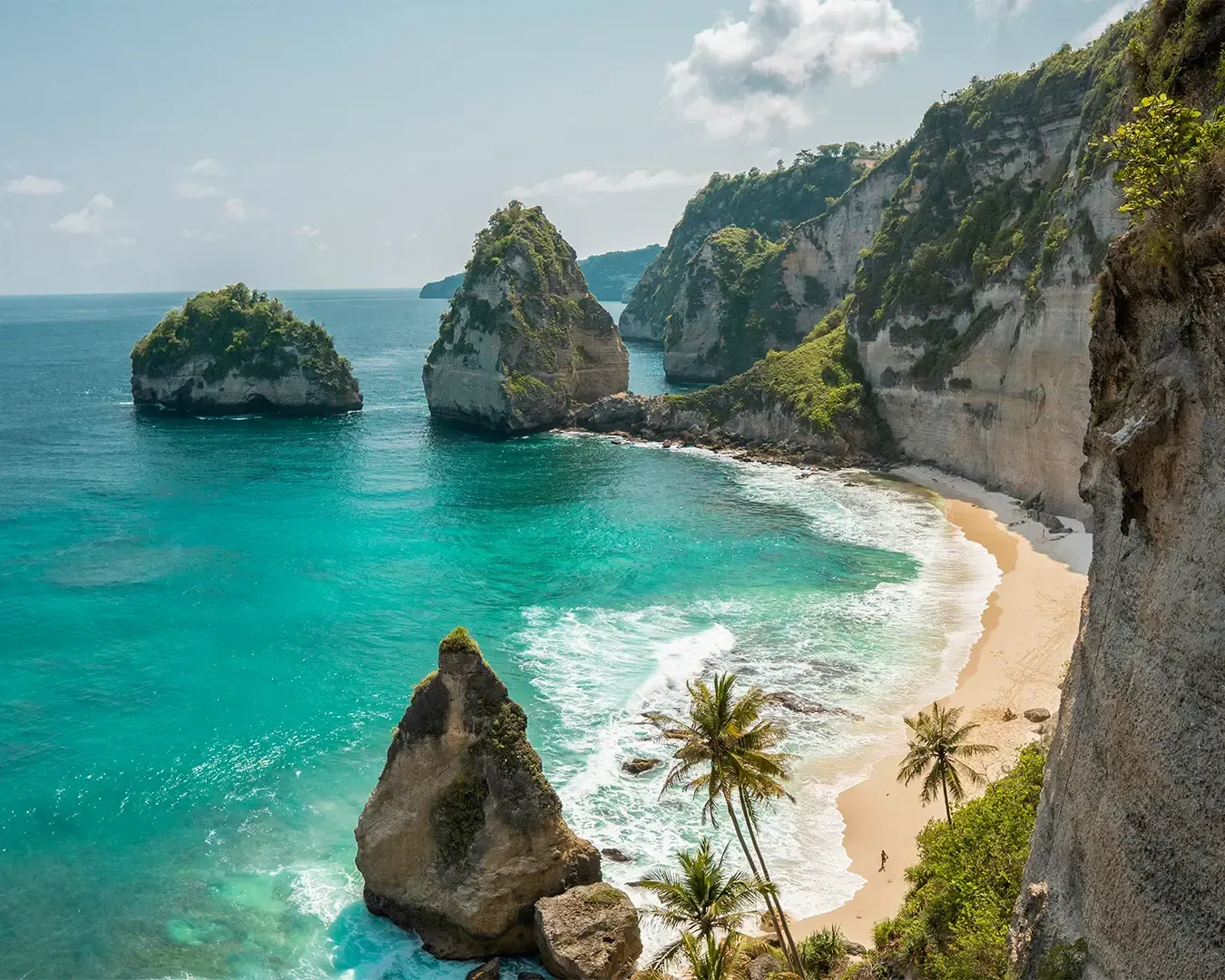
Bali has become a global shorthand for "wellness." The mere mention of the island conjures images of yoga shalas bathed in golden light, vibrant smoothie bowls, and serene figures meditating in lotus position. As a personal assistant who has arranged countless executive wellness retreats, I have navigated this world of high-end, beautifully packaged self-care. It’s a world I know well. But when my boss, a man who has tried every wellness trend from cryotherapy to silent retreats, asked me to find something "real," I knew he wasn’t looking for another five-star spa. He was looking for Bali's soul.
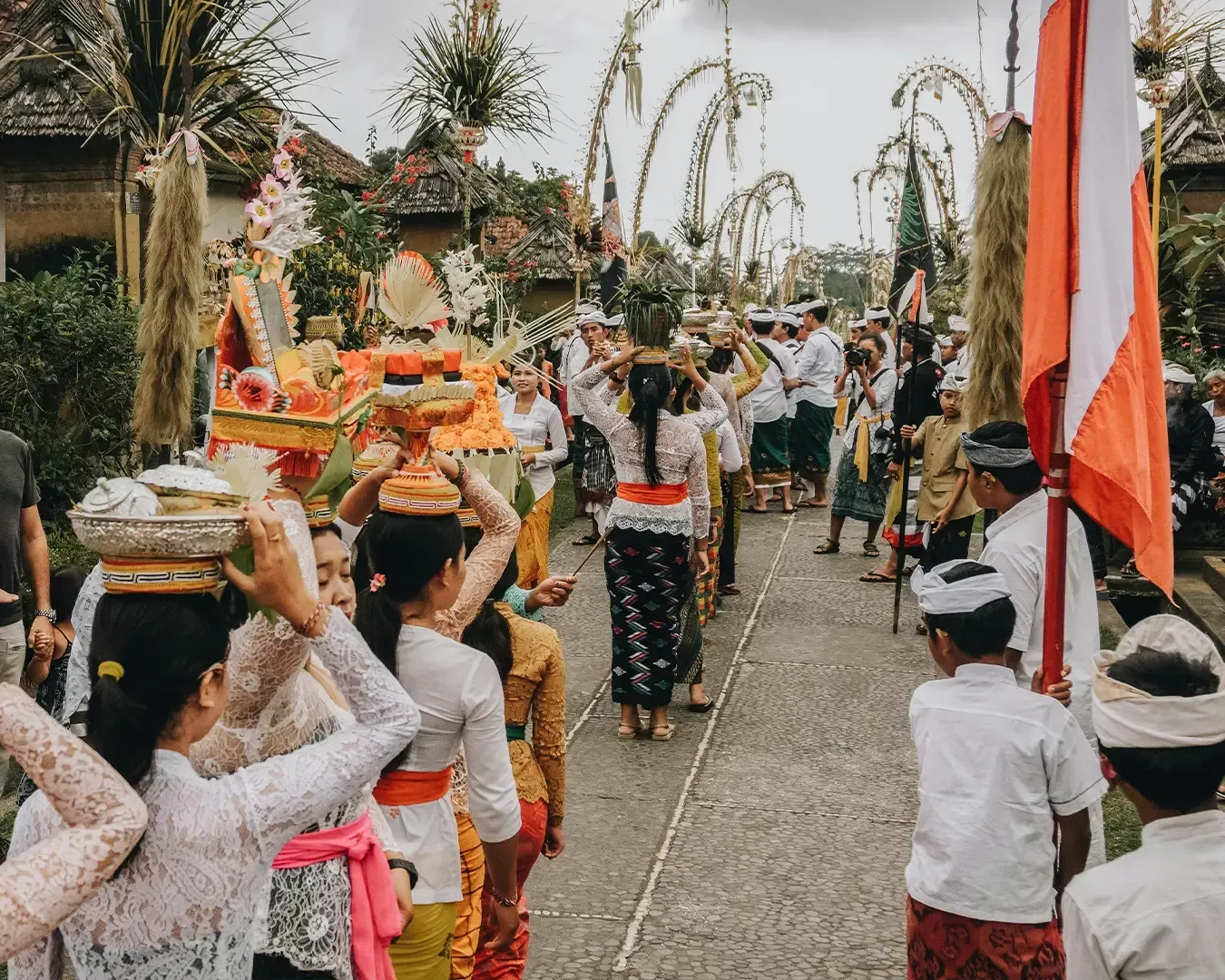
This quest took us beyond the polished facade of Seminyak and Ubud's tourist hubs and into the island's spiritual heart. We discovered that the authentic healing traditions of Bali have little to do with the Westernized wellness industry. They are deeply woven into the fabric of Balinese Hinduism, a complex, living tradition known as Tirta Agama (the religion of holy water).
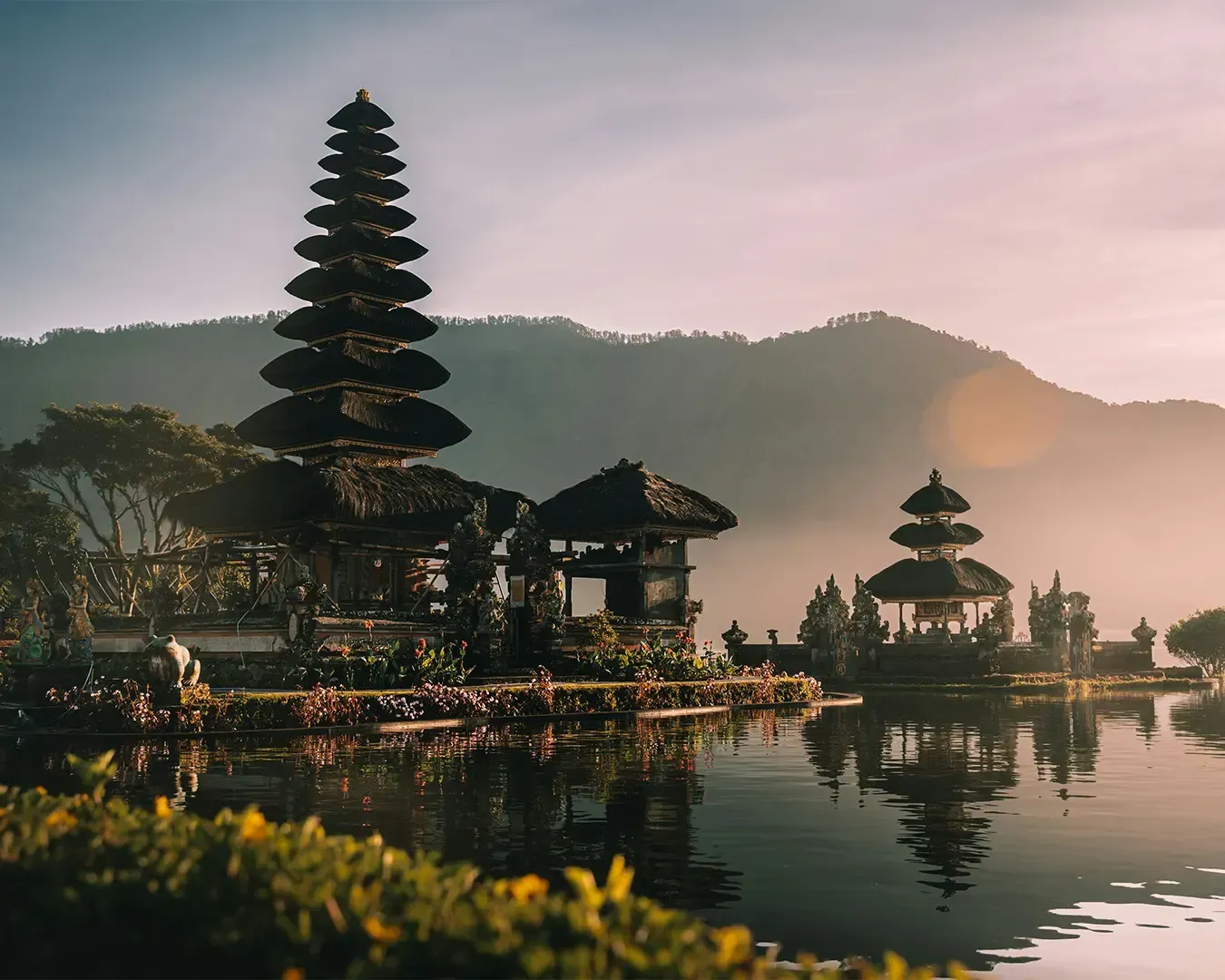
This is not a journey you can book on a slick website. It requires a local guide, a translator, and a profound sense of respect. It involves stepping into Bali's hidden sanctuaries, places where ancient rituals are practiced not for tourists, but as an essential part of daily life. This is a look beyond the cliché, into the powerful, and often intense, world of genuine Balinese healing.
Discover how to stay balanced on the move with The Health Puzzle: Maintaining Wellness When Your Address Changes Weekly.
Understanding Bali Usada: The Foundation of Balinese Healing

The Western concept of wellness often separates the mind, body, and spirit. The traditional Balinese healing system, known as Bali Usada, makes no such distinction. It is a holistic philosophy that views health as a state of balance between the individual, the community, the environment, and the divine.
The Three Causes of Illness (Tri Dosa)
According to Bali Usada, illness arises from one of three imbalances:
- Imbalance of the elements within the body (fire, water, air).
- Psychological or emotional distress (stress, grief, anger).
- Disruption from unseen forces (negative energy or black magic).
A traditional healer, or Balian, is a practitioner who diagnoses and treats these imbalances. They are not just doctors; they are spiritual conduits, respected figures who hold a sacred place in the community. Their practices are a cornerstone of cultural healing in Indonesia.
Finding a Balian: A Matter of Trust, Not a Tourist Transaction

You will see signs for "Balinese Healers" all over tourist areas. Many of these are commercialized experiences. Finding a true Balian is a different process entirely. It is not something you can simply book. It requires an introduction from a trusted local.
My Experience: The Search for Pak Made
On my boss's behalf, I spent days speaking with our local drivers, hotel staff, and contacts. I was looking for a Balian Usada, a healer who works with sacred texts and herbal medicine. The name that kept coming up was Pak Made, a man living in a small, unassuming village far from the tourist trail.
Our visit was not a scheduled appointment. We arrived at his family compound, presented a canang sari (a small offering of flowers and incense), and waited. This act of waiting is a critical part of the process. It is a demonstration of respect and patience.
The Consultation: More Than a Diagnosis
When Pak Made finally saw us, the consultation was unlike any medical appointment I have ever witnessed. He did not ask many questions. Instead, he simply looked at my boss, took his pulse, and entered a state of focused concentration.
What to Expect from an Authentic Healer
- A Trance-like State: Many Balian enter a light trance to connect with the spiritual world and receive guidance on the nature of the ailment.
- Use of Lontar Manuscripts: True Balian usada often consult ancient palm-leaf manuscripts, called lontar, which contain centuries-old knowledge of herbs, mantras, and healing rituals.
- A Holistic Prescription: The "prescription" is rarely just a single pill. It might include a specific herbal remedy to be prepared, a mantra to be chanted, and instructions to visit a particular temple for a purification ceremony.
Pak Made’s diagnosis for my boss was an excess of "fire" energy from stress, which he said was disrupting his spirit. The remedy was a combination of a cooling herbal drink and a
water purification ritual at a sacred spring.
Melukat: The Power of Holy Water Purification

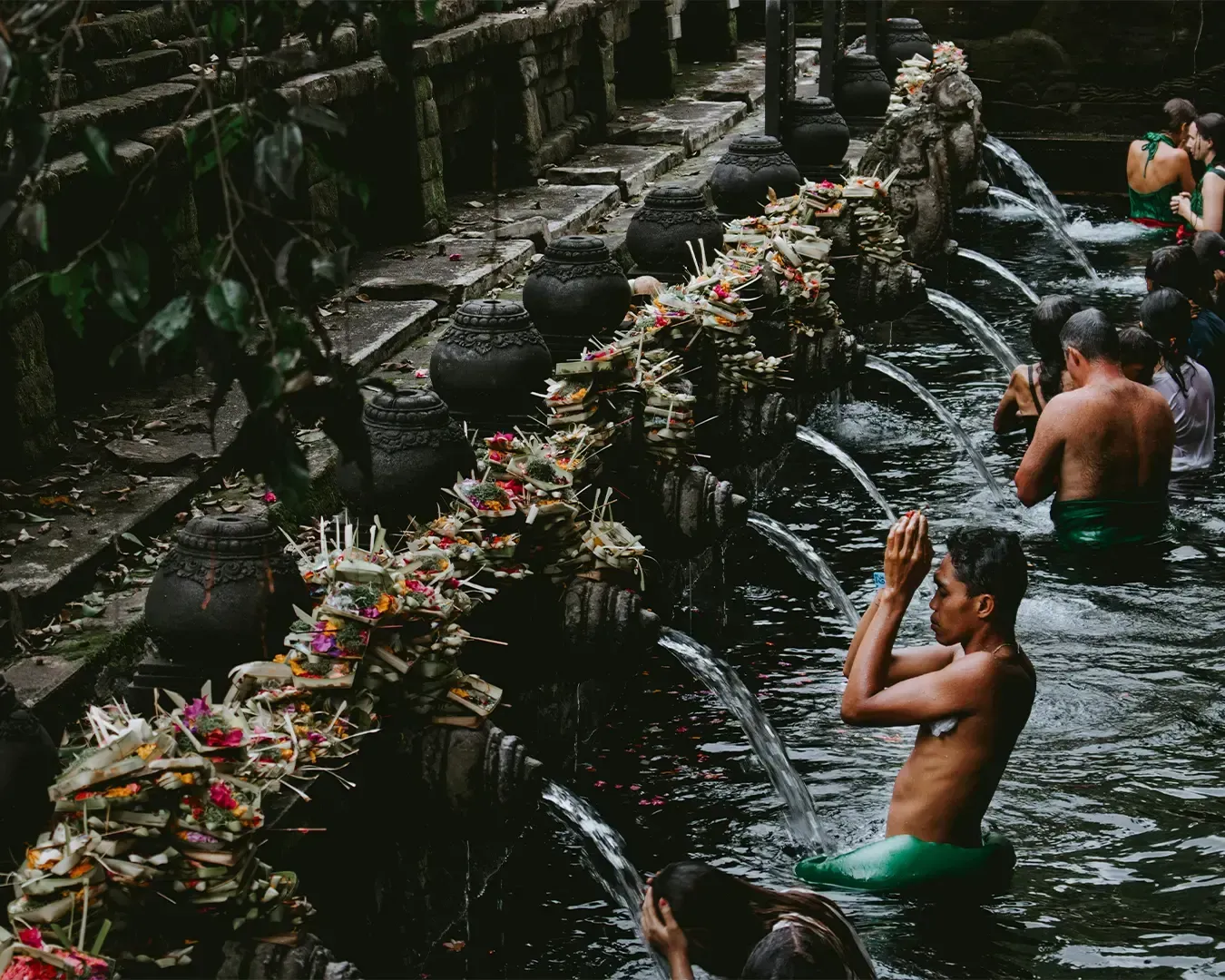
The Melukat ceremony is one of the most powerful and accessible of Bali’s authentic healing traditions. It is a spiritual cleansing ritual designed to purify the body and soul of negative energy and impurities.
Not All Water Temples are Created Equal
The most famous water temple, Tirta Empul, is a beautiful but often crowded experience. While historically significant, the sheer volume of tourists can dilute the spiritual potency for some.
For my boss's Melukat, our guide took us to a much smaller, local temple with a sacred spring that was virtually unknown to outsiders. The experience was profoundly different.
- The Ritual: Led by a local priest (pemangku), the ritual involves a series of prayers and offerings before you enter the water. You then move from one fountain to the next, submerging your head under the cool, rushing water as the priest chants mantras.
- The Sensation: The water is often shockingly cold, a physical jolt that is meant to awaken the senses and shock the system out of its negative patterns. It is an intensely physical and emotional experience. Many people, including my notoriously stoic boss, emerge from the water feeling lighter, clearer, and overcome with emotion.
Boreh and Jamu: The Herbal Tradition

Balinese healing is deeply connected to the island's rich biodiversity. Traditional Balinese medicine relies heavily on herbal remedies.
Boreh: The Healing Spice Paste
Boreh is a traditional paste made from a mixture of ground spices like ginger, cloves, cinnamon, and nutmeg. It’s applied to the body to improve circulation, relieve muscle aches, and warm the body. Many luxury spas offer a "boreh wrap," but the authentic version is a far more pungent and powerful experience, often prepared fresh in a village home.
Jamu: The Elixir of Life
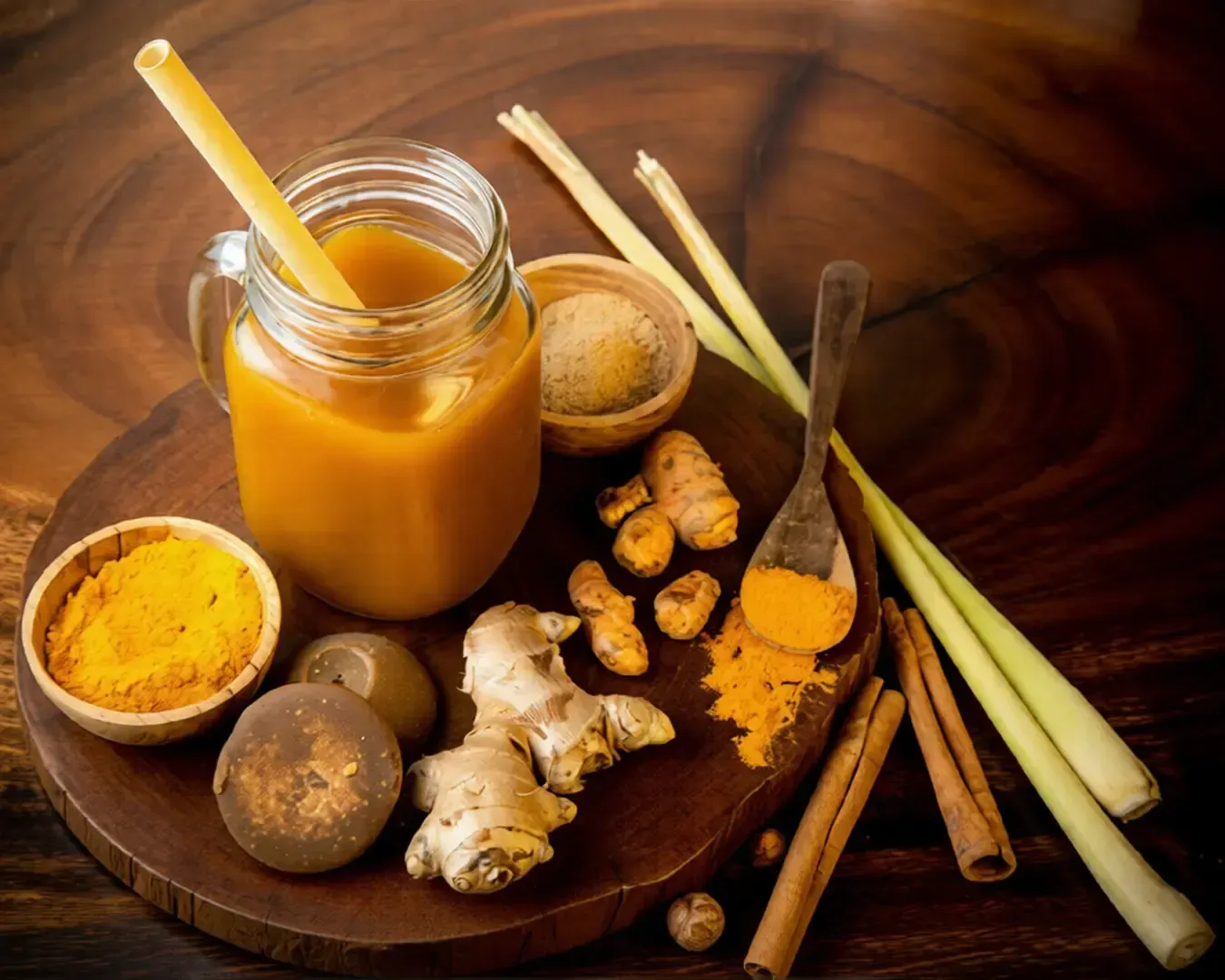
Jamu is a traditional Indonesian herbal drink, and in Bali, it is a daily staple for maintaining health. The recipes are often family secrets, passed down through generations.
- Key Ingredients: The most common base is turmeric and ginger, known for their anti-inflammatory properties. Other ingredients like tamarind, galangal, and lemongrass are added depending on the desired effect.
- Where to Find It: Forget the fancy bottled versions in cafes. The best jamu is sold by women who carry baskets of it through local markets in the early morning. Buying a glass of fresh jamu from a local seller is a direct connection to this living tradition. The Indonesia Ministry of Tourism often highlights such cultural practices as key travel experiences.
Beyond the Body: Sound and Energy Healing
Authentic Balinese healing also incorporates practices that work on a more subtle, energetic level.
Gamelan Sound Healing
The hypnotic, intricate sounds of the Balinese gamelan orchestra are more than just music. In a healing context, the specific frequencies and vibrations are believed to resonate with the body's energy centers, helping to clear blockages and restore harmony. Attending a traditional performance is a powerful experience, but a private sound healing session is even more profound.
A Personal Reflection: A Different Kind of Luxury
Arranging these experiences was a logistical challenge that required a deep network of local contacts. It was far more complex than booking a suite at a five-star hotel. Yet, the outcome was a form of luxury that money alone cannot buy. It was the luxury of genuine connection, of privileged access to a sacred tradition, and of profound personal transformation. My boss returned from his Melukat ceremony not just relaxed, but fundamentally shifted. He spoke of a clarity he hadn't felt in years. This is the true value of authentic travel.
How to Approach Authentic Healing in Bali Respectfully

If you wish to explore these traditions, it is crucial to do so with the right mindset.
- Seek a Guide, Not a Menu: Work with a trusted local guide who understands the cultural nuances and can act as a translator and intermediary.
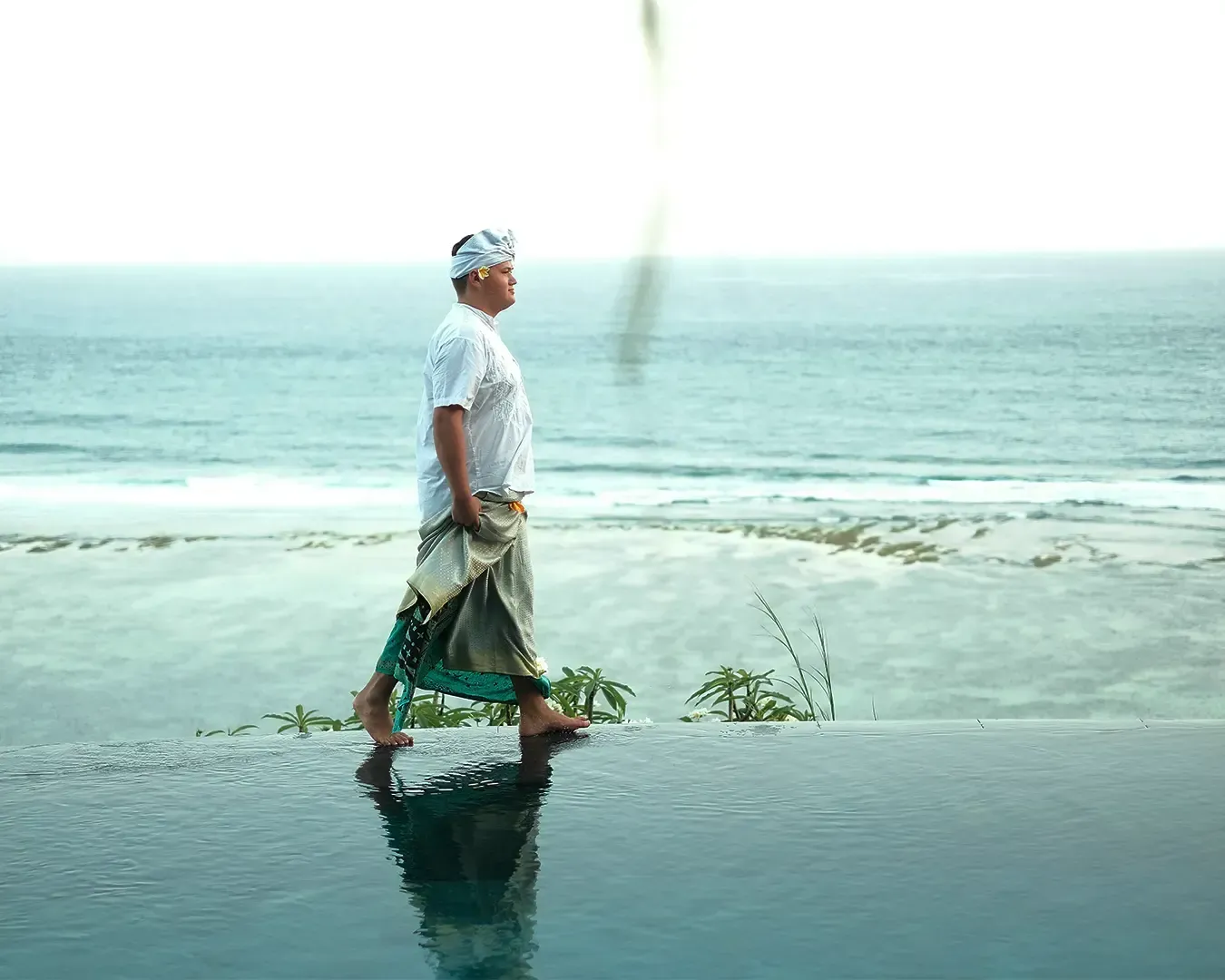
- Dress Appropriately: When visiting any temple or a healer's home, always wear a sarong and sash. Cover your shoulders.
- Bring an Offering: A simple canang sari is a small but essential gesture of respect.
- Manage Expectations: This is not a spa treatment. It can be uncomfortable, confusing, and emotionally raw. Be open to the experience, whatever it may be.
- Offer a Donation: Payment is usually in the form of a donation (punia). Ask your guide for an appropriate amount. It should be given discreetly in an envelope.
Conclusion: Finding Bali's True Heartbeat
The wellness industry has commodified Bali's spiritual heritage into a series of easily digestible products. While a yoga class or a spa treatment can be wonderfully relaxing, they are merely echoes of a much deeper, more powerful tradition.
To experience
authentic healing in Bali is to step away from the world of commerce and into the world of spirit. It is to place your trust in ancient wisdom and to participate in rituals that have sustained the Balinese people for centuries. It is an experience that challenges, transforms, and ultimately, heals in a way that no luxury spa ever could. It is a journey to the island's true, thrumming heartbeat, hidden just beyond the wellness cliché.