Global Nighthawks: A Guide to 24-Hour Dining Cultures Around the World
March 23, 2026 |J.C. Yue

For most people, the world quiets down after midnight. Restaurants close, streets empty, and cities go to sleep. But for those of us who live life across time zones, the night is often when the day is just beginning. A late-arriving flight, a conference call with another continent, or simply a body clock that’s still set to a city 8,000 miles away—these are the rhythms of my life as a traveling personal assistant. And they all lead to one fundamental question: where can you get a great meal at 3:00 AM?
My quest for late-night sustenance has taken me on a fascinating journey into the 24-hour dining cultures that keep the world's great cities humming. This isn't just about finding a greasy spoon diner. It’s about understanding what a city eats when it can't sleep. From the steaming hawker stalls of Singapore to the elegant brasseries of New York, the after-hours meal is a cultural ritual, a mirror reflecting a city's soul.
Join me on a tour of these nocturnal culinary scenes, a guide for fellow
global nighthawks who know that some of the best meals are served long after the sun has set.
What Defines a Late-Night Dining Culture?
Not every city that has a 24-hour fast-food joint qualifies as having a true late-night dining culture. A real nocturnal food scene is woven into the city's fabric. It’s where off-duty chefs, emergency room doctors, third-shift workers, and post-club revelers all congregate. These establishments are more than just kitchens; they are community hubs that operate on a different clock.
I’ve learned that these cultures are often born from specific economic and social drivers: a major port, a dominant entertainment industry, or a deep-rooted tradition of late-night socializing. Understanding this context is key to appreciating the food.
New York City: The Brasserie and the Bodega

New York is the quintessential city that never sleeps, and its late-night dining scene is a study in contrasts, catering to every level of society.
The Enduring Power of the Brasserie
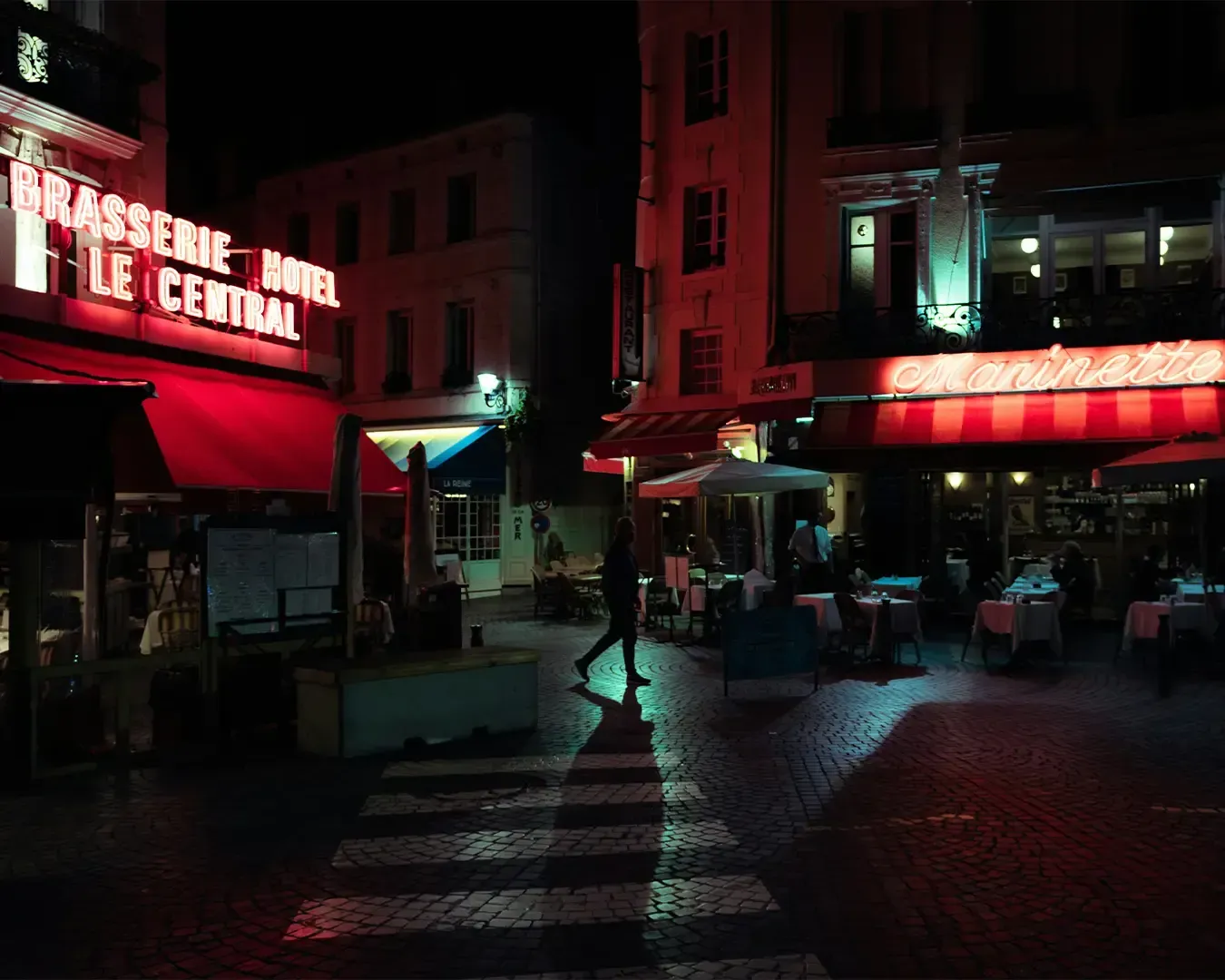
After a Broadway show or a late business meeting, my boss isn't looking for a slice of pizza. He is looking for civilized comfort. This is the domain of the classic New York brasserie. Places like Blue Ribbon in SoHo or Balthazar stay open late, serving their full menus to a clientele of artists, financiers, and off-duty chefs. There is a unique energy to ordering a perfect steak frites or a plateau de fruits de mer at 1:00 AM. It feels both decadent and deeply comforting, a core part of the city's DNA.
The Bodega: A Lifeline
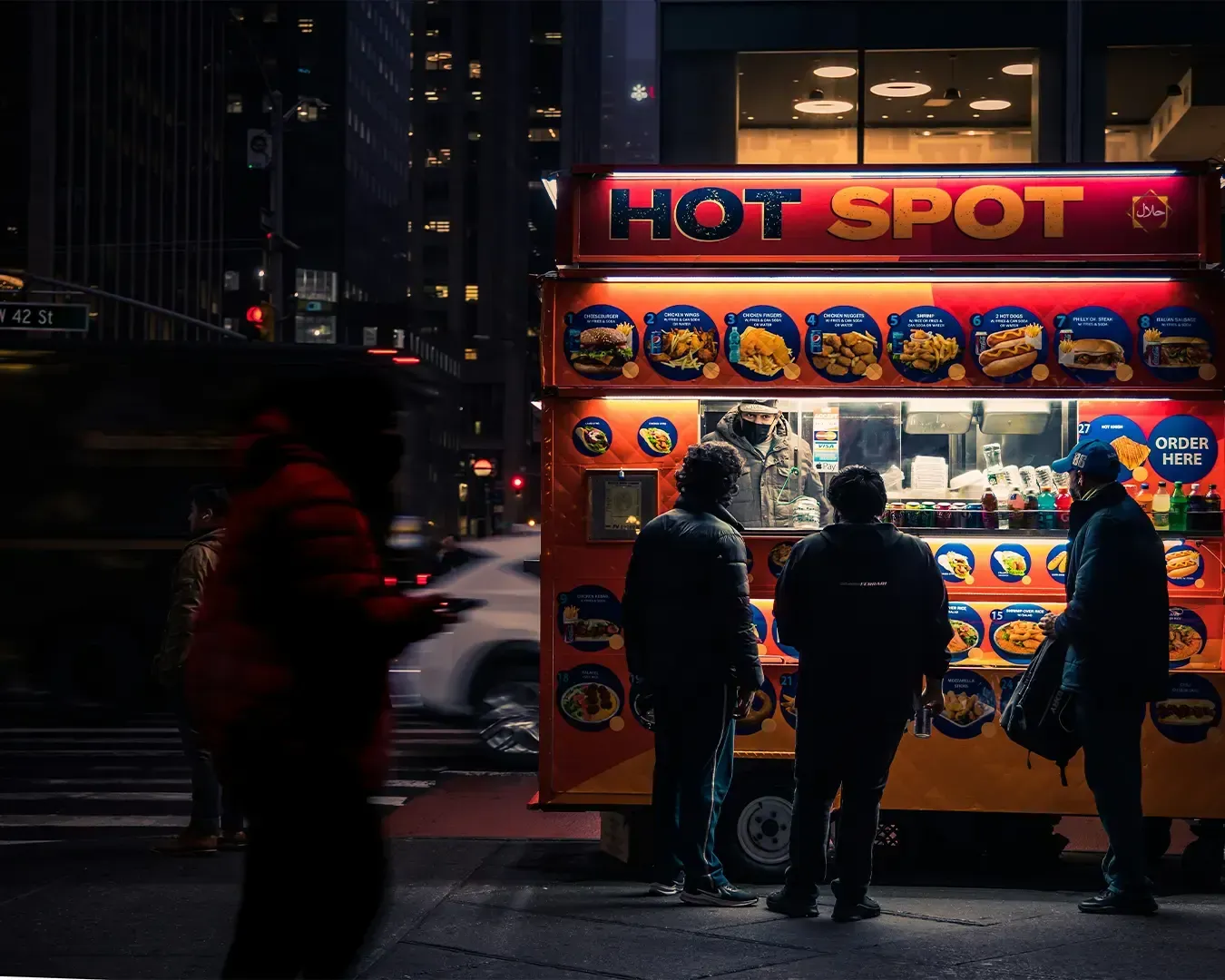
On the other end of the spectrum is the humble bodega. For a more personal, behind-the-scenes taste of New York, nothing beats a late-night run to one of these corner stores. While I've picked up gourmet items for my boss, I’ve also relied on them for my own sanity—a simple, perfectly made bacon, egg, and cheese sandwich at 4:00 AM while prepping for an early flight is a New York rite of passage.
Singapore: The Hawker Centre After Dark

As a Singaporean, I am biased, but there is no better city in the world for late-night food. Our 24-hour food culture is democratic, delicious, and deeply ingrained.
The Hawker Centre Ritual
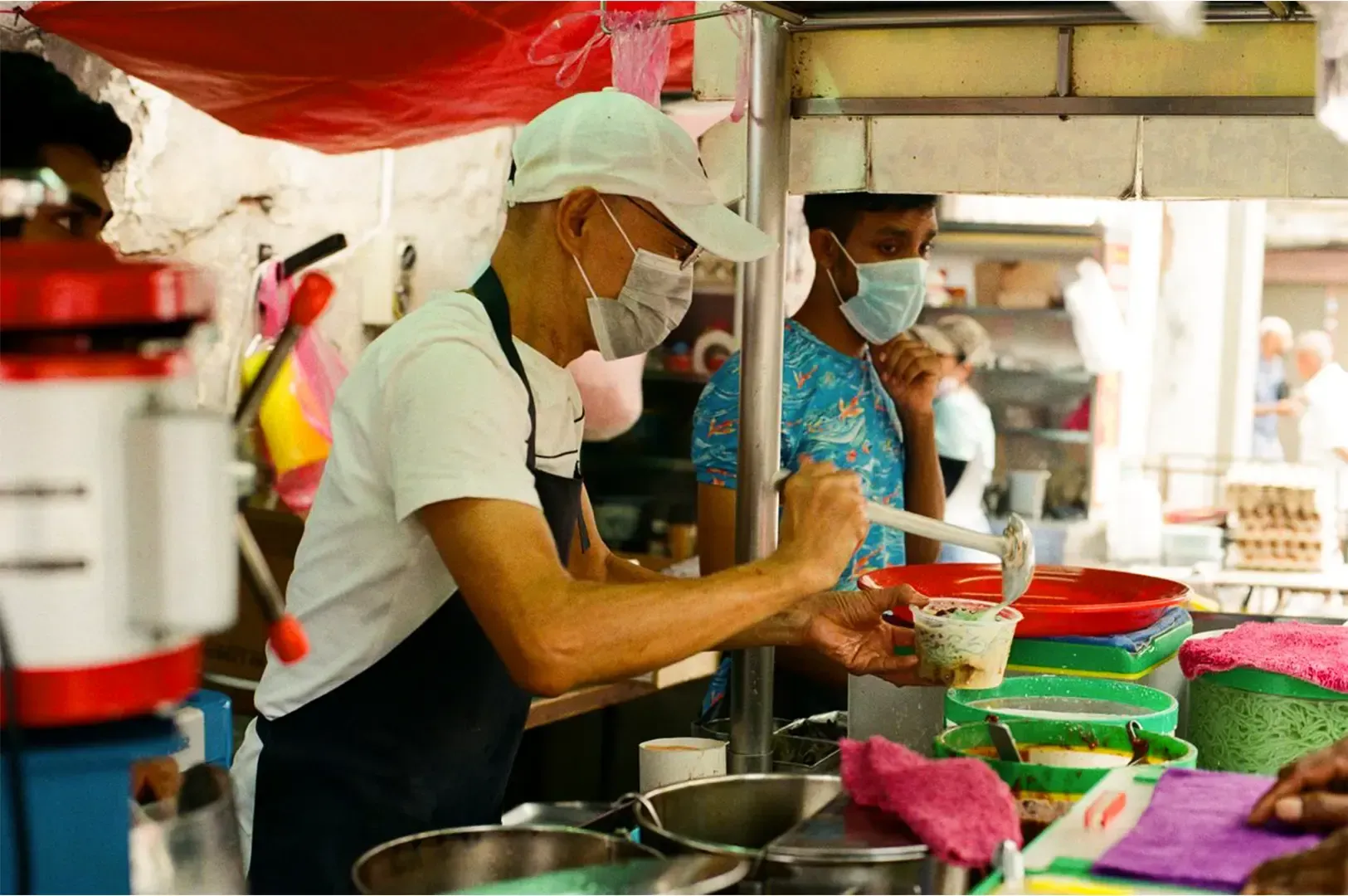
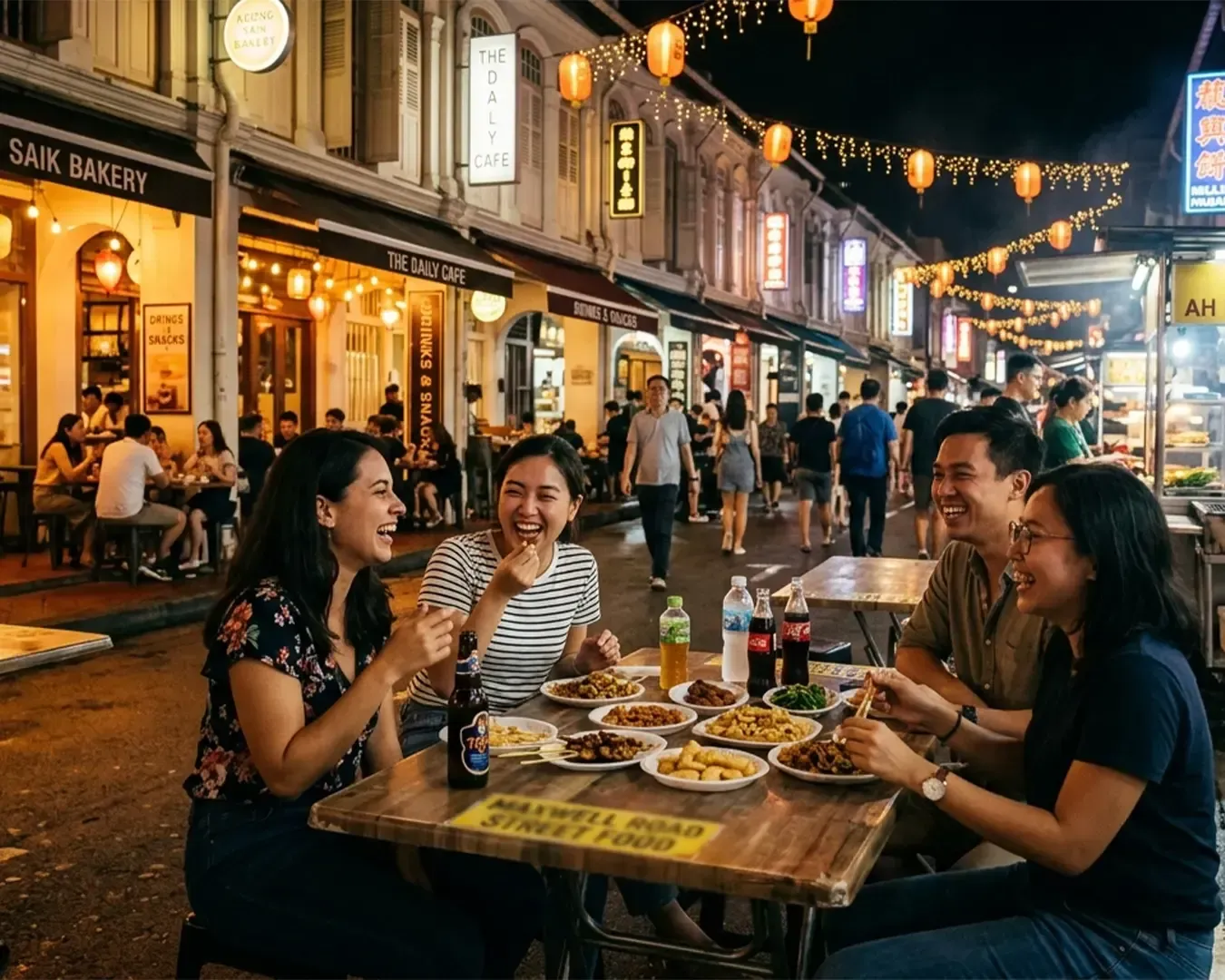
The heart of our late-night scene is the hawker centre. While many close by the evening, several key locations remain open, drawing crowds from all walks of life. Here, you can find an incredible array of dishes, from steaming bowls of bak chor mee (minced meat noodles) to plates of spicy sambal stingray.
A Personal Anecdote: The Supper Club
One of my most cherished Singaporean rituals is "supper." It's not dinner; it’s a distinct meal eaten after 10:00 PM. I once introduced my American boss to this tradition after a long flight. We went to a bustling hawker centre at midnight. He was stunned by the energy and the sheer variety. We feasted on satay, carrot cake (the savory fried kind), and Hainanese chicken rice. He said it was the most authentic and vibrant dining experience he’d had in Asia. It’s a testament to how food acts as a social glue in Singapore, at any hour. For more on this, the
official Visit Singapore guide often highlights our supper culture.
Tokyo: The Precision of Late-Night Ramen and Sushi

Tokyo operates with a quiet, intense energy, and its after-hours dining reflects this. It’s less about boisterous crowds and more about finding a perfect, specialized meal.
The Art of the Midnight Ramen
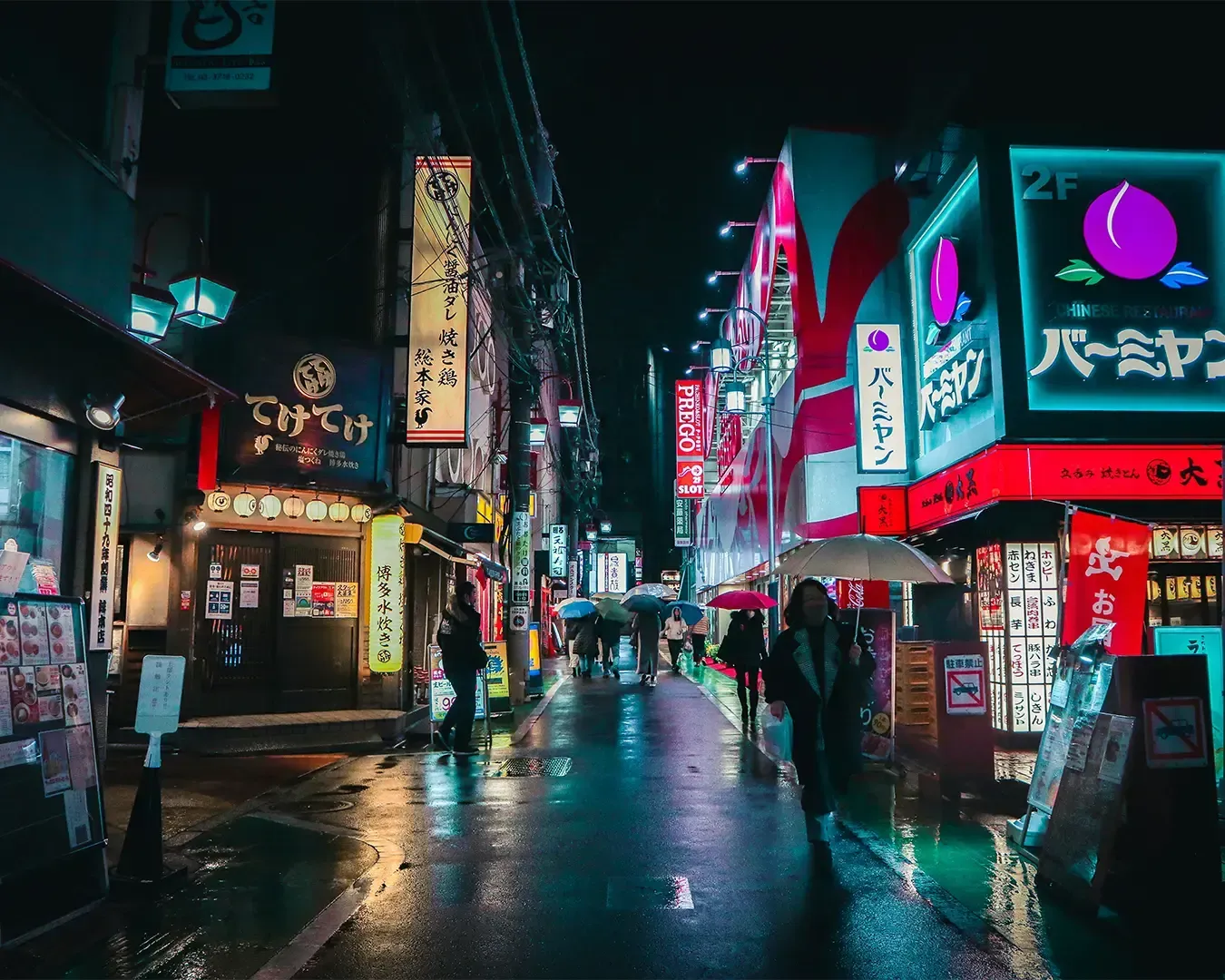
After a night of drinking or working late, Tokyoites seek the comfort of a perfect bowl of ramen. Many ramen-ya stay open until the early hours, serving as sanctuaries for salarymen and students. The focus is on individual perfection. You often order from a vending machine, sit at a small counter, and slurp your noodles in companionable silence. Ichiran, with its "flavor concentration booths," is a famous example of this solitary, focused dining experience.
Sushi Zanmai: The 24-Hour Sushi Bar
For those thinking
late-night sushi is a compromise, think again. Chains like Sushi Zanmai offer high-quality sushi around the clock. The founder is famous for paying record prices for the first bluefin tuna of the year at the Toyosu Fish Market auction. Knowing you can get fresh, expertly prepared sushi at 4:00 AM is a unique Tokyo luxury. It’s a fascinating part of a food culture you can read about on the
Go Tokyo tourism website.
Seoul: The Explosive Flavors of Korean BBQ and Street Food

Seoul is a city that parties late and works hard, and its after-hours food scene is designed to fuel that energy.
Korean BBQ: A 24/7 Affair
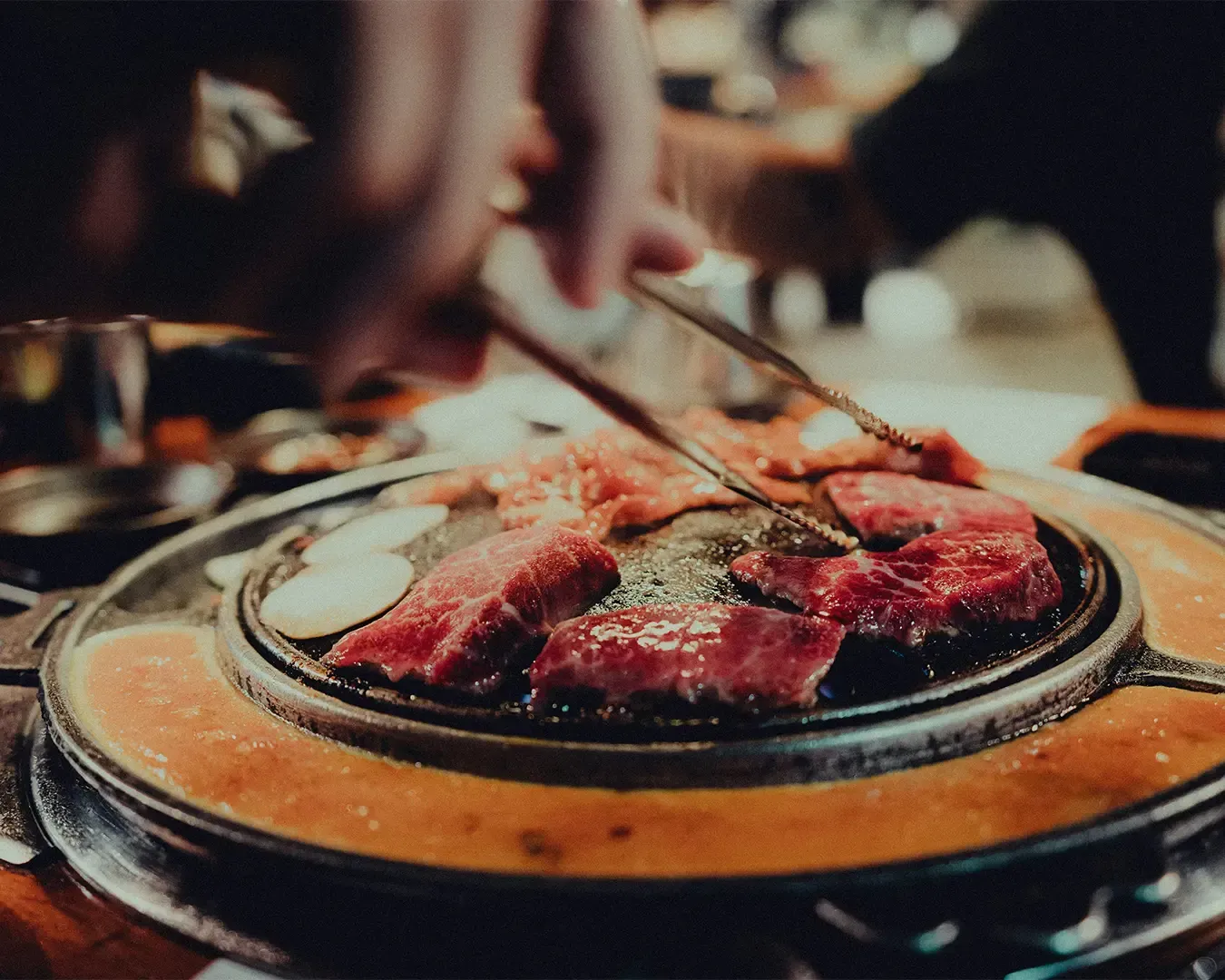
In neighborhoods like Gangnam or Hongdae, it is not uncommon to find Korean BBQ restaurants that never close. The sizzle of meat on the grill, the clinking of soju glasses, and the boisterous conversation create an atmosphere that is electric. It’s a communal, interactive meal that is perfect for winding down (or up) after a night out.
The Pojangmacha (Street Food Tents)
These iconic orange tents are a staple of Seoul's nightlife. They are simple, offering plastic stools and a menu of classic street food like tteokbokki (spicy rice cakes) and odeng (fish cake soup). A stop at a pojangmacha is an essential part of a night out in Seoul, offering a warm and spicy refuge from the cold night air.
Madrid: The Culture of "La Madrugada"

In Spain, the night is structured differently. Dinner starts late, and the hours that follow, known as la madrugada (the early morning), have their own culinary traditions.
Churros con Chocolate: The Ultimate Nightcap
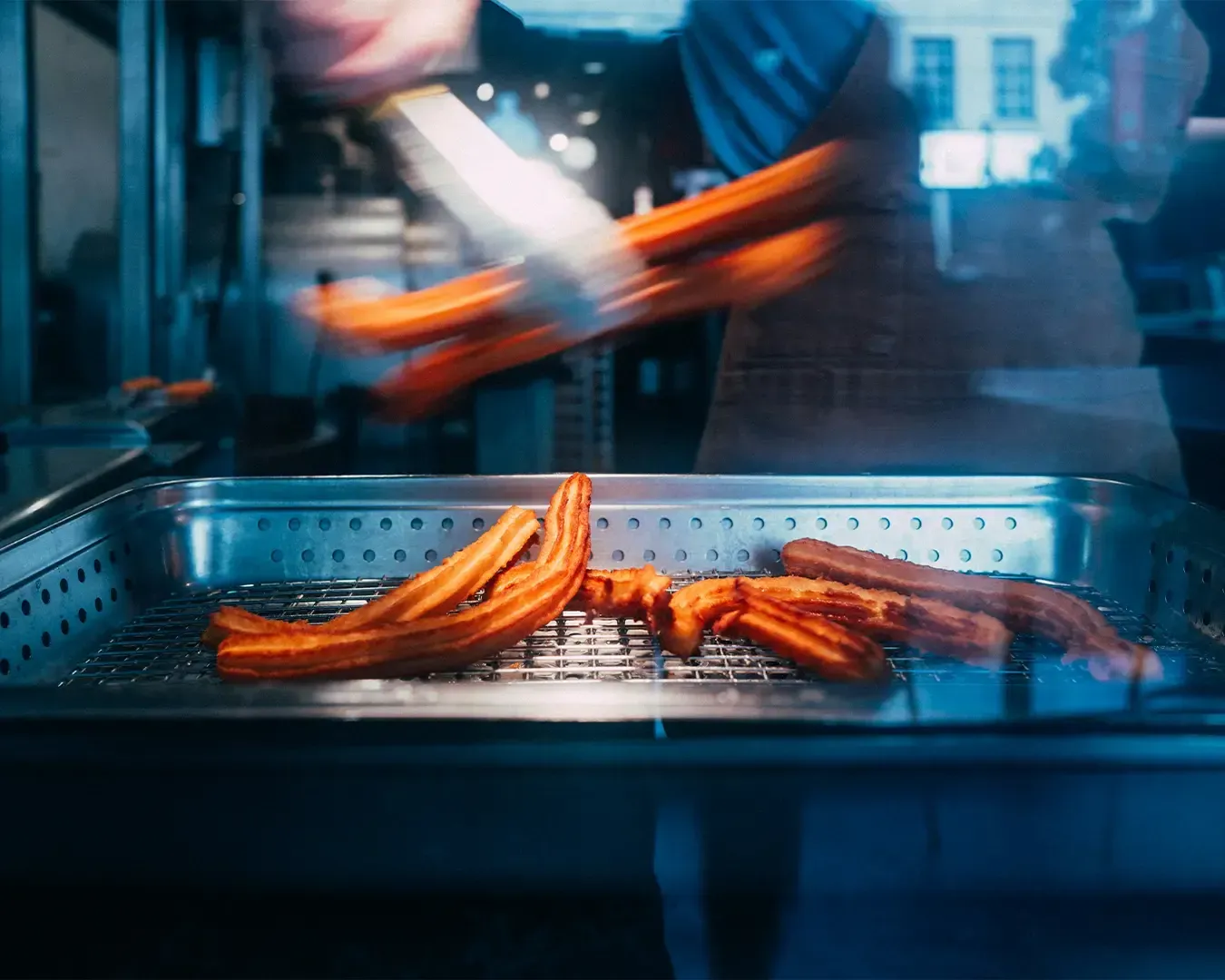
The most iconic late-night meal in Madrid is
churros con chocolate. After a night of dancing, Madrileños flock to chocolaterías that are open all night. The most famous is Chocolatería San Ginés, which has been serving since 1894. Dipping a hot, crispy churro into a cup of thick, dark chocolate is a ritual that is both indulgent and restorative.
My Role: The Global Night-Owl Navigator
My job is to find the best possible option, no matter the time or place. This requires a specific set of skills.
- The Concierge is Your Friend: The night-shift hotel concierge is a font of wisdom. They know what’s open, what’s good, and what’s safe.
- Vetting for Quality: I never just rely on a Google search. I cross-reference with local food blogs and industry sources to ensure the place is reputable.
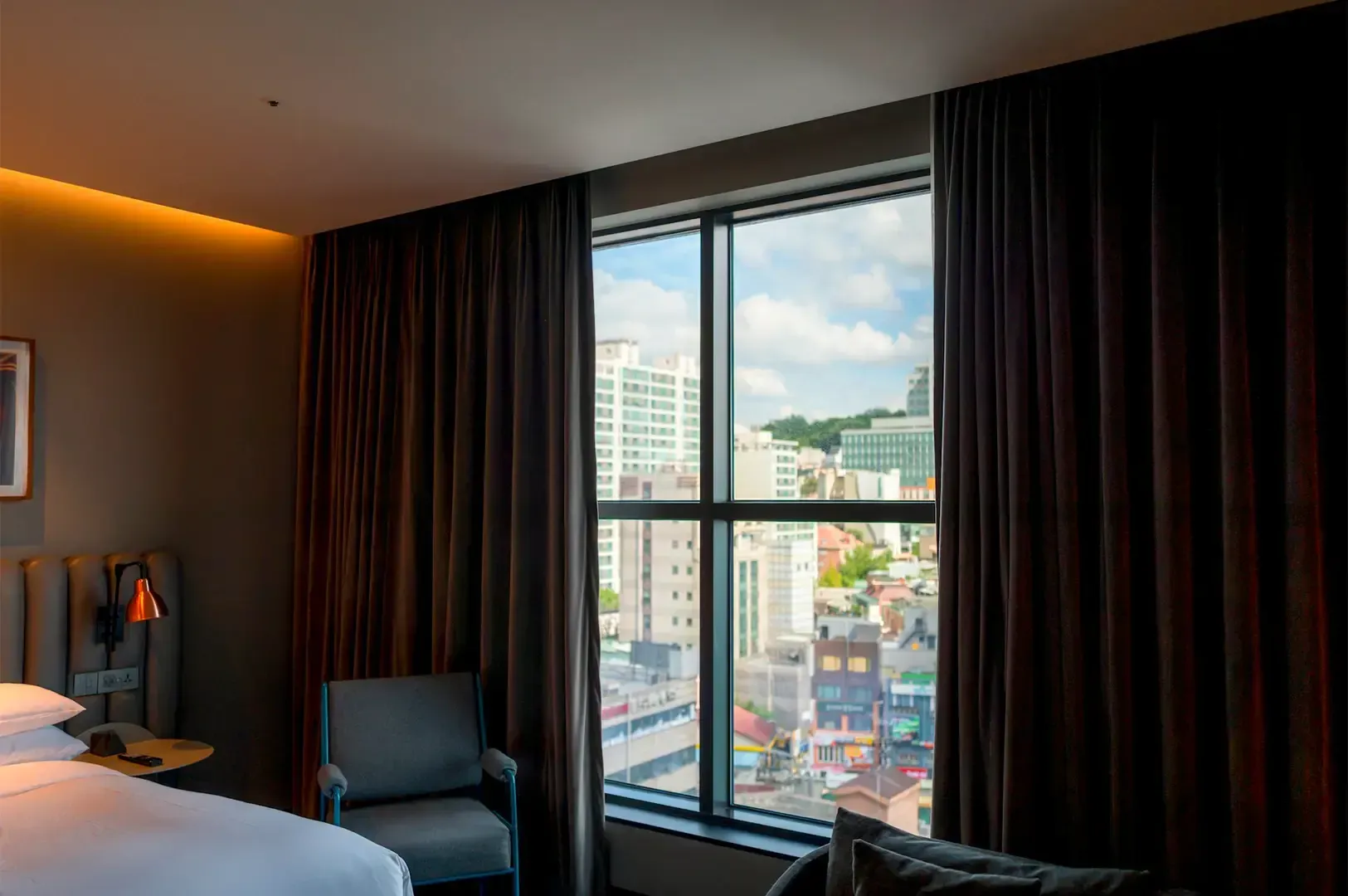
- The In-Suite Solution: When going out isn’t an option, the "midnight kitchen" becomes the one in our hotel suite. I always ensure our residences are stocked with high-quality ingredients for simple, comforting meals my boss enjoys, like a perfect aglio e olio or a classic grilled cheese.
Conclusion: A Meal When You Need It Most
The world’s 24-hour dining cultures are a beautiful expression of a city’s rhythm. They tell a story about work, play, community, and the simple, universal need for comfort and sustenance at the edges of the day.
For the traveler, these late-night spots offer more than just a meal. They provide a unique window into the real, unvarnished life of a city. They are a reminder that even in the darkest hours, there is always a light on, a kitchen open, and a warm plate of food waiting. And for a weary global nighthawk, there is no greater luxury than that.