


Digital Nomad Reality Check: The Unglamorous Side of Working From Anywhere

March 17, 2026 |J.C. Yue

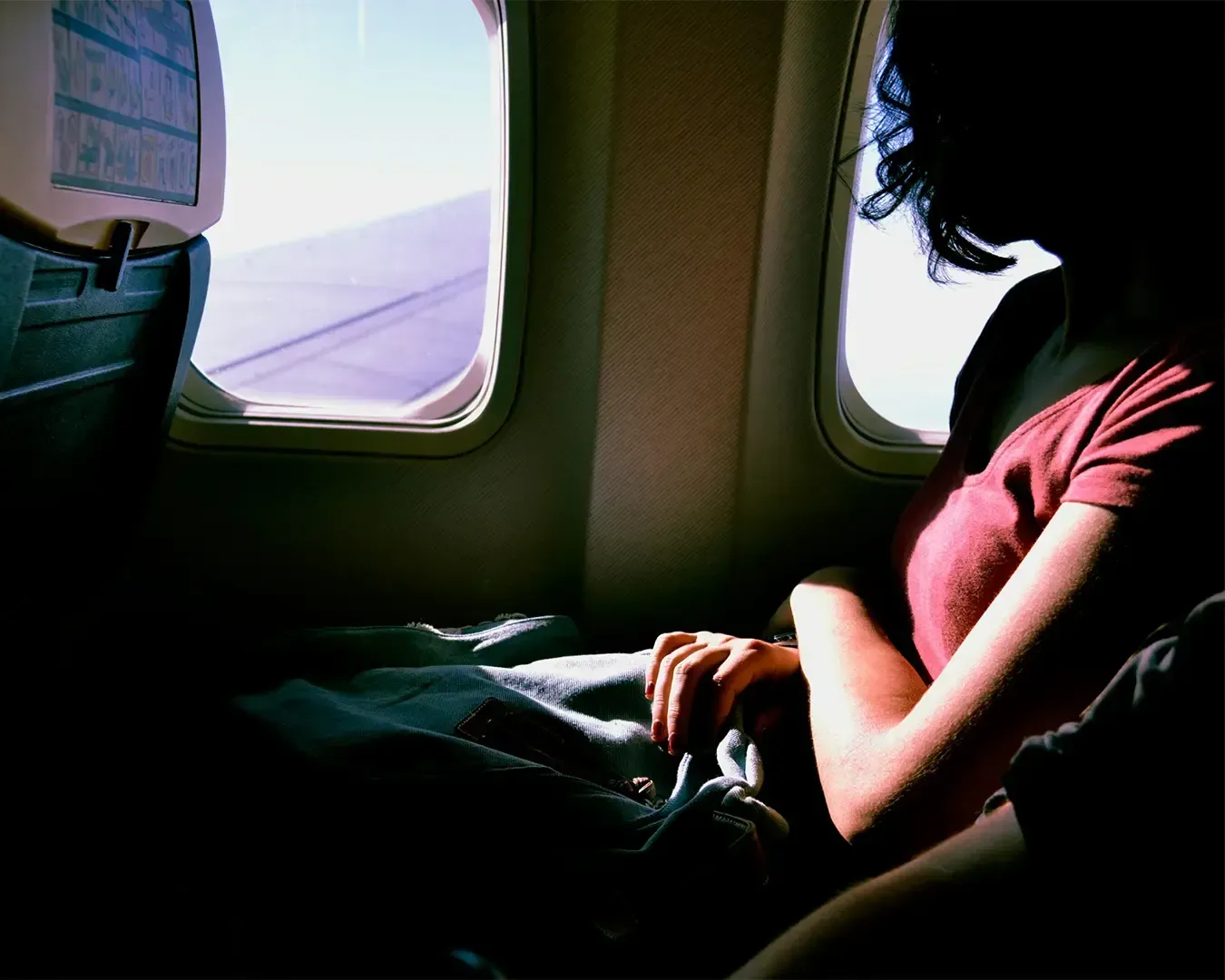
A woman sits beside an airplane window, gazing outside as soft daylight filters through the glass.

Scroll through Instagram or TikTok under the hashtag #DigitalNomad, and you will see a curated gallery of envy-inducing images. A laptop perched precariously on a hammock in Tulum; a coconut latte next to a MacBook in a Balinese cafe; a video call taken against the backdrop of the Swiss Alps. It looks like the ultimate dream: total freedom, endless adventure, and a life unmoored from the drudgery of the 9-to-5.


As a personal assistant who has spent the last decade living out of a suitcase alongside my employer, I have technically lived this "dream" across 40 different countries. I have coordinated conference calls from the back of SUVs in Mumbai and drafted itineraries in the lounges of Heathrow. I am, by definition, a location-independent professional.

But here is the truth that the filtered photos don't show you: the digital nomad lifestyle is often gritty, exhausting, and logistically nightmarish. There is a profound difference between traveling for leisure and traveling while maintaining a high-stakes career. When your office is everywhere, your sanctuary is nowhere.


This is a digital nomad reality check from someone who has managed the chaos behind the luxury. It’s a look at the unglamorous friction that exists between the dream of working from anywhere and the reality of getting things done.

The Myth of the Beach Office: Ergonomics vs. Aesthetics

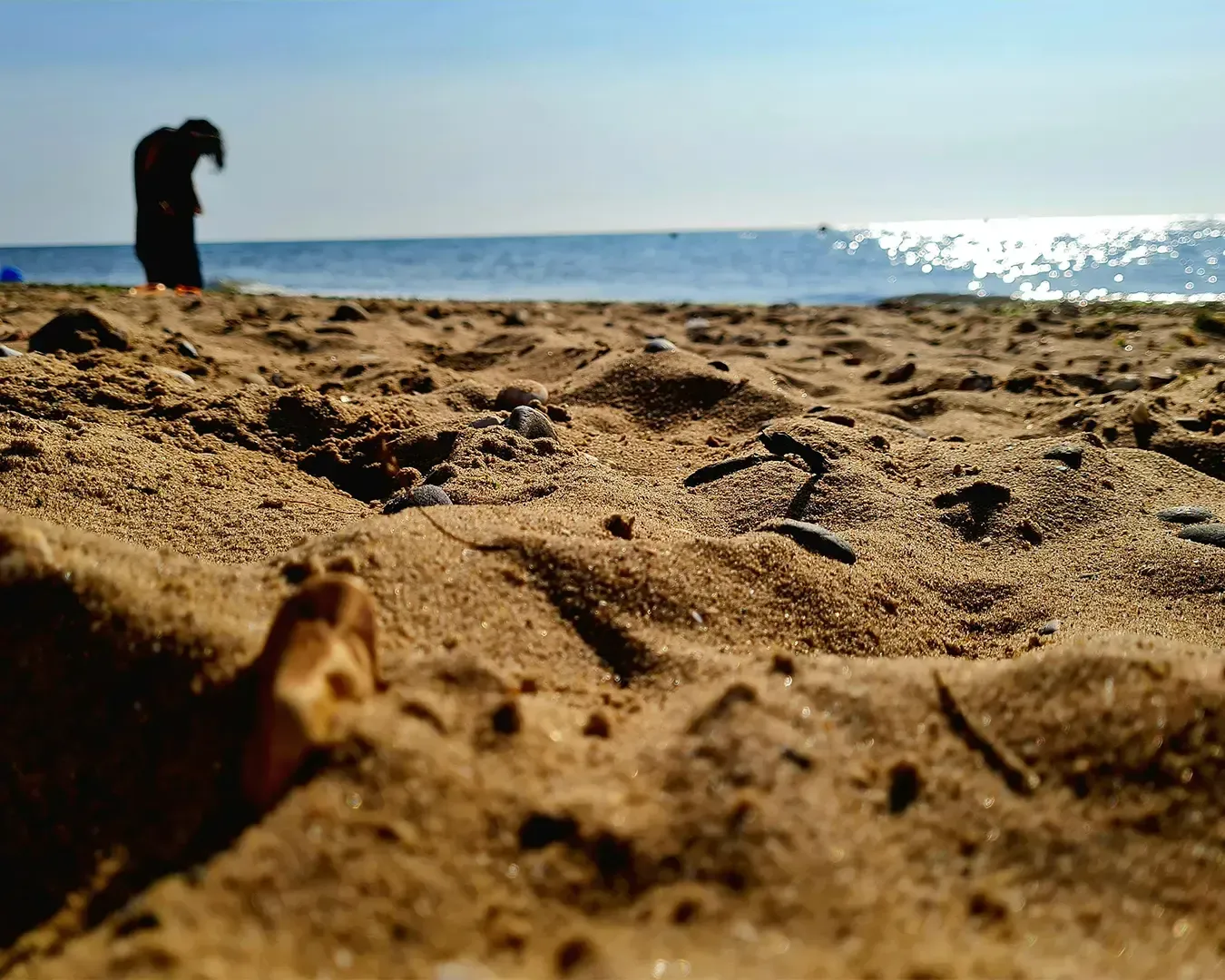
A close-up view of soft beach sand stretching across the shoreline, with natural textures and subtle patterns formed by wind and footsteps. 

Let’s start with the most pervasive myth: working from the beach. I can tell you from personal experience that sand is the enemy of electronics, the sun's glare makes screens unreadable, and humidity destroys battery life.


The Kitchen Chair Backache

The reality of remote work productivity is often a battle against terrible furniture. Even in high-end luxury villas or five-star hotel suites, the furniture is designed for lounging, dining, or sleeping—not for eight hours of focused work. I have spent countless hours hunched over low coffee tables or sitting on dining chairs that offer zero lumbar support.


Over time, this lack of proper ergonomics takes a physical toll. "Tech neck" and chronic back pain are the silent companions of the nomad. When you don't have a dedicated ergonomic chair or a monitor at eye level, your body pays the price. Organizations like the Mayo Clinic emphasize the importance of proper office ergonomics, a standard that is nearly impossible to maintain when your office changes weekly.

The Wi-Fi Anxiety: When "High-Speed" is a Lie

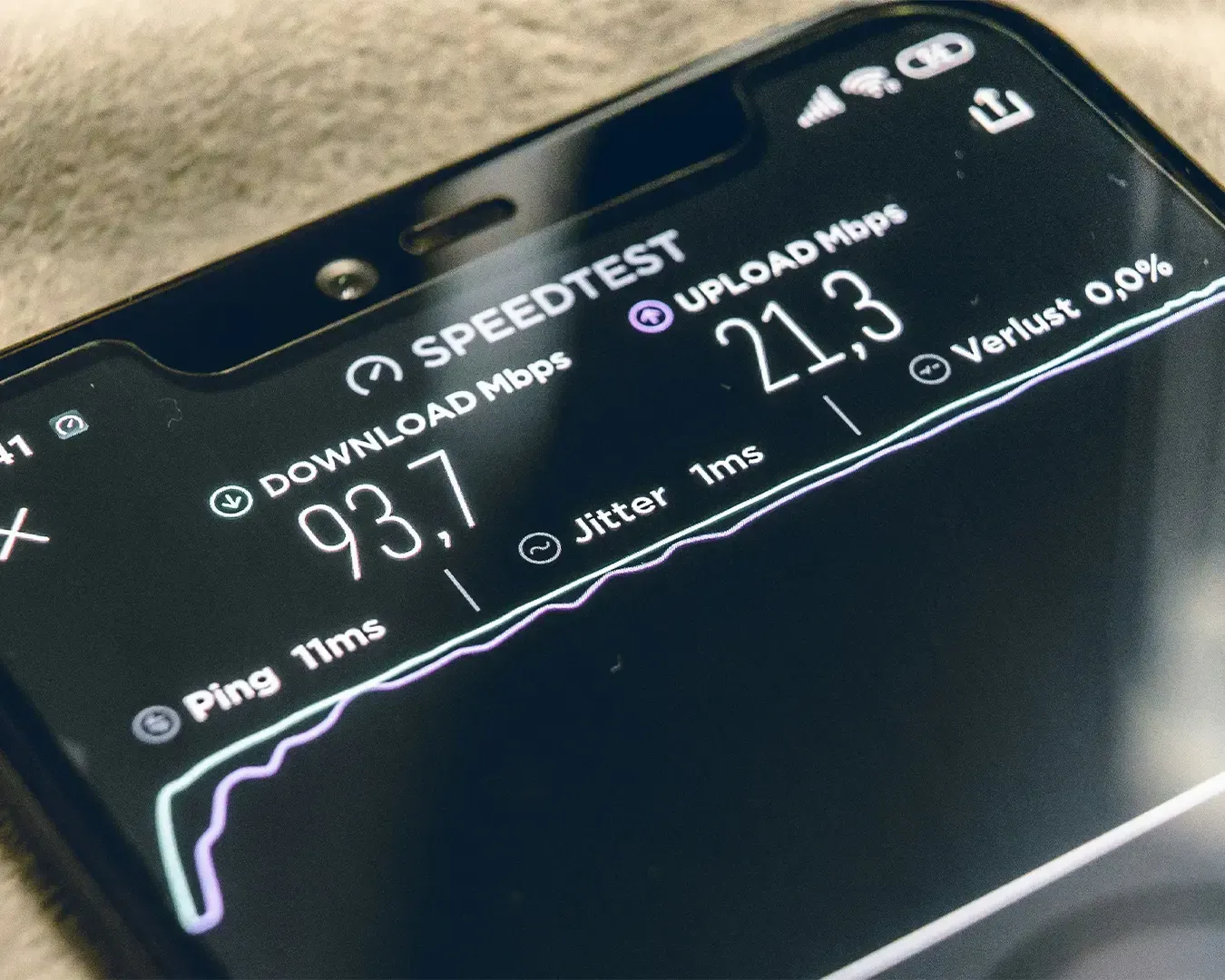
A smartphone held in hand displaying an internet speed test on the screen, with a speedometer-style graphic measuring connection performance. 

In my line of work, connectivity is oxygen. If the internet goes down, I cannot do my job, and my employer’s day grinds to a halt. This creates a low-level, constant hum of Wi-Fi anxiety.


The Infrastructure Gap

"Free High-Speed Wi-Fi" is the most abused phrase in the hospitality industry. In many popular nomad hubs, the local infrastructure simply cannot support the influx of remote workers. I once booked a stunning, remote villa in a Greek island specifically because they promised fiber-optic speeds. Upon arrival, we realized the connection dropped every time the wind blew too hard.


The Backup Plan for the Backup Plan

To survive, I travel with a mobile hotspot, three different local SIM cards, and a satellite device. I have spent hours wandering around foreign cities at 2:00 AM, holding a phone to the sky, desperate for a signal strong enough to send a large file. The glamour of the location fades instantly when you are sweating over a loading bar that won't move.

Time Zone Torture: Living in the Wrong Circadian Rhythm

A simple wall clock mounted on a clean interior wall, its hands clearly marking the time.

One of the most punishing aspects of the global nomad lifestyle is the tyranny of time zones. If your clients or your team are based in New York, but you are in Tokyo, your "freedom" comes at a steep physiological cost.


The Vampire Shift

I have spent weeks living what I call the "vampire shift." My boss needed to be synchronous with London markets while we were in Sydney. This meant waking up at 4:00 PM, working through the night, and going to sleep as the sun came up.


It wreaks havoc on your body clock and your social life. You are technically in a beautiful new city, but you are asleep while the museums are open and working while the restaurants are closed. You become a ghost in your own travels. This disruption to circadian rhythms is well-documented by health resources like the Sleep Foundation as having significant long-term health impacts.

The Loneliness Paradox: Alone in a Crowd

A tree branch extending outward in a green park environment, with leaves gently catching the natural light. The surrounding greenery and open space create a calm outdoor scene, reflecting the peacefulness of nature in an urban park.

There is a specific type of loneliness that comes with constant movement. You are surrounded by people—fellow travelers, locals, hotel staff—but you often lack deep, consistent connection.


The Transient Friendship

In digital nomad hubs like Bali or Lisbon, it is easy to meet people. But these relationships are often fleeting. You make a friend, you bond over coffee, and two weeks later, they move on to their next destination. You are constantly saying hello and goodbye. It creates a sense of emotional fatigue where you stop investing in new people because you know they will leave.


The Service Bubble

As a PA, my primary relationship is with my employer. While professional, it is necessarily hierarchical. I often dine alone in hotel restaurants, surrounded by couples and families. I have witnessed the same isolation in the wealthy expats we meet. They are floating in a luxury bubble, disconnected from the local culture and lacking a true support system.

The Administrative Nightmare: Visas, Taxes, and Banks

This is the boring stuff that no travel influencer talks about. The logistics of long-term travel are a full-time job in themselves.


The Visa Scramble

Navigating the labyrinth of international visa laws is stressful. While some countries are introducing digital nomad visas, the majority of border crossings still involve a degree of uncertainty. I have spent days filling out paperwork, queuing at embassies, and worrying if a passport stamp will be granted. The fear of being denied entry or overstaying a welcome is a constant background stressor.


Banking Blockades

Try logging into your online banking from a new IP address in a high-risk country. Your accounts will be frozen. I have had credit cards blocked while trying to pay for emergency medical services. Managing finances across borders requires a complex web of international accounts, VPNs, and patience.

The Loss of Routine: Why Boring is Good

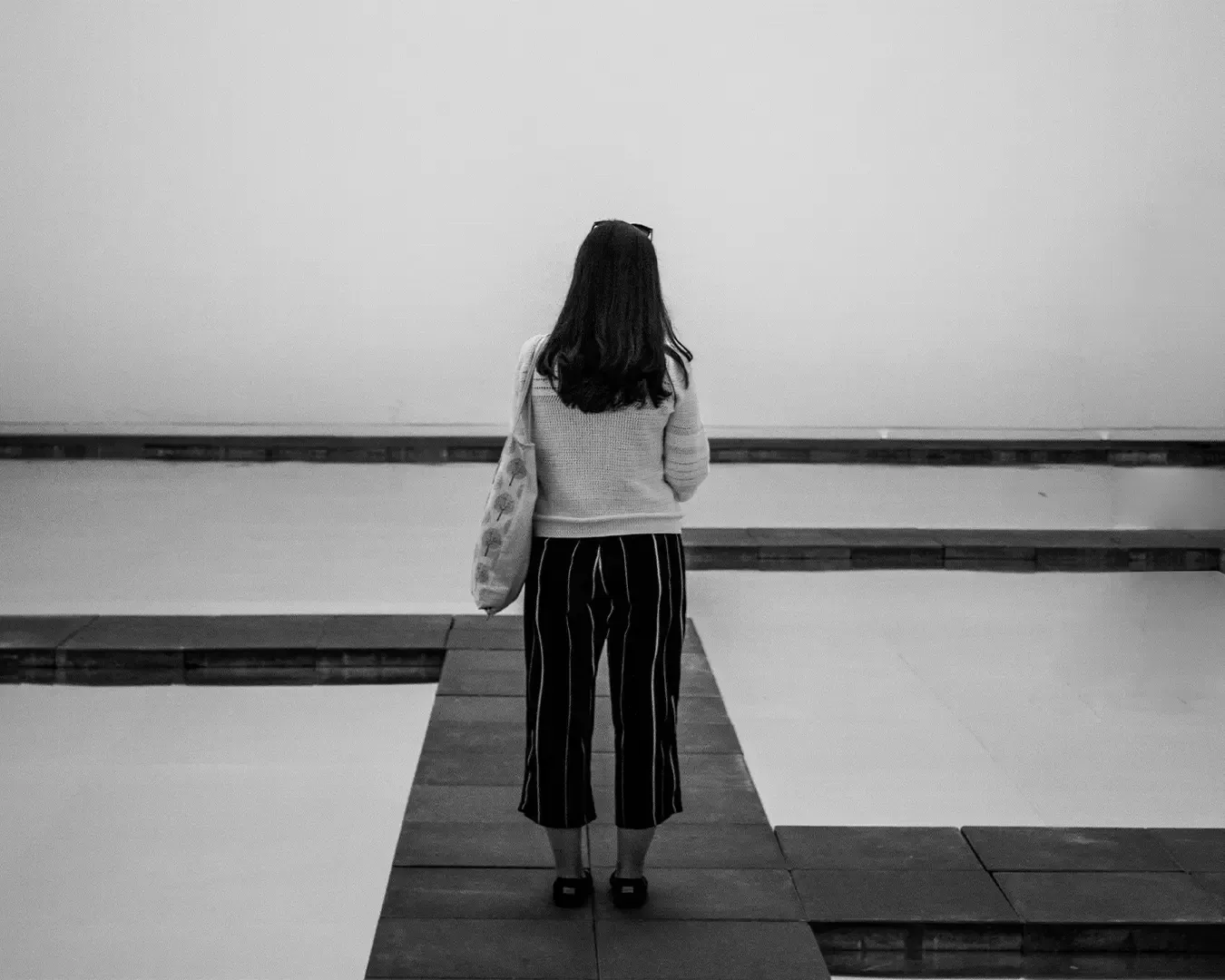
A woman stands alone in an open space, her posture calm and thoughtful. The scene captures a quiet moment of solitude, suggesting reflection, independence, or contemplation within a simple and uncluttered environment.

Human beings thrive on routine. We need cues to tell us when to focus, when to eat, and when to sleep. When you work from anywhere, those cues disappear.


Decision Fatigue

When every day involves navigating a new neighborhood, finding a new grocery store, figuring out a new public transport system, and translating a new menu, your brain burns a massive amount of energy just on survival tasks. This leads to decision fatigue. By the time you actually sit down to work, you are already mentally drained.


I often find myself craving the mundane: a familiar gym, a grocery store where I know where the milk is, a commute that I can do on autopilot. The novelty of the new eventually wears off, replaced by a desperate desire for the predictable.

The "Always On" Trap: Blurring Boundaries

When your home is your office and your office is a hotel room, the boundary between work and life dissolves.


The Guilt of Not Exploring

There is a unique guilt that plagues the digital nomad. You are in Rome, just blocks from the Colosseum, but you have a deadline. You spend the entire day inside, staring at a screen. You feel guilty for not exploring, and when you do explore, you feel guilty for not working.


This inability to fully unplug leads to digital nomad burnout. You are never fully on vacation, but you are never fully settled at work. You exist in a gray zone of partial attention. The World Health Organization now recognizes burnout as an occupational phenomenon, and the lack of boundaries in remote work is a major contributor.

The Healthcare Lottery

A close-up view of a doctor’s stethoscope resting against a medical coat or desk surface. The polished metal and tubing represent healthcare, professionalism, and the tools commonly used in medical examinations.

Getting sick on the road is a humbling experience. I have had to navigate hospitals where no one spoke English, source prescription medication in countries with different brand names, and manage dental emergencies in rural villages.


Navigating Foreign Systems

Understanding the quality and access of healthcare in a destination is a critical part of my advance research. It is terrifying to be in a situation where you need urgent care and don't know if the local ambulance service is reliable. Insurance is essential, but it doesn't solve the immediate logistical problem of finding a competent doctor in a crisis.

Finding Balance: How to Survive the Lifestyle

Hands actively typing on a laptop keyboard, focused on completing digital work. The scene highlights productivity, remote work, and modern communication as fingers move quickly across the keys in a workspace setting.

Despite these challenges, I still love my life. The key is to stop trying to emulate the Instagram ideal and start building a sustainable reality. Here is how I manage the unglamorous side of remote work:


1. Slow Travel is Essential

We no longer hop cities every three days. We stay in one location for a month minimum. This allows us to unpack, set up a proper workspace, and build a micro-routine.


2. Invest in Infrastructure

I carry a portable ergonomic laptop stand and a separate keyboard. We vet accommodation ruthlessly for Wi-Fi speed and workspace setup (asking for photos of the chair is a pro move).


3. Join a Coworking Space

Working from a hotel room is isolating. Coworking spaces offer ergonomic furniture, reliable internet, and, most importantly, community. Places like WeWork or local independent hubs provide a necessary separation between "home" and "work," even on the road.


4. Prioritize Sleep Over FOMO

If the choice is between a sunrise hike and getting eight hours of sleep after a late shift, I choose sleep. Protecting your physical health is the only way to sustain this lifestyle long-term.

Conclusion: A Reality Check, Not a Deterrent

The digital nomad lifestyle offers incredible freedom, but it is not a perpetual vacation. It is a trade-off. You trade stability for novelty, and comfort for adventure.


If you are considering this path, do so with your eyes open. Be prepared for the backaches, the lonely dinners, and the Wi-Fi battles. Understand that the view from your "office" might be a brick wall instead of a beach.


But also know that if you can navigate the grit and the grime, you will build a resilience and a perspective that is invaluable. Just remember to pack your ergonomic mouse, your patience, and a very good pair of noise-canceling headphones. The reality might be unglamorous, but it is certainly never boring.

Share this article

Recent Posts

The golden Kinkaku-ji temple sits beside a reflective pond, surrounded by lush green trees under a cloudy sky.
By J.C. Yue March 31, 2026
An insider's guide to finding Kyoto's hidden temple gardens and private contemplation spaces. Discover the art of stillness away from the tourist crowds.
A neatly placed “Reserved” sign sits on a well-set restaurant table, indicating the table is booked
By J.C. Yue March 30, 2026
A personal assistant's guide to getting reservations at exclusive restaurants. Learn insider tips and strategies to secure a table at the world's best restaurants.
Three individuals seated around a table, smiling and engaged in conversation while sharing a meal, c
By J.C. Yue March 24, 2026
An insider's guide to finding authentic, multigenerational family restaurants that tourists never discover. Taste the history of a city at its family tables.
A lively night scene where a small crowd gathers around a brightly lit food truck, ordering and coll
By J.C. Yue March 23, 2026
An insider's guide to 24-hour dining cultures around the world. Discover the best late-night food in NYC, Tokyo, Seoul, Singapore, and more.
A laptop placed on a clean table beside a cup of coffee, creating a calm and focused workspace.
By J.C. Yue March 15, 2026
A personal assistant's guide to setting boundaries when you live where you work. Learn strategies to protect your sanity and maintain a work-life balance.
A beautifully arranged shelf displaying delicate Chinese teacups and teapots, carefully organised
By J.C. Yue March 13, 2026
Discover Tea Room by Ki-setsu, a highly exclusive luxury tea experience in Singapore. Explore private Chinese tea rituals, rare blends, and quiet luxury.
Person silhouetted by sunset in front of airport windows, escalators in foreground.
By J.C. Yue March 10, 2026
A personal assistant's reflection on how global travel exposed her cultural blind spots. Discover how different societies act as cultural mirrors.
City skyline at sunset with golden light, buildings, and hot air balloons.
By J.C. Yue March 8, 2026
An insider's guide to Melbourne's obsessive coffee culture. Discover the secrets of Third Wave coffee, what to order, and where to find the best cafes.
A wide view of a New York bridge stretching across the river, with city skyscrapers
By J.C. Yue March 3, 2026
An insider's guide to the exclusive after-hours dining scene where New York's elite eat. Discover the secrets of the city's midnight kitchens.
A traditional Japanese restaurant entrance featuring a dark blue linen noren curtain
By J.C. Yue March 2, 2026
An insider's guide to accessing Tokyo's exclusive invitation-only restaurants. Learn the secrets behind Japan's most hidden dining experiences.
Show More