Navigating the Cliffs: The Unspoken Rules of Amalfi Coast Villa Etiquette
May 18, 2026 |J.C. Yue
Watching a team of local porters carry six heavy leather trunks up three hundred ancient stone steps is a humbling experience. As a personal assistant managing global travel for a high-net-worth employer, I handle intense logistics daily. Moving from a sleek penthouse in Singapore to the rugged cliffs of southern Italy requires a massive mental and operational shift.
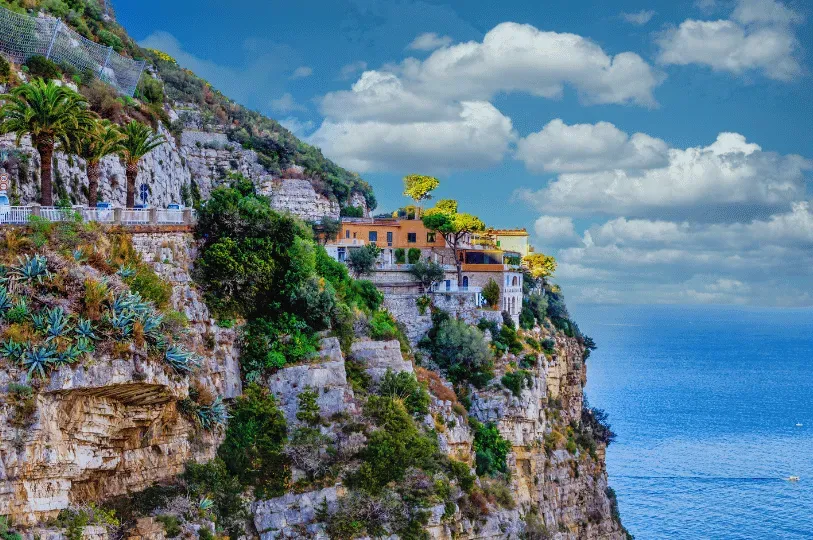
The vertical towns of Positano, Ravello, and Amalfi offer some of the most spectacular vistas in the world. However, operating smoothly within these historic spaces demands a deep understanding of local customs. The transition from hotel guest to temporary homeowner comes with an entirely different set of expectations.
This guide breaks down
Amalfi Coast villa etiquette, offering a rare, behind-the-scenes perspective on how the world's most demanding travelers successfully manage life on the cliffs. We will explore how to respect the invisible boundaries of
private Italian villas
while maintaining an atmosphere of absolute luxury.
The Hidden Logistics of Cliffside Luxury

When you book a magnificent property clinging to the side of a mountain, you must accept that standard luxury rules no longer apply. The geography completely dictates your daily reality.
Arriving at High-End Rental Properties
First impressions set the tone for your entire stay. Unlike a traditional five-star hotel lobby, arriving at a private villa is an intimate affair. The villa manager, the housekeeper, and often the private chef will be waiting to greet you.
As a luxury travel professional, I always ensure we arrive exactly at the stated time. Navigating the winding, narrow coastal roads is notoriously difficult. If our private transfer runs late, I immediately communicate the delay to the villa manager. You can read more about the sheer complexity of local transport on the official Italian Tourism Board website.
Managing Luggage on Vertical Terrain
You cannot roll a heavy suitcase up a cliffside path. The local porter system is the lifeblood of these historic towns.
I learned early in my career to tip the porters generously and individually the moment the bags cross the threshold. Furthermore, packing light is essential. I advise my employer to use soft-sided luggage whenever possible to make the porters' jobs safer. Understanding the historic landscape protected by organizations like UNESCO helps put these physical limitations into perspective.
Core Amalfi Coast Villa Etiquette
Once you settle into your property, you enter a delicate ecosystem. The local staff are not just employees; they are the guardians of the home.
Synchronizing with the Local Italian Rhythms
In global financial hubs, service is available twenty-four hours a day. On the Amalfi Coast, time moves differently. High-end travel experiences here require adapting to the regional pace rather than forcing your own schedule upon the staff.
Understanding the Sacred Riposo
The most critical cultural adjustment is honoring the riposo, the traditional Italian afternoon rest period. Typically occurring between 1:00 PM and 4:00 PM, this is when the sun is hottest and the region collectively pauses.
Scheduling Around the Afternoon Rest
Do not ask your villa staff to perform heavy cleaning or run complicated errands during these hours. Instead, adopt the local habit. Retreat to a shaded terrace, read a book, or take a nap. Publications studying regional Italian culture, such as
The Local Italy, frequently emphasize how respecting this downtime is crucial for cultural integration.
Dining Protocol in Private Italian Villas

Food is the ultimate expression of hospitality in this region. Managing the culinary experience inside a rental property requires finesse and open communication.
The Relationship with Your Private Chef
Having a private chef is a hallmark of luxury villa rentals. However, a chef in Campania operates very differently from a chef in Manhattan. They rely heavily on what the local fishermen catch that morning and what the local farmers harvest.
You can get a trust taste of where Positano natives truly dine by exploring their local trattorias.
Navigating Seafood and Seasonal Ingredients
I always provide the chef with our dietary restrictions weeks in advance. But once we arrive, I advise my employer to let the chef dictate the menu based on the daily markets. Demanding imported, out-of-season ingredients is considered incredibly disrespectful to the local food culture.
If you want to understand the profound dedication to regional ingredients, the Michelin Guide for Campania provides incredible insight into local culinary philosophy.
The Morning Coffee Rituals
Breakfast on the terrace is a daily highlight, but the coffee rules are strict. Your staff will happily prepare elaborate breakfast spreads, but you must understand the local caffeine etiquette.
Why Cappuccino Stops at Noon
In Italy, milk-based coffees like cappuccinos are strictly for the morning. Ordering a cappuccino after a heavy seafood lunch will genuinely concern your chef, as they believe it hinders digestion. Switching to a simple espresso after 11:00 AM shows your staff that you respect and understand
Italian dining etiquette.
Social Dynamics and Guest Behavior

A sprawling villa overlooking the Tyrrhenian Sea naturally attracts attention. Managing how you interact with the surrounding community is a massive part of my job.
Hosting Visitors on Your Private Terrace
If you plan to host local friends or business associates for sunset cocktails, you must inform the villa manager beforehand. The staff needs time to source extra glassware, prepare adequate aperitivo snacks, and adjust their working hours.
Maintaining Noise Levels in Historic Towns
Sound travels remarkably fast across the open water and up the steep cliffs. While your property might feel completely isolated, your neighbors are likely much closer than you realize.
Playing loud music on your terrace late at night is a severe breach of villa rental etiquette. We always move gatherings indoors after 10:00 PM. This maintains our good standing with the local community and ensures we are welcomed back for future seasons.
Photography and Protecting Privacy
In the age of constant connectivity, discretion is a massive luxury. When managing the environment for a high-profile individual, I enforce strict rules regarding photography.
You should never photograph the villa staff without their explicit, enthusiastic permission. They are working professionals who value their privacy. Furthermore, avoid posting exterior shots that clearly identify the location of the villa until after you have departed. Organizations that monitor elite hospitality trends, like the Forbes Travel Guide, frequently cite digital discretion as a defining trait of the modern luxury traveler.
Interacting with the Housekeeping Team

The individuals who clean your rooms and launder your linens are the backbone of your stay.
The Boundaries of Personal Space
In a hotel, you simply leave a "Do Not Disturb" sign on the door. In a private villa, the dynamic is much more fluid.
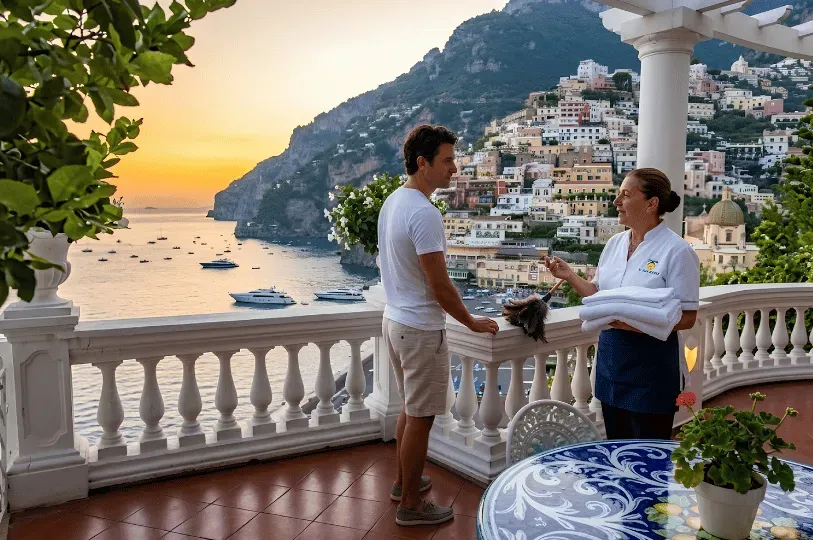
I establish clear boundaries on the first day. I communicate exactly when my employer will be out of the primary suite so the housekeeping team can work without feeling like they are intruding. Seamless travel logistics rely entirely on this proactive communication.
Managing Delicate Wardrobes
As a traveling assistant, I manage incredibly expensive wardrobes. If a garment requires special care, I handle it myself or take it to a specialized dry cleaner in a nearby city like Naples. I never assume the villa staff knows how to treat a bespoke silk gown. It protects both the garment and the staff from unnecessary stress. You can read more about traditional fabric care and regional textiles through the Textile Society of America.
The Graceful Departure
How you leave a property is just as important as how you arrive. A rushed, chaotic departure leaves a poor final impression.
Gratuity Guidelines for Villa Staff
Tipping in a private villa is very different from tipping in a restaurant. It is a highly guarded, often confusing aspect of exclusive travel experiences.
I always calculate the gratuity at the end of the stay, typically budgeting between five and ten percent of the total rental cost, depending on the level of service required.
Distributing the Gratuity Fairly
I never just hand a single lump sum to the villa manager. I take the time to place cash in individual envelopes for each staff member—the chef, the housekeepers, the gardeners, and the manager. I hand these envelopes directly to the individuals, thanking them by name.
Leaving a Lasting Impression
Before we walk out the door, I ensure the villa is reasonably tidy. We do not leave trash scattered across the terraces, and we make sure all borrowed items are returned to their proper places.
When you treat a historic villa with profound respect, the staff remembers you. The next time you try to book that highly coveted property during the peak month of July, the owner will prioritize your request over others. For a deep dive into the history of these spectacular regional homes, the
National Trust for Italy (FAI) offers beautiful archival resources.
Conclusion: Adapting to the Cliffside Lifestyle

Managing global itineraries requires constant adaptation. The Amalfi Coast is not a destination you can bend to your will. Its sheer cliffs, ancient roads, and deeply rooted traditions demand surrender.
True luxury here is not about demanding instantaneous service. It is about slowing down. It is about drinking your espresso while leaning against a sun-warmed stone wall, trusting your chef to select the best fish, and treating your villa staff as respected partners in your travel experience.
When you master the unspoken rules of
Amalfi Coast villa etiquette, the friction of travel completely disappears. You stop fighting the logistics and start truly living the cliffside lifestyle. By respecting the delicate ecosystem of these magnificent homes, you unlock a level of authentic, grounded luxury that standard tourism simply cannot touch.