
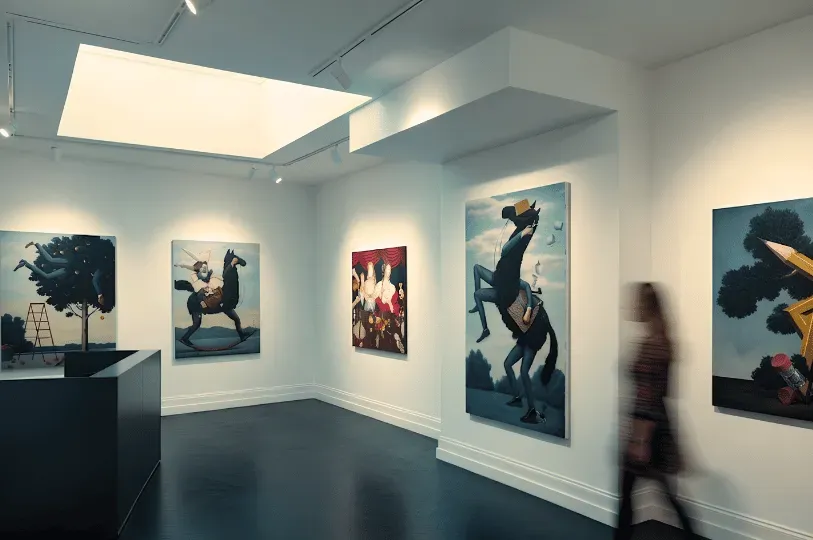
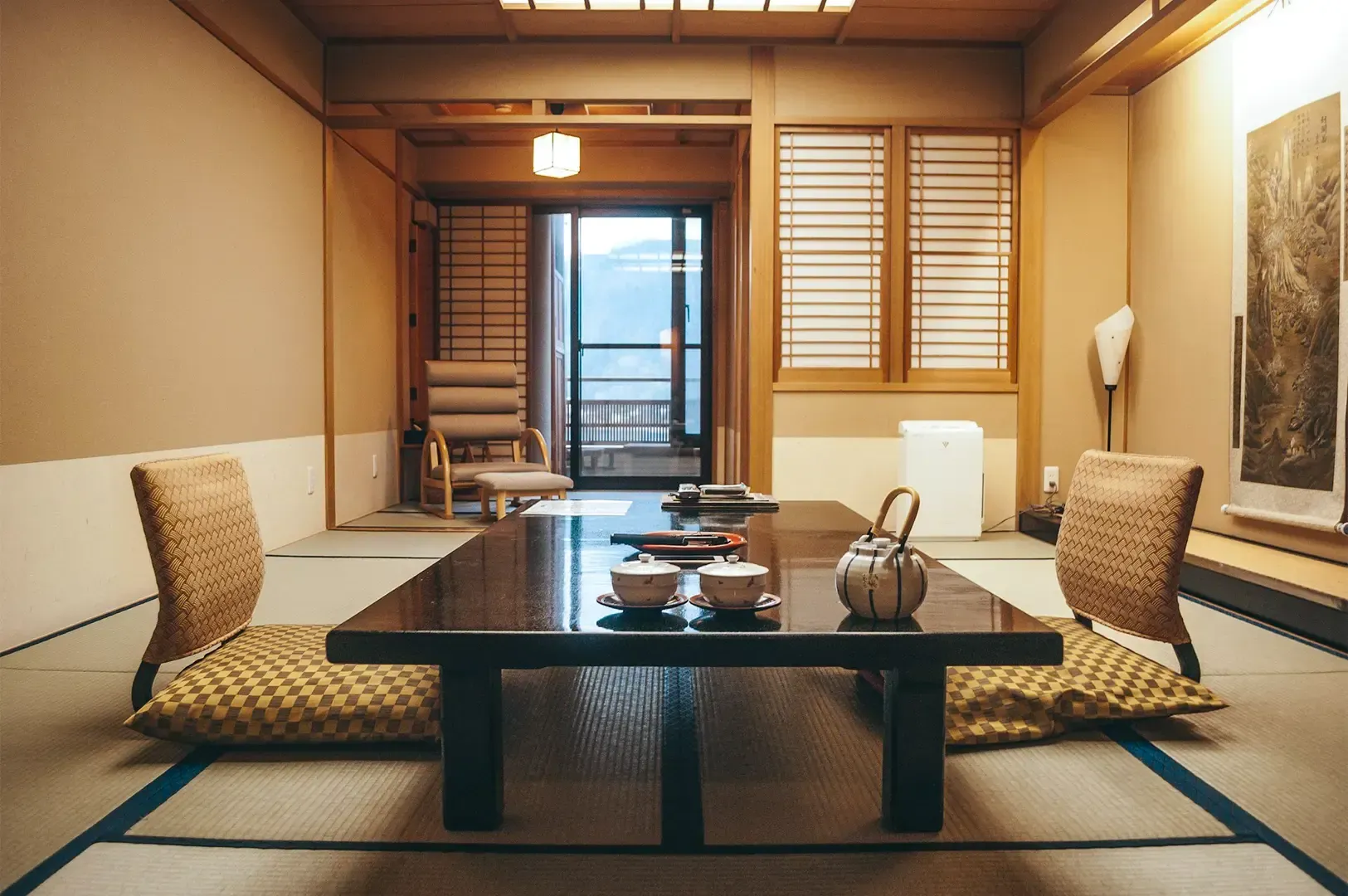
The Private Collections: Accessing London's Invitation-Only Art and Antiquities
May 19, 2026 |J.C. Yue
There is a distinct kind of silence that exists only behind the unmarked doors of Mayfair. As a global personal assistant managing the demanding travel schedules and lifestyle logistics for an ultra-high-net-worth employer, I spend a significant amount of my time in this exact type of silence.
While most visitors to the UK capital queue for hours to catch a glimpse of the Rosetta Stone or a Vermeer, our itineraries look vastly different. The true masterpieces—the pieces that rarely see the public light of day—are hidden in heavily guarded townhouses, subterranean vaults, and exclusive private galleries.
Navigating this secretive ecosystem requires a completely different set of rules. This guide explores the fascinating, highly discreet world of
London's invitation-only art, offering a behind-the-scenes perspective on how the world’s most elite collectors experience the city's hidden antiquities.
The Hidden World of London's Invitation-Only Art

To understand the top tier of the art market, you must first realize that the pieces displayed in shop windows on Bond Street are merely the tip of the iceberg. The real business happens out of sight.
Bypassing the Public Galleries
When my employer wishes to view rare antiquities, we never start at public institutions. While we deeply respect places like the National Gallery, the logistics of navigating crowds and securing absolute privacy are overly complex.
Instead, we rely on a tightly knit network of elite art advisors and private dealers. These individuals operate out of historic buildings that look like ordinary, albeit grand, residences. To grasp the historical significance of this neighborhood as a cultural hub, the Visit London guide to Mayfair offers excellent context.
The Role of the Global Personal Assistant
My job in these scenarios is part logistics coordinator, part diplomat. Long before we step off the plane at Farnborough Airport, I am communicating with gallery directors. I arrange the signing of non-disclosure agreements, submit our specific collecting interests, and coordinate our security detail with the gallery's internal teams.
Preparing the Employer's Dossier
Accessing London's secret art collections is not simply a matter of having wealth. Dealers must know that a piece is going to a respected, serious collector. I often prepare detailed dossiers outlining my employer's existing collection and philanthropic art loans to prove their standing in the global community.
Navigating Exclusive Art Dealers in Mayfair

The atmosphere inside a private viewing room is incredibly distinct. It is designed to foster quiet contemplation and high-stakes negotiation.
The Discretion of High-End Antiquities
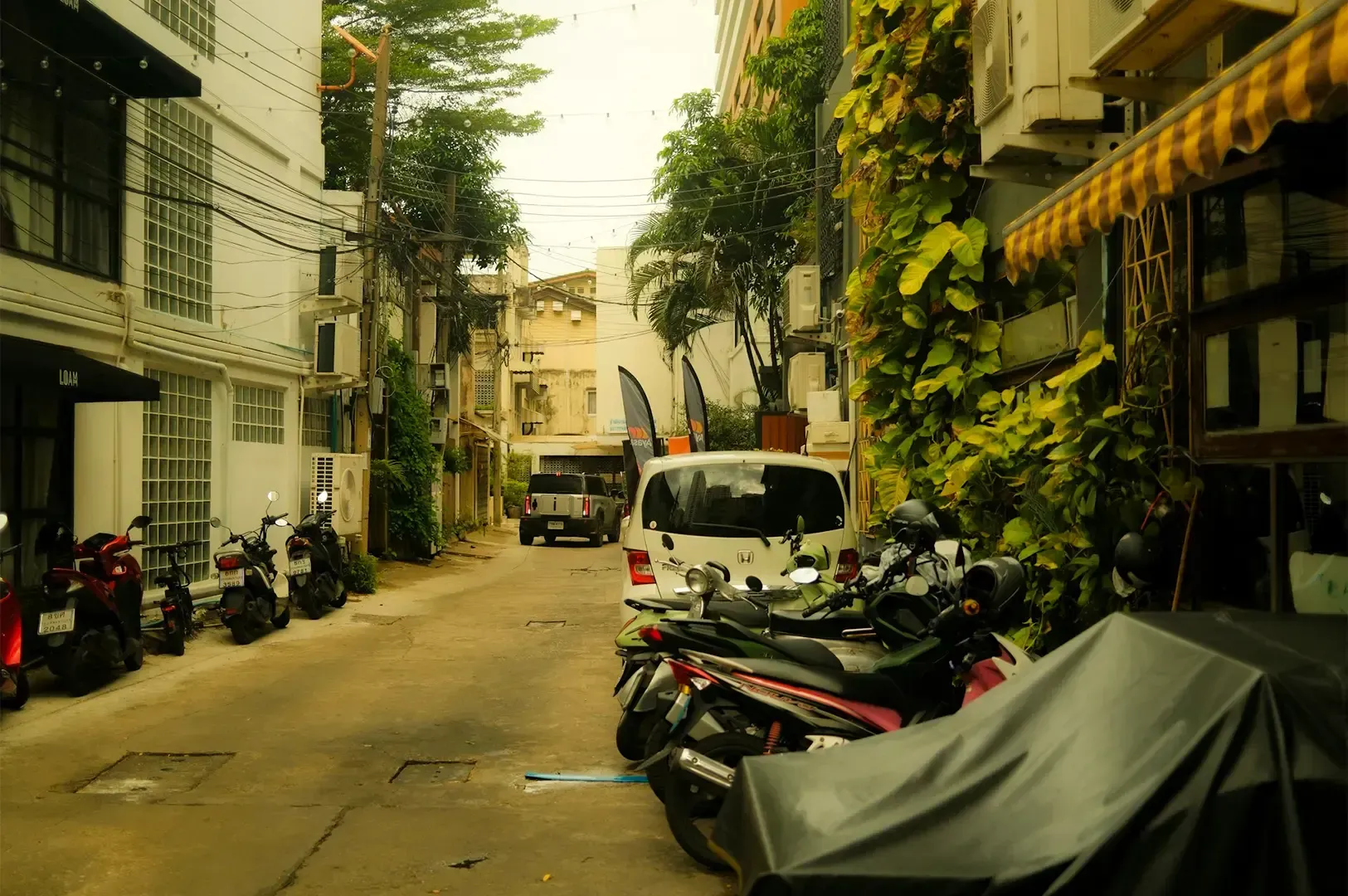
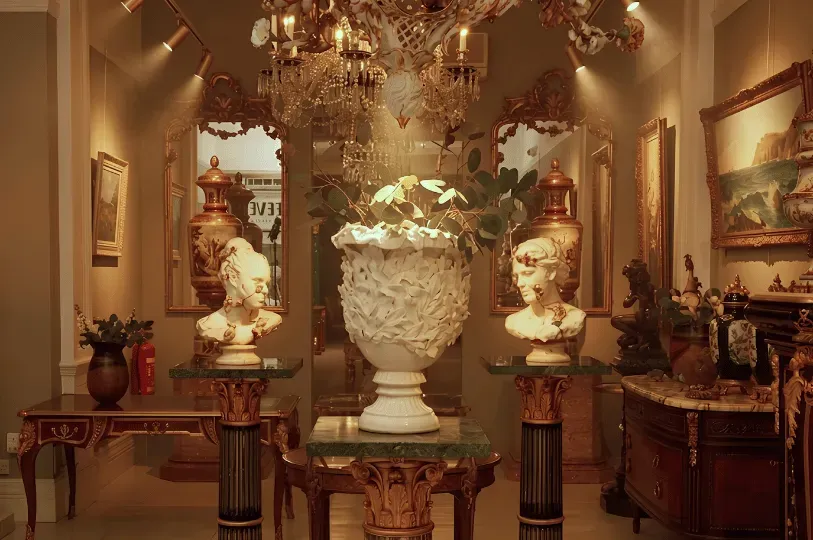
I recently coordinated a viewing of Roman marble busts dating back to the first century. The dealer’s gallery was located down a quiet mews in St James's. There was no signage. We were buzzed in through a reinforced steel door that had been painted to look like traditional wood.
The experience is highly curated. We are typically seated in a drawing room adorned with museum-grade lighting. Champagne is offered, but tea is more common—specifically, a rare blend served in antique bone china. You can learn more about the strict regulations surrounding the trade of such historical artifacts through organizations like LAPADA, the Association of Art & Antiques Dealers.
The Importance of Provenance
When dealing with rare antiquities, the conversation immediately shifts to provenance. This is the documented history of an artwork's ownership.
Verifying Historical Ownership
As an assistant, I sit quietly in the corner of the room, taking meticulous notes. I record every name, every previous auction date, and every exhibition history mentioned by the dealer. This information is critical for our legal team and insurers back in Singapore. For a deeper understanding of why this history is so vital to the art market, the Wikipedia page on Provenance provides a thorough overview.
The Role of the Art Restorer
Often, a trusted conservator is invited to join us during these private viewings. They use specialized UV lights to examine the canvas or sculpture for hidden repairs. Watching these experts work is one of the most fascinating aspects of my luxury travel experiences.
Securing Access to Private London Collections
Gaining entry to this world requires patience and relentless networking. You cannot simply call and ask for an appointment.
Networking Beyond the White Cube
The most exclusive art viewings often happen in the private homes of other collectors. During the busy autumn art season, my employer’s schedule is packed with private dinners hosted in grand townhouses across Kensington and Chelsea.
These dinners are meticulously orchestrated networking events. I work directly with the hosts' estate managers to ensure dietary requirements are met seamlessly and to review the guest list, preparing my employer for key introductions.
Cultivating Relationships with Auction Houses
The major auction houses play a massive role in this ecosystem. However, we rarely participate in public bidding.
Instead, we utilize their private sales divisions. These departments broker deals between buyers and sellers entirely behind closed doors. To see how these institutions shape the global market, checking the latest market reports from Art Basel is incredibly illuminating.
The Logistics of Acquiring Rare Artefacts

Once a handshake confirms a multi-million-pound acquisition, my real work begins. The logistics of moving a priceless artifact across borders are staggeringly complex.
Transporting High-Value Art Globally
You cannot put a Ming dynasty vase in the cargo hold of a commercial flight, and you certainly cannot carry it through standard customs. We utilize specialized fine art shippers who provide end-to-end, climate-controlled logistics.
Customs, Taxes, and White-Glove Shipping
Every country has different laws regarding the export of cultural goods. In the UK, acquiring an export license for an item of national importance can take months. I liaise constantly with our legal team to ensure every piece of paperwork is flawless. The UK Government's Arts Council website details the rigorous processes required to move heritage items abroad.
The Tarmac Handover
When we fly privately, I sometimes coordinate tarmac handovers. The art couriers drive their secure vehicles directly to our waiting jet. I personally oversee the loading process, ensuring the custom-built crates are strapped into the cabin safely before we take off. It is a high-stress environment that requires absolute precision.
Behind the Scenes of a Private Viewing

The actual viewing of the art is almost theatrical in its execution.
The Etiquette of Elite Art Viewing
There is a distinct etiquette to these encounters. The dealer speaks first, presenting the historical context. The collector observes. Questions are asked quietly, and the negotiation is never aggressive. It is a dance of mutual respect.
Reading the Room During Negotiations
My most valuable skill in these moments is my ability to read the room. I know exactly when my employer is genuinely interested and when they are merely being polite.
If I sense the meeting is running long without a real prospect of a purchase, I gracefully interject, reminding my employer of a fabricated upcoming phone call. This allows us to exit the gallery without offending the dealer, preserving the relationship for future London art acquisitions.
The Silence of the Transaction
When a piece is successfully acquired, there is rarely applause or celebration in the room. The dealer offers a subtle, knowing nod. The paperwork is finalized later via encrypted emails between family offices. It is the ultimate expression of discreet luxury.
Building the Long-Term Collection
Ultimately, acquiring invitation-only art is about legacy. We are not just buying decorative objects; we are securing pieces of human history. The responsibility of transporting, insuring, and preserving these items is immense.
The Intersection of Wealth and Heritage
Working in this highly specialized niche has given me a profound appreciation for history and the individuals dedicated to preserving it.
Private Museums and Philanthropy
Many of the pieces we acquire in London eventually end up in private museums or are loaned back to public institutions. It is a quiet form of philanthropy that often goes unrecognized.
When you see a plaque in a museum noting that a painting is "On loan from a private collection," you are seeing the final result of the intense, secretive negotiations I help facilitate every year. To explore how private collections intersect with public viewing, the British Museum's collections page provides insight into their vast network of benefactors.
Conclusion: The True Value of Hidden Masterpieces

London remains the undeniable epicenter of the global antiquities and Old Masters trade. Its deep history, legal framework, and concentration of expertise make it a mandatory stop on our annual travel itinerary. There's tables waiting for you that you have yet to even see, even more so with its rich network of members' clubs.
For the average visitor, the city's art scene is defined by its massive, iconic institutions. But for the world's most discerning collectors, the true masterpieces are found behind closed, unmarked doors.
Accessing
London's invitation-only art requires more than just capital. It requires trust, exceptional etiquette, and a flawless logistical backbone. As a
global personal assistant, I am privileged to walk these hidden corridors, ensuring that the acquisition of human history is as seamless, secure, and beautiful as the art itself.