Singapore’s Most Exclusive Tea Room: Inside the Private World of Tea Room by Ki-setsu

March 13, 2026 |J.C. Yue

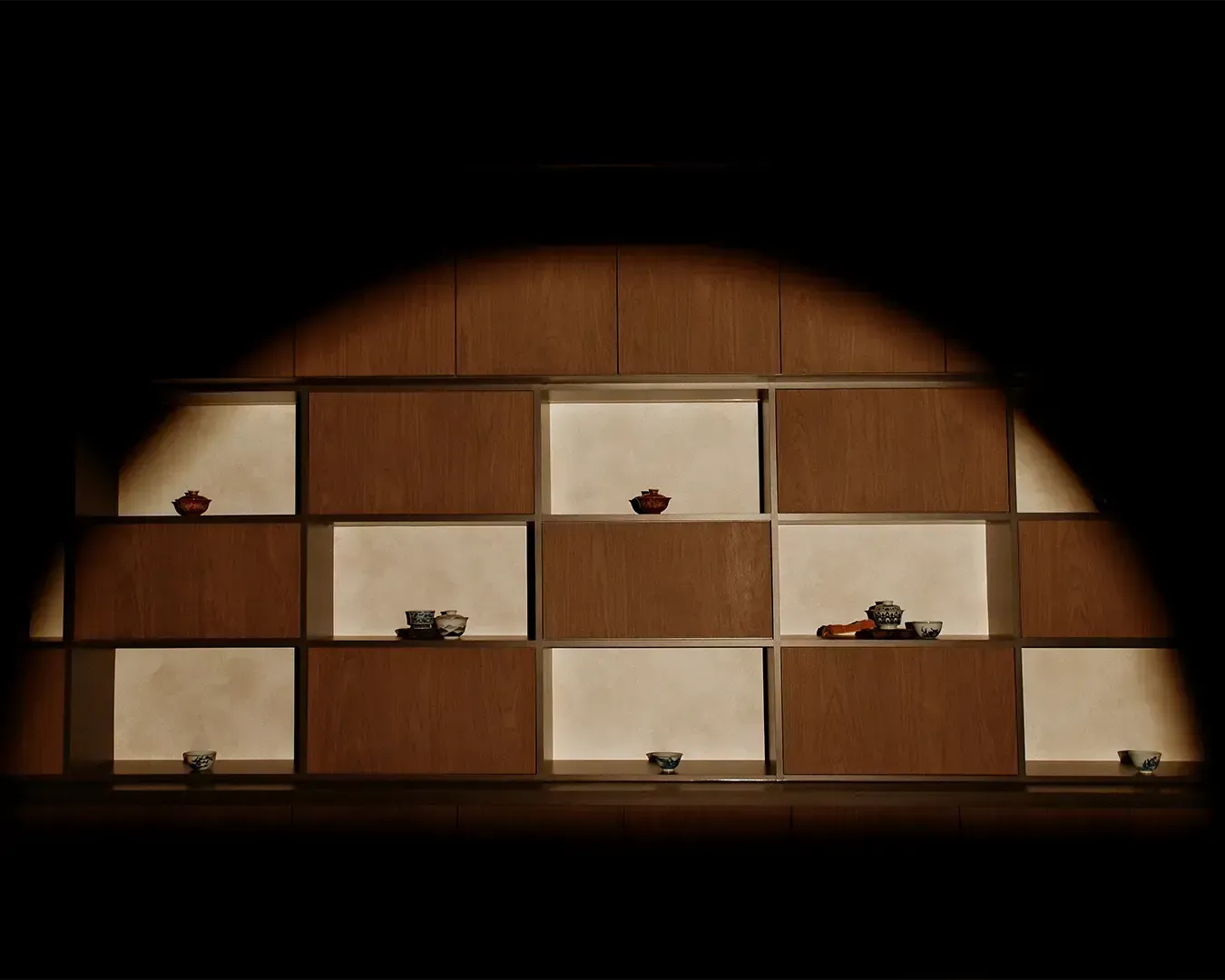
A beautifully arranged shelf displaying delicate Chinese teacups and teapots, carefully organised to showcase traditional craftsmanship and elegant ceramic designs in a calm tea room setting.

In a city known for extravagant restaurants and sky-high rooftop bars, one of the most remarkable luxury experiences may be the quietest one. As a personal assistant managing the itineraries of ultra-high-net-worth individuals, I spend my life orchestrating grand moments. Yet, true luxury is increasingly defined not by excess, but by rarity and stillness. This is the story of my visit to Tea Room by Ki-setsu, an enclave that offers what is arguably the premier luxury tea experience Singapore has to offer.

The Arrival: Stepping Away from the City's Rhythm

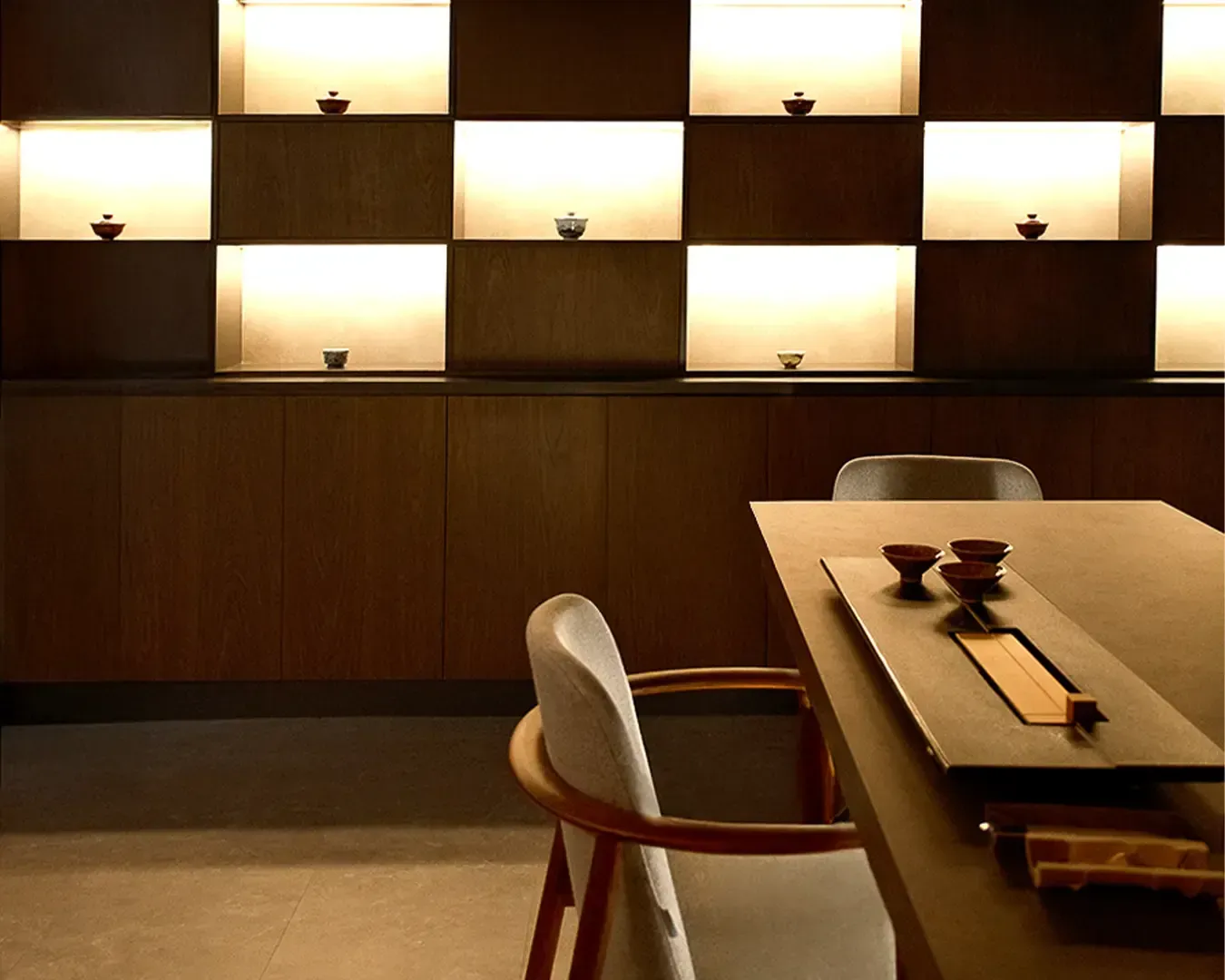
A spacious luxury hotel lobby with elegant interior design, featuring polished floors, warm ambient lighting, comfortable seating areas, and a refined atmosphere that welcomes guests.

A Contrast in Pacing

I push open a heavy, unassuming door. The ambient hum of traffic vanishes, replaced by the faint, rhythmic sound of boiling water and the earthy, sweet aroma of roasted leaves. The lighting is low and intentional, illuminating a minimalist wooden counter and a handful of ceramic vessels.


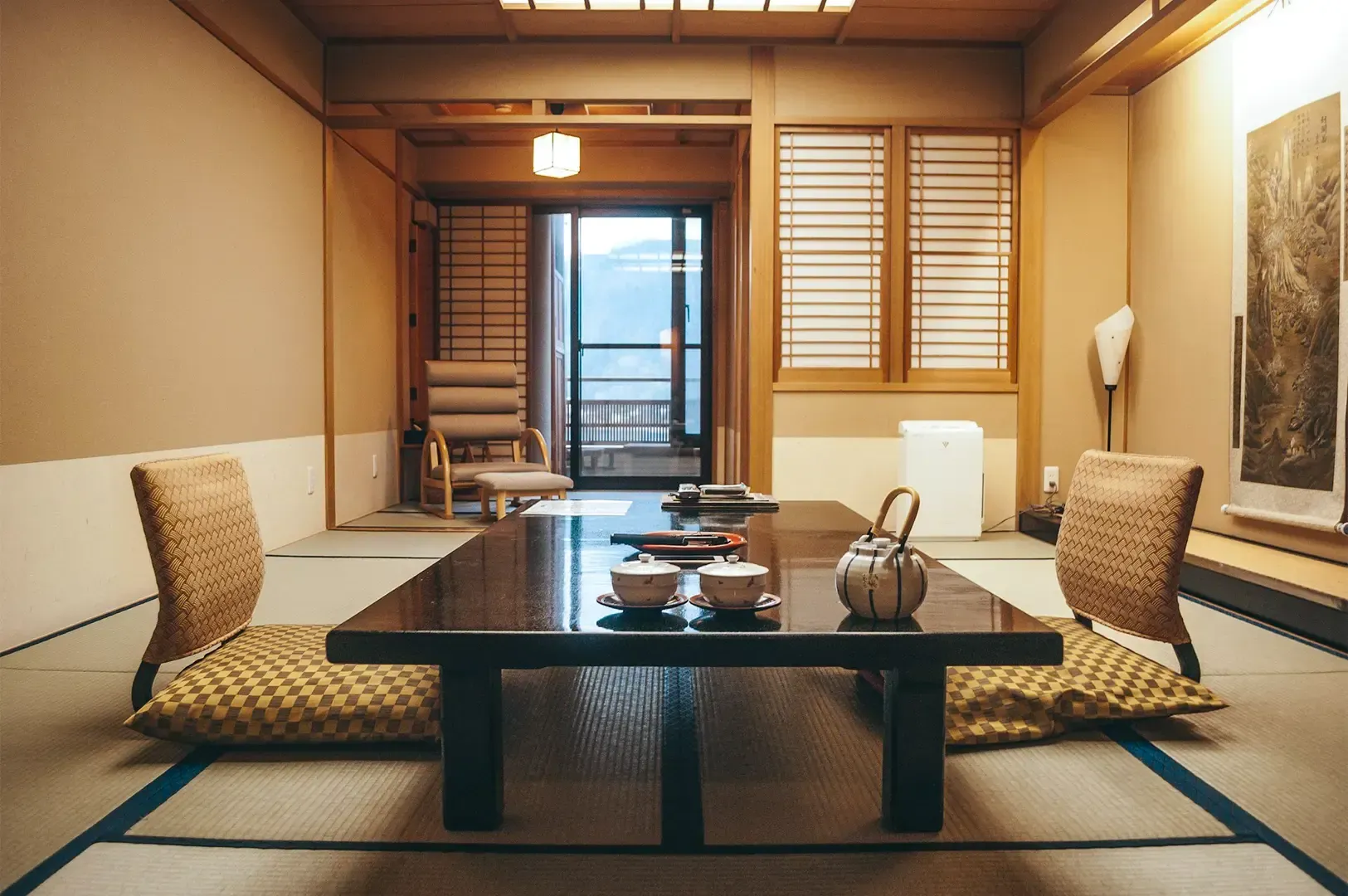
I have walked into hundreds of luxury hotel lobbies and private clubs, where opulence is loudly announced with marble and chandeliers. Here, the luxury is whispered. It reminds me of the hidden ryokans in Kyoto, where the outside world is deliberately left at the threshold.


Modern luxury travel is shifting. Discerning travelers are no longer just looking for the most expensive suite; they are searching for a private tea experience Singapore can offer to serve as a complete psychological reset. Intimacy and tranquility have become the ultimate commodities.

Discovering a Hidden Chinese Teahouse Singapore Secrets

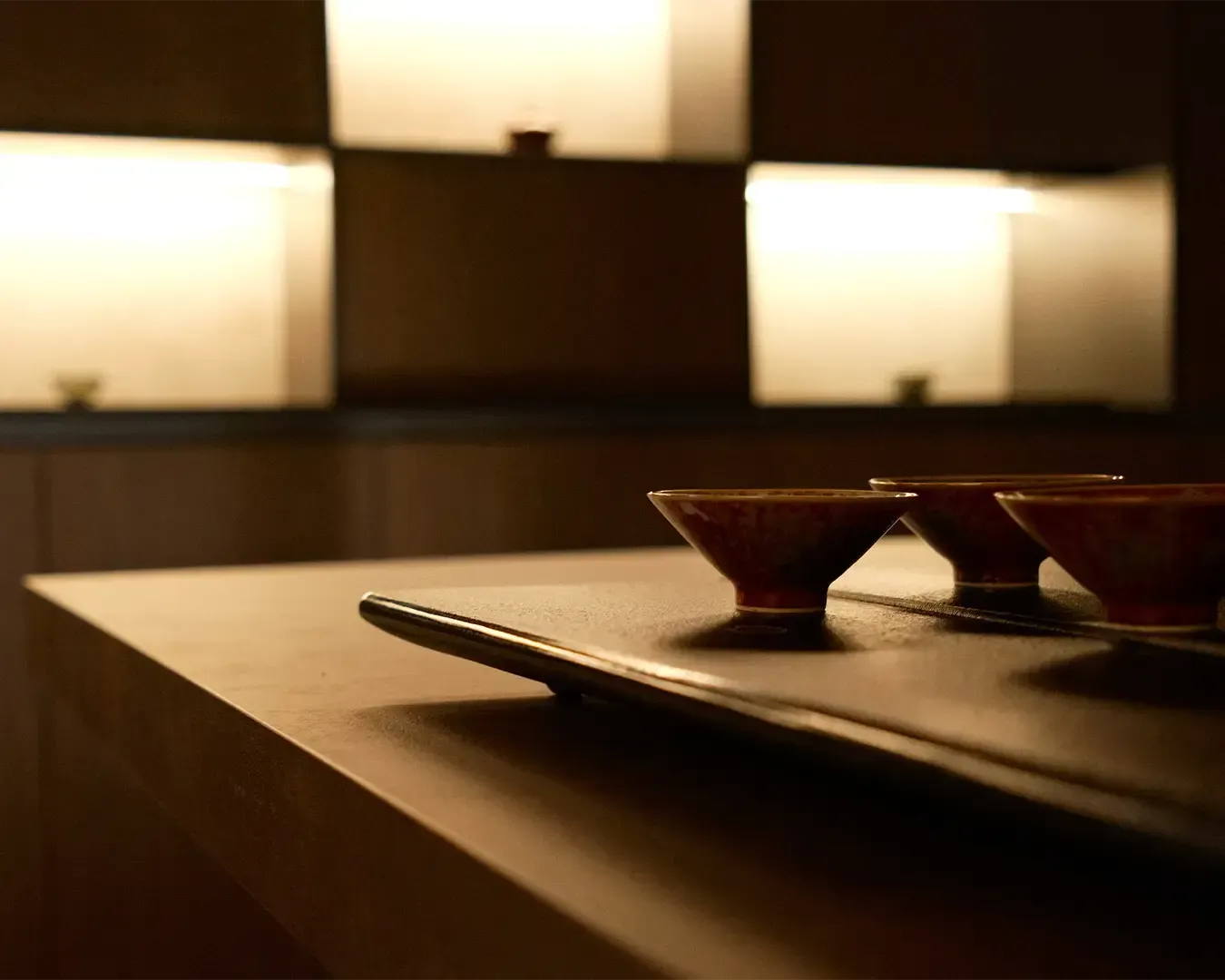
Three traditional Chinese teacups placed neatly on a wooden tea table, highlighting minimalist tea culture and the quiet elegance of a traditional tea-serving setup.

The Word-of-Mouth Phenomenon

My host, a master of ceremonies, moves with practiced grace, arranging the teaware without making a single sound. There are no menus, no bustling waiters, and no loud background music: only the focused energy of the preparation.


I first heard of this Chinese teahouse Singapore secret from a client who had just returned from a tea sourcing trip in Yunnan. He described a place so discreet it felt like a private home. I knew I had to experience it myself to understand its magnetic pull.


Why It Remains a Whisper

In an era of over-sharing, the decision to remain hidden is a powerful statement. By relying purely on word-of-mouth, the venue curates its audience, ensuring that only those who genuinely appreciate traditional Chinese tea culture find their way to its doors.

The Anatomy of a Private Tea Experience Singapore

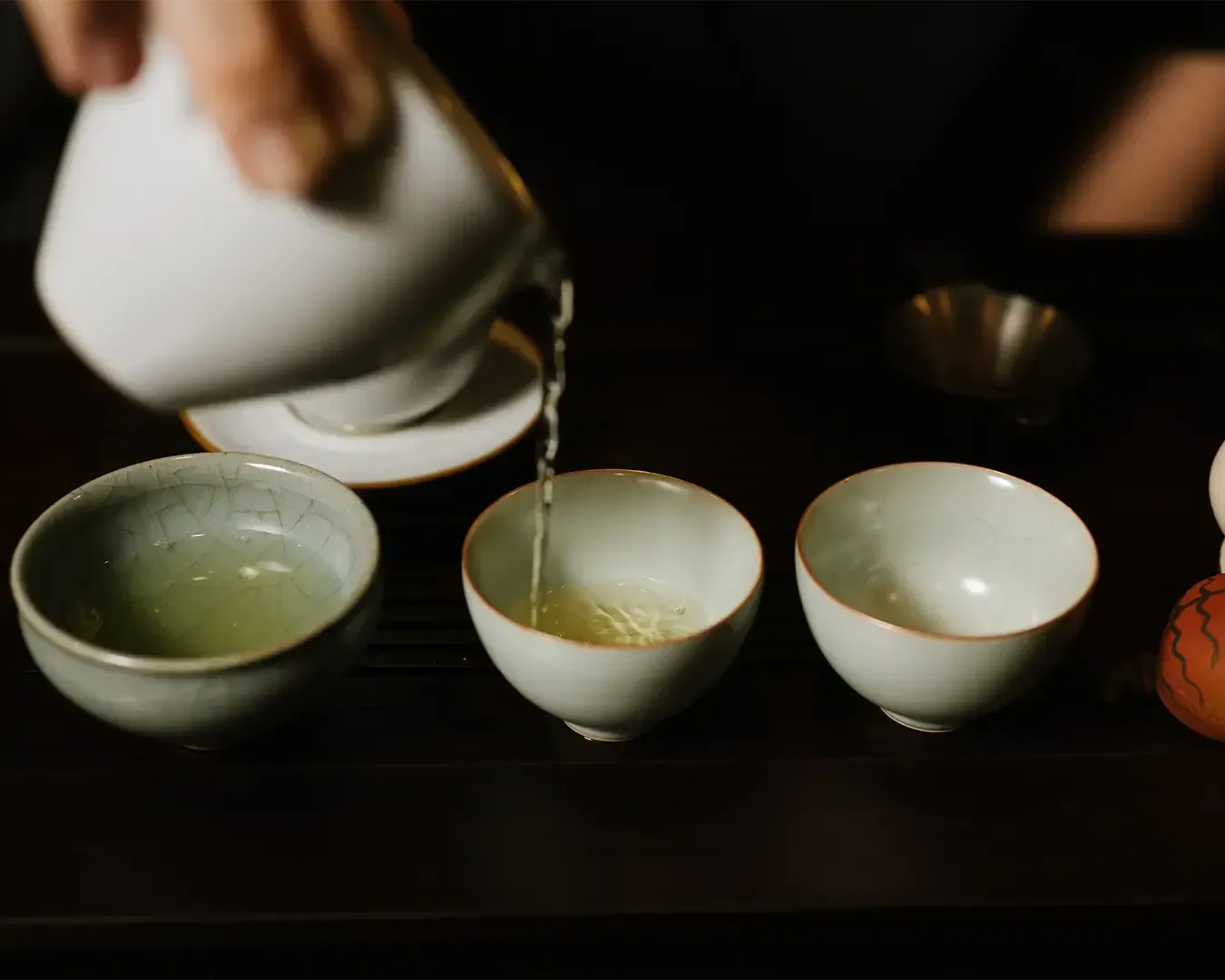
A hand gently pouring freshly brewed tea from a teapot into a small Chinese teacup, capturing the calm and mindful ritual of traditional tea preparation.

The Rarity of the Reservation

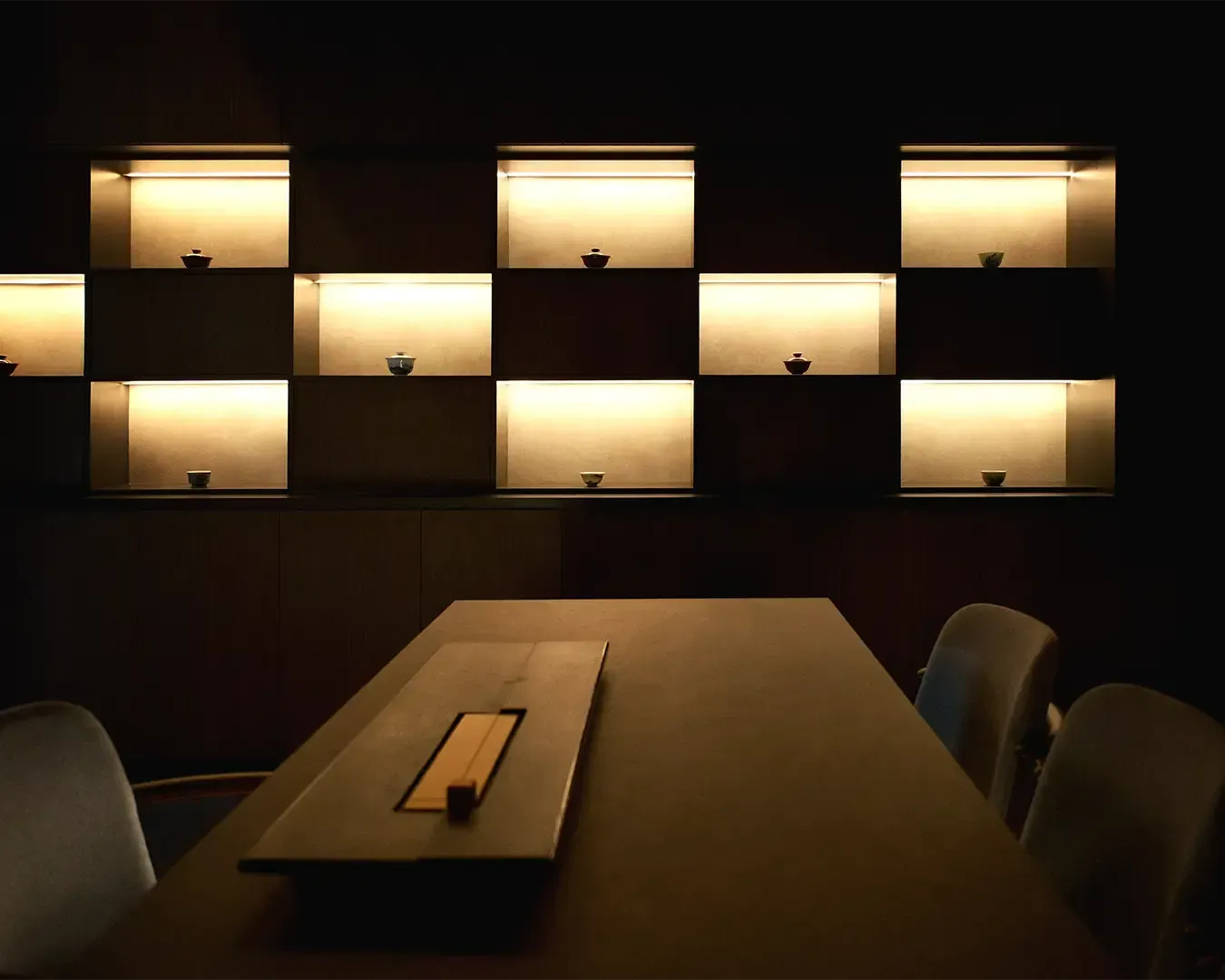
I look around the room. There is only one large table in the middle of the room with only a few seats. The space is intentionally constrained to ensure that the tea master can dedicate absolute focus to the brewing process and the guests present.


Booking a session here took weeks of coordination. It is a reservation-only policy with extremely limited seating. It made me realize how rare it is to have an expert's undivided attention for two uninterrupted hours.


Intentional Exclusivity

True exclusivity is about protecting the integrity of the craft. When a luxury tea room Singapore limits its capacity, it prioritizes the quality of the ritual over commercial volume. It is a reminder that the best experiences cannot be mass-produced.

The Ritual: A Luxury Tea Experience Singapore Delivers

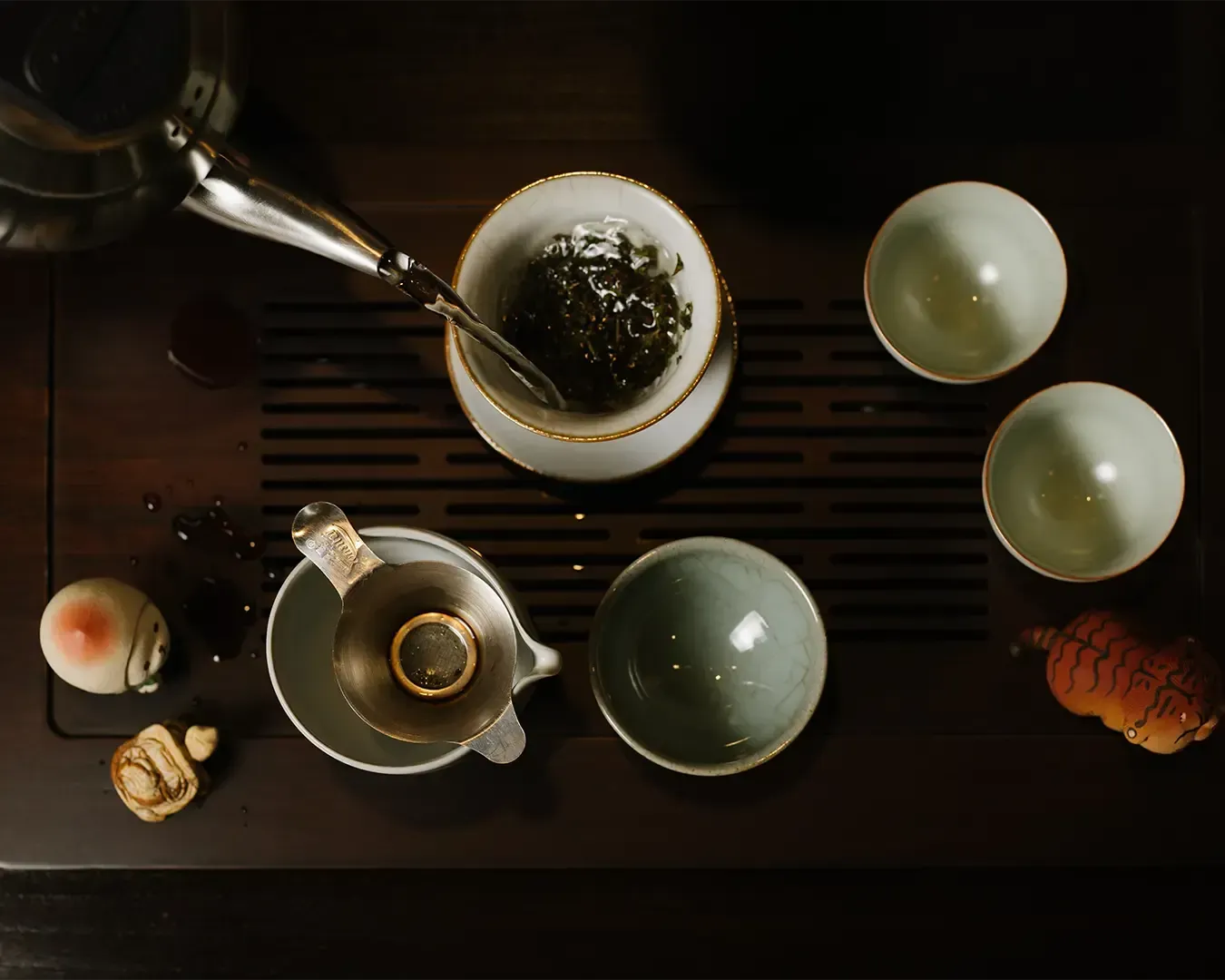
An overhead view of tea being slowly poured into a small teacup, showing the delicate colour of the tea and the careful precision of the tea ceremony.

The First Pour: Awakening the Leaves

The tea master pours steaming water over a dark, compressed cake of pu'er. The first infusion is discarded: a process known as "waking the leaves." The scent that rises from the warmth of porcelain cups is intoxicating: damp earth, old wood, and a hint of wild orchid.


I close my eyes and inhale. I am instantly transported to the misty mountains of southern China. It is a visceral, grounding moment. I have tasted fine wines in Bordeaux and rare whiskies in the Highlands, but the complexity of these curated tea experiences rivals them all.


Rare Teas from Bulang and Yiwu

Serving rare teas from Bulang Mountain and teas from Yiwu, China, elevates the session from a mere beverage service to a masterclass in terroir. Understanding the provenance of these hand-selected premium loose-leaf teas connects the drinker directly to the earth and the farmers who cultivate it.

Preserving Traditional Chinese Tea Culture

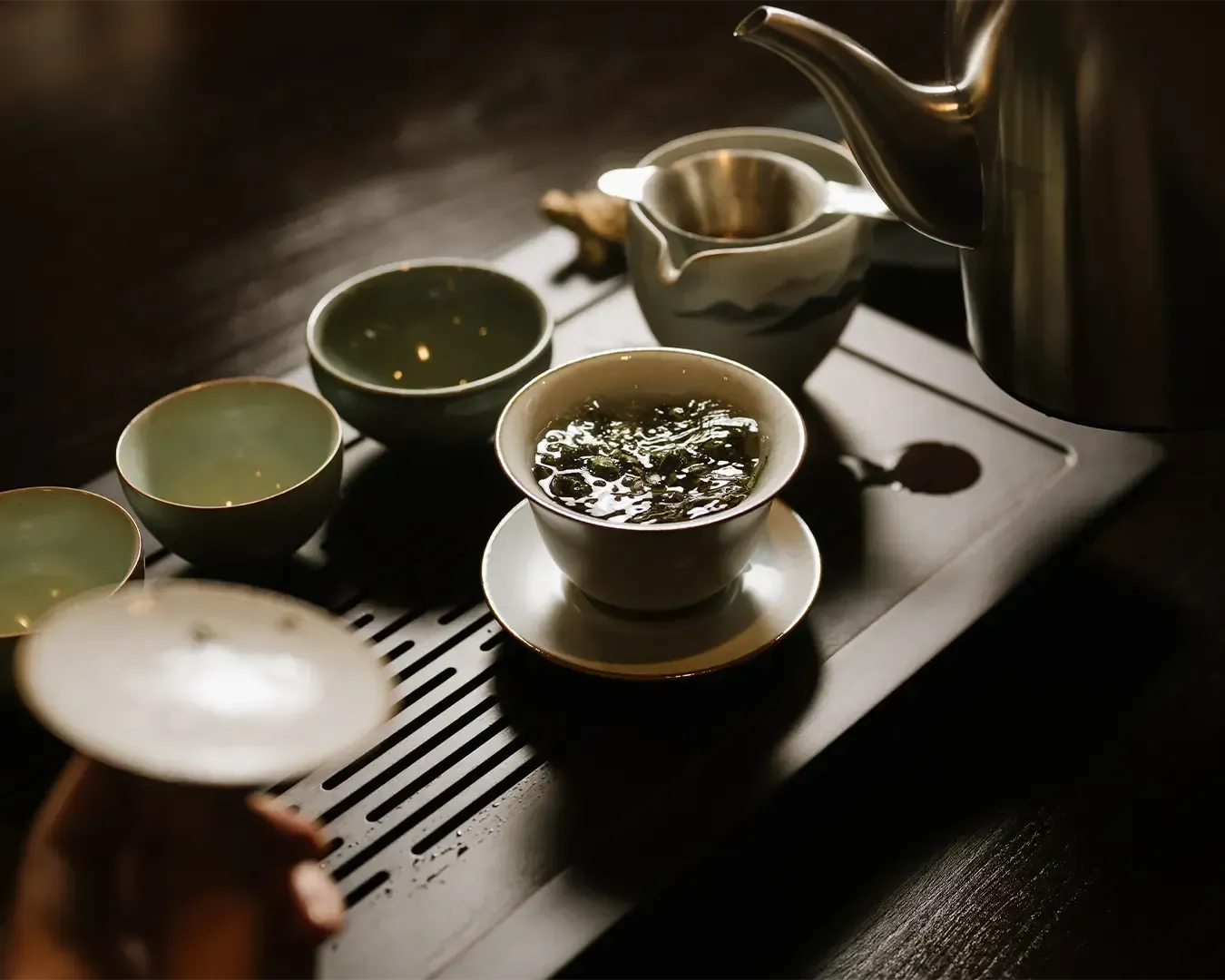
A Chinese cup of tea with loose tea leaves resting at the bottom, highlighting the natural brewing process and the rich colour of freshly steeped tea.

The Gongfu Method

The tea master employs the gongfu brewing methods, an intricate dance of temperature control, timing, and precise pouring. Every movement has a purpose. The water cascades into a tiny clay pot, steeping the leaves for precisely fifteen seconds before being decanted.


Watching this brewing ritual, I feel a deep sense of respect. It requires immense patience and ritual, a stark contrast to the instant gratification we expect in our daily lives. You can learn more about these fascinating historical practices through the Wikipedia guide on Chinese tea culture.


The Weight of the Porcelain

The appreciation of tea craftsmanship extends beyond the leaves to the tea wares themselves. The delicate, antique cups we drink from carry the weight of history. It is an experience that honors heritage through the lens of quiet luxury.

A Global Perspective on the Luxury Tea Room Singapore

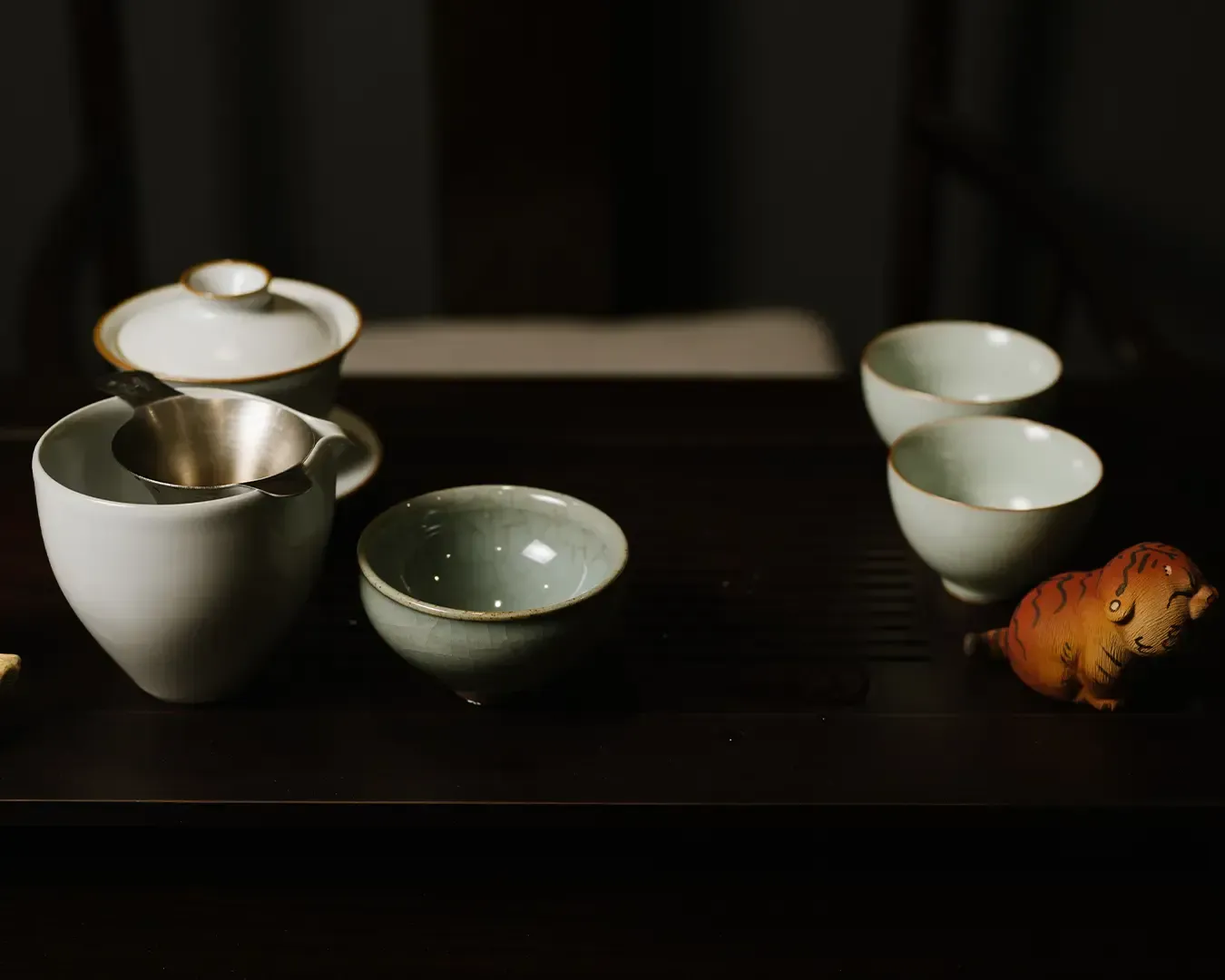
A complete Chinese tea set arranged on a wooden tea table, including small teacups, prepared for a traditional tea tasting experience.

From London to Uji: A Comparative Reflection

I take a slow sip of a perfectly aged oolong, letting the liquor coat my palate. The finish is long and sweet, lingering at the back of my throat.


I think of the formalized, matcha-whisking ceremonies in Uji, Japan, and the towering silver tiers of afternoon tea at luxury hotels in London. Both are beautiful, but they serve different purposes. The Japanese ceremony is steeped in Zen Buddhism, while the British tradition is a social affair.


What makes this Chinese tea Singapore experience unique is its intimate focus on the sensory profile of the tea itself. Tea Room by Ki-setsu strips away the social distractions, asking you to engage purely with the craft and the flavor. It stands as a pinnacle among global tea history resources that highlight the evolution of tea drinking.

The Ultimate Luxury: Time and Stillness

A Rare Pause in a Fast-Paced Hub

An hour has passed, but time seems to have suspended itself within these walls. My shoulders have dropped; my breathing is slower. The chaotic schedule of flights, meetings, and logistics waiting for me outside has completely faded from my mind.


I realize that the tea is only half of the offering. The true luxury being provided here is stillness. In a world where we are constantly connected and perpetually rushing, having permission to simply sit and savor a single flavor profile is a profound relief.


The concept of mindfulness is often commercialized, but here, it is organically woven into the experience. The luxury of time and the act of appreciating simple rituals are the ultimate antidotes to travel fatigue. As highlighted by the Singapore Tourism Board, the city is increasingly embracing these slow-paced, high-end wellness experiences.

Why Tea Room by Ki-setsu Is Worth Seeking Out

The elegant interior of the Luxury Tea Room by Ki-setsu, featuring refined décor, soft lighting, and a peaceful environment designed for a premium tea experience.

Intimacy and Craftsmanship

As the final steep is poured, the master bows slightly, signaling the end of the journey. The leaves, now fully unfurled in the gaiwan, have given us everything they have.


I leave feeling grounded and intensely focused. I know that I will recommend this intimacy and cultural depth to my most discerning clients: not because it is flashy, but because it is profoundly authentic.


When a venue combines craftsmanship with genuine authenticity, it creates a memory that outlasts any typical tourist excursion. It represents the very best of what luxury travel should be: transformative, personal, and deeply rooted in its culture. To understand the broader context of such premium experiences, one can look into report by McKinsey on the evolution of experiential travel.

A Quiet Pause in the Rhythm of Global Travel

In a world filled with extravagant luxury experiences, the most meaningful ones are often the quietest. My afternoon at Tea Room by Ki-setsu was a masterclass in the art of subtlety. It proved that you do not need sweeping views or gold-leaf embellishments to create an unforgettable moment.


Sometimes, the most profound luxury is simply a quiet room, a master of their craft, and a perfectly brewed cup of Chinese tea. For those navigating the relentless pace of global travel, this hidden sanctuary is not just a destination; it is a necessary pause, a chance to breathe, and a rare opportunity to taste history in a cup.


For those curious to experience it themselves, you can learn more here.

Share this article

Recent Posts

The golden Kinkaku-ji temple sits beside a reflective pond, surrounded by lush green trees under a cloudy sky.
By J.C. Yue March 31, 2026
An insider's guide to finding Kyoto's hidden temple gardens and private contemplation spaces. Discover the art of stillness away from the tourist crowds.
A neatly placed “Reserved” sign sits on a well-set restaurant table, indicating the table is booked
By J.C. Yue March 30, 2026
A personal assistant's guide to getting reservations at exclusive restaurants. Learn insider tips and strategies to secure a table at the world's best restaurants.
Three individuals seated around a table, smiling and engaged in conversation while sharing a meal, c
By J.C. Yue March 24, 2026
An insider's guide to finding authentic, multigenerational family restaurants that tourists never discover. Taste the history of a city at its family tables.
A lively night scene where a small crowd gathers around a brightly lit food truck, ordering and coll
By J.C. Yue March 23, 2026
An insider's guide to 24-hour dining cultures around the world. Discover the best late-night food in NYC, Tokyo, Seoul, Singapore, and more.
A woman sits beside an airplane window, gazing outside as soft daylight filters through the glass. 
By J.C. Yue March 17, 2026
An insider's digital nomad reality check. A global personal assistant reveals the unglamorous challenges of working from anywhere, from loneliness to bad Wi-Fi.
A laptop placed on a clean table beside a cup of coffee, creating a calm and focused workspace.
By J.C. Yue March 15, 2026
A personal assistant's guide to setting boundaries when you live where you work. Learn strategies to protect your sanity and maintain a work-life balance.
Person silhouetted by sunset in front of airport windows, escalators in foreground.
By J.C. Yue March 10, 2026
A personal assistant's reflection on how global travel exposed her cultural blind spots. Discover how different societies act as cultural mirrors.
City skyline at sunset with golden light, buildings, and hot air balloons.
By J.C. Yue March 8, 2026
An insider's guide to Melbourne's obsessive coffee culture. Discover the secrets of Third Wave coffee, what to order, and where to find the best cafes.
A wide view of a New York bridge stretching across the river, with city skyscrapers
By J.C. Yue March 3, 2026
An insider's guide to the exclusive after-hours dining scene where New York's elite eat. Discover the secrets of the city's midnight kitchens.
A traditional Japanese restaurant entrance featuring a dark blue linen noren curtain
By J.C. Yue March 2, 2026
An insider's guide to accessing Tokyo's exclusive invitation-only restaurants. Learn the secrets behind Japan's most hidden dining experiences.
Show More