



Cultural Mirrors: What Different Societies Revealed About My Own Blind Spots
March 10, 2026 |J.C. Yue

Travel is often sold as a way to see the world, but in my decade as a personal assistant to a high-net-worth individual, I’ve found it does something far more uncomfortable: it forces you to see yourself. When you live out of a suitcase for 300 days a year, moving between cultures as rapidly as you move between time zones, you stop just observing differences and start feeling them bump against your own deeply held assumptions.
I grew up in Singapore, a nation that prides itself on efficiency, meritocracy, and a certain kind of pragmatic restraint. I thought my worldview was balanced, modern, and adaptable. But as I navigated the nuances of cultural mirrors across 40 countries—from the rigid social hierarchies of Japan to the chaotic warmth of Italy—I began to realize that what I considered "normal" was merely "familiar."
Every society I entered held up a mirror, reflecting not just their values, but the invisible blind spots in my own. This isn't a travel guide about where to eat or stay; it is a reflection on the internal journey that happens when you realize your way of seeing the world is just one of many.
The Efficiency Trap: Unlearning the Rush in Southern Europe

Coming from Singapore, I am hardwired for efficiency. We value speed, precision, and the seamless execution of tasks. In my line of work, these are virtues. But in the Mediterranean, they can be liabilities.
The "Piano, Piano" Philosophy
I remember my first extended stay in the Amalfi Coast. I was trying to organize a last-minute dinner party for my employer. I approached it with military precision, sending urgent emails and expecting immediate replies. When I physically went to the local grocer to demand specifics on delivery times, the owner, a man named Giovanni, simply laughed.
"Piano, piano," he said. Slowly, slowly.
He didn't care about my deadline. He cared about asking me where I was from, offering me a slice of peach, and discussing the weather. My blind spot was the belief that transactional efficiency is the highest form of respect. In Italy, I learned that relational time—the time spent building a connection—is far more valuable. By rushing the interaction, I was actually being rude. I learned that sometimes, the most efficient way to get things done is to stop trying to be efficient and start being human.
Adapting to "Island Time"
This lesson was reinforced in the Caribbean. Trying to impose a New York or Singapore minute on "island time" is a recipe for an ulcer. You have to surrender. You have to realize that a meeting starting 20 minutes late isn't a sign of disrespect; it's a sign that the person was likely engaged in a meaningful conversation with someone else before you.
The Silence of Japan: Reading the Air

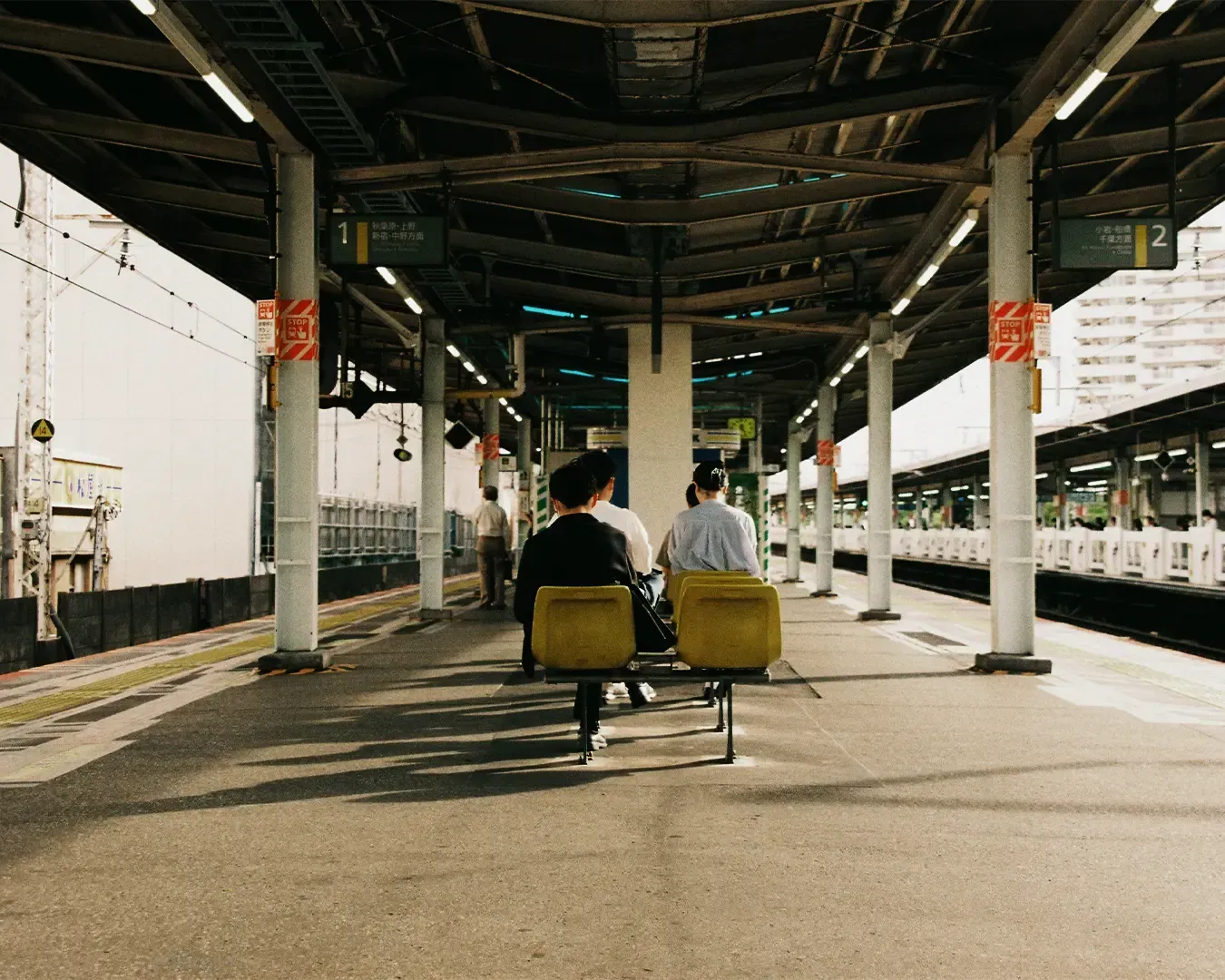
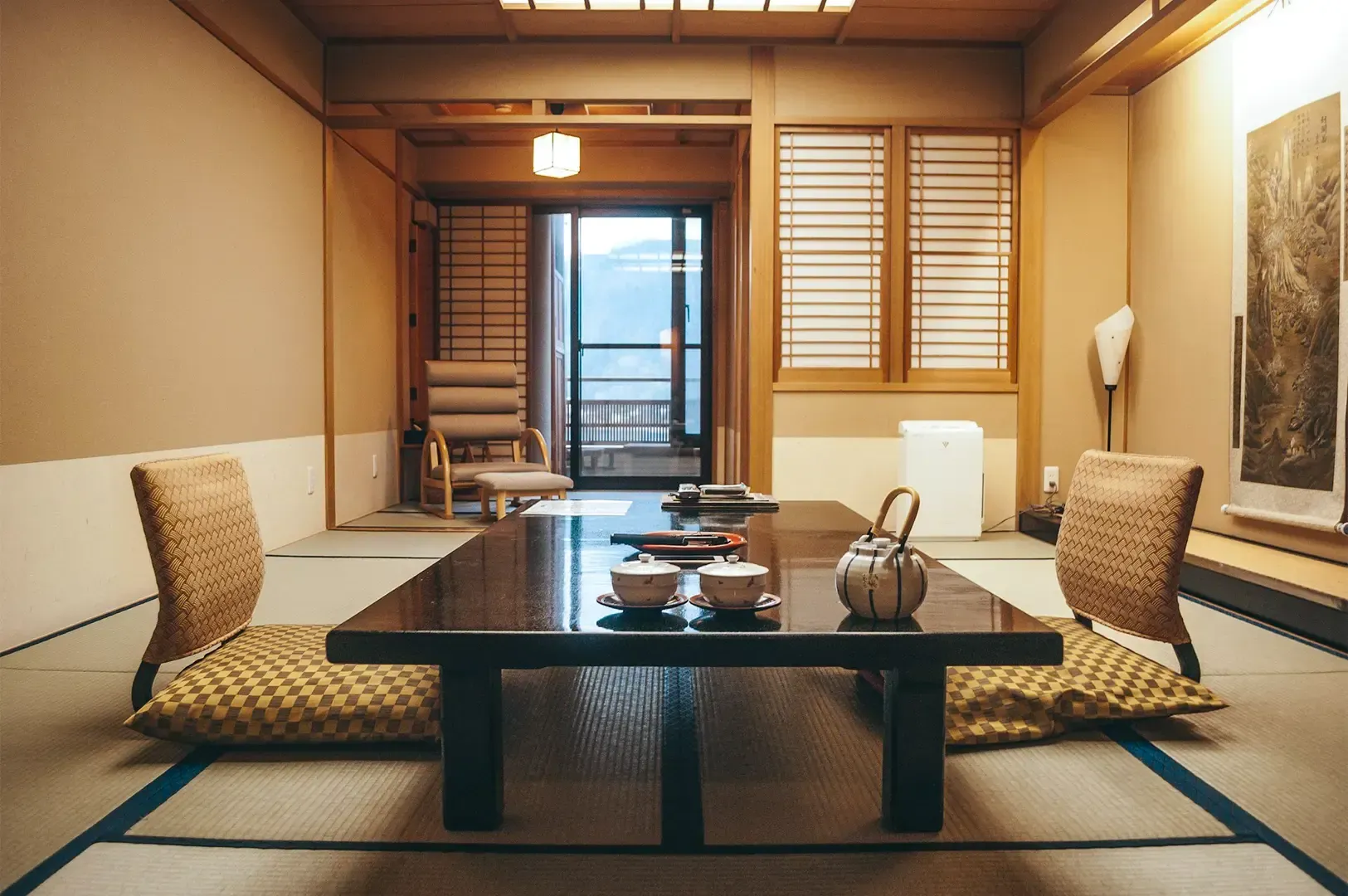
If Italy taught me to speak up and slow down, Japan taught me the profound power of silence.
High-Context Communication
Singapore is a relatively direct society. We say what we mean. Japan, however, is a high-context culture. Meaning is often conveyed not through words, but through what is not said, through body language, and through the atmosphere.
There is a Japanese phrase, Kuuki wo yomu, which translates to "reading the air." During a high-stakes negotiation in Tokyo, I made the mistake of filling every silence. I thought I was being helpful, clarifying points and keeping the momentum going. Later, my Japanese counterpart gently hinted that I was "very energetic." In Japanese business code, that was not a compliment. It meant I was loud and oblivious.
The Blind Spot of Explicitness
My blind spot was the assumption that silence is an empty space that needs to be filled. Japan taught me that silence is a container for thought and respect. I learned to pause, to watch the micro-expressions of the people in the room, and to understand that a non-committal "maybe" is a polite but firm "no." This ability to
read the room has since become one of my most valuable professional skills.
The American Confidence: Confronting My Imposter Syndrome

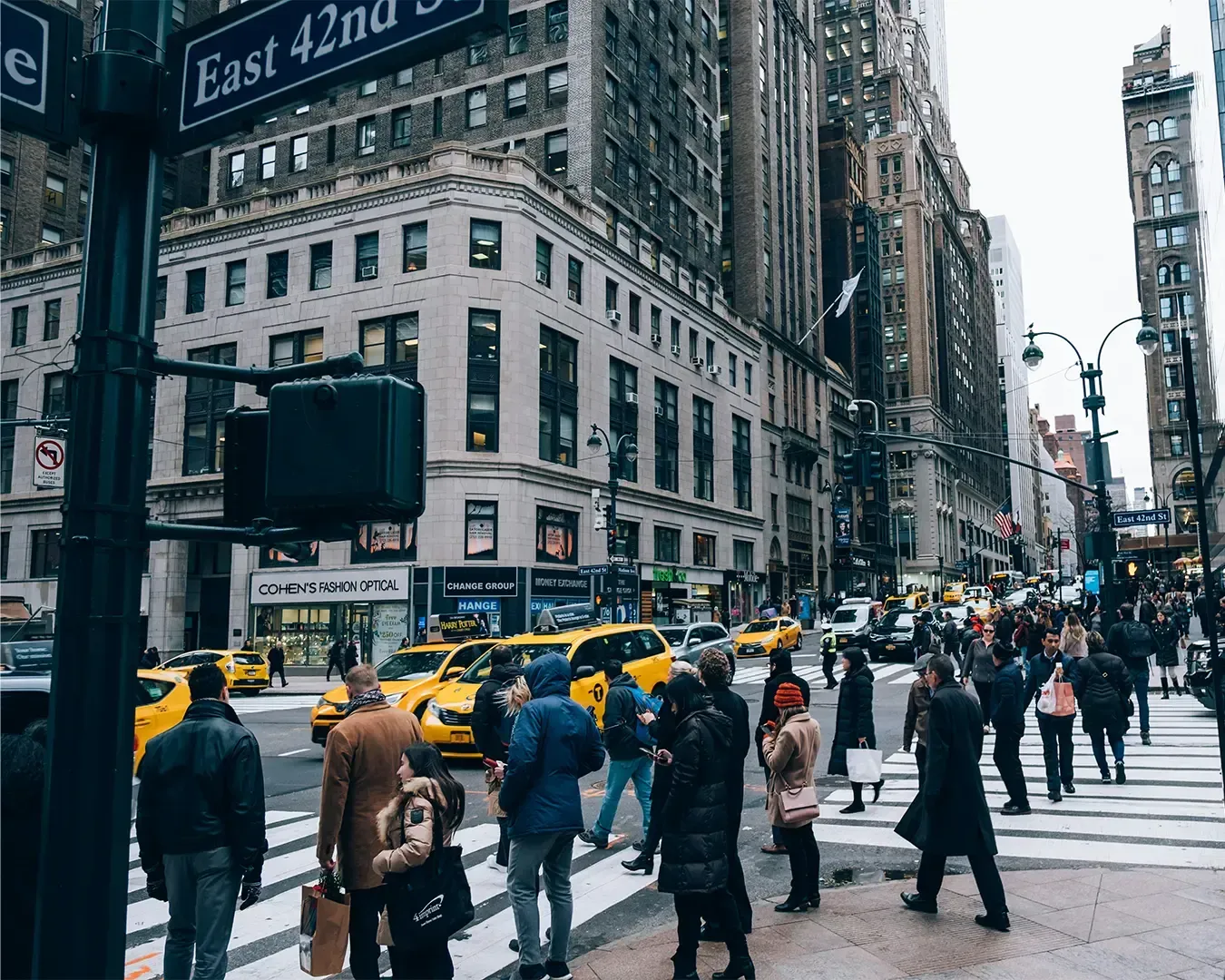
As an Asian woman in the service industry, I was culturally conditioned to be modest, deferential, and to downplay my achievements. Then I spent three months in New York City.
The Art of Self-Promotion
In the US, confidence is currency. I watched my employer’s American associates sell ideas that were half-baked with absolute conviction. At first, I judged it as arrogance. But then I saw the results. They weren't just loud; they were willing to bet on themselves.
I realized my blind spot was conflating humility with competence. I believed that if I did good work, it would speak for itself. American culture taught me that you have to be your own advocate. I learned to stop apologizing for taking up space. I learned to state my needs clearly and to accept a compliment with a simple "thank you" instead of a deflection.
Directness vs. Rudeness
In Singapore, we often soften our critiques to "save face." In New York, directness is seen as a form of honesty and efficiency. I had to unlearn the reflex to be offended by blunt feedback. When a New York vendor told me, "That idea won't work, let's do this instead," he wasn't attacking me; he was solving the problem.
The Scandinavian Egalitarianism: The Hierarchy in My Head
I grew up in a society that respects hierarchy. Elders, bosses, and people in positions of power are treated with a specific kind of deference. Then I went to Sweden.
The Flat Structure Shock
We were staying in Stockholm, and I was coordinating with a local security team. I kept looking for the "boss" to get the final sign-off. I was confused when the team made decisions collectively. Even the most junior member felt comfortable challenging the senior lead.
This was Jantelagen (the Law of Jante) in action—a cultural concept that discourages individual superiority and emphasizes the collective. My blind spot was my deep-seated reliance on vertical hierarchy to feel secure. I realized I was waiting for permission from above, whereas the Swedes were empowered to act from within.
Treating Everyone the Same
In the luxury world, there is a strict hierarchy of service. But in Scandinavia, that line blurs. The CEO rides a bicycle to work. The billionaire waits in line for coffee. It forced me to examine how I unconsciously categorized people based on their status. It reminded me that dignity is not a rank; it is a birthright.
The Middle Eastern Hospitality: Redefining Generosity

I thought I knew what hospitality was. I work in the hospitality industry, after all. Then I visited Oman and the UAE.
The Shame of Reciprocity
In many Western and Asian cultures, hospitality is often transactional. You invite me for dinner; I invite you next time. It’s a ledger that needs to be balanced. In the Middle East, hospitality is a duty and an honor. It is boundless.
We were guests in a private home in Muscat. The abundance of food, the constant refilling of coffee, the genuine insistence that we stay longer—it was overwhelming. My instinct was to refuse, to not "be a burden." I realized that my refusal, which I thought was polite, was actually rejecting their gift.
Generosity Without Scorecards
My blind spot was viewing
generosity as a debt. I felt uncomfortable receiving because I was worried about how I would pay it back. The Middle Eastern culture taught me to receive graciously. It taught me that the act of giving brings joy to the giver, and by receiving with an open heart, you are honoring them. This is a core tenet of
Arab culture, which you can explore further through resources like the
Sheikh Mohammed Centre for Cultural Understanding.
The Latin American Emotion: Professionalism vs. Passion

In Singapore, and particularly in my role as a PA, professionalism means keeping your emotions in check. We are cool, calm, and collected.
The Warmth of Expression
In Buenos Aires and Mexico City, I saw professionals who were passionate, expressive, and tactile. A business meeting might start with a hug. A negotiation might involve raised voices and animated gestures, followed by laughter and a shared meal.
Initially, I viewed this as "unprofessional." I was wrong. My blind spot was believing that
emotional suppression is the only way to demonstrate competence. I learned that passion can be a powerful driver of business. People trust you when they can see what you are feeling. Being a robot isn't professional; it's just cold.
The Indian Chaos: Finding Order in Disorder

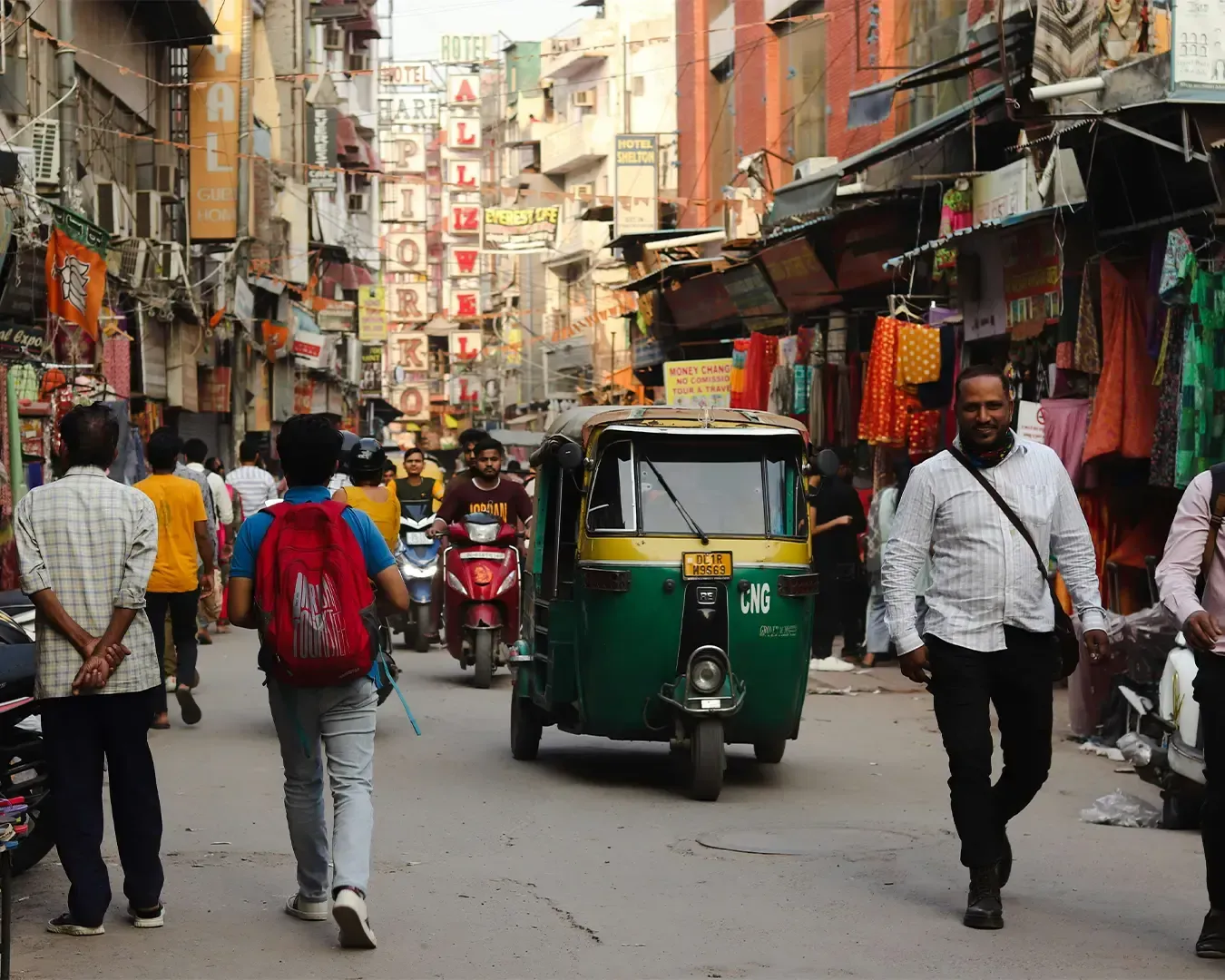
My first trip to Mumbai was a sensory assault. The traffic, the noise, the sheer density of humanity—it felt like total chaos. Coming from the manicured streets of Singapore, my anxiety spiked.
The Concept of "Jugaad"
But as the days went on, I watched how things worked. I saw the concept of Jugaad—a flexible approach to problem-solving that uses limited resources in an innovative way. The traffic looked chaotic, but it flowed. The systems seemed broken, but people found workarounds.
My blind spot was my addiction to
structured order. I believed that if things didn't follow a rigid plan, they would fail. India taught me resilience. It taught me that there is an order within chaos if you look closely enough. It forced me to loosen my grip on the steering wheel and trust that we would get to our destination, even if the path wasn't the one I mapped out.
Integrating the Lessons: A Global Mosiac

Recognizing these blind spots hasn't made me reject my own culture. I still value Singaporean efficiency and safety. I still respect the hierarchy when I need to. But I am no longer bound by them.
The Flexible Mindset
Now, when I travel, I carry a toolkit of different cultural lenses.
- In Italy, I switch to relational time.
- In Japan, I listen to the silence.
- In New York, I speak up for myself.
- In Dubai, I accept generosity without guilt.
This
cultural adaptability has made me better at my job. I can navigate a boardroom in London and a souk in Marrakech with equal comfort. But more importantly, it has made me a better human.
Conclusion: The Gift of Being Wrong
The greatest gift travel has given me is the realization that I am often wrong. My default way of doing things is not the "right" way; it is just a way.
We all carry cultural baggage. We all have blind spots. The only way to find them is to step into a room where the mirrors are angled differently. It is uncomfortable to see your own rigidity, your own prejudices, and your own limitations reflected back at you. But that discomfort is the growing pain of wisdom.
So, the next time you find yourself frustrated by a "slow" waiter in Paris or a "loud" commuter in New York, pause. Don't just judge the difference. Ask yourself what that irritation tells you about your own expectations. Look into the
cultural mirror. You might be surprised by who is staring back.