
Family Tables: Dining in Multigenerational Restaurants That Tourists Never Find

March 24, 2026 |J.C. Yue

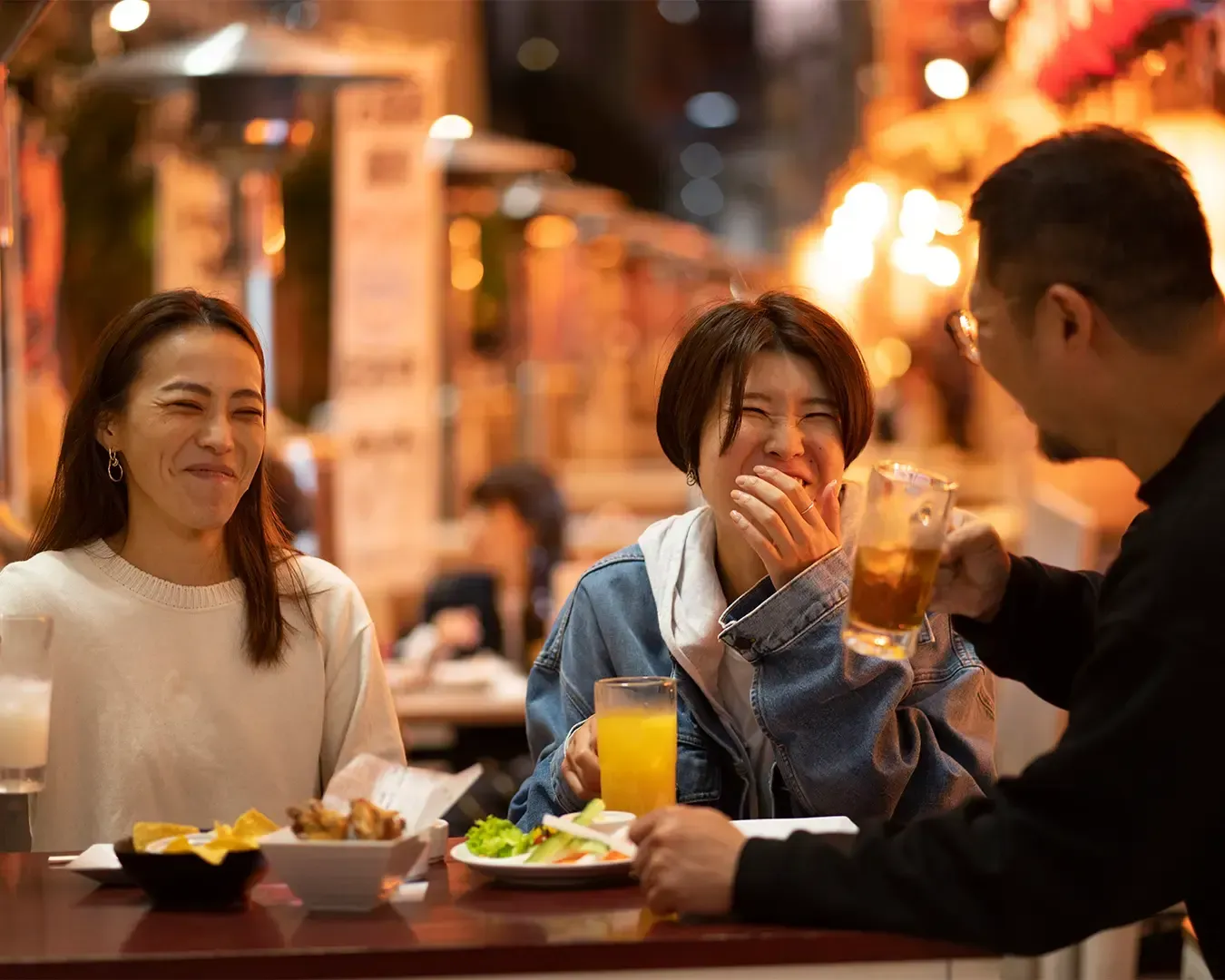
Three individuals seated around a table, smiling and engaged in conversation while sharing a meal, creating a warm and sociable dining atmosphere.

In my line of work, the word "exclusive" is a constant. I am tasked with securing tables at the world's most acclaimed, impossible-to-book restaurants—the ones with Michelin stars, celebrity chefs, and months-long waiting lists. While the artistry of these establishments is undeniable, my boss will often turn to me after a few days of fine dining and say, "Find me somewhere with a soul."


This is my favorite directive. It's a mission to sidestep the hype and discover a different kind of exclusive: the multigenerational family restaurant. These are the places that tourists almost never find. They don’t have PR teams or flashy Instagram accounts. Their legacy is not measured in media mentions but in the number of generations that have stood behind the same stove.


These family tables are living museums of culinary heritage, serving recipes that are fiercely guarded and passed down like heirlooms. Dining there is not just a meal; it is an intimate glimpse into a family's history and a city's heart. This is a guide to finding and appreciating these hidden gems, the restaurants where the food tastes like a story.

The Allure of the Generational Restaurant

What sets these establishments apart? It's a sense of authenticity that cannot be manufactured.

  • A Living Cookbook: The menu is a family's history, written in ingredients. Dishes are often prepared using methods that are too time-consuming or unprofitable for a commercial kitchen.
  • Unwavering Consistency: These restaurants have been making the same dish, the same way, for 50, 70, or even 100 years. They have perfected it. There is no trend-chasing, only tradition.
  • The Feeling of Home: When you walk in, you are not just a customer; you are a guest in their home. The service might be quirky or unpolished, but it is genuine. Often, you will see three generations working together—Nonna in the kitchen, her son managing the floor, and his daughter taking your order.

These restaurants represent a powerful connection to place. They are the anchors of their communities, preserving culinary traditions against a tide of globalization.

Italy: The Trattoria as a Family Sanctuary

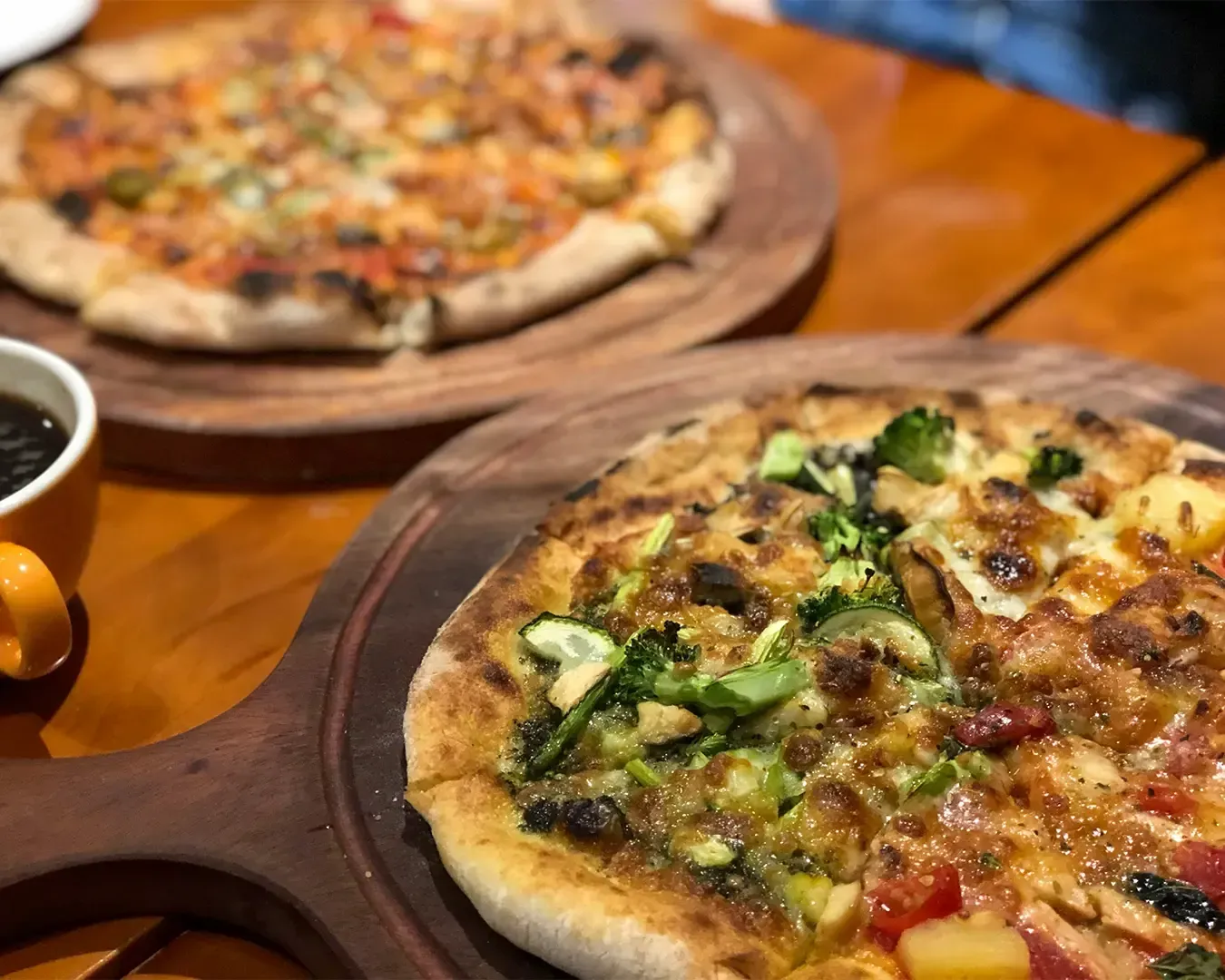
Two freshly baked pizzas placed on a table, topped with melted cheese and assorted ingredients, presented in a casual dining setting ready to be shared.

Nowhere is the family restaurant more revered than in Italy. The classic Italian trattoria is the cornerstone of this tradition.


The Roman Institution

In Rome, away from the tourist-clogged piazzas, you will find trattorias that have been serving the same classic dishes for a century. I once had the task of finding "the real" Cacio e Pepe for my boss. After asking a local tailor we had known for years, he sent us to a small, unassuming spot in the Testaccio neighborhood, a place with paper tablecloths and walls covered in faded family photos.


The owner, a man in his late 60s, explained that his grandfather opened the restaurant in the 1930s. The Cacio e Pepe he served us was made with the same cheese from the same local producer his family had used for decades. It was simple, perfect, and imbued with a sense of history that no three-star restaurant could replicate. The experience was a deep dive into the authentic Roman food scene, something the official Rome tourism board often promotes as the city's true treasure.


A Personal Anecdote: The Sicilian Kitchen

On a trip to Sicily, we were searching for a place to eat in a small village outside Palermo. We stumbled upon a tiny restaurant with no sign. Inside, an elderly woman was rolling pasta by hand. Her son took our order by simply asking, "Meat or fish?" There was no menu.


We were served a multi-course feast of whatever she had decided to cook that day. It was honest, rustic, and incredibly delicious. At the end of the meal, she came out and, through her son's translation, asked if we enjoyed it with the same earnestness as if she had cooked for her own family. My boss later said, "This wasn't a meal; it was an honor."

Japan: The Legacy of the Shokunin

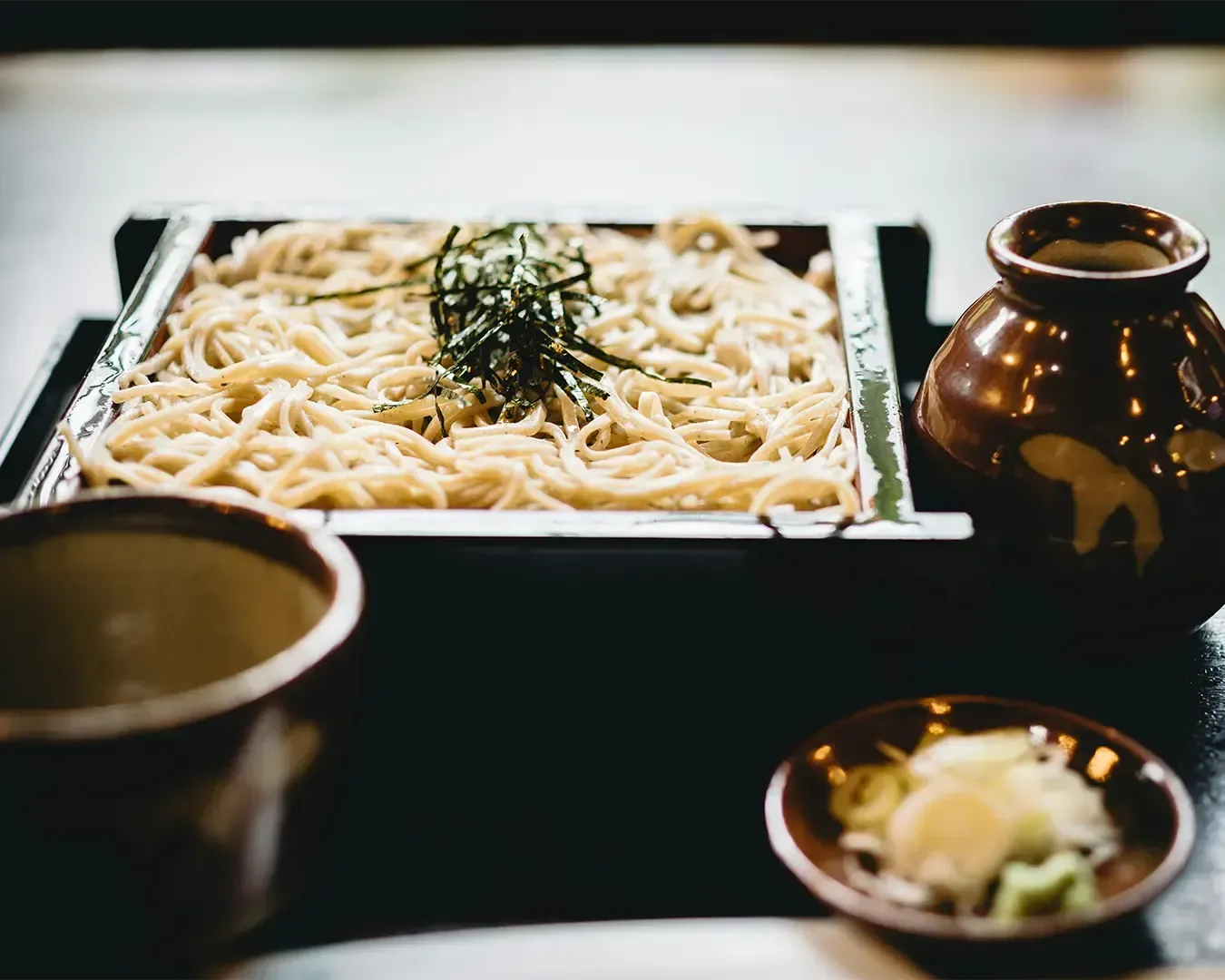
A neatly arranged set of soba noodles served with dipping sauce and side condiments, presented in a traditional style that highlights simplicity and balance.

In Japan, the multigenerational restaurant is elevated to an art form, centered around the concept of the shokunin—an artisan who dedicates their life to mastering a single craft.


The Century-Old Soba Shop

In Kyoto, you can find soba noodle shops that have been run by the same family for over 15 generations. These are not fancy places. They are simple, elegant establishments where the craft of noodle-making has been honed to a level of near-spiritual perfection. Watching a master chef prepare the noodles is a lesson in focus and dedication. The business is not just a livelihood; it is the family's identity.


The Unagi Dynasty

Similarly, there are unagi (eel) restaurants in Tokyo that have been using the same secret basting sauce for over 200 years. The sauce, a rich and complex tare, is a living ingredient. Each day, the eel is dipped in it, and each night, the sauce is topped up but never fully replaced. When you eat there, you are tasting a sauce that contains traces of every piece of eel the family has ever cooked. It is a profound and delicious connection to the past. This dedication to craft is a core part of what makes traditional Japanese food, or washoku, a UNESCO Intangible Cultural Heritage.

Spain: The Guardians of Regional Cuisine

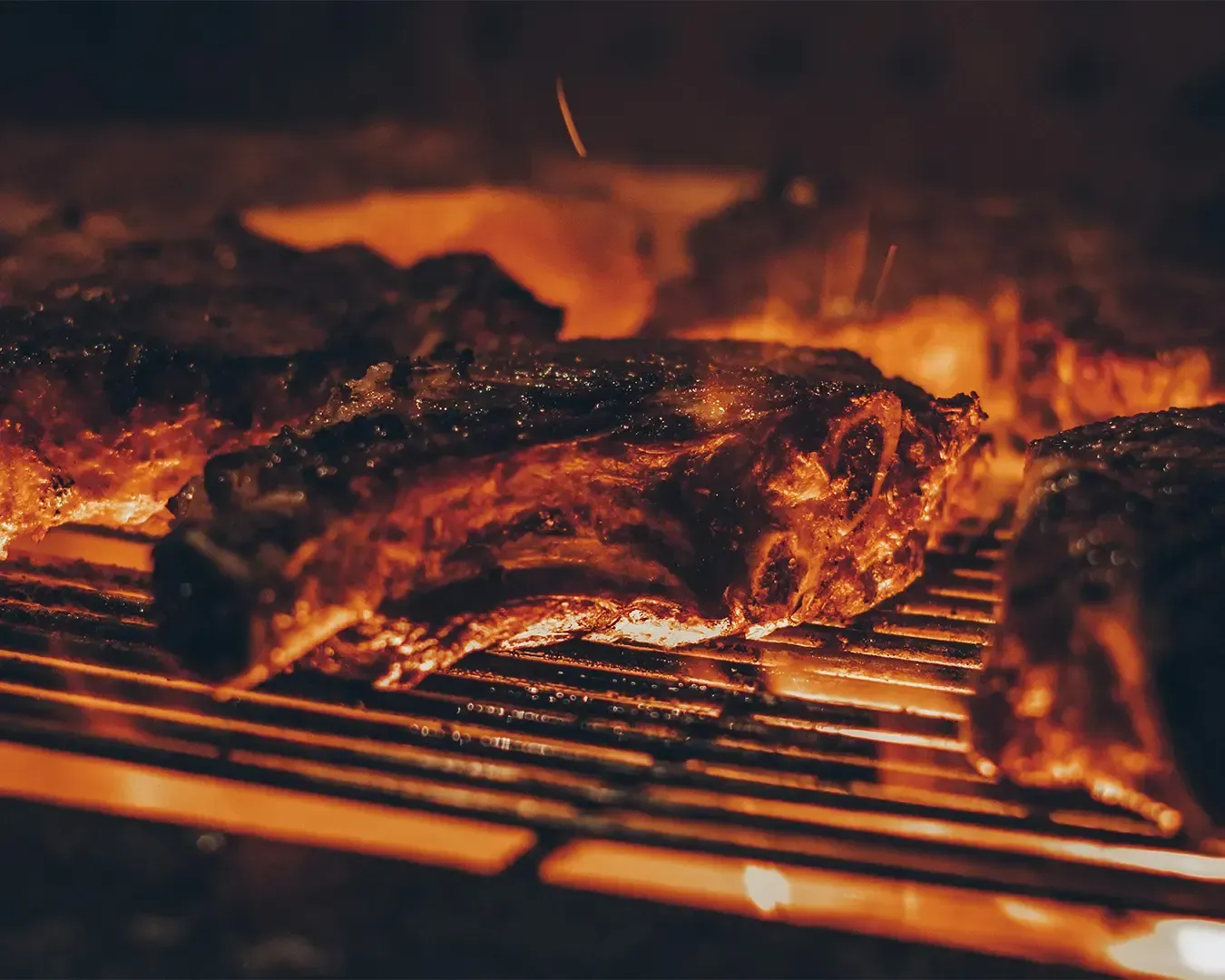
A piece of meats grilling over an open flame, with visible smoke and char marks, capturing the intensity of heat and the richness of the cooking process.

Spain's diverse regions each have their own unique culinary identity, and it is the family-run restaurants that are the fierce guardians of these local flavors.


The Basque Asador

In the Basque Country, the asador, or grill restaurant, is a hallowed institution. Many are run by families who have perfected the art of grilling over open flames. They have long-standing relationships with local fishermen and farmers, securing the best possible txuleta (bone-in steak) or turbot. The techniques are passed from father to son, and the grills themselves are often decades old, seasoned with the smoke of countless meals.


The Valencian Paella Legacy

Finding authentic paella in Spain can be a challenge, as many tourist spots serve a pale imitation. The real thing is often found in family-run restaurants in the countryside around Valencia, cooked over a fire of orange and pine branches, as tradition dictates. These restaurants, known as barracas, serve families who come for their weekly Sunday paella, a loud, joyful, and communal affair that is the heart of Valencian culture.

My Role: The Culinary Detective

A clean and minimal table setup featuring a laptop beside a small vase of flowers, combining a work environment with a touch of natural elegance.

Finding these hidden gem restaurants requires a different approach than just booking a table online. It is a form of culinary detective work.

  • Talk to the Artisans: This is my number one rule. I don't ask the hotel concierge where to eat. I ask the bespoke shoemaker, the gallery owner, or the local tailor. I ask, "Where do you take your own family for a special celebration?" These artisans have deep roots in the community and know the places that have stood the test of time.
  • Look for the "Ugly Delicious": These places often don't look like much from the outside. They might have dated decor, simple furniture, and no view. You must learn to look past the aesthetics and trust the subtle clues: a handwritten menu, a crowd of locals, the absence of English translations.
  • Read Local, Not Global: I use translation tools to read local food blogs and forums. This is where you find the passionate, unvarnished opinions of people who have been eating at these places their whole lives. Global travel guides often miss these spots entirely.

How to Be a Good Guest

When you are lucky enough to find one of these family tables, it's important to be a good guest.

  • Surrender Control: Don't go in with a list of demands or complex dietary requests. The best approach is often to ask, "What is good today?" or "What do you recommend?" Trust them.
  • Show Your Appreciation: Take the time to express your gratitude. A simple, heartfelt compliment to the chef (who might be someone's grandmother) goes a long way.
  • Pay with Cash: Many of these smaller, older establishments prefer cash. It's always a good idea to have some on hand.

Conclusion: The Taste of Authenticity

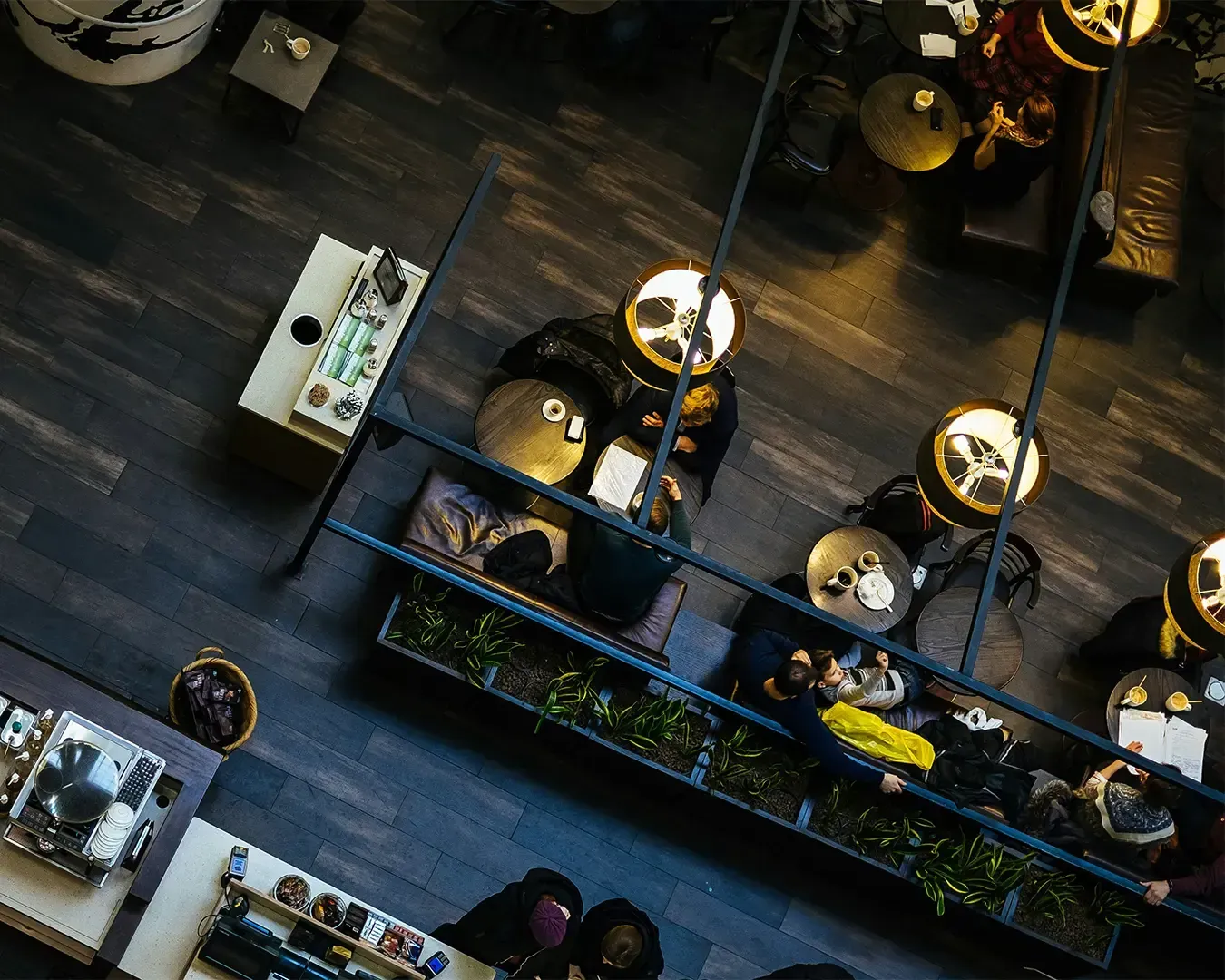
An overhead view of a restaurant space showing the layout of tables and seating, offering a full perspective of the dining environment and ambience.

The world of luxury travel offers access to the shiniest, newest, and most exclusive experiences. But sometimes, the greatest luxury is not novelty, but authenticity. It is the privilege of sitting at a table where food is not a concept or a trend, but an act of love and a bridge between generations.


These multigenerational restaurants are a powerful reminder that a meal can be more than just sustenance. It can be a story, a tradition, and a welcome. They are the keepers of a city's flavor, hiding in plain sight. The next time you travel, I urge you to seek them out. Look for the faded awnings and the handwritten menus. You might just find that the most memorable meal of your trip is the one served at a family's table.

Share this article

Recent Posts

The golden Kinkaku-ji temple sits beside a reflective pond, surrounded by lush green trees under a cloudy sky.
By J.C. Yue March 31, 2026
An insider's guide to finding Kyoto's hidden temple gardens and private contemplation spaces. Discover the art of stillness away from the tourist crowds.
A neatly placed “Reserved” sign sits on a well-set restaurant table, indicating the table is booked
By J.C. Yue March 30, 2026
A personal assistant's guide to getting reservations at exclusive restaurants. Learn insider tips and strategies to secure a table at the world's best restaurants.
A lively night scene where a small crowd gathers around a brightly lit food truck, ordering and coll
By J.C. Yue March 23, 2026
An insider's guide to 24-hour dining cultures around the world. Discover the best late-night food in NYC, Tokyo, Seoul, Singapore, and more.
A woman sits beside an airplane window, gazing outside as soft daylight filters through the glass. 
By J.C. Yue March 17, 2026
An insider's digital nomad reality check. A global personal assistant reveals the unglamorous challenges of working from anywhere, from loneliness to bad Wi-Fi.
A laptop placed on a clean table beside a cup of coffee, creating a calm and focused workspace.
By J.C. Yue March 15, 2026
A personal assistant's guide to setting boundaries when you live where you work. Learn strategies to protect your sanity and maintain a work-life balance.
A beautifully arranged shelf displaying delicate Chinese teacups and teapots, carefully organised
By J.C. Yue March 13, 2026
Discover Tea Room by Ki-setsu, a highly exclusive luxury tea experience in Singapore. Explore private Chinese tea rituals, rare blends, and quiet luxury.
Person silhouetted by sunset in front of airport windows, escalators in foreground.
By J.C. Yue March 10, 2026
A personal assistant's reflection on how global travel exposed her cultural blind spots. Discover how different societies act as cultural mirrors.
City skyline at sunset with golden light, buildings, and hot air balloons.
By J.C. Yue March 8, 2026
An insider's guide to Melbourne's obsessive coffee culture. Discover the secrets of Third Wave coffee, what to order, and where to find the best cafes.
A wide view of a New York bridge stretching across the river, with city skyscrapers
By J.C. Yue March 3, 2026
An insider's guide to the exclusive after-hours dining scene where New York's elite eat. Discover the secrets of the city's midnight kitchens.
A traditional Japanese restaurant entrance featuring a dark blue linen noren curtain
By J.C. Yue March 2, 2026
An insider's guide to accessing Tokyo's exclusive invitation-only restaurants. Learn the secrets behind Japan's most hidden dining experiences.
Show More