





The Health Puzzle: Maintaining Wellness When Your Address Changes Weekly
October 25, 2025 |J.C. Yue

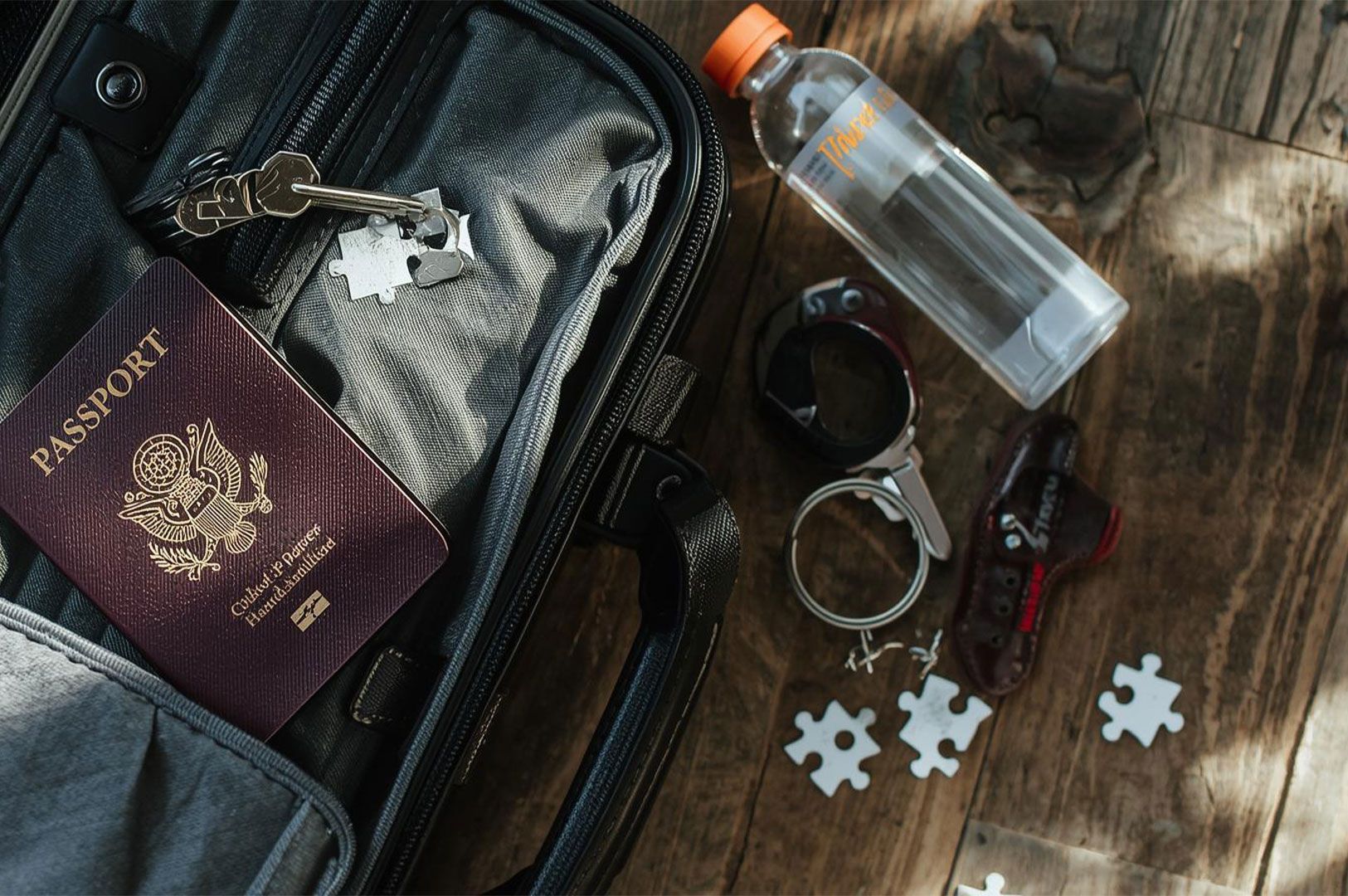
A life in constant motion is often portrayed as the pinnacle of freedom and glamour. While there are certainly moments of breathtaking beauty and privilege, there's a less-talked-about reality that hums beneath the surface: the relentless challenge of maintaining health while traveling. When your address changes weekly and your body is constantly battling jet lag, crafting a sustainable wellness routine for constant travel feels like assembling a complex puzzle with ever-changing pieces.
For over a decade, I’ve navigated this puzzle. As a personal assistant living out of a suitcase, my well-being is not a luxury; it's a professional necessity. Getting sick isn't an option when you are responsible for someone else's seamless existence. Over the years, I've learned that staying healthy on the road is not about rigid rules or extreme discipline. It’s about building a flexible framework of non-negotiables—a personal health strategy that can adapt to any city, any hotel, and any schedule.
This is not your typical list of generic travel wellness tips. This is a frequent traveler health guide born from trial and error, from sleepless nights and long-haul flights. It’s about finding balance amidst the chaos and learning to prioritize your health, even when everything else feels more urgent.
The Unique Health Challenges of a Nomadic Life

Before diving into solutions, it’s crucial to understand the specific hurdles that frequent travelers face. It’s more than just dealing with different cuisines; it’s a systemic assault on the body’s natural rhythms.
The Tyranny of Jet Lag
Jet lag is more than just feeling tired. It's a physiological disruption of your circadian rhythms, affecting everything from your hormones and digestion to your cognitive function. The World Health Organization (WHO) recognizes it as a real medical condition. For me, it’s a constant companion. The perpetual state of being slightly out of sync with the local time zone can lead to chronic fatigue, brain fog, and a weakened immune system.
The Breakdown of Routine
At home, routines are our anchors. We have set meal times, regular workout schedules, and consistent sleep patterns. On the road, these anchors are gone. Mealtimes are dictated by meetings, workouts are squeezed in whenever possible, and sleep is often fragmented. This lack of consistency makes it incredibly difficult to maintain healthy habits.
Nutritional Roulette
While I have the privilege of dining at some of the world's best restaurants, a diet of constant fine dining is a fast track to poor health. It’s rich, heavy, and often comes with wine pairings. On the other end of the spectrum are the rushed airport meals and quick room service orders late at night. Finding nutritious, balanced meals requires a conscious and determined effort. It's a constant game of
nutritional roulette.
My Non-Negotiable Pillars of Travel Wellness
To combat these challenges, I've developed a framework built on four pillars: Movement, Nutrition, Sleep, and Mental Clarity. These are my non-negotiables, the pieces of the health puzzle I prioritize no matter where I am in the world.
1. Movement: The Antidote to Stagnation

A body in motion stays in motion. After hours spent cramped on a plane or in a car, movement is the fastest way to feel human again.
The 15-Minute Hotel Room Workout
I don’t rely on finding a hotel with a state-of-the-art gym. My go-to fitness routine can be done in any hotel room with zero equipment. It’s a simple, 15-minute high-intensity interval training (HIIT) circuit.
- Jumping jacks (1 minute)
- Bodyweight squats (1 minute)
- Push-ups (on knees if needed) (1 minute)
- Plank (1 minute)
- High knees (1 minute)
Repeat this circuit three times. It’s short, effective, and gets my heart rate up, shaking off the lethargy of travel.
The Power of Walking
Never underestimate the power of a walk. Whenever I have a spare 30 minutes, I walk. I explore the neighborhood around the hotel, walk to a nearby meeting instead of taking a car, or simply do laps in the airport terminal. It aids digestion, helps regulate my circadian rhythm by exposing me to natural light, and connects me to my new environment. Walking is a key part of experiencing a city like Paris, a fact often emphasized by the Paris Tourism Office.
2. Nutrition: Fueling the Body, Not Just Filling It

My approach to nutrition on the road is about strategy, not deprivation. It’s about making smart choices and being prepared.
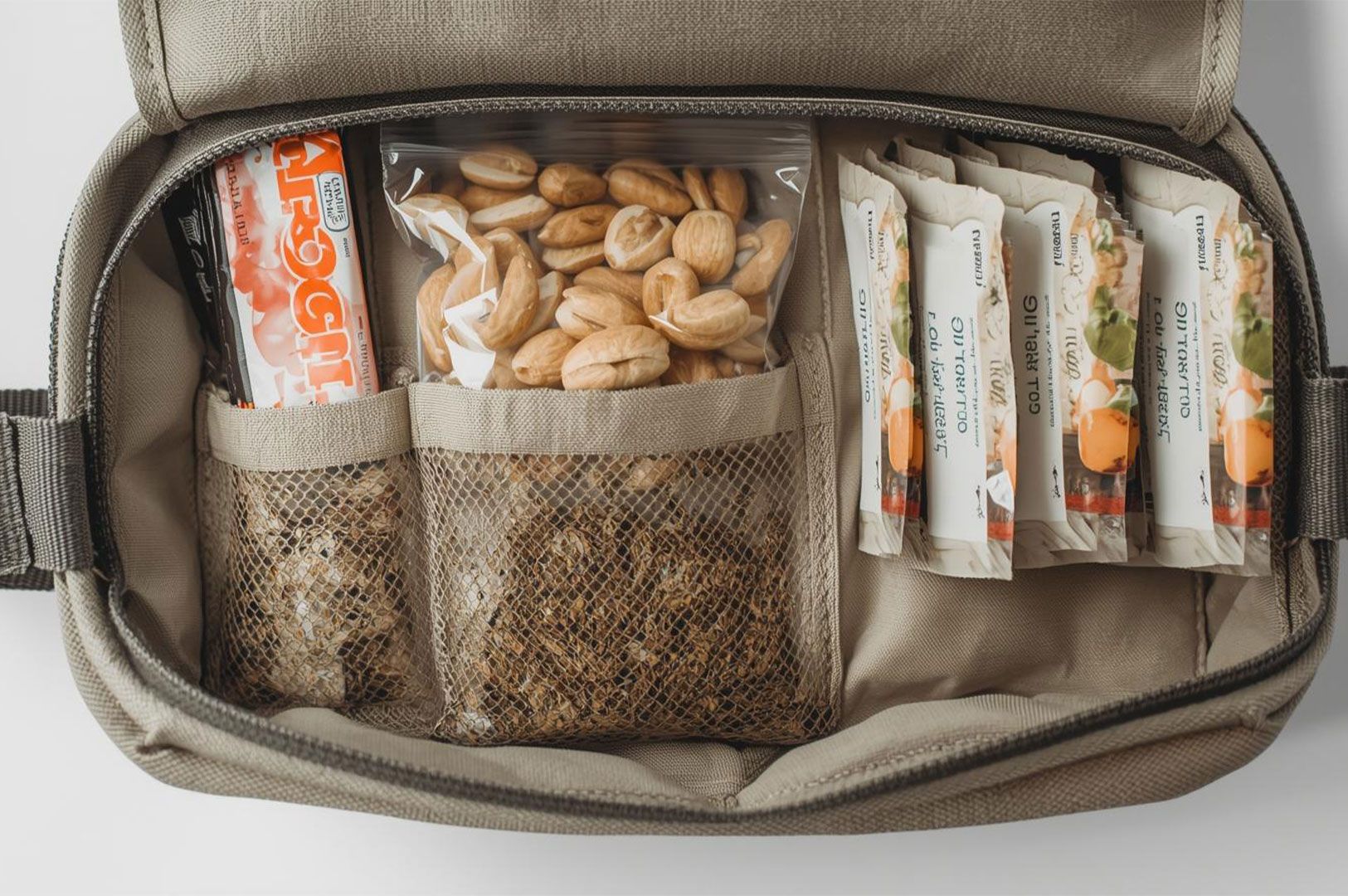
Always Pack an "Emergency Snack Kit"
My carry-on always contains a small pouch with my nutritional safety net. This includes:
- Raw, unsalted nuts (almonds, walnuts)
- Protein bars (low in sugar)
- Individual packets of oatmeal
- Herbal tea bags (peppermint for digestion, chamomile for sleep)
This kit has saved me countless times from resorting to unhealthy airport food or overpriced minibar snacks. This is one of my top travel wellness tips.
The Art of Deconstructing a Menu
I've learned to look at any menu, from a fine dining restaurant to a room service list, and find the healthy components. I deconstruct it in my mind. Can I get the grilled fish with steamed vegetables instead of the cream sauce and fries? Can I have a side salad instead of the bread basket? I always ask. Most high-end hotels are more than willing to accommodate these requests. This skill is crucial in food-rich cultures like Italy's, which the official Italian tourism board so wonderfully promotes.
Hydration is Non-Negotiable
Flying is incredibly dehydrating. My rule is to drink one liter of water for every four hours of flying. I carry a reusable water bottle and fill it up after security. Throughout the day, I make a conscious effort to sip water constantly. It combats fatigue, helps my skin, and keeps my entire system functioning optimally.
3. Sleep: The Ultimate Performance Enhancer

Sleep is the foundation upon which all other wellness efforts are built. For a frequent traveler, it's also the most elusive.
Crafting a Portable Sleep Sanctuary
I’ve learned that I cannot depend on a hotel to create the perfect sleep environment. So, I bring it with me. My sleep kit includes:
- A high-quality silk eye mask
- Foam earplugs and noise-canceling headphones
- A familiar lavender pillow spray
These small items signal to my brain that it's time to sleep, regardless of the time zone. This ritual helps create consistency in an inconsistent environment.
The "No Blue Light" Hour
An hour before I plan to sleep, I turn off all screens. No phone, no laptop, no TV. The blue light from these devices is known to suppress melatonin production, the hormone that regulates sleep. Instead, I read a physical book or listen to a calming podcast. This single habit has dramatically improved my ability to fall asleep in new environments. Many studies on sleep hygiene, like those from the
Sleep Foundation, support this practice.
4. Mental Clarity: Calming the Nomadic Mind

The logistical stress of constant travel can take a significant mental toll. Maintaining mental wellness is just as important as physical health.
The Five-Minute Morning Anchor
Before I even look at my phone, I spend five minutes practicing mindfulness. Sometimes this is formal meditation; other times, it's just sitting with a cup of tea and looking out the window. This small anchor of calm sets the tone for the day. It creates a buffer of peace before the chaos begins.
Scheduled Disconnection
My job requires me to be "on" almost 24/7. However, I schedule short periods of total disconnection. This might be a 20-minute walk without my phone or a long bath where I am unreachable. These intentional breaks are essential for preventing burnout and allowing my mind to reset.
Health is a Practice, Not a Destination

There is no perfect solution to the health puzzle of a nomadic life. There will be days when you eat the cake, skip the workout, and get a terrible night's sleep. The goal is not perfection; it's consistency. It’s about making the healthy choice more often than not.
Maintaining wellness on the road is an ongoing practice of self-awareness and self-compassion. It's about listening to your body and giving it what it needs to thrive in extraordinary circumstances. By building a flexible framework of non-negotiables, you can assemble the pieces of your own health puzzle, creating a picture of vitality and resilience no matter where in the world you find yourself. This journey has taught me that taking care of myself isn't a distraction from my work; it is the very thing that makes my work possible. For more reflections on growth and mindfulness, read about
small moments that changed everything and explore
being fully where you are.