
The Skill of Presence: Being Fully Where You Are
October 22, 2025 |J.C Yue

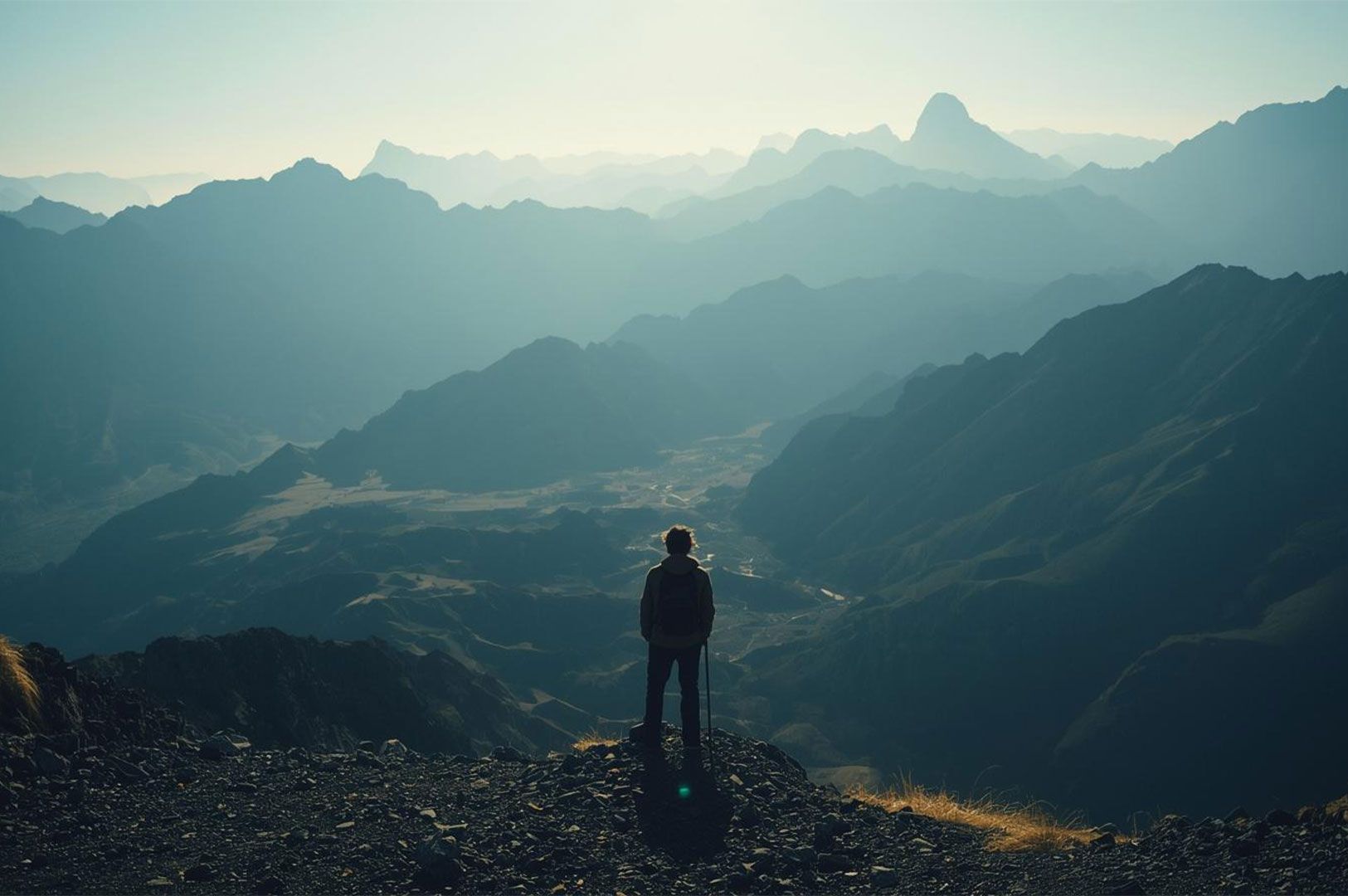
My life is a masterclass in logistics. It's a blur of time zones, flight confirmations, and ever-shifting itineraries. For over a decade, my primary role has been to think three steps ahead, anticipating needs and solving problems before they arise. In this state of perpetual forward-motion, the present moment can feel like a luxury I can't afford. Yet, I've come to learn that the most crucial skill I've had to develop has nothing to do with scheduling or crisis management. It is the skill of presence—the simple, profound act of being fully where you are.
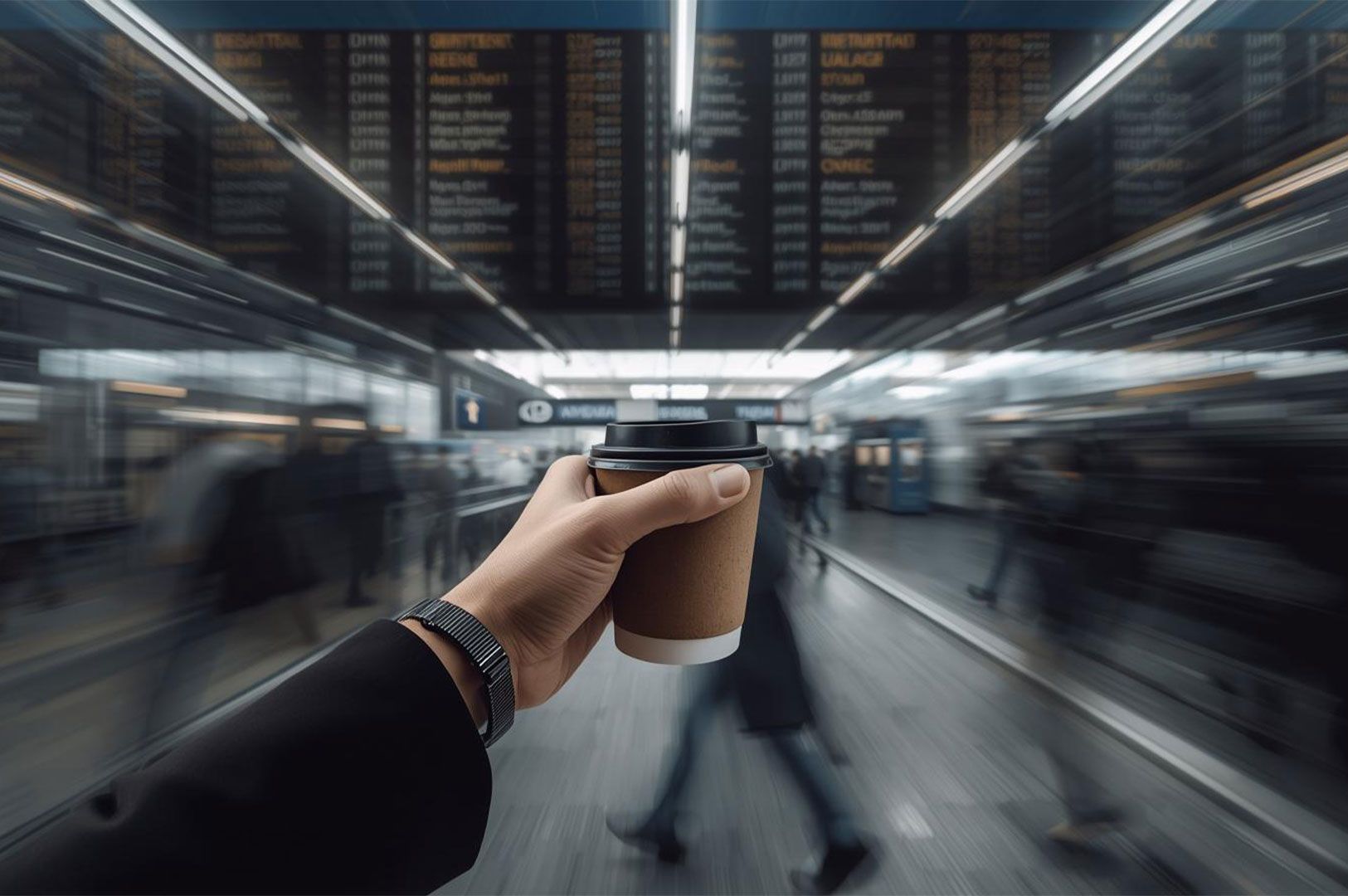
When you're constantly moving, your mind tends to live in the future (the next meeting, the next flight) or the past (the home you just left, the milestone you missed). The "now" becomes a mere transit lounge. But what happens when you miss the now? You miss the taste of the espresso in Rome, the scent of rain on the London pavement, the quiet dignity in a stranger's eyes. You miss your own life.
This is not a guide to meditation or a lecture on mindfulness. This is a story from the trenches of a nomadic life—a personal account of learning to cultivate mindful travel amidst the chaos. It’s about discovering that presence isn't about stopping; it's about truly showing up for the journey, one moment at a time.
The Paradox of Constant Travel

The great irony of a life spent seeing the world is how easily you can stop seeing it. When travel is your job, famous landmarks can become mere backdrops for a business deal, and exotic cities can blur into a series of hotel rooms and conference centers. This is the paradox: the more you travel, the harder you have to work to actually be there.
When a Destination Becomes a To-Do List
Early in my career, I treated every city like a project to be managed. My focus was purely on execution. Get from Point A to Point B. Ensure the Wi-Fi is stable. Confirm the dinner reservation. I was physically in Paris or Hong Kong, but my mind was entirely consumed by a checklist. I was succeeding at my job but failing at the experience of living. It was an unsustainable way to exist, leading to a profound sense of burnout and disconnection. Travel burnout is a real phenomenon, affecting even the most seasoned globetrotters.
The Thief of Joy: A Divided Mind
A divided mind is the ultimate thief of joy. When you are physically in one place but mentally planning for the next, you experience neither place fully. You rob yourself of the present moment’s richness. I realized that my most vivid memories were not from the grand, spectacular events, but from the rare moments I managed to anchor myself in the present, even for a few minutes. This concept is central to many wellness philosophies, including those explored by institutions like the Global Wellness Institute.
Learning Presence from a Tea Master in Kyoto

My first real lesson in the skill of presence came not from a book, but from a tea master in Kyoto. My boss had a rare afternoon off, and I had arranged a private tea ceremony in a traditional teahouse nestled in the Gion district.
The Ceremony of a Single Moment
I went into it with my usual mindset: this is a 60-minute appointment, followed by a 4:00 PM car to the hotel for a conference call. But the tea master, a graceful woman in her seventies, operated on a different timeline. Every movement she made—from whisking the matcha to presenting the cup—was deliberate, focused, and full of intention. There was no wasted motion, no sense of rush.
A Lesson in Single-Tasking
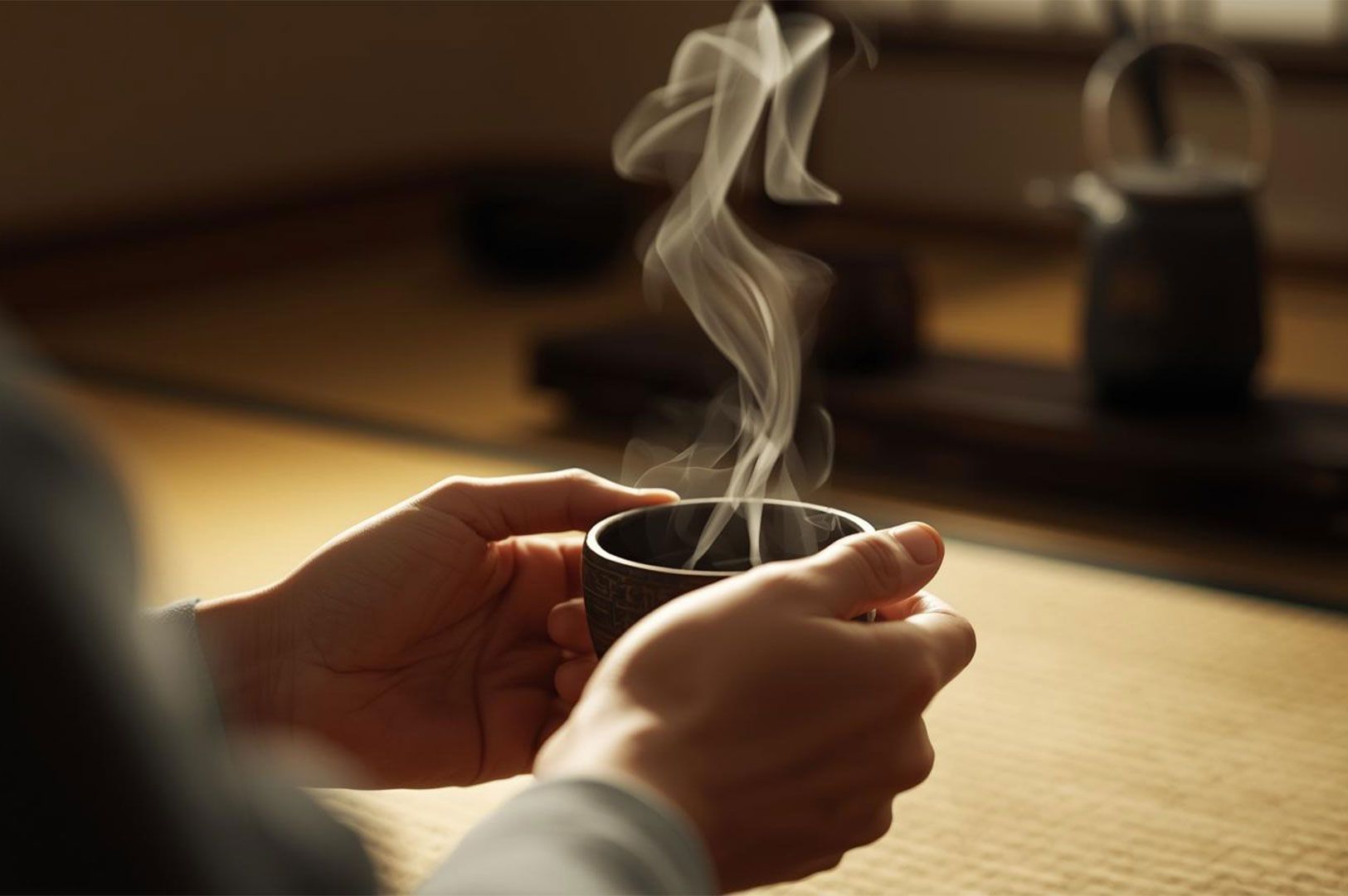
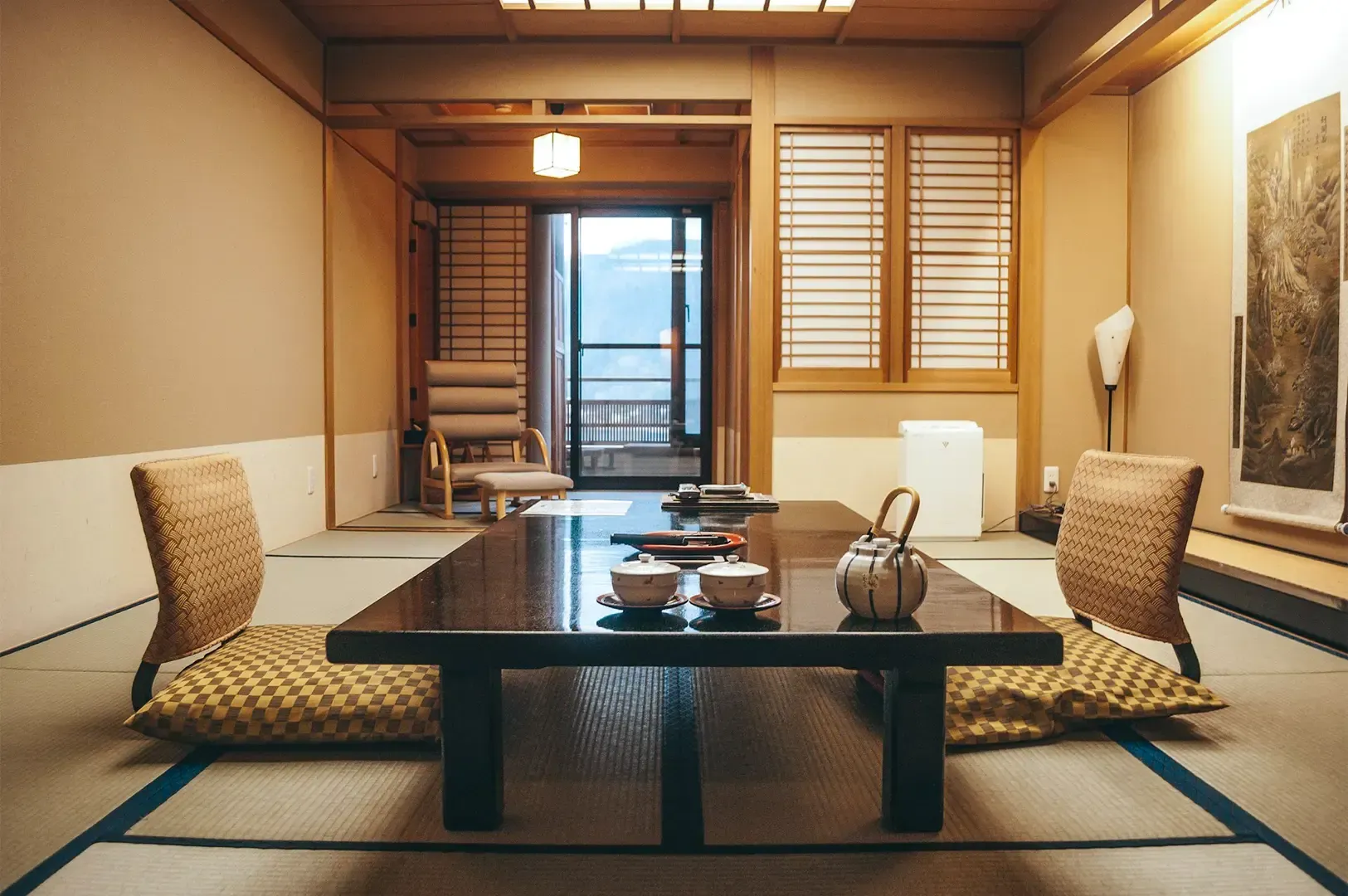
She gently instructed us to observe the color of the tea, to feel the warmth of the bowl in our hands, to listen to the sound of the whisk. For the first time in a long time, I wasn't multitasking. I was simply… there. My phone was off. My mental checklist was silent. For that hour, my entire world was the small, tatami-matted room and the bowl of green tea in my hands. The experience was a living embodiment of the Japanese concept of Ichigo Ichie, which translates to "one time, one meeting," a reminder to treasure every unrepeatable moment.
What I Carried with Me
- Intention is Everything: Approaching even a small act with full attention transforms it into a meaningful ritual.
- The Power of Sensory Details: Anchoring yourself in what you can see, hear, smell, and feel is the fastest way to get into the present moment.
- Presence is a Practice: The tea master had spent a lifetime honing her focus. It was a skill, not a gift. This is a key insight of the mindfulness movement.
Practical Strategies for Cultivating Presence on the Move

Learning from the tea master was a revelation, but applying it to a life of constant motion was another challenge. I couldn't attend a tea ceremony every day. I had to find small, practical ways to integrate this mindful approach into my hectic schedule.
The Five-Minute Anchor
This is my most-used technique. Between meetings or while waiting for a car, I find a quiet corner and set a timer for five minutes. During that time, my only job is to notice. I don’t try to empty my mind; I just observe without judgment. What can I hear? The distant city traffic, the hum of the air conditioning. What can I smell? The scent of rain, the hotel's lobby fragrance. This simple act of sensory awareness acts as a reset button, pulling me out of my mental chaos and grounding me in my physical location.
The Art of the "Transition Ritual"
Transitions—like a taxi ride from the airport or a walk from the hotel to an office—are often seen as "dead time." I started treating them as transition rituals. Instead of immediately pulling out my phone to answer emails, I would spend the first ten minutes of a car ride simply looking out the window. This allowed me to decompress from the flight and arrive at my destination feeling more connected to the city I was in. This is a form of digital detox, even if temporary.
Mindful Eating, Even When Alone
My job often involves eating alone at odd hours. It's incredibly easy to scroll through my phone while mindlessly consuming a meal. I made a rule: for the first five bites of any meal, my phone stays in my pocket. I focus solely on the food—the taste, the texture, the aroma. It's a small change, but it transforms a functional act into a moment of pleasure and gratitude. It’s a practice that honors the local cuisine, whether in a food-centric city like Singapore, as celebrated by the Singapore Tourism Board, or elsewhere.
How Presence Enhances the Luxury Travel Experience

Cultivating presence doesn't just improve your mental well-being; it fundamentally enhances the way you experience travel, especially at the luxury level where so much is invested in the details.
Appreciating the Craftsmanship
Luxury travel is built on craftsmanship. It’s in the hand-stitched leather of a hotel armchair, the intricate garnish on a cocktail, the thoughtful design of a suite. When you are truly present, you start to notice these details. You appreciate the human skill and artistry that went into them. This appreciation adds a layer of richness to the experience that is lost when you are rushing.
Deeper Human Connections
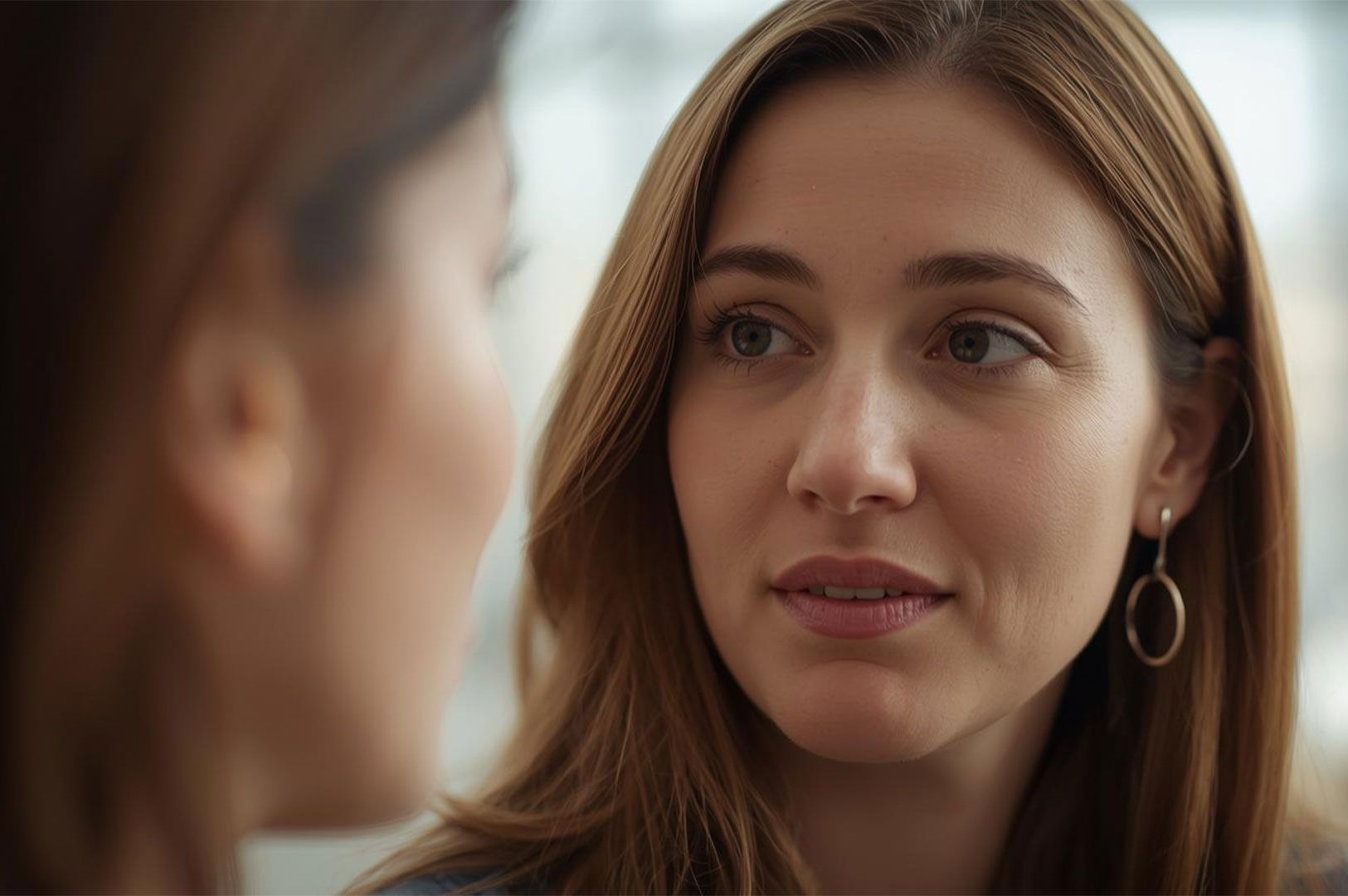
Being present also changes how you interact with people. When you give a concierge or a waiter your full, undivided attention—making eye contact, listening actively—you are offering them a small gift of respect. This fosters a more genuine human connection. I've found that these are the moments when I learn the most interesting things about a place, far beyond what any guidebook could tell me. This principle is a cornerstone of good communication, a topic often explored by business publications like Harvard Business Review.
The Challenge of Maintaining Presence

Make no mistake, this is a continuous struggle. The pull of the digital world and the demands of my job are relentless. There are days when I fail completely, where I realize I've spent an entire day on autopilot.
Acknowledging the "Drift"
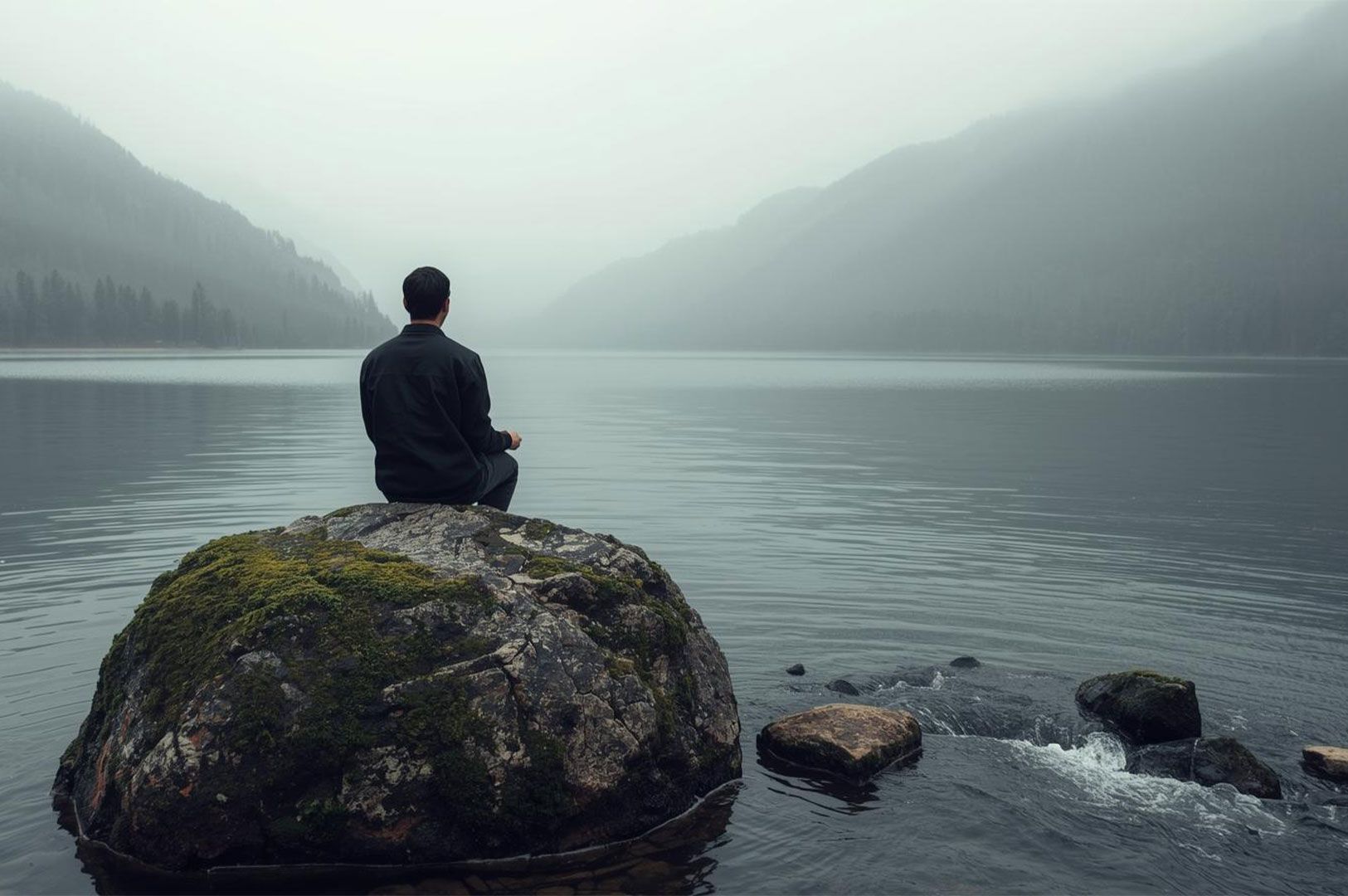
The key is not to judge yourself for these lapses. The mind is designed to wander. The practice of presence isn't about achieving a permanent state of zen; it's about gently and repeatedly guiding your attention back to the now. Each time you notice your mind has drifted and you bring it back, you are strengthening the "muscle" of presence. Organizations like the American Psychological Association have published extensively on the benefits of such mindfulness practices.
Presence in a Hyper-Connected World
My role requires me to be hyper-connected. I cannot simply turn off my phone for a week. The challenge is to control the technology, not let it control me. This means setting clear boundaries: designated times for checking email, turning off non-essential notifications, and consciously choosing when to engage and when to be present in my physical environment.
Conclusion: The Ultimate Souvenir is the Memory
After all the flights and all the cities, I've learned that the ultimate souvenir is not a trinket or a photograph. It is the vivid, fully-inhabited memory of a moment in time. It is the memory of the taste of that tea in Kyoto, the feeling of the sun on my face in Positano, the sound of the evening call to prayer in Istanbul.
The
skill of presence is the most valuable tool a traveler can possess. It costs nothing, weighs nothing, and can be practiced anywhere. It is the key that unlocks a deeper, more meaningful connection to the world and to ourselves. In a life defined by movement, learning to be still—even for a moment—has been my greatest journey of all. It’s the art of arriving not just at a destination, but in your own life. For more reflections on travel and perspective, explore
the reality of constant travel and discover
what happens when luxury hotels go to sleep.