There is a smell that undoes me every time. Diesel and salt, warmed by a tropical afternoon. It belongs to no single place, but it belongs to all of them. And the moment it reaches me, I am somewhere I have already been.
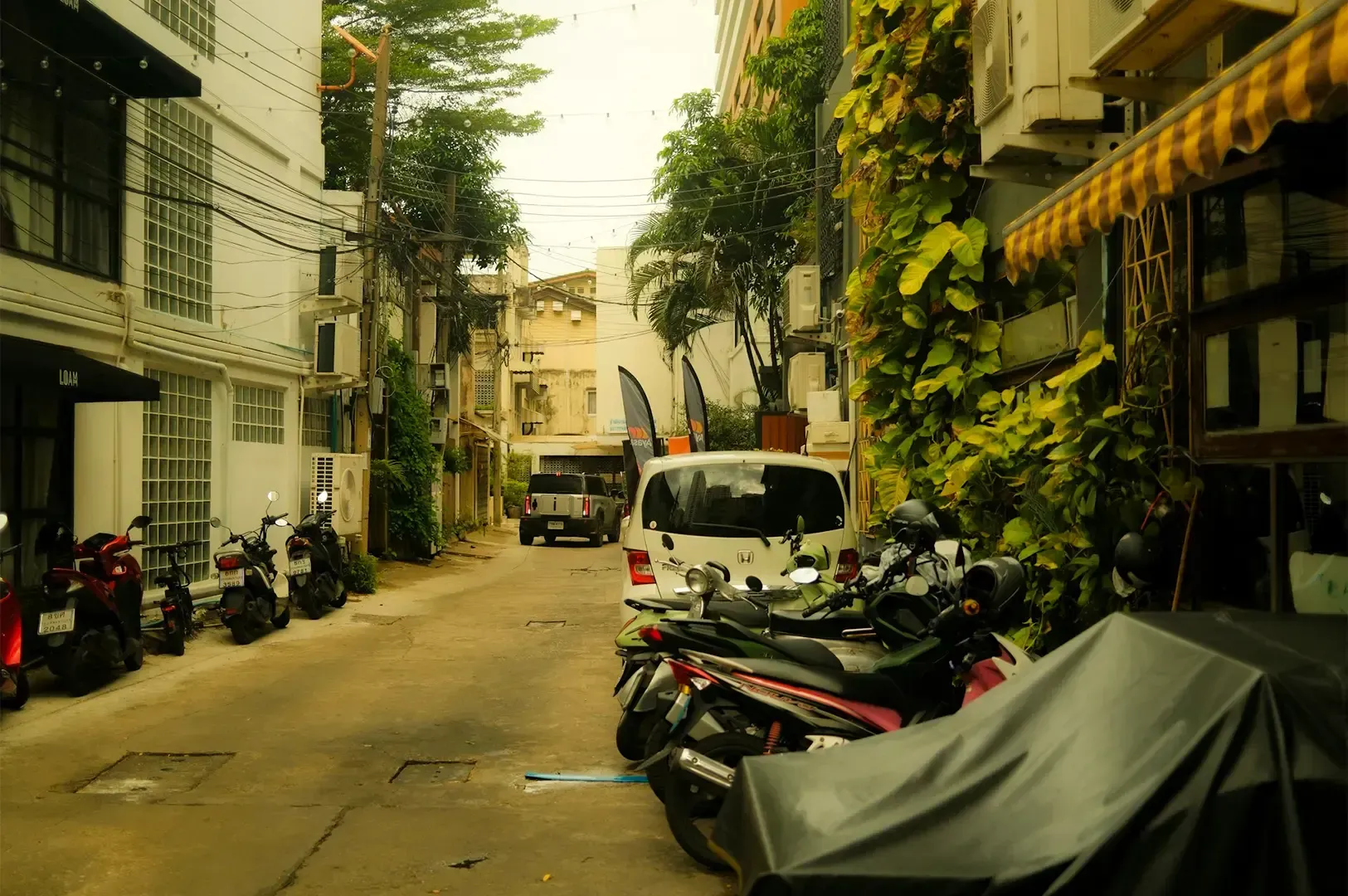
I returned to a small harbor town last year. Years earlier, I had stood on the same road from the pier — tired, much greener at the job, anxious about a dinner reservation, worried I would get something wrong.
This time, I walked the same cracked pavement, past the same shuttered fishmonger with the blue awning. For a moment I was not the person standing there now. I was the one from before.
The street had not changed. I had.
And it was the sameness that showed me the difference.
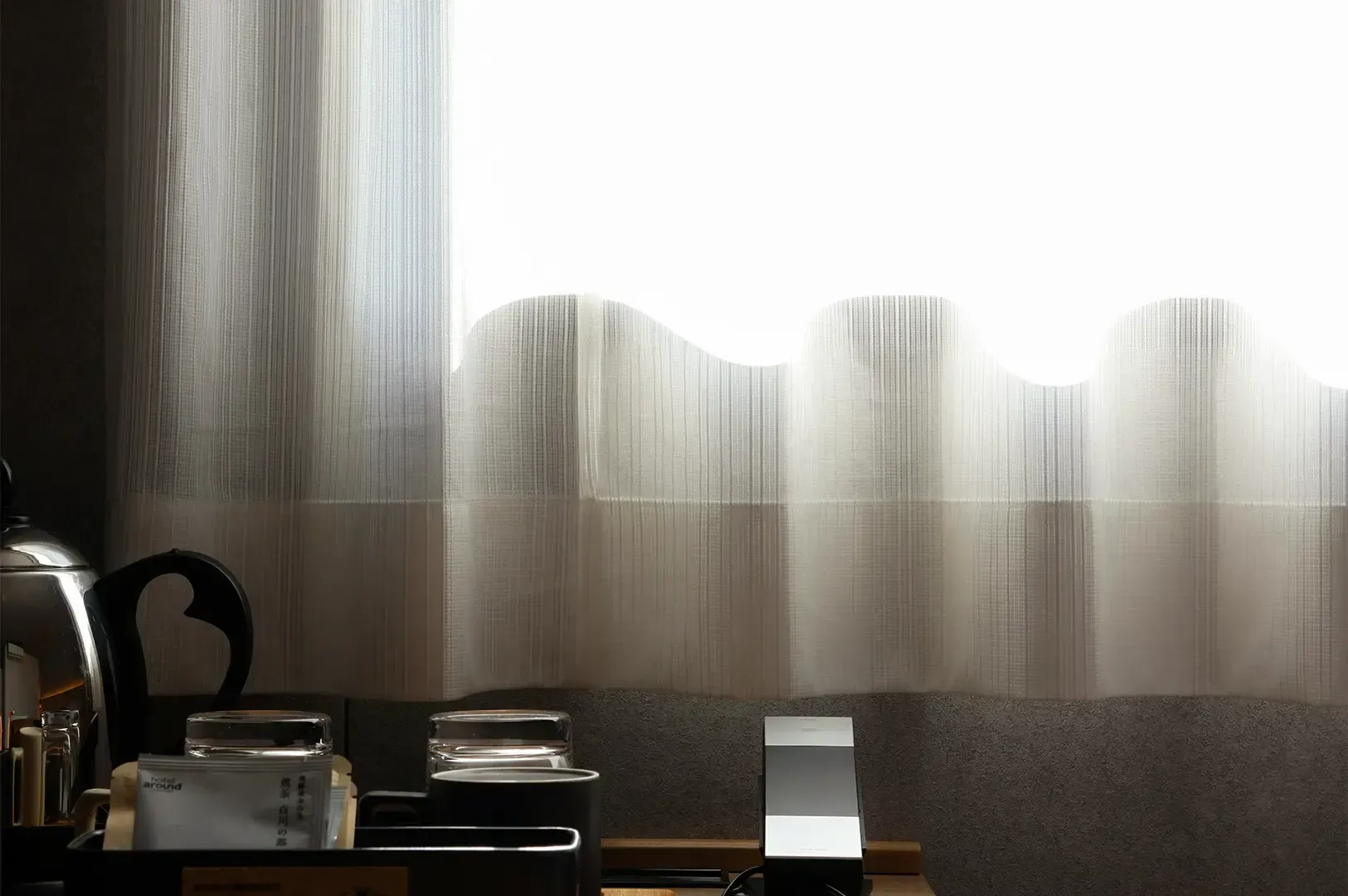
We think memory lives in the mind. I have come to believe it lives lower than that — in the hands and the skin. A certain quality of morning light through thin curtains. The particular hush of a hotel corridor at dawn.
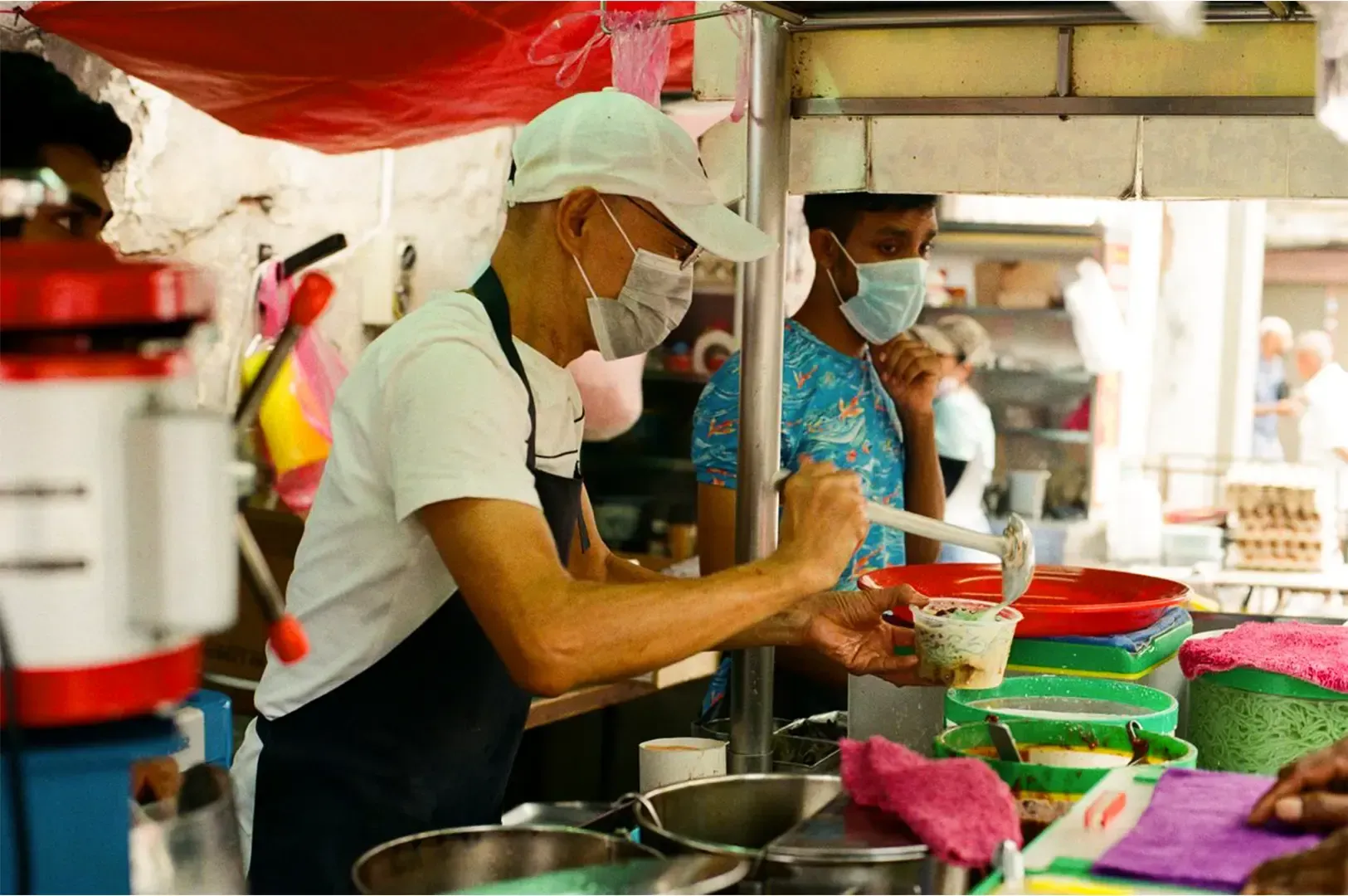
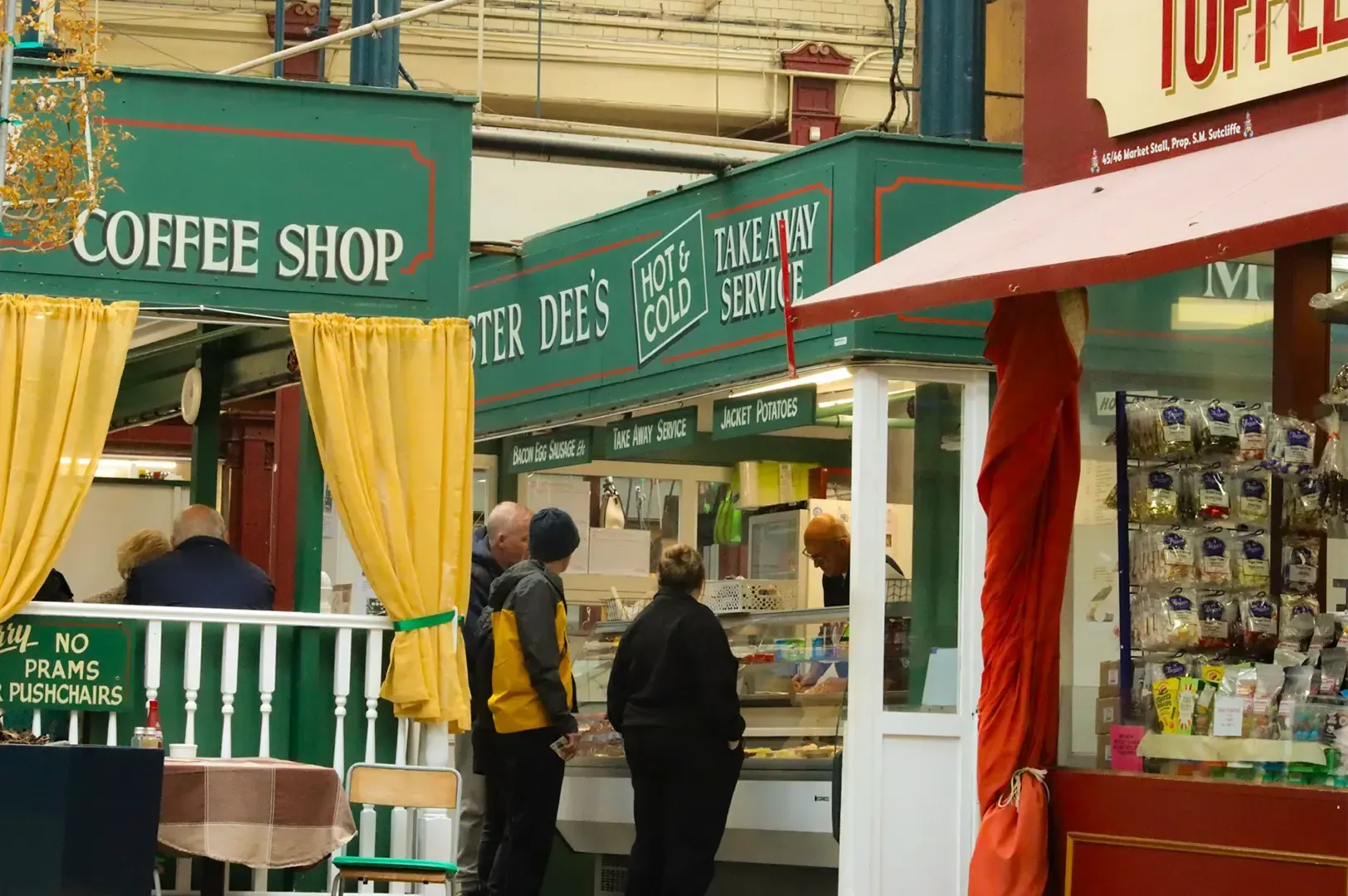
The clatter of a
kopitiam back home, which I sometimes hear echoes of in a café thousands of miles away. These arrive before thought does. The body recognizes them first, and only afterward does the mind catch up and name what it is feeling.
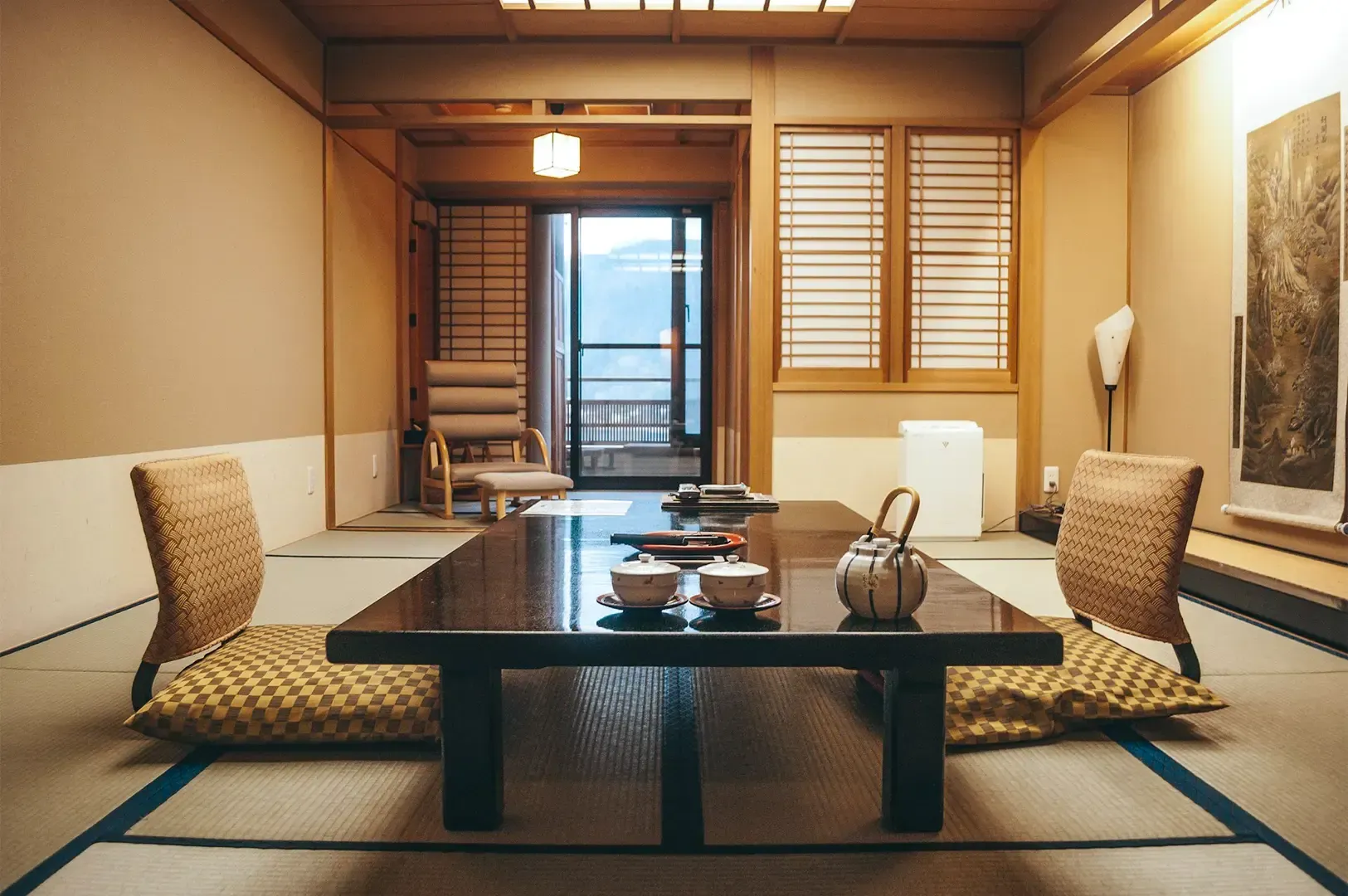
There was a bowl of noodles in a quiet part of Tokyo — anchovy broth, nothing fancy — that pulled me straight back to my grandmother's kitchen. I had not thought of that kitchen in years.
One taste, and there it was. The fan turning overhead. Her back to me at the stove. A whole childhood folded into a single mouthful.
I put down the spoon and let it stay with me for a while.
Constant travel does something strange to your sense of self. You wake and do not know the city. The ceiling is unfamiliar. For a few seconds you are no one, anywhere. That blankness sounds unpleasant, and often it is.
But it also leaves you open in a way settled life rarely does. When you are not sure who or where you are, the smallest thing can rush in and fill the space. A church bell. A particular blue of the sea. A song leaking from a shop you will never enter.
I sometimes think we scatter versions of ourselves across the world without meaning to. There is a younger me in a rain-soaked London street, still learning how to disappear politely into the background of someone else's important evening.
There is another in a Singapore hawker centre at midnight, homesick between two long trips, eating alone and glad of it.
They are still there, in a sense. The places hold them. When I go back, I meet them again — not with drama, just a quiet nod, the way you might greet someone you used to be close to.
For a long time I tried to keep these moments at a distance. On the road, sentiment feels like a luxury you cannot afford.
There is always the next thing to arrange. But I have stopped fighting them. When the diesel-and-salt smell finds me now, I let it. When a bowl of soup opens a door to my grandmother's kitchen, I walk through it for a minute before returning to the day.
These threads are the only thing that stitches the scattered years together. Without them, I would just be a person passing through places, forgetting each one as the next arrived.
With them, the travel means something. It becomes a way of visiting not only the world, but every earlier version of myself who once stood in it.
The work will always keep moving. Another city, another arrival, another self left quietly behind for a future me to find.
I no longer see that as loss. The places remember. The smells and sounds and small familiar details wait patiently, ready to hand me back to myself when I least expect it.
So if you find yourself somewhere you have been before, and a street or a taste or a slant of light pulls at something you cannot name —
do not brush it away.
That is the thread. Follow it. It leads all the way back to who you used to be, and quietly reminds you who you have become.
If this resonates with you and you want to explore the emotional weight of always being prepared,
click here.