Freshness as Luxury: How to Tell When Sushi in Singapore Is Truly Exceptional
July 22, 2026 |J.C. Yue
The first time I understood fresh sushi, no one said a word.
I was seated at a small counter in Singapore, waiting while my employer took a call outside. The chef placed a single piece of fish before me. No flourish. No explanation. Just a slight nod, the way my grandmother used to push a bowl toward me at the table.
I ate it. And something quiet happened.
After a decade of arranging meals across more than forty destinations, I've eaten sushi in Tokyo, London, New York, and countless places in between. But it took a plain counter in my own city to teach me what freshness actually means. It isn't a marketing word. It's a feeling you recognize the moment it's true.
This is what I've learned about telling the real thing from the performance.
What "Fresh" Really Means at the Counter

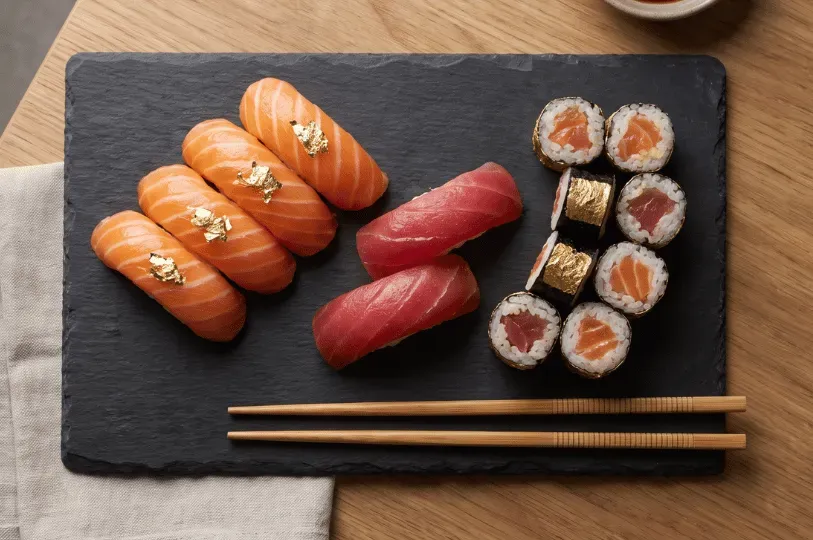
We throw the word around too easily. Fresh sushi Singapore menus promise it everywhere, but few earn it.
Freshness isn't about the fish being caught that morning. Sometimes the finest cuts have been aged deliberately, a practice explained well in this overview of sushi. What matters is intention. The fish is handled at the right moment, kept at the right temperature, served at the right second.
Not new, but right
I once watched a chef rest a piece of tuna for days, checking it the way you'd check on someone you cared about. That patience was the freshness. Not the calendar. The judgment.
In short: fresh means the fish is served exactly when it should be, not simply when it arrived.
The Quiet Language of Omakase

Omakase Singapore counters are where this truth lives most clearly. The word means I leave it to you, and that surrender is the whole point.
You don't order. You trust. The chef reads the season, the catch, and sometimes your face, then builds the meal around all three. The custom is rooted in the wider tradition of Japanese cuisine, and it asks something rare of a diner: let go of control.
When you stop choosing
My employer, who controls nearly everything about their days, softens at these counters. I've seen it. The trust between diner and counter is its own kind of luxury, harder to arrange than any reservation.
Reading the room before you speak
There are moments a chef can talk and moments they can't. Learn the difference. When the hands move fast, hold your questions. When they ease, ask. That awareness is part of the meal too.
Rice: The Part Everyone Overlooks

Here's the thing most diners miss. They watch the fish. They should watch the rice.
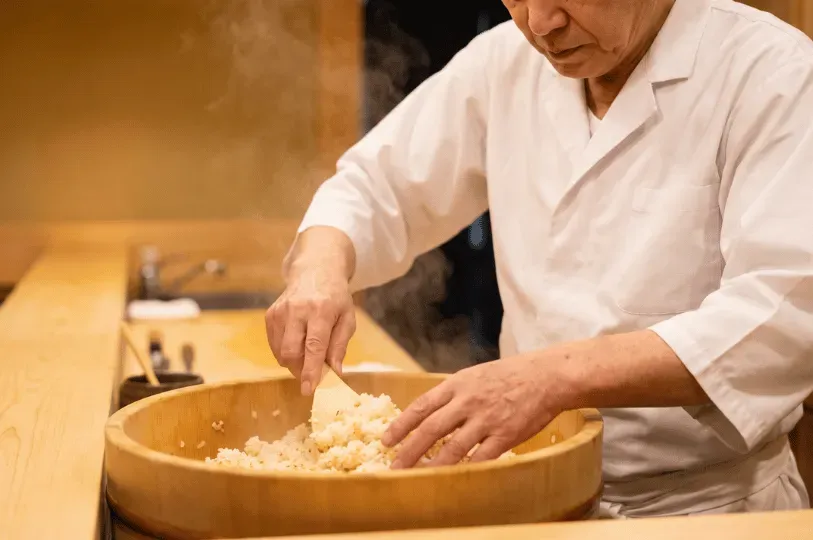
Sushi rice quality is where a great chef separates from a good one. The rice should be body-warm, not cold. Each grain distinct, seasoned so lightly you barely notice the vinegar, holding together only until it touches your tongue.
The temperature test
Cold, clumping rice tells you everything. It means the kitchen made it ahead and let it sit. Warm rice means someone is paying attention, right now, to you.
A small confession
I used to eat only for the fish. Then a chef in Singapore told me, quietly, that he'd spent fifteen years learning the rice and one year learning the fish. I've never eaten the same way since.
Texture and Temperature: The Honest Tells
You don't need training to spot exceptional sushi. Your mouth already knows.
What good texture feels like
The fish should give slightly, then dissolve. Not chewy. Not mushy. There's a resistance that yields, the way ripe fruit does. When it's wrong, you feel it immediately, even if you can't name why.
Why temperature matters more than we think
Great sushi is rarely fridge-cold. The fish sits closer to the body's own warmth, which is when its flavor opens. A chef who serves everything ice-cold is hiding behind the chill. Temperature is honesty on a plate.
Seasonality: Eating the Calendar
The best counters change with the seasons, following the same rhythms honored across Japan, a country whose food culture is documented by the Japan National Tourism Organization.
The fish that only comes once
Certain fish appear for a few short weeks and then vanish. A chef who respects seasonality builds the meal around what's peaking, not what's convenient. When someone offers you everything, all year, be a little suspicious.
I remember a piece of fish served to me in autumn that the chef said wouldn't return for months. He was almost sad about it. That sadness told me it was real.
A Few Honest Notes for Your First Visit
For another perspective before choosing a counter, Rubbish Eat Rubbish Grow offers a useful non-influencer guide to the best Singapore omakase.
Some things I sort before every booking.
- Book ahead. The best counters seat few and fill fast.
- Flag allergies early, then let go of the rest.
- Arrive exactly on time. The chef's timing is tight.
- Eat with your hands if invited to. It's allowed, and often preferred.
- Eat each piece the moment it's set down. Waiting insults the work.
The thing I always do
I say thank you to the chef by name. A small acknowledgment travels far behind a counter, and it changes how the rest of the evening feels.
Chef Technique: Watching the Hands
At a good counter, the craft is in plain sight. This is the quiet theatre of luxury dining Singapore does particularly well.
The knife tells the truth
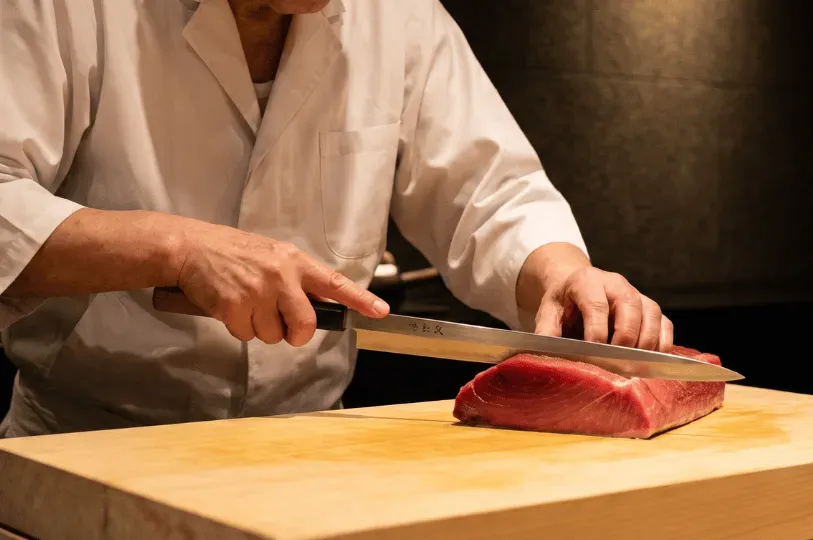
Watch the first cut. A clean, single motion versus a sawing hesitation reveals years of practice or the lack of them. The Michelin Guide can point you toward technical excellence, though it can't measure whether a chef will look up and meet your eye.
The hands that shape, not squeeze
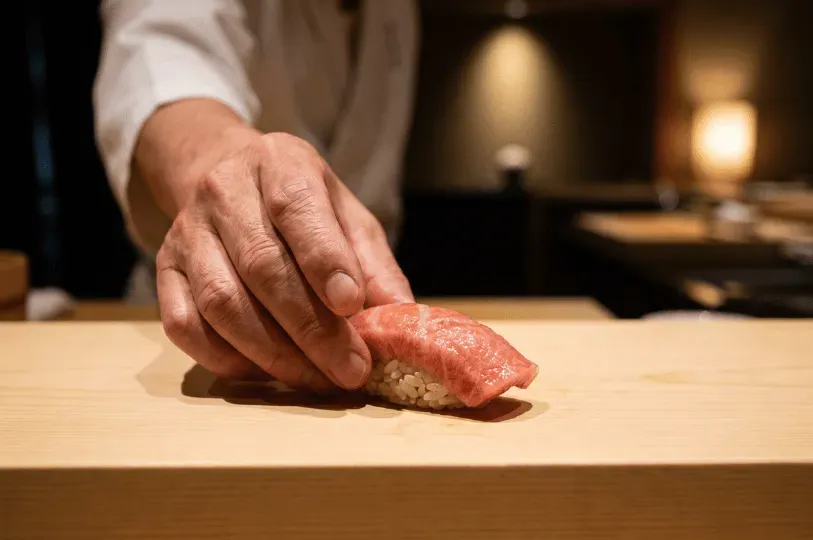
Good sushi is shaped, not crushed. The rice holds air. Press it too hard and it turns dense, a small violence you can taste.
Gentle hands are the mark of someone who's done this ten thousand times.

Singapore's Own Sushi Story

Our city has become an unlikely home for extraordinary Japanese food, a scene the Singapore Tourism Board increasingly celebrates alongside our hawker heritage.
Why the fish travels well here
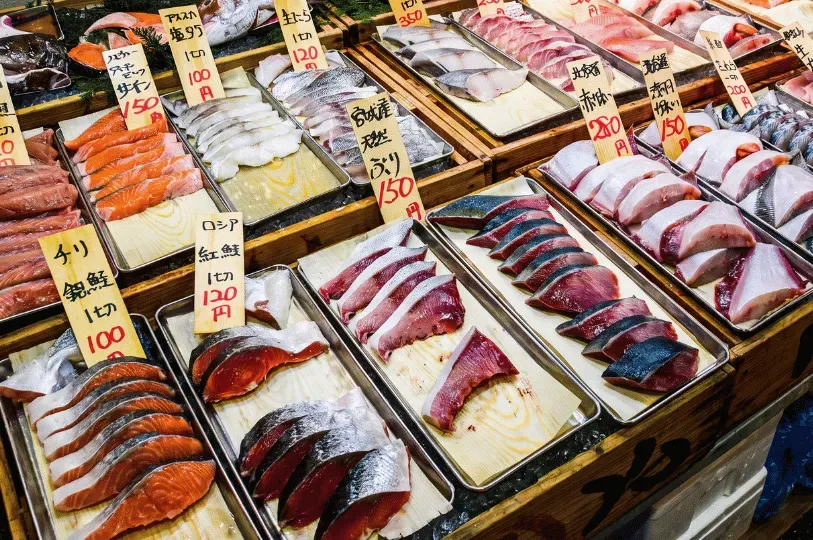
Singapore's logistics are relentless. Fish flown from Japanese markets, described in the story of the famed Tsukiji market, can reach a Singapore counter with startling speed. That efficiency is part of why exceptional sushi thrives so far from its source.
The hawker in the omakase
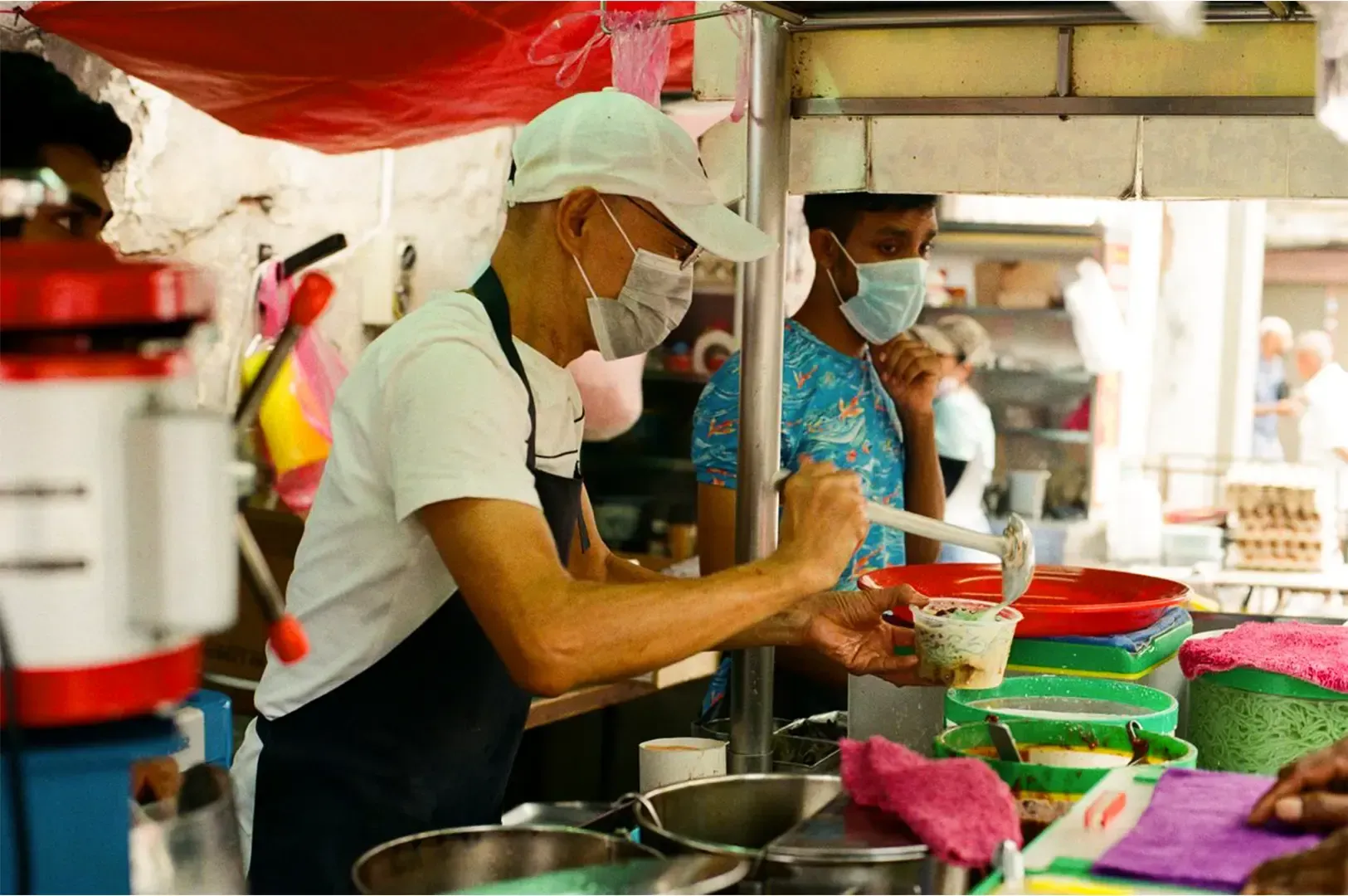
What I love most is how Singaporean this all becomes. The same care my aunties bring to a bowl of noodles, I've seen in a young Singaporean chef shaping rice behind a counter. Craft is craft, whether the table is marble or plastic.
What the Grand Places Get Wrong
Not every expensive counter earns its price. I've sat at a few that sold the seat and forgot the point.
When it becomes performance
The worst versions treat you as an audience. Everything staged, nothing real. The chef never looks up. You can feel the distance within minutes, and somehow the fish tastes of it.
A genuine counter has small human moments. A quiet correction. A grain of rice wiped away. That imperfection is the proof of life.
What Freshness Taught Me About Luxury

I came to these counters expecting refinement. I found something plainer underneath.
The real luxury was never the price of the fish. It was the trust. Someone deciding, silently, that this piece, at this moment, was worthy of you. And you deciding to believe them.
I think of that first quiet counter. The nod. The single piece of fish that asked nothing of me except attention.
The grand meals I arrange all day tend to blur. That one stayed.
So the next time you sit down, don't watch for spectacle. Watch the rice. Feel the temperature. Notice the hands. Then let go, and trust the person in front of you.
That surrender, more than anything on the plate, is where the freshness lives.
Continue the journey: If the pull of the counter stays with you, step further into the world of invitation-only Japanese dining in
Tokyo's exclusive, invitation-only restaurants — where trust between diner and chef becomes an art of its own.