
Behind the Noren: Accessing Tokyo's Exclusive Invitation-Only Restaurants
March 2, 2026 |J.C. Yue

Tokyo’s dining scene is a universe unto itself. The city boasts more Michelin stars than any other, and for a food-obsessed traveler like my boss, it represents a kind of culinary nirvana. I have spent countless hours securing reservations at Tokyo's most celebrated restaurants—the three-star sushi counters, the world-renowned tempura bars, and the innovative kaiseki establishments. Yet, beyond this already rarefied world lies another, even more elusive, tier of dining: the realm of Tokyo's invitation-only restaurants.
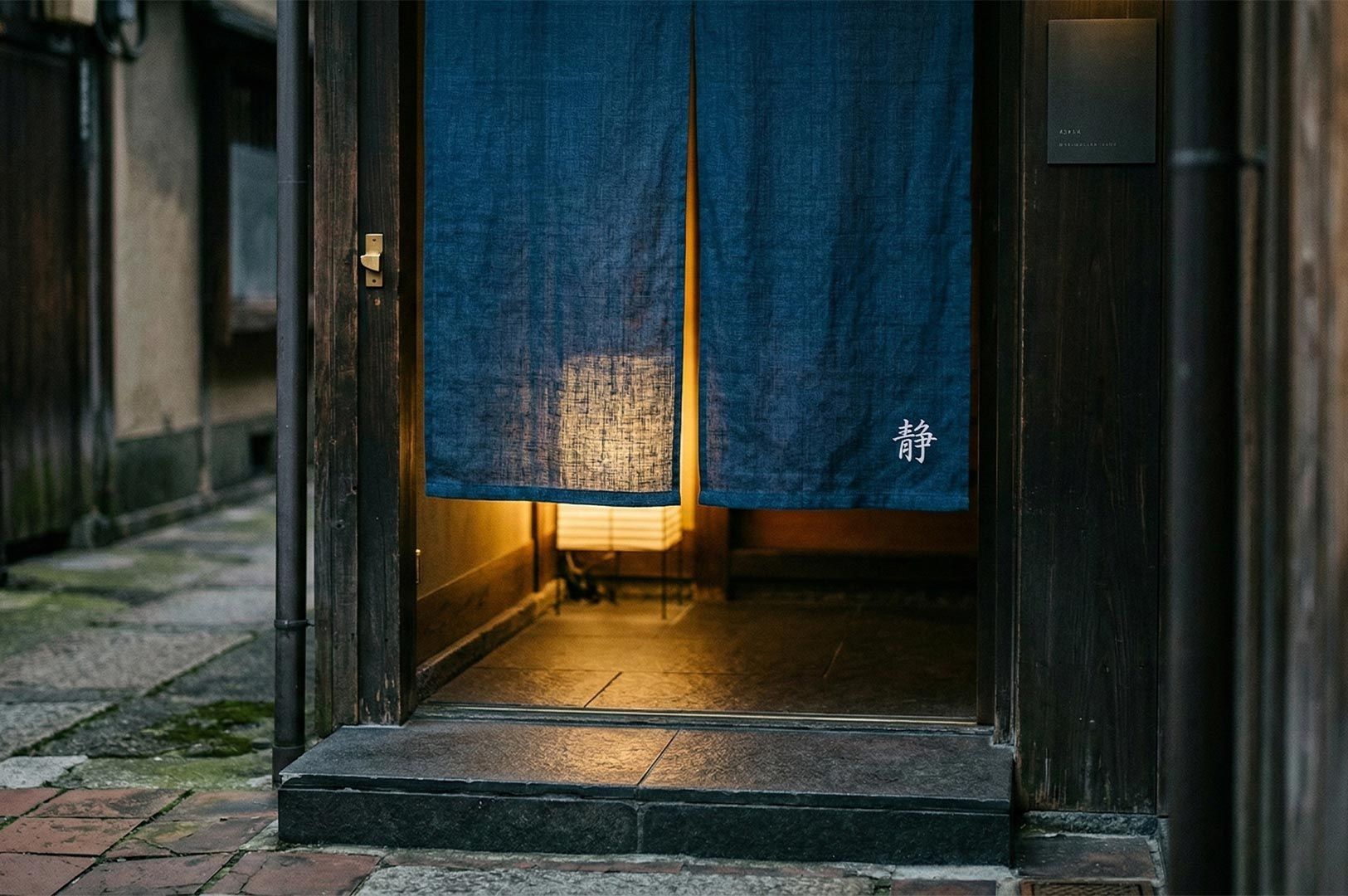
These are the ichigen-san okotowari (first-time customers declined) establishments. They have no websites, no published phone numbers, and no public reservation systems. They are hidden behind unmarked doors and simple noren curtains, their existence known only to a select group of trusted patrons. To dine there, you must be personally invited by an existing customer. For a personal assistant, gaining access to this secret world is the ultimate challenge—a complex game of networking, cultural understanding, and trust.
This is a look behind that proverbial curtain. It’s an exploration of why these exclusive restaurants exist, what makes them so special, and how, with immense patience and the right connections, it is possible to secure a seat at one of Tokyo’s most hidden tables.
The "Ichigen-san Okotowari" Tradition: More Than Just Exclusivity

The concept of being "introduction-only" is not a modern trend or a marketing gimmick. It is a tradition deeply rooted in Japanese culture, particularly in the geisha districts of Kyoto and the high-end dining world of Tokyo.
A Culture of Trust and Relationships
At its core, the ichigen-san okotowari system is about preserving a trusted environment. The chef-patron relationship is held in high regard. Chefs want to serve guests who understand and respect their craft, who will behave appropriately, and who will honor their financial commitments. By only accepting guests introduced by a known patron, the chef ensures that every new diner is vouched for, maintaining the harmony and integrity of their small, intimate space. This cultural concept is a fascinating aspect of Japanese hospitality, or omotenashi.
Preserving the Experience
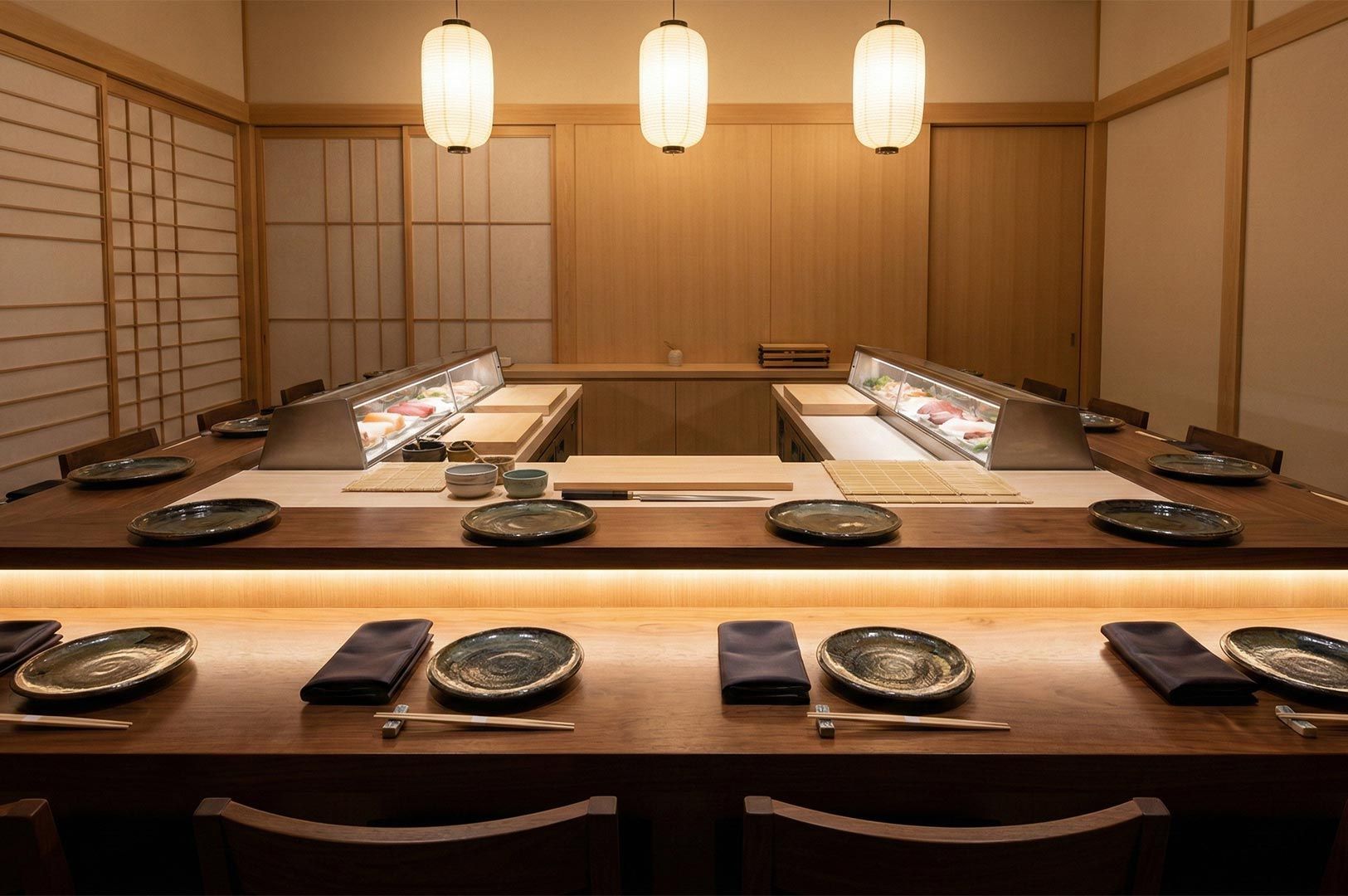
Many of these restaurants are tiny, often with just a handful of seats. A single disruptive or disrespectful guest could ruin the experience for everyone. The introduction system acts as a filter, ensuring that every person at the counter is there with a shared appreciation for the master's work. It protects the serene atmosphere that is as crucial to the meal as the food itself.
The Anatomy of an Invitation-Only Restaurant

What truly distinguishes these establishments? It's a combination of mastery, intimacy, and an obsessive attention to detail.
- The Master's Sanctum: These are not just restaurants; they are the personal sanctums of a master chef (taisho). The chef has complete control over every element, from the sourcing of a single, perfect ingredient to the bespoke ceramic plate it is served on.
- Uncompromising Quality: Freed from the pressures of attracting a high volume of customers, these chefs can focus solely on their craft. They often source hyper-seasonal and rare ingredients from purveyors they have known for decades, creating menus that are unique and unrepeatable.
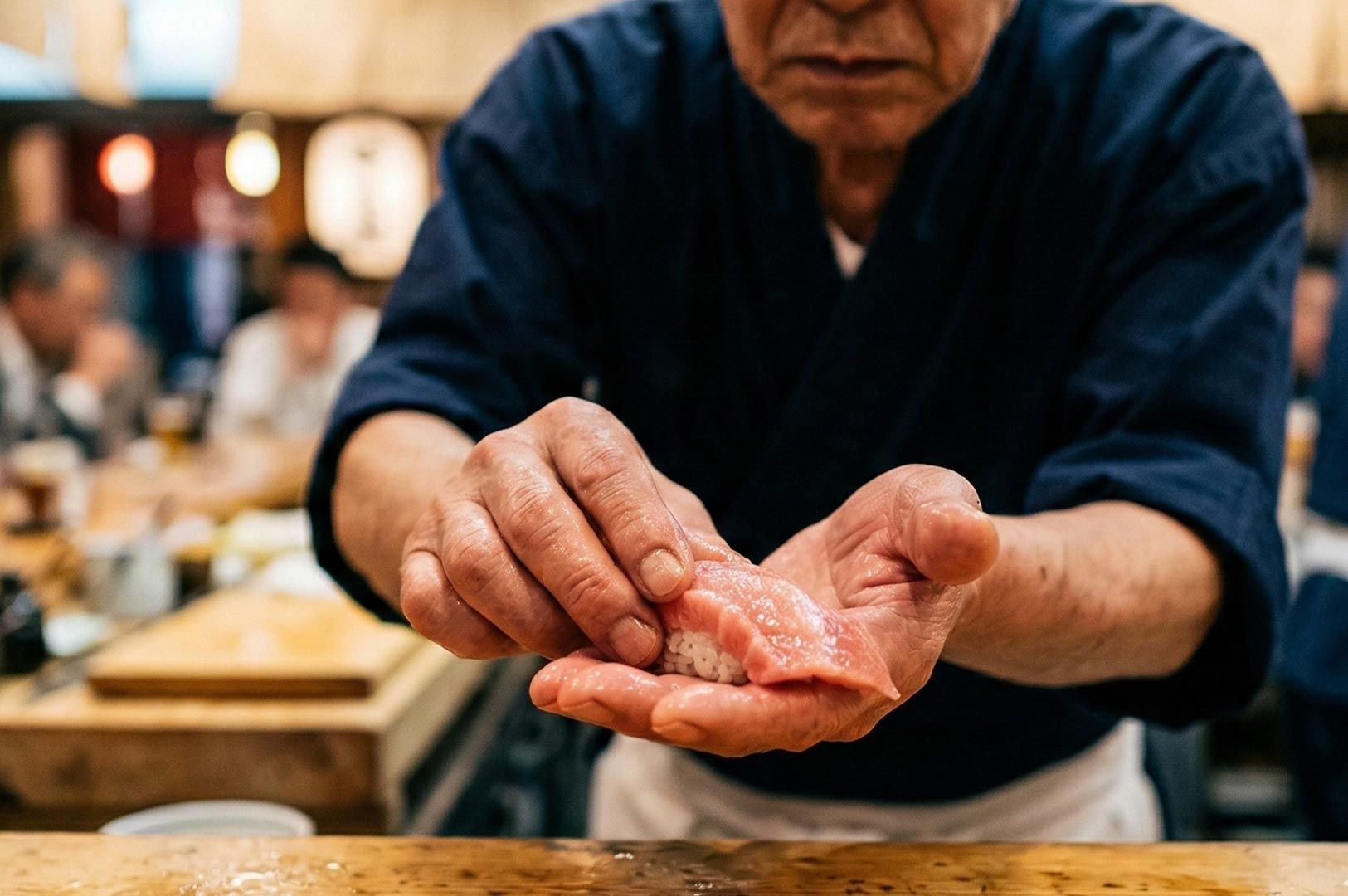
- The Intimate Counter: The experience is almost always centered around a counter, allowing for direct interaction with the chef. You are not just eating a meal; you are witnessing a performance, a masterclass in culinary artistry.
The PA’s Quest: The Art of Securing the Unsecurable

My job is to make the impossible happen. When my boss sets his sights on a legendary, introduction-only restaurant, it triggers a multi-stage operation that can sometimes take months.
Stage 1: Intelligence Gathering
First, I have to confirm the restaurant even exists and that its reputation is deserved. I can't simply Google it. I activate my network.
- The Luxury Hotel Concierge: The head concierges at Tokyo's top hotels (like the Park Hyatt Tokyo or Aman Tokyo) are my most valuable allies. They are members of Les Clefs d'Or and have their own "black books." While they may not be able to get a reservation directly, they can often provide crucial information or introductions.
- Local Food Critics and Bloggers: I have built relationships with local food journalists in several cities. I reach out to my contacts in Tokyo for their off-the-record insights.
- High-End Credit Card Services: Premium credit card concierge services, like those from American Express Centurion, have dedicated teams on the ground who specialize in these requests.
Stage 2: Finding the "Introducer"
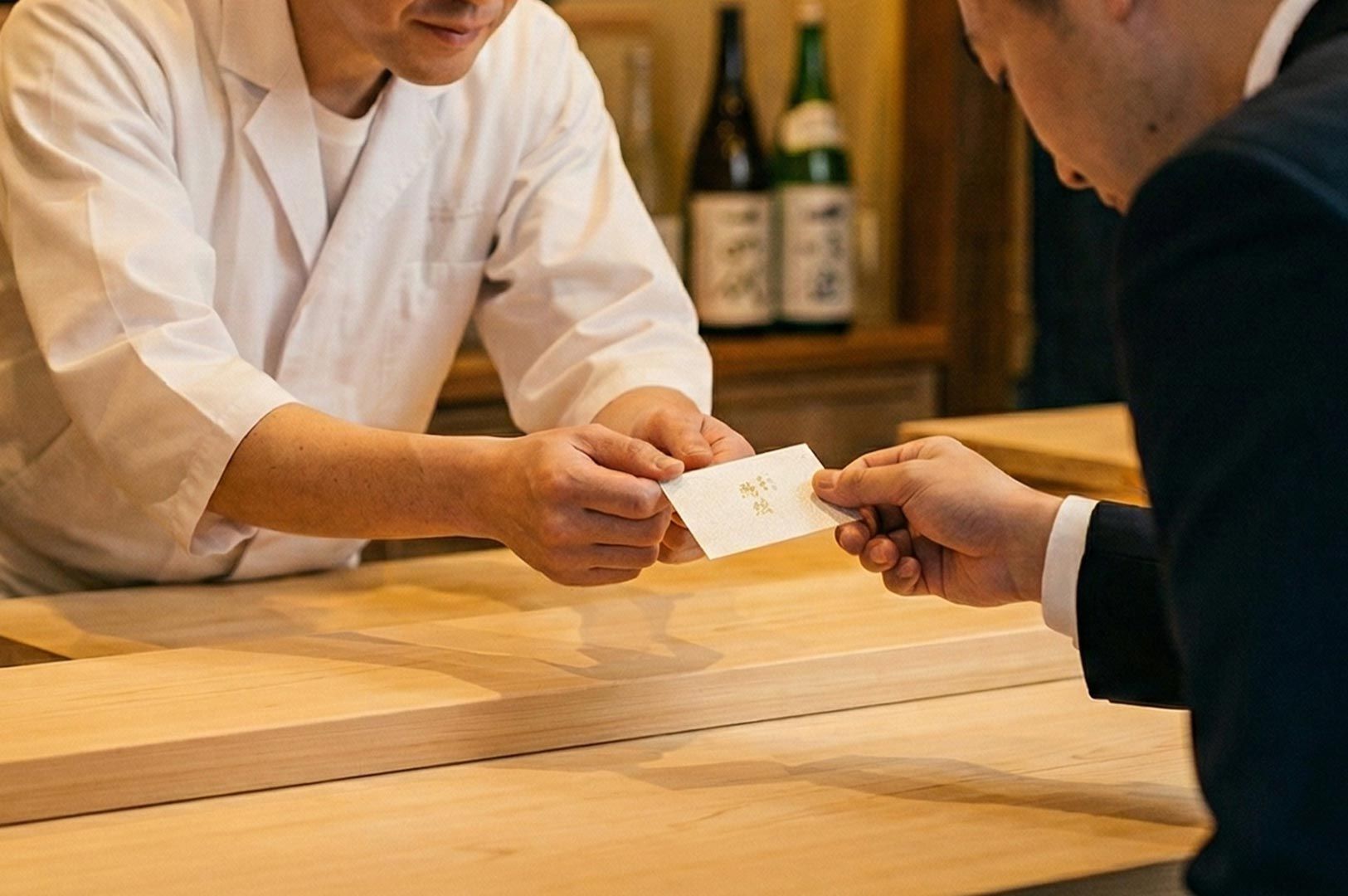
This is the most critical step. You need to find a regular patron who is willing to vouch for you. This introducer is putting their own reputation on the line.
- Leveraging Business Contacts: My boss’s local business associates are often the most direct route. A discreet inquiry is made: "Mr. [X] has a deep appreciation for classic Edomae sushi. We understand that [Chef's Name]-san's restaurant is the pinnacle. Would you be so kind as to facilitate an introduction on his next visit?"
- The Concierge as a Broker: In some cases, a trusted concierge can act as the introducer. The hotel itself becomes the guarantor, assuring the restaurant that the guest is of high standing.
A Personal Anecdote: The Sushi Master and the Hand-Written Note
I once spent two months trying to secure a reservation at a mythical 6-seat sushi counter in Ginza. The chef was known to be notoriously private. All conventional channels failed. Finally, our hotel’s head concierge had an idea. He knew the chef’s favorite flower arranger.
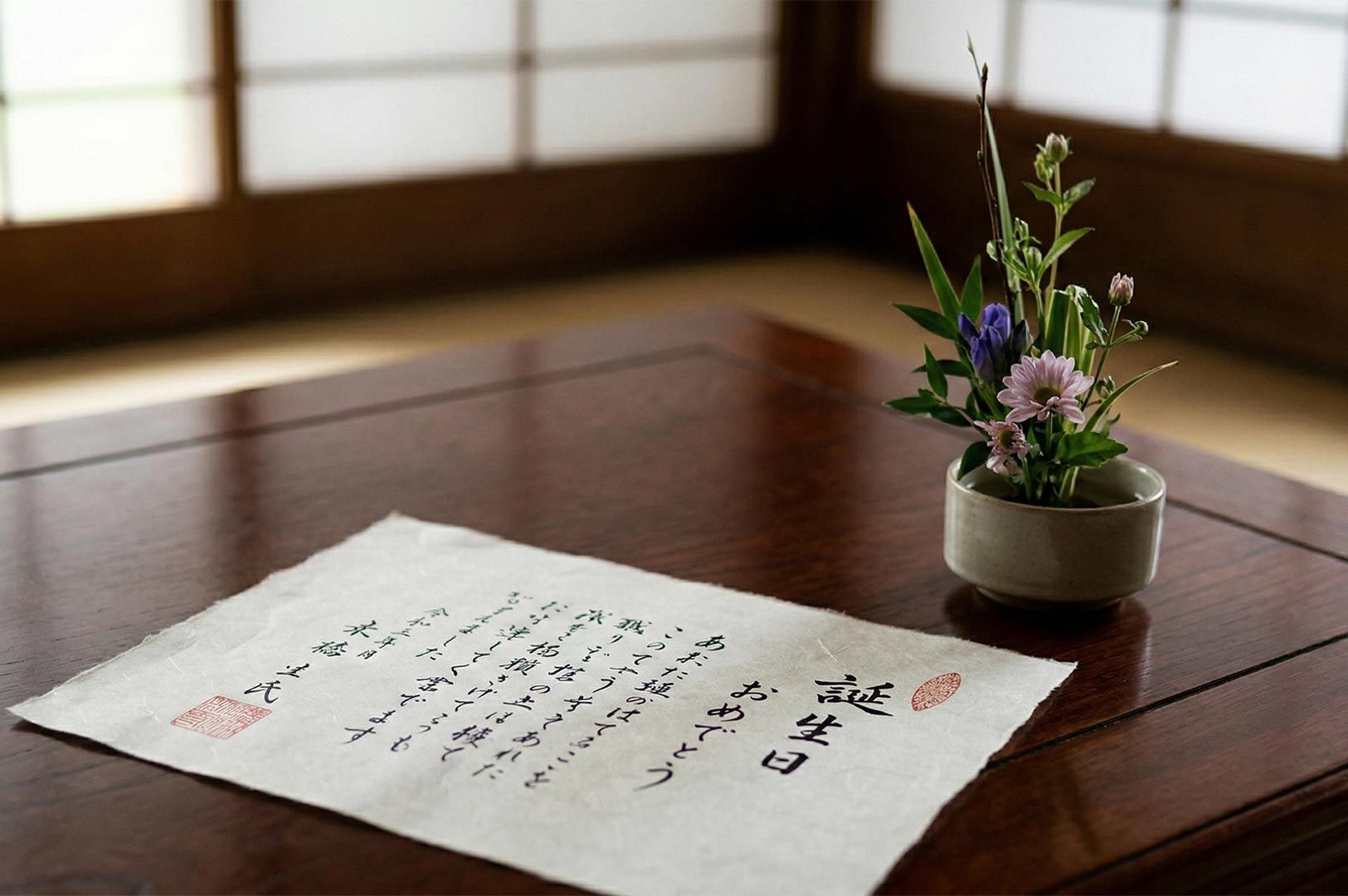
Through the concierge, I had a formal letter of request written in exquisite Japanese calligraphy, explaining my boss’s profound respect for the chef’s philosophy. We sent this letter along with a small, perfect floral arrangement from the chef’s preferred artist. A week later, the concierge received a call. The chef had been impressed by the gesture, which showed a deep understanding of Japanese customs. He granted us a reservation, but with a condition: the original introducer (the concierge) had to accompany us for the first part of the meal to make the formal introduction. It was a powerful lesson in the importance of cultural respect and protocol.
Dining Etiquette: The Responsibilities of the Invited

Securing the reservation is only half the battle. As an invited guest, your behavior reflects directly on your introducer. A misstep could mean that person is never welcome again.
- Punctuality is Paramount: Arrive exactly on time, not early and certainly not late.
- Dress Code: While not always black-tie, dress is conservative and respectful.
- No Perfume: Strong scents interfere with the delicate aromas of the food and are considered extremely rude.
- Photography: Never take photos without explicitly asking the chef’s permission. Often, the answer is no.
- Trust the Chef: These meals are almost always omakase ("I leave it up to you"). Do not make special requests unless you have communicated severe allergies well in advance.
Is It Worth It? The Experience Behind the Noren

After all the effort, what is the experience actually like? It is, in a word, sublime.
You are not a customer; you are a guest. The chef is cooking for you. They will watch your reactions, subtly adjusting the seasoning or the portion size of the next course based on your response. The meal is a silent dialogue between you and the master.
The food itself is often deceptively simple, a testament to the idea that true luxury is about perfect ingredients, not complicated preparations. A single piece of otoro (fatty tuna) might be the result of a decades-long relationship between the chef and a specific tuna bidder at the Toyosu Fish Market. You can taste that history and dedication in a single bite.
The Pursuit of Purity
Tokyo’s invitation-only restaurants represent the zenith of dining as an art form. They are a defiant stand against the commercialization of food, a testament to the power of personal relationships, and a sanctuary for culinary purity.
For the luxury traveler, gaining access to this world is about much more than just eating a great meal. It is a deep dive into the heart of Japanese culture. It is a lesson in patience, respect, and the subtle art of human connection. The journey to the table is as meaningful as the meal itself. It requires you to engage with the city not as a consumer, but as a respectful guest, willing to learn and adapt to its most sacred customs.
And when you are finally sitting at that counter, watching a master at work, you realize that the secrecy and exclusivity are not designed to keep people out. They are designed to preserve something truly precious within. You are not just a diner; you are a temporary guardian of a tradition, privileged to be a part of its ongoing story.