The Arrival Scent: How Luxury Hotels Use Atmosphere Before Service Begins
July 28, 2026 |J.C. Yue
The doors part before I reach them. And before anyone says a word, the air tells me where I am.
It happened in Bangkok, on a night thick with heat and exhaust. I stepped from the car into a lobby, and something shifted. Lemongrass. Faint teakwood. A coolness that had nothing to do with the air conditioning. My shoulders dropped an inch before I'd even registered why.
I've walked into more hotels than I can count over the past decade — arriving ahead of my employer, checking rooms, confirming details most guests never think about. And somewhere along the way, I stopped noticing the marble and the flowers first.
I started noticing the smell.
The First Breath Is a Decision

We assume we judge a place with our eyes. We don't. Not first.
Scent is the only sense wired directly to the emotional memory centers of the brain — no filter, no delay. It bypasses the rational mind entirely. A lobby can be dim, modest, even dated — and still arrest you in your tracks. Or it can be spectacular on every visible surface and feel, inexplicably, like nothing at all.
The best hotels understand this. They don't leave the first breath to chance.
A hotel signature scent is now as deliberate as the logo on the key card — commissioned by perfumers the same way some brands commission architects. Some fragrance houses work directly with hospitality groups for years, developing a single base note that will live in lobbies across six continents. The point is not novelty. The point is recognition. The point is that one breath, in the right city, should feel like coming home.
I once caught a whiff of white tea and fig in a department store and my whole body thought: hotel. Not a specific hotel. The feeling of one. That is the trick — and it takes extraordinary precision to pull it off.
What the Lobby Is Actually Doing

There's a concept I've come to think of as the threshold effect.
A great lobby is an engineered transition. The moment you cross into it, something is supposed to change — in the light, in the sound, in the temperature, in the air itself. The outside world is meant to end exactly at that threshold. The chaos of the street, the weight of the journey, the noise of wherever you've been — all of it is meant to stop.
This is not accidental design. It is coordinated with extraordinary care, and most guests absorb it entirely without realizing it.
The sound is managed before the scent is. Footsteps softened by specific flooring. Conversation absorbed by fabric and stone. In the finest lobbies, there is sometimes music playing at a frequency so low and so precisely calibrated that you would swear, if asked, that the room was completely silent.
That managed silence is a design decision, not an absence. Silence, in these buildings, is expensive. It is manufactured.
Light follows. Harsh overhead illumination is never welcoming. The finest lobbies glow rather than shine — lamps where you'd expect overheads, warm pools of light in place of a flood. It flatters the room and the people inside it. But more than that, it slows you down. Good light, like good scent, tells you there is no rush here.
And then there is temperature. Cool air in Bangkok. Warmth in a Kyoto winter. The body registers the change before the mind names it, and the message is always the same: you are somewhere cared for now. The weather has been negotiated on your behalf.
By the time a staff member greets you, the building has already been speaking for twenty seconds. You have already been welcomed, or you haven't. The words are almost secondary.
What I See That Guests Don't

Here is what I've learned from arriving early, clipboard in hand: none of this runs itself.
The scent diffusion system is not a candle. It is a calibrated mechanical network built into the ventilation, adjusted daily — sometimes twice daily — depending on footfall, humidity, and the number of bodies moving through the space. Too heavy and it reads false, the olfactory equivalent of someone trying too hard. Too faint and it disappears entirely. The right register sits in a narrow band, and maintaining it requires someone who notices.
Someone checks the flowers before the light hits them. Someone resets the fragrance intensity when a large group arrives. Someone dims the entrance lighting as afternoon becomes evening.
I've watched these handoffs happen — the unglamorous, invisible choreography that keeps the whole experience feeling effortless. The concierge notes the atmospheric shift. A quiet instruction passes to the facilities team. Adjustments are made before a single guest is aware anything needed adjusting.
This is the machinery behind the calm. It runs in the same back corridors, on the same parallel floor plan, as the rest of the hotel's hidden operations. The front of house is always a reflection of something very busy happening just out of sight.
And then — every so often — a place still gets past my defenses entirely.
Bangkok did. That lemongrass undid ten years of professional detachment in a single breath. I've clocked diffusers and lighting angles in dozens of cities, and I still couldn't stop my shoulders from dropping. That, to me, is the real mark of mastery. When the engineering disappears and only the feeling remains.
The Cultural Dimension of Scent

The most interesting lobby scents are not the generic ones. They are the ones that belong somewhere specific.
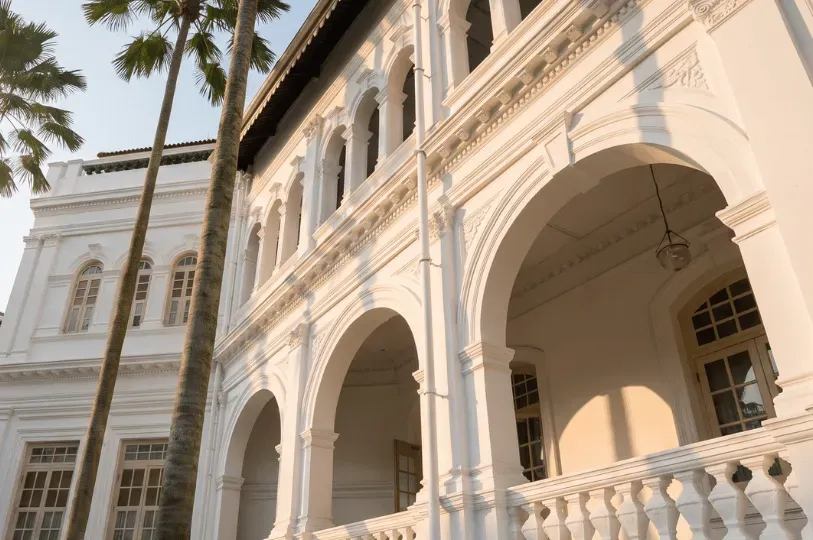
Back home in Singapore, the great hotels lean into something honest — orchid, warm wood, a faint green note that echoes the city's gardens. It doesn't smell like anywhere. It smells like Singapore, turned up slightly. That distinction matters. There is a real difference between a scent that decorates and a scent that belongs.
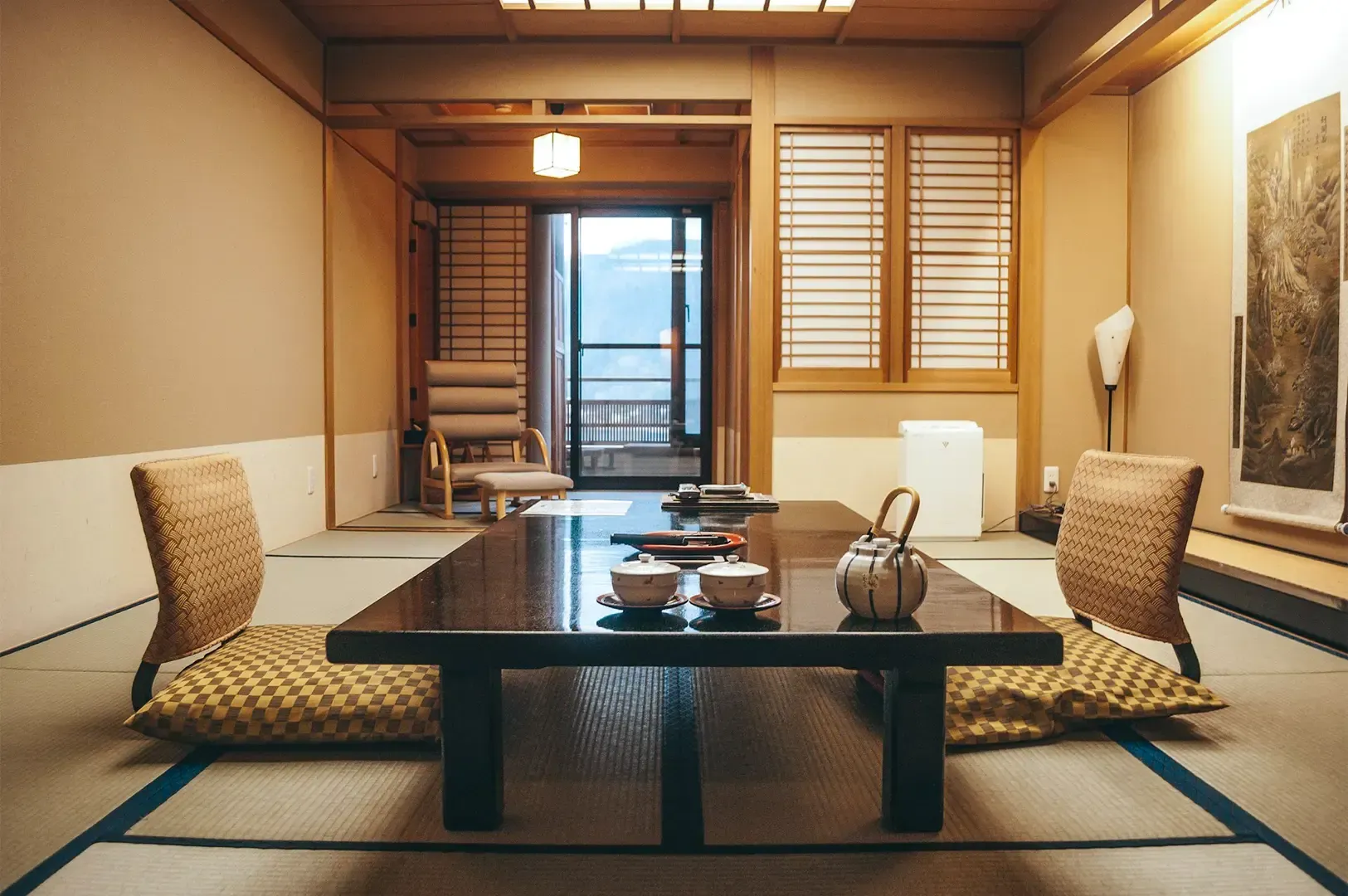
In Japan, the finest ryokan understand that less says more. A whisper of hinoki cypress. The clean ghost of tatami grass. Nothing is announced. Everything is felt. The traditions of Japanese hospitality carry this philosophy into every sensory decision — omotenashi means anticipating the need before it is spoken, and that applies as much to the air as it does to the service.
In the Gulf, arrival often carries oud — dark, resinous, unmistakably of the region. It makes no concessions to foreign noses. It does not soften or translate the culture; it invites you into it. I respect that more than any imported, inoffensive blend. It says: you are here, not everywhere.
London and the great European hotels tend to work in cooler registers — cedar, vetiver, something with weight but restraint. The British instinct for understatement extends, apparently, to the ventilation system.
Every one of these choices is a statement about what the hotel believes it is, and what it believes about the guest who has just arrived. The scent is a cultural signal as much as a commercial one.
The Part Most Travelers Never Use
You don't need forty destinations to pay attention to any of this. You only need to slow down at the threshold.
When you first step into a lobby and something shifts — notice that. Don't walk through it. Stand in it for a moment and let the building say what it's saying. A hotel that has thought carefully about that first breath has usually thought carefully about everything else, too. It is one of the most reliable early signals of what the rest of the stay will feel like.
And if the scent moves you particularly, ask the concierge what it is. Most will tell you without hesitation. Many sell the fragrance at the boutique — a diffuser, a candle, a room spray. I've known people who keep those scents at home and use them on difficult weeks, not for luxury, but for orientation. A single note that drops them back into a calmer version of themselves, in a quieter room, in a different city.
That's not indulgence. That is memory, made portable. The most transportable souvenir there is.
Beyond the scent, learn to read the whole room on arrival — the sound level, the quality of the light, the temperature at the threshold. Once you understand how a luxury hotel atmosphere is built, you can tell within the first minute whether a place truly cares, or is simply expensive.
Those are not the same thing. They have never been the same thing.
What the First Minute Actually Tells You

An arrival lasts less than a minute. And yet it establishes everything that follows.
I've stood in gleaming lobbies — marble, orchids, the correct number of staff positioned at the correct distance — that felt completely empty. Beautiful, hollow, forgettable by morning. And I've stepped into quieter, humbler spaces where the air alone made me exhale.
The luxury hotel sensory experience was never really about the stars. It was about whether someone, somewhere, thought carefully about how you would feel the moment you walked through the door. Whether the building was built to welcome you — or simply to impress you.
The doors part. The air greets you.
And before a single word is spoken, you already know whether you've been expected — or merely accommodated.
Curious how the rest of that first minute unfolds? Step further behind the curtain in our look at
the check-in experience at 5 ultra-luxury hotels, where the welcome you feel meets the work you never see.