The City Between Appointments: Reading London Through Its Quiet Waiting Rooms
July 21, 2026 |J.C. Yue
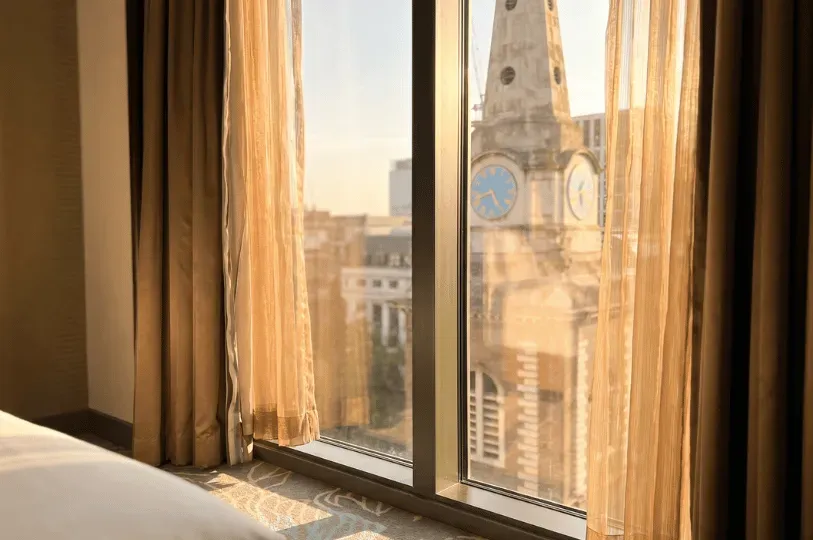
There is a particular hour in London when nothing is happening yet.
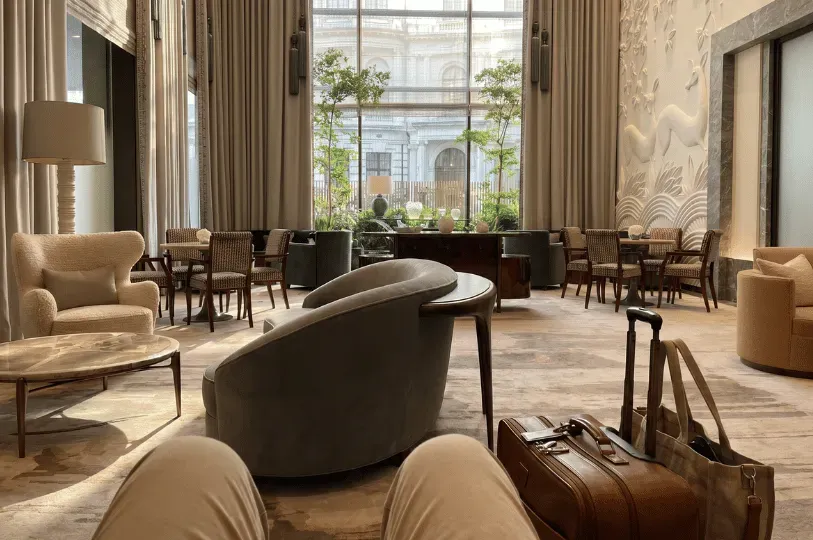
The car has dropped him at the entrance. The meeting is not for forty minutes. And I am left, as I so often am, holding a folder, a phone on silent, and a strange kind of stillness that the city seems to hand you without asking.
I have learned to read cities through these pauses. Not the landmarks. Not the reservations. The waiting.
After more than a decade of accompanying my employer across
40-plus destinations, I've come to believe that
London luxury travel is best understood not in its grand gestures, but in its in-between spaces — the anterooms, lobbies, and station benches where the city quietly reveals itself.
What the Waiting Rooms Teach You

Most travelers move through London on a timetable of arrivals. I spend my days in the gaps between them.
A luxury travel insider rarely talks about these gaps, because they aren't glamorous. There's no plating to photograph, no view to caption. But the truth of a place often lives in its dead time — the minutes when no one is performing.
London, more than most cities, has made an art of the pause.
The Lobby as a Room That Watches Back
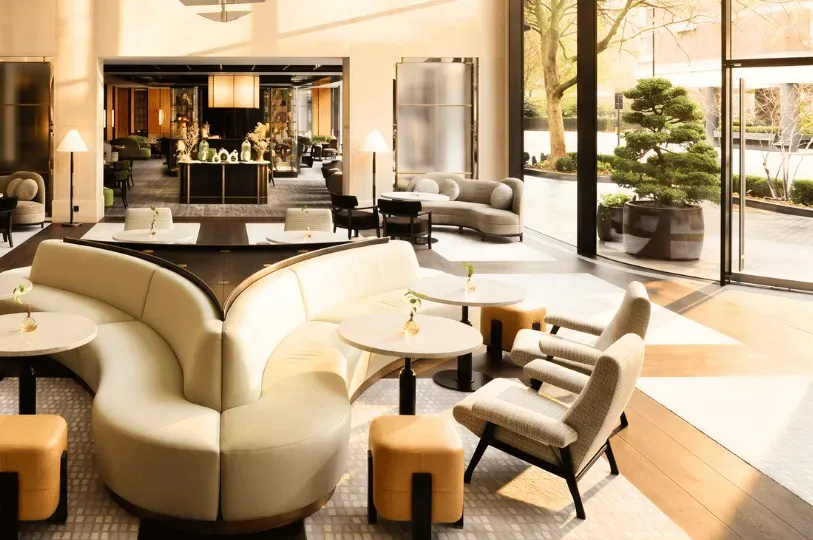
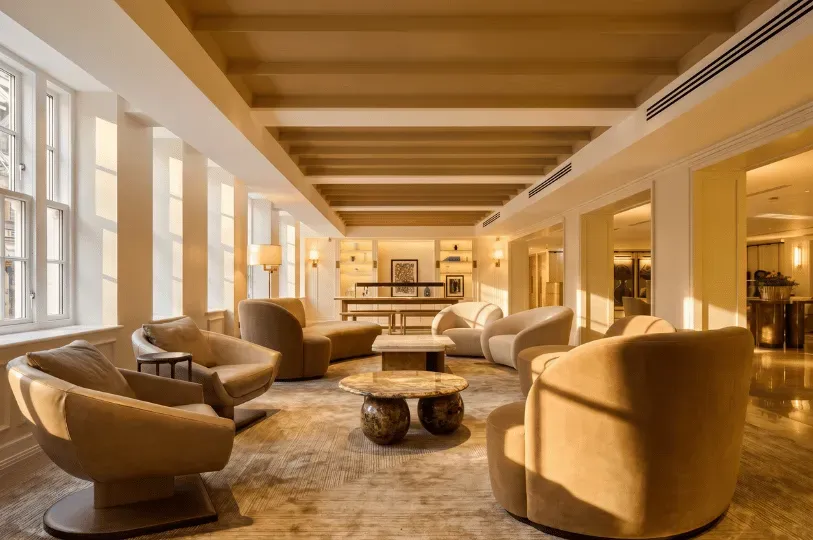
Hotel lobbies here are not thoroughfares. They are stages that pretend not to be.
I've sat in enough of them to know the difference between a lobby designed to impress and one designed to hold you. Places like Claridge's and its Mayfair neighbours understand that quiet luxury London is not about volume. It is about the confidence to say very little.
The staff move without announcing themselves. The lighting forgives everyone. And a good concierge, I've noticed, watches the room the way I do — clocking who is waiting, who is anxious, who has simply come in to sit.
The Vocabulary of Silence
There's a language to these spaces, and it's spoken in restraint.
A well-run lobby doesn't rush you. It lets the silence do the work. This is the heart of what industry people now call quiet luxury in travel — a shift away from spectacle toward something calmer and more sincere.
I've watched my employer relax the moment we enter the right room. Not because of the marble. Because of the
absence of noise.
Private Club Anterooms and the Art of Not Being Seen

Then there are the clubs.
I'm rarely inside the main rooms — that's not my place, and I've never minded. My territory is the anteroom, the threshold, the small chair near the porter's desk.
Where Members Disappear and Assistants Wait
The private members' clubs of St James's and Mayfair run on unspoken rules. As anyone who has moved through them will tell you, the etiquette of private clubs is a quiet test — and cultural difference makes it sharper still.
Coming from Singapore, I read these rooms differently. What the British call discretion, I recognize as a kind of respect I was raised with. You lower your voice. You don't fill every silence. You let people keep their privacy.
A Note on Belonging
I don't belong to these clubs. I never will.
But waiting in their
hushed thresholds has taught me something about
London hidden spaces — that access and belonging are not the same thing. You can pass through a room your whole working life and remain, gently, outside it. There's no bitterness in this. Only observation.
Stations, and the Grand Rooms Built for Waiting

For all the polish of Mayfair, my favourite waiting rooms in London are older, plainer, and public.
The railway stations.
The Royal Waiting Room and Its Ghosts
Before the war, the royal family had their own waiting room at Paddington, a space so considered it now feels like a relic from a slower age. The London Transport Museum keeps this history alive, documenting how the city once treated waiting as something worth designing beautifully.
I think about that often. We've forgotten that waiting was once dignified — given ceiling height, ironwork, light.
Why Architects Take Waiting Seriously
There's a reason for this. As one essay in The Architectural Review puts it, the waiting room is a powerful device — a space that quietly commands you to pause.
That sentence has stayed with me. So much of my work is imposed stillness. The station taught me to stop resenting it.
Mayfair Between Meetings
The Mayfair pause deserves its own mention.
Here, between one appointment and the next, the neighbourhood offers a peculiar kind of shelter. A gallery you slip into for warmth. A bookshop that asks nothing of you. A café where a single cup buys you an hour.
The Geography of Killing Time
I've mapped this city not by its sights but by its soft landings — the places that let you exist without spending or explaining.
If you want to understand London between appointments, forget the itineraries in the glossy guides. Even a considered list like Condé Nast Traveler's London hotels tells you where to sleep, not where to wait. The waiting is where the real city lives.
A Small Practical Truth
If you're travelling here at this level, learn to love the gaps.
Build
breathing room into your days. The best moments I've witnessed on the job were never scheduled — they happened in the twenty minutes nobody planned for.
What Constant Travel Does to Stillness

I'll be honest, in the way this work rarely allows me to be aloud.
Living between cities does something to your relationship with rest. You learn to sit very still on the outside while everything inside keeps moving to the next timezone, the next reservation, the next quiet exit.
The Loneliness Nobody Sells
There's a version of luxury travel sold in magazines, and there's the version I know — closer to the ground, and quieter about its costs.
The penthouse dinners at midnight. The empty lobby at 6am. The waiting room where you're the only one not going anywhere in particular. These are the parts no one photographs, and they are, to me, the most honest parts of the whole endeavour.
Belgravia, and the Cities That Keep Their Secrets
Some neighbourhoods wear this stillness well. The embassy calm of Belgravia, documented in countless walking histories of the district, is a study in how a place can be beautiful and completely closed at once.
I've waited on those white stucco streets more times than I can count. They never once told me anything they didn't want to.
Reading a City Through Its Pauses
So this is how I've come to understand London.
Not through its
famous rooms, but through the ones built for waiting. The lobby that holds you. The anteroom that keeps you at its edge. The station that once thought a pause deserved a beautiful ceiling.
The Insider Perspective, Honestly Held

To be a luxury travel insider is not, in the end, to be inside everything. It is to notice more than most people have time to.
I've had the privilege — and it is one — of standing in the quiet corners of extraordinary places, watching the city breathe between its appointments. The quiet luxury London offers isn't sold at any front desk. It's found in the pause, if you're the sort of person who stays still long enough to feel it.
I don't have a grand conclusion. Only this:
The next time London hands you an unplanned twenty minutes, don't reach for your phone. Sit. Watch the room. Let the waiting do its quiet work.
You may find, as I have, that the city between appointments is the truest one there is.
Planning another polished city escape? Read our companion guide to
Dubai luxury beyond the Burj for a quieter look at private service, refined stays, and the spaces between the spectacle.