The Art of the Chef's Table: Intimate Dining at the Heart of Culinary Creation

July 14, 2026 |J.C. Yue

The first time I sat at a chef's table, I forgot to eat.

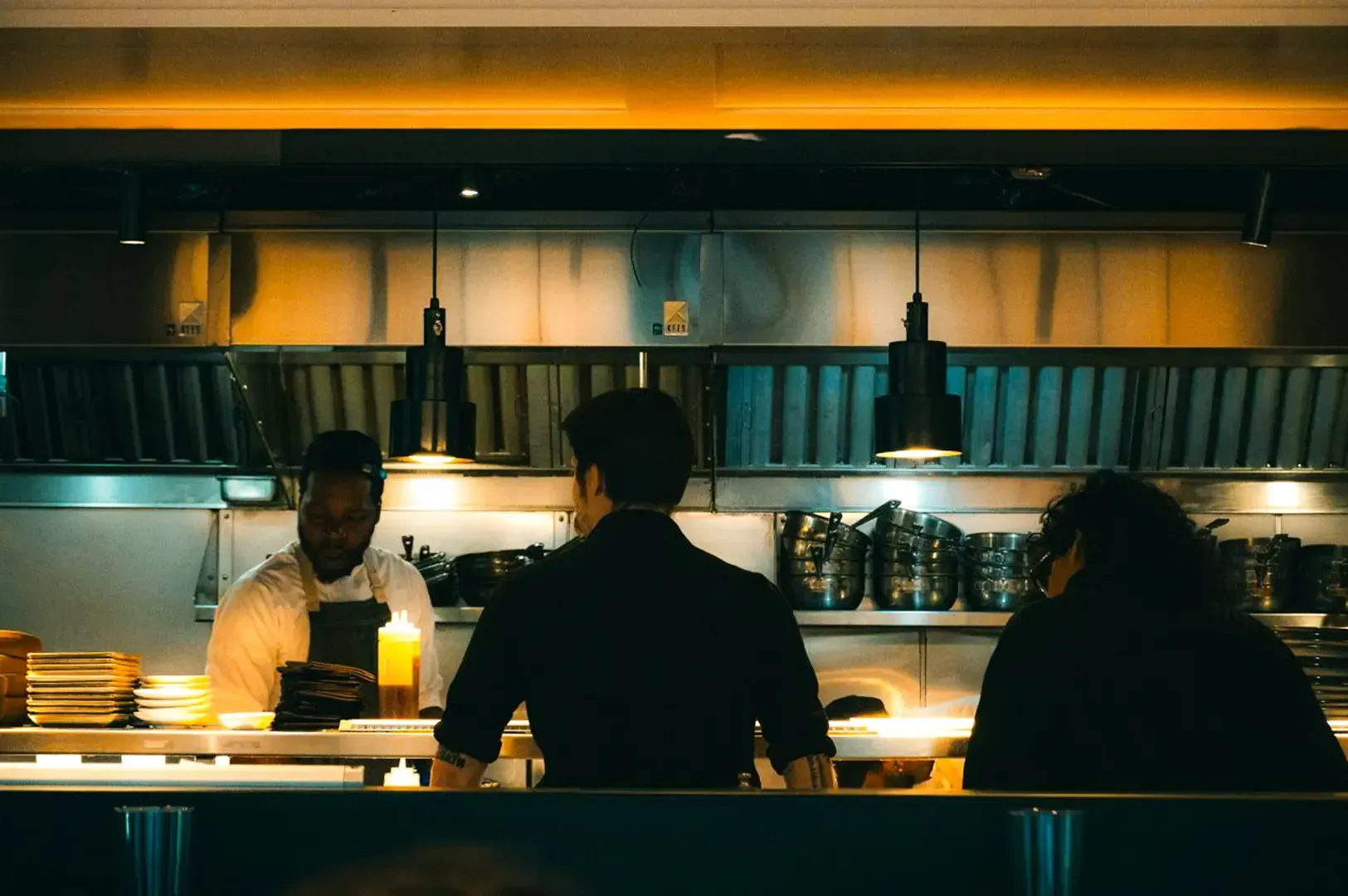
I was too busy watching. A young cook plating dessert with tweezers, his tongue between his teeth. The head chef calling out a table number without looking up. The heat coming off the pass in waves. My employer was somewhere to my left, quietly delighted. I just sat there, letting the kitchen happen around me.

I have spent a decade arranging meals across more than forty places, and I have booked a great many of these seats. But that first one taught me something the brochures never mention. A chef's table is not really about the food. It is about being let into the room where the food is made.

This is what those tables are actually like, from the person who books them, waits nearby, and watches the whole thing unfold from the edge.

What a Chef's Table Really Is

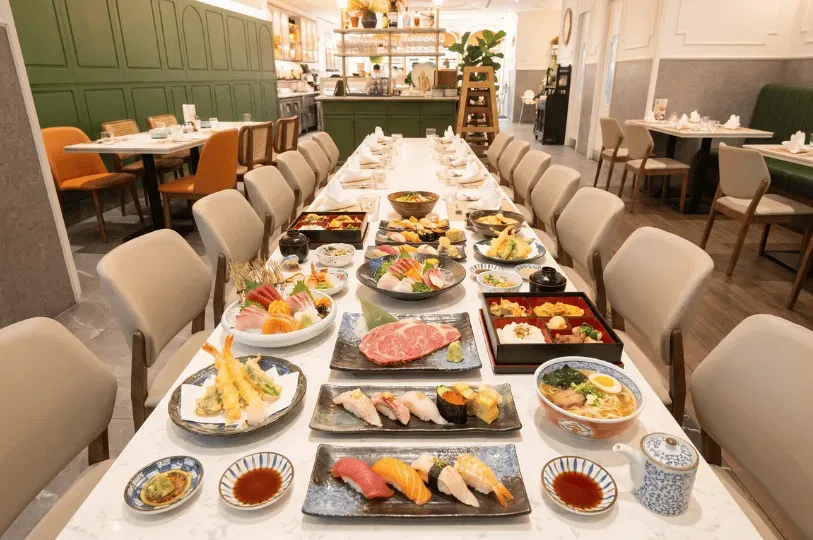
A lavish Japanese feast spread across a long dining table, featuring an abundant array of sushi, sashimi, tempura, wagyu beef, and ramen in a bright, modern restaurant.

People imagine a chef's table as a fancy add-on. A better view. A higher bill.

It is more than that. Intimate dining at the heart of a working kitchen is a different kind of meal entirely. You are not served at the restaurant. You are seated inside its engine.


More than a good seat

The concept, traced in this overview of the chef's table, began as a quiet courtesy. A table tucked into the kitchen for regulars, friends, and the occasional guest the chef wanted to impress up close.

It grew into something the whole world of fine dining now chases. But the best versions still carry that original warmth. You are a guest in someone's workplace, not a customer at a counter.

The difference: a normal table hides the work. A chef's table hands it to you.

Why the View Changes the Meal

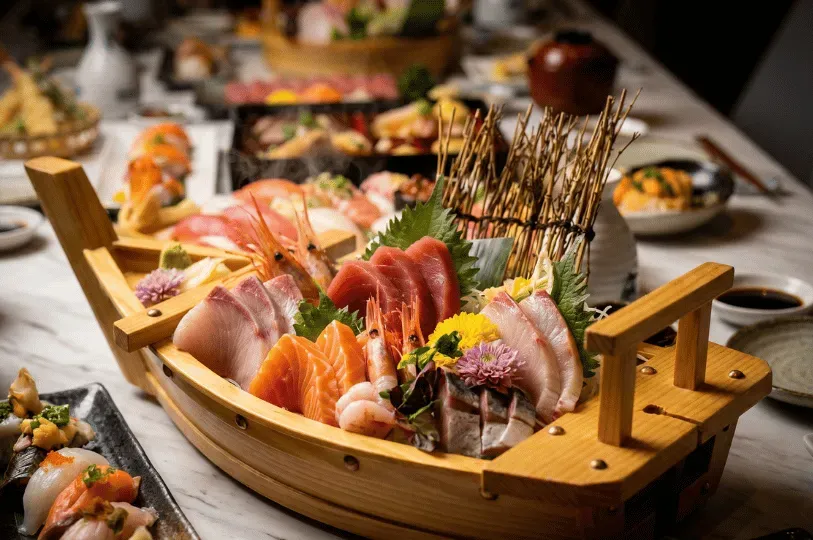
A close-up of a large, decorative wooden boat overflowing with intricately arranged, thick-cut sashimi, including salmon, tuna, and sweet shrimp, acting as the centerpiece of a culinary spread.

When you can see the cooking, you taste differently.

I have watched it happen to my employer more than once. A dish arrives, and instead of simply eating, they ask about it. The chef answers. Suddenly the meal is a conversation, not a transaction.


Watching turns eating into understanding

There is something honest about a kitchen table dining experience. Nothing is hidden. You see the burnt attempt scraped away. You see the calm hands and the tired ones.

That transparency is rare in luxury dining, where so much effort goes into making everything look effortless. Here, the effort is the show.


The pace you cannot rush

At a chef's table, the kitchen sets the tempo, not you. Courses arrive when they are ready, and there is a quiet grace in surrendering to that. You eat on the food's terms.


The People Behind the Pass

Here is the part most guests never quite see, even from the best seat in the house.

A kitchen is a small, tense community. For every plate that reaches you, there are hands you will never shake, working out of your sightline to keep the whole thing moving.


The brigade you glimpse but rarely meet

Most professional kitchens still run on a version of the brigade system, the structured hierarchy explained in this piece on the kitchen brigade. Each station has its keeper. Each keeper has a rhythm.

From the chef's table, you catch fragments of it. A nod between two cooks. A plate passed without a word. It is a language built over long, hard shifts.


The cost of the calm

The stillness you feel at the table is expensive to produce. I have stood near enough kitchens to know the pressure behind the poise.

I once watched a Michelin-starred chef finish a flawless tasting menu for us, then step into the alley for two minutes of silence with his eyes closed. The guests saw serenity. I saw what it took.

The ease of a great meal is built on people holding tension so you never feel it. Worth remembering when the next course lands without your asking.

Where the Chef's Table Shines Brightest

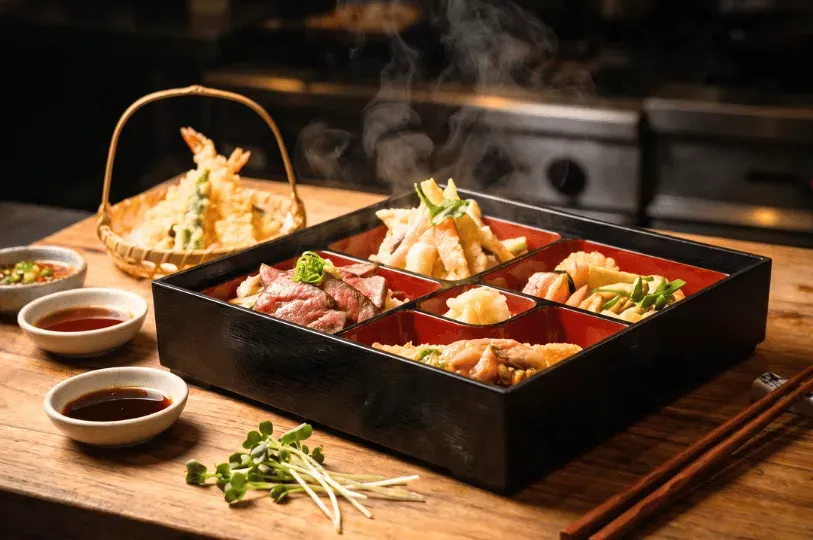
Steaming hot, premium Japanese delicacies elegantly presented in a multi-compartment lacquer bento box alongside dipping sauces and tempura on a wooden chef's counter.

Not every chef's table is equal. The seat means nothing if the kitchen behind it is cold.

The best ones share a certain quality. The chef wants you there.


When the chef talks to you

The finest tasting menu experiences I have arranged were the ones where the chef broke from the pass to explain a dish in person. A story about a grandmother's recipe. A vegetable from a farm they visit each week.

Guides like the Michelin Guide and the Forbes Travel Guide can point you toward technical excellence. But they cannot measure whether a chef will actually look up and speak to you. That warmth is its own rating.


The cities that do it well

I have found remarkable chef's tables in unexpected places. A tiny room in Tokyo, a country described richly by the Japan National Tourism Organization, where the counter was the restaurant and the chef was the menu.

Singapore does this beautifully too. The dining culture documented by the Singapore tourism board holds counter seats where hawker heritage and refined technique sit side by side, sometimes in the same meal.


The Quiet Rituals of the Table

A chef's table has its own etiquette. Getting the seat is half of it. Knowing how to be in it is the other half.

These are small rooms with long memories. How you behave stays with the people who fed you.


Read the kitchen before you speak

There are moments a chef can chat and moments they absolutely cannot. Learn to read the difference. When the pass goes quiet and fast, hold your questions. When it eases, ask away.

I have watched a warm evening cool because a guest kept talking through the busiest stretch of service. Timing is a kindness here.


Trust what arrives

The whole point of an omakase style meal, that beautiful act of leaving yourself in the chef's hands, is trust. Do not rewrite the menu. Do not ask for changes you do not truly need.

Tell them of a real allergy, of course. Then let go. The best drink, the best course, is almost always the one they chose to be proud of tonight.


Notice the whole room

Say thank you to the cook who plated your dish, not only the chef whose name is on the door. A small acknowledgement travels far in a kitchen. I always make a point of it.


Practical Notes for Your First Chef's Table

A few things I sort before every booking.

  • Book far ahead. These seats are few, and they go first. Some open bookings months out.
  • Flag dietary needs early. A chef can build around an allergy with notice. Sprung on the night, it disrupts the whole flow.
  • Arrive on time, exactly. The kitchen's timing is tight. A late guest at the pass throws off real work.
  • Dress for heat. Kitchens are warm. Skip the heavy layers.
  • Bring curiosity, not a checklist. The guests who enjoy it most are the ones who came to learn.


The thing I always do

Before any chef's table, I learn one detail about the chef. A dish they are known for. A place they trained. It turns the first exchange from small talk into something real, and chefs notice when a guest actually cares.

What These Tables Get Wrong

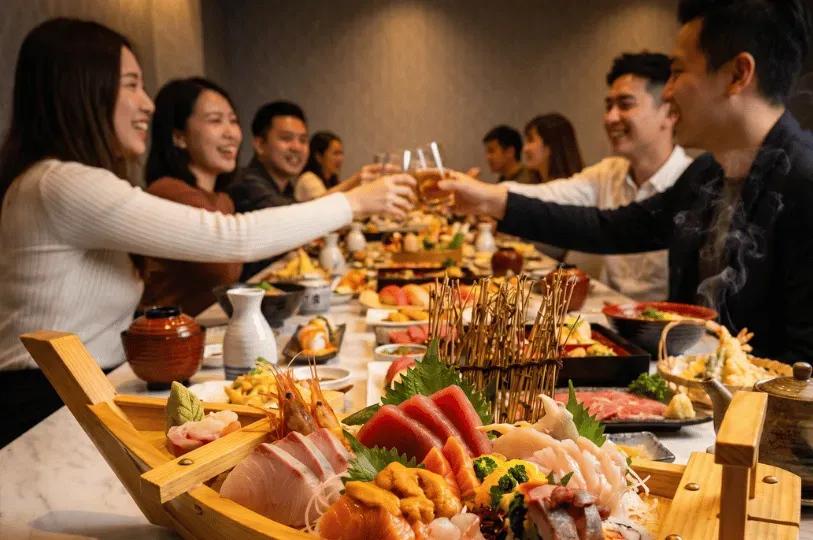
A group of smiling friends raising their glasses for a celebratory toast at a long dining table laden with a spectacular Japanese feast, with a large sashimi boat prominently in the foreground.

Not every chef's table earns its promise.

I have sat at a few that sold the seat and forgot the point. The chef never looked up. The kitchen felt more like a set than a workplace. You were watching a performance, not being welcomed into a craft.


When it becomes theatre

The worst versions treat the guest as an audience rather than a visitor. Everything is staged for the seat. Nothing is real.

You can feel the difference within minutes. A genuine kitchen has friction, small mistakes, human moments. A performed one is too smooth to be true, and somehow the food tastes of that distance.

What the Chef's Table Taught Me About Food

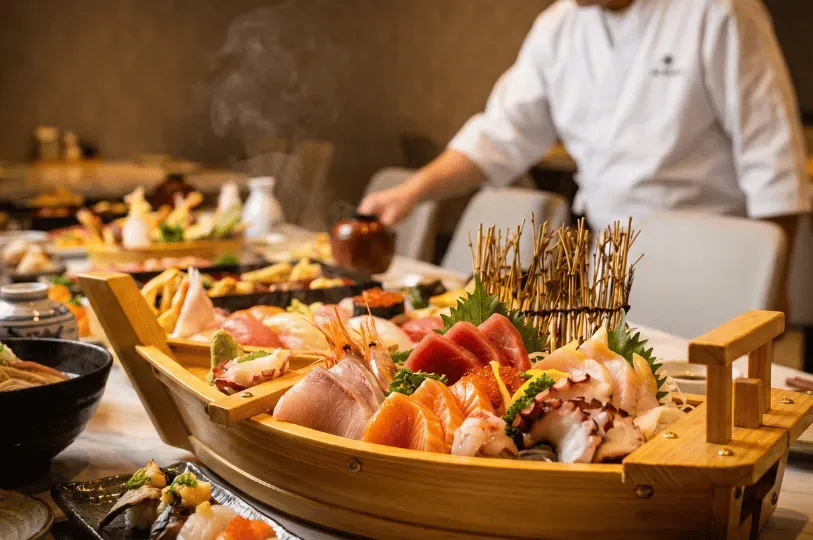
A magnificent wooden boat filled with fresh sashimi in sharp focus in the foreground, while a chef in a white uniform tends to the elaborate Chef's Table spread in the background.

So what is actually behind the doors of a great hotel?


Not secrecy for its own sake. Effort. Care. A small army of people choosing, shift after shift, to make a stranger feel at home. The luxury hotel behind the scenes is not a trick. It is a discipline, practiced quietly by people who will never appear in the photographs.


The next time a hotel feels effortless, pause for a second. Somewhere behind the wallpaper, someone made that effortlessness for you.


That awareness is the most valuable souvenir I have brought home from forty destinations. Look a little closer at the calm. Thank the people holding it together. And travel, always, with your eyes slightly more open than before.

Share this article

Recent Posts

A modern, warm-toned London indoor workspace and waiting area with a long wooden desk where people a
By J.C. Yue July 21, 2026
A luxury travel insider reads quiet luxury London through its hidden spaces — the lobbies, clubs, and station rooms found between appointments.
A marble cafe table featuring a traditional Southeast Asian breakfast spread, including toasted brea
By J.C. Yue July 20, 2026
A global personal assistant on local breakfast culture, morning food rituals, and the humble eateries that reveal a place before its work begins.
An everyday scene in a traditional Singaporean open-air hawker center or kopitiam. The foreground fe
By J.C. Yue July 16, 2026
A global personal assistant reflects on how revisiting places, familiar smells, and small sensory moments on the road reconnect us to earlier versions of ourselves.
A sprawling, illuminated Tokyo cityscape at dawn with the brightly lit orange Tokyo Tower in the cen
By J.C. Yue July 15, 2026
A global personal assistant shares the simple morning rituals that survive hotel rooms, jet lag, and constant travel — and how the right room quietly helps.
Aerial view of an exclusive private island resort at sunset, featuring large Thai-style luxury villa
By J.C. Yue July 13, 2026
A global personal assistant reveals the truth behind exclusive private islands, luxury private island stays, and the hidden service that makes them effortless.
A grand, warmly lit hotel lobby featuring a stunning central centerpiece of white blossoming branche
By J.C. Yue July 9, 2026
A global personal assistant reflects on hotel loyalty as a quiet source of continuity and recognition amid the constant movement of life on the road.
A modern, high-rise boardroom featuring a long conference table lined with black leather chairs and
By J.C. Yue July 8, 2026
A global personal assistant reflects on the quiet truth that stunning locations and business hotels never change the real weight of working while traveling.
The geometric, shattered-glass style architecture of Federation Square in Melbourne glowing during g
By J.C. Yue July 7, 2026
A global personal assistant reveals Melbourne's hidden bars, speakeasy entry rituals, and laneway bar culture, with honest insider tips for your night out.
A luxurious, expansive private balcony on a high-rise building with modern lounge furniture, overloo
By J.C. Yue July 6, 2026
A global personal assistant reveals the hidden trade behind luxury New York living, convenience culture, and the price of truly effortless travel.
A luxurious modern villa featuring large glass windows, a private infinity pool, and manicured garde
By J.C. Yue July 2, 2026
A global personal assistant reflects on the fine line between chosen privacy and unintended isolation in secluded private villas and luxury accommodations.
Show More