The Art of Tokyo Privacy: Luxury Accommodations That Redefine Discretion

June 9, 2026 |J.C. Yue

Stepping out of Haneda Airport into the immaculate streets of Japan’s capital sets a distinct tone. The city operates with a synchronized hum. Millions of people move through Shibuya and Shinjuku with focused energy, surrounded by flashing neon and towering screens. Yet, as a global personal assistant managing the intense schedule of an ultra-high-net-worth employer, I know this visual chaos is only half the story.


When you strip away the bright lights, you find a culture deeply rooted in silence, respect, and absolute discretion. Nowhere is this more apparent than in Tokyo luxury accommodations. Here, privacy is not just an amenity you purchase; it is an art form woven into the very fabric of high-end hospitality.


This guide pulls back the shoji screens on how elite travelers experience the city. We will explore the logistics of securing perfect isolation within the world’s largest metropolis, offering a candid look at the exclusive Tokyo hotels that master the delicate balance of invisible service and uncompromising luxury.


The Cultural Foundation of Tokyo Privacy

To understand how premium residences operate here, you must first understand the cultural concept that drives them. It completely changes how we manage elite travel to Japan.


Understanding the Concept of Omotenashi

In Western luxury hotels, service is often visible and highly attentive. Staff members anticipate your needs by hovering nearby. In Japan, the approach is entirely different. The concept of omotenashi means anticipating needs without ever intruding on the guest's physical or mental space.


As an assistant, this makes my job fascinating. I do not have to act as a physical barrier between my employer and the hotel staff. The staff naturally maintain a respectful distance, ensuring flawless luxury travel experiences through subtle observation rather than constant interaction.


The Personal Assistant's Role in Vetting Spaces

My work begins months before the jet touches down. When vetting luxury properties in Tokyo, I scrutinize the floor plans.


I look for dead-end corridors, private elevator banks, and soundproofed vestibules. I need to know exactly how many staff members will have access to our floor. In this city, I am often surprised to find that building management has already anticipated my security concerns, offering detailed privacy protocols before I even ask.

Navigating Exclusive Tokyo Hotels

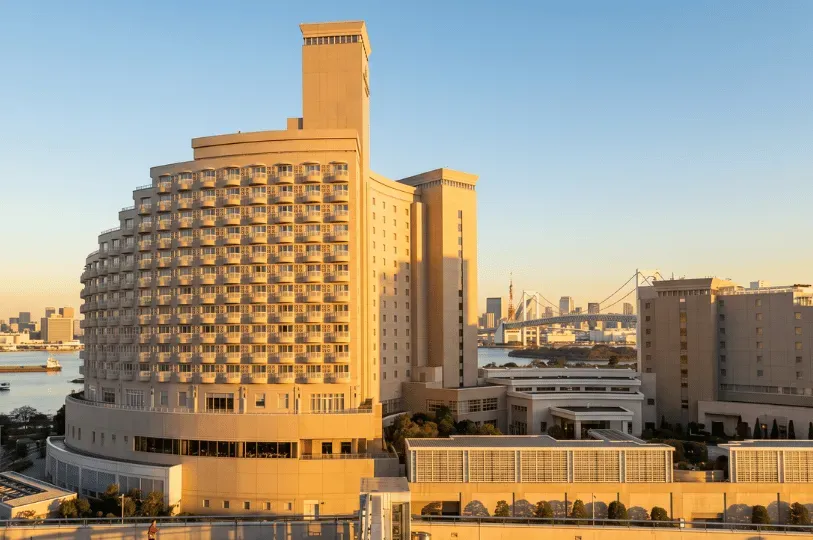
A grand luxury hotel with a curved, multi-story facade overlooking Tokyo Bay at sunset, with the Rainbow Bridge and Tokyo Tower visible in the serene background.

When money is no object, the main currency becomes access and invisibility. The top-tier properties in this city are specifically designed to hide their most valuable guests from the public eye.


The Hidden Entrances of Five-Star Properties

Many of the most famous luxury towers have standard lobbies filled with tourists taking photographs. We never see those lobbies.


When I arrange ground transportation, I coordinate with the hotel’s security director to use subterranean VIP entrances. We pull into a pristine, brightly lit underground loading dock. A dedicated elevator drops straight down to meet us. My employer steps out of the luxury sedan and directly into the lift, bypassing the public entirely. For official guidelines on secure transit in the city, the Tokyo Metropolitan Government outlines the infrastructure that makes this seamless movement possible.


Bypassing the Traditional Check-In

Standing at a reception desk is not an option for high-profile clients.

We conduct all check-in procedures inside the suite. The general manager usually waits at the suite door with the necessary physical keys or encrypted digital access cards. It is a quiet, three-minute interaction. Managing these discreet arrival logistics ensures my employer can transition from a fourteen-hour flight to absolute relaxation without a single public encounter.


The Choreography of Luggage Delivery

Luggage management is an invisible ballet. I travel with multiple heavy trunks containing specialized equipment, corporate documents, and seasonal wardrobes.


By the time my employer sits down with their welcoming cup of matcha tea, the luggage has already been unpacked in the master dressing room. The hotel staff use separate service elevators and specific access doors to move the bags without ever crossing our path. This is a defining characteristic of premium Japanese hospitality.

Traditional Ryokans Within the Metropolis

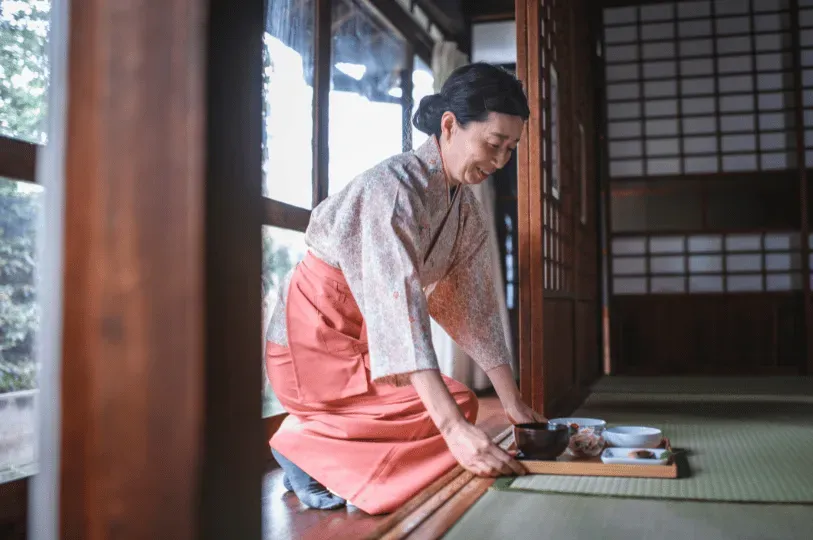
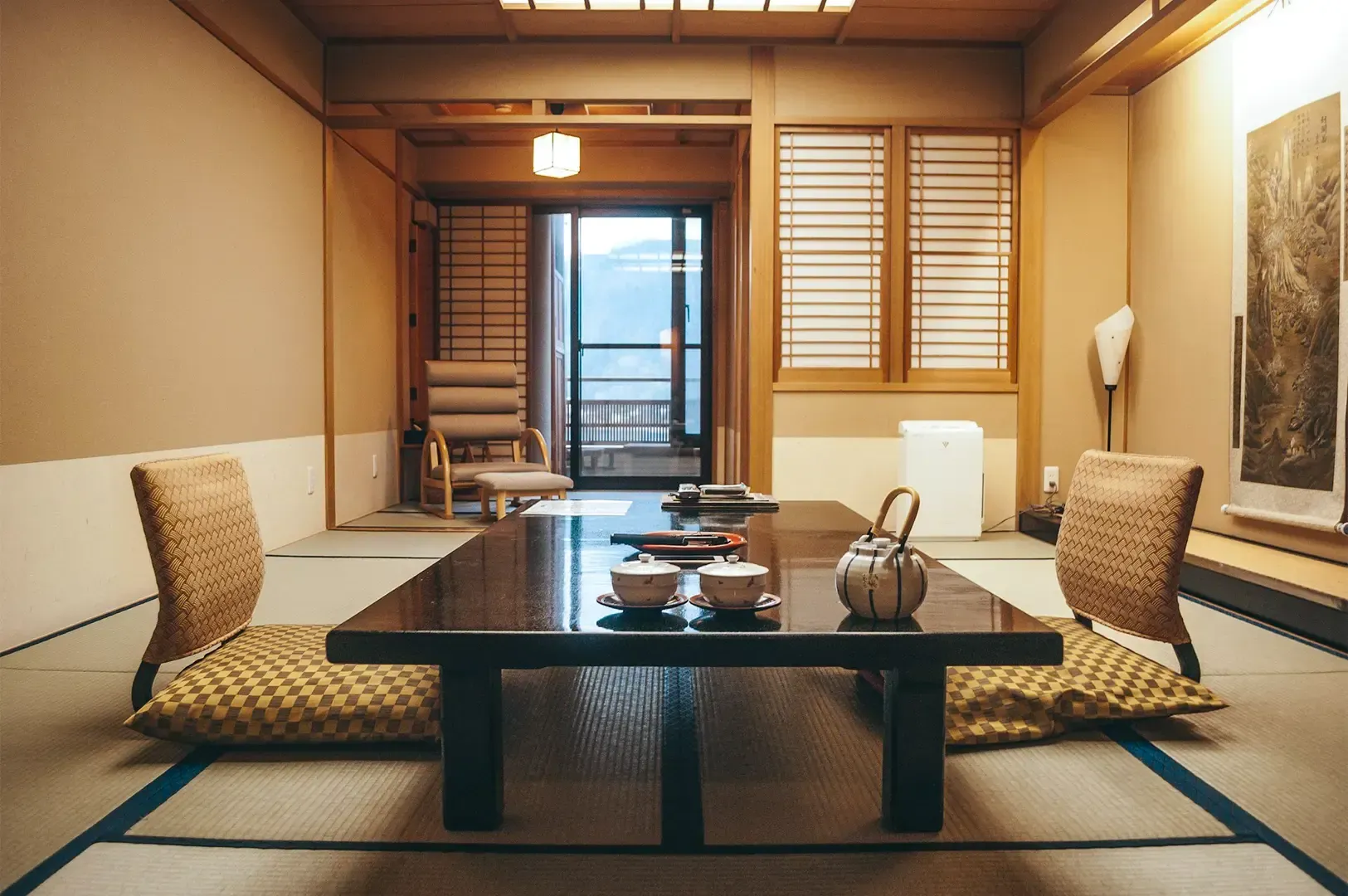
A smiling attendant in traditional Japanese attire kneeling gracefully on a tatami mat to serve a beautifully arranged in-room meal within a private, wood-paneled suite.

While modern glass towers offer incredible amenities, the ultimate status symbol for elite travelers is securing a traditional stay within the city center.


Urban Sanctuaries for UHNW Travelers

Most people associate traditional inns, or ryokans, with rural hot spring towns. However, a few exclusive properties have recreated this experience right in the middle of the financial districts.

These urban sanctuaries offer the highest level of discreet travel Tokyo can provide. Behind high stone walls and bamboo gates lies a completely different world. To understand the architectural heritage preserved in these spaces, Beyond the Golden Pavilion details the strict traditional aesthetics these urban retreats maintain.


The Private Onsen Experience

Public bathing is a beautiful cultural tradition, but it presents obvious privacy issues for recognizable figures.

The suites we book feature massive, private hot spring baths made from aromatic hinoki cypress wood. The water is often piped in directly from volcanic sources outside the city. My employer can experience the restorative benefits of an authentic onsen while looking out over a private zen garden, completely isolated from the surrounding skyscrapers.


Dietary Precision in Kaiseki Dining

Staying at a top-tier ryokan means experiencing kaiseki, the traditional multi-course dinner.

Managing severe dietary restrictions within this rigid culinary format requires extreme diplomacy. I work closely with the okami (the female manager of the ryokan) weeks in advance. We translate allergy cards and negotiate substitutions that respect the chef's vision while keeping my employer safe. The Michelin Guide Tokyo frequently highlights these establishments, noting the incredible precision of their hidden kitchens.

There are also exclusive invitation-only dining experiences that do more than simply accommodate restrictions, but elevate them to fine-tune your meal.


Serving the Midnight Meal

Because my employer often works on European time zones, they might require a full meal at three in the morning.

In these traditional spaces, I coordinate a subtle system. I step out into the hallway and place a small wooden block on a specific shelf. Ten minutes later, a silent attendant delivers a perfectly prepared tray of hot udon noodles to the service door. No words are spoken. It is the pinnacle of high-end travel service.

Architectural Marvels of Luxury Accommodations

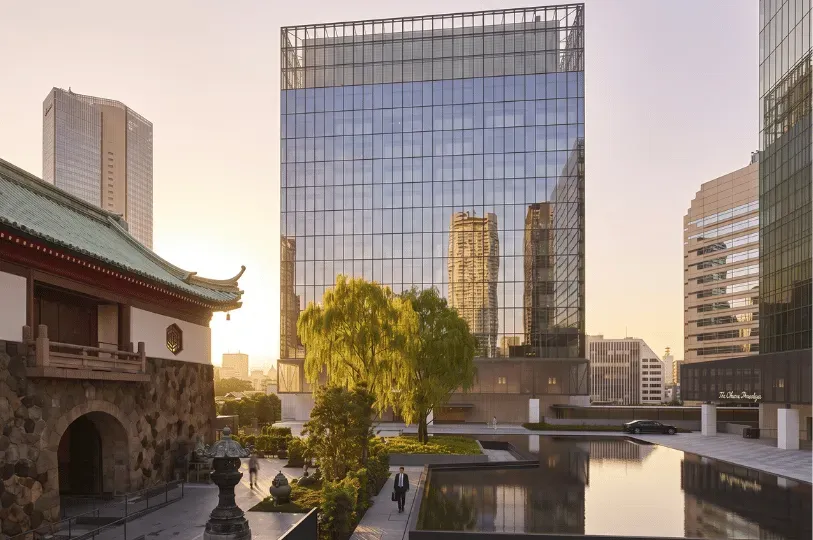
A tranquil courtyard featuring a still reflection pool that bridges a traditional Japanese stone gatehouse on the left with a towering, modern glass luxury hotel on the right.

The physical structures of these buildings are engineered to enforce silence and separation.


Soundproofing Against the Urban Chaos

The noise level on the street can be overwhelming. Yet, when you close the door to a premium suite, the silence is almost heavy.


The engineering required to block out the constant hum of the Yamanote train line is staggering. I specifically check the acoustic ratings of the windows and the thickness of the interior walls. A perfectly quiet room is the foundation of elite sleep optimization during stressful business trips.


Secure Floor Access and Private Corridors

We often book the entire top floor to guarantee a secure perimeter.

I work with local security teams to lock down the elevator access. We reprogram the software so that only specific key cards can even select our floor. Furthermore, the corridors in these high-end Tokyo suites are often designed with strategic angles, preventing anyone from looking down the hallway when a door opens.

The Logistics of Discreet Travel in Tokyo

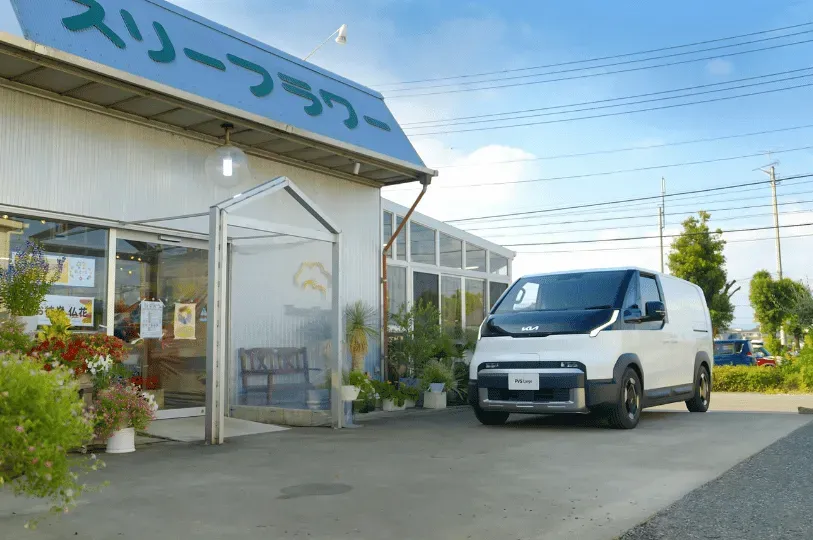
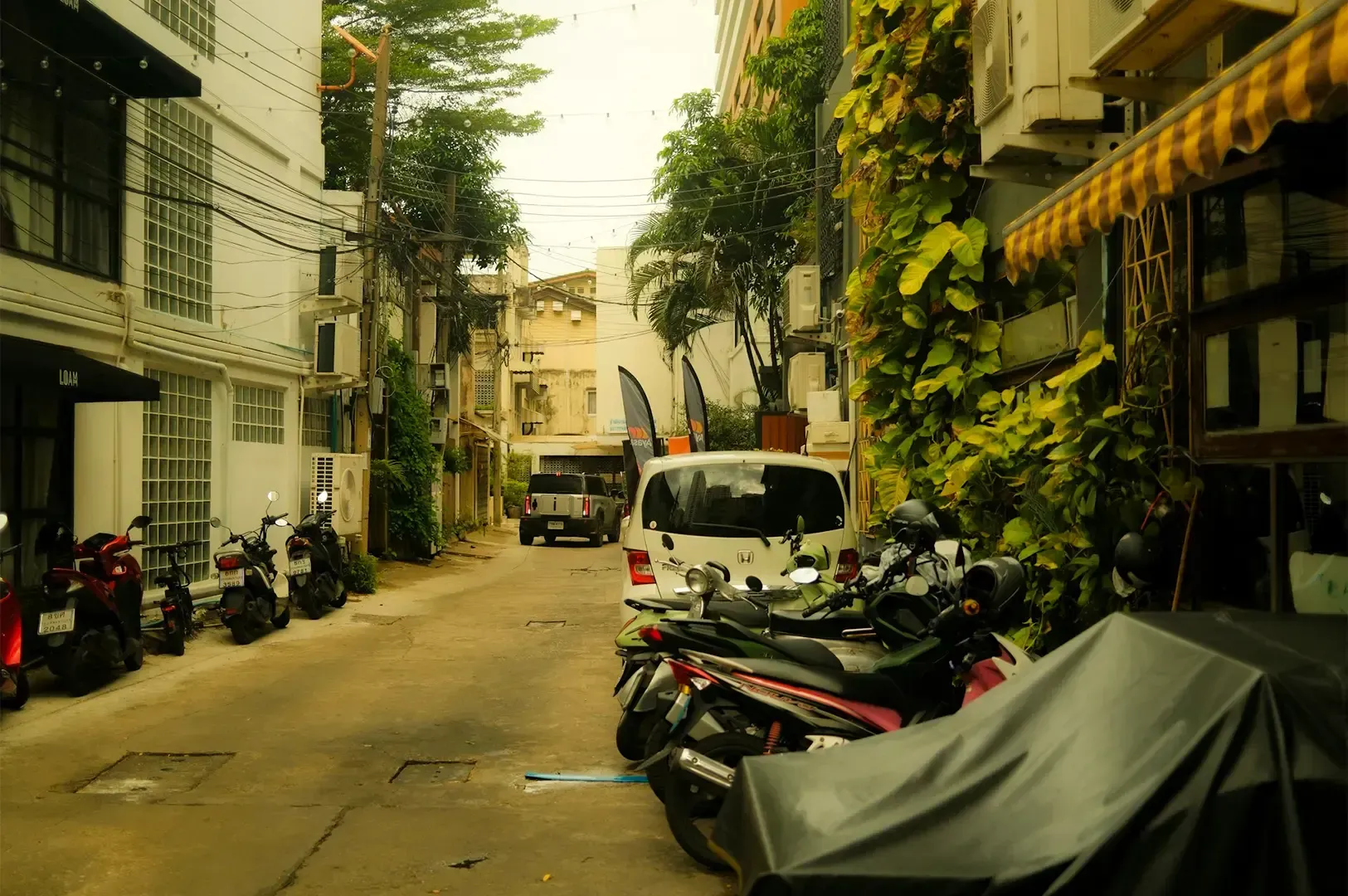
A modern white Kia electric cargo van parked discreetly outside a local Japanese flower shop with a blue awning and potted plants by the entrance.

Moving through the city requires the same level of planning as selecting the hotel.


Elite Ground Transportation

We never use marked taxis for business movements. Instead, I manage a fleet of heavily tinted, luxury domestic vans.

These vehicles are the unsung heroes of corporate travel logistics. They feature plush, reclining seats, privacy partitions, and air purifiers. More importantly, the drivers possess an encyclopedic knowledge of the city's alleyways. They know exactly how to avoid the main avenues, ensuring we slip through the city completely unnoticed.


Translating and Managing Local Staff

My Singaporean background gives me an understanding of Asian corporate dynamics, but the specific nuances of Japanese business culture require constant attention.

I rely on dedicated local fixers and translators. These professionals are bound by strict non-disclosure agreements. They navigate the subtle social hierarchies and ensure our requests are communicated respectfully. Understanding local business etiquette is vital, and resources like the Japan External Trade Organization (JETRO) offer excellent primers on corporate interaction.


The Cultural Nuances of Japanese Service

There is a distinct rhythm to managing service staff here. You do not demand; you request with deep politeness.

When I need an itinerary changed at the last minute, I do not raise my voice. I approach the head concierge, explain the complexity of the situation, and ask for their expert guidance. This respectful approach unlocks doors that money alone cannot open, securing truly exclusive travel access.


When to Step Back

Part of being a successful personal assistant is knowing when to disappear.

When my employer is holding a crucial meeting in the suite's private dining room, I retreat to the adjoining connecting room. I monitor the service flow through a cracked door, signaling the staff with subtle hand gestures. The goal is to make the flawless luxury hospitality experience seem entirely effortless to the guests.


Behind the Scenes of a Tokyo Itinerary

A successful trip balances intense corporate obligations with brief, highly curated cultural moments.


Balancing Business and Culture

My employer rarely has time for standard sightseeing. We have to bring the culture into our secure bubble.

I frequently arrange for master craftspeople, such as traditional tea masters or bespoke kimono tailors, to visit our suite. They set up their tools in our private living room, offering a deeply personal demonstration. This allows my employer to engage with the host country without compromising their rigorous schedule or their need for absolute travel privacy. The Tokyo Convention & Visitors Bureau is instrumental in connecting high-end travelers with these vetted, private cultural experts.


The Late-Night Ramen Exception

Despite the extreme security and curated menus, human nature always prevails.

On our last night, after the deals are signed and the pressure drops, my employer often requests something raw and authentic. We leave the heavily guarded tower at 2:00 AM. I coordinate with our driver to find a tiny, six-seat ramen shop in a quiet neighborhood. We sit on plastic stools, eating hot noodles shoulder-to-shoulder with tired local office workers. It is the one moment we intentionally break the bubble, and it is usually the highlight of the trip.

Conclusion: The Pinnacle of Luxury Travel Experiences

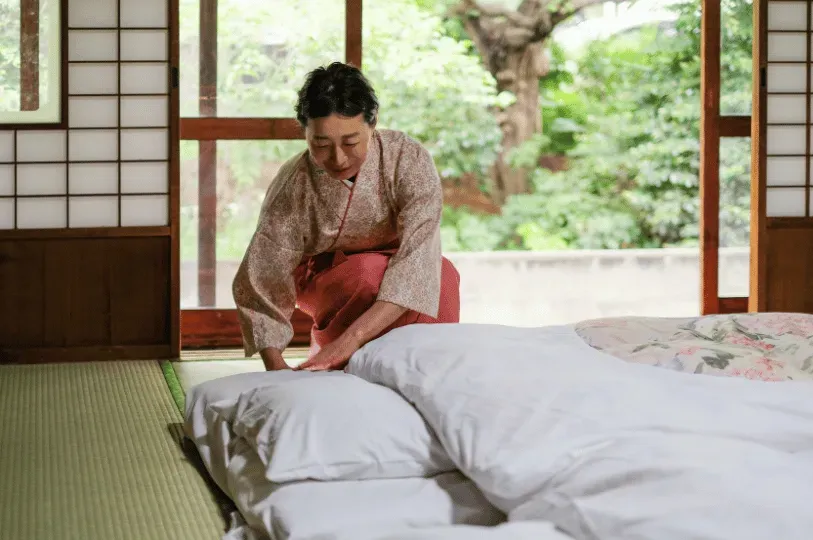
A dedicated attendant in traditional dress meticulously preparing a plush white futon bed on a tatami floor, with a peaceful, private green garden visible through open shoji doors.

Managing life on the road for a demanding employer means you are constantly scanning for threats to their comfort and privacy. In most major cities, you have to fight the environment to carve out a quiet space.

Tokyo is different. The city itself is a willing partner in the pursuit of discretion. The Tokyo luxury accommodations we utilize do not just offer expensive furniture; they offer a profound understanding of invisible service. They anticipate the need for silence before you ever ask for it.

For the discerning traveler, the true luxury of this city is not found in the bright lights or the massive skyscrapers. It is found in the quiet, perfectly engineered spaces hidden right in the middle of the chaos. As a traveling personal assistant, my greatest satisfaction comes from mastering this hidden network. When you align your logistics with the deep cultural respect of omotenashi, you unlock an elite travel experience that redefines the very meaning of privacy.

Share this article

Recent Posts

A warmly lit, elegant hotel lobby with a geometric patterned floor. A vintage wooden stand sits in s
By J.C. Yue June 17, 2026
Discover the hidden reality of premium city travel. A global personal assistant reflects on navigating flawless destinations that move at an unforgiving pace.
An older man in a straw hat and crisp light blue shirt stands under a rustic wooden pergola, gazing
By J.C. Yue June 16, 2026
Discover the reality of managing an Amalfi Coast villa staff. A global personal assistant reveals the morning routine behind exclusive luxury travel experiences.
A sophisticated bar area in a Singapore fine-dining restaurant featuring a long live-edge wooden cou
By J.C. Yue June 15, 2026
Discover luxury dining in Singapore. A global personal assistant reveals the logistics behind booking the city's most exclusive and innovative fusion kitchens.
Warm sunlight illuminates large palm trees leaning gently over a quiet, pristine white sand Seychell
By J.C Yue June 11, 2026
Discover how a global personal assistant finds work-life balance during constant travel. Learn why mastering slow travel is essential between itineraries.
A wide view of an elegant, sunlit dining room in a high-end restaurant, featuring a sprawling, tree-
By J.C. Yue June 10, 2026
Discover the reality of constant travel. A global personal assistant reveals the intense, hidden logistics required to secure fine dining reservations.
A panoramic, high-angle view of the New York City skyline at golden hour, featuring the Empire State
By J.C. Yue June 8, 2026
Explore the reality of New York luxury high-rise living. A global personal assistant reveals the elite amenities and logistics behind exclusive NYC penthouses.
A meticulously arranged hotel room blending traditional Japanese architecture, including tatami mat
By J.C. Yue June 4, 2026
Explore the hidden emotional toll of constant travel. A global personal assistant reflects on why familiar luxury hotel rooms can feel deeply unsettling.
A serene, sunlit waterfront resort featuring a wooden dock with parked jet skis in the foreground. I
By J.C. Yue June 3, 2026
Explore the emotional and physical realities of constant luxury travel and discover the hidden fatigue behind flawless arrivals in beautiful places.
A wooden, barn-style structure with slatted walls and a shingled roof, contrasting with a rugged lim
By J.C. Yue June 2, 2026
Discover the reality of the Kuala Lumpur luxury high-rise lifestyle. A global personal assistant reveals the secrets behind exclusive penthouse living and elite travel.
Wide interior view of Bangkok's Suvarnabhumi Airport, highlighting its highly modern, vaulted steel-
By J.C. Yue June 1, 2026
Discover the spiritual and material paradox of modern Bangkok luxury travel. A global personal assistant reveals how to navigate penthouse living and ancient temples.
Show More