The Language of Luxury: Decoding Japanese Service Excellence in Tokyo's Elite Establishments
June 23, 2026 |J.C. Yue
Stepping off a fourteen-hour flight into the polished corridors of Narita International Airport marks the beginning of a highly choreographed performance. As a personal assistant managing the intense global travel schedules of an ultra-high-net-worth individual, I have witnessed hospitality across forty different countries. Yet, landing in Japan always requires a distinct mental shift.
Here, luxury is not measured by the sheer volume of gold leaf in a hotel lobby or the volume of the concierge’s greeting. It is measured in silence, anticipation, and an almost psychic level of intuition. Navigating
Tokyo's elite establishments requires understanding a completely different language of luxury. This guide unpacks the complex, beautifully structured world of
Japanese service excellence, offering a rare glimpse into how the world’s most demanding travelers experience the Japanese capital.
The Core of Tokyo's Elite Establishments

To the untrained eye, top-tier service in Japan might simply look like extreme politeness. However, for those of us coordinating luxury travel experiences, it is clear that there is a rigid, deeply historical framework supporting every interaction.
Omotenashi: The Foundation of Japanese Service Excellence
The driving force behind this hospitality is a concept known as omotenashi. It is a philosophy that dictates serving guests completely from the bottom of the heart, without any expectation of a reward.
You will never see a bellhop in a luxury Ginza property linger at the door waiting for a tip. Tipping is entirely absent from the culture. The service is provided as a matter of immense professional pride. To understand the cultural roots of this philosophy, the Wikipedia page on Omotenashi provides excellent historical context regarding its origins in the traditional tea ceremony.
Anticipation Over Reaction
Western hospitality often prides itself on rapid reaction. You ask for an extra pillow, and it arrives in three minutes. Elite hospitality Japan focuses on anticipation. You never have to ask for the pillow because the housekeeper noticed your sleeping posture the previous night and adjusted the bedding proactively.
A Personal Anecdote: The Midnight Green Tea
During a high-stakes business trip two years ago, my employer was suffering from severe jet lag. We were staying at a renowned heritage property near the Imperial Palace. I left the suite at 2:00 AM to request some hot water from the floor attendant.
Before I could even speak, the attendant bowed and presented a tray with a specific blend of low-caffeine roasted hojicha tea, at the exact perfect drinking temperature. She had noted our late-night pacing through the suite's soundproofed but subtly monitored corridors. She anticipated the need before I articulated it. This invisible orchestration defines the pinnacle of
high-end travel experiences, a
midnight concierge truly worth remembering.
Luxury Travel Experiences Behind the Scenes

The logistics of moving a VIP through a densely populated metropolis of fourteen million people are staggering. However, the best properties make it look effortless.
Seamless Arrivals at Tokyo Luxury Hotels
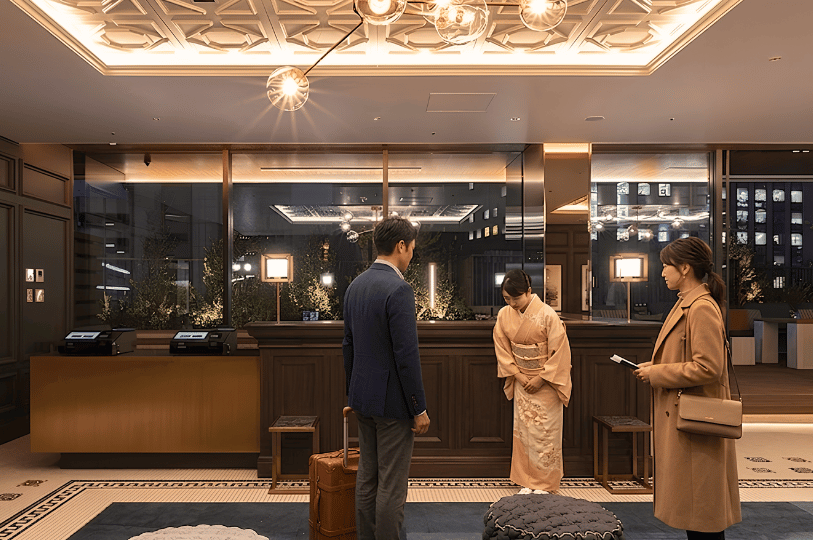
When our private car pulls up to the entrance of a five-star property in Shinjuku or Roppongi, the general manager is usually standing on the curb. They do not just greet my employer; they greet me by name as well.
This level of detail requires exhaustive preparation. The hotel staff studies our profiles for weeks. They know which daily newspapers we prefer, our exact dietary restrictions, and precisely how many minutes we need to transition from the lobby to our rooms. Resources from the Japan National Tourism Organization (JNTO) often highlight how this meticulous preparation sets Japanese hospitality apart on the global stage.
Navigating the Cultural Nuances of Check-In
We never stand at a front desk. We are escorted directly to our suite, where a traditional welcome tea and seasonal wagashi (sweets) await. The paperwork is handled invisibly in the background.
The Unspoken Hierarchy of Respect
In my role as an assistant, I act as the buffer. The staff instinctively understands this dynamic. They will direct operational questions to me, maintaining my employer's peace and privacy. They read the room perfectly, knowing exactly when to approach and when to fade into the background.
Reading the Air: Kuuki wo Yomu
This skill is referred to locally as "reading the air" or kuuki wo yomu. It is the ability to assess the mood and tension in a room and adjust one's behavior accordingly. If my employer returns from a negotiation looking exhausted, the usual enthusiastic greetings are replaced by a silent, deeply respectful bow and immediate, quiet passage to the elevators.
High-End Dining Tokyo: A Symphony of Discretion

Food is arguably the main draw for visitors to this city. Managing reservations here is one of the most stressful aspects of my job, but the execution by the restaurant staff makes it worthwhile.
Securing the Impossible: Michelin and Beyond
Booking a seat at a highly coveted sushi counter in Ginza requires months of relationship building. Many of the city's best restaurants operate on an introduction-only basis. They protect their atmosphere fiercely.
When you finally secure that reservation, the experience is transformative. The Michelin Guide Tokyo frequently highlights the sheer volume of starred establishments in the city, but it rarely captures the obsessive dedication of the chefs.
The Etiquette of Elite Hospitality Japan
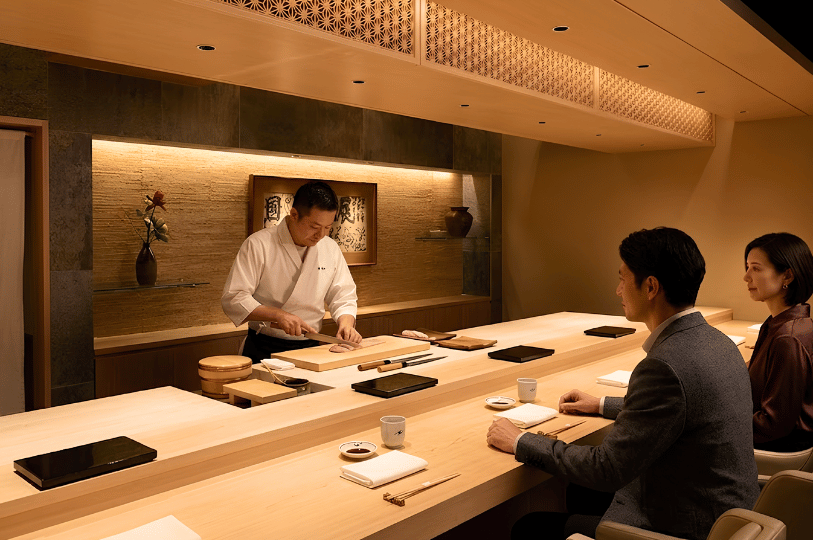
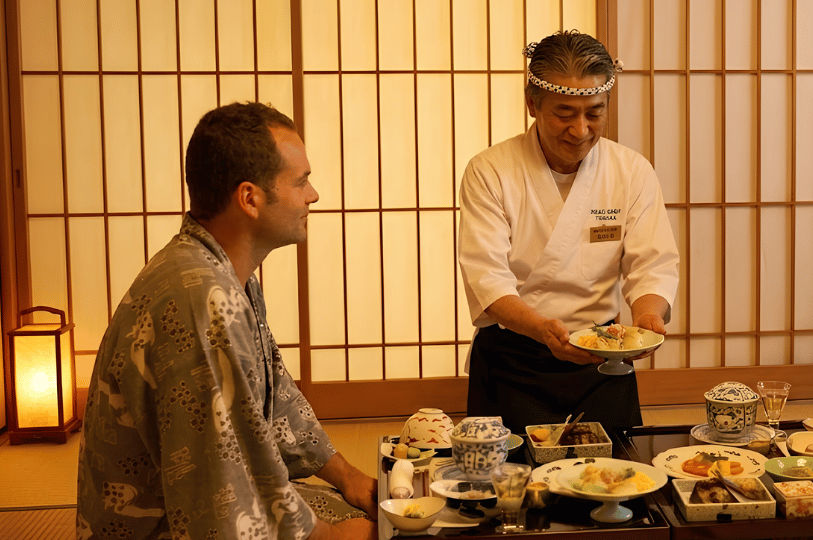
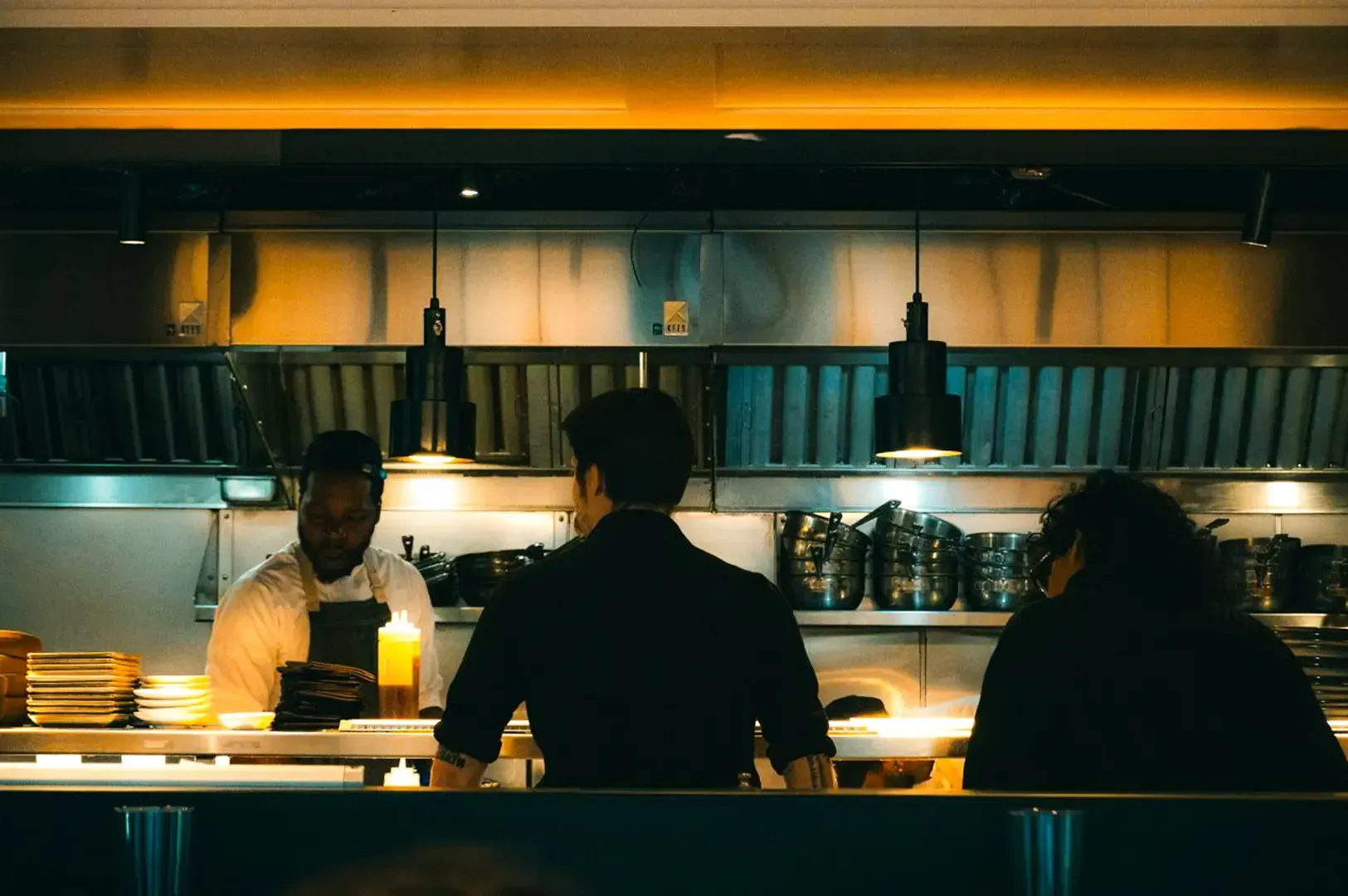
At an elite sushi-ya, the chef acts as a conductor. They watch the guests meticulously. I once noticed a master chef adjust the size of the rice portion (shari) slightly for a female guest in our party, ensuring she could eat comfortably in one elegant bite without feeling overly full by the end of the twenty-course omakase.
The service is highly intimate but never intrusive. You are expected to eat the piece the second it touches your plate, respecting the exact temperature the chef intended. Altering the food with extra soy sauce is highly discouraged, as it disrespects the delicate balance crafted by the kitchen.
Managing Dietary Restrictions Discreetly
Communicating dietary restrictions in advance is vital. The Japanese culinary tradition relies heavily on dashi (fish stock), which complicates vegetarian requests. A truly exceptional establishment will completely redesign a menu to accommodate an allergy without ever making the guest feel like a burden. Exploring the culinary landscape further through the Tokyo Metropolitan Government tourism portal provides insight into the vast array of dining options available.
The Architecture of Japanese Service
The Japanese service industry is known for its impeccable customer service and attention to detail. The architecture of Japanese service extends beyond just the hospitality industry, as this level of exceptional service can be found in various sectors such as retail, transportation, and healthcare.
Omotenashi: The Art of Hospitality
At the core of Japanese service is omotenashi, a concept that encompasses the idea of wholehearted hospitality. It goes beyond just providing excellent customer service but also includes anticipating and fulfilling the needs of guests before they even ask.
Omotenashi is deeply ingrained in Japanese culture, with origins dating back to ancient tea ceremonies where hosts would go above and beyond to make their guests feel welcome and
The physical environment plays a massive role in how service is delivered and perceived.
Designing for Ultimate Privacy
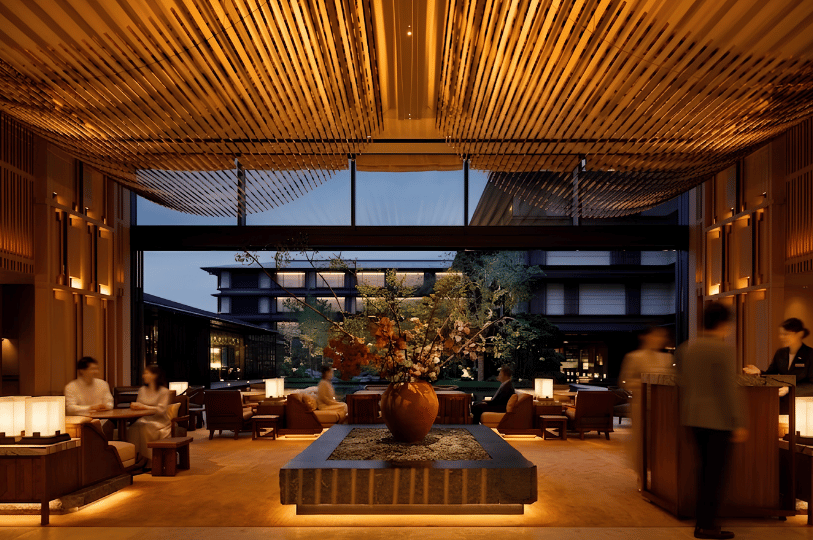
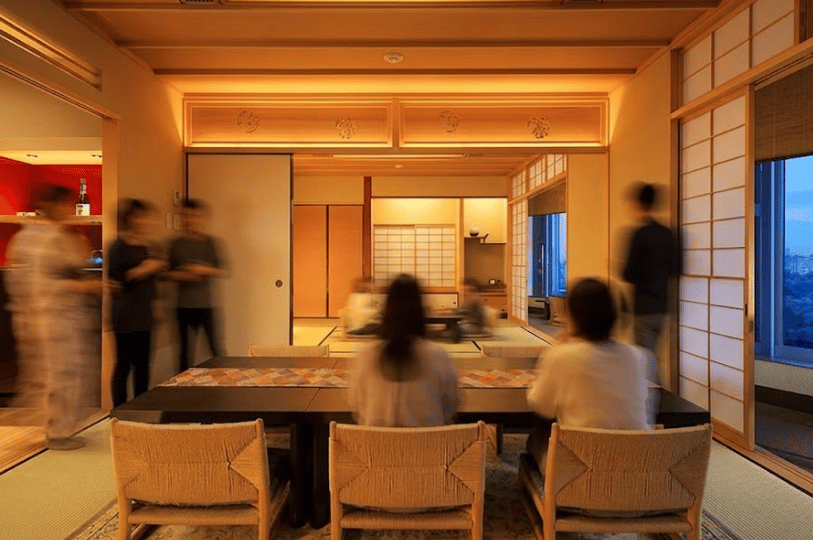
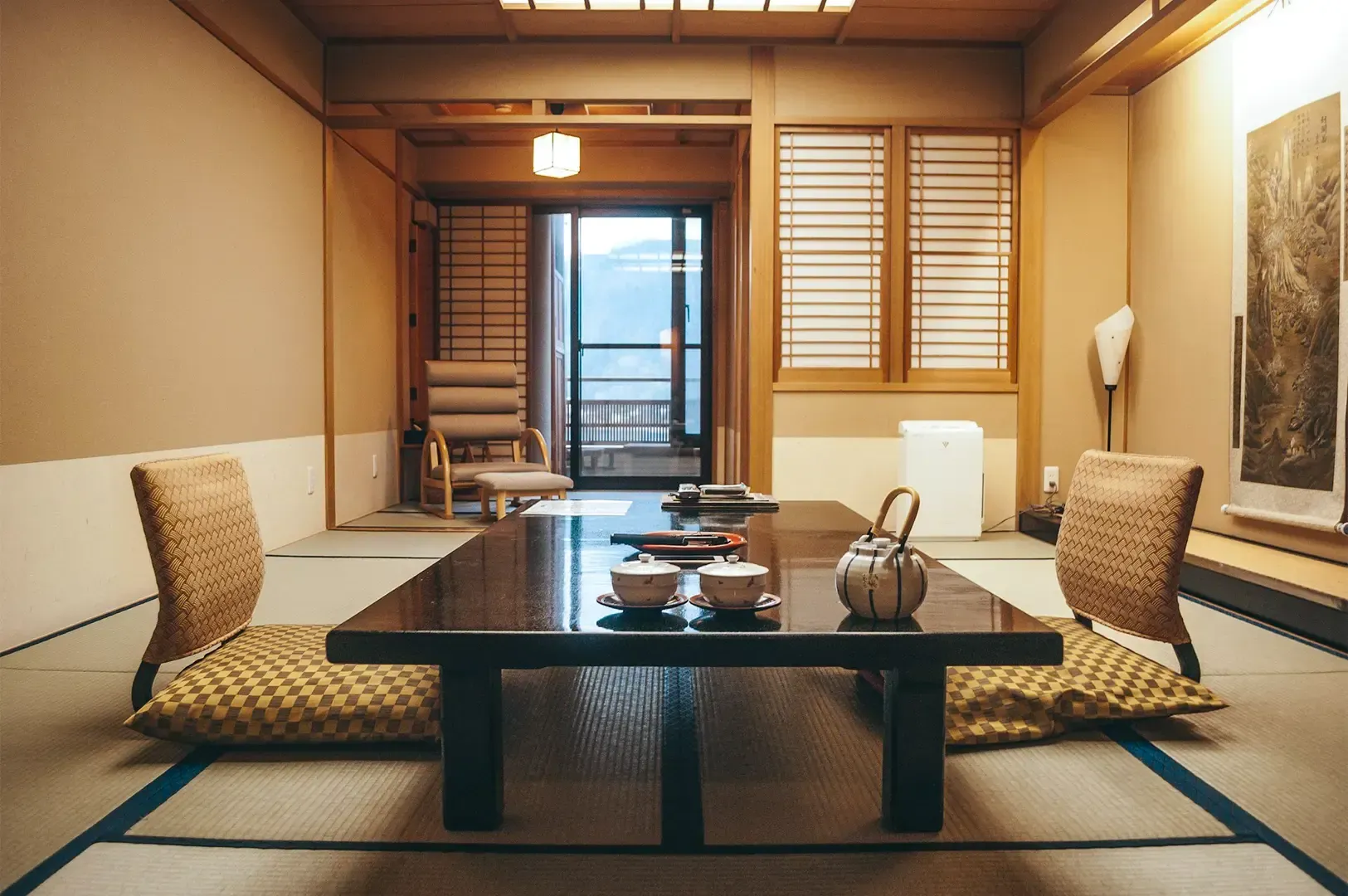
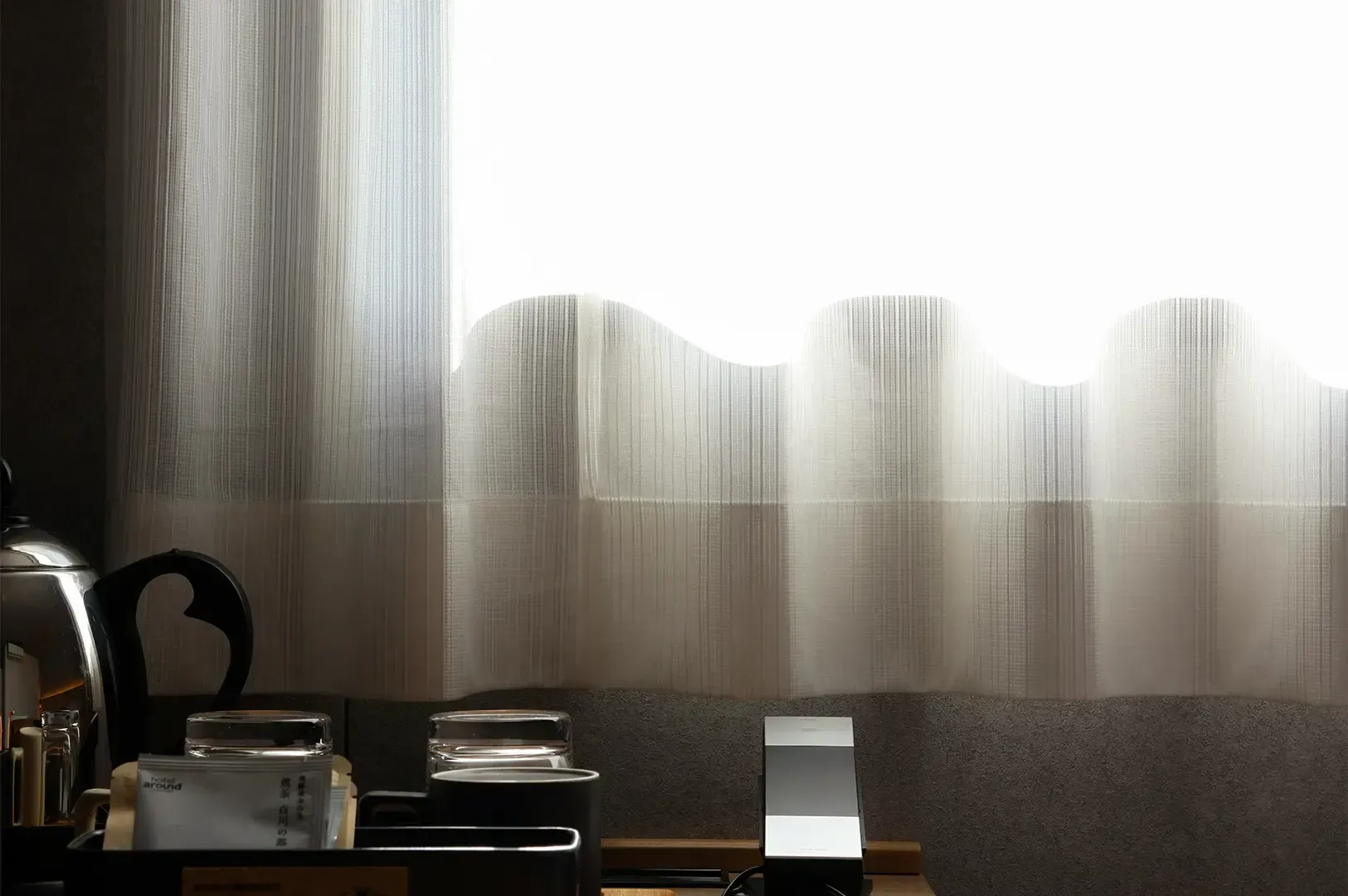
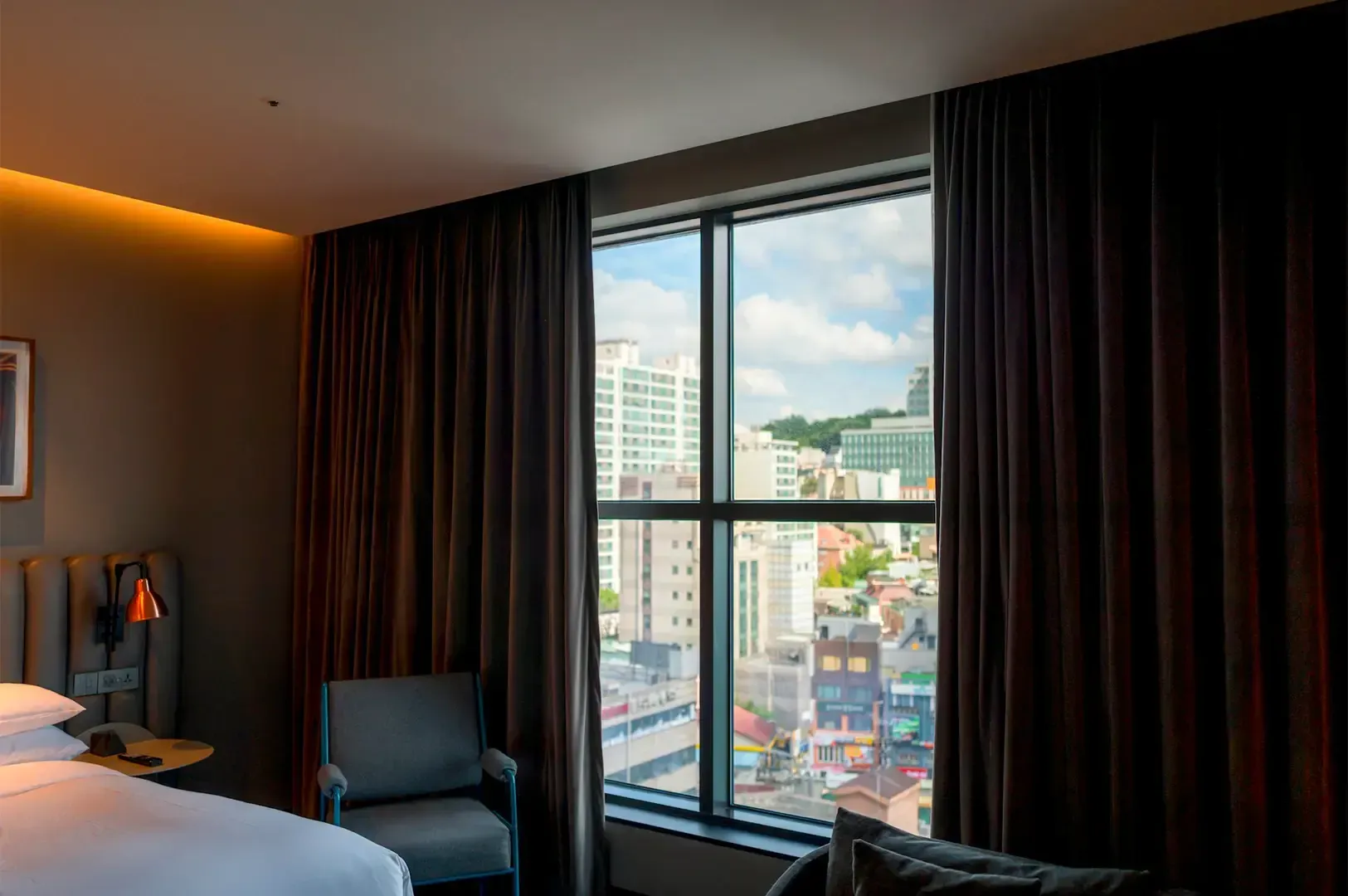
Elite Tokyo accommodations are designed to foster a sense of sanctuary. The lighting is often indirect and soft. The materials used—hinoki wood, washi paper, natural stone—absorb sound and calm the nervous system.
Creating Space and Stillness
In a city defined by neon and density, offering physical and auditory space is the ultimate luxury. High-end hotels feature distinct transition zones. You move from the chaotic street into a quiet elevator bank, then into a hushed lobby, and finally into a serene suite. This architectural progression physically strips away the stress of the city before the staff even speaks a word to you.
Organizations that evaluate global hospitality standards, such as the
Forbes Travel Guide, routinely praise Japanese properties for their flawless integration of design and service.

Practical Tips for Aspiring Travelers

You do not need to fly on a private jet to experience this incredible standard of care. You simply need to adjust your approach to travel.
Managing Expectations in Ultra-Luxury Spaces
When visiting Japan, you must leave your preconceived notions of service at the border. Do not expect loud, overly familiar banter from the bar staff. Do not expect the concierge to break the rules to secure a reservation.
Japanese hospitality professionals operate strictly by the book. This rigidity might frustrate Western travelers who are used to negotiating or bending rules, but this adherence to protocol is exactly what allows the broader system to run so flawlessly.
Gratitude Without Gratuity
As mentioned earlier, you must resist the urge to tip. Leaving money on a restaurant table will result in a waiter chasing you down the street to return your "forgotten" cash.
Instead, show your appreciation through respect. Use both hands when receiving a business card or a receipt. Learn a few basic phrases. A sincere "Gochisousama deshita" (thank you for the meal) directed at the chef carries far more weight than a twenty-dollar bill. Understanding these social norms is crucial, and reading materials from cultural institutions like the Japan Society can be incredibly helpful.
The Subtle Art of the Bow
You are not expected to master the complex angles of the traditional Japanese bow. A polite nod of the head is perfectly sufficient for a foreign visitor. The staff will bow to you, often staying in that position until the elevator doors close completely. It is a beautiful display of respect that never loses its impact, no matter how many times I visit.
Leaving a Lasting Impression
Your behavior as a guest dictates the level of service you receive upon returning. I ensure my employer leaves our suites reasonably tidy. We express immense, quiet gratitude to the management team upon departure. Because we respect their property and their culture, the doors to exclusive Japanese establishments open for us effortlessly year after year.
The Future of Luxury in Tokyo
The hospitality landscape is always shifting, but the core tenets of Japanese service remain unshakeable.
Balancing Tradition and Modernity
New ultra-luxury towers are rising in Toranomon and Shibuya, bringing modern technology and international design to the city. However, the human element remains deeply rooted in tradition.
A tablet might control the blackout shades, but a human being still carefully arranges the seasonal flowers in the suite's entryway. This delicate balance between the cutting edge and the ancient is what makes
Tokyo luxury travel so utterly compelling. Insights into how major carriers train their staff to bridge this gap can be found in corporate reports from companies like Japan Airlines, who are famous for their omotenashi training.
Conclusion: A Masterclass in Human Connection

My decade spent organizing itineraries across the globe has taught me that true luxury is rarely about the physical objects we interact with. It is about how a place makes us feel.
Japanese service excellence is a masterclass in human connection. It forces you to slow down, to observe, and to appreciate the profound effort another human being is making to ensure your comfort.
For the modern luxury traveler, Tokyo offers something increasingly rare: a completely frictionless environment built on a foundation of mutual respect. To experience the elite establishments of this city is to learn a new language. It is a quiet, elegant language that speaks volumes without ever raising its voice. It reminds us that in a noisy, complicated world, the ultimate luxury is simply being understood.