The Cost of Convenience: What You Trade for 'Effortless' Living in New York
July 6, 2026 |J.C. Yue
The first time I pressed a button and a car appeared in ninety seconds, I remember thinking it felt like magic.
It was raining. My employer had a dinner across town, and the city was moving the way New York moves at seven in the evening, all at once and against you. A few taps, and the problem dissolved. No waiting. No friction. Just a warm seat and a quiet voice saying, "Evening."
That moment stayed with me. Not because it was glamorous, but because of what it quietly cost.
After a decade arranging life across more than forty destinations, I have come to see
luxury New York living for what it actually is. It is the most frictionless city I know. And the smoother it gets, the more I notice what we hand over to keep it that way. This is a look at the trade behind the
effortless living New York sells so well, written by someone who manages the machinery behind it.
What "Effortless" Really Means in New York

Effortless is never free. Someone always carries the effort. It just moves out of your sight.
In New York, convenience culture has been refined into something close to an art. The city is built to remove the gap between wanting something and having it. That gap is where most of us used to live, and the city has spent decades quietly filling it in.
The invisible labor behind the ease
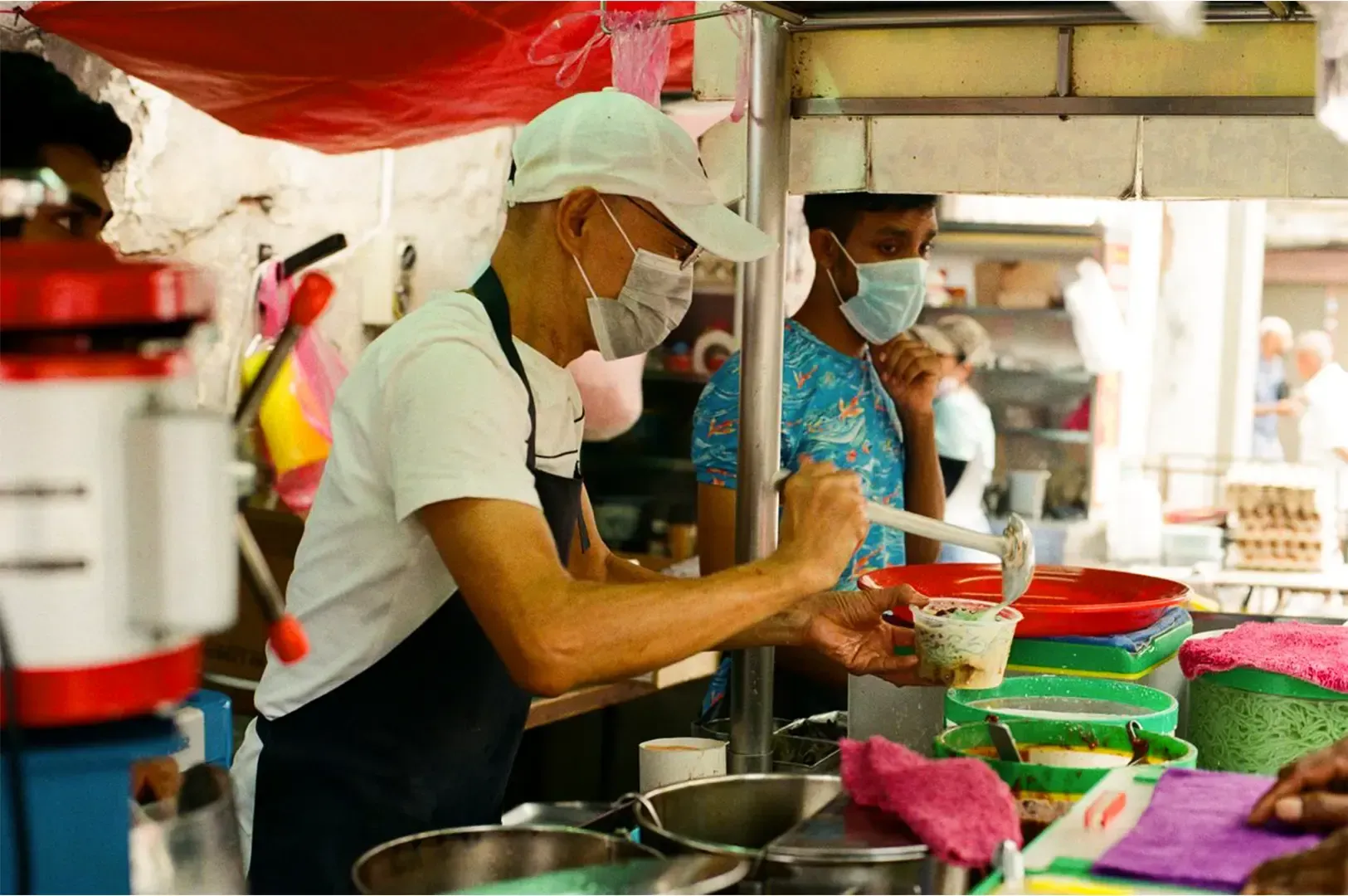
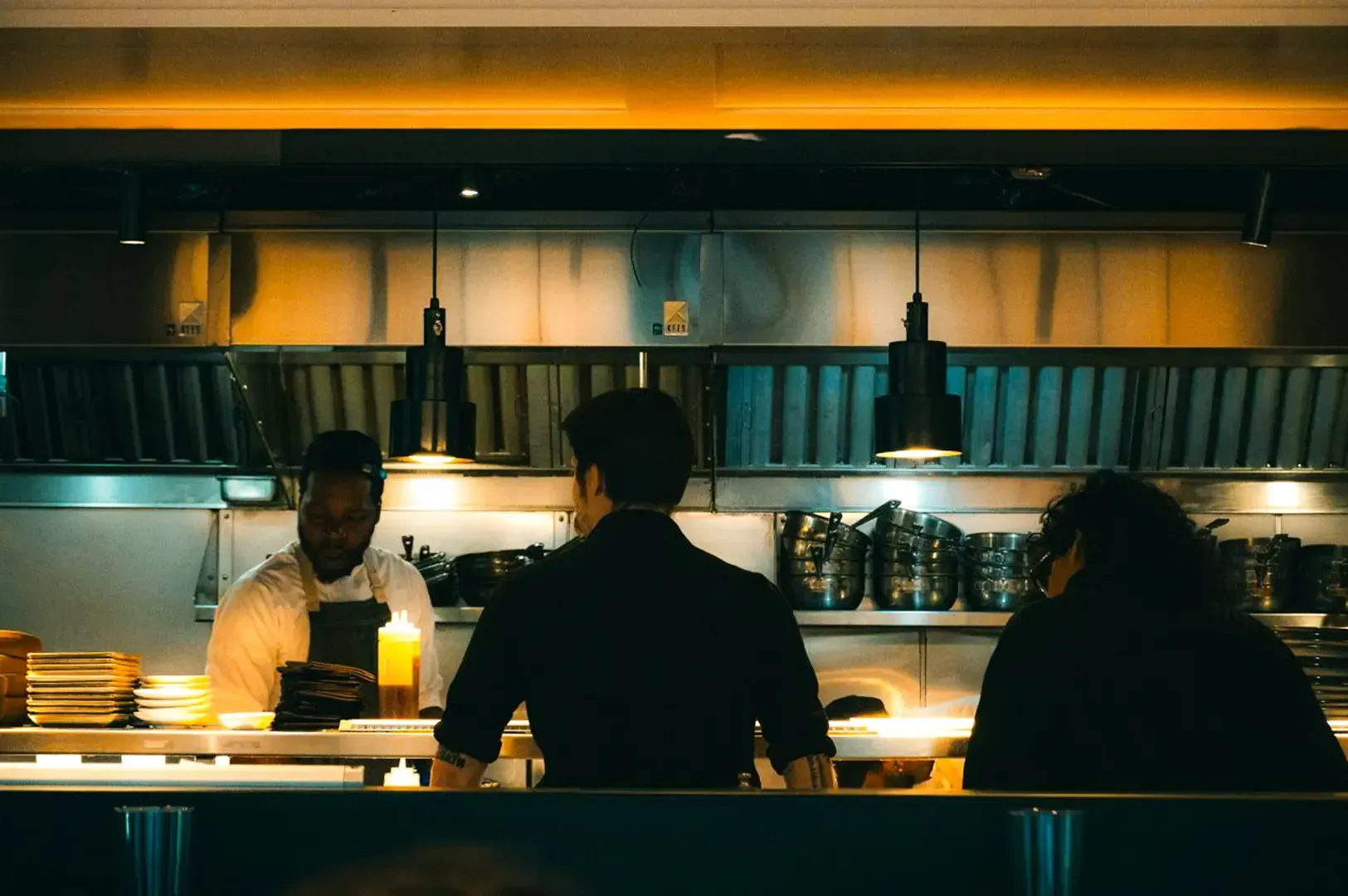
When a meal arrives in twenty minutes, a person rode a bicycle through traffic to bring it. When a luxury apartment feels seamless, a building staff of porters, doormen, and managers keeps it that way around the clock.
I see these people because part of my work is coordinating with them. The doorman who knows every resident by name. The night porter who signs for packages most tenants never thank him for. Their labor is the real engine. The app is only the dashboard.
The trade: your ease is built on someone else's hours. Worth knowing whose.
The Price Tag Nobody Mentions
New York is honest about being expensive. It is less honest about what you are paying for.
You are rarely paying for the thing itself. You are paying for speed, for proximity, for the removal of waiting. According to the NYC official guide, the city draws tens of millions of visitors a year, and much of its premium economy exists to sell them time.
Premium prices for saved minutes
A concierge service does not really sell access. It sells the minutes you would have spent finding access yourself. The same table, the same car, the same reservation, marked up for the convenience of not having to think about it.
I have booked through these services for years. They are genuinely useful. But I always know the math underneath. You are buying back your own attention, one transaction at a time.
Try this: before paying a convenience premium, ask what you are actually purchasing. Often it is time. Sometimes it is only the illusion of it.
Concierge Living and the Slow Loss of Self-Reliance

Here is the quiet cost I did not expect.
The more concierge living does for you, the less you remember how to do for yourself. I have watched capable, brilliant people forget how to hail a cab, read a subway map, or order in a language that was not handed to them.
When help becomes dependence
There is a difference between being helped and being handled. Luxury hospitality at the highest level can blur that line. The Forbes Travel Guide measures service partly by how invisibly needs are met. Met invisibly enough, often enough, and you stop noticing you ever had them.
I feel this in myself too. After arranging frictionless days for someone else, my own instinct for problem-solving can go quiet. The muscle weakens when the machine never lets you use it.
The trade: seamless service is wonderful until the day the service is not there. Keep a few skills sharp anyway.
The Neighborhoods That Sell the Dream

Convenience clusters. It always has.
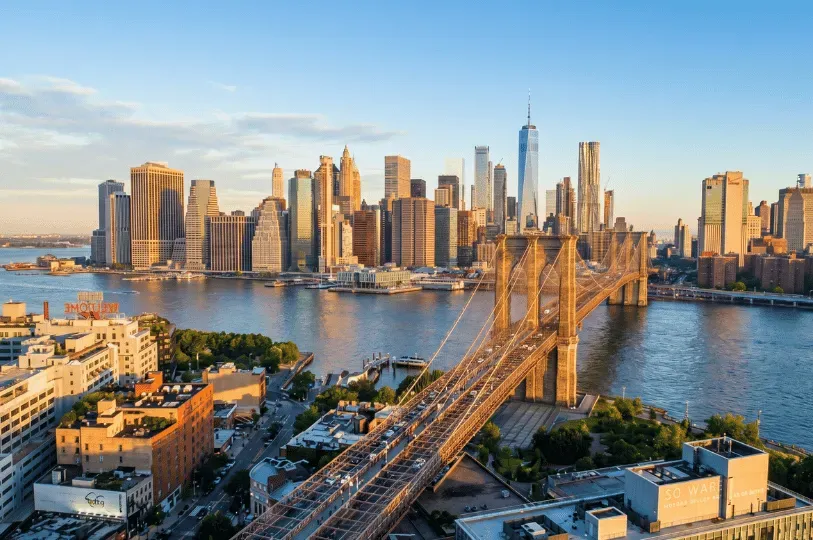
In Manhattan luxury, you can map the price of ease almost street by street. The closer you live to everything, the more you pay to skip the distance between things.
Where the premium lives
Areas like the Upper East Side and parts of Tribeca are sold as effortless by design. Doorman buildings, private chauffeur options, restaurants that know your name before you give it.
I have stayed in these pockets often. They are beautiful, and they are also a kind of bubble. The city arranges itself to never inconvenience you, which means you rarely meet it as it actually is.
The cost of the bubble
The trade for effortless travel through a city is that you stop seeing the city. You glide above it. The grit, the noise, the small frustrations that make a place real, all smoothed away.
Some of my most honest hours in New York happened when something went wrong. A train I had to figure out. A storm that grounded everything. The bubble has its comforts, but it keeps the real city at arm's length.
The Emotional Cost of a Frictionless Life
Friction is annoying. It is also where a lot of living happens.
When every want is met instantly, something in the wanting changes. The pause between desire and fulfillment, the small wait, the minor effort, used to mean something. Remove it entirely, and satisfaction gets strangely thin.
When nothing is hard, little feels earned
I have noticed this in high-end travel more broadly. The most insulated guests are often the least delighted. When everything is effortless, nothing stands out. The psychology of well-being has a name for this drift, the way ease quietly resets our baseline until it takes more and more to feel anything at all.
The most content travelers I have served are not the ones who removed all friction. They are the ones who chose which friction to keep.
Use this approach: keep a little effort in your days on purpose. Walk somewhere. Wait for something. Let one thing be slightly inconvenient.
What I Have Learned to Protect
After years inside this machinery, I guard a few things deliberately.
I still learn the public transport in every city, including New York's vast subway system, even when a car is a tap away. I still walk when I could ride. I still let myself get a little lost.
Small acts of friction worth keeping
- Walk the last few blocks instead of arriving at the door
- Order directly sometimes, not through a service
- Learn the neighborhood, not just the address
- Notice the staff who make the ease possible, and thank them
- Let small waits happen without reaching for a fix
None of this is anti-luxury. I work in luxury. It is simply how I stay awake inside it.
The Honest Verdict on Effortless New York

So, is the convenience worth it?
Often, yes. New York's luxury lifestyle can give you time, and time is the only thing none of us get back. Used well, the convenience buys you hours for the people and work that matter.
Spend the ease, don't be spent by it
The danger is not the convenience itself. It is forgetting that you traded for it. The city's deep cultural life, its museums, its streets, its unrepeatable chaos, is not something you can order to your door. You have to go meet it, a little inconvenienced, fully present.
That is the part no
concierge can deliver for you.
A Quiet Closing Thought

The car still comes in ninety seconds. The button still feels like magic.
But I have learned to ask, every now and then, what the magic is costing me. Whether I am using the ease, or quietly being shaped by it. Whether I still remember how to stand in the rain and figure it out myself.
New York will smooth every edge you let it. The trick is choosing which edges to keep.
So the next time the city offers to make something effortless, take it if you like. Just take it knowingly. Spend the convenience on what matters, and keep enough friction to remember you are still here, still capable, still meeting the world on your own two feet.
That awareness, more than any car or concierge, is what makes the living feel like yours.