After Dark, Under the Radar: Melbourne's Best Hidden Bars and Entry Rituals
July 7, 2026 |J.C. Yue
The first time someone took me to a bar in Melbourne, we walked into what looked like a closed sandwich shop.
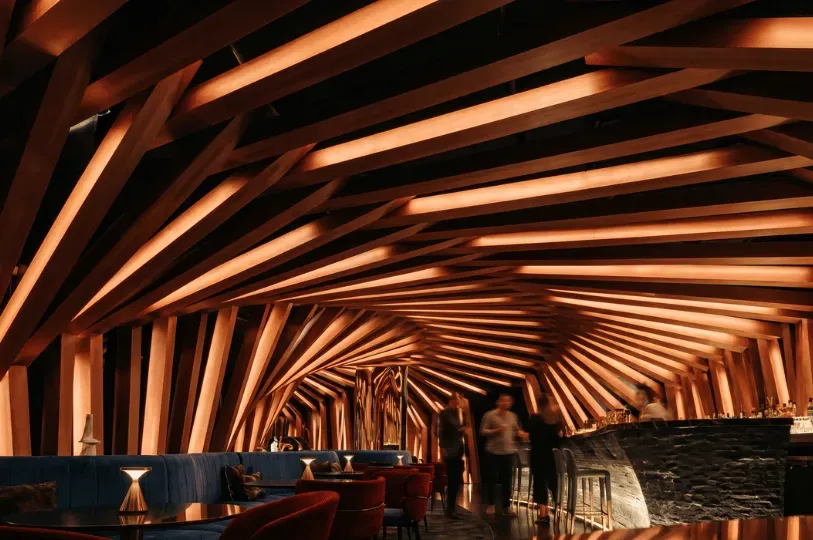
No sign. No queue. Just a man behind a counter who nodded once, then pulled back a panel I hadn't noticed was a door. Behind it: warm light, low jazz, and maybe twenty people who all seemed to know they'd found something the street didn't advertise.
I've spent a decade arranging nights out across more than forty cities, and I've learned that most places shout about their nightlife. Melbourne whispers. The best of its hidden bars in Melbourne ask you to look harder, knock differently, and earn your way in. That quiet is the whole point.
This is a guide to that after-dark world, written by someone who books the cars, finds the doors, and stands slightly to the side while the evening unfolds.
Slip past the unmarked door and into Melbourne’s secret bar scene (speakeasies, rituals, and all) on Travelling Assistant.
Why Melbourne Hides Its Best Bars
Melbourne doesn't hide its bars to be difficult. It hides them out of habit.
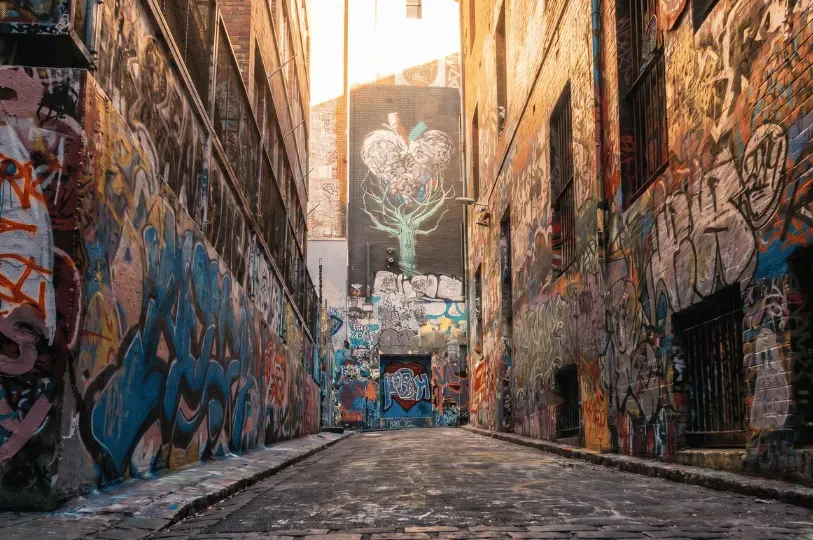
The city's laneway bar culture grew from necessity. Decades ago, licensing rules made small venues hard to run, so operators tucked tiny rooms into alleys, basements, and rooftops where rent was cheap and attention was scarce. What began as a workaround became a personality. Today, Melbourne's small bar scene is one of the densest in the world.
The laneways themselves tell the story. The City of Melbourne's official guide still maps these arteries, though the best doors rarely make it onto any map.
In short: the secrecy isn't a marketing trick here. It's heritage.
A culture built on knowing, not seeing
What I love about this city is that finding a bar feels earned. You don't stumble in. Someone tells you. A bartender, a hotel concierge, a stranger who decided you were alright.
That word-of-mouth chain is the real entry ritual. Everything else is just a door.
The Speakeasy Logic: Understanding Entry Rituals

Many of Melbourne's best rooms borrow from the speakeasy bars tradition. The idea traces back to Prohibition-era America, when drinking meant slipping past a hidden entrance.
Melbourne kept the theatre and dropped the danger.
How the doors actually work
The entry rituals vary, but they follow patterns I've come to recognize after years of doing this for someone else:
- The unmarked door. No sign, just an address you have to trust.
- The disguise. A front that pretends to be something else: a shopfront, a laundry, a stairwell.
- The password or buzzer. Rare now, but it still exists in a few rooms.
- The reservation. Increasingly, the real key is a booking made days ahead.
A reader moment: if you're nervous about getting it wrong, don't be. The staff have seen every hesitant first-timer. A simple "Is this the bar?" usually earns a smile and an open door.
What the ritual is really for
Here's the part most guides miss. The hidden door isn't about exclusion. It's about slowing you down.
By the time you've found the place, you've already shed a little of the street's noise. You arrive ready to sit, not scroll. That intention is the gift these bars are quietly handing you.
The Laneways Worth Walking

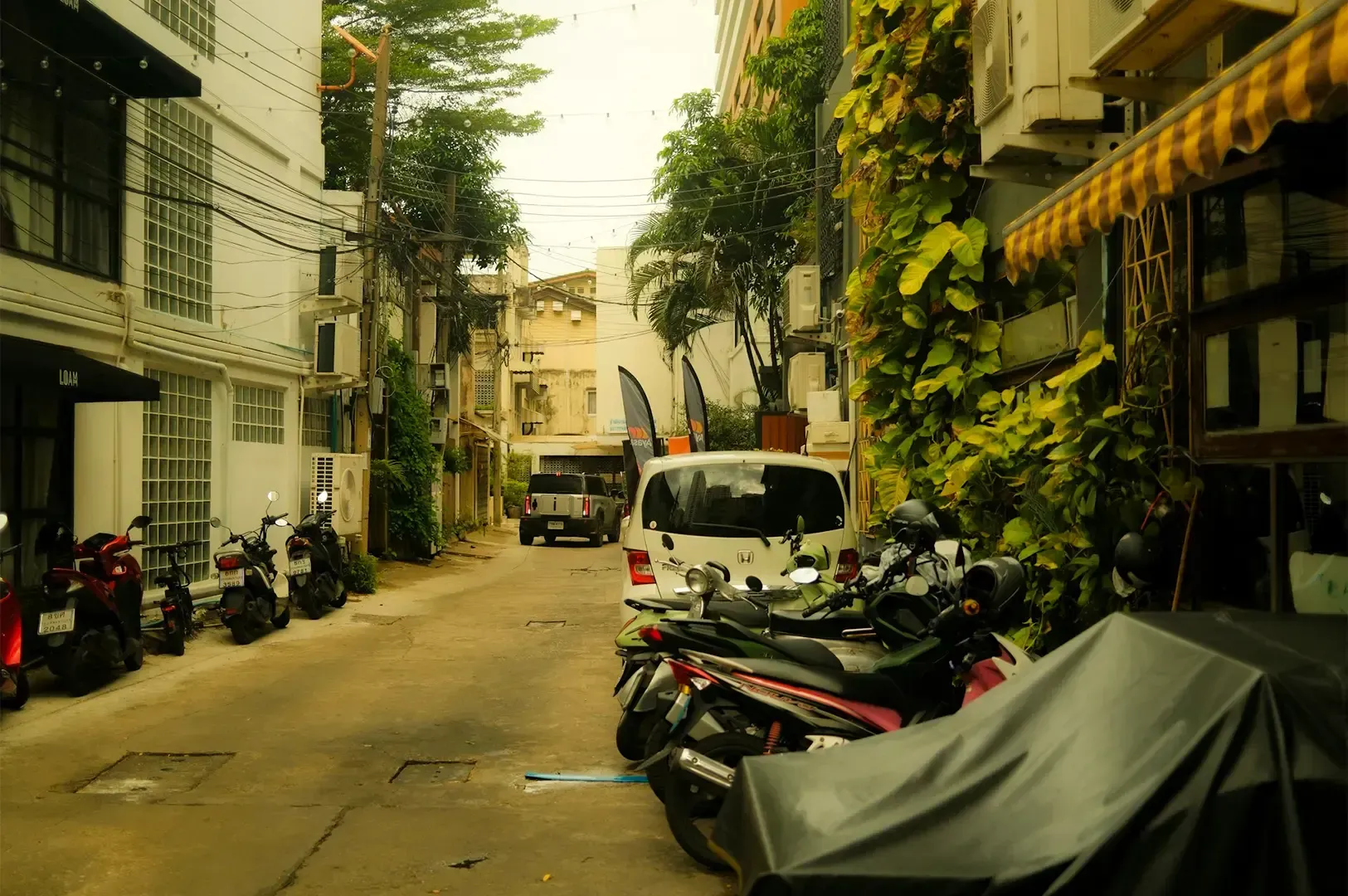
If you want to understand Melbourne after dark, start with its alleys.
The grid of laneways across the Melbourne CBD holds more bars per square metre than almost anywhere I've been. Walking them at night, you hear the city before you see it: a clink of glasses behind a wall, music leaking from a stairwell.
Where the lanes lead
Areas around Flinders Lane and the smaller arteries off it reward slow wandering. The broader district is well documented by Visit Victoria's tourism board, though their listings lean toward the visible. The good stuff sits in the gaps between their entries.
I've learned to look up as much as down here. A rooftop bar in Melbourne can hide three floors above a nondescript doorway, and you'd never know unless someone pointed.
Pro tip: wear shoes you can walk in. The best nights here involve three or four short walks, not one taxi to one destination.
A Few Doors I Keep Coming Back To

I won't pretend to rank these. Ranking misses the point of a city like this.
But there are rooms I return to, the way you return to a song.
The basement that feels like a secret
There's a cocktail bar below street level near the eastern end of the CBD where the bartender remembers how you take your drink before you've finished saying it. No menu the first time. He just asks what you've had lately, then makes something better.
That kind of attention is rare. When you find it, you keep the address quiet, which is exactly why I'm not printing it.
The whisky room with no clock
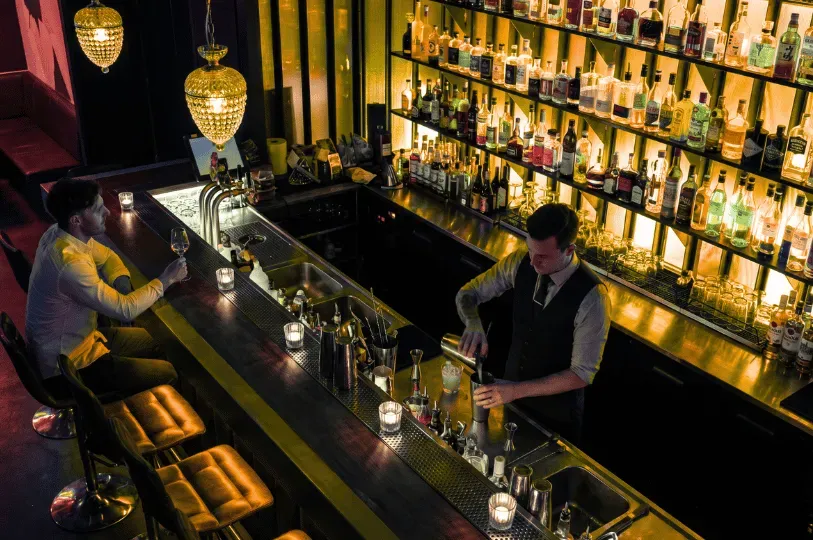
Somewhere off a laneway, behind a door I once walked past three times, there's a whisky bar lined with bottles and lit like a study. No clock on the wall. No rush in the room. I've lost whole evenings there without noticing, which is the highest compliment I can pay a place.
For those who want a starting point that's easier to find, the
Time Out Melbourne bar guide keeps a reliable list of the more findable rooms.
The Etiquette Nobody Explains

Getting in is half of it. Behaving once you're inside is the other half.
These are small rooms with long memories. How you act follows you.
Read the room before you order
In a quiet Melbourne bar, volume travels. The loud table is always the one that doesn't realize it. I've watched the energy of a beautiful room sour because one group treated it like a sports bar.
Match the register of the place. If it's hushed, stay hushed.
Trust the bartender
The single best move in any of these rooms is to put yourself in the bartender's hands. Tell them what you like, then let go. The whole craft cocktail tradition here is built on that exchange of trust, much like the omakase counters I've sat at across Asia.
Do this instead: rather than ordering off a famous-name list, ask, "What are you proud of tonight?" The answer is usually the best drink you'll have.
Tip with intention
Australia doesn't run on tipping the way some countries do, a nuance explained by the Tourism Australia official site. But in these small rooms, a little generosity for genuinely good service is remembered. I always check local norms first, then err toward kindness.
Timing Your Night Right
When you arrive shapes everything.
The same room feels like two different places at 6pm and at midnight.
The early hush
Walk into a speakeasy style bar just after it opens and you'll often have the bartender to yourself. This is when I prefer to go. The light is softer, the pace is slower, and the conversation across the counter is real.
The late surge
By eleven, the energy shifts. The rooms fill, the music lifts, and the city's night people arrive. It's wonderful in its own way, but louder. If you came for quiet, come early.
In short: early for intimacy, late for atmosphere. Both are worth knowing.
Practical Notes for the First-Timer
A few things I always sort before a night out in a new city.
- Book where you can. Many of Melbourne's smaller rooms now take reservations, and a booking removes the only real friction.
- Carry cash and card. A handful of older rooms still run cash-only.
- Note the public transport. Melbourne's tram network, mapped by Public Transport Victoria, runs late and reaches most laneway districts.
- Keep an address list, not just bar names. Names change. Doors stay.
- Ask one local. A single good recommendation outperforms any algorithm.
The thing I always do
Before any night out, I walk the area once in daylight. I find the doors while I can still see them. Then, after dark, I'm not the person squinting at a map; I'm the one who already knows which blank wall opens.
What These Bars Taught Me About Travel

I came to Melbourne expecting good drinks. I left with something quieter.
These rooms reminded me that the best experiences rarely announce themselves. They sit behind unmarked doors, waiting for someone willing to look a little harder. The nightlife in Melbourne isn't hidden to keep you out. It's hidden to make sure you mean it when you arrive.
That's a lesson I carry well beyond this city. The good stuff is usually quiet. You have to go meet it.
So if you find yourself walking a Melbourne laneway after dark, slow down. Look for the door that pretends to be a wall. Knock, or simply push. And when someone nods you in, lower your voice, trust the bartender, and let the room do the rest.
Which door will you go looking for first?