The first time I ate alone in a restaurant abroad, I brought
a book I never opened. It sat beside my water glass like a small alibi, proof that I had somewhere to be inside my own head. I was certain everyone could see it. The empty chair across from me. The single setting. The quiet assumption that a person at a table for one is a person waiting for someone who never came.
That was years ago, somewhere in
Lisbon, between an employer's afternoon meetings and an early flight the next morning.
I don't bring the book anymore.
When you live a life of constant travel, dining alone stops being an occasional event and becomes a rhythm. Most of my meals happen in the gaps, after the logistics are sorted, before the next itinerary begins. The hours that belong to no one but me. And in those hours, I have learned that the discomfort of solo dining was never really about the food, or the room, or the people in it.
It was about
feeling unplaced.
There is a difference between being alone and feeling out of place. The first is a fact. The second is a story we tell ourselves. For a long time, I confused the two. I would sit down in some beautiful dining room and feel
the weight of an invisible audience, certain my solitude needed explaining.
Nobody was watching. They were eating their own dinners.
What changed was small. I started
ordering with intention instead of apology. Not the quickest thing on the menu, eaten fast so I could leave, but the dish I actually wanted, eaten slowly because there was nowhere else to be. I began asking the server what they would eat if they were sitting where I was. More often than not, that single question turned a stranger into a quiet companion for the evening.
You learn the language of a room when you eat in it alone.
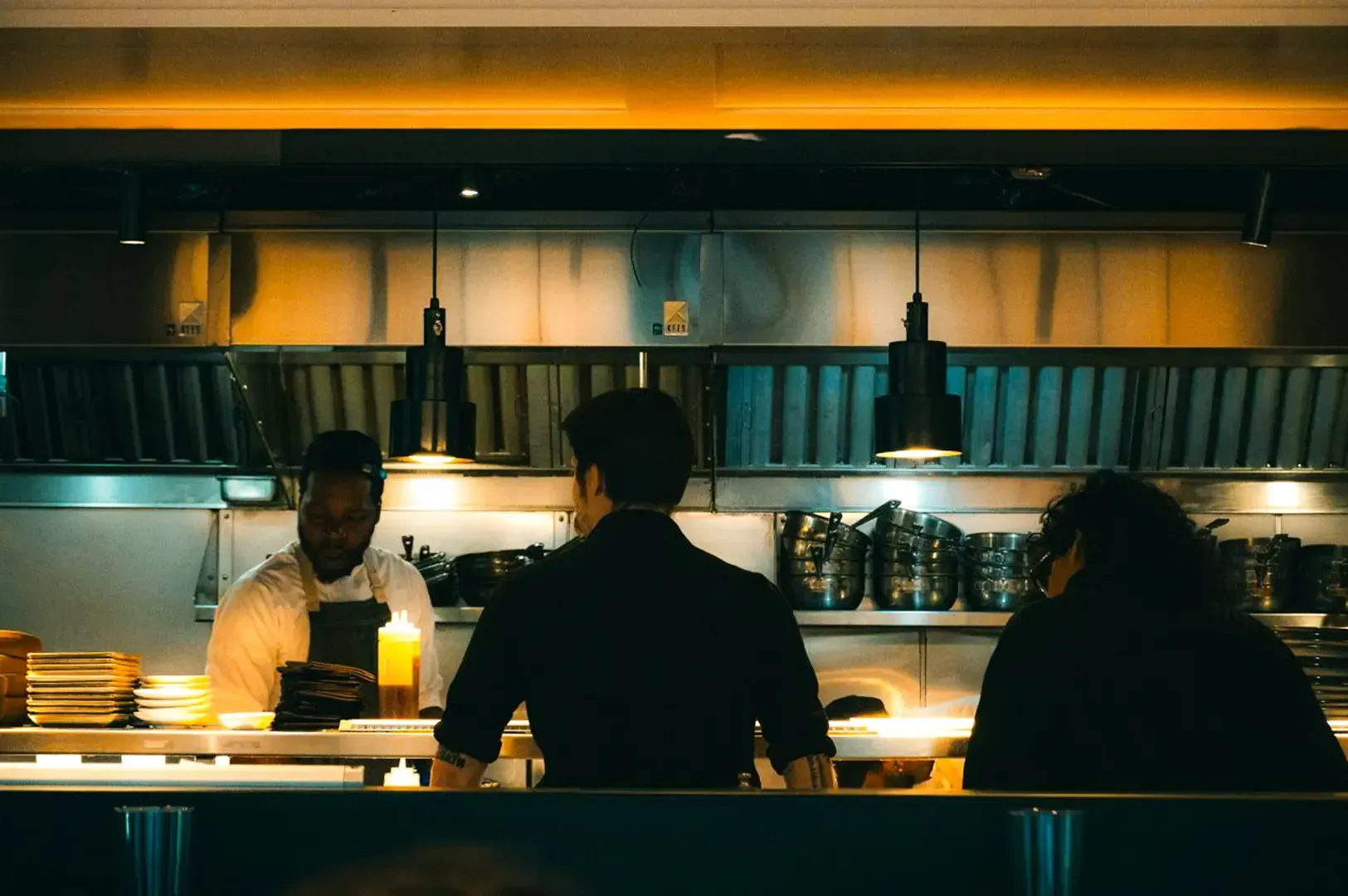
You notice the cook who tastes everything before it leaves the pass. The regular who gets no menu because the kitchen already knows. The way a place treats a guest who brings no glamour, no reservation under a famous name, no one to impress. That, I think, is
the truest measure of a restaurant. Not how it performs for a full table, but how it holds a single one.
I have eaten remarkable
meals across more than forty places, some before closing and the ones that stay with me are rarely the grand ones. They are the small tables by a window. A bowl of something warm in a city where I knew no one. A meal I chose for myself, in a seat that was mine alone, with no role to play and no one to serve.
For once, I was only
the guest.
The honest truth is that dining alone asks you to be comfortable in your own company before the plate even arrives. It strips away the performance. There is no conversation to hide behind, no one to mirror. Just you, the food, and whatever you brought to the table inside yourself.
Some nights that silence feels heavy. Most nights, now, it feels like rest.
If you travel often, or simply find yourself eating solo more than you expected, I'll offer the only thing that worked for me.
Stop treating the empty chair as a problem to solve. Order what you want. Look up from your phone. Let the room be a room.
You are not waiting for anyone.
You are already exactly where you belong.