

Behind Closed Doors: The Secret Life of a Luxury Hotel
June 30, 2026 |J.C. Yue
The lobby always falls quiet just before midnight.
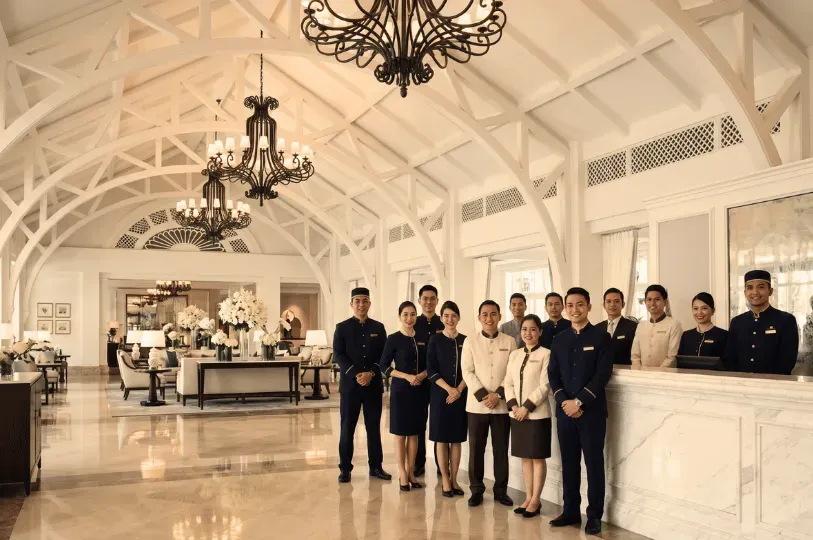
By then the marble has been buffed twice, the orchids replaced, and the doorman has memorized the names of arriving guests he has never met. To anyone walking through those revolving doors, it looks like the building simply breathes ease. It does not. What you are seeing is the rehearsed stillness of a place where dozens of people are working very hard so that you never have to think about effort at all.
I have spent the better part of a decade moving through these spaces, not as a guest, but as the person standing slightly to the side, watching the machinery. As a personal assistant who has accompanied an employer across more than forty destinations, I have learned that the luxury hotel behind the scenes is far more human, and far more fragile, than the polished surface suggests.
This piece is a quiet tour of what happens behind those closed doors. Not the brochure version. The real one.
What "Five-Star" Actually Means Behind the Counter
People assume the five-star hotel experience is about thread count and chandeliers. It rarely is.
A genuine five-star rating, as outlined by systems like the Forbes Travel Guide, is measured less in objects and more in invisible behaviors. The speed a phone is answered. Whether your name is used without being asked twice. The way a request you made last year is remembered when you return.
The grading is brutal in its specificity. Anonymous inspectors test hundreds of standards in a single stay, most of them about timing and grace rather than gold leaf.
Common mistake: travelers think they are paying for the building. They are paying for the rhythm inside it.
The Hidden Architecture of Luxury Hotel Operations

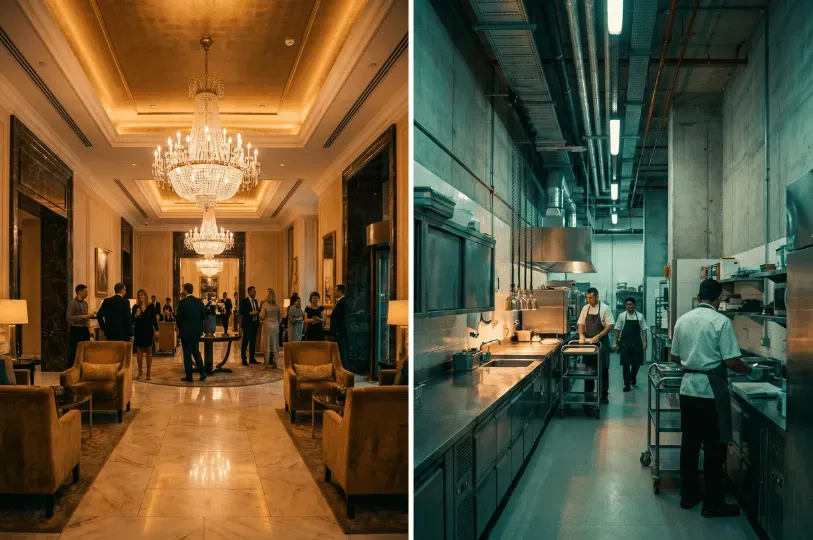
Every grand hotel has two floor plans.
There is the one guests see, and there is the one running directly behind the wallpaper. Luxury hotel operations depend on a parallel world of service corridors, staff lifts, and pressed-uniform staging areas that exist purely to keep labor out of sight.
The corridors guests never walk
I have spent more time in back-of-house corridors than in the suites themselves. They are narrow, often windowless, and loud with the clatter of trolleys and clipped radio chatter. This is the spine of the building.
The principle here has a name in the trade: the front of house and back of house divide, a concept explained well in this overview of hospitality management. Everything beautiful out front exists because something efficient and slightly chaotic is happening just behind it.
The morning before the morning
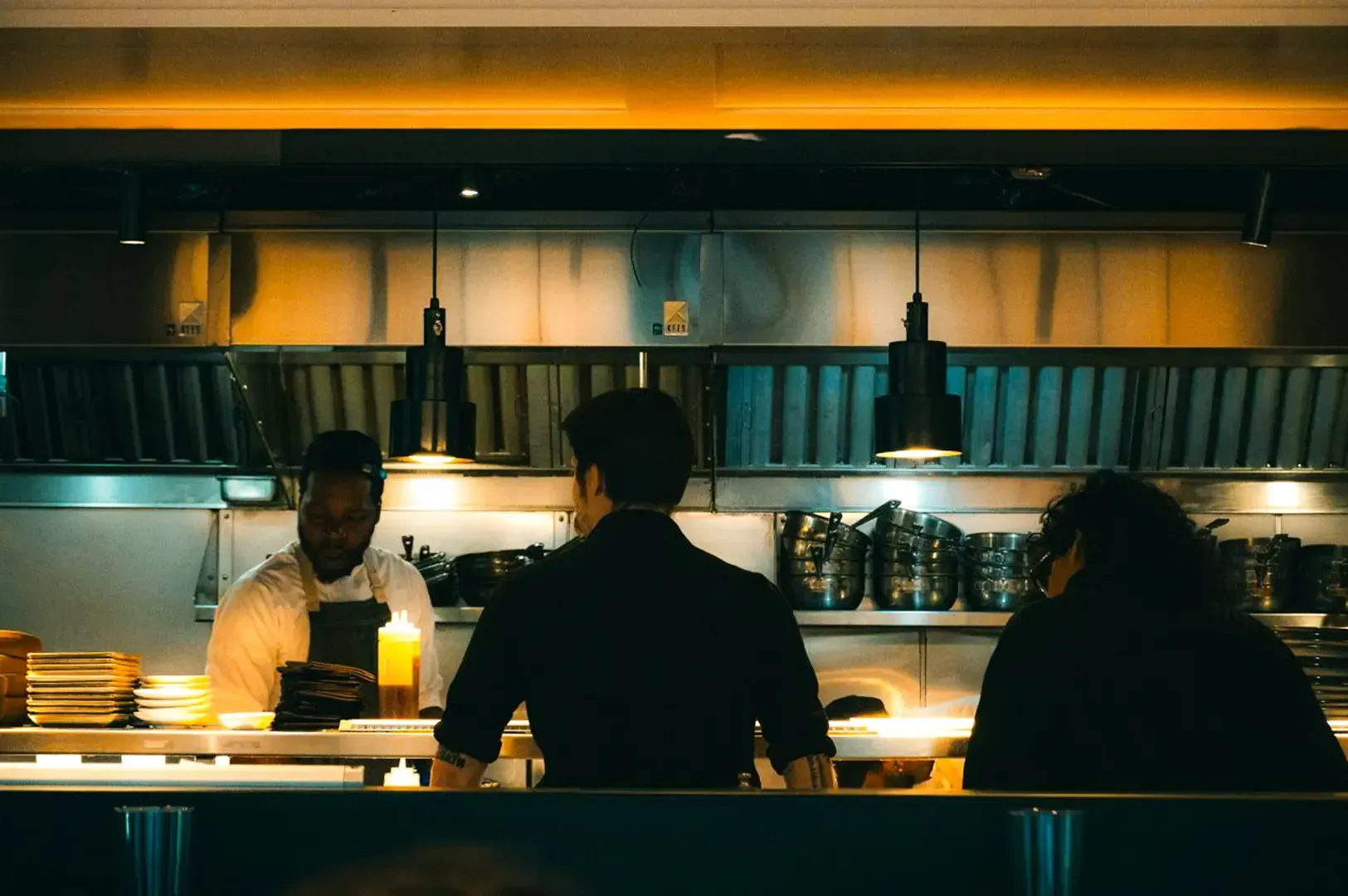
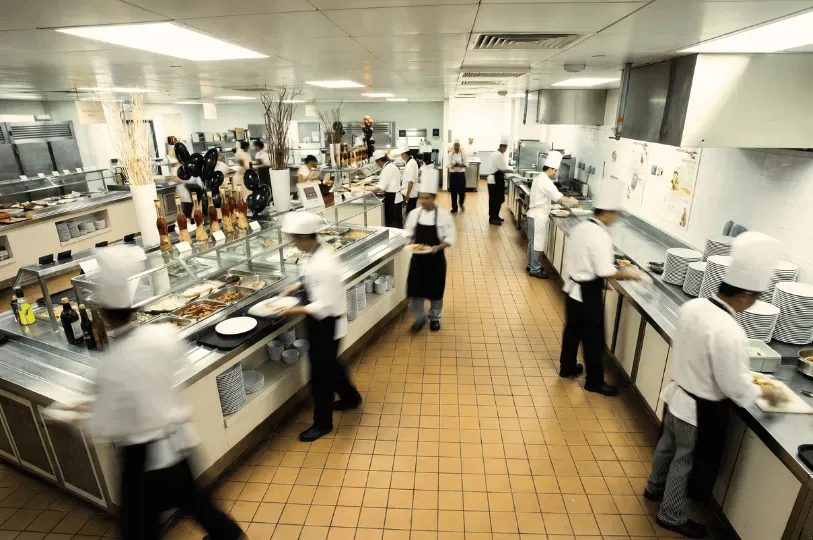
By the time a guest orders breakfast, the kitchen has already been awake for hours.
Linen has been counted. Forecasts for arrivals and departures have been read like weather reports. Housekeeping has mapped the building room by room. The calm you feel at 9 a.m. was assembled in the dark.
Hotel Concierge Service: The Quiet Power of the Lobby Desk
If there is a beating heart to any great hotel, it is the concierge.
Real hotel concierge service has almost nothing to do with handing out maps. The historic concierge profession, represented globally by Les Clefs d'Or and its crossed-keys insignia, is built on relationships rather than information. A great concierge does not know everything. They know who to call.
What I have watched a concierge do
I once watched a concierge in Tokyo secure a same-night table at a counter with a months-long waitlist, not through a booking system, but through a quiet phone call to a chef he had sent guests to for years.
That is the trade. Favors, memory, and trust, exchanged slowly over time.
Pro tip: if you want a concierge to work magic for you, treat them like a person, not a vending machine. The difference in outcome is enormous.
Step into the hush before the revolving doors, here’s a peek: Behind the Scenes: The Check-In Experience at 5 Ultra-Luxury Hotels
The keys behind the keys
The crossed golden keys you sometimes see pinned to a lapel are earned, not bought. They signal years of service and a network most guests never glimpse. When you see them, you are looking at someone who can open doors that money alone cannot.
Private Hotel Services Most Guests Never See

The deeper you go, the quieter things become.
Private hotel services at the top tier are almost invisible by design. Butler floors, unlisted suites, private check-in rooms where you never touch a lobby, dedicated staff who learn your routine within a day.
The dossier you don't know exists
Returning guests at the highest level often have a profile, sometimes informally called a guest history, that records everything from pillow firmness to a preferred brand of still water.
It can feel uncanny. You walk in, and the room already knows you. That foresight, explored in this look at the psychology of hospitality, is the entire point. The labor disappears so the comfort can appear effortless.
The midnight requests
The strangest hours are where the real character of a hotel shows.
I have made calls at 2 a.m. for things I would rather not list. What always struck me was not the request itself, but the complete absence of judgment in the reply. The voice on the line simply said, "Of course," and made it happen.
The People Who Make the Magic

Behind every seamless stay is a workforce most guests will never thank.
- Housekeeping, who reset entire floors in silence
- Night auditors, balancing the building's accounts while the city sleeps
- Engineers, chasing a faint hum in a vent before anyone notices it
- Floor butlers, who anticipate a need before it is spoken
The hospitality sector is one of the largest employers on earth, a scale documented by bodies like the World Travel & Tourism Council. Yet its defining feature is invisibility. The better the work, the less you see it.
A cultural observation from the road
Service culture shifts dramatically by place.
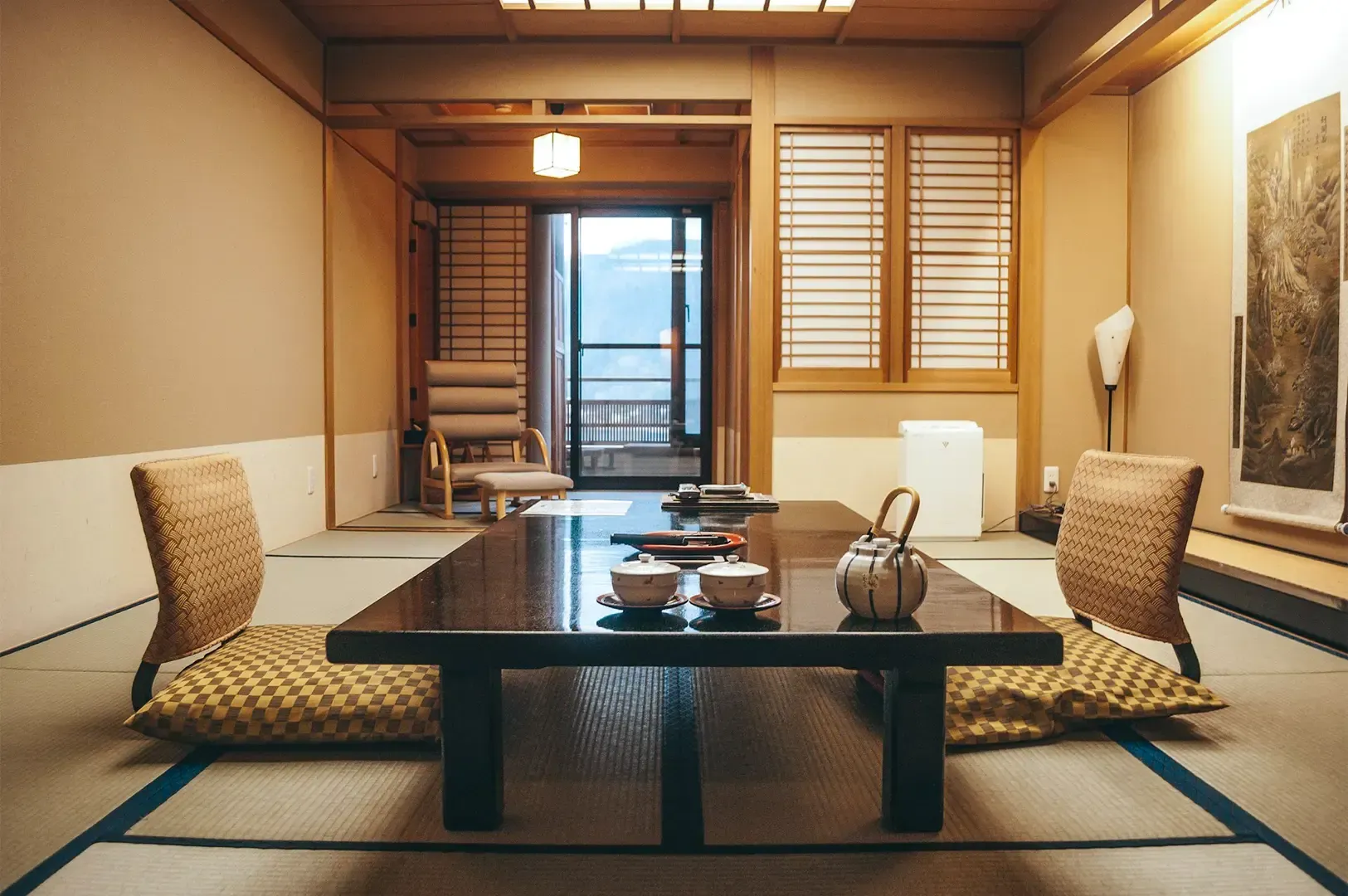
In Japan, the standard of omotenashi, a philosophy of wholehearted, anticipatory hospitality described in this cultural overview, means staff serve without ever expecting acknowledgment. In parts of Europe, service is warmer, chattier, more openly human. Neither is better. They are simply different grammars of the same language.
The Realities Behind the Glamour
Here is the part the brochures leave out.
The luxury hotel experience is glorious to receive and exhausting to produce. I have seen staff smile through fourteen-hour shifts. I have watched a manager calmly absorb an unreasonable complaint, then exhale slowly the moment the guest turned away.
The composure is real. So is the cost behind it.
The emotional labor nobody bills for
Anticipating a stranger's mood all day is its own kind of work. There is a quiet toll in always reading the room, always staying three steps ahead, always being the calm one.
I carry a version of this myself. To make travel look effortless for someone else, you absorb the friction yourself. You become very good at hiding the strain.
What this taught me about value
Over the years, I stopped being impressed by gold taps and started being moved by competence. A perfectly timed turndown. A door held without being asked. A name remembered after a year apart.
That, to me, is the actual luxury. Not the marble. The attention.
How to Be a Better Guest in a Luxury Hotel

If you want the building to open up to you, a few simple habits help.
- Learn names. Use them. It changes everything.
- Ask early. Last-minute requests are possible, but kindness buys goodwill.
- Tip with intention, where it is culturally appropriate, and check local norms first.
- Be specific, not demanding. Clear preferences help staff help you.
- Say thank you to the people you don't see, leave a note for housekeeping.
Do this instead: rather than complaining loudly at the desk, ask quietly how something can be fixed. You will be astonished at the response.
What the Closed Doors Really Hide

So what is actually behind the doors of a great hotel?
Not secrecy for its own sake. Effort. Care. A small army of people choosing, shift after shift, to make a stranger feel at home. The luxury hotel behind the scenes is not a trick. It is a discipline, practiced quietly by people who will never appear in the photographs.
The next time a hotel feels effortless, pause for a second. Somewhere behind the wallpaper, someone made that effortlessness for you.
That awareness is the most valuable souvenir I have brought home from forty destinations. Look a little closer at the calm. Thank the people holding it together. And travel, always, with your eyes slightly more open than before.