

The Language of the Menu: How Fine Dining Communicates Before the First Course Arrives

September 15, 2026 |J.C. Yue

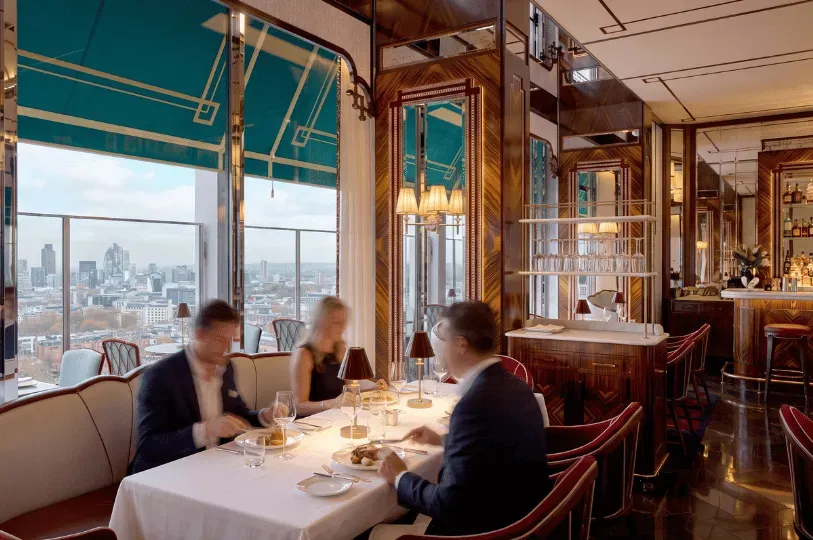
Diners captured in slight motion blur enjoying a meal at a white-tablecloth booth in a bright, Art Deco-inspired restaurant with polished wood paneling and large windows overlooking a city skyline.

The menu landed in my hands in Kyoto, and I knew the meal before I'd read a single word.

It was heavy. Not showy-heavy, but the quiet weight of good paper, the kind that asks you to slow down just to turn a page. One column. Six lines. No prices.

I've handed my employer thousands of menus across more than forty destinations. I've learned to read them the way some people read a room — for what they say, and for everything they leave out.

Because here's the truth nobody tells you: the menu is the first course. It's speaking to you long before anything reaches the table.


The Menu Is a Handshake

Think of the last fine dining room you walked into.

Before the first bite, before the sommelier arrives, before you've even settled into the chair — the menu is already talking. Its paper, its weight, its typeface, its silences are the restaurant introducing itself.

A good one tells you exactly what kind of night this will be. A confident kitchen doesn't shout. It hands you a clean page and trusts you to understand.

That trust, or the lack of it, is the whole story.

Menu Design Psychology: What the Paper Says First

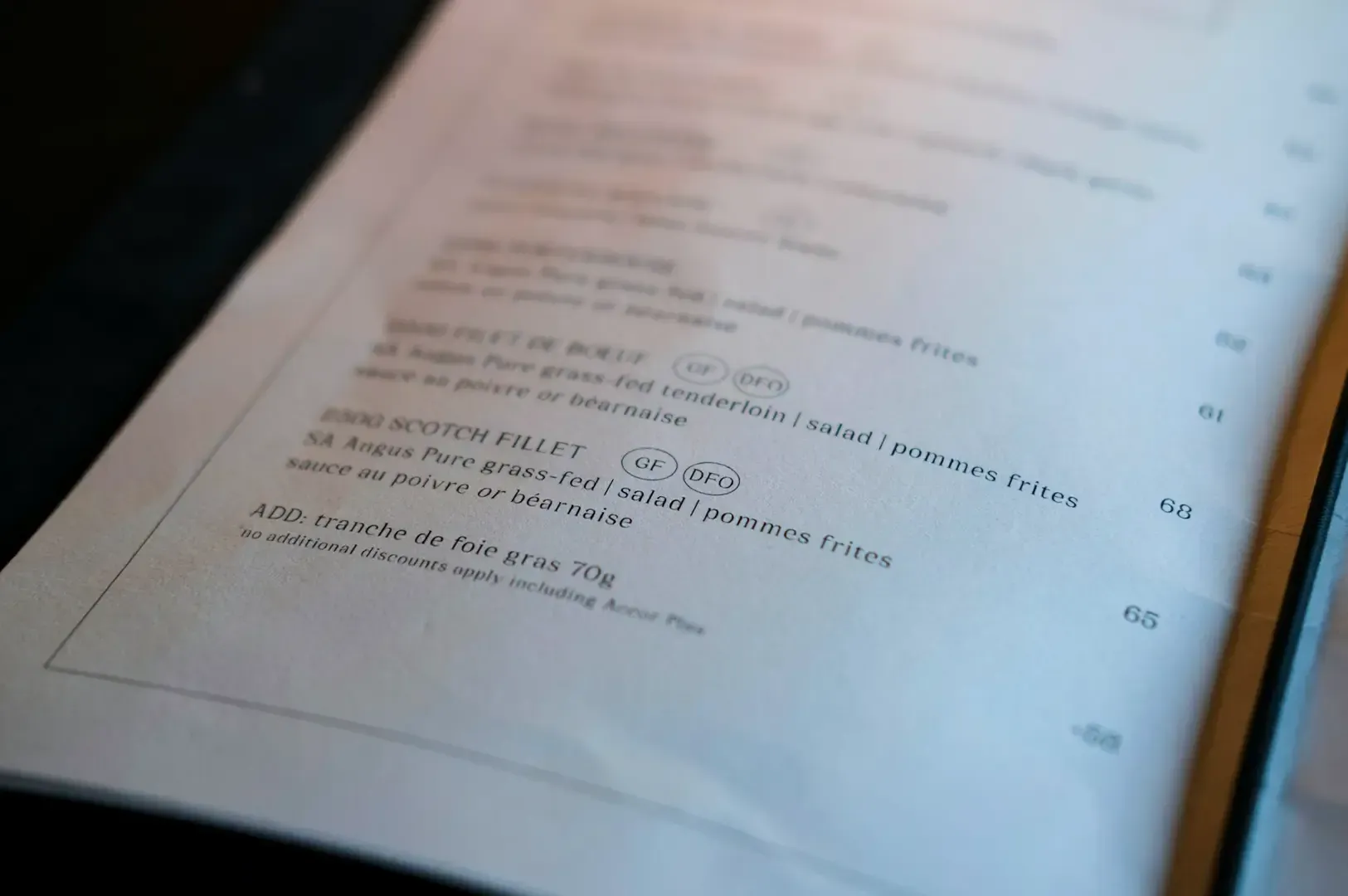
Close up shot of a menu page with some items visible along with their prices.

Long before the words, there's the object itself.

I've held menus bound in leather so soft it felt apologetic, and single sheets of washi paper that cost more than some starters. The physical menu is a deliberate signal, and restaurants agonise over it.


Weight and Texture Set the Tone

Heavy stock says permanence. It says we've been here, we'll stay here. Thin, elegant paper often signals something more delicate — a kitchen confident enough to feel light.

Neither is better. But the weight in your hands is a promise about the weight on your plate.


Typography Whispers Before Words

The font matters more than you'd think. A quiet serif suggests heritage. Clean sans-serif leans modern, precise, a little cool. The study of typography is really the study of tone, and restaurants borrow from it constantly.

I once saw a menu set in a typeface so cramped it felt anxious. The food, sadly, matched.


White Space Is Confidence

This is the tell I trust most. Empty space on a menu is expensive, and only a sure kitchen spends it freely. A page with room to breathe says: we don't need to fill it. What's here is enough.

How Menu Language Signals Confidence or Insecurity

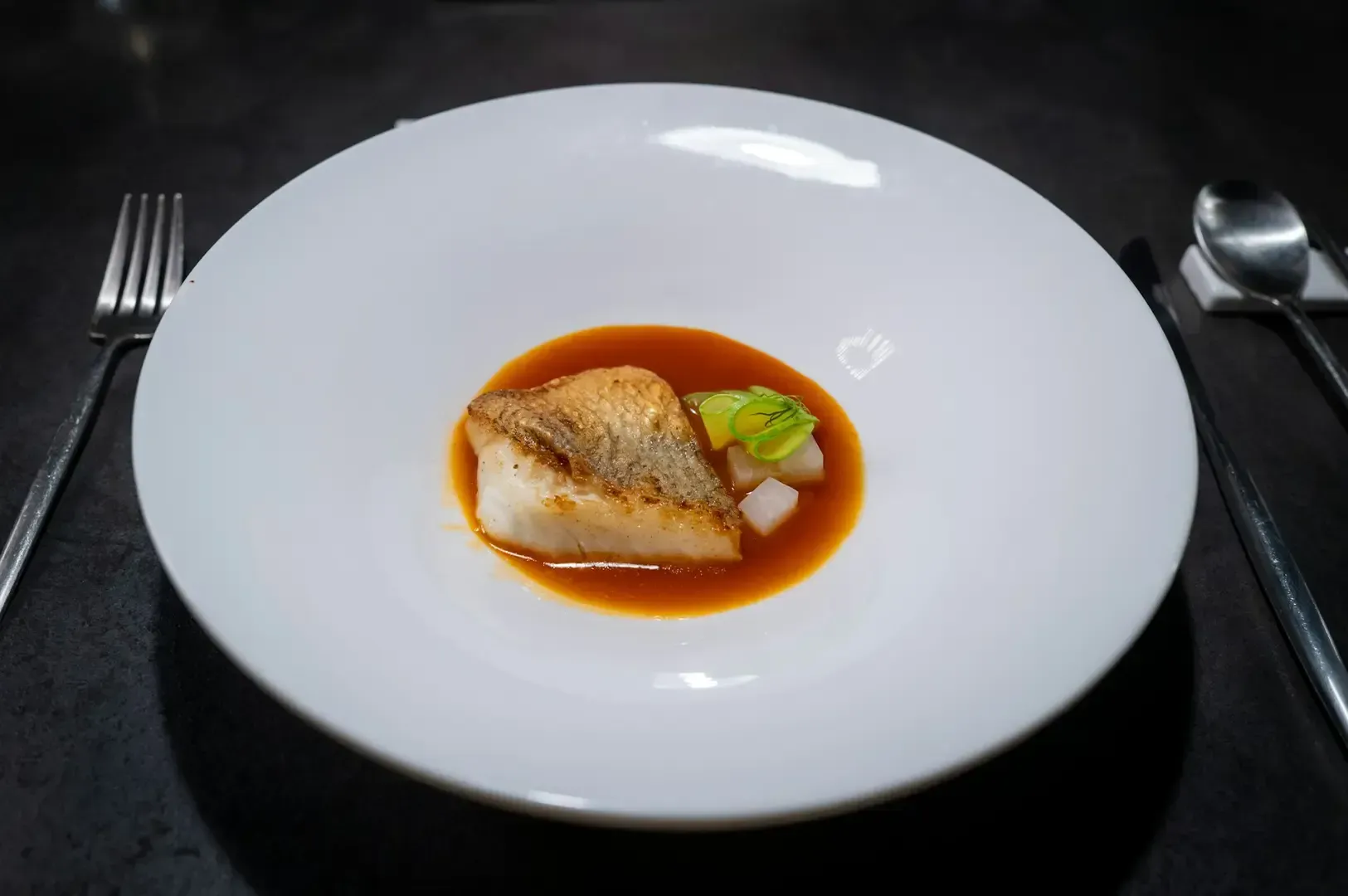
A simple fine dining dish on a white plate with utensils neatly placed on the sides on top of a black textured table.

Now the words.

After years of reading them, I've come to believe a menu's language reveals its self-esteem. And insecurity is easy to spot once you know the signs.


The Overwritten Dish

You've seen this one. A single scallop described across three lines — "hand-dived," "kissed by flame," "resting on a whisper of purée." When a dish needs that many words to convince you, the kitchen is arguing with itself.

Great food rarely needs a lawyer.


The Three-Word Truth

Contrast that with the menus that stop me cold. Turbot. Leek. Roe. Three words. No adjectives. Nothing to hide behind.

Confidence sounds like restraint. When a kitchen writes plainly, it's telling you the ingredient will do the talking.


When Sourcing Becomes Storytelling

There's a middle path, and Japan does it best. A menu might name the specific bay a fish came from, or the season a vegetable peaked. This isn't decoration — it's provenance, a quiet nod to the principle of shun, catching an ingredient at its rightful moment.

That's not insecurity. That's a kitchen so sure of its sourcing it wants you to know the map.


Tasting Menu vs À La Carte: Two Different Conversations

The structure itself is a message.

Choose between a tasting menu and à la carte, and you're choosing between two philosophies of control.


The Tasting Menu Asks for Trust

Hand over your evening to a set sequence and you're saying I trust you. There are no decisions left to make. The chef holds the wheel from start to finish.

I've watched my employer relax the moment a tasting menu appears — the relief of having nothing to decide. It's the same surrender at the heart of omakase, where the words literally mean I leave it up to you.


À La Carte Hands You the Map

A full à la carte page is generosity of a different kind. It says you know what you want, and we'll make it. More freedom, more risk, more of you in the meal.

Neither is superior. They're simply different agreements between you and the kitchen — and the menu tells you which one you've walked into.

What the Absence of Prices Really Means

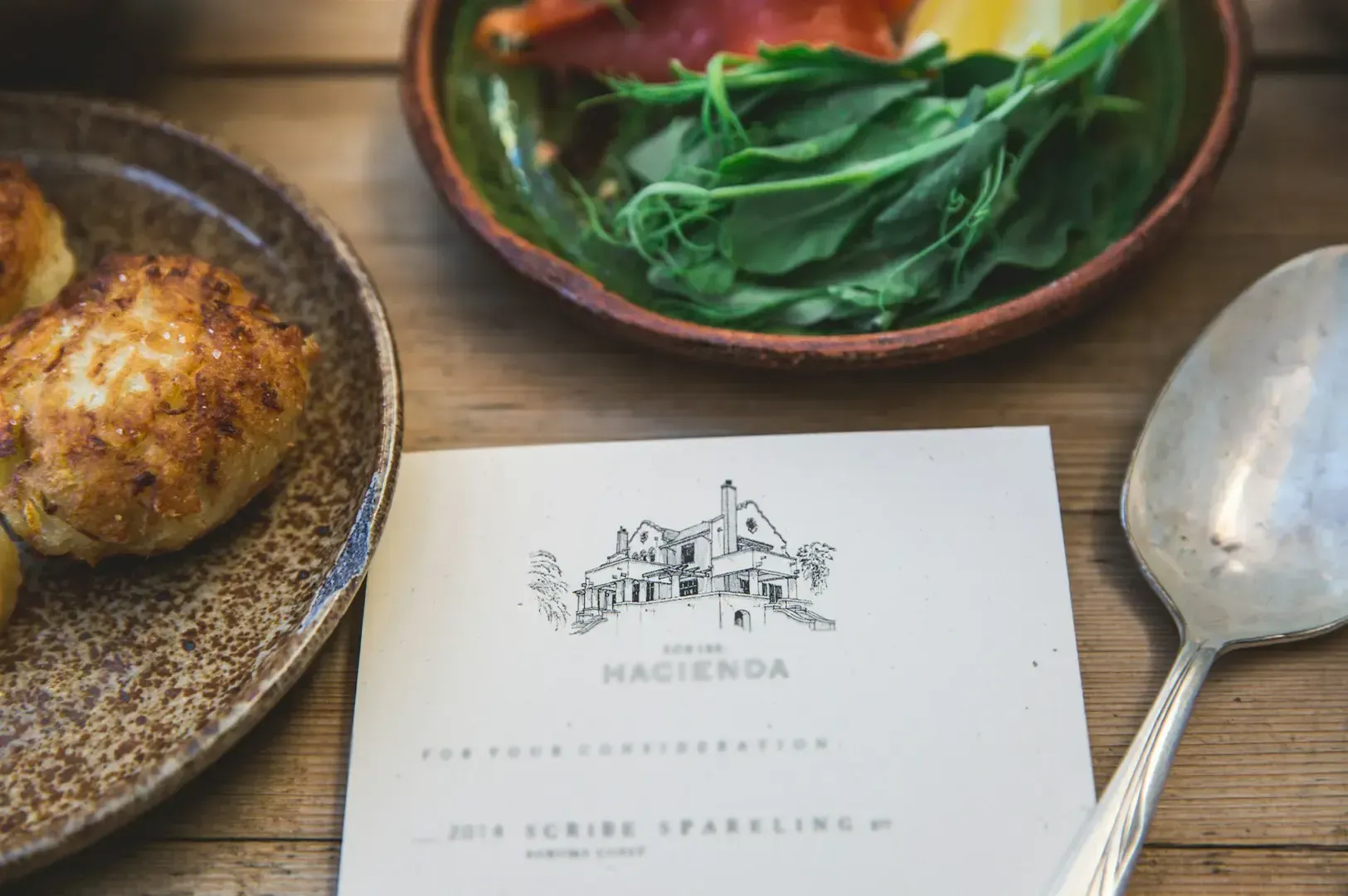
A minimalist designed menu with dishes served in textured bowls arranged on top of a wooden table.

Then there's the menu with no numbers at all.

For years this unsettled me. Now I read it more carefully.


The Quiet Confidence of No Numbers

A priceless menu — often handed only to one guest at a table — signals a few things at once. It says the cost is understood, and the focus is elsewhere. You came to eat, not to calculate.

At its best, it's a gesture of hospitality. At its worst, it's theatre. The trick is telling them apart, and usually the rest of the menu already told you.


When It's Grace, When It's Gimmick

Grace looks like a kitchen removing the friction of money so you can be present. Gimmick looks like a kitchen hiding a number it's slightly ashamed of.

Read the whole page, not just the missing part. A confident menu with no prices feels calm. An anxious one feels like a magic trick.


Menu Language Across Cultures

Here's where a decade of travel taught me the most. A menu is a cultural document, and it reads differently in every language.


France: The Language of Codified Elegance

French menus assume you speak their grammar — the classical structure, the sauces named without explanation, the deep respect for technique. There's an expectation of shared knowledge, a heritage documented right through the Michelin Guide itself.

It can feel intimidating. It's meant to feel like an inheritance.


Japan: The Language of Season and Silence

Japanese menus often say the least and mean the most. A single seasonal word can carry a whole philosophy. Emptiness is intentional, drawn from the same aesthetic sense that runs through the broader culture of Japan. What's unwritten matters as much as what's printed.


Singapore: The Language of Honest Plurality

Home does it differently, and I love it for that. A Singapore menu might switch between three languages in a single line, name a dish in dialect, and refuse to explain itself.

It assumes you belong — that you already know what chili crab means to a table. There's no translation because none is needed. Even our hawker culture, now recognised by UNESCO, works the same way: no menu at all sometimes, just a stall and a shared understanding.

That, to me, is the most generous language of all — the one that trusts you to already be part of the story.

How a Menu Sets Expectations for the Whole Meal

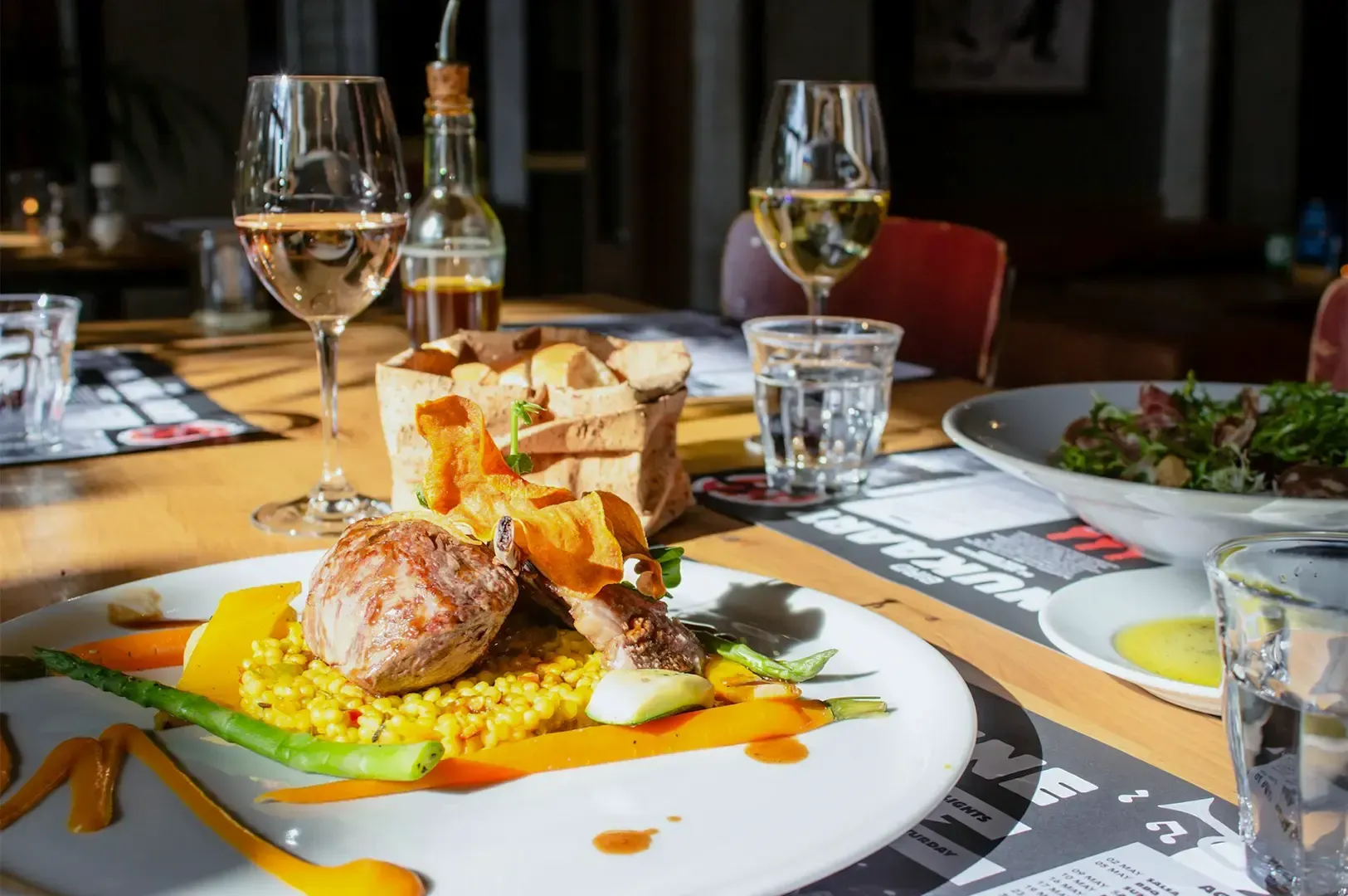
A meat and veggies dish plated on a white platter arrange on top of a table with glasses and other dishes.

Everything before this leads here.

The menu isn't a preview. It's a contract. And the finest kitchens honour it to the letter.


The Menu Is a Promise

If the page is calm, the pacing should be calm. If the language is precise, the plating should match. A great meal keeps every promise the menu made in your hands ten minutes earlier.

I've learned to feel the disappointment early — a lavish menu followed by a rushed room, an elegant page undercut by careless service. The break in the promise is what stings, more than any single dish.


When the Words and the Plate Disagree

The saddest meals aren't the bad ones. They're the ones where the menu wrote a cheque the kitchen couldn't cash.

Coherence is the real luxury. When the design, the language, the pacing and the plate all say the same thing, you feel it as a kind of peace. Nothing is fighting. Everything belongs.


Reading a Menu Like an Insider

So how do you actually read one? After years of practice, here's what I look for.


Trust the Silences

The best menus leave gaps — in language, in space, in ambition. What a kitchen chooses not to say tells you how sure it is.


Watch for Effort in the Wrong Places

Beautiful paper hiding thin food. Poetic descriptions masking simple execution. When the effort goes into the selling, be quietly cautious.


Feel the Weight, Then Feel the Room

Hold the menu. Then look up. Do they agree? A menu that matches its room — its light, its noise, its pace — is a menu you can believe.


What the Menu Taught Me About Everything Else

There's a lesson in this that reaches past dining.

The menu, like a person, tells you who it is before it says a word. The weight of it. The confidence to stay quiet. The refusal to oversell. The things worth trusting rarely need to shout.

I've carried that out of a hundred dining rooms and into the rest of the work — the quiet belief that real quality announces itself softly, and lets you come the rest of the way yourself.

Before Your Next First Course

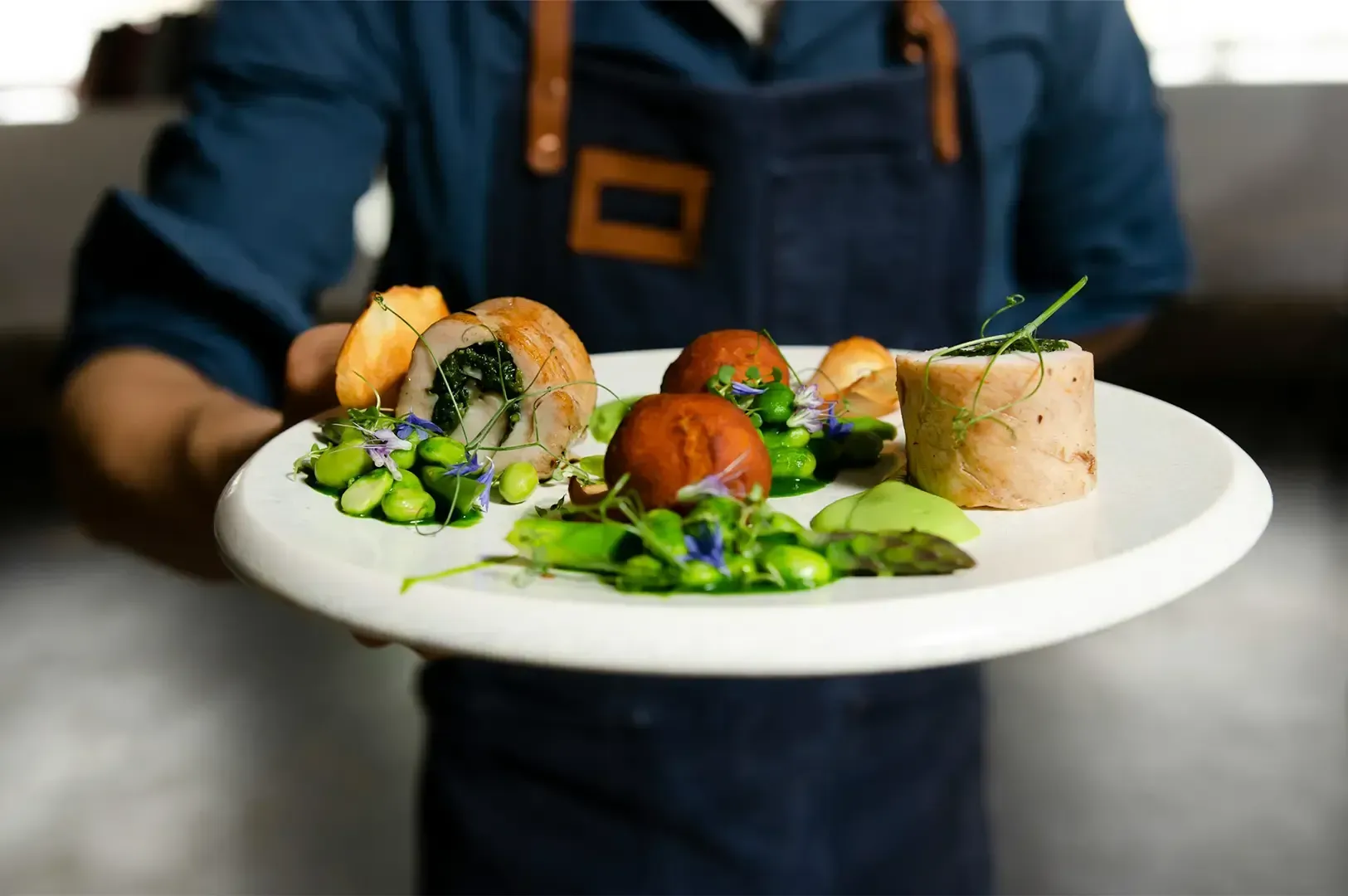
A waiter in dark blue outfit holding out a fine dining dish that on a white plate.

The next time a menu lands in your hands, pause before you read it.

Feel its weight. Notice its silences. Read the confidence in what it doesn't say. You already know more about the meal than you think.

The first course arrives later. But dinner, in every way that matters, has already begun.

For a closer look at how the finest kitchens turn a printed page into a living experience, read Experiential Fine Dining as Theater.

Share this article

Recent Posts

A hotel room with a modern Japanese style interior.
By J.C. Yue • October 12, 2026
How luxury properties create true rest — a personal assistant on luxury sleep abroad, hotel rest experiences, and the amenities that help you sleep well.

A woman laying on a white bed on her phone with the covers slightly ruffled up, bright sunlight shin
By J.C. Yue • October 8, 2026
When every hour is accounted for, and the days blur into cities you can barely name — what does it feel like to lose your own time without noticing?

A hawker vendor preparing a meal in a container with his ingredients layed out in front.
By J.C. Yue • October 6, 2026
The local table test reveals if a restaurant truly belongs to its community — honest dining signs from 40+ destinations, from Penang to Positano and home.

A calm, peaceful residential street in Bangkok lined with buildings on either side with park vehicle
By J.C. Yue • October 5, 2026
Explore Bangkok residential neighborhoods and local districts off the beaten path — hidden neighborhoods and authentic travel through the city's quiet second side.

Two people having a conversation over cups of coffee in white mugs.
By J.C. Yue • October 1, 2026
Some souvenirs collect dust. The ones worth keeping are the conversations you never planned to have — and couldn't leave behind if you tried.

Tea cups and kettle setup placed near a window with white curtains.
By J.C. Yue • September 30, 2026
When home is never one place, rituals become the anchor. A reflection on the small, quiet habits, tea, a notebook, familiar coffee, that hold you steady across forty cities and counting.

A cozy hotel room interior with parted red curtains revealing a city view outside.
By J.C. Yue • September 29, 2026
Why the hotel floor experience shapes your luxury hotel stay. A personal assistant's luxury travel tips on choosing the best floor in a hotel.

A dimly lit chef’s table with two customers waiting as the chef prepares a meal behind the counter.
By J.C. Yue • September 28, 2026
Master chef's table etiquette when sharing an intimate dining experience with strangers — a personal assistant's guide to fine dining etiquette abroad.

A group of people in front of a coffee shop glass display choosing from the selection, a red stall e
By J.C. Yue • September 24, 2026
Forty cities. Forty sets of choices. A quiet reflection on how the smallest decisions can be the ones that cost you the most.

George Town heritage shophouses in Penang, Malaysia lined up in a busy street.
By J.C. Yue • September 22, 2026
Explore Penang travel beyond George Town's heritage streets — Penang food culture, hidden gems, and the quiet rise of luxury travel Penang.

Show More